The Online Fitness Coach Handbook
Difficult clients and hard conversations
Updated August 2026 · 8 min read
The short version. A solo roster has no HR department — you're it. Four conversations decide whether difficult stays a moment or becomes your job description: the non-payer, the boundary-pusher, the chronic complainer, and the goodbye you initiate. Scripts beat improvisation in all four, and one rule governs everything: address it at incident two, kindly — because incident ten, angrily, is how coaches burn out and clients write bad reviews.
The 80/20 of difficult
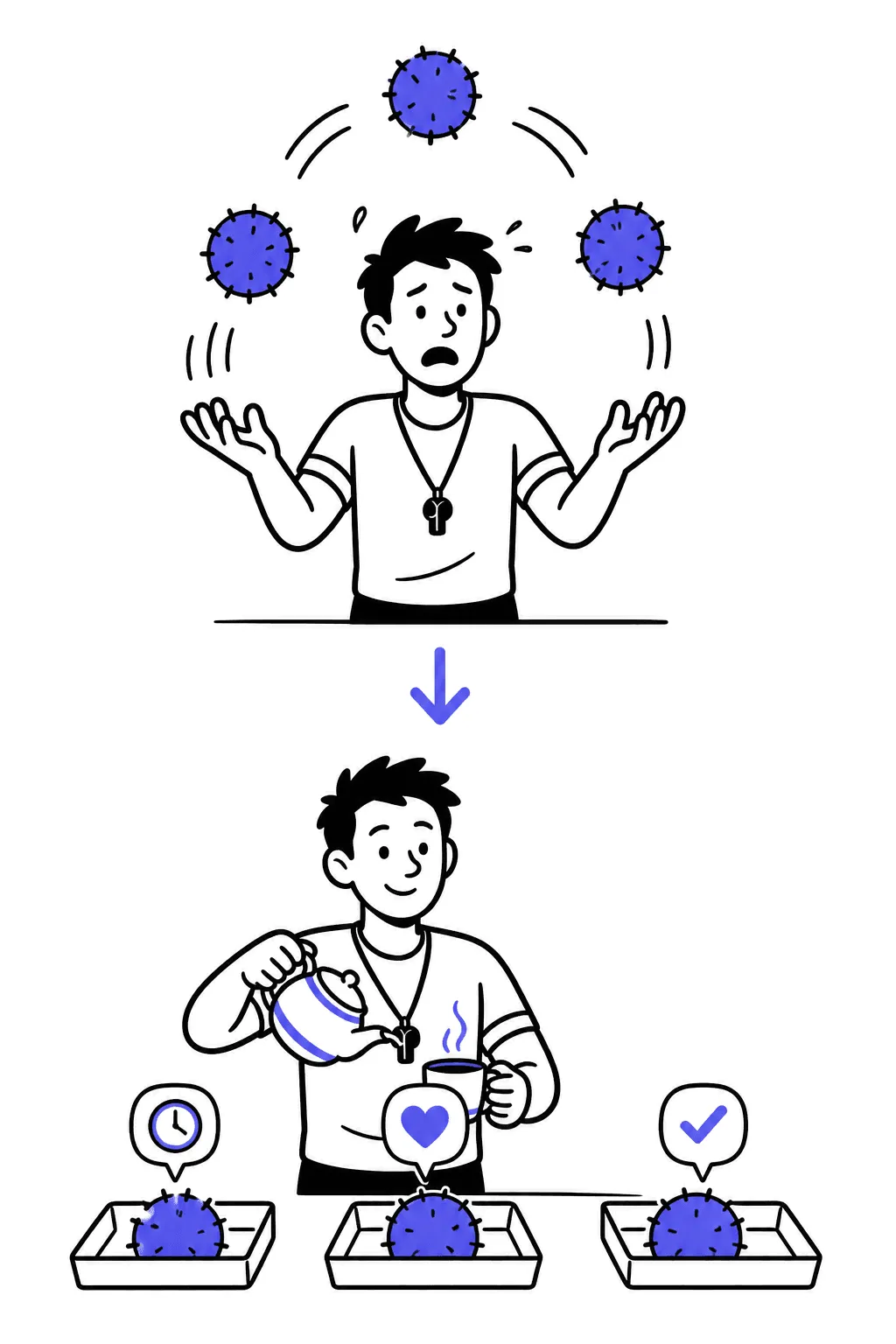
The comforting statistic from every experienced coach: genuinely difficult clients are rare — but each unmanaged one consumes the emotional budget of five great ones. The uncomfortable mirror, also from experience: most difficulty is invited — by vague offers, absent boundaries, or heroic tolerance in month one that becomes resented normal by month four. The earlier chapters are this chapter's real prevention; what follows is treatment.
The four conversations
1. The non-payer
Never coach into arrears — the debt itself poisons the relationship. One failed payment: friendly assumption of innocence — cards expire. Second miss: pause coaching, warmly and automatically: “No stress — we'll pick right back up once billing's sorted.” The payments chapter automates this so the robot is the bad cop and you never are.
2. The boundary-pusher
The 11pm voice notes, the fourth program rewrite this month. The move is warm redirection, escalated once if needed: name the pattern, not the person. “I want to keep giving you great answers — that happens inside our setup: exercise threads and the weekly note. Deal?” Most pushers are enthusiastic, not entitled; structure redirects enthusiasm fine.
3. The chronic complainer / non-complier
Complains about the program they don't follow. The honest conversation is data-first, blame-free: “Here's what we planned, here's what happened, here's what the results say. Something's not fitting — is it the plan, the season of life, or the goal itself?” Half the time the plan is wrong for their life (shrink it); the other half, they hear themselves out loud and recommit. Either way, resentment becomes a decision.
4. The goodbye you initiate
Yes, you're allowed to fire a client — values clash, chronic disrespect, or the quiet dread you feel seeing their name. Practitioner-standard exit: end-of-billing-period, framed as fit rather than fault, with a real referral if one exists. “I don't think I'm the right coach to get you where you want to go — [name] specializes in exactly this.” Clean, kind, final.

The conversation mechanics
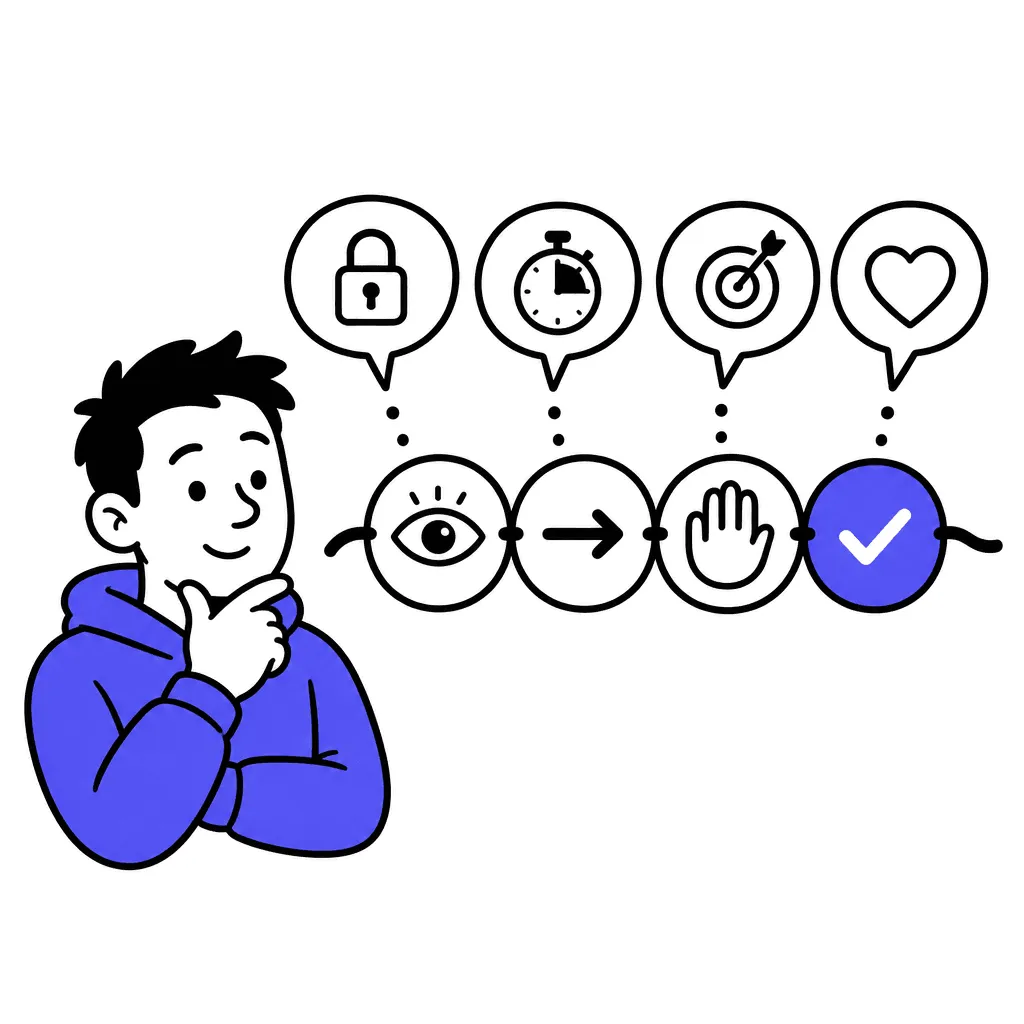
Whatever the flavor, the same skeleton works: privately, promptly, specifically, kindly, once. One behavior, its effect, the ask, the check (“does that work for you?”). In writing where money or facts matter; voice where feelings do. And the discipline that separates professionals from the burnt-out: after the conversation, actually reset — no relitigating, no cold shoulder. The relationship either recovers fully or ends cleanly; simmering is the only losing option.
What not to do
- Don't discount your way out of conflict. A price cut to appease a complainer buys you a cheaper complainer.
- Don't fire by ghosting. You're the professional; disappearing is their move, not yours.
- Don't collect grievances for a “big talk”. Ten stored incidents produce an explosion, not a conversation. Two is the number.
- Don't mistake one hard season for a difficult person. The client snapping during their divorce needs the pause protocol and some grace — the label is for patterns, not moments.
FAQ
A client is rude in messages — once. React?
Note it, let one pass — everyone has days. Twice is the pattern threshold: name it kindly per the skeleton.
What if the difficult client is my highest payer?
Then the fee is buying your dread at a discount. Full books exist so no single payment can hold your standards hostage.
Refunds to end a conflict — worth it?
Occasionally, strategically: a clean refund that ends a mismatch is cheaper than weeks of friction or a public grudge.
Can I mention a fired client publicly, even vaguely?
Never. The professional silence you keep is itself marketing — your current clients notice whom you don't talk about.
Previous: Pauses, holidays and comebacks · Next: Getting paid without chasing