Free · Illustrated · No gurus
The Online Fitness Coach Handbook
Everything about running a solo online coaching business except the coaching itself. What $5,000 mentorships sell, written down and illustrated.

- 40 chapters In 6 parts, from going online to growing
- 7–12 minutes each One chapter fits a coffee break
- Free, no sign-up Finished chapters tick themselves off
Part 1
Going online
The decision, the positioning, the price.
-
 From the gym floor to online The honest 90‑day plan for taking your coaching online — built on the asset you already have. 12 min 12 min
-
 Before you start: the honest inventory Experience, people, materials, expectations — the twenty-minute check that predicts the whole thing. 8 min 8 min
-
 1:1, hybrid, or in-between The three honest models — and why not every client is an online client. 8 min 8 min
-
 Your niche is hiding in your client list Skip the avatar worksheet. Excavate your niche from the clients you’ve already coached best. 8 min 8 min
-
 Positioning: why you, in one paragraph Famous to the family, not to the feed — one paragraph, reused everywhere. 7 min 7 min
-
 Your offer One monthly retainer with a defined rhythm and boundaries — told well, it beats any menu. 8 min 8 min
-
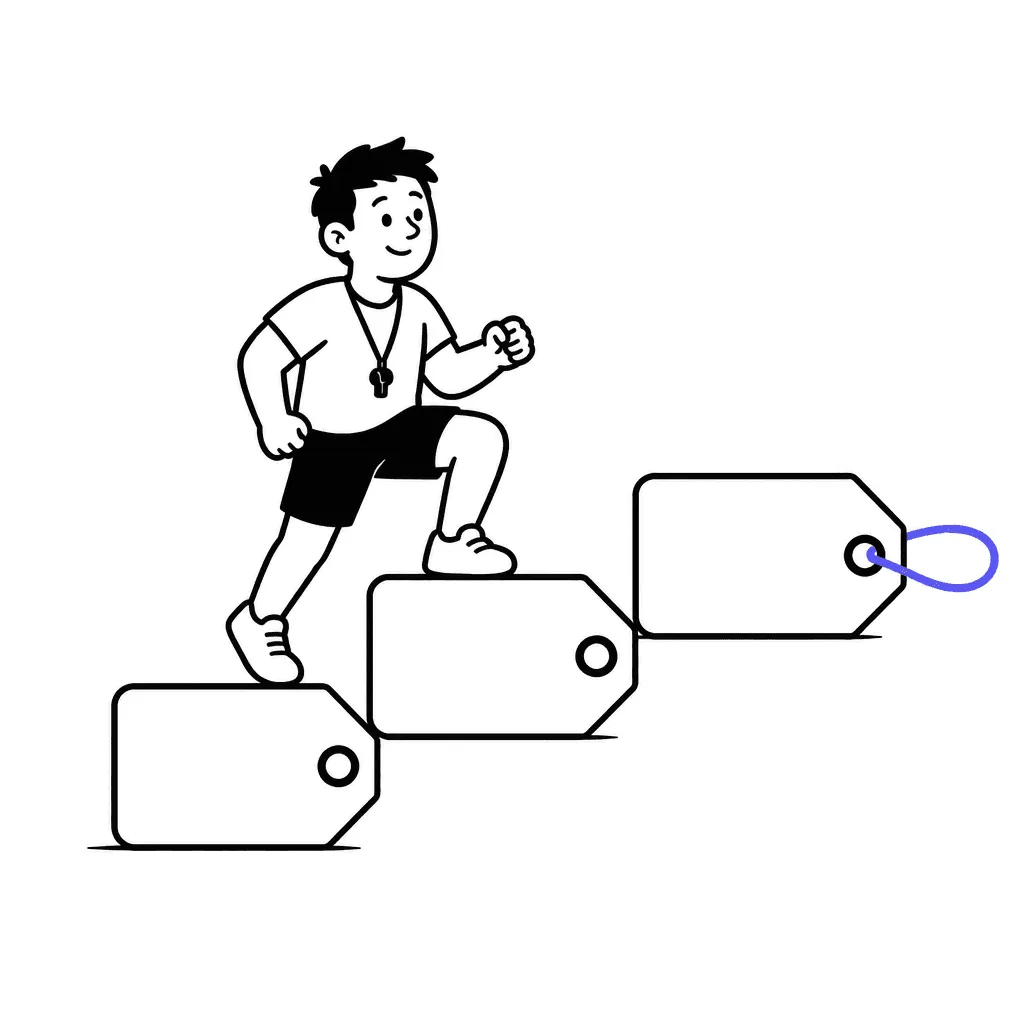 How much to charge The $118–250 market band, monthly not per session, and the founding rate that’s never free. 9 min 9 min
Part 2
The setup
Content, tools, and the boring armor.
-
 Filming your exercise library A phone, a window and a batch plan: 60–100 demos in a weekend. Clear beats cinematic. 8 min 8 min
-
 Your video library is the hostage Why coaches stay on software they hate, and how to move a 150‑video library in an afternoon. 9 min 9 min
-
 Your tech stack (and why it doesn’t matter much) Four capabilities, two trials, one evening. Then stop app hopping. 8 min 8 min
-
 The boring armor: waivers, insurance, scope The legal minimum before client one — and the paperwork that can wait. 8 min 8 min
-
 Money hygiene: accounts, records, taxes Three one-hour habits that make tax season paperwork instead of archaeology. 8 min 8 min
Part 3
Getting clients
Warm sources, doors, and honest labels.
-
 Your first five online clients The ten ways coaches actually get them — labeled honestly, including the traps. Pick two. 10 min 10 min
-
 Social media without the treadmill A business card, not a broadcast tower: three pinned posts and a rhythm you can hold for years. 8 min 8 min
-
 Content that compounds Treadmill content dies in a day; a real answer keeps working for years. One format, one pace. 8 min 8 min
-
 Funnels: the door that works while you coach One page, one taste of your coaching, one way in — two minutes from “heard your name” to “booked”. 9 min 9 min
-
 Your list: the asset no algorithm can take Followers are rented; contacts are owned. One honest email a year can refill a roster. 8 min 8 min
-
 Referrals as a system Not weather — plumbing: ask specifically, ask at the right moment, thank properly. 8 min 8 min
-
 Partnerships: borrowed trust One honest coffee with the right physio builds a channel that compounds for years. 8 min 8 min
Part 4
Selling
The craft between “interested” and “client” — no scripts, no pressure.
-
 From DM to yes Cold DMs cost 300 messages per client. Warm conversations convert — slow down and let them come to you. 8 min 8 min
-
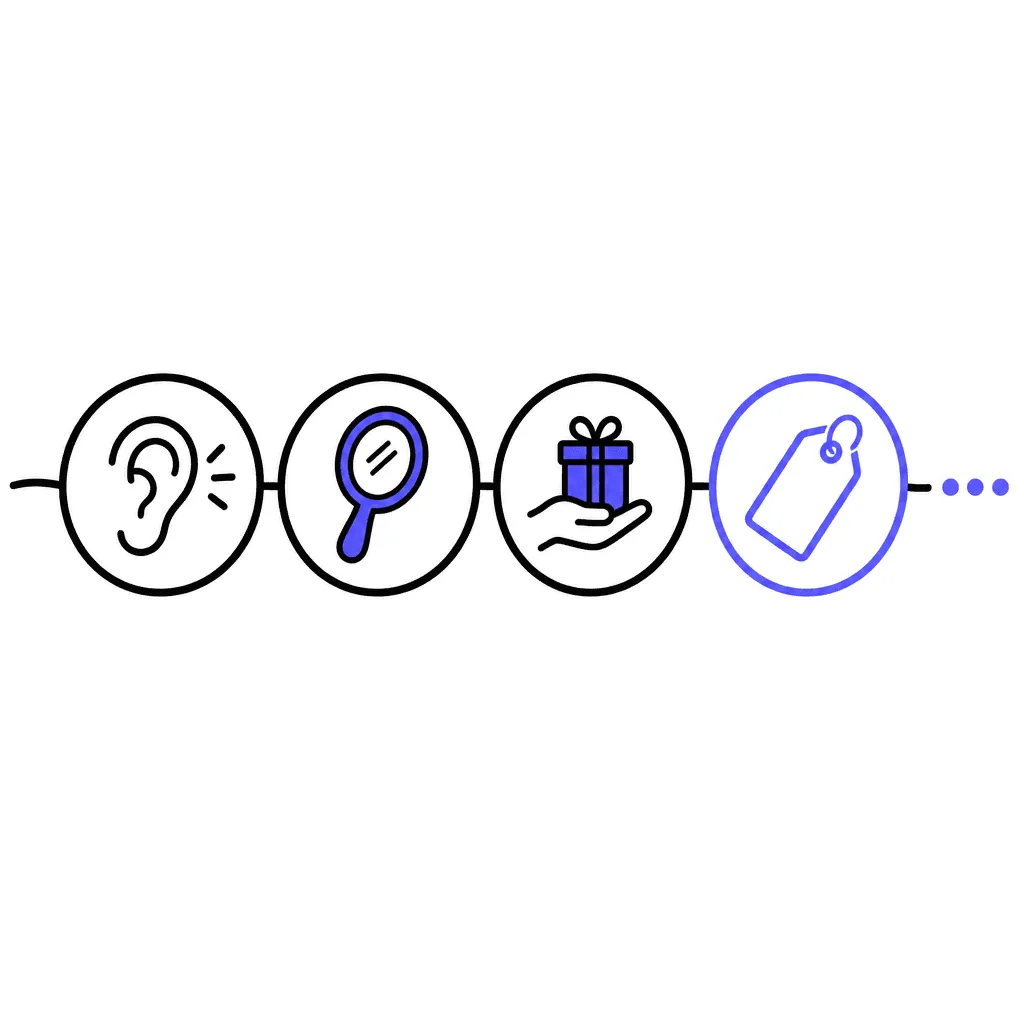 The sales call A structured listen, not a performance: understand, reflect, present, price — then silence. 8 min 8 min
-
 “It’s too expensive” and friends Money, time, spouse, “on my own” — one honest move for all four: isolate, answer plainly, respect the no. 8 min 8 min
-
 Free, trial, beta: value without giving yourself away Free works with structure, a destination and a limit. As a hope strategy it attracts people who never convert. 8 min 8 min
-
 Social proof that doesn’t feel gross Five-question testimonials, sacred photo consent, and the proof types no one can fake. 8 min 8 min
Part 5
Running it
Delivery, retention, money, and not burning out.
-
 Onboarding: the first 30 days Retention is decided in month one: intake before the call, waiver before the sweat, an easy first two weeks. 8 min 8 min
-
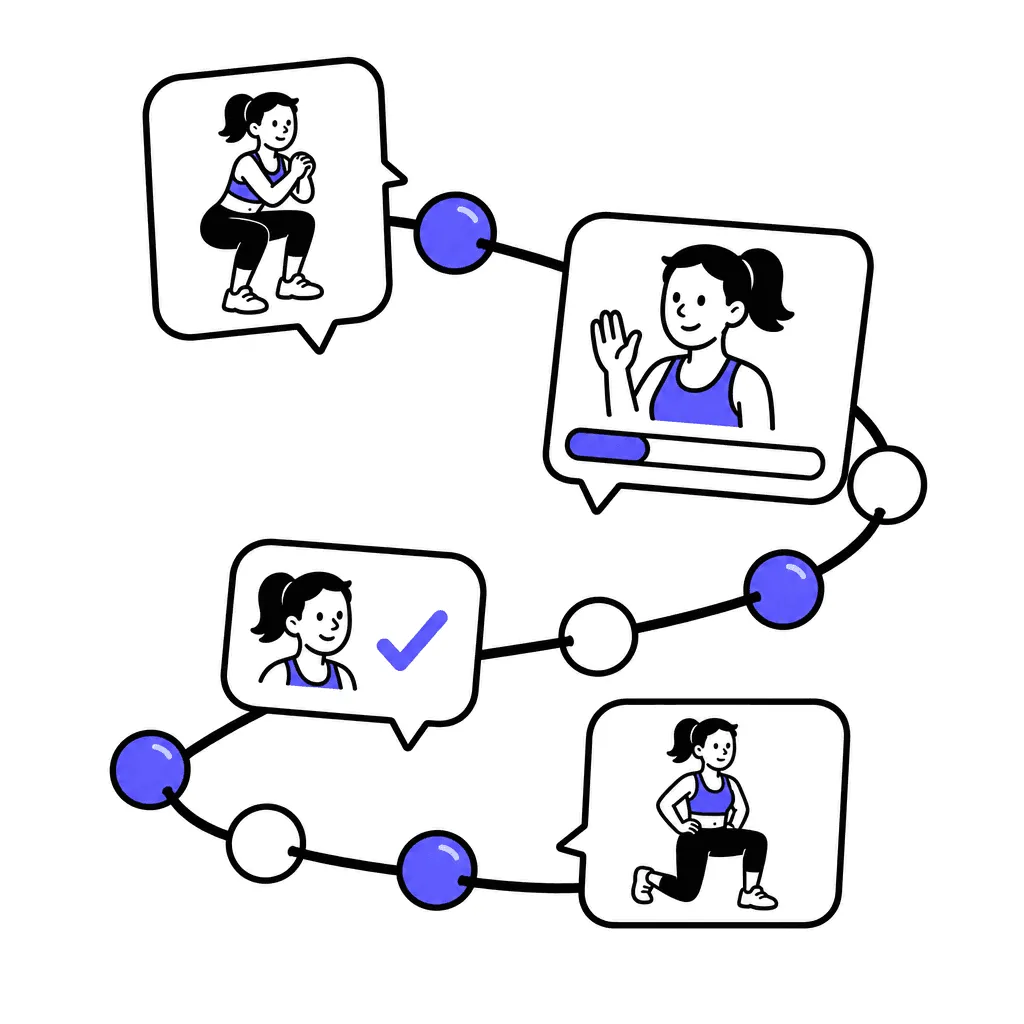 Feedback belongs on the rep, not on Sunday The weekly check-in is a batch-processing workaround. Attach feedback to the work itself. 8 min 8 min
-
 Boundaries: you’re not a 24/7 vending machine “24/7 access will burn you out in 3 months flat.” Windows from day one, held kindly. 8 min 8 min
-
 Proving it works: remote progress Unmeasured progress defaults to “no”. Pick 3–4 signals and narrate the story monthly. 8 min 8 min
-
 Why clients ghost in week 3 Clients don’t quit — they fade, on a schedule. Catch the first missed workout, not the third week. 8 min 8 min
-
 Pauses, holidays and comebacks A paused client is a future client — if pausing is easy and the comeback is scripted. 8 min 8 min
-
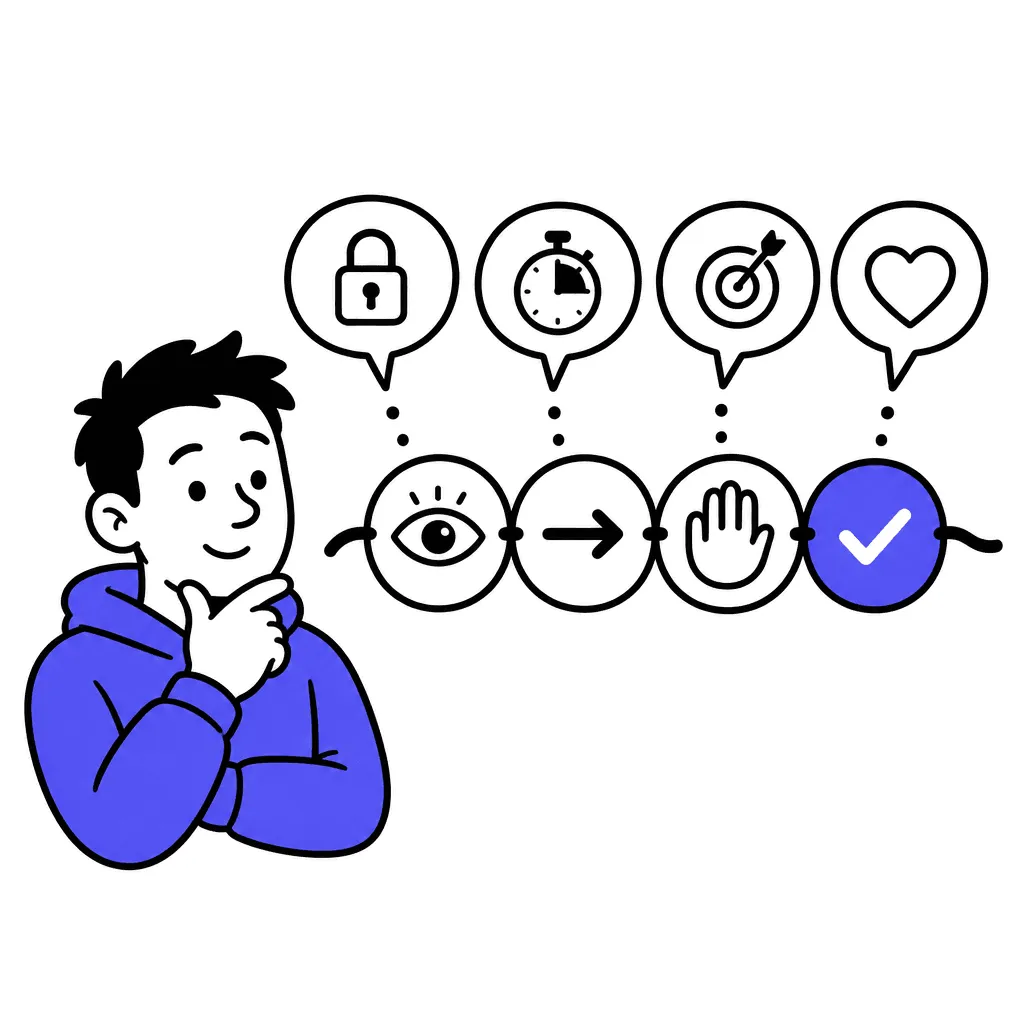 Difficult clients and hard conversations Four conversations, scripted: the non-payer, the pusher, the complainer, and the goodbye. 8 min 8 min
-
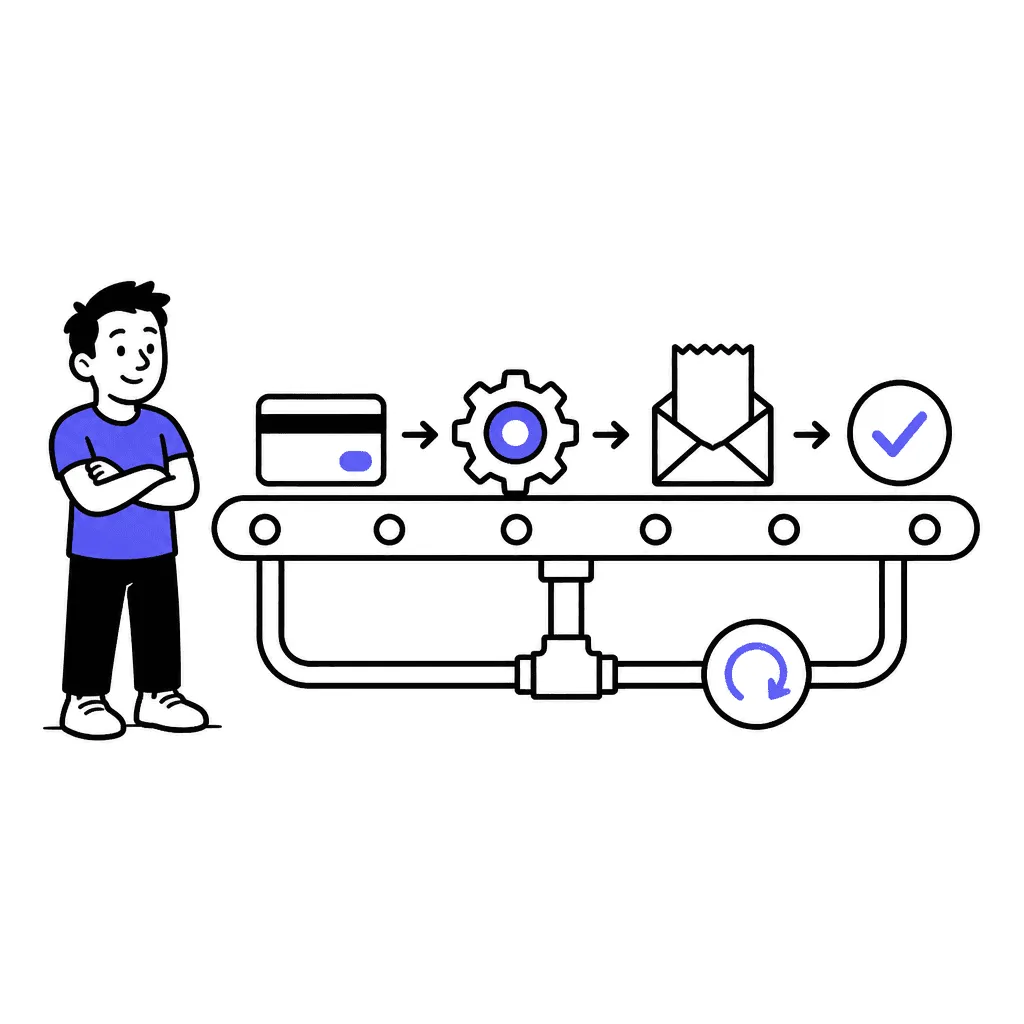 Getting paid without chasing Automatic billing, card on file, and a grace-and-pause sequence. The plumbing talks, not you. 8 min 8 min
-
 How many clients you can actually handle Not a number from the internet — an equation: hours ÷ minutes per client, with an honest buffer. 9 min 9 min
-
 Systems: automate the admin, never the wins Billing and reminders — machine. Praise, hard talks, comebacks — you, always. 8 min 8 min
Part 6
Growing
The solo endgame: prices, full books, and lasting decades.
-
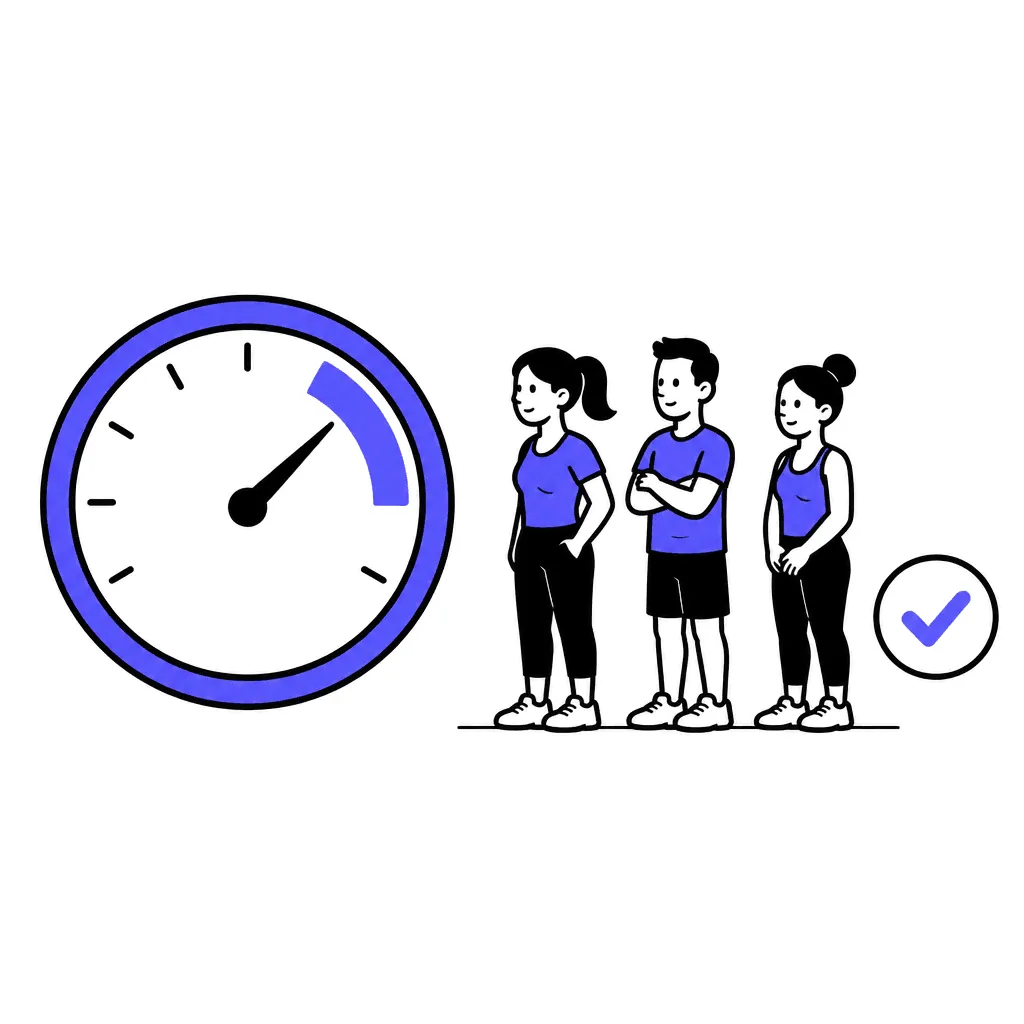 Raising your prices Two prices, not one: the new-client dial turns with demand; existing clients get honesty and loyalty math. 8 min 8 min
-
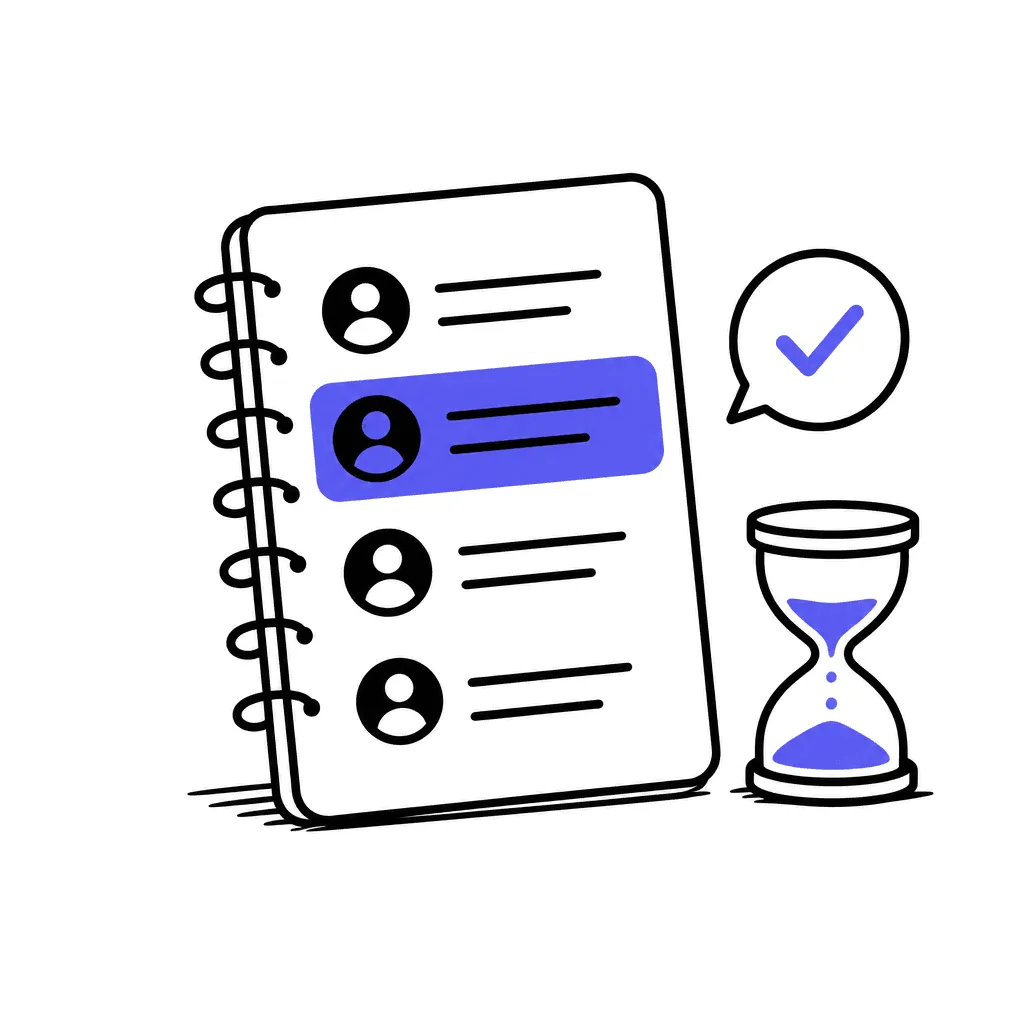 Full books: the solo endgame A full roster is the win condition, not a growth problem: waitlist, selection, depth over headcount. 8 min 8 min
-
 Paid ads, eventually When ads stop being a trap: the six-point readiness checklist, and the faucet discipline. 8 min 8 min
-
 AI in your coaching business AI takes the routine and the technical side; you take the humans. Clients drew this line themselves. 8 min 8 min
-
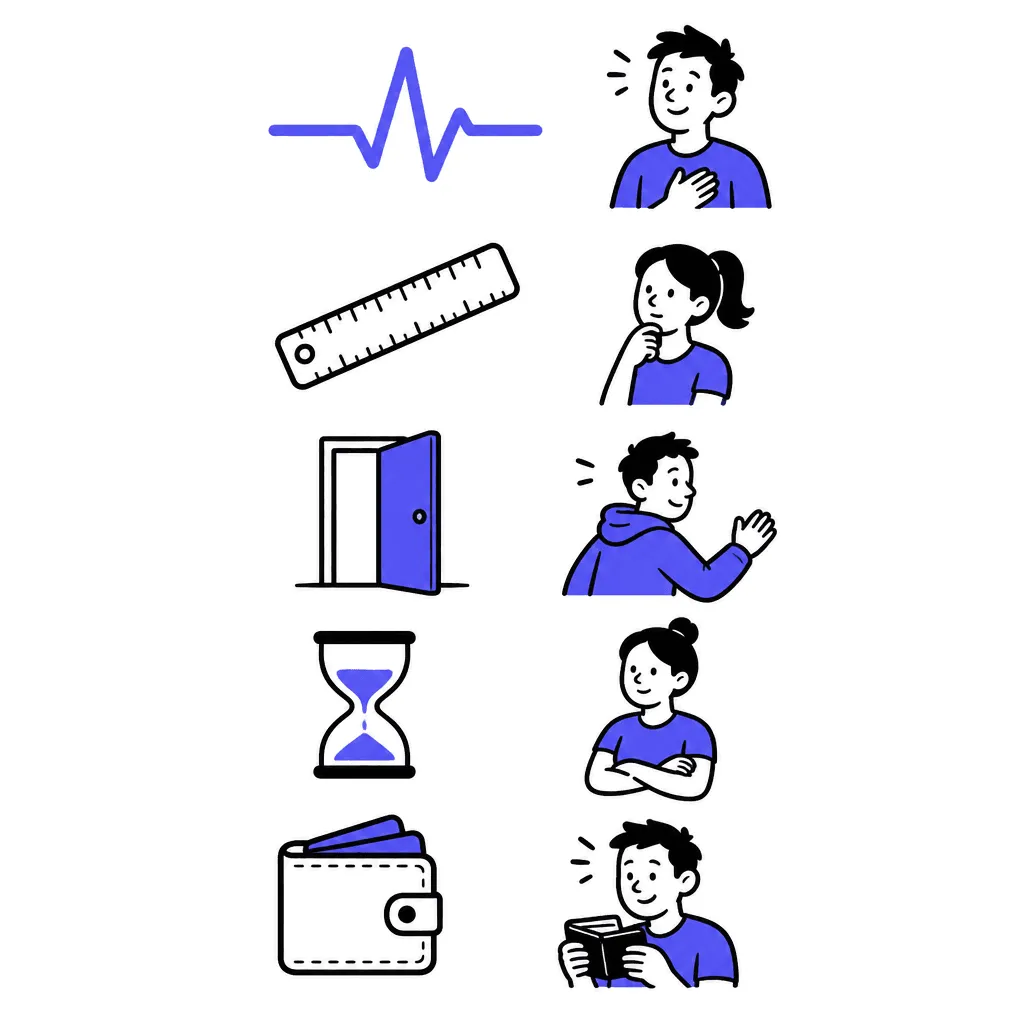 The numbers that matter MRR, churn, lifetime, net per client — one page, fifteen minutes a week. Feelings lie; five numbers don’t. 9 min 9 min
-
 Burnout-proofing the solo business You are the single point of failure. Vacations with a protocol, a sick-day playbook, margin as infrastructure. 8 min 8 min
More chapters in the works — the book grows as real coaches hit real problems.
Put the handbook to work
The handbook comes from OnlineFitness.app, the app your clients train in.
Free for life for the first 100 coachesNo card