The Online Fitness Coach Handbook
The sales call
Updated August 2026 · 8 min read
The short version. The call that closes isn't a performance — it's a structured listen. Practitioners are unanimous to the point of boredom: understand the problem (that's 80% of it), reflect it back, present the plan simply, say the price without flinching, then stop talking. High pressure isn't just gross; clients publicly name it as the red flag that sends them walking.
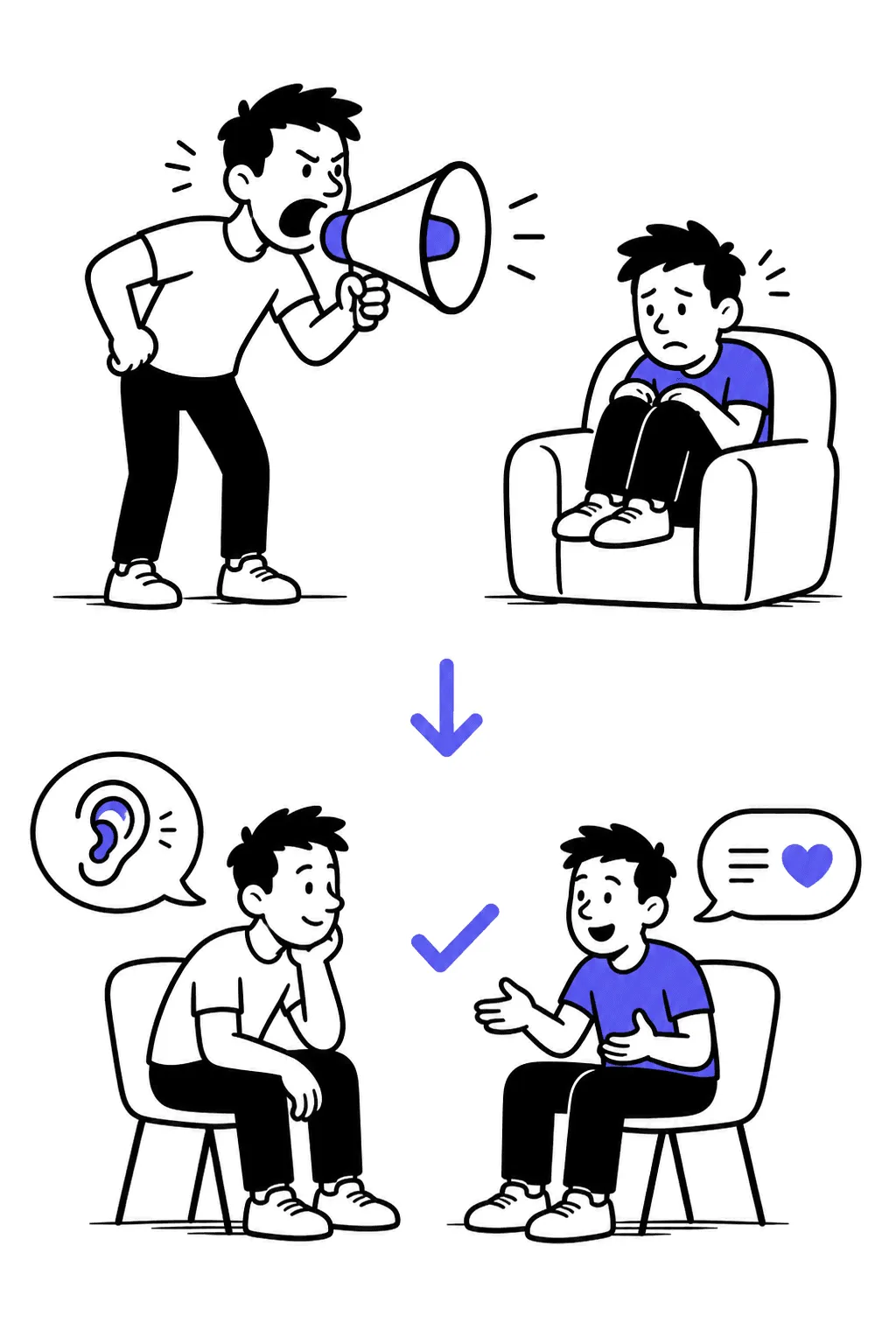
What clients call a red flag
Our research includes a rare artifact: a prospective client's own account of a coaching sales call, and the coaching community's reaction to it. The call: an influencer-coach names a big package price, then presses — “she was asking how much do you have to set aside.” The verdicts from working trainers:
“Somewhat common, definitely a red flag if a trainer is trying to pressure you into buying. I have been a successful PT for 5 years and never feel the need to pressure potential clients.”
“The guilt tripping about not investing in your health is a common tactic. You did the right thing walking away,” adds another. Pressure works exactly once per person — and costs the referral network forever. The practitioners' alternative isn't softness; it's structure.
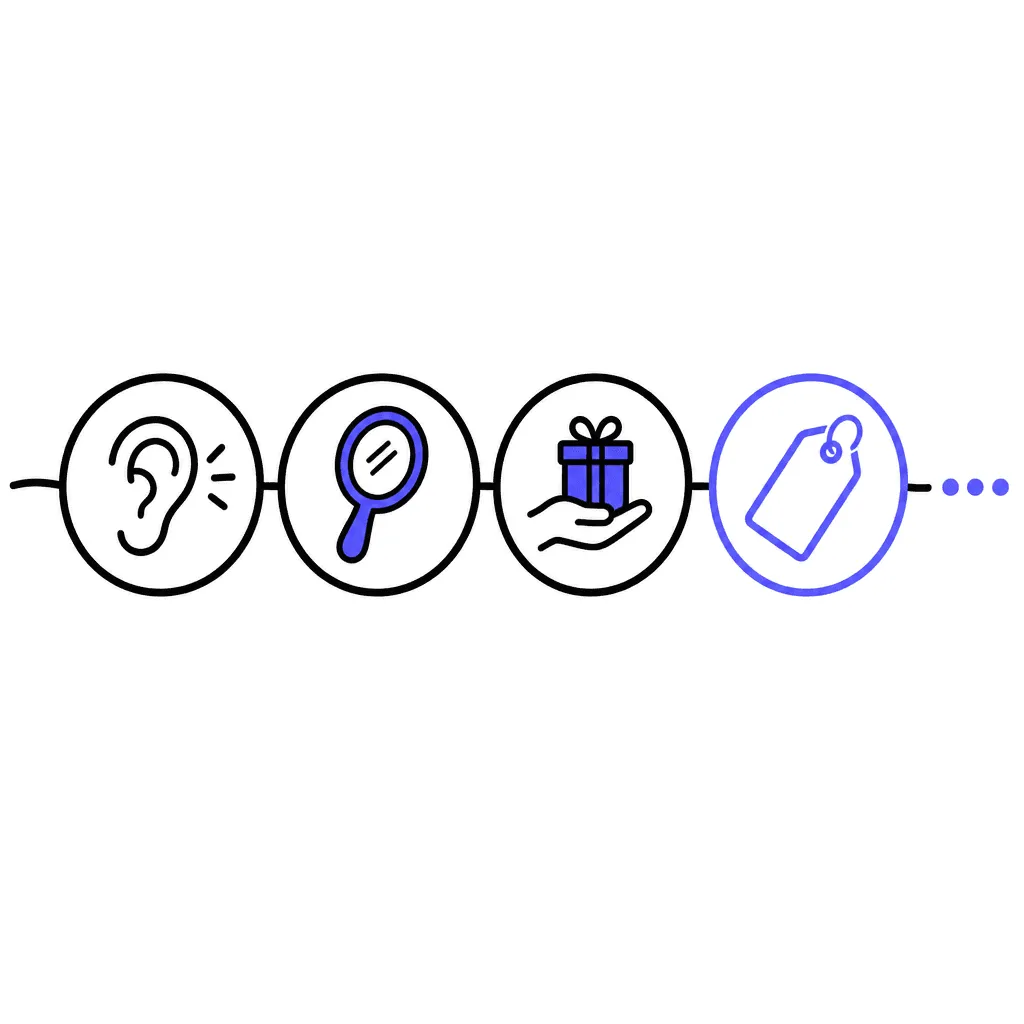
The structure: listen → reflect → present → price → silence
Listen (most of the call). Your two DM questions, extended: what's the goal, what's been tried, what broke, why now. From the best-upvoted sales advice in the corpus: “I basically don't do any ‘selling’. I just ask questions to get to know them, confirm I'm understanding through active listening.” The phone-sales craft says the same in one line: “Your goal is to understand, not be understood.”
Reflect. Thirty seconds: their situation, in their words, back to them. “So: two kids, evening energy is gone, past programs died at week three because nobody noticed. Fair?” Being heard is the moment trust actually forms.
Present, briefly. The offer chapter's picture, matched to what they just said: the rhythm, the feedback on every exercise, the plan for their week-three dip. Three minutes, not fifteen. You're matching a system to a person, not performing a webinar.
Price, then silence. Say the number in one plain sentence — “It's $220 a month, cancel anytime” — and stop. The most common close-killer, verbatim from the research: “The biggest mistake people make toward the end of a sales call is they keep talking and talking.” Silence isn't awkward; it's the sound of deciding.
Objection-proofing beats objection-handling
“If you're handling objections, you've already lost the sale.”
Meaning: most objections are questions you failed to answer earlier. Price shock? You hid the band until minute forty. “I need to think”? The picture wasn't concrete enough to decide on. “Will this work for me?” You presented a generic pitch instead of their reflection. The discovery is the objection-handling — done early, kindly, and by listening. (The genuinely-voiced objections that remain — spouse, timing, money — get their own chapter next.)
And the ending posture, from the same soft-sell school: “If they object at any point then it's ‘Okay, goodbye and good luck with your training.’” Not passive — confident. You're assessing fit as much as they are; clients feel the difference and trust it.
What not to do
- Don't run someone else's 8-step script. Structure yes, theater no. The moment you're performing steps, you've stopped listening.
- Don't discuss money like it's shameful. “There's nothing sordid about discussing money. Quit acting like it's a dirty or taboo subject” — top-voted, verbatim.
- Don't “not let them say no”. A coach who tried the pressure school: “it was just exhausting for everyone involved. Forcing someone into a first session rarely ‘sells’ them.” Pressured clients churn and warn their friends.
- Don't talk past the close. Price → silence → their move. Every extra sentence reopens the decision.
FAQ
Do I even need calls, or can everything close in DMs and the door?
Plenty of coaching sells without calls — trial workout, clear page, DM warmth. Calls earn their place for bigger commitments and complex situations; make them optional, not a gate.
How long should the call be?
Twenty to thirty minutes, most of it them talking. An hour-long “strategy session” is a webinar in disguise.
Should I send the price after the call instead (“I'll send a proposal”)?
Say it live — the proposal-later pattern reads as either fear or a pressure setup. The one-page offer doc follows the spoken number, it doesn't replace it.
What close rate is normal?
With warm sources and transparent pricing, practitioners report most calls close — because the selling happened before the call. If most don't, the leak is upstream: wrong people reaching the call, or a fuzzy picture of the offer.
Previous: From DM to yes · Next: “It's too expensive” and friends