The Online Fitness Coach Handbook
Raising your prices
Updated August 2026 · 8 min read
The short version. Your price has a shelf life. Demand grows, your craft deepens, costs drift — and the coach still charging the founding rate three years in is quietly subsidizing everyone. The mechanics are simple: new clients get the new price whenever demand says so; existing clients get honesty, generous notice, and loyalty math that usually means raising them less, later, or never. Panic is optional and unnecessary.
The two-price system
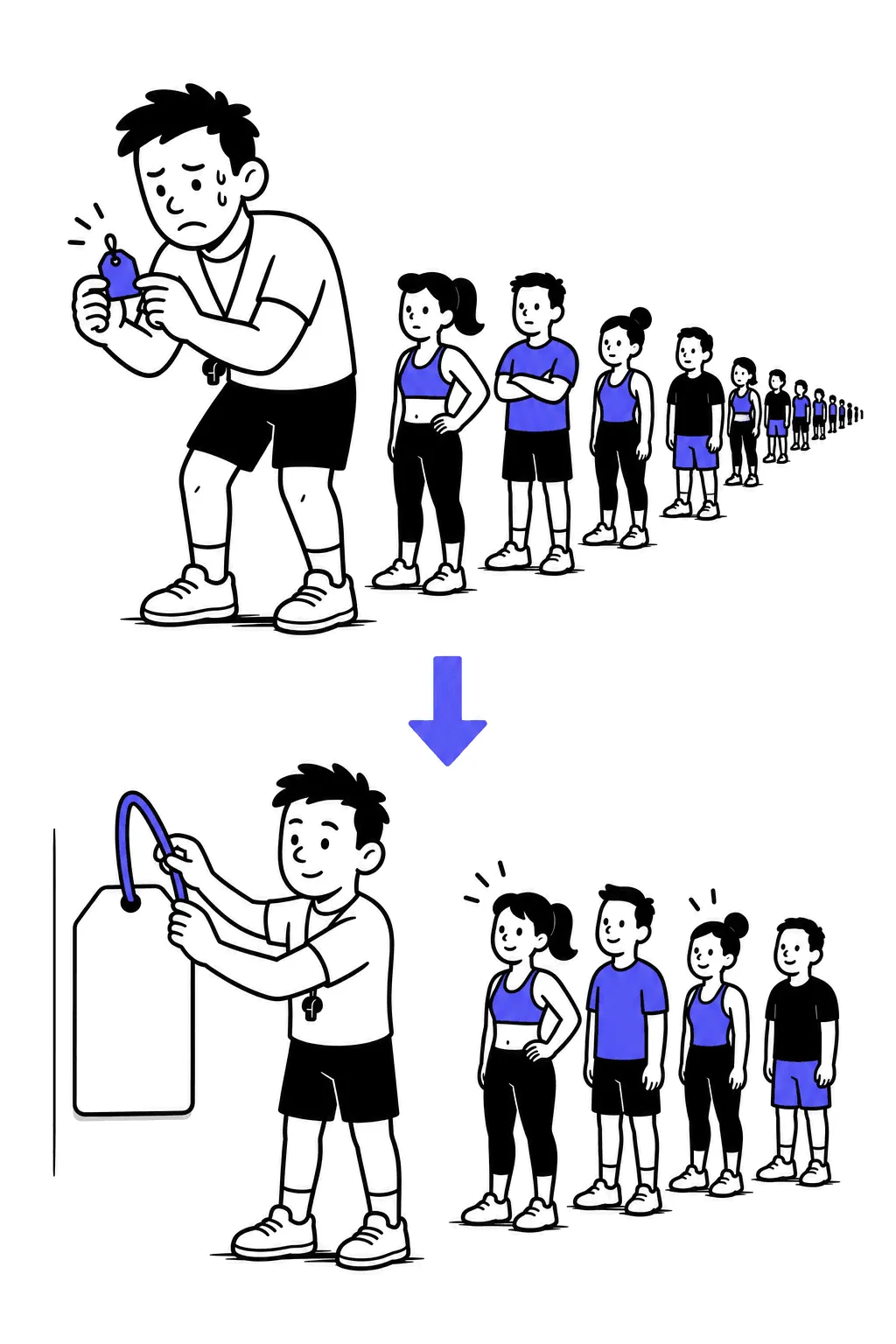
The core insight that removes 90% of the fear: you don't have one price — you have two.
The new-client price is a market dial. When the waitlist grows, when referrals arrive pre-sold, when you catch yourself dreading a “yes” because you're full — the dial turns up. No announcement, no ceremony: the next inquiry simply hears the new number. This dial can move every few months and nobody is wronged.
The existing-client price is a relationship. It moves rarely, transparently, with notice measured in months — or it doesn't move at all, on purpose. Fifteen loyal clients at last year's rate are not “lost revenue”; they're the referral engine, the testimonials, the stability that lets you raise the new-client dial confidently. Grandfathering isn't generosity — it's strategy with a warm face.
The demand signals
Raise the new-client dial when two of these are true:
- You're at or past the capacity ceiling from your equation, with the buffer eaten.
- The last three prospects said yes without hesitation — a streak of instant yeses means the price stopped being a decision.
- A waitlist exists (the next chapter's whole subject).
- The thought “I hope they don't sign” has occurred about a real inquiry.
That last one is the honest tell practitioners joke about — dread is a pricing signal wearing a mood.
Raising existing clients, kindly
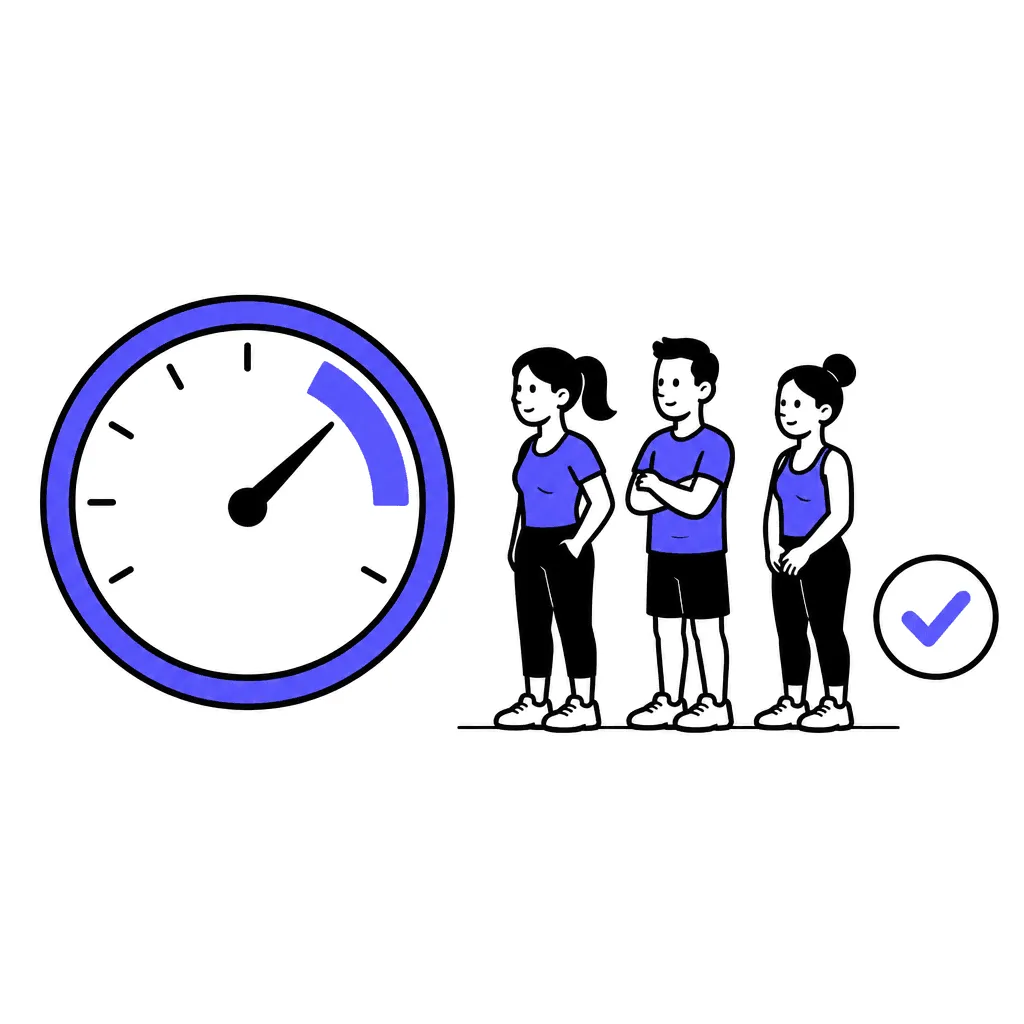
When costs or capacity genuinely require it, the practitioner-standard sequence:
- Written, personal, early. Sixty to ninety days notice, individually — never a broadcast. “From March, my rate moves from $200 to $230. You've been with me two years, so your rate is locked until June, and I wanted you to hear it from me first, with time to decide.”
- Honest reason, one sentence. Demand, depth of service, costs — real ones. No corporate poetry.
- Loyalty math on the table. Long-timers get later dates, smaller steps, or explicit forever-locks. The list chapter's goodwill principle: your payers hear it first and kindest.
- The graceful branch. Some will leave — budget for it emotionally and financially. A warm exit with an open door (“if timing changes, your spot's here”) converts a percentage back within the year, verbatim pattern from the reactivation playbook.
The arithmetic that calms nerves: a 15% raise survives losing one client in eight and still nets ahead — with one fewer human's worth of attention debt. Run your numbers before the panic runs you.

What not to do
- Don't raise everyone at once under pressure. The double-dial system exists so you never need a shock therapy event.
- Don't apologize your way through the notice. “So sorry, I hate to do this…” teaches clients the price is negotiable guilt. State, explain once, thank.
- Don't grandfather secretly. Untracked legacy rates become a spreadsheet mystery and a fairness landmine. Know who pays what and why — the numbers chapter's page has a line for exactly this.
- Don't let three years pass. Annual review, small honest moves. The decade-coach charging 2019 prices isn't loyal — they're stuck, and their roster quietly knows it.
FAQ
What's a reasonable step size?
For existing clients: 10–15%, rarely more, with notice. New-client dial: whatever the demand signals say — the market answers instantly and painlessly.
A client says they can't afford the new rate — now what?
The structured downsell from the objections chapter: lighter tier, full integrity. Keeping them at a smaller true price beats keeping them at a resented discount.
Should I announce raises publicly (“prices go up Friday!”)?
That's the guru urgency pattern your audience distrusts. Price moves are personal letters and quiet dial turns, not launch events.
What if I raised too far and inquiries died?
The dial turns both ways — quietly. A month of silence at a new price is data, not a verdict; check whether the price moved past your proof, or your proof just needs to catch up.
Previous: Systems: automate the admin, never the wins · Next: Full books: the solo endgame