Equipment Measuring and tracking
Skinfold caliper
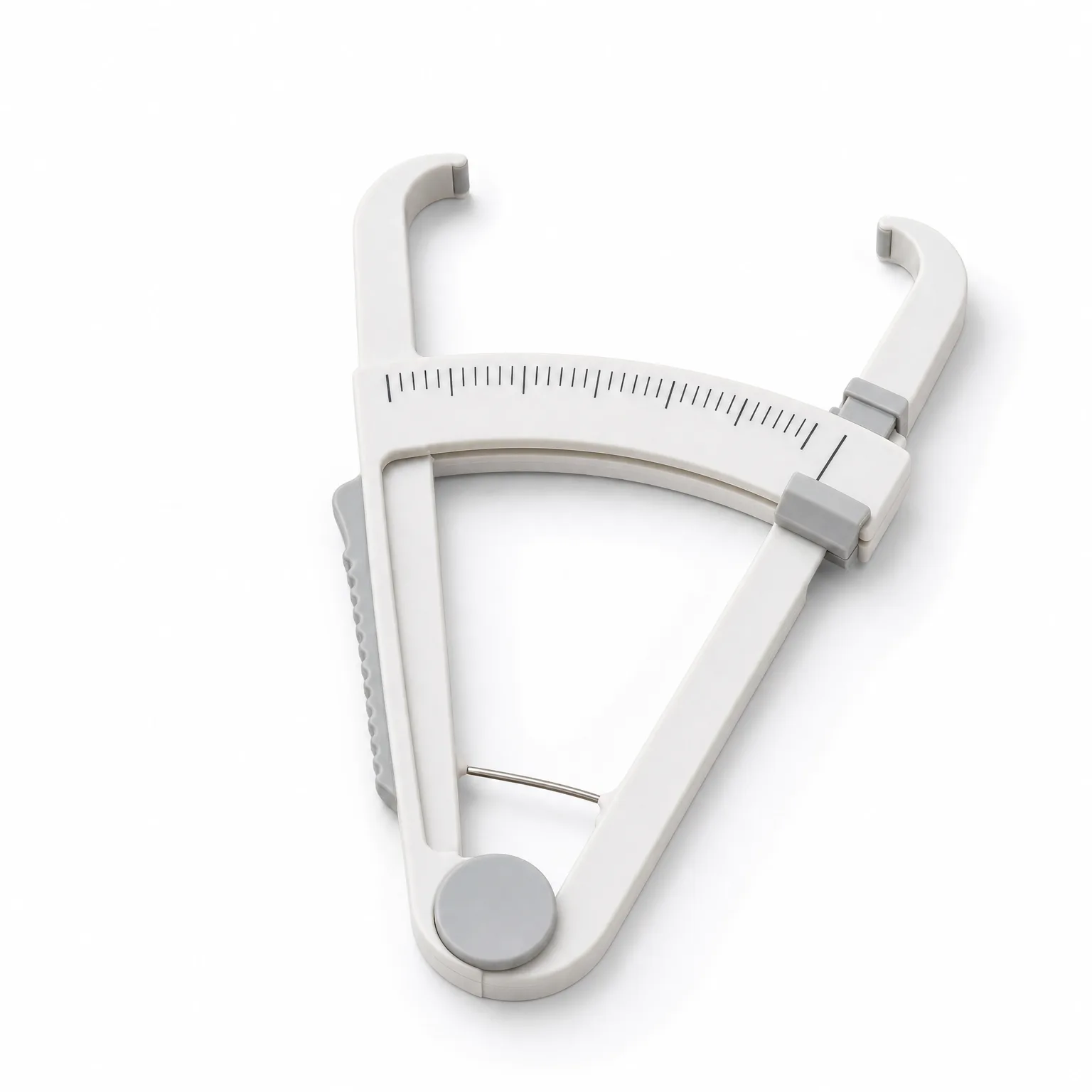
A spring-loaded clamp that measures the thickness of a pinched fold of skin and fat. The readings are used to estimate and track body fat.
In short
A skinfold caliper is a hand-held clamp with two jaws and a scale in millimeters. You pinch a fold of skin with the fat beneath it at a set point on the body, close the jaws on the fold and read its thickness. Readings from several sites are added up or put into a formula that estimates body fat percentage.
The percentage is an estimate. It depends on the formula, the caliper and above all the skill of the person measuring, and it can differ from laboratory methods by several points. The tool is most useful for tracking: the same person measuring the same sites over months shows clearly whether the folds are getting thinner or thicker.
- Category
- Measuring and tracking
- Where
- Home, Gym
- Level
- Intermediate and up
- Space
- Fits in a drawer or a bag
- Typical sizes
- Jaws open to about 60–80 mm (2.4–3.1 in), with a scale marked in 0.2–1 mm steps
- Also called
- body fat caliper, fat caliper, skin fold caliper, body fat calipers, skinfold calipers, pinch test caliper, fat pincher
What it is used for
- Tracking the thickness of skinfolds at fixed sites over weeks and months
- Estimating body fat percentage with 3‑site or 7‑site formulas
- Body composition check-ins by coaches and in sports teams
- Seeing where on the body fat is changing, site by site
Types
Plastic caliper. A light plastic clamp, often with a click or marker that shows when to read. Cheap and good enough for following your own numbers over time.
Professional spring caliper. A metal instrument with a calibrated spring that keeps the jaw pressure constant and a dial scale. Used in research and by trained testers.
Digital caliper. Shows the reading on a screen and may store results or calculate a percentage. Easier to read, but it is not more accurate by default.
How to choose
A plastic caliper is enough for self-tracking
If you are following your own trend, an inexpensive plastic caliper is adequate. Its readings may differ from a professional instrument, but they are repeatable, and repeatability is what tracking needs.
Professional models for testing clients
Coaches who measure many people do better with a spring caliper that applies constant pressure, because results become comparable between sessions and between clients. Training and practice matter more than the instrument.
A readable scale
Check that you can read the scale at arm's length and from the angles you will use on your own body. For self-measurement, a model with a sliding marker that stays in place after you release is helpful.
Keep the same caliper
Different calipers give different numbers on the same fold. Once you start a log, do not switch instruments, or start a new baseline when you do.
How to start using it
- Pick the sites and mark them. Common 3‑site sets are chest, abdomen and thigh for men, and triceps, above the hip bone and thigh for women. Find each site by landmarks, such as halfway between the shoulder and the elbow on the back of the arm, and measure on the same side of the body, by convention the right.
- Pinch the fold, then apply the caliper. With the thumb and index finger, lift a fold of skin and the fat under it away from the muscle. Place the jaws about 1 cm (0.4 in) from your fingers, halfway down the fold, at a right angle to it. Keep holding the pinch while you read.
- Read after a couple of seconds. Let the caliper close fully and read the scale after about two seconds. Waiting longer lets the fold compress and the number drift down.
- Take two or three readings. Go around all the sites once, then repeat. If two readings at a site differ by more than 1–2 mm, take a third and use the average or the middle value.
- Track the sum in millimeters. Add up the sites and log the total along with the date. The sum of skinfolds is the direct measurement. A body fat percentage derived from it is a further estimate that depends on which formula you choose.
Common mistakes
Treating the percentage as exact
Skinfold formulas were built from specific groups of people and can be off by several percentage points for an individual. Two formulas give two different answers from the same readings. Use the number as a rough guide.
Measuring a slightly different spot
Fat thickness changes within a couple of centimeters. If the site moves, the reading moves. Use fixed landmarks, and a skin-safe pen mark when you are learning.
Pinching muscle or too little tissue
The fold should contain skin and the fat under it, no muscle. If unsure, tense the muscle underneath: the fold should stay in your fingers. Too shallow a pinch gives a reading that is too low.
Measuring after training or a shower
Warm, flushed or wet skin and shifts in body water change skinfold thickness. Measure on dry skin, before exercise, at the same time of day.
Different testers
Two people rarely pinch the same way. Results are comparable only when the same person measures each time, whether that is you or your coach.
What to use instead
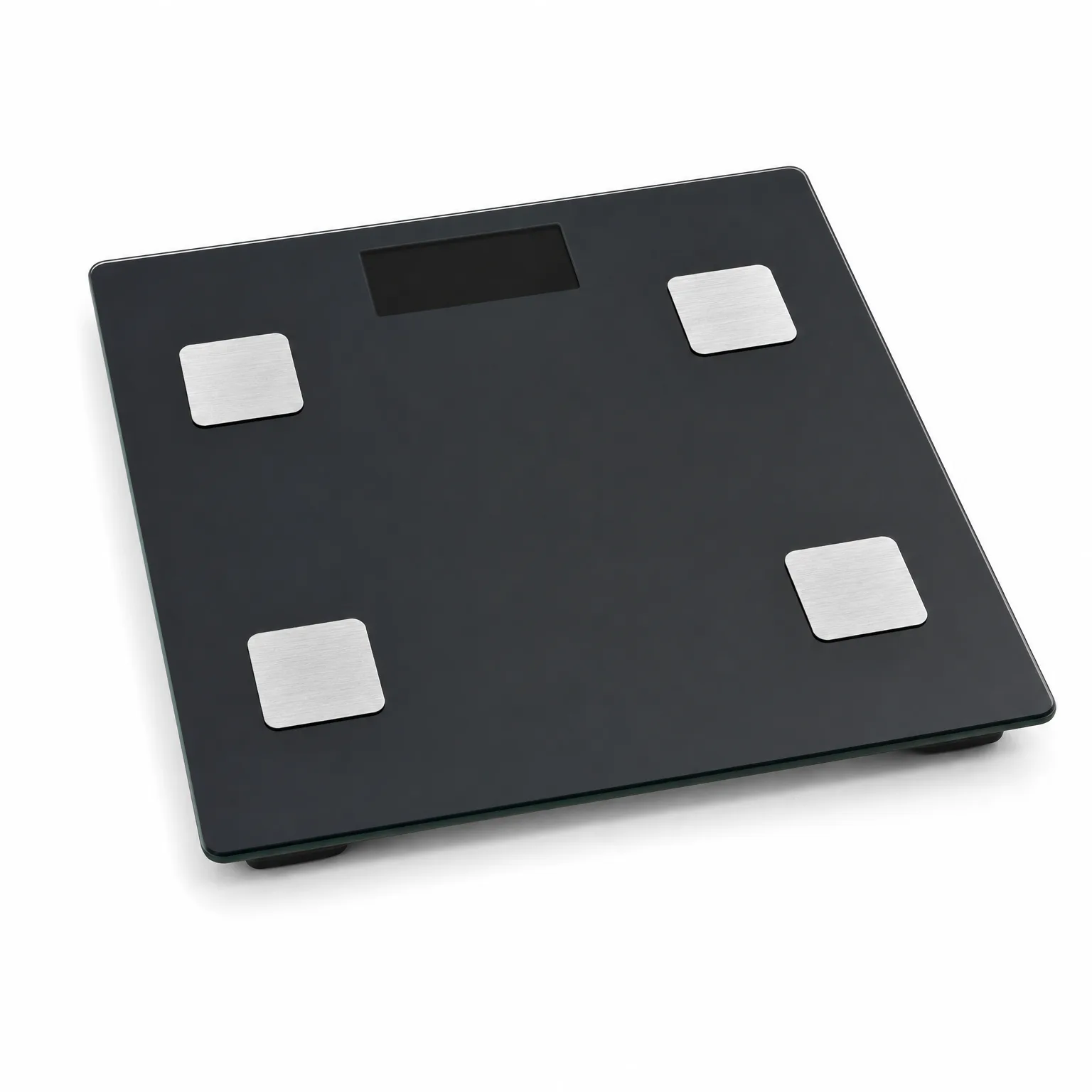
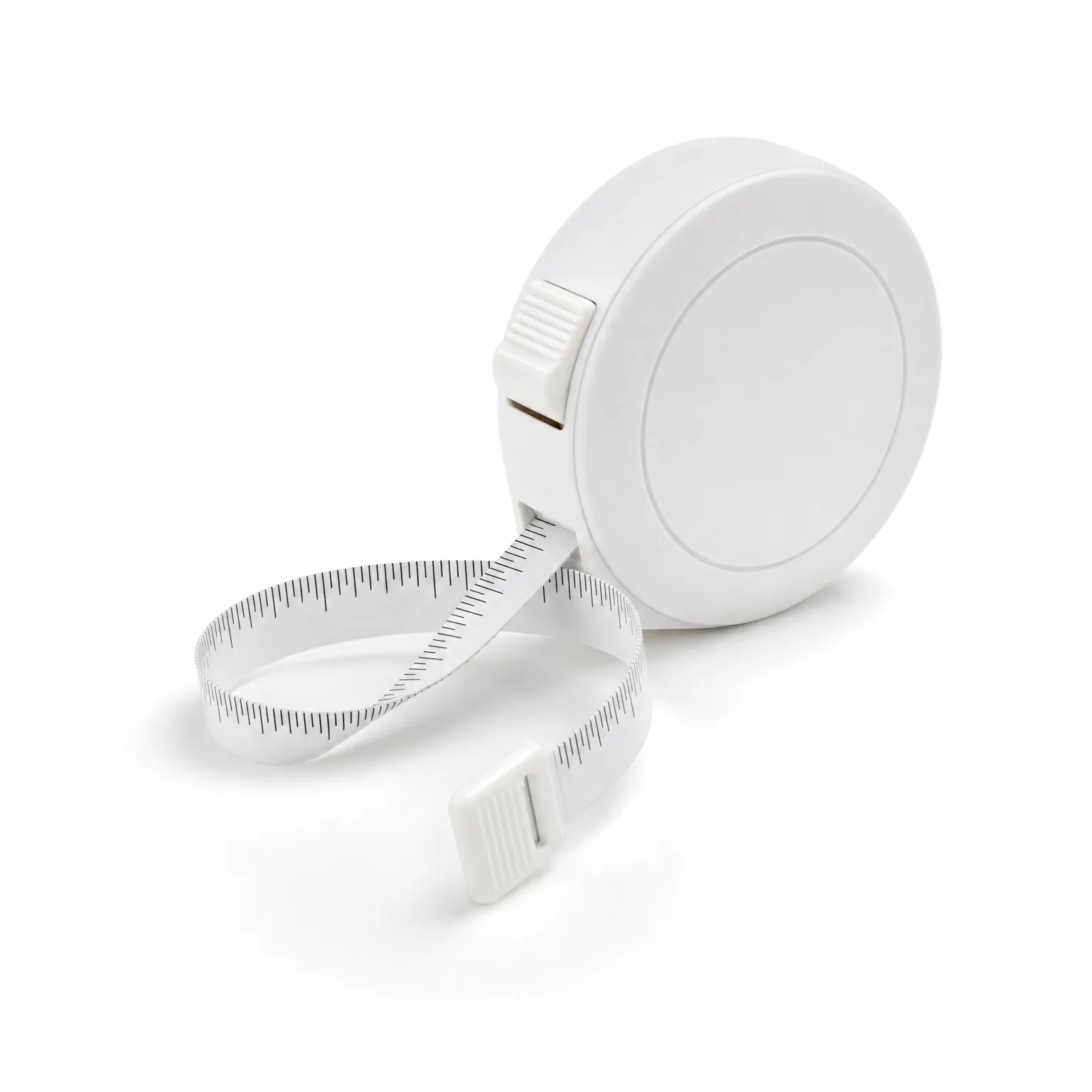
A body composition scale gives a body fat estimate with no skill required, with its own sizeable error. A soft tape measure around the waist, hips and limbs tracks change in shape and is easier to use on yourself. Progress photos in the same light do a similar job. For a more accurate figure, a DEXA scan or another laboratory method is more precise, though no method is exact.
Often used with
Questions about skinfold caliper
How accurate are skinfold calipers?
In trained hands they give a reasonable estimate, typically within a few percentage points of laboratory methods, and less reliable for people with a lot of body fat and when the person measuring is inexperienced. They are far better at showing change over time than at giving a true absolute figure.
Can I use a skinfold caliper on myself?
Yes for sites you can reach and see, such as the abdomen, thigh, chest and the area above the hip bone. The triceps and the site below the shoulder blade need a helper. Self-measurement is consistent enough for tracking if you practice and keep the technique the same.
Which sites should I measure?
The widely used Jackson-Pollock 3‑site method uses chest, abdomen and thigh for men, and triceps, suprailiac (above the hip bone) and thigh for women. A 7‑site version adds more points. For personal tracking, any fixed set of sites works if you log the sum in millimeters.
Calipers or a body fat scale?
Both estimate, and neither is exact. A scale is effortless but swings with hydration. Calipers take practice but measure fat under the skin directly at chosen sites and are less affected by how much water you drank. Whichever you choose, follow the trend on one device.
How often should I take skinfold measurements?
Every two to four weeks. Skinfolds change slowly, and more frequent measurement mostly records the small differences in how you pinched that day.
Build programs around what your client has
This guide comes from OnlineFitness.app, the app online coaches run their clients in.
Free for life for the first 100 coachesNo card