Equipment Measuring and tracking
Body tape measure
A soft, flexible tape for measuring waist, hips, chest and limbs. It shows changes in body shape that a scale alone does not.
In short
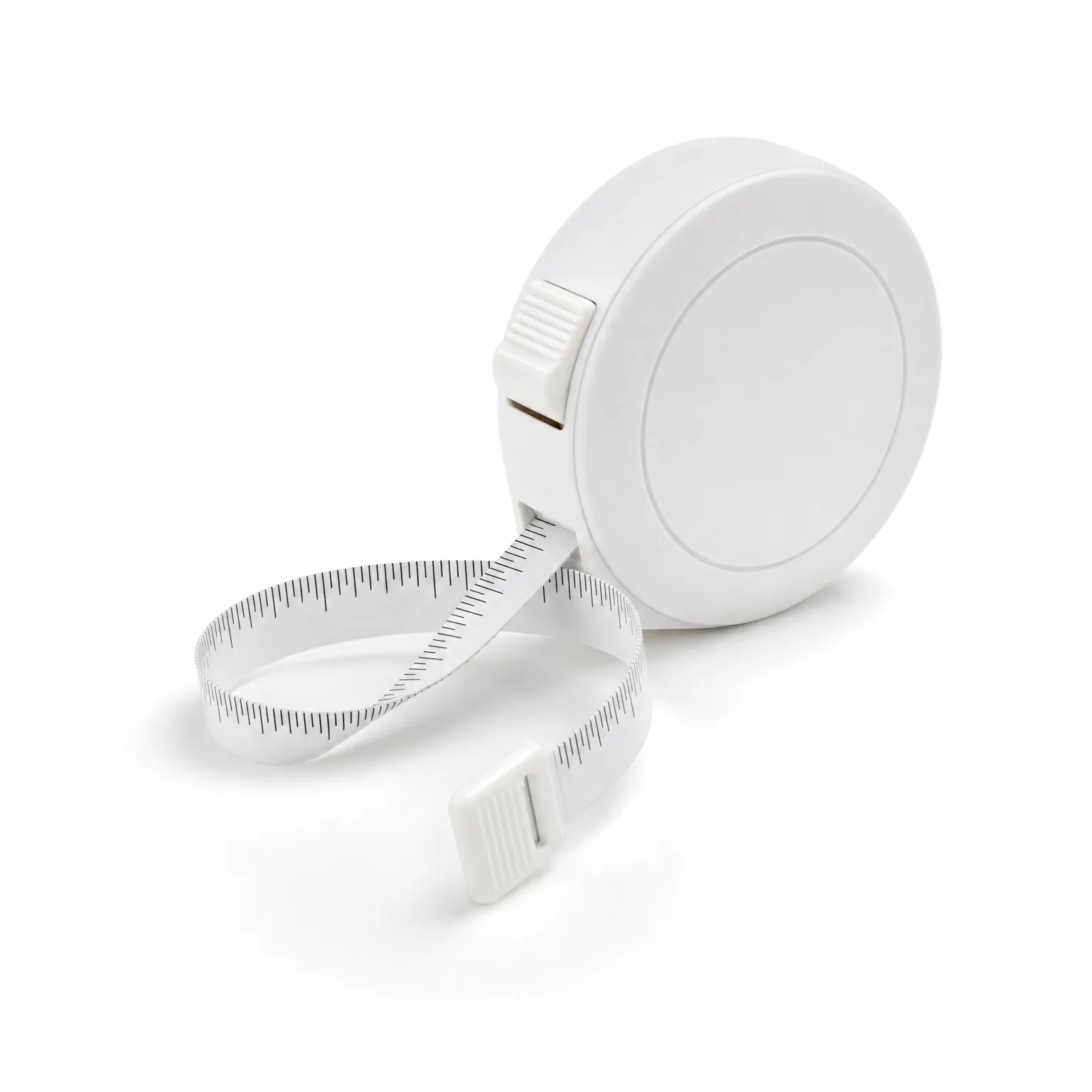
A body tape measure is a soft, flexible tape, usually 150 cm (60 in) long, that wraps around the body to measure circumference: waist, hips, chest, thighs, arms. It is the same tape tailors use, or a version with a locking clip made for measuring yourself.
Coaches and people training on their own use it to follow change over weeks and months. A waist that shrinks while weight stays level, or an arm that grows, is information a scale cannot give. The tape is cheap, fits in a pocket and is reliable as long as you measure the same places in the same way each time.
- Category
- Measuring and tracking
- Where
- Home, Gym, Travel
- Level
- Beginner and up
- Space
- Fits in a drawer or a bag
- Typical sizes
- 150 cm (60 in) long and about 1–2 cm (0.4–0.8 in) wide; 200 cm and longer versions exist
- Also called
- measuring tape, soft tape measure, body measuring tape, tailor's tape, sewing tape measure, body measurement tape, waist tape
What it is used for
- Tracking waist and hip circumference during fat loss
- Following the size of arms, chest, shoulders, thighs and calves during muscle gain
- Regular check-in measurements between a coach and a client, including online
- Working out waist-to-hip or waist-to-height ratio
- Checking clothing sizes
Types
Tailor's tape. A plain fiberglass or coated-fabric strip with centimeters on one side and inches on the other. Works for everything but needs two hands.
Self-locking body tape. A retractable tape whose end clips into the housing to form a loop, with a button that pulls it snug. Much easier for measuring your own arm or waist.
Spring-tension tape. A tape with a spring handle that applies the same pull each time, used by professionals to remove differences in how tight the tape is drawn.
How to choose
Pick a tape that does not stretch
Fiberglass or fiberglass-reinforced tapes keep their length. Cheap cloth and paper tapes stretch or tear with use, which makes old and new readings impossible to compare. Do not use a metal builder's tape: it does not follow the body.
Self-locking if you measure alone
If nobody helps you, a tape with a locking clip and a retract button is worth having. It holds the loop closed and pulls to a consistent tightness, which is hard to do one-handed with a plain strip.
Clear markings in your unit
Look for printed millimeter or eighth-inch marks that are easy to read, and note where zero is. On some tapes zero is not at the very end of the strip or of the metal tip.
How to start using it
- Set your measuring points once. Write down exactly where you measure and keep to it. Common points: waist midway between the lowest rib and the top of the hip bone, hips at the widest point of the buttocks, chest at nipple level, upper arm and thigh at the midpoint or the widest part, calf at the widest part.
- Keep the tape level and snug. The tape should lie flat on bare skin, parallel to the floor for the trunk and at a right angle to the limb for arms and legs. Pull it until it touches all the way around without denting the skin. Use a mirror to check that it is not sagging at the back.
- Stand the same way each time. Stand upright and relaxed with the weight on both feet. For the waist, breathe out normally and measure at the end of the breath without pulling the stomach in. Decide whether you measure arms relaxed or flexed and do not switch.
- Measure under the same conditions. Morning, before eating and before training, is the easiest to repeat. Muscles are larger for a while after a workout, and the waist is larger after a meal. Take each measurement twice and record the average.
- Log every two to four weeks. Circumferences change slowly. Measuring every two to four weeks, on the same side of the body, gives a clear picture. Record the date and all sites together.
Common mistakes
Measuring a different spot each time
Moving the tape 2–3 cm up or down the waist or thigh changes the reading more than a month of progress does. Use fixed landmarks such as the navel, a bone or a measured distance from the kneecap.
Pulling the tape tight
Squeezing the tape into the skin gives a smaller number and a different one every time. The tape should touch the skin without compressing it.
A tilted tape
A tape that runs higher at the back than at the front measures a longer path. Check in a mirror or ask someone to look.
Sucking in or flexing by habit
Holding the stomach in or tensing without meaning to makes the readings inconsistent. Relax, breathe out normally and measure.
Measuring over clothes
Fabric adds thickness that varies with what you wear. Measure on bare skin or over the same thin layer each time.
What to use instead
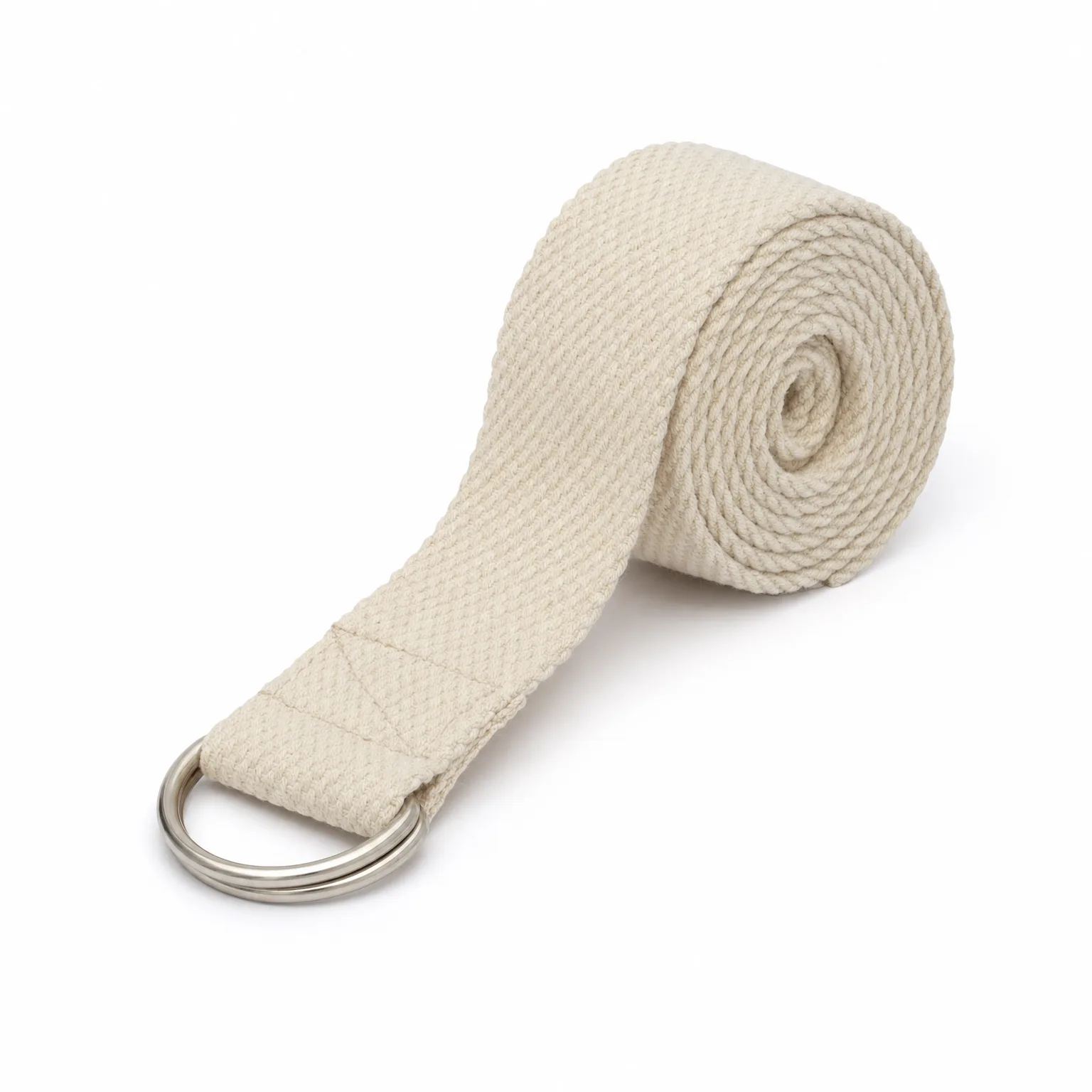
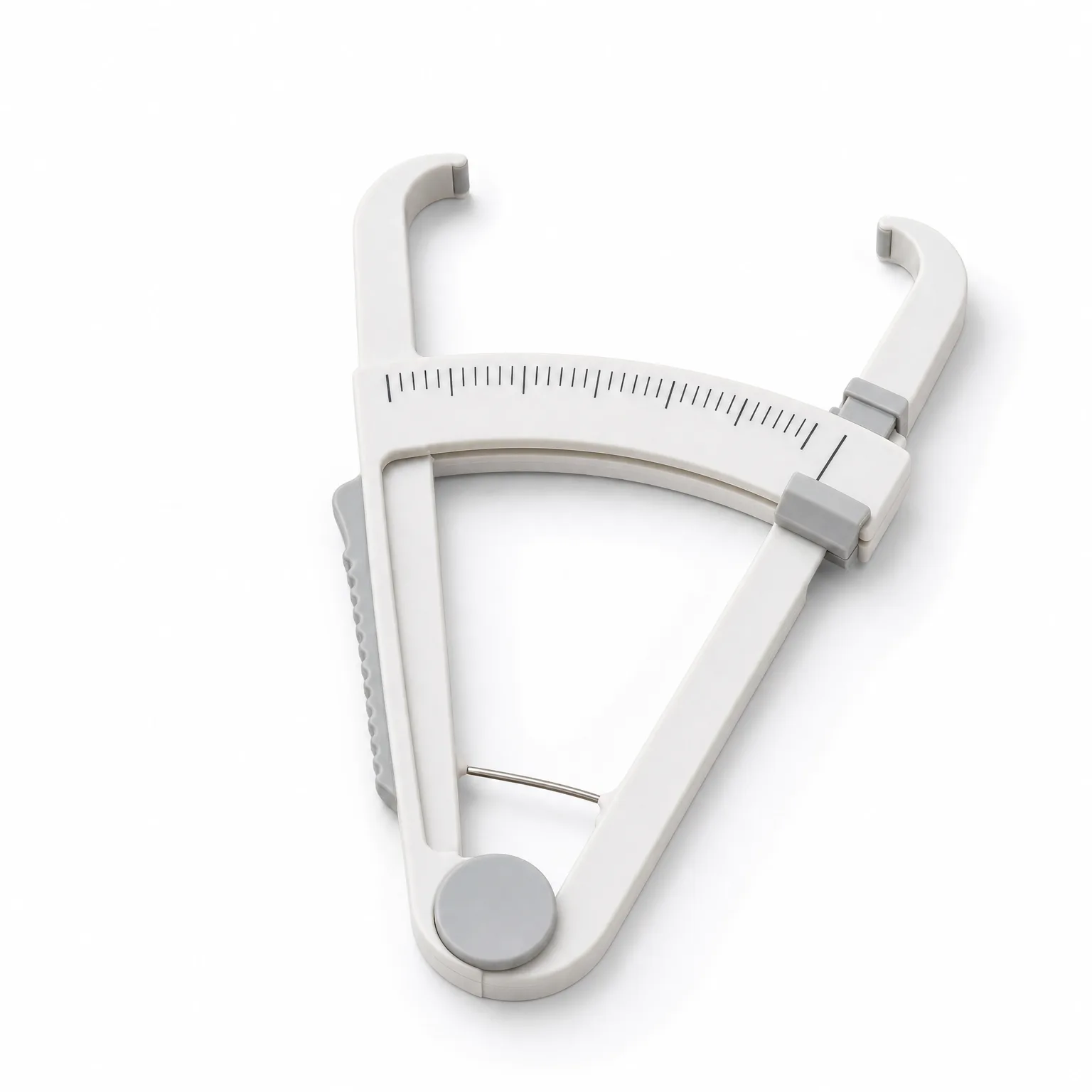
A piece of non-stretch string or a ribbon works in a pinch: wrap it around, mark where it meets, and lay it against a ruler. A soft yoga strap does the same job for larger circumferences. A skinfold caliper tracks changes in fat under the skin at specific sites and is a different tool for a related goal. Progress photos and how the same clothes fit show change in shape without any numbers.
-
Yoga strap
A long, non-stretch cotton or nylon strap with a buckle that extends your reach in stretches, most often for the hamstrings. -
Skinfold caliper
A spring-loaded clamp that measures the thickness of a pinched fold of skin and fat. The readings are used to estimate and track body fat.
Often used with
Questions about body tape measure
Where exactly do I measure my waist?
A common standard is midway between the bottom of the lowest rib and the top of the hip bone, which for many people is at or just above the navel. Some programs use navel level or the narrowest point instead. Any of these works for tracking as long as you always use the same one.
How often should I take body measurements?
Every two to four weeks is enough. Circumferences change slowly, and measuring more often mostly shows the small errors of taking the measurement. Pick a regular day and measure in the morning before eating.
Is a tape measure better than a scale?
They show different things, so use both if you can. A scale gives total body weight. A tape shows where the body is changing. When someone loses fat and gains muscle at the same time, the scale may barely move while the waist measurement goes down.
Should I flex when measuring my arms?
Either way works, but pick one and keep it. Relaxed measurements, with the arm hanging at the side, are easier to repeat. Flexed measurements are popular in bodybuilding and give a larger number. Do not compare one with the other.
Can I measure myself accurately without help?
Yes for the waist, hips, thighs and calves, especially with a self-locking tape and a mirror. Upper arm, chest and shoulders are harder to do alone. If a partner measures you, try to have the same person do it each time.
Build programs around what your client has
This guide comes from OnlineFitness.app, the app online coaches run their clients in.
Free for life for the first 100 coachesNo card