Equipment Measuring and tracking
Bathroom scale
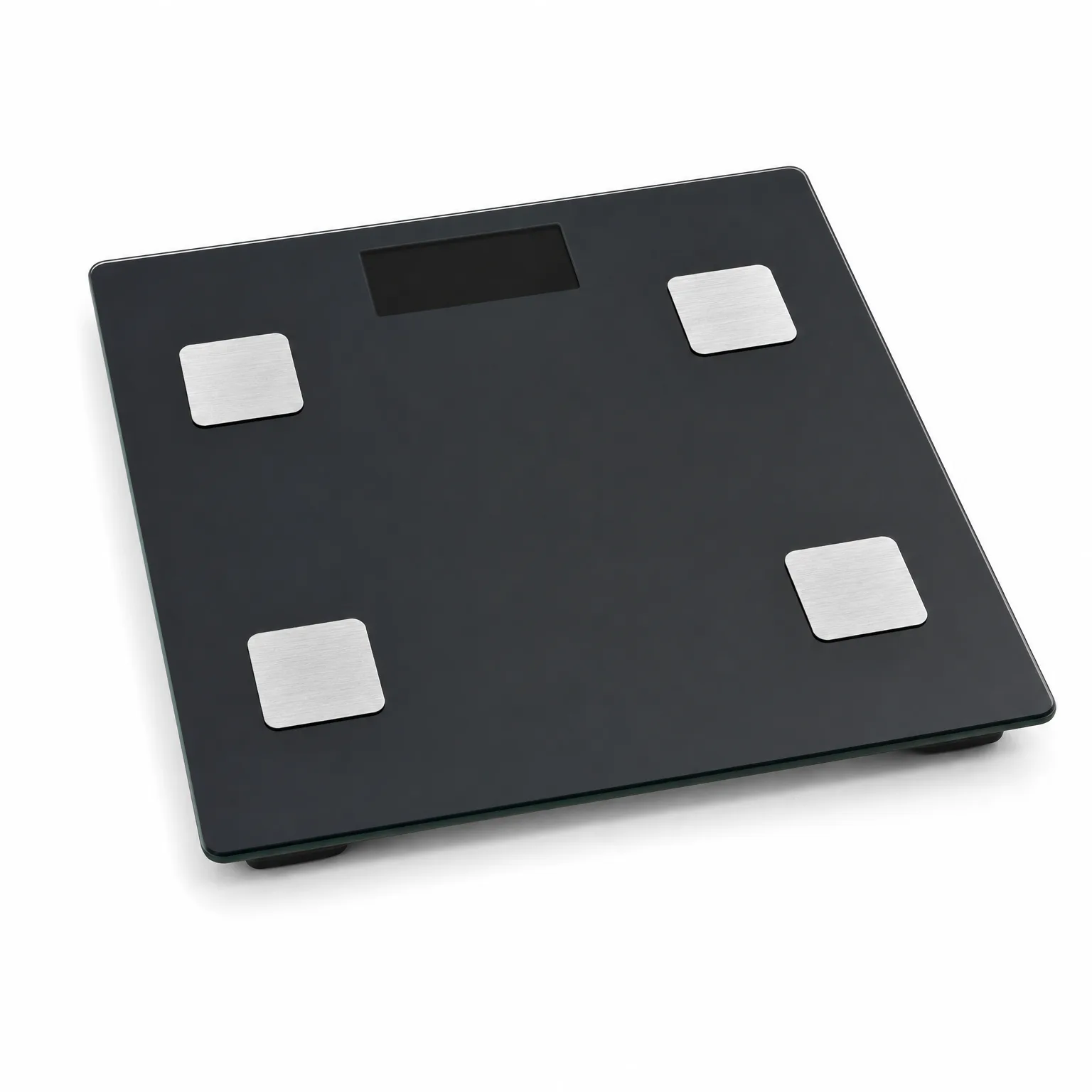
A floor scale for tracking body weight. Smart models also estimate body fat. The trend over weeks matters more than any single reading.
In short
A bathroom scale is a flat platform you stand on to measure your weight. A plain digital scale shows weight only. A body composition or smart scale also sends a very small electrical current through the body and uses the result to estimate body fat, muscle and water, usually sending everything to a phone app.
Weight readings from a decent digital scale are consistent enough to track change over time. The body fat and muscle numbers are estimates and can be off by several percentage points. Body weight itself moves by a kilogram or more from day to day with water, food and salt, so a scale is most useful when you weigh the same way each time and look at the trend.
- Category
- Measuring and tracking
- Where
- Home, Gym
- Level
- Beginner and up
- Space
- Fits in a drawer or a bag
- Typical sizes
- Platform about 30 × 30 cm (12 × 12 in); most read in steps of 50–100 g (0.1–0.2 lb)
- Also called
- body scale, weighing scale, smart scale, body fat scale, body composition scale, digital scale, weight scale
What it is used for
- Tracking body weight over weeks during fat loss, muscle gain or maintenance
- Checking whether a nutrition plan is producing the expected rate of change
- Following the direction of body fat estimates on a smart scale, not the exact figure
- Weighing in for weight-class sports
- Weighing a loaded backpack or other improvised weight by stepping on with and without it
Types
Digital scale. Shows weight on a screen and nothing else. Cheap, simple and all that weight tracking requires.
Body composition scale. Adds metal foot electrodes and estimates body fat, muscle and water by bioelectrical impedance. Most connect to an app by Bluetooth or Wi-Fi.
Scale with hand electrodes. A pull-out handle adds a current path through the arms and trunk, not only the legs. Estimates are still approximate.
Mechanical dial scale. A spring and a needle, no batteries. Harder to read to a fraction of a kilogram and drifts as the spring ages.
How to choose
Consistency matters more than features
The scale has to give the same reading when you step on twice in a row. Test it: three readings a minute apart should agree within about 100–200 g. A scale that does this is good enough, whatever else it offers.
Plain or body composition
If you only want to follow weight, a plain digital scale does the job. Pay for body composition only if you understand that the body fat figure is a rough estimate and you plan to watch its direction over months.
App and logging
A scale that logs each reading to an app and draws a trend line saves writing numbers down. Check that it works with the phone and the health app you already use, and that it can tell several household members apart.
Platform and capacity
Pick a platform wide enough for your feet and a display you can read standing up. The maximum weight a scale can measure differs by model, so check the manufacturer's stated range.
How to start using it
- Put it on a hard, flat floor. Tile, wood or concrete. Carpet and uneven floors change the reading. Keep the scale in one spot. If you move it, let it re-zero according to its instructions before you step on.
- Weigh under the same conditions. The most repeatable moment is in the morning, after using the toilet, before eating or drinking, with no clothes or the same light clothes. Stand still, feet evenly placed, until the number settles.
- Pick a schedule and keep it. Either weigh daily and look at the weekly average, or weigh once a week on the same day. Both work. Comparing a Monday morning to a Friday evening does not.
- Read the trend. Compare this week's average with last week's, and look at three to four weeks before changing a plan. A single high reading after a salty meal, a hard training day or a long trip is mostly water.
- Body fat readings: same state every time. For impedance scales, step on with clean, bare, dry feet at the same time of day. Hydration, a recent workout, a shower or a meal all shift the estimate. Use the number to see a direction over months.
Common mistakes
Reacting to one reading
Body weight can move by 1–2 kg (2–4 lb) within a day from water, food in the gut, salt, carbohydrate intake and, for many women, the menstrual cycle. None of that is fat gained or lost overnight.
Weighing at different times
Morning and evening weights are not comparable, and neither are readings with and without clothes. Mixed conditions create noise that hides the real trend.
Trusting the body fat percentage as exact
Home impedance scales estimate body fat from a formula. The figure can differ from laboratory methods by several percentage points and can jump with hydration. Treat it as a rough indicator.
Using weight as the only measure
Someone who gains muscle while losing fat may see little change on the scale. Add waist and hip measurements, progress photos and training numbers to see the whole picture.
What to use instead
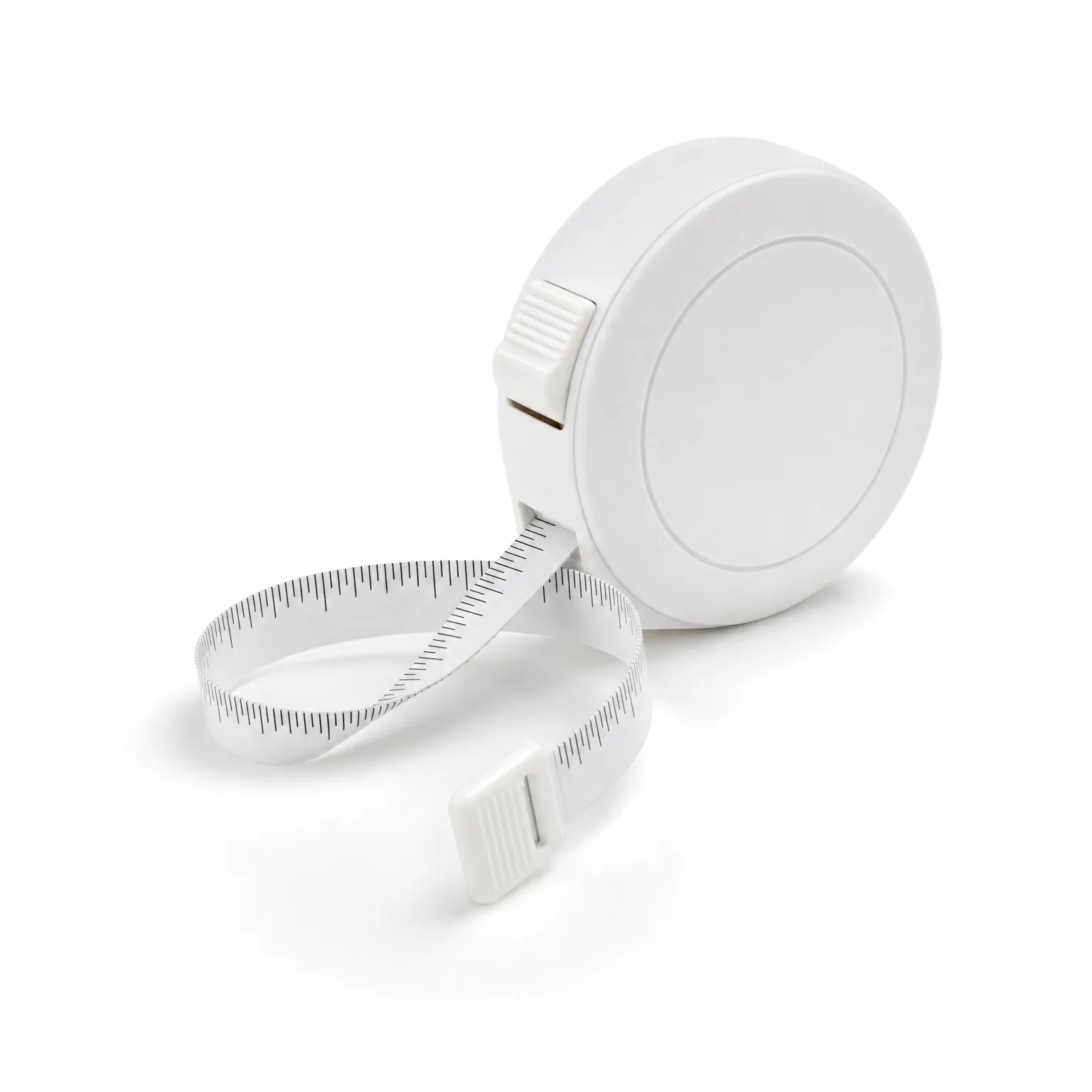
Nothing else gives body weight, but weight is not the only way to follow progress. A soft tape measure around the waist, hips and limbs shows changes in shape that a scale can miss, and it costs very little. Progress photos in the same light and pose, and how the same clothes fit, do a similar job. Many gyms and pharmacies have a scale you can use on a regular day and time.
Often used with
-
Skinfold caliper
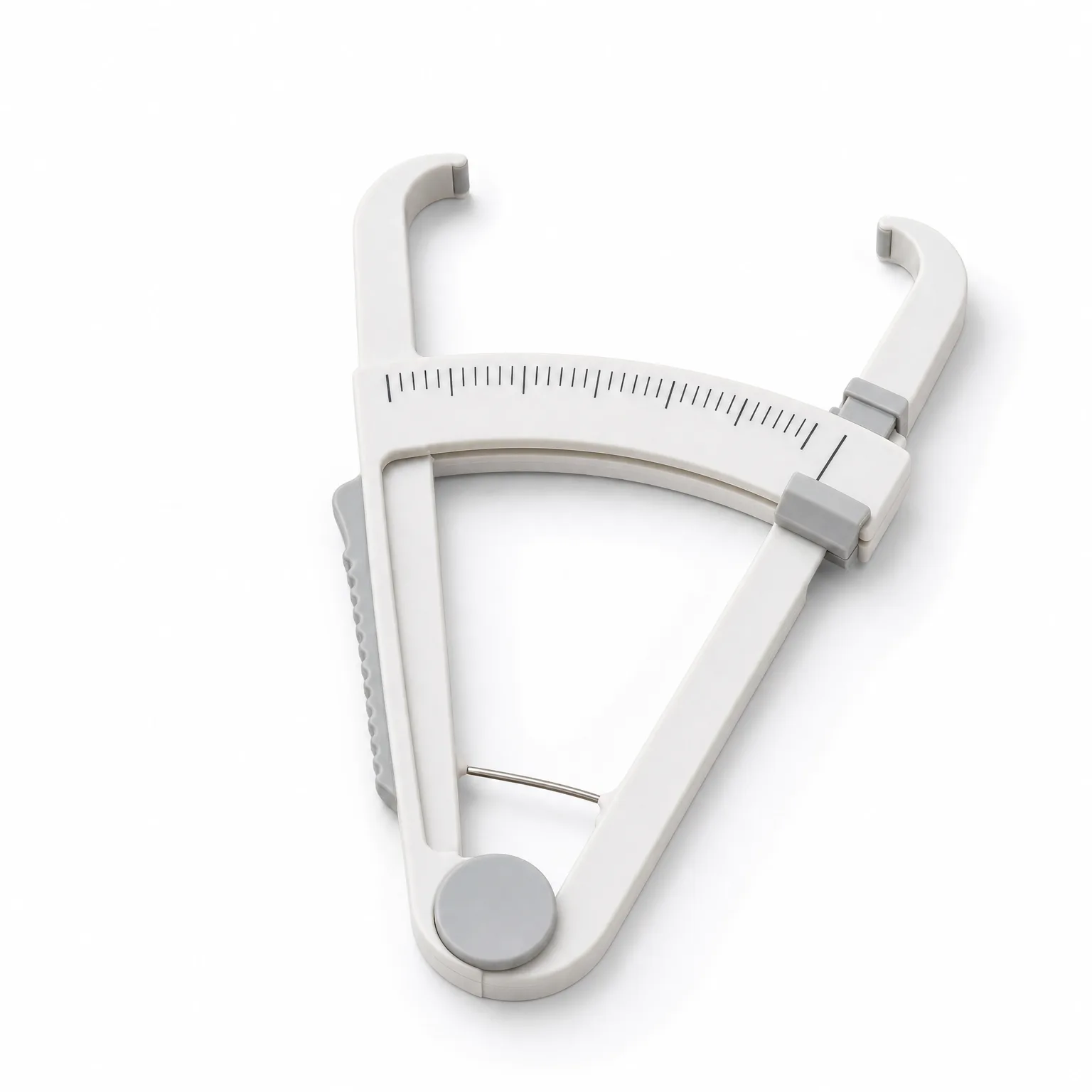
A spring-loaded clamp that measures the thickness of a pinched fold of skin and fat. The readings are used to estimate and track body fat. -
Fitness tracker
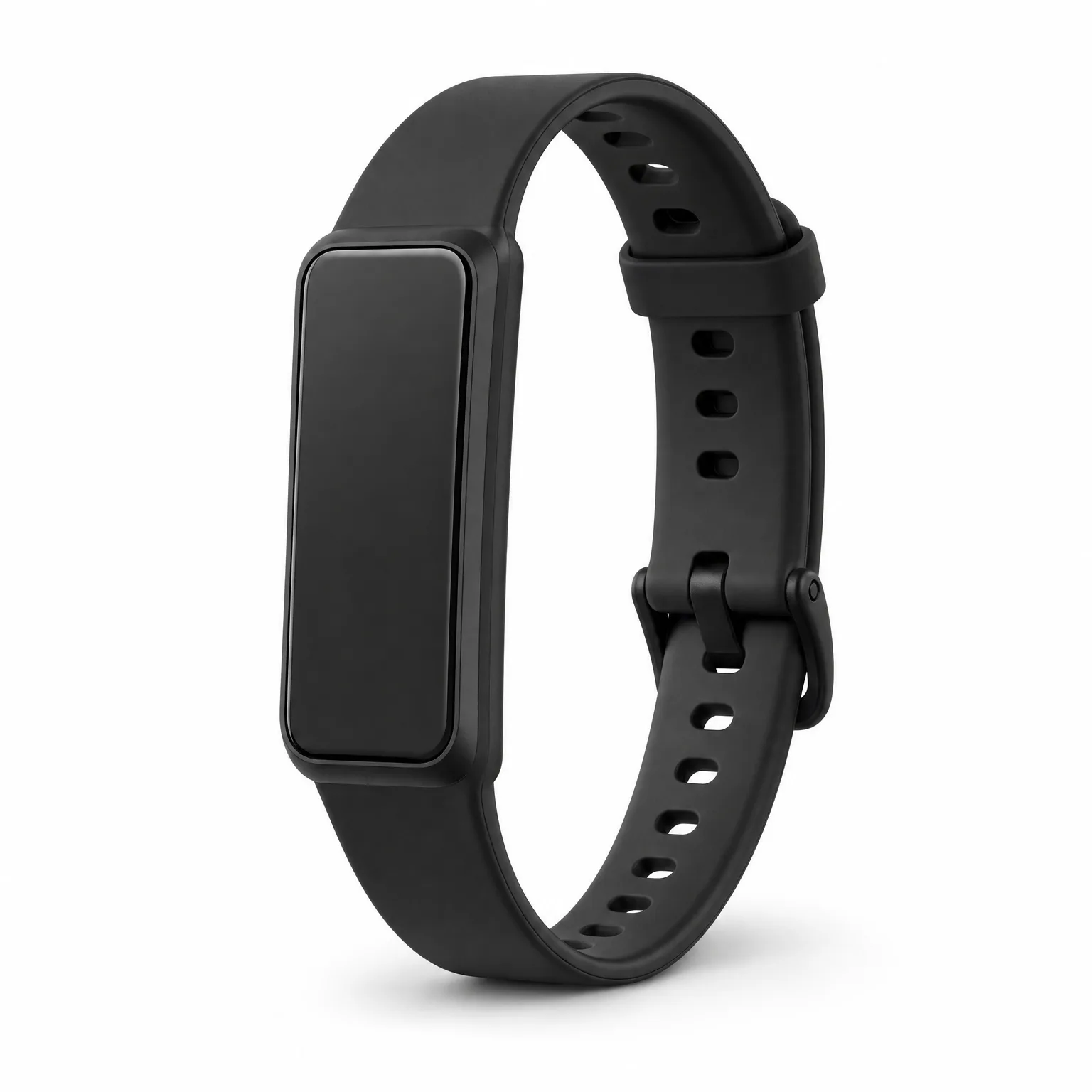
A wrist-worn band or watch that counts steps, logs workouts and estimates heart rate and sleep all day. Good for trends, approximate for detail.
Questions about bathroom scale
When is the best time to weigh yourself?
First thing in the morning, after using the toilet and before eating or drinking, in no clothes or the same light clothes. It is not that this reading is the true one. It is the easiest condition to repeat, which is what makes readings comparable.
How often should I weigh myself?
Daily with a weekly average, or once a week on the same day and time. Daily weighing gives a smoother trend because single odd days average out. If daily numbers make you anxious, weekly weighing or other measures such as a tape are a reasonable choice.
How accurate are body fat scales?
For weight, usually good. For body fat, approximate. They estimate it from how a small current passes through the body, and the result depends on hydration, recent food and exercise, and the formula the maker uses. Expect possible errors of several percentage points. The change over months on the same scale is more informative than the figure itself.
Why does my weight change so much from day to day?
Mostly water and the contents of the digestive tract. A salty or carbohydrate-heavy meal, a hard training session, travel, poor sleep and the menstrual cycle all change how much water the body holds. Swings of 1–2 kg in a day are normal.
Do I need a smart scale?
No. A plain digital scale and a notes app are enough to track weight. A smart scale adds automatic logging and trend charts, which makes the habit easier to keep, and body composition estimates that should be read with caution.
Build programs around what your client has
This guide comes from OnlineFitness.app, the app online coaches run their clients in.
Free for life for the first 100 coachesNo card