Fitness equipment guide
What each piece of gym and home workout equipment is, what it trains, how to choose it and what to use instead. 150 items, from dumbbells to the leg press.
Nothing matches that search. Try another name for it, or .
Free weights
Loads you lift and carry with nothing guiding the path.
-

Dumbbells
A pair of short handles with a weight at each end. One pair trains every major muscle group, at home or in a gym. -
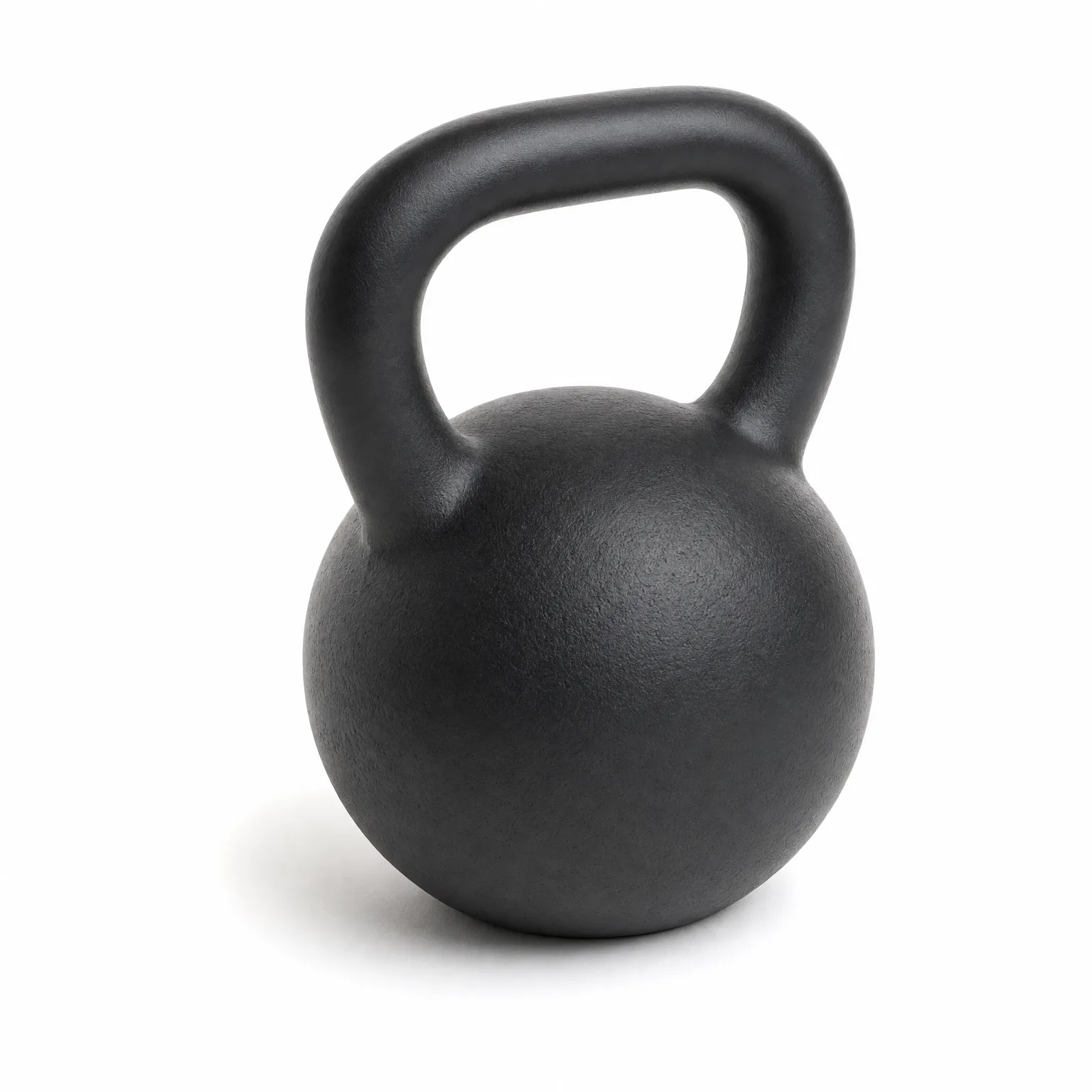
Kettlebell
A cast-iron or steel ball with a flat base and a handle on top. Built for swings, carries, squats and presses with one weight. -
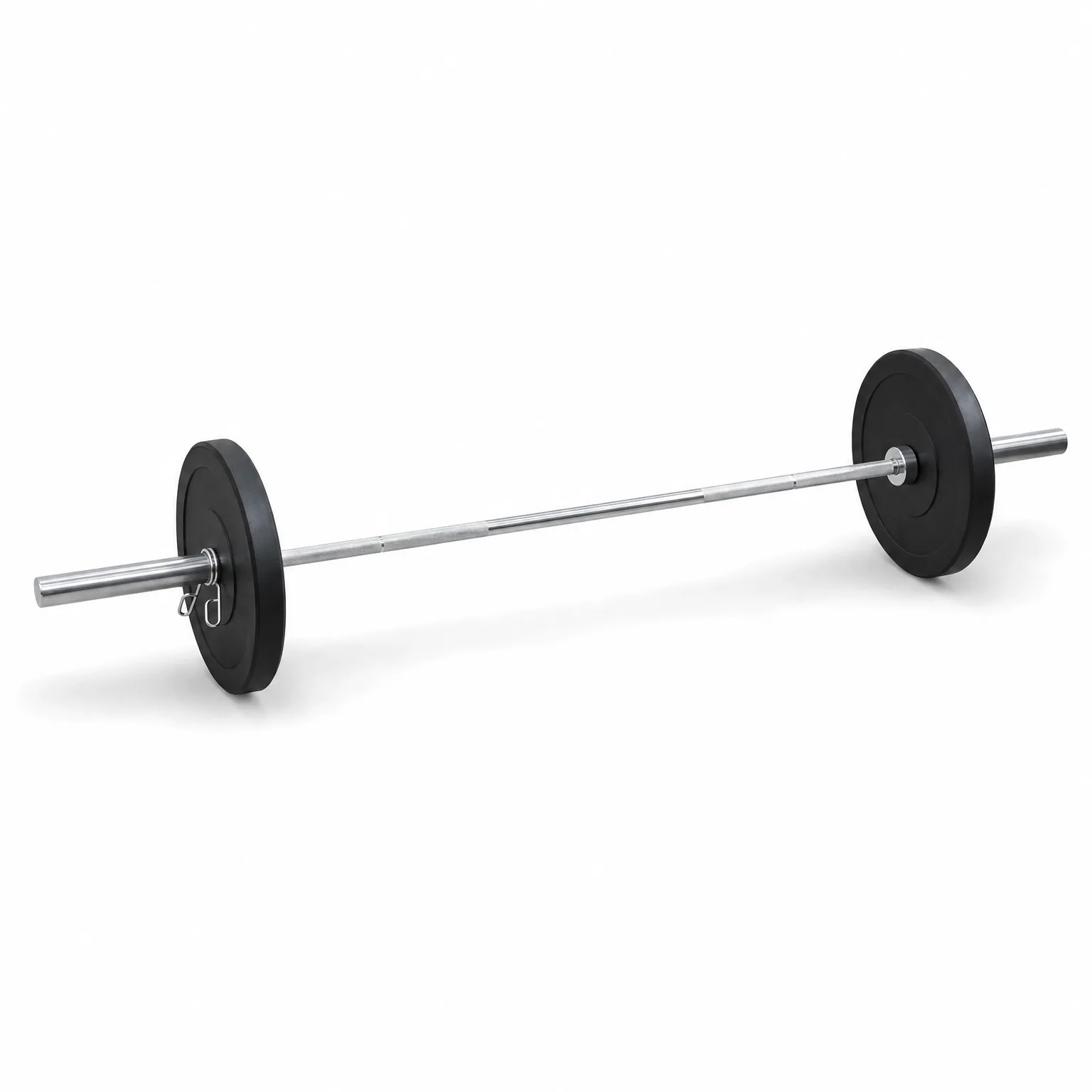
Barbell
A long steel bar loaded with plates at both ends. The standard tool for squats, deadlifts, presses and rows with heavy weight. -
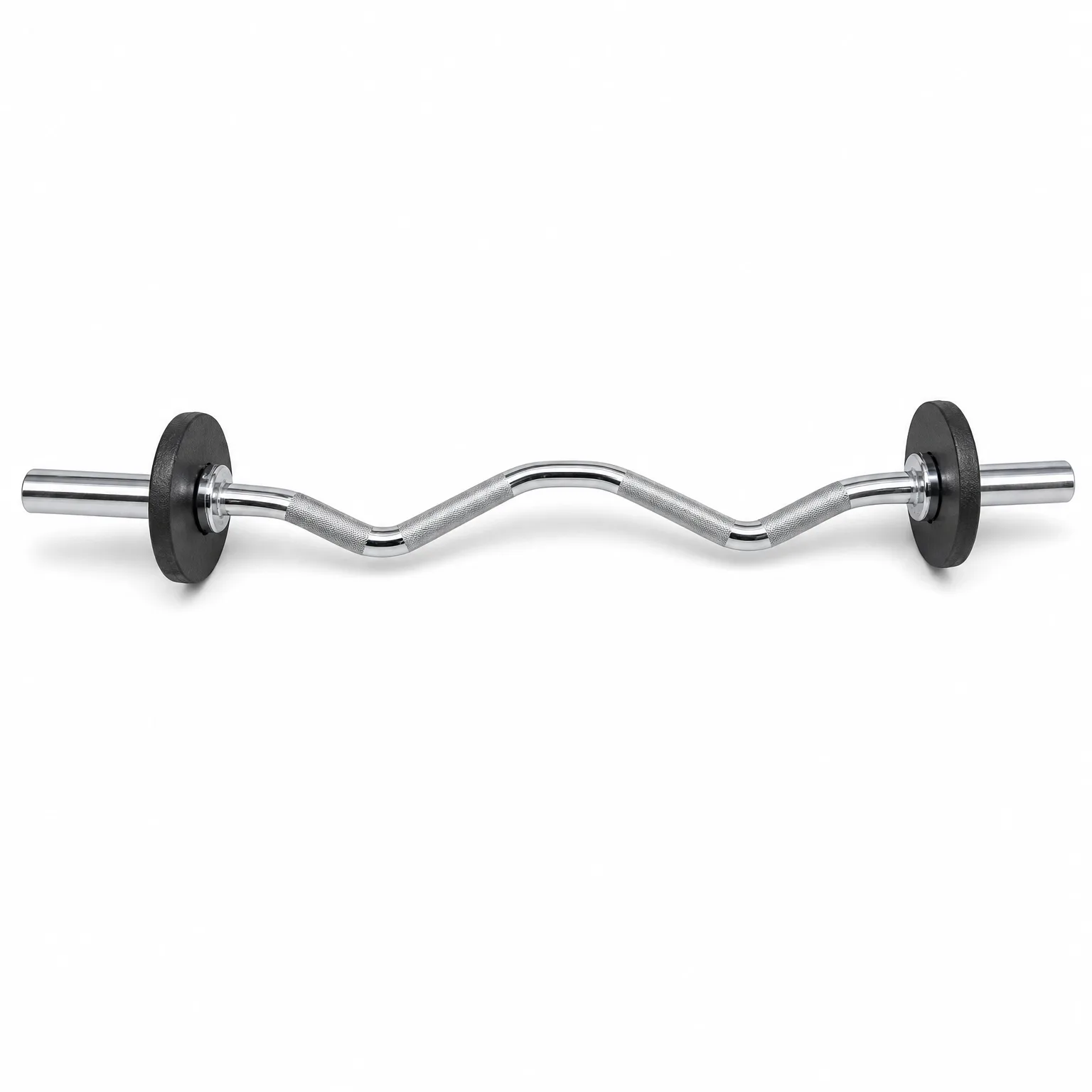
EZ curl bar
A short barbell with a zigzag grip section. The angled handles turn the wrists slightly inward for curls and triceps extensions. -
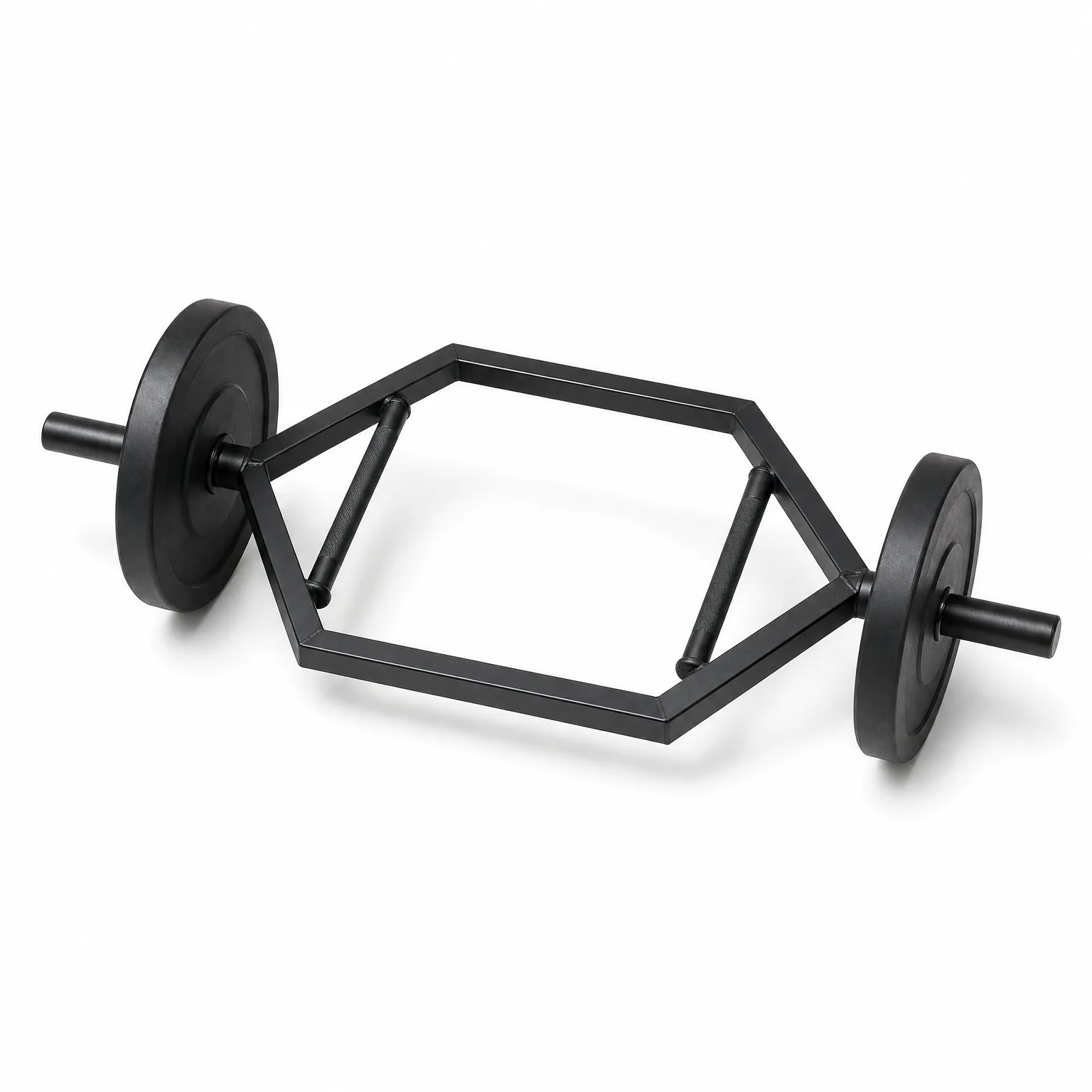
Trap bar
A hexagonal bar you stand inside and lift by two side handles. Used for deadlifts, carries, shrugs and jumps. -
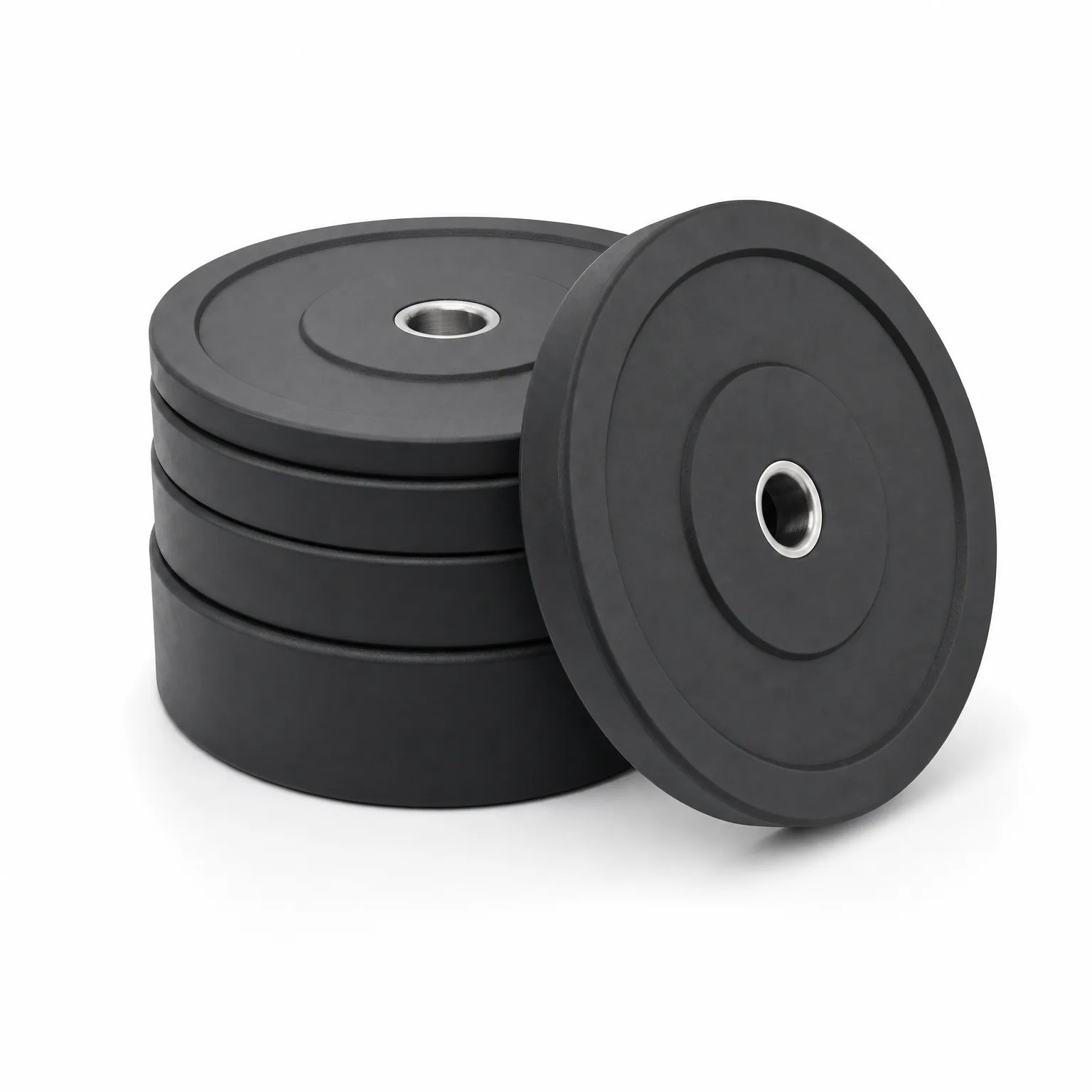
Weight plates
Flat discs that slide onto a barbell or machine to set the load. A single plate also works as a hand-held weight. -
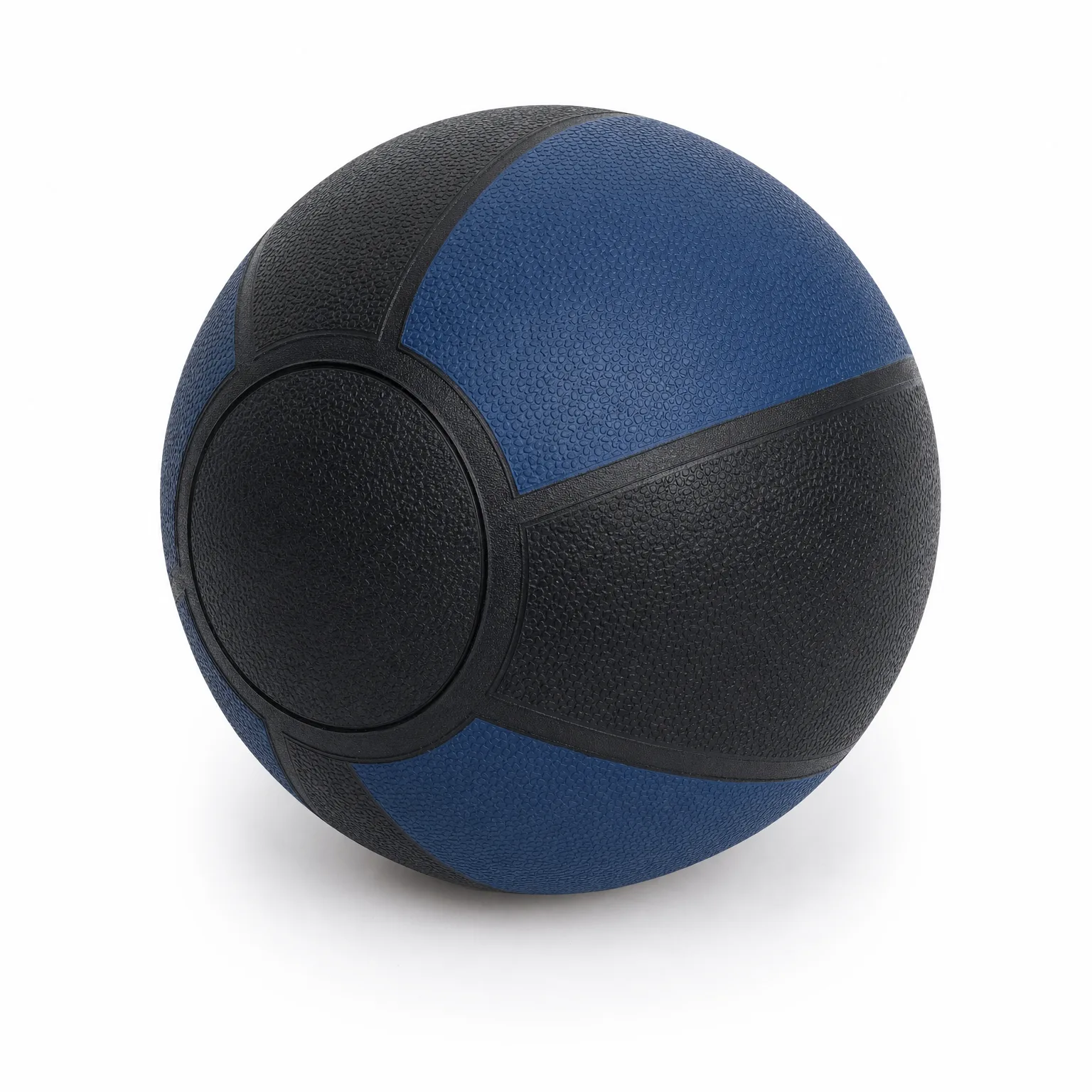
Medicine ball
A weighted ball you throw, catch and carry. Used for power throws, wall balls, partner drills and core exercises. -
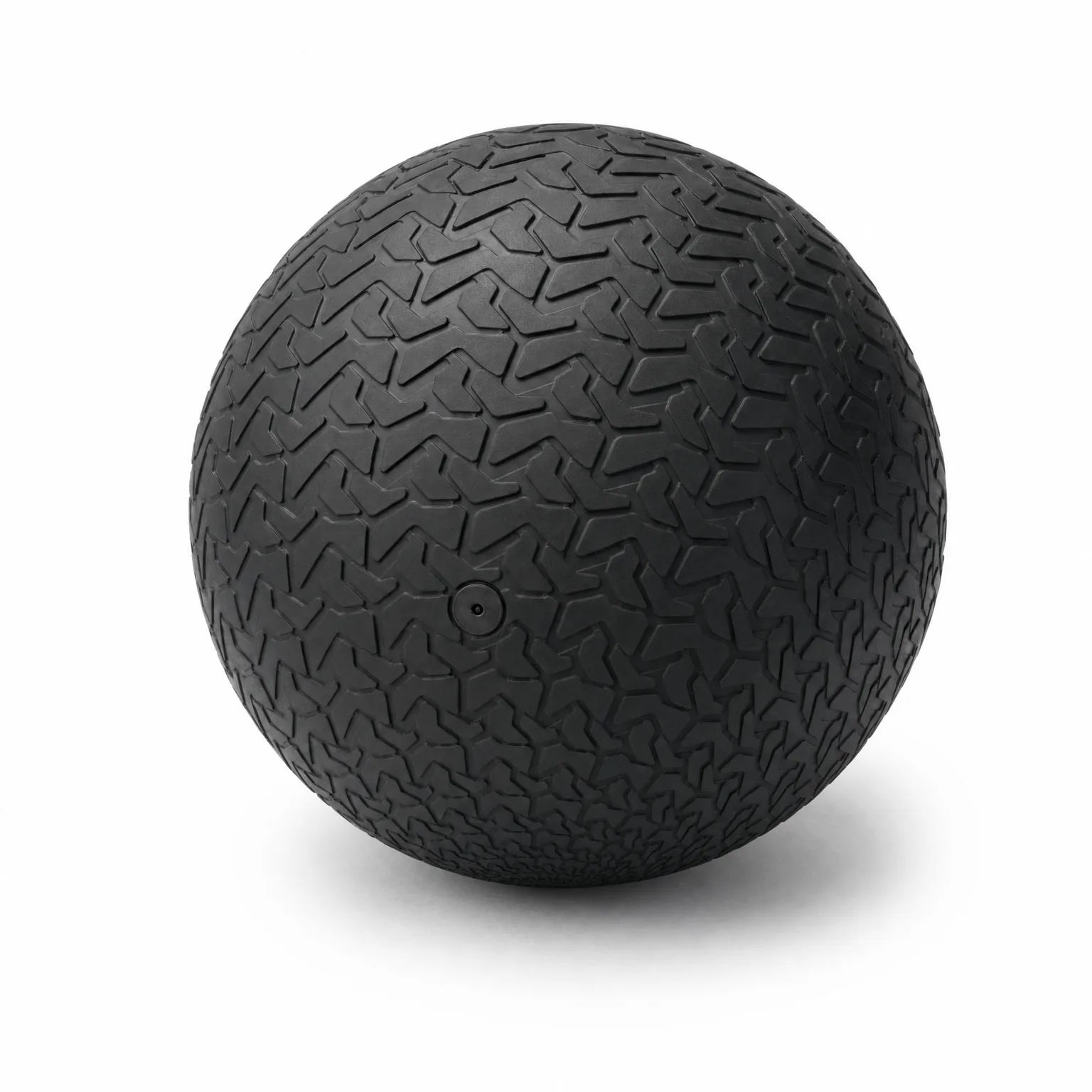
Slam ball
A sand-filled ball with a thick shell that does not bounce. Made to be lifted overhead and thrown at the floor at full force. -
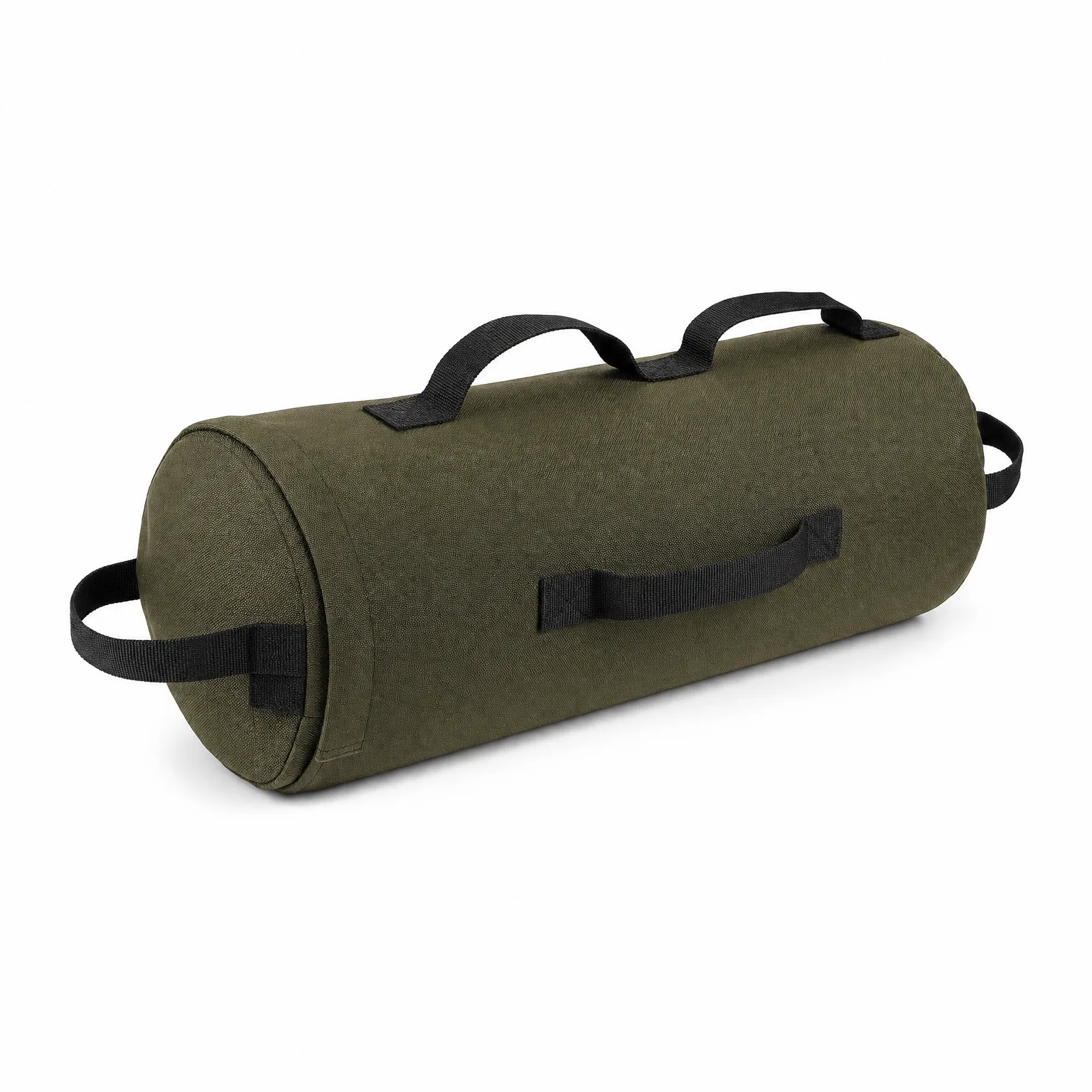
Sandbag
A tough fabric bag filled with sand, with or without handles. The load shifts as you lift, carry, squat and throw it. -
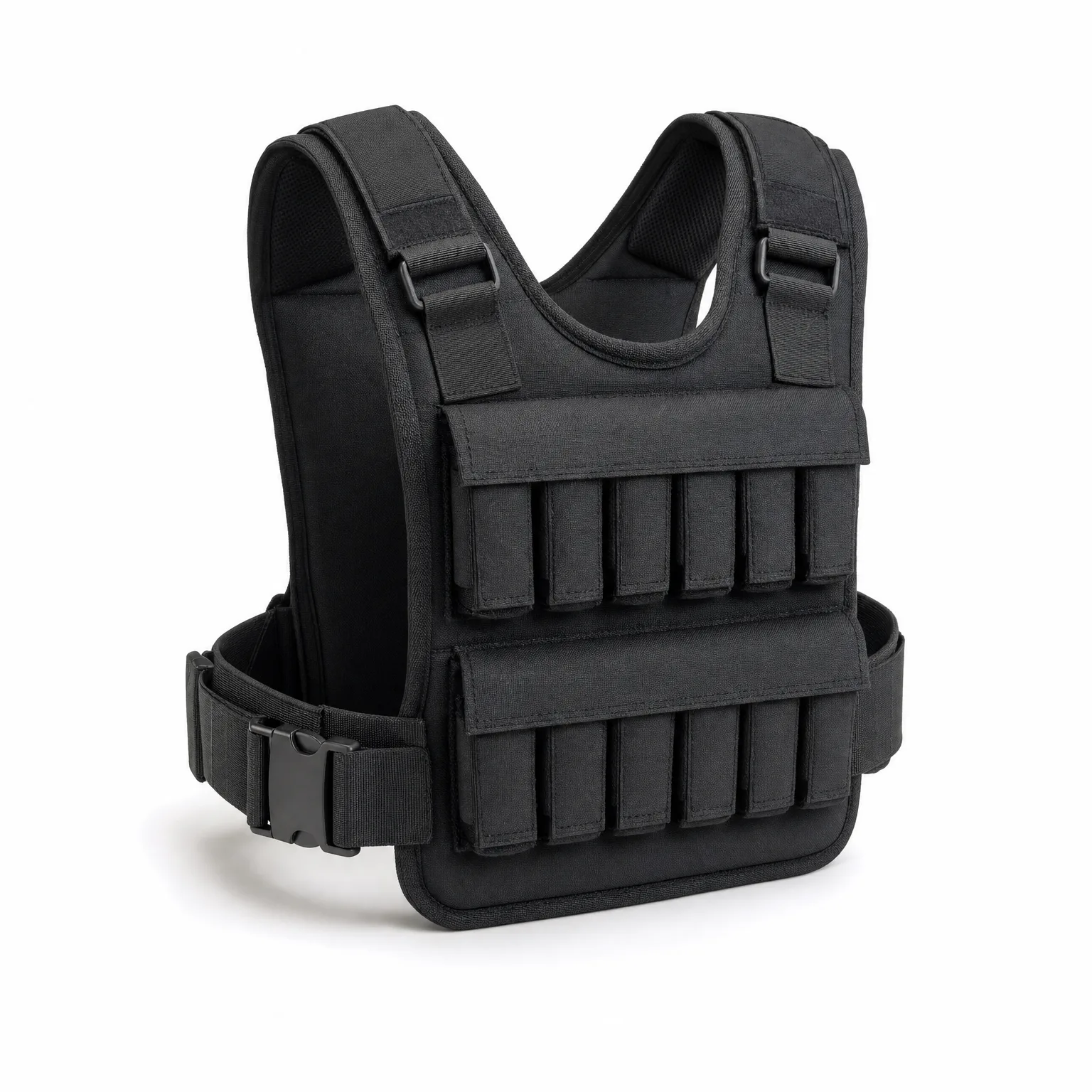
Weighted vest
A vest that carries extra weight on the torso. It makes push-ups, pull-ups, squats, walking and stair climbing harder with free hands. -
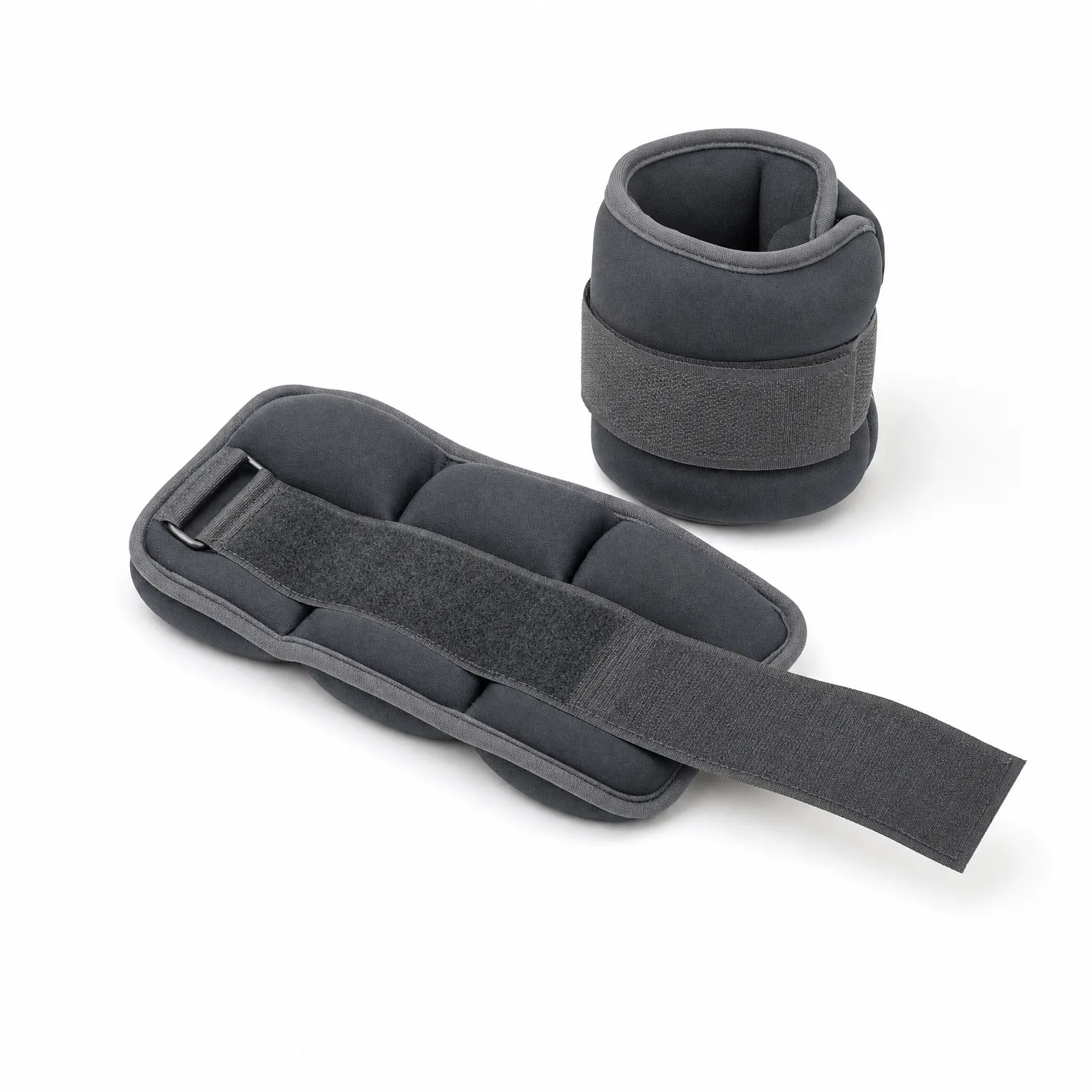
Ankle weights
Weighted cuffs that strap around the ankles. They add light resistance to leg raises, kickbacks and other floor and standing leg work. -
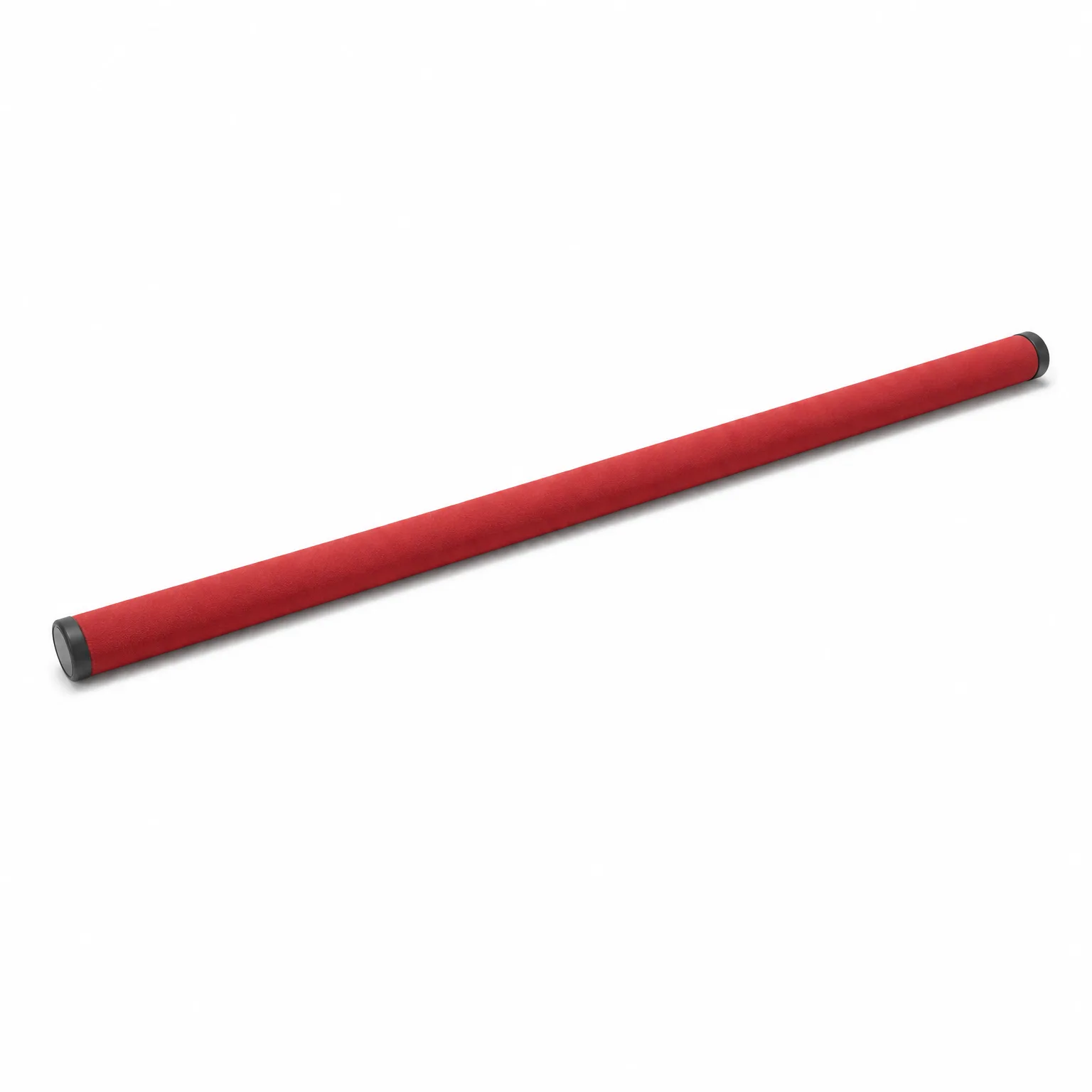
Body bar
A padded, one-piece weighted bar of 1–12 kg used in group classes and at home for squats, presses, rows, curls and twists. -
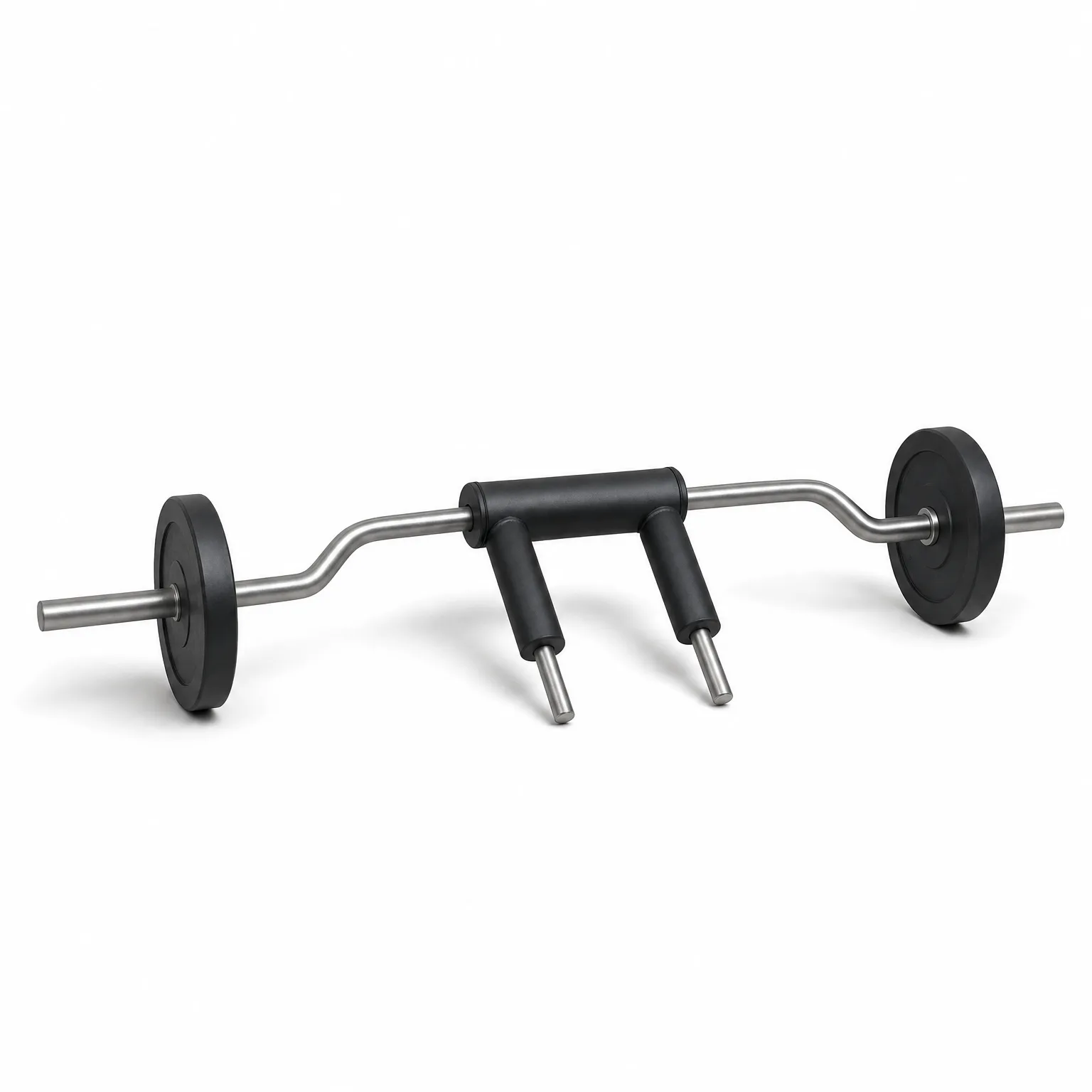
Safety squat bar
A padded squat bar with forward handles and angled sleeves. You squat without reaching back for the bar, and the upper back works harder. -
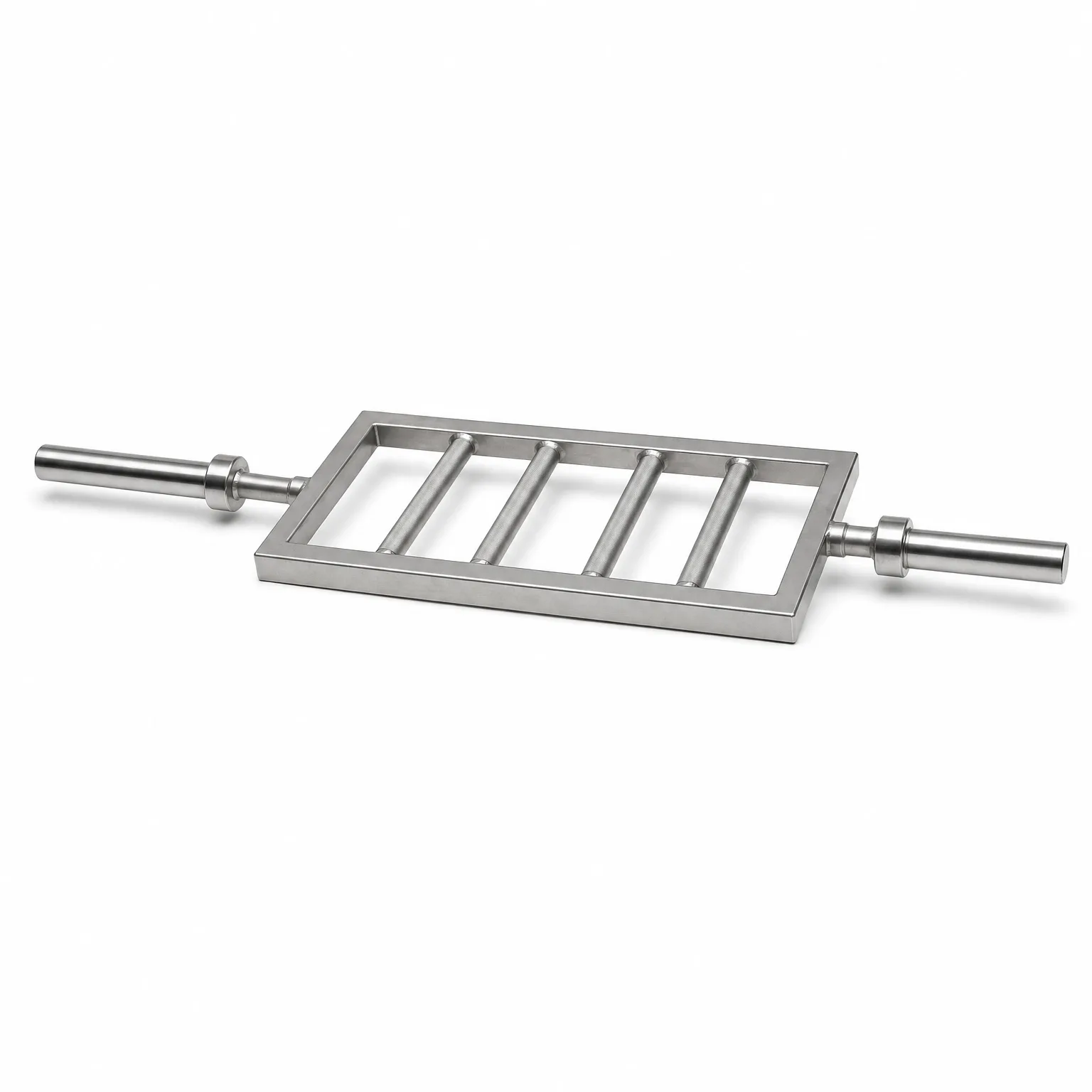
Multi-grip bar
A barbell with a frame of parallel or angled handles in the middle. It lets you press, row and curl with your palms facing each other. -
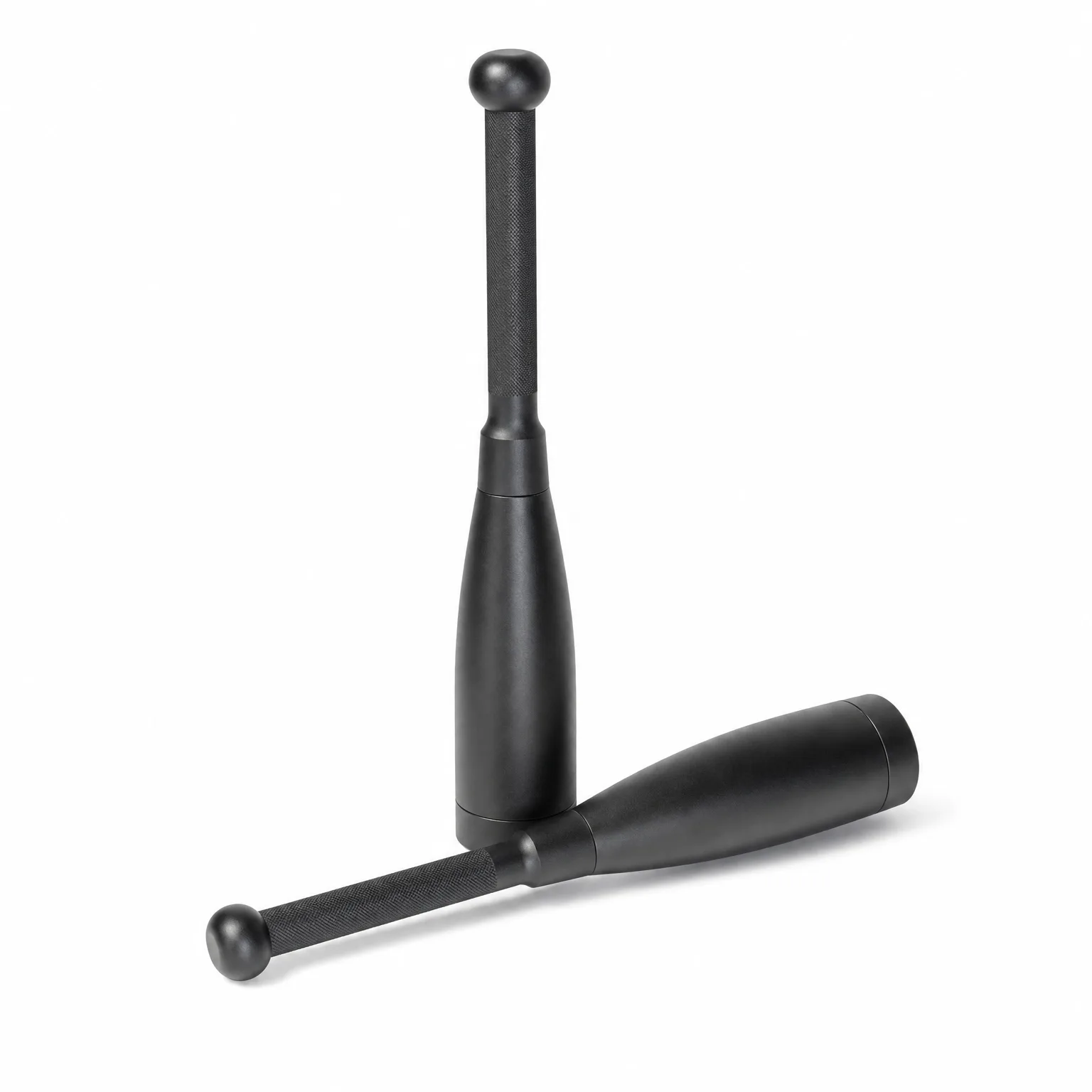
Exercise clubs
Bowling-pin-shaped weights swung in circles around the body. They train grip, shoulders and trunk through large rotating movements. -
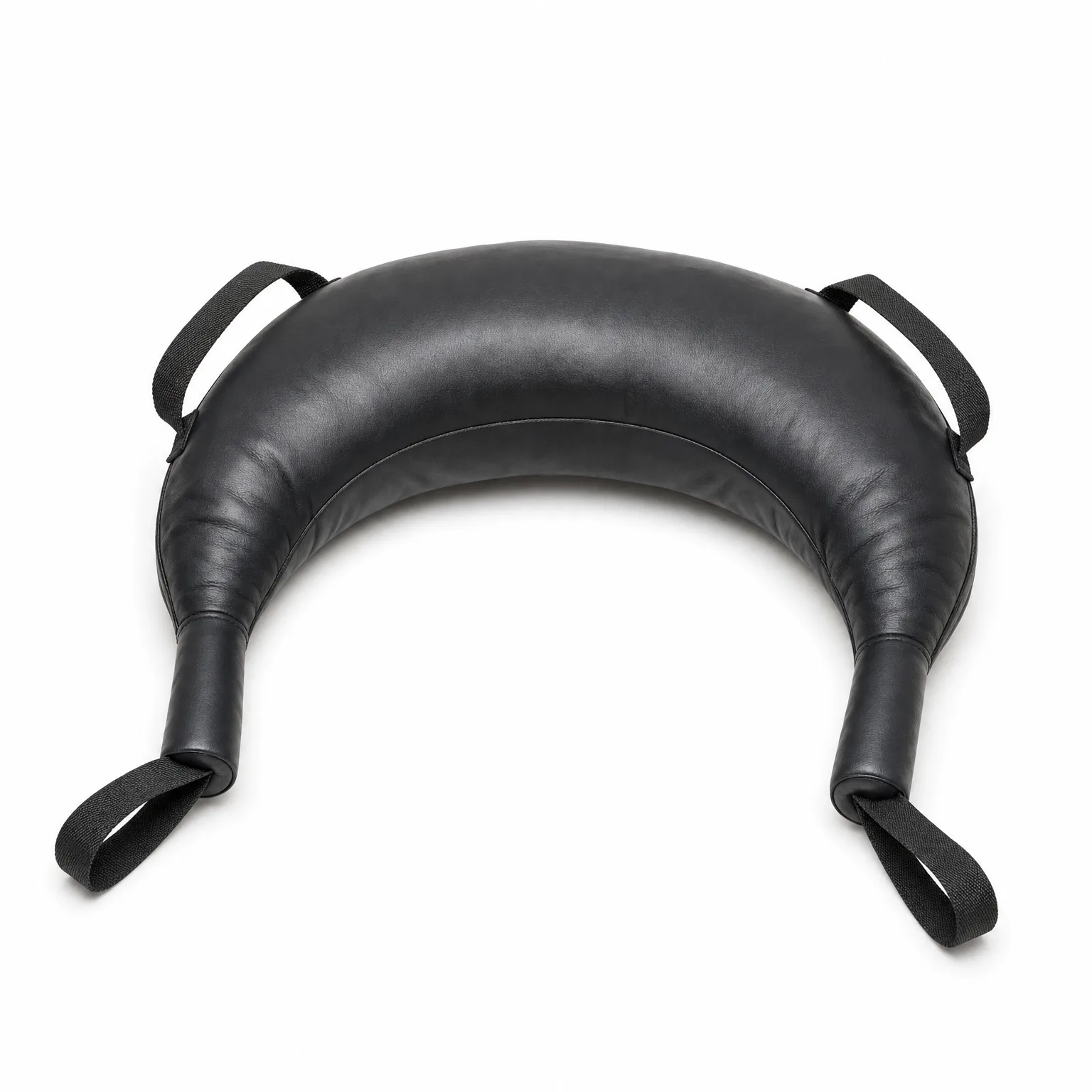
Bulgarian bag
A crescent-shaped weighted bag with handles at both ends. It is swung, spun around the head and carried on the shoulders.
Benches, racks and bars
The fixed pieces you lift on, hang from and jump onto.
-

Weight bench
A padded bench you lie, sit or lean on while lifting. It supports the body for presses, rows, hip thrusts and seated work. -
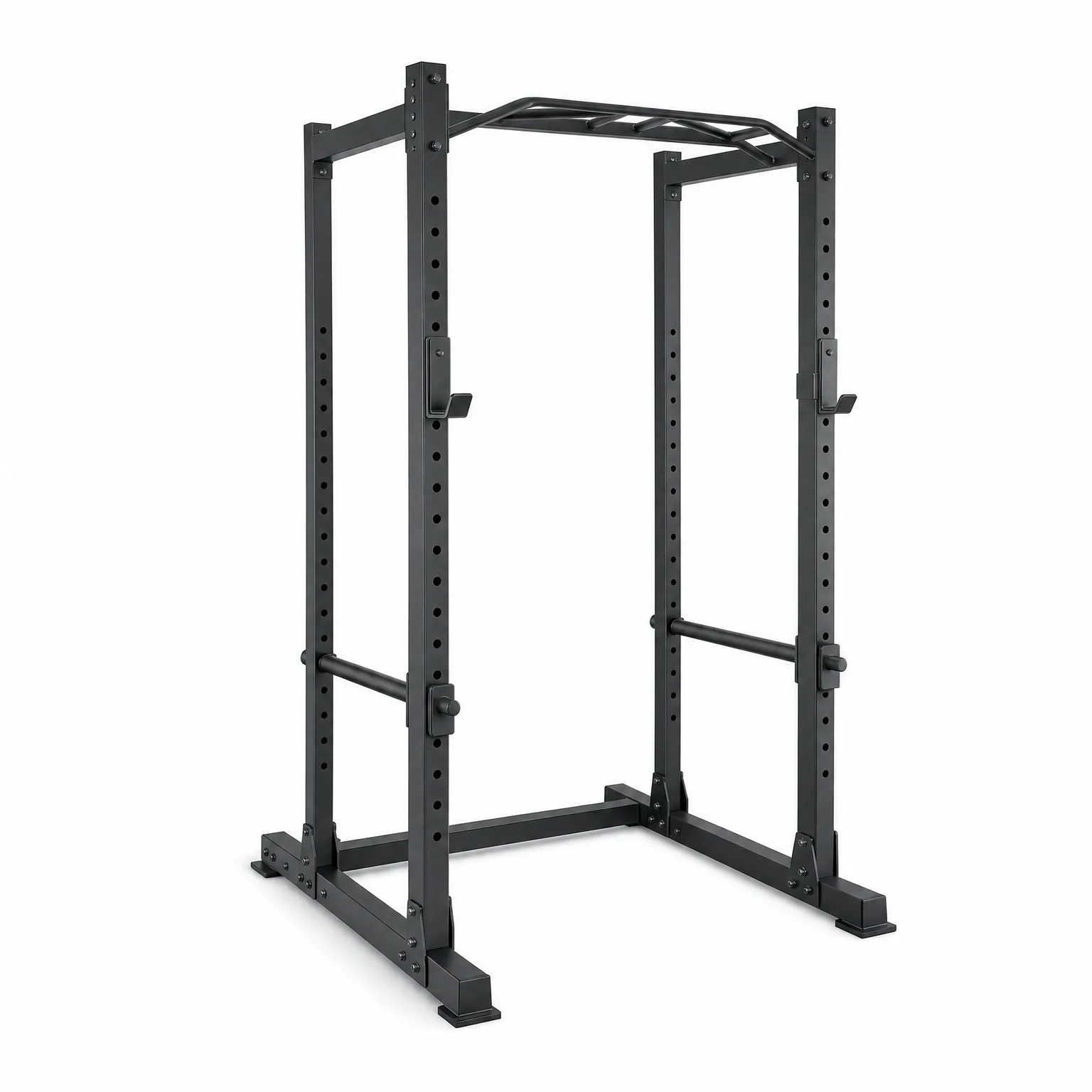
Squat rack
A steel frame that holds a barbell at the height you need and catches it if a rep fails. The base for squats and presses. -
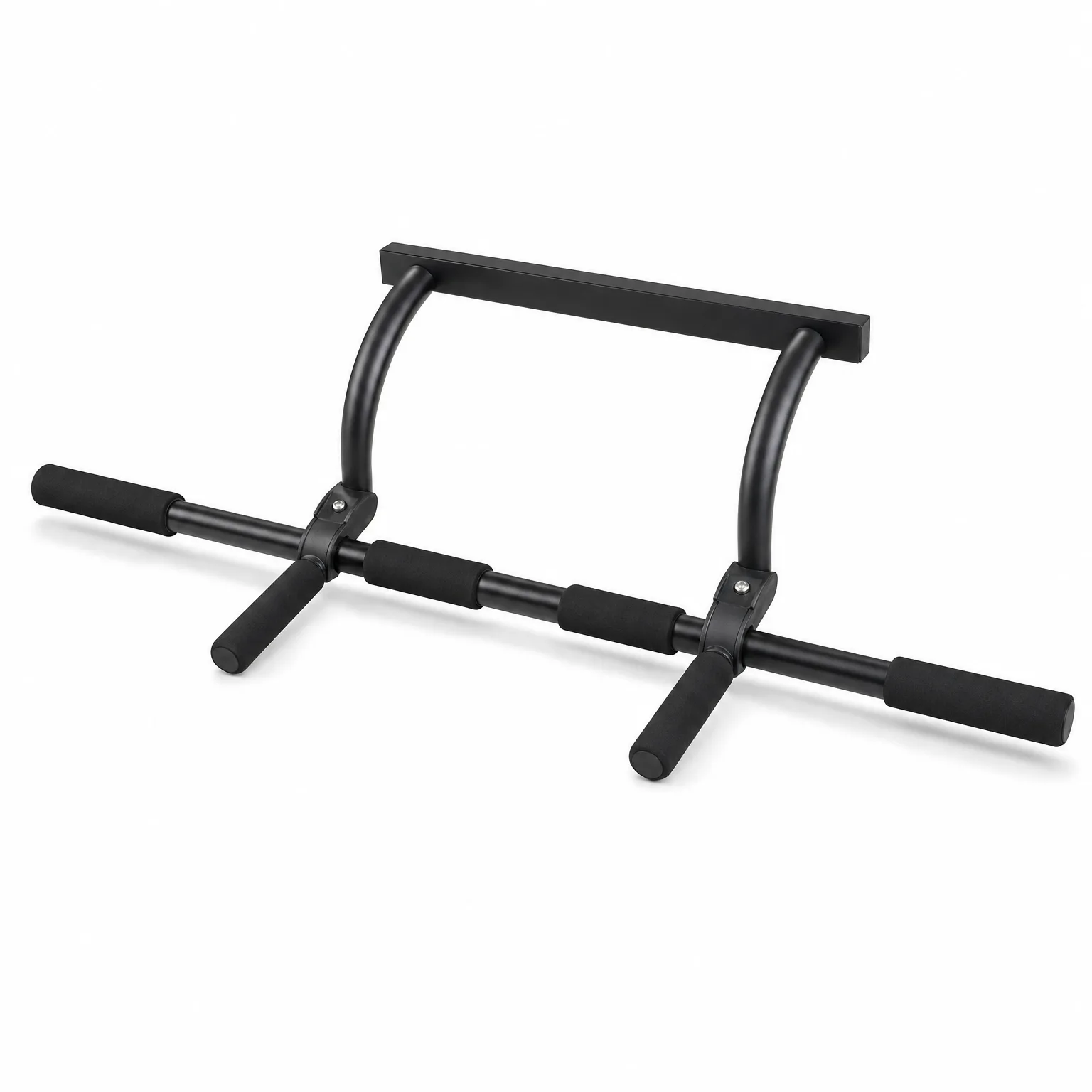
Pull-up bar
A fixed horizontal bar you hang from. Used for pull-ups, chin-ups, hangs and hanging leg raises, at home or outdoors. -
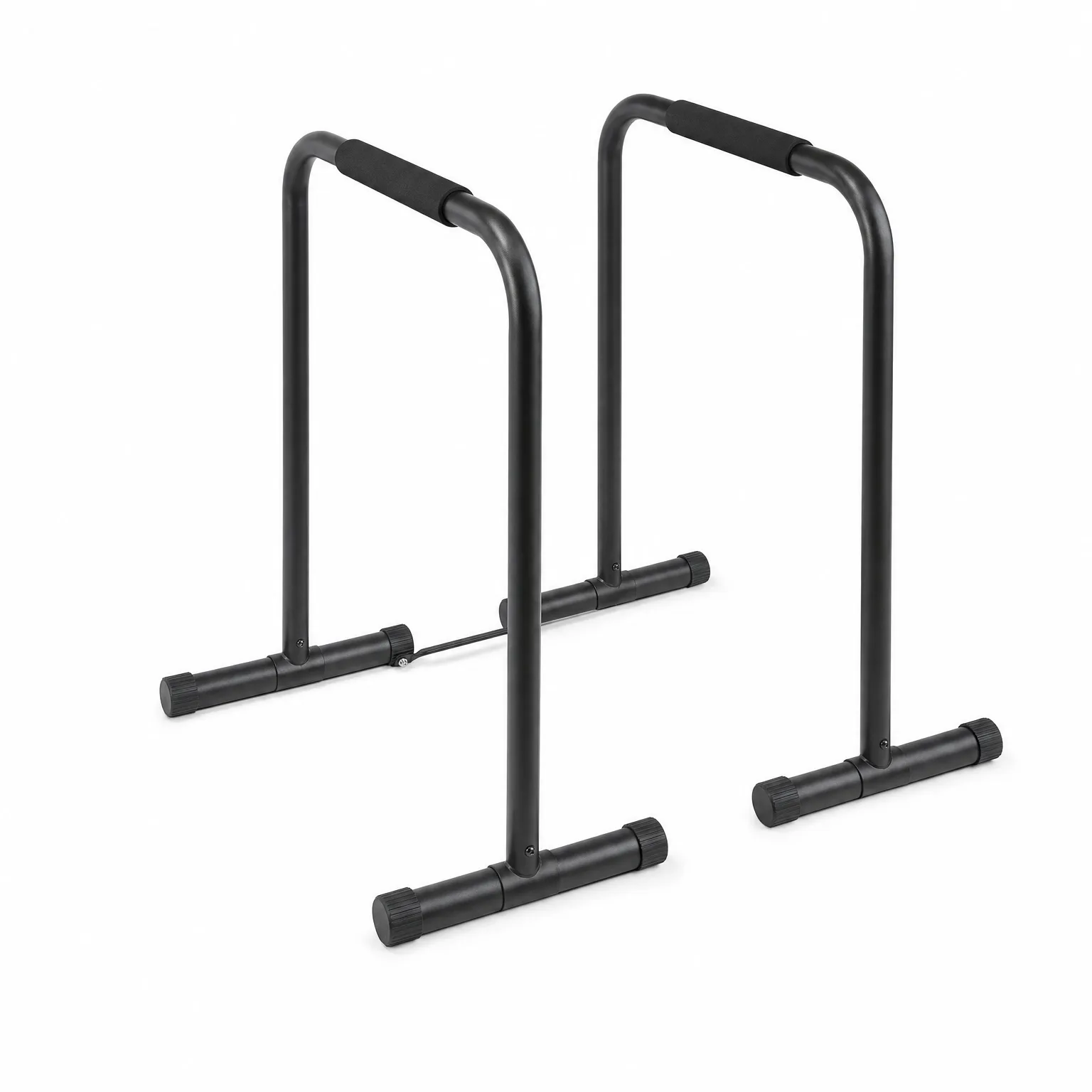
Dip bars
Two parallel bars at about waist height that you support yourself on. Used for dips, leg raises and bodyweight rows. -
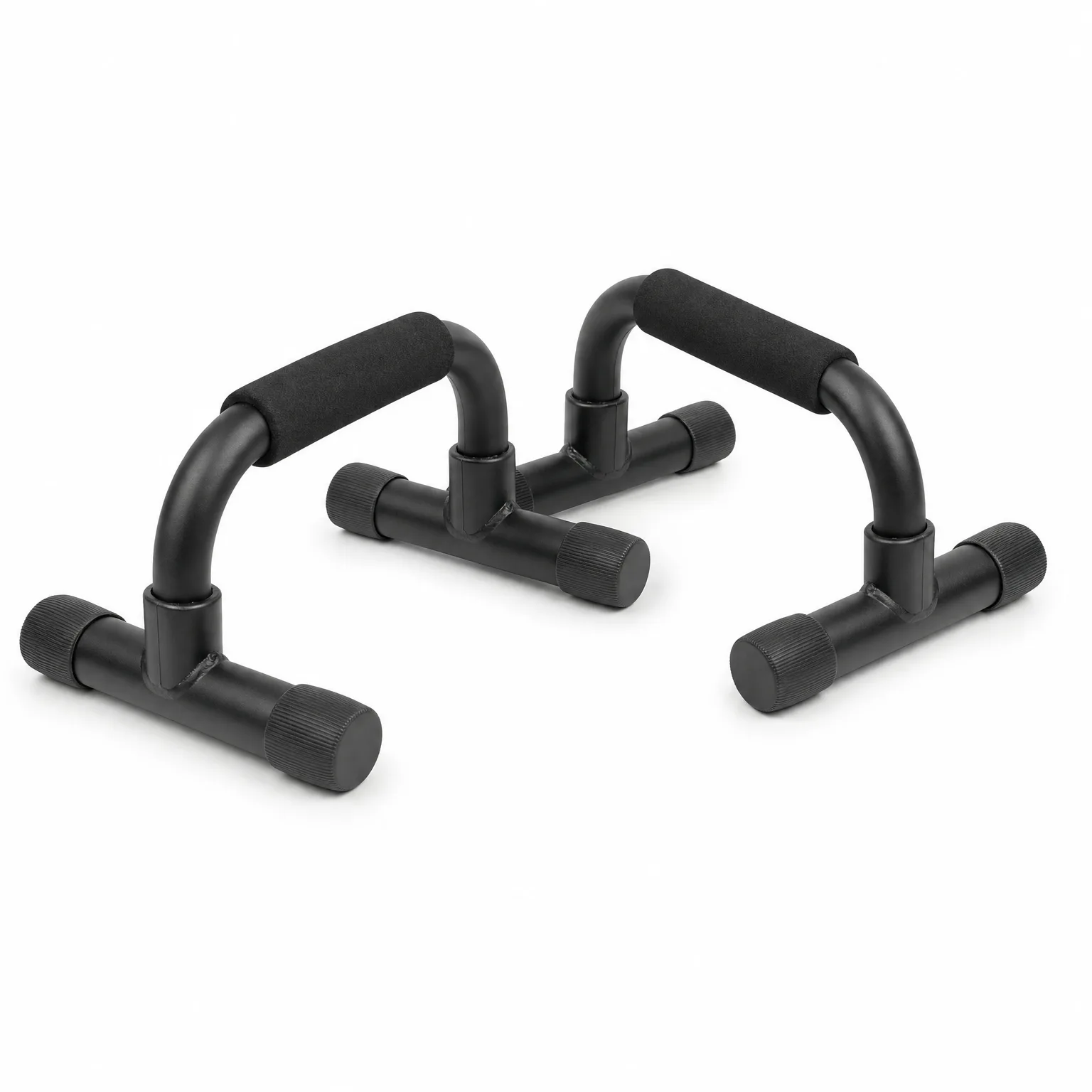
Push-up bars
A pair of low handles for the floor. They keep the wrists straight in push-ups and let the chest go lower than the hands. -
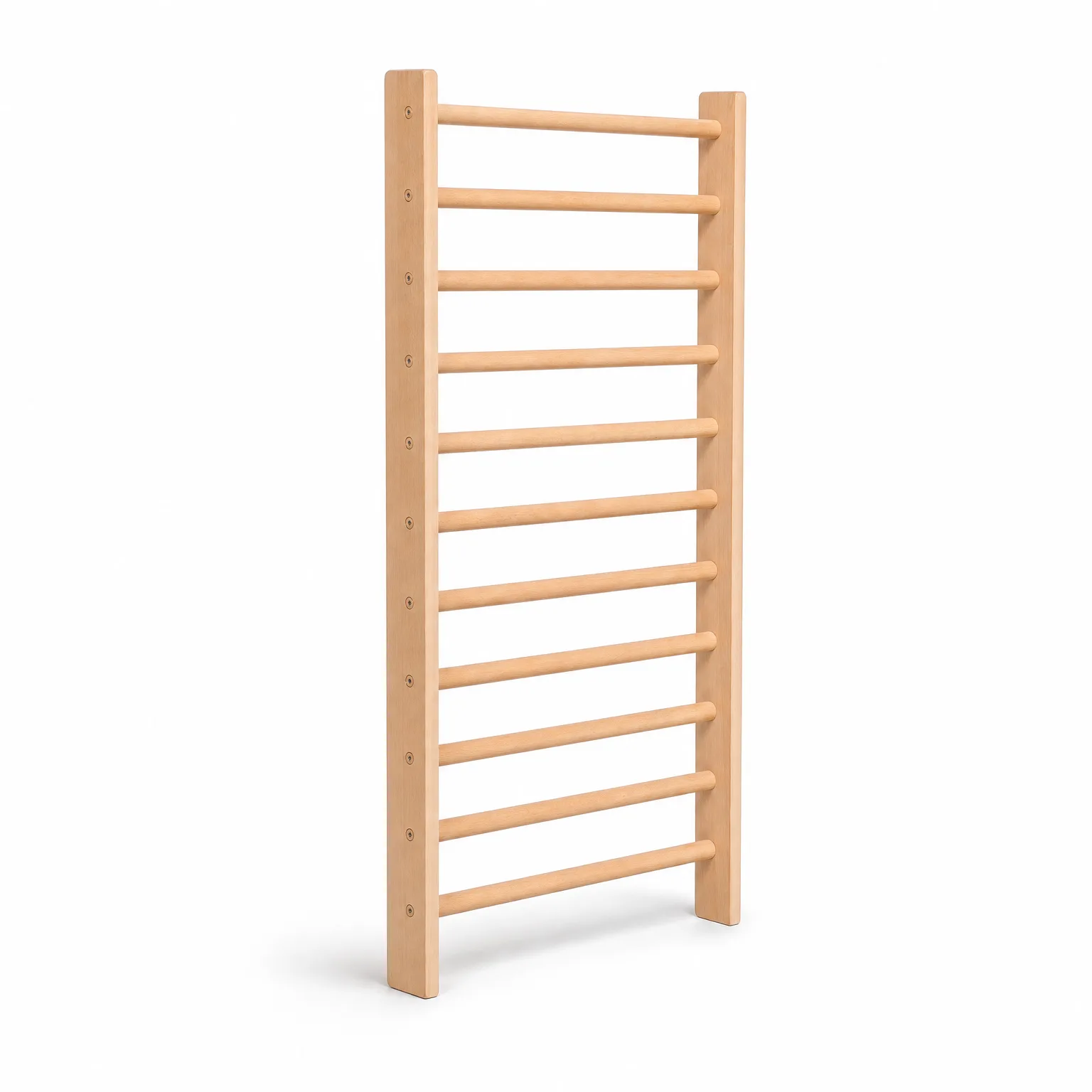
Wall bars
A ladder of horizontal wooden rungs fixed to a wall. Used for hanging leg raises, assisted stretching, pull-ups and band work. -
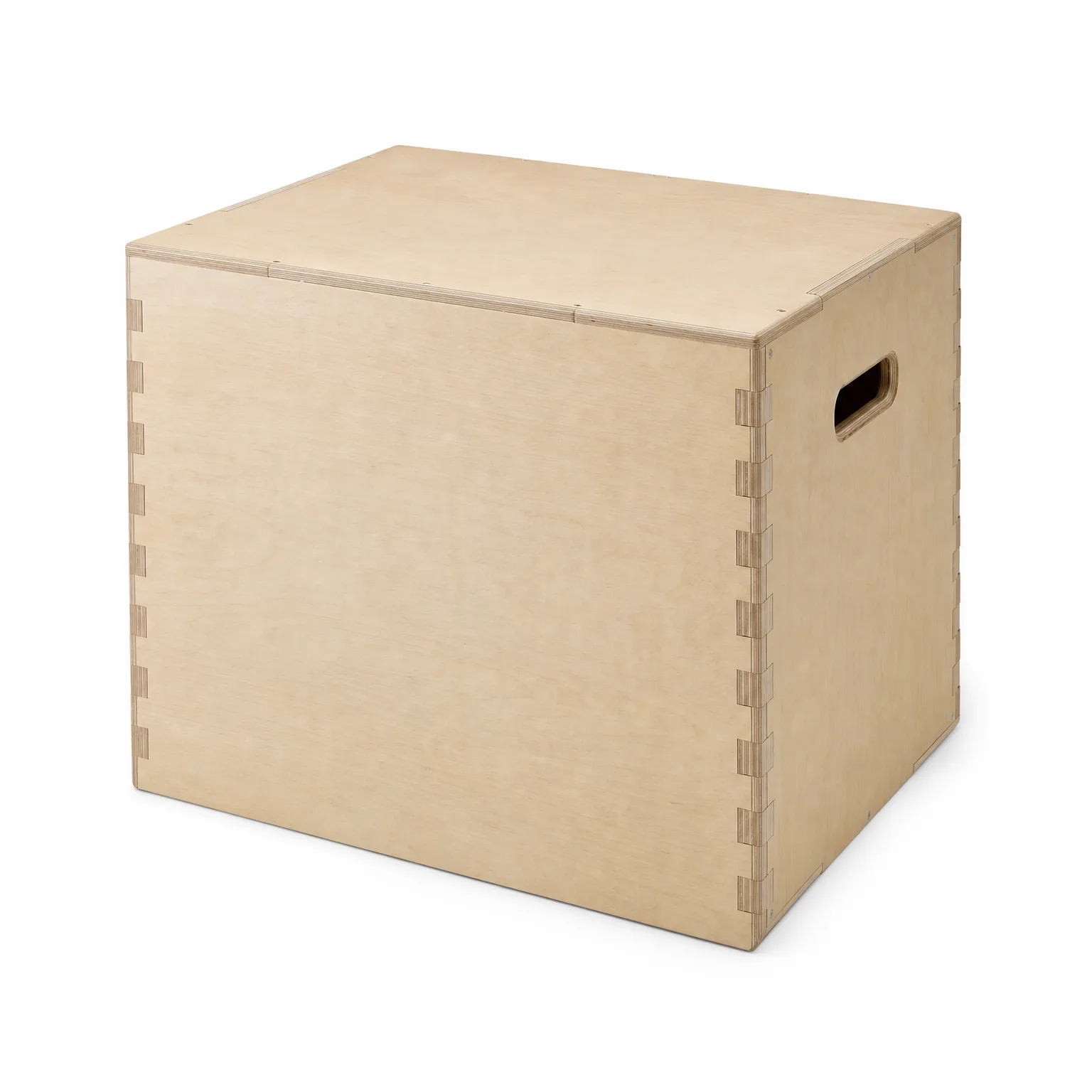
Plyo box
A sturdy box for jumping onto and stepping up on. Used for box jumps, step-ups, box squats and raised push-ups. -
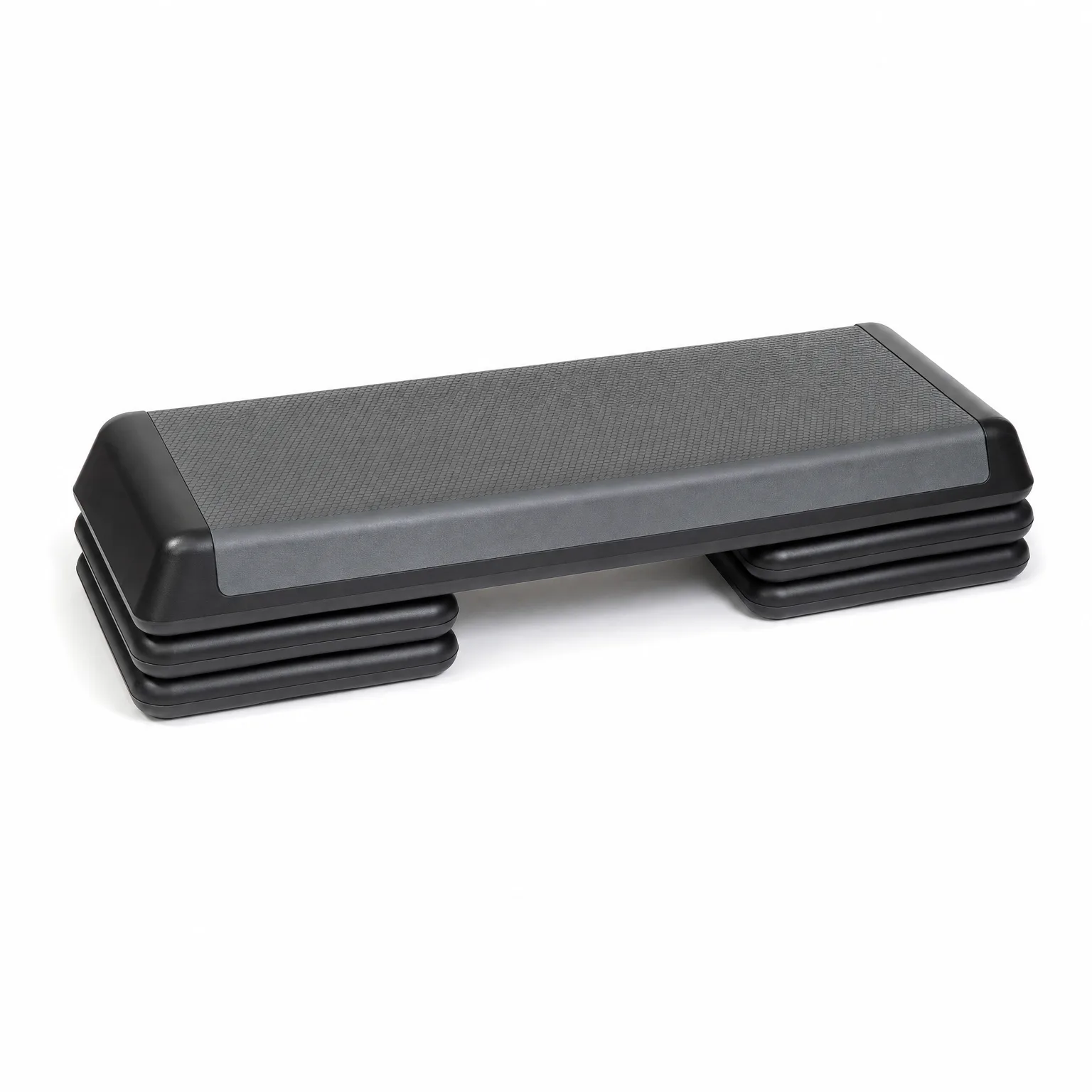
Step platform
A low, wide platform with removable risers. Used for step aerobics, step-ups, calf raises and as a low bench. -
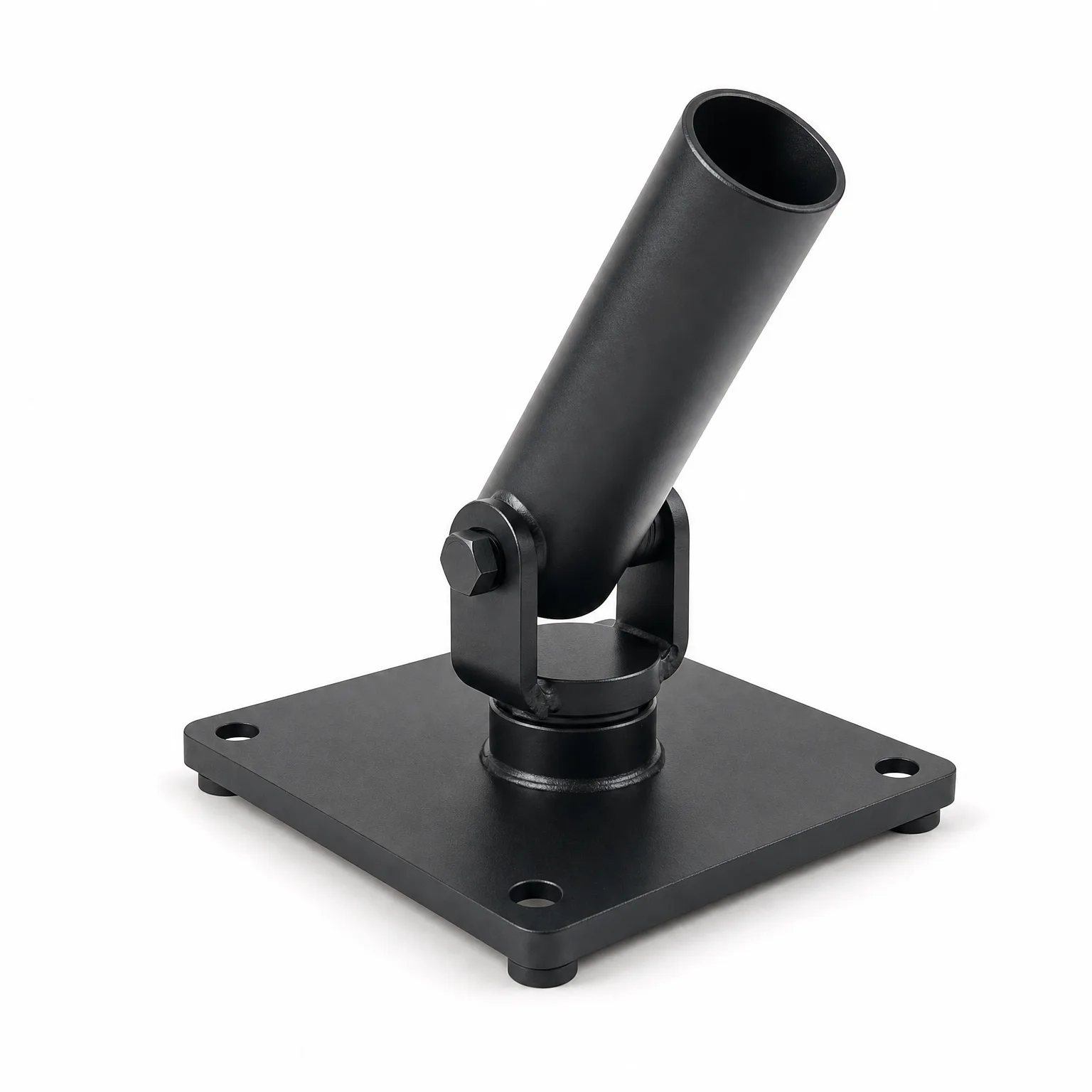
Landmine
A floor pivot that holds one end of a barbell so the other end moves in an arc. Used for presses, rows, squats and rotations. -
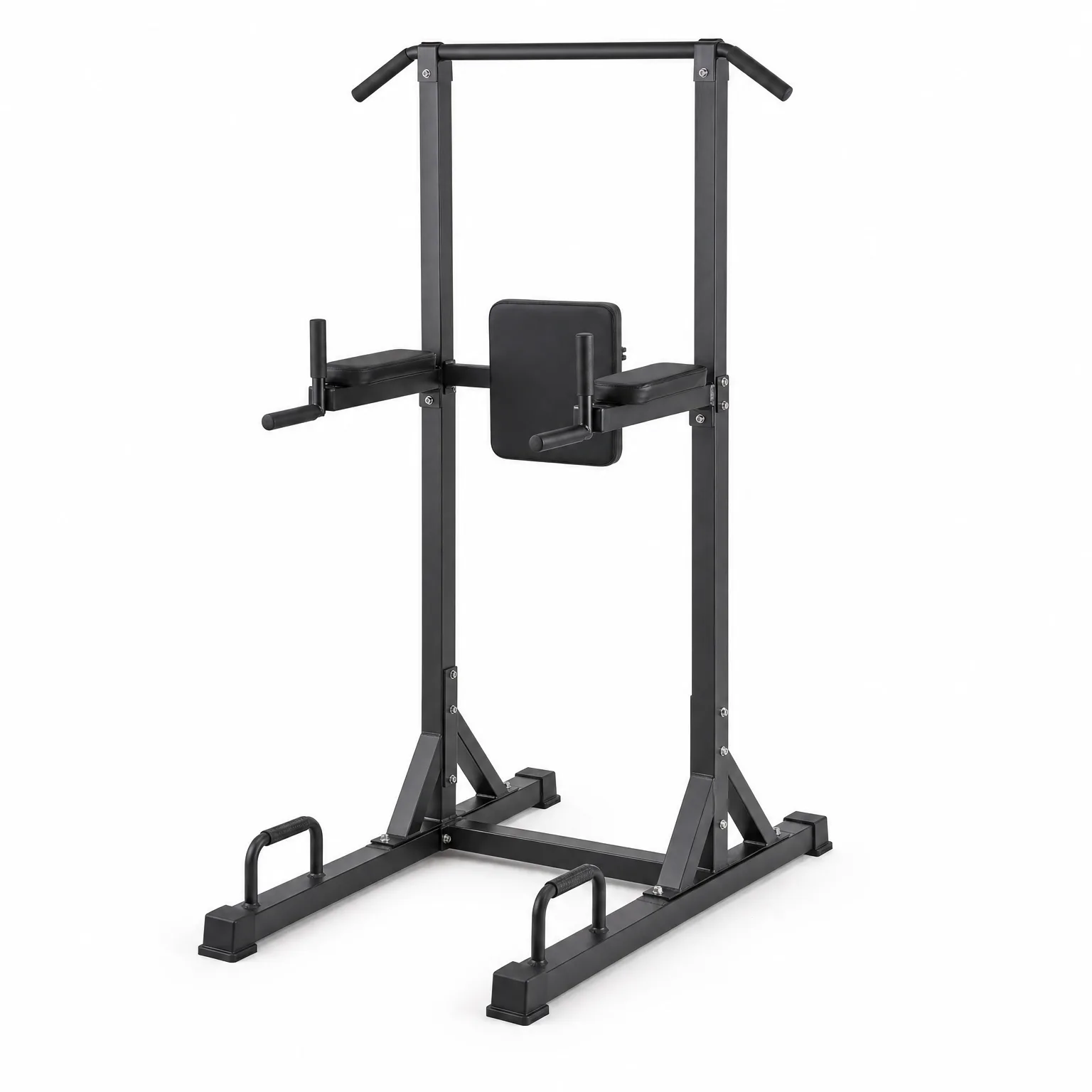
Power tower
A free-standing frame that combines a pull-up bar, dip handles and a padded station for supported knee and leg raises. -
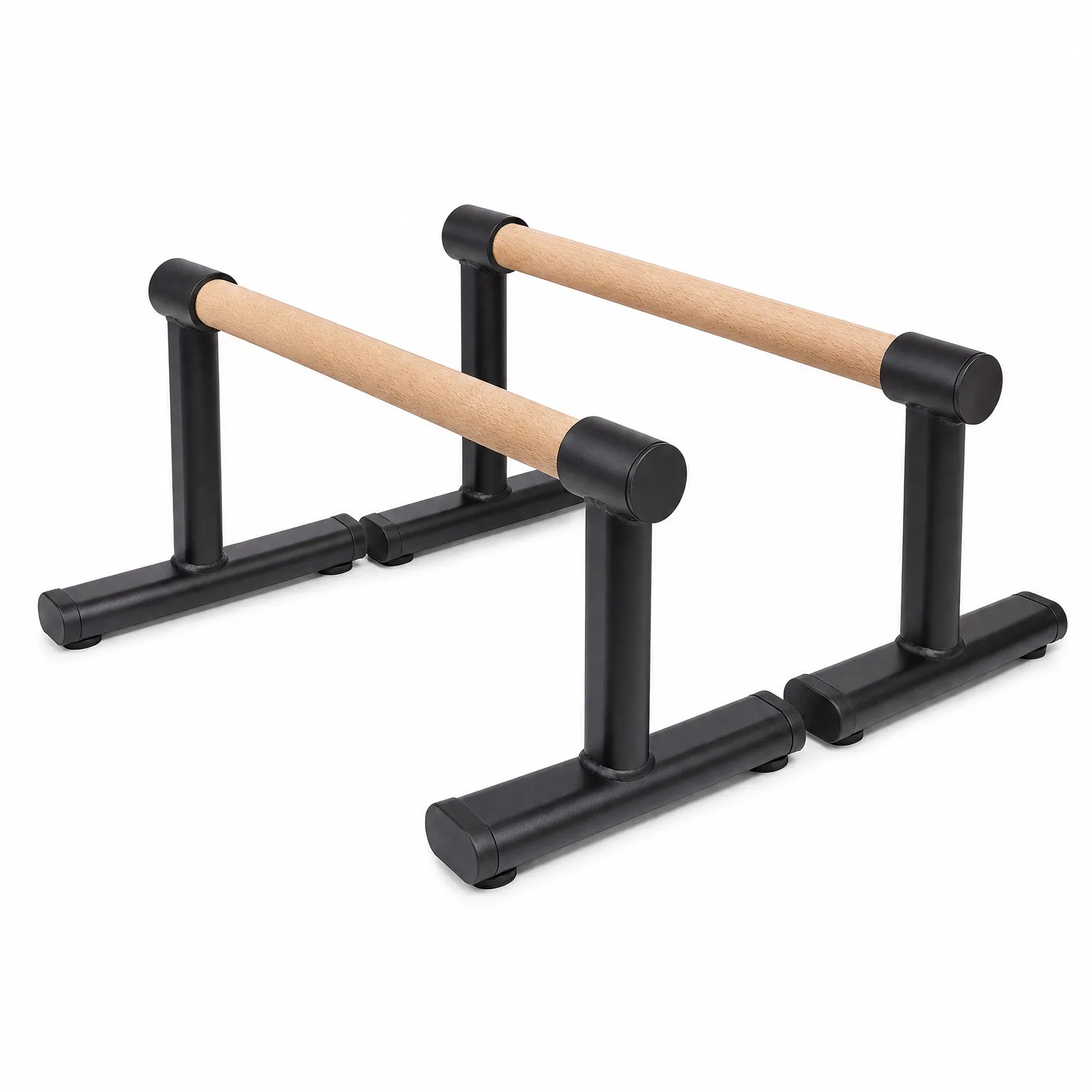
Parallettes
A pair of low parallel bars on stable feet. Used for L-sits, deep push-ups, handstands and other gymnastic strength work. -
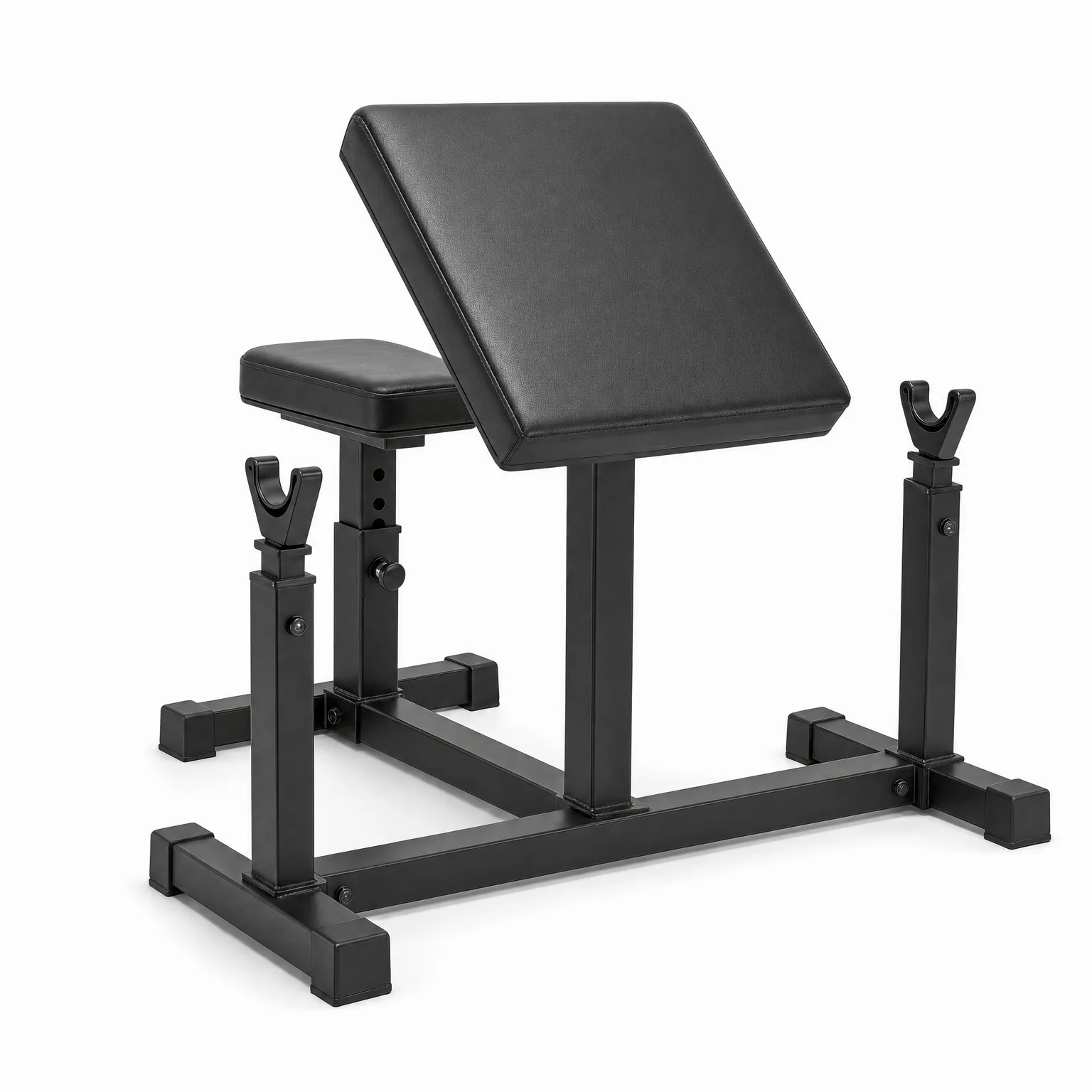
Preacher curl bench
A seat with a sloped arm pad that fixes the upper arms in front of the body, so curls are done by the biceps without swinging. -
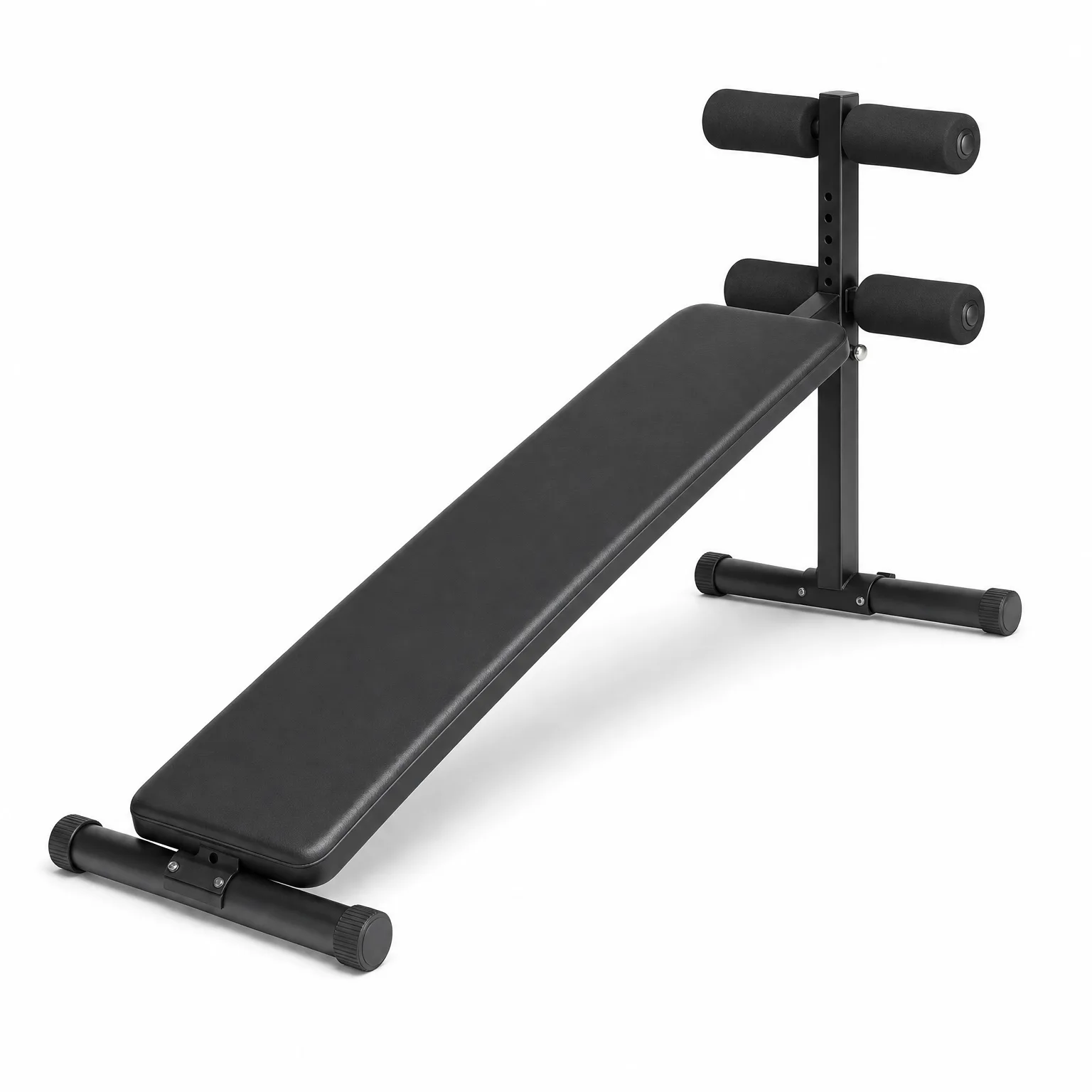
Sit-up bench
A padded board set at a decline with rollers that lock the feet. The slope makes sit-ups and crunches harder than on the floor. -
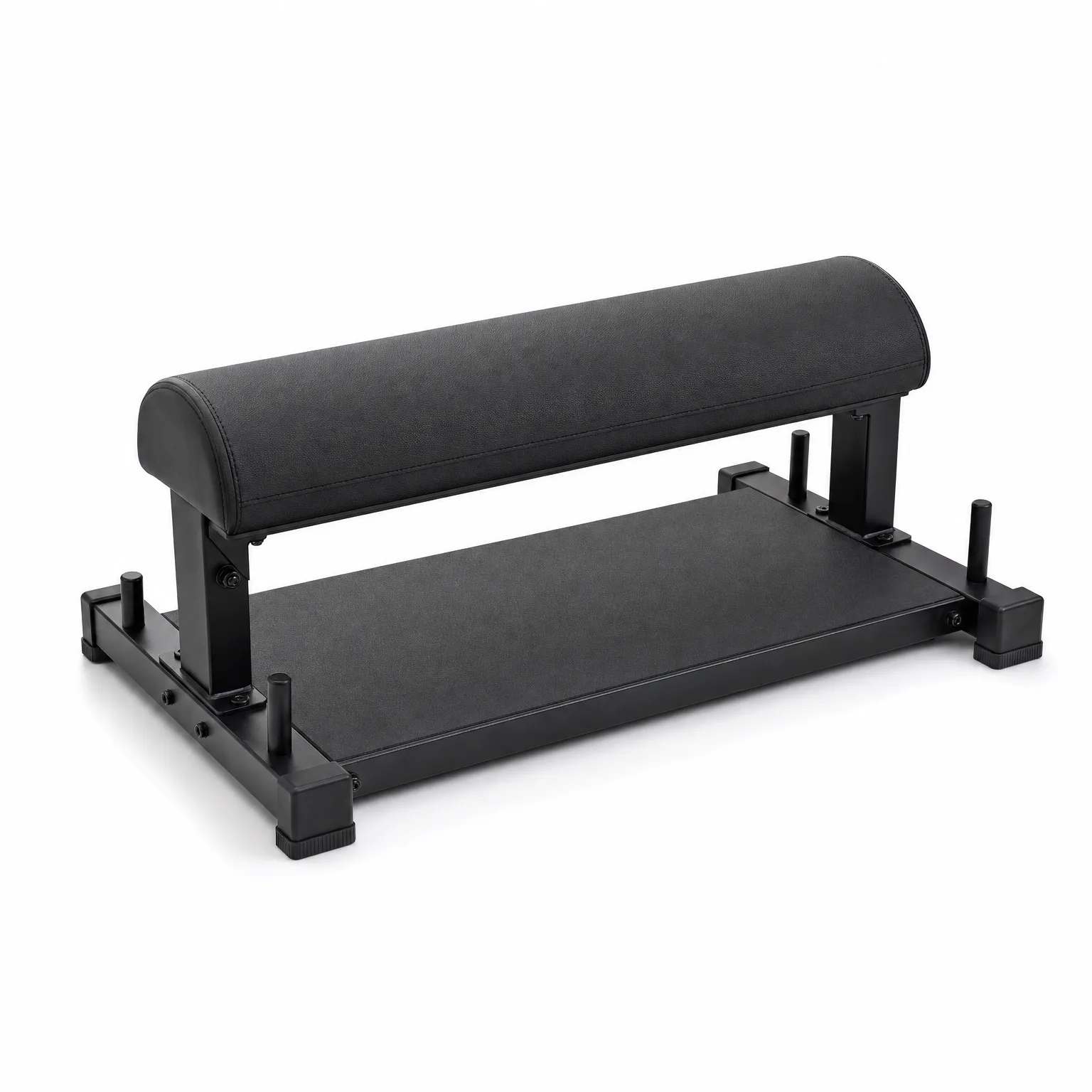
Hip thrust bench
A low padded bench at the right height for barbell hip thrusts, often on a platform with band pegs. Trains the glutes. -
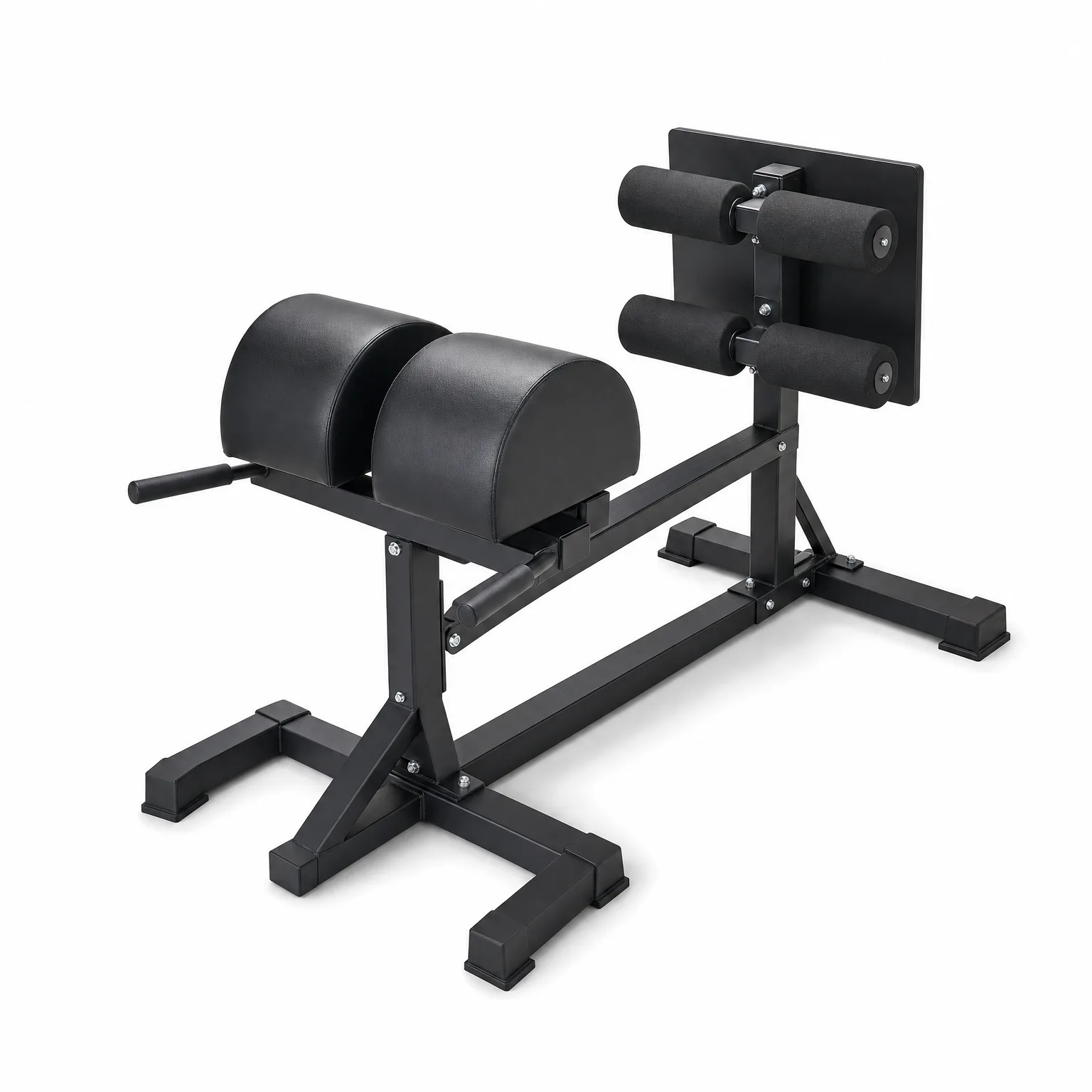
Glute-ham developer
A bench with a rounded pad, foot rollers and a footplate, used for glute-ham raises, back and hip extensions and GHD sit-ups. -
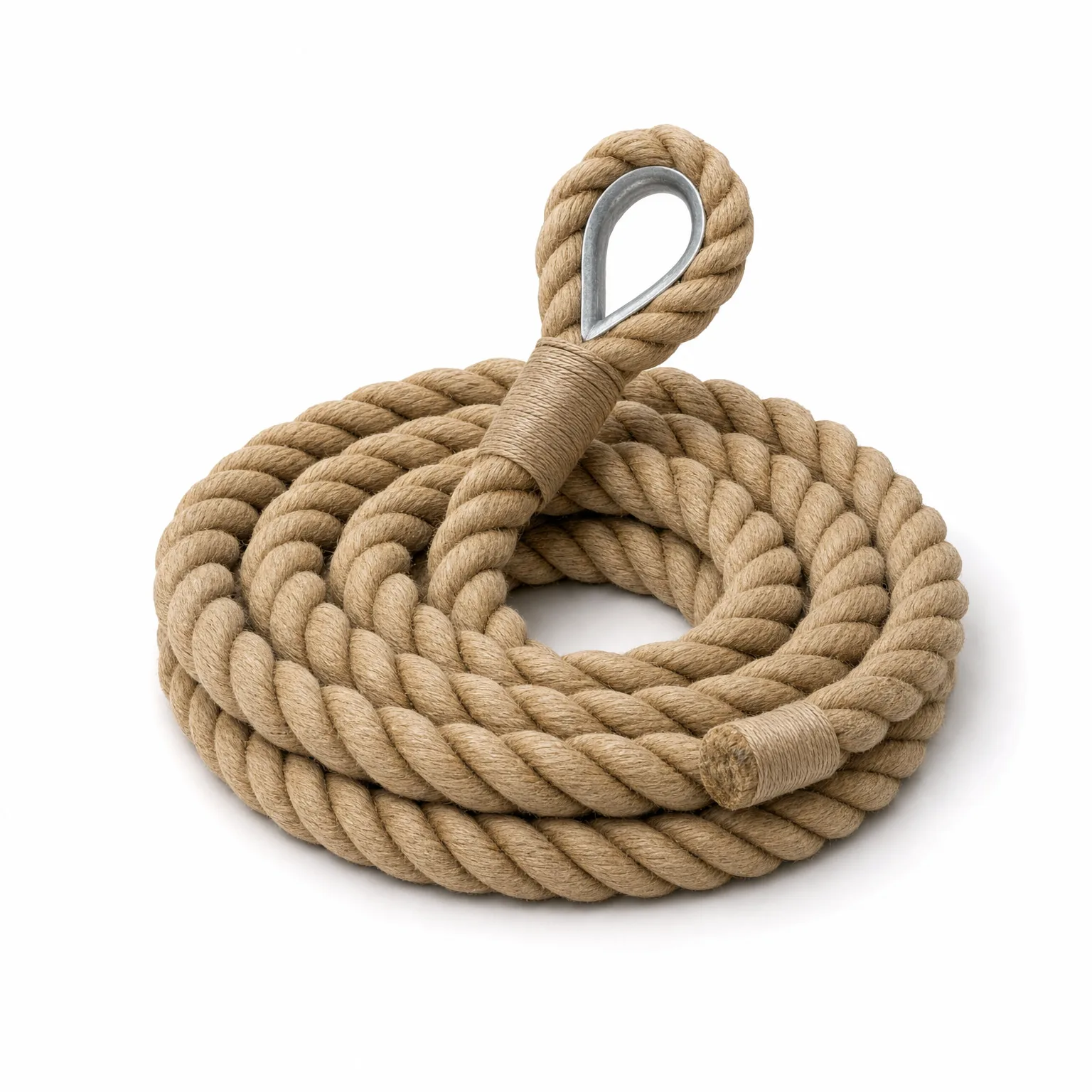
Climbing rope
A thick rope hung from a high anchor and climbed hand over hand, with or without the feet. It trains grip, arms and back. -
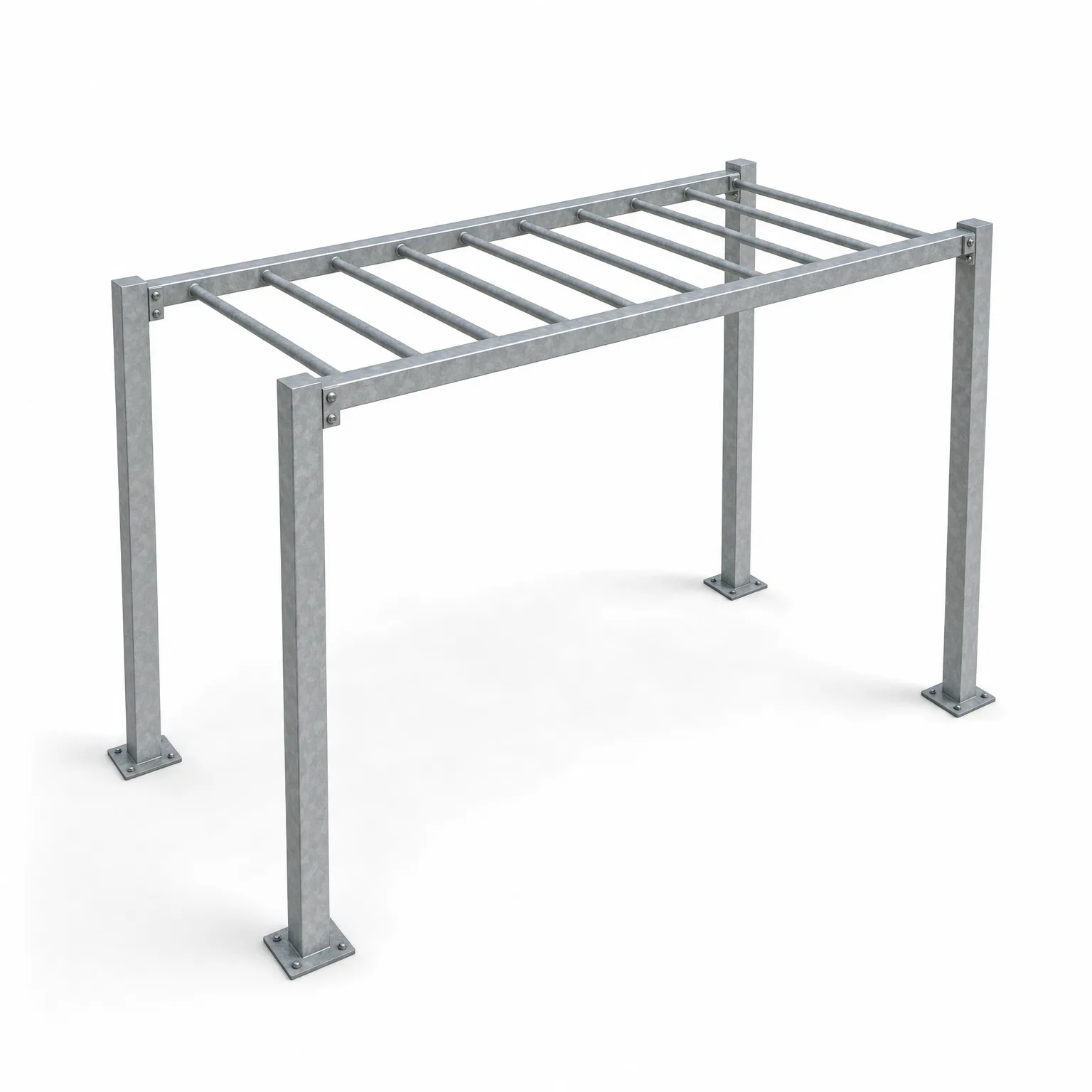
Monkey bars
An overhead ladder of bars, found in calisthenics parks and gym rigs. You hang and travel hand over hand, or use single bars for pull-ups.
Bands and bodyweight tools
Light kit that fits in a drawer and turns your own weight into resistance.
-
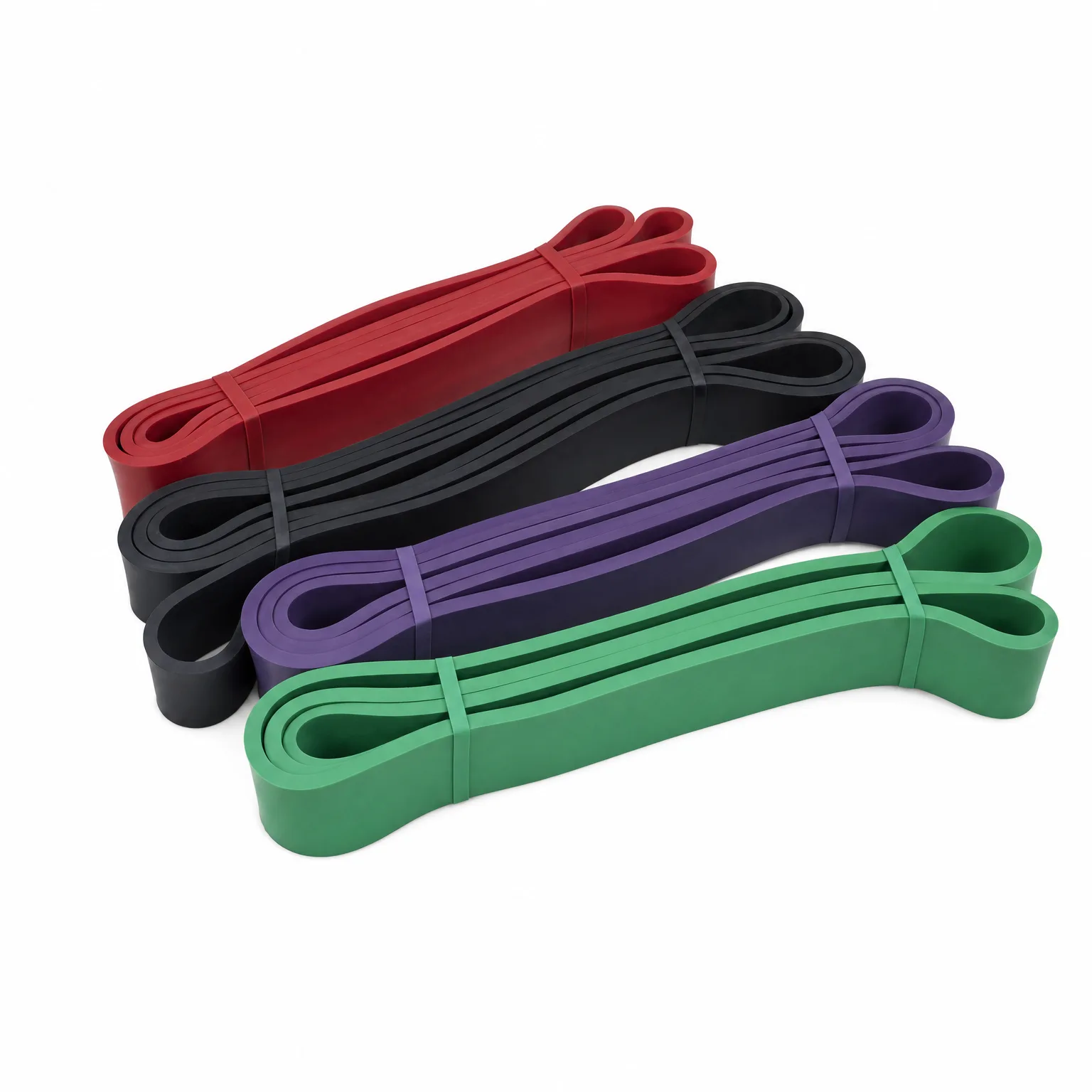
Resistance bands
Long closed loops of thick rubber. They add resistance to rows, presses and squats, or take weight off in pull-ups and dips. -
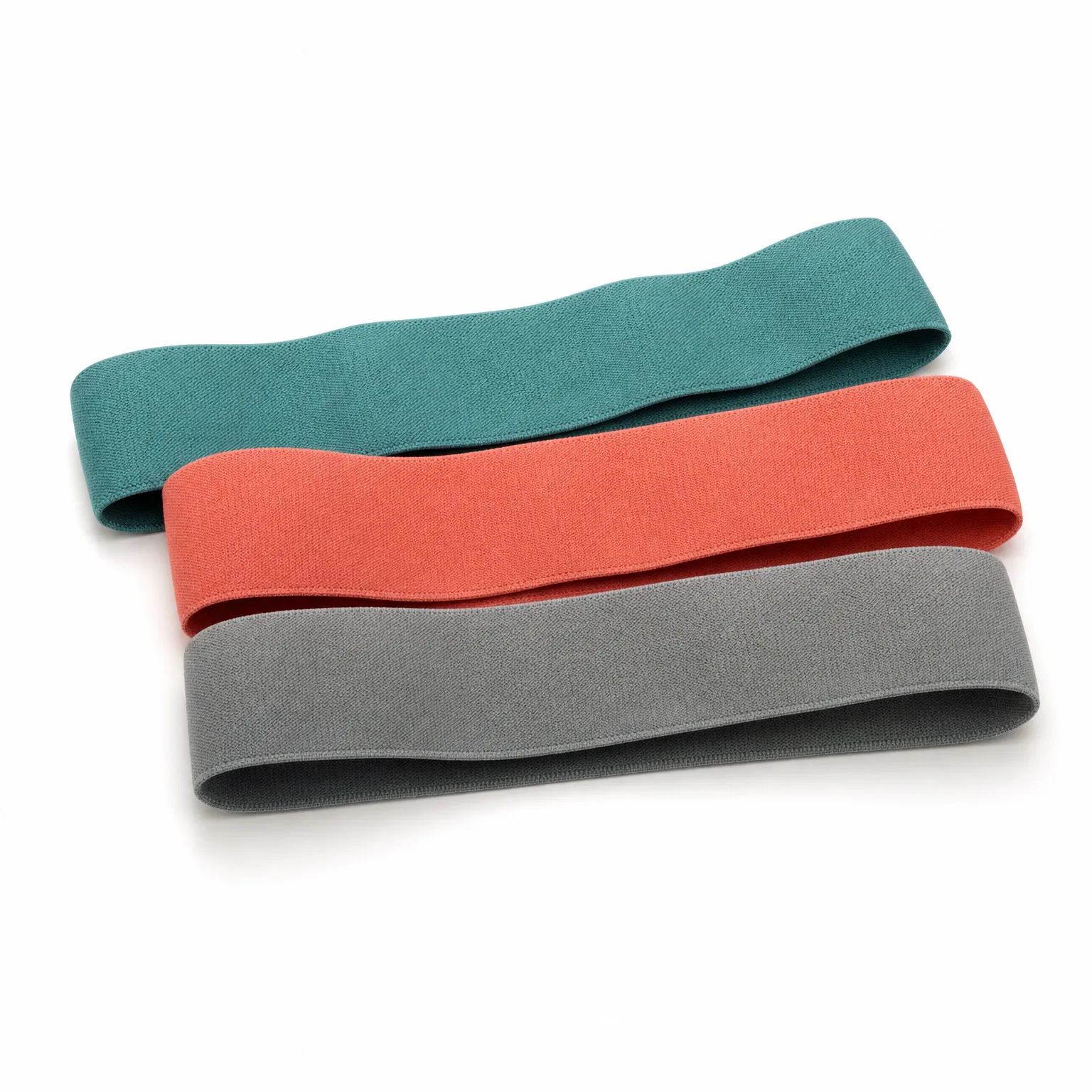
Mini bands
Short elastic loops worn around the thighs, knees or ankles. Used for glute and hip exercises and for warm-ups. -
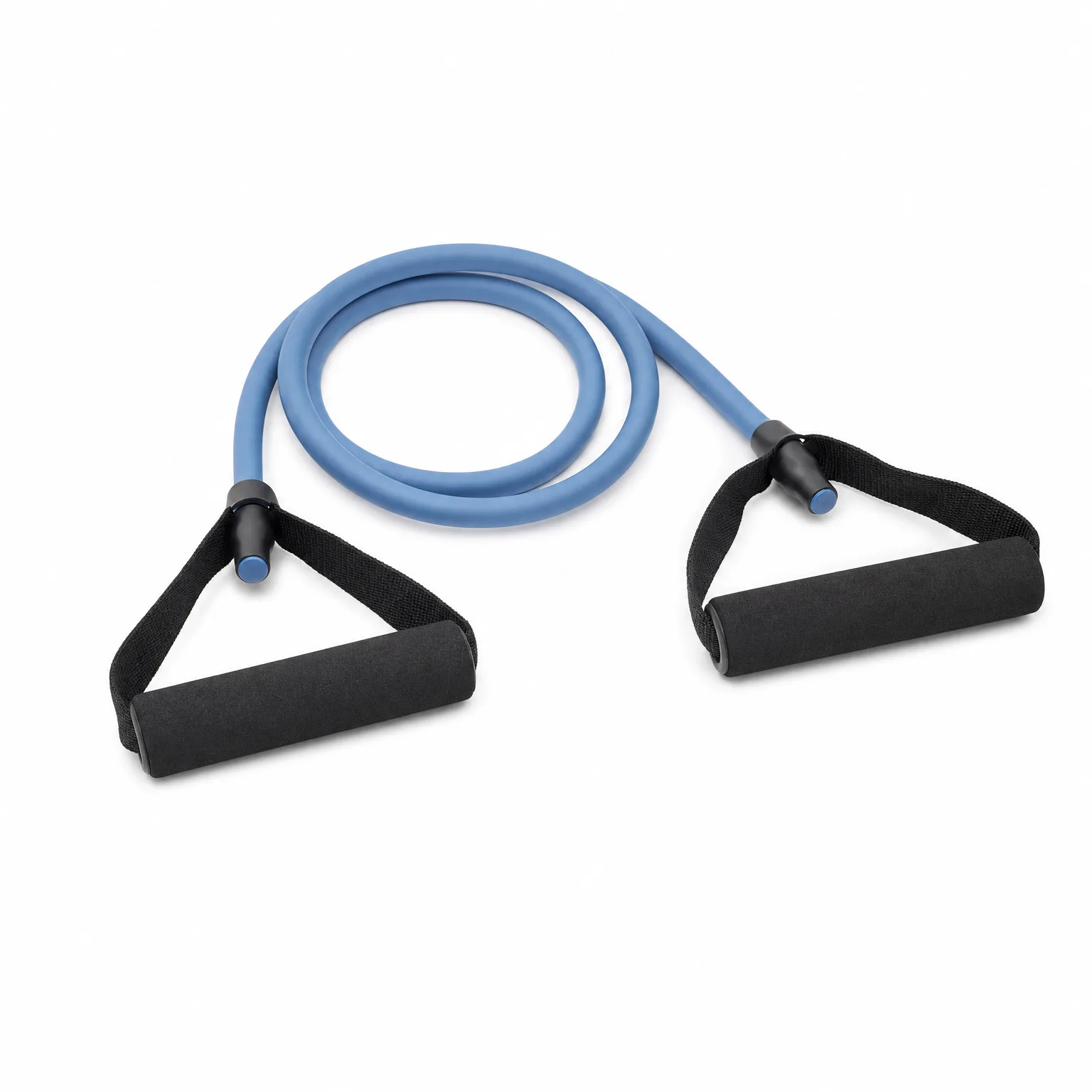
Resistance tubes with handles
Elastic tubes with a handle at each end, often with a door anchor. A portable way to do rows, presses, curls and pulldowns. -
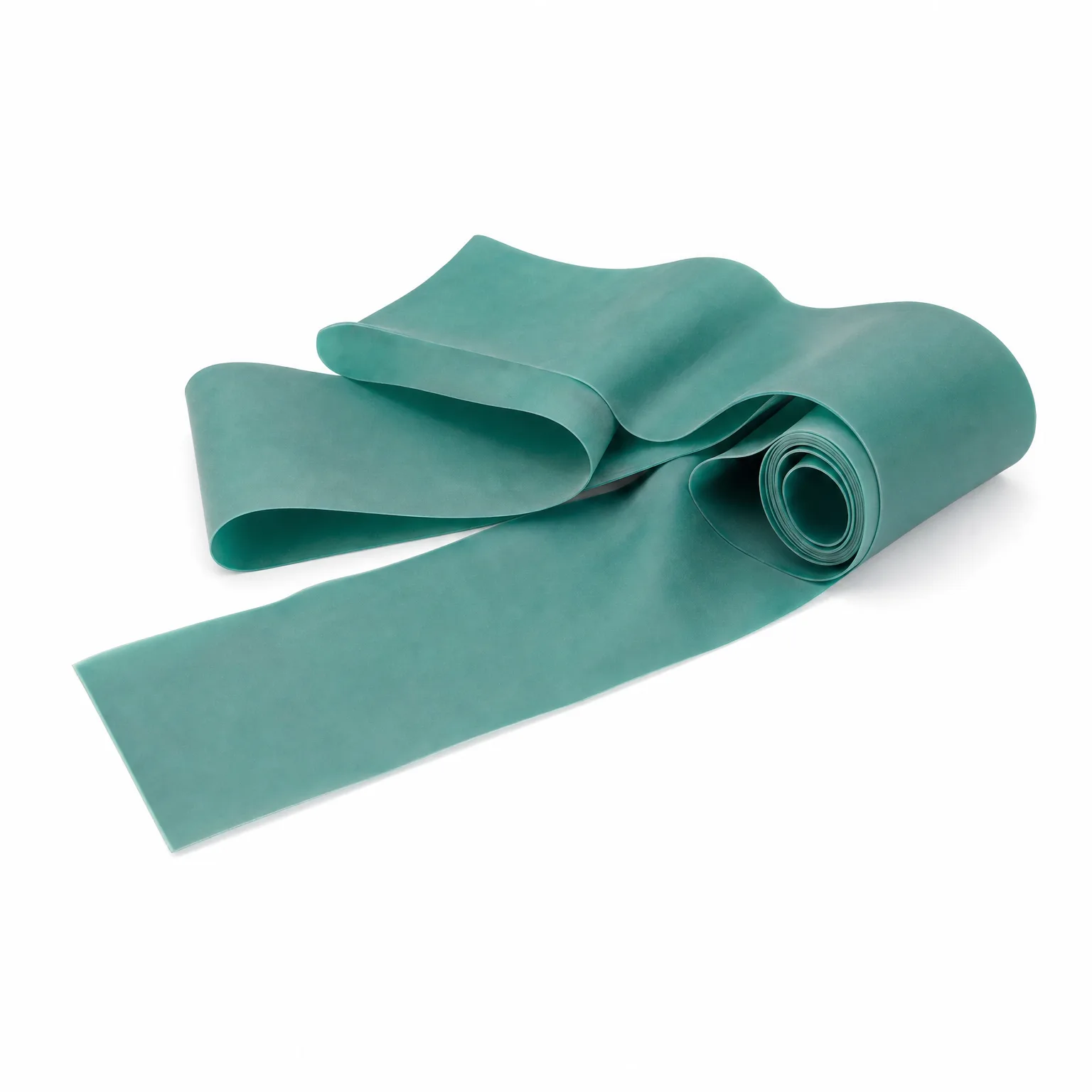
Flat resistance band
A long, thin, flat strip of elastic with open ends. Used for light strength exercises, Pilates, warm-ups and stretching. -
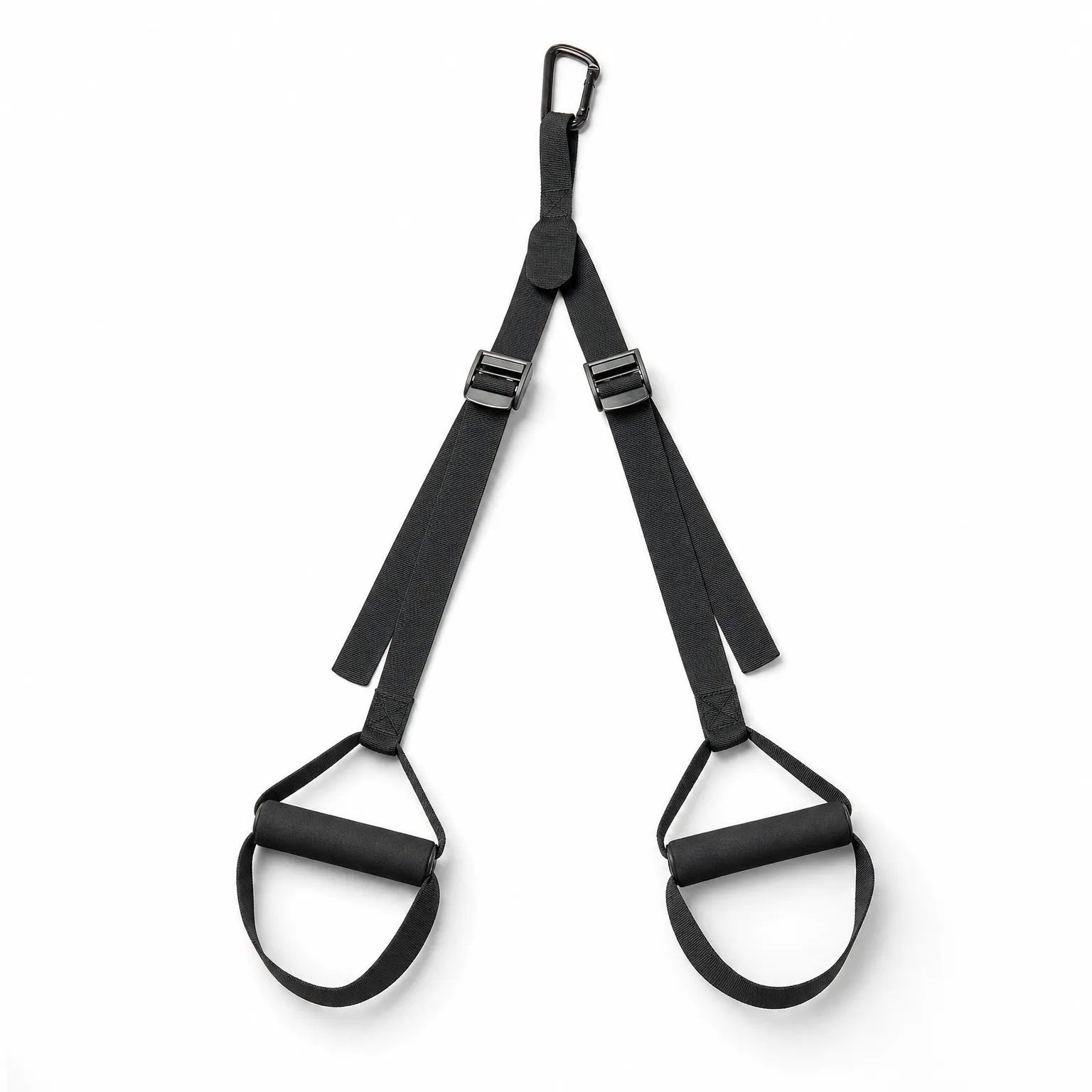
Suspension trainer
Two adjustable straps with handles, hung from one anchor point. You lean or hang on them and use your own body weight as the load. -
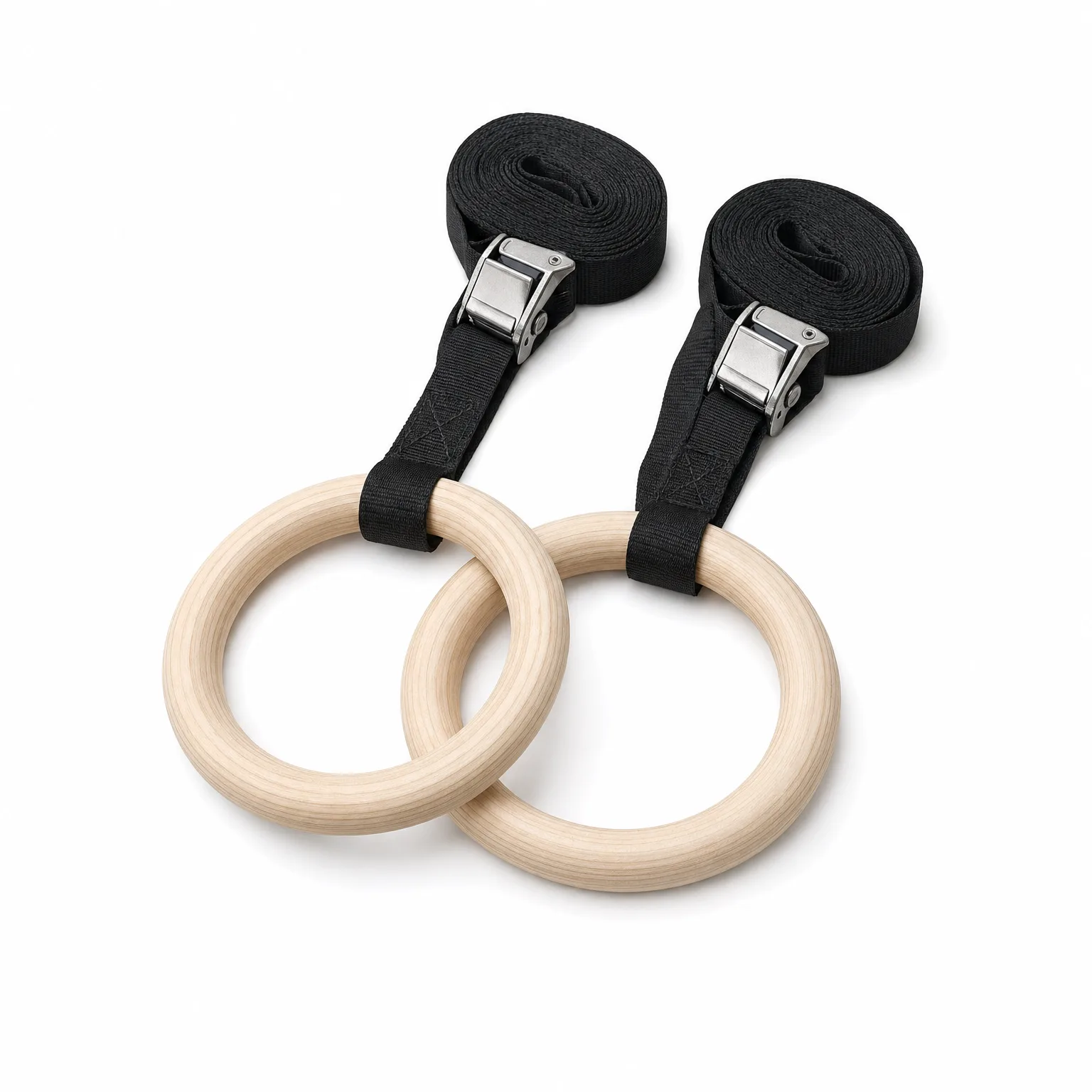
Gymnastic rings
Two rings on adjustable straps, hung from a bar or beam. Used for rows, pull-ups, dips, push-ups and support holds with body weight. -
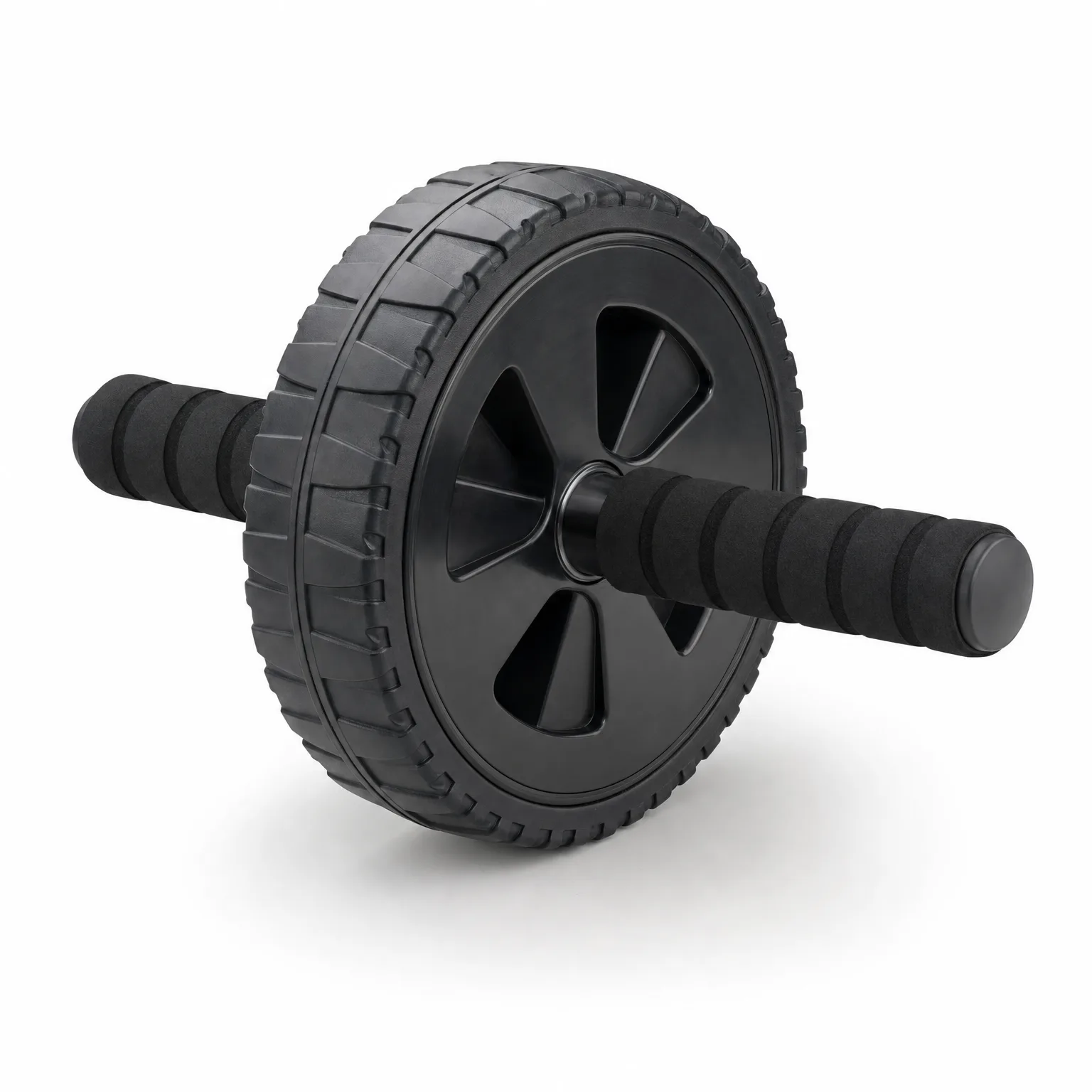
Ab wheel
A small wheel with a handle on each side. You roll it out along the floor and pull it back, which loads the abs harder than most floor exercises. -
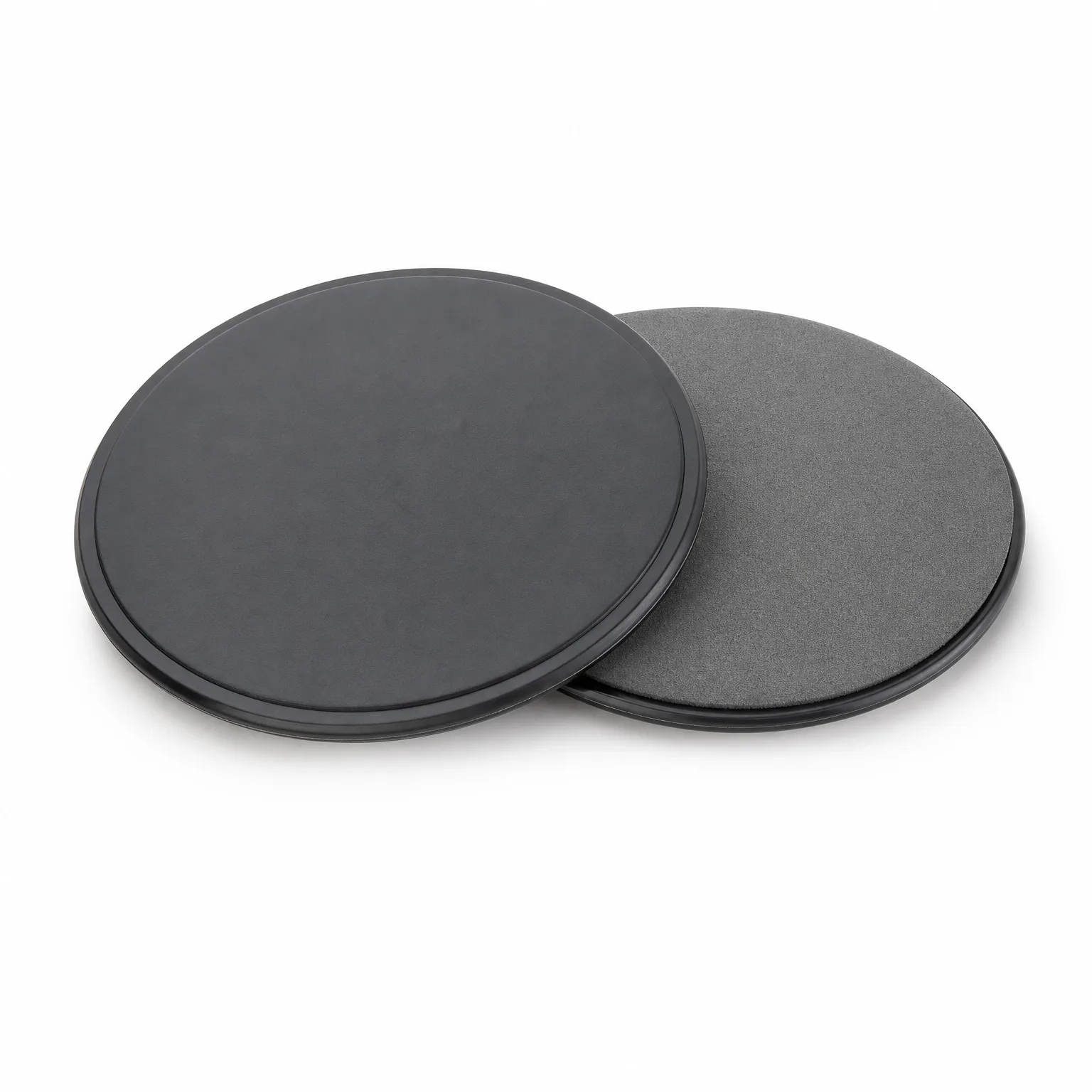
Core sliders
Two flat discs that slide under your hands or feet. They add a gliding element to lunges, planks and hamstring curls on any floor. -
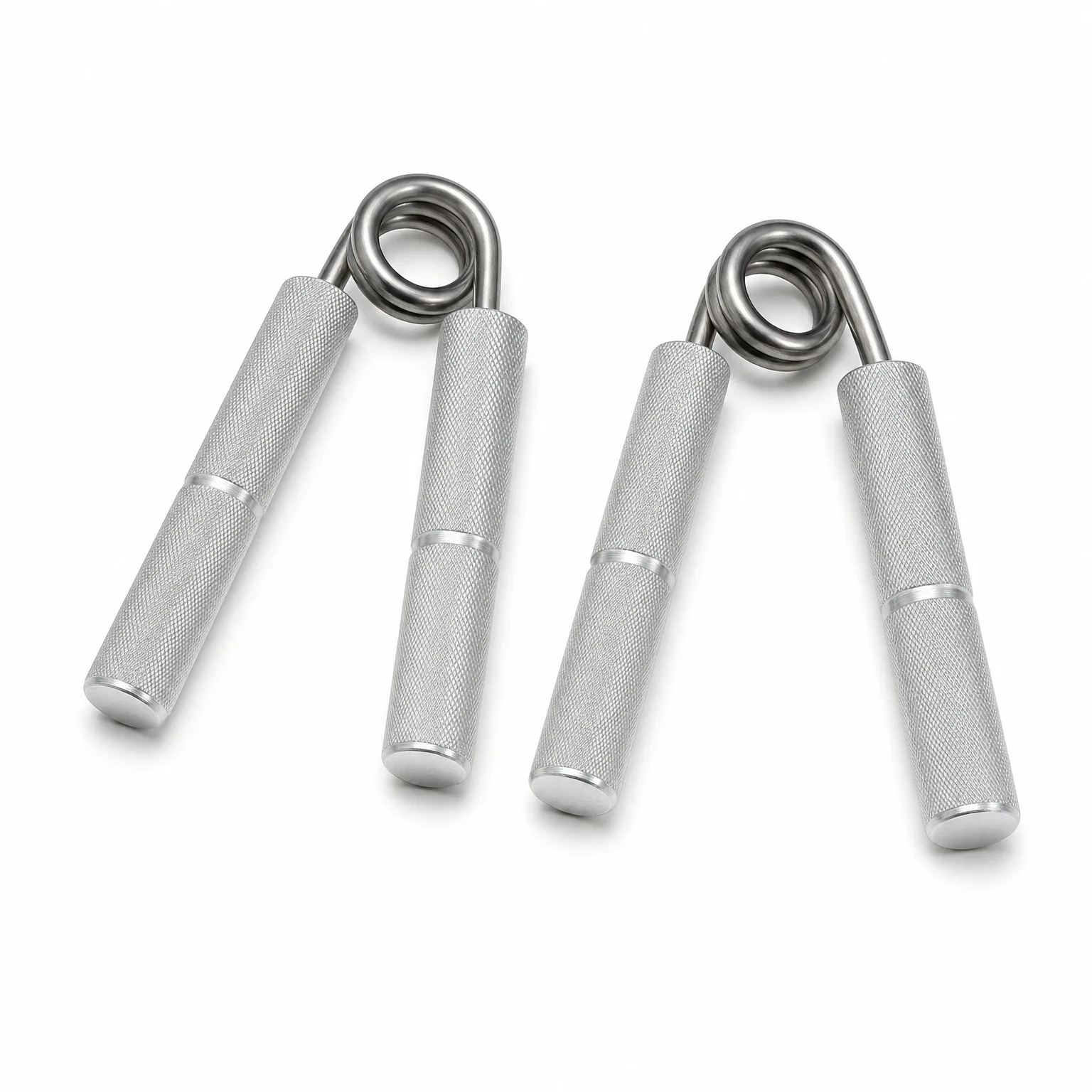
Hand grippers
A spring-loaded pair of handles you squeeze with one hand. Trains the crushing grip and the forearm muscles that close the fingers. -
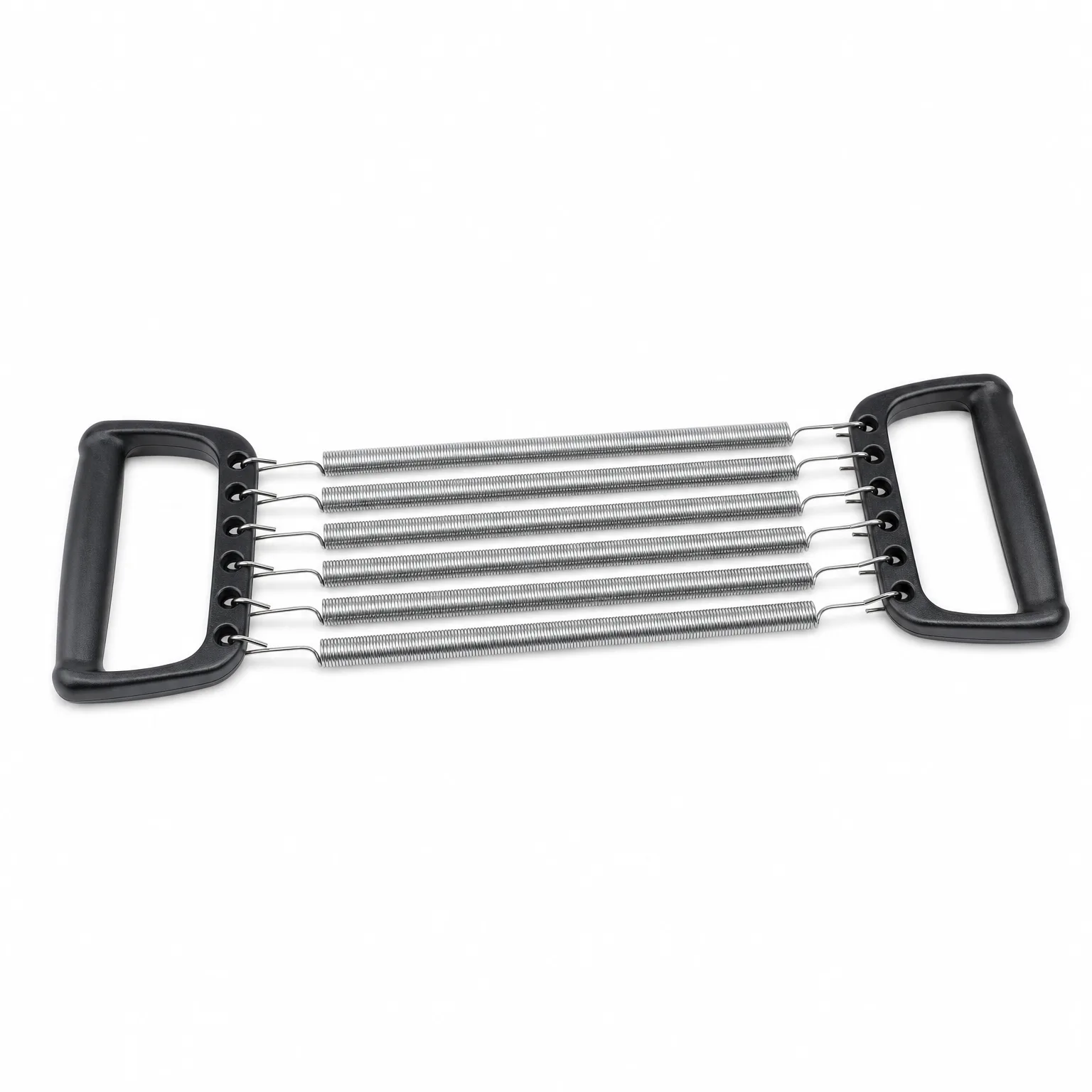
Chest expander
Two handles joined by several springs or rubber strands that you pull apart. A compact tool for the upper back, shoulders and chest. -
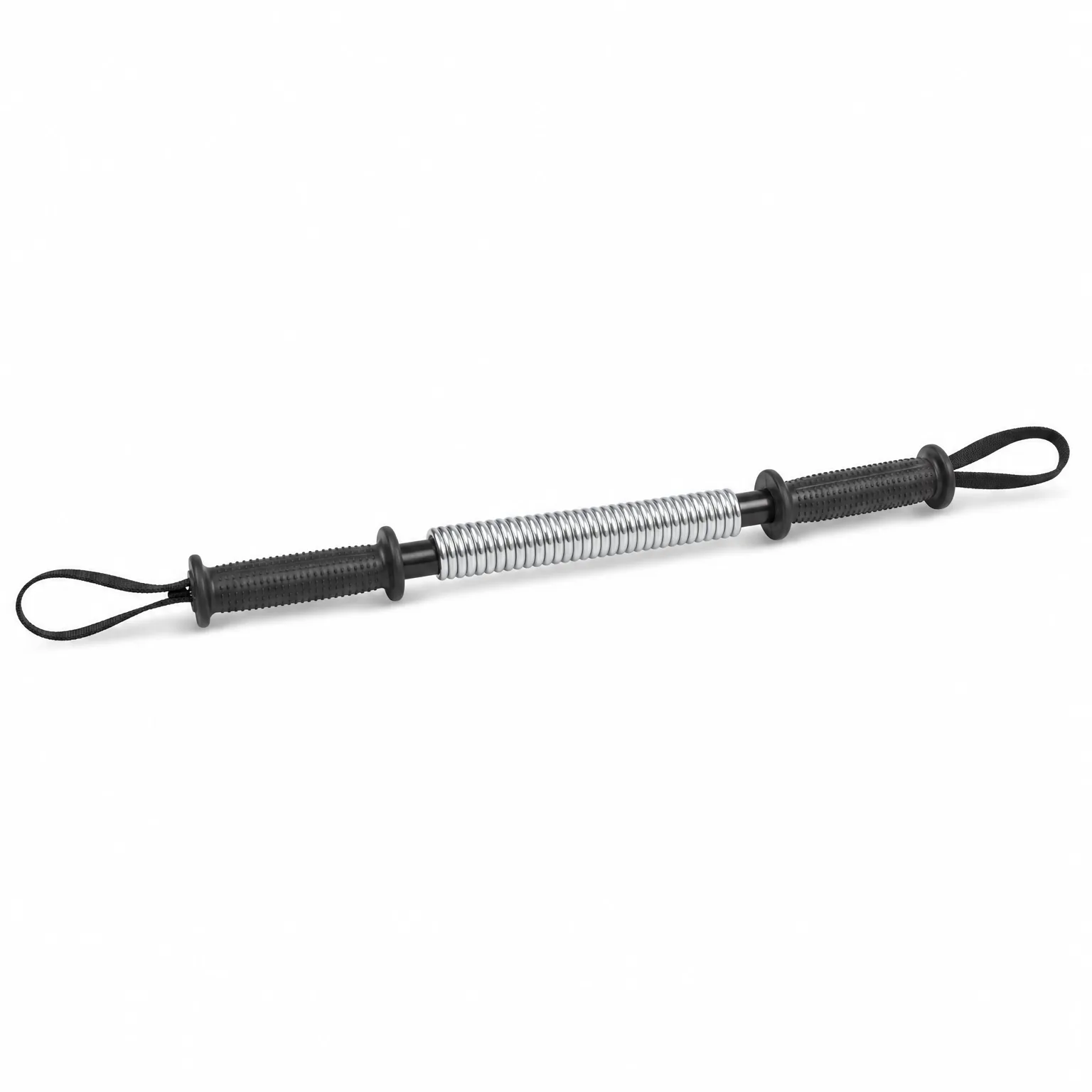
Power twister
A steel bar with a heavy coil spring in the middle and a handle at each end. You bend it into a U to work the chest, shoulders and arms. -
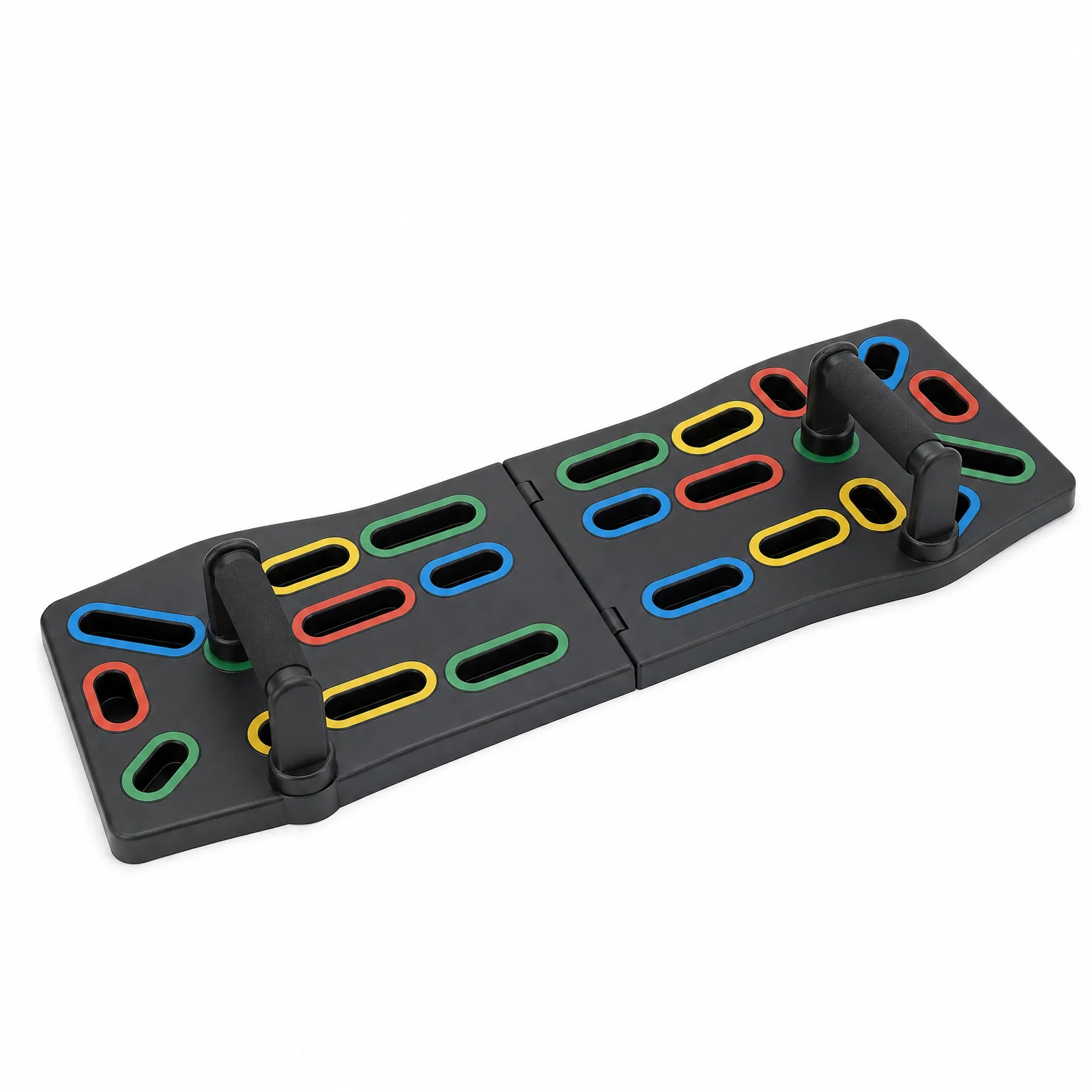
Push-up board
A flat board with color-coded slots and two plug-in handles. Moving the handles changes hand width and angle for push-ups.
Lifting accessories
Small gear that supports your grip and joints or attaches to a bar or cable.
-
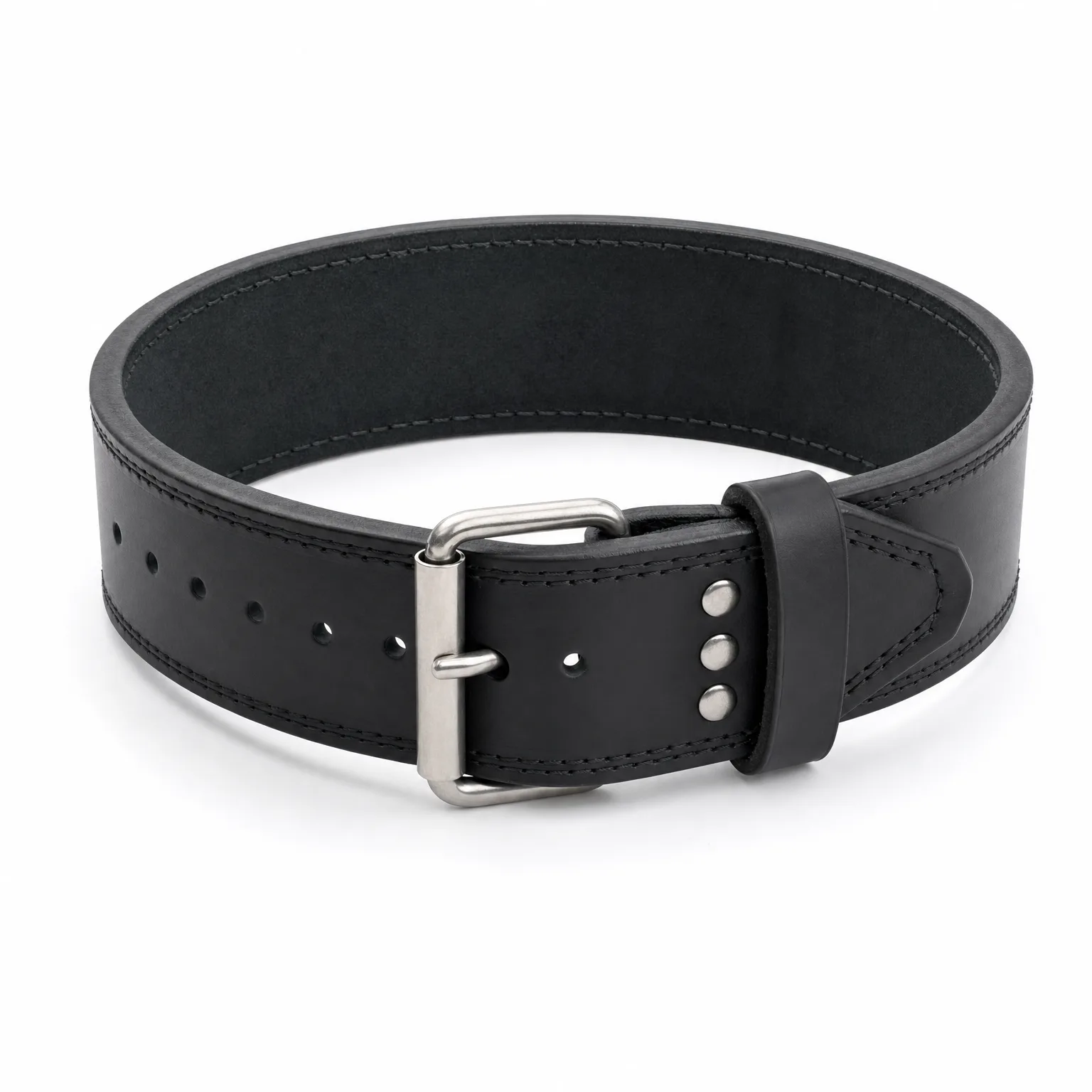
Lifting belt
A stiff belt worn tight around the waist on heavy squats, deadlifts and presses. It gives your abdomen a wall to brace against. -
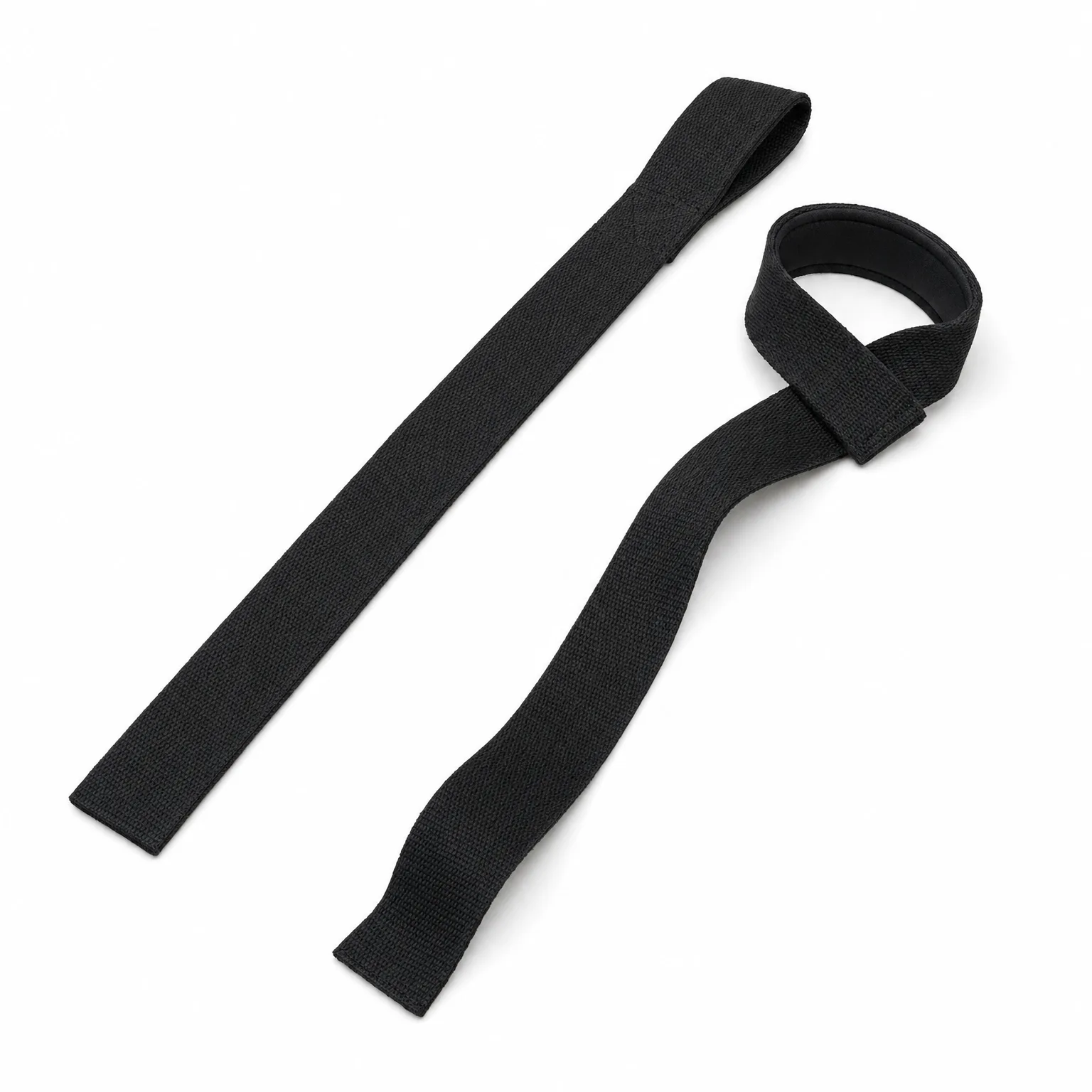
Lifting straps
Fabric loops that tie your wrists to the bar so grip strength does not end a set of deadlifts, rows or pull-ups early. -
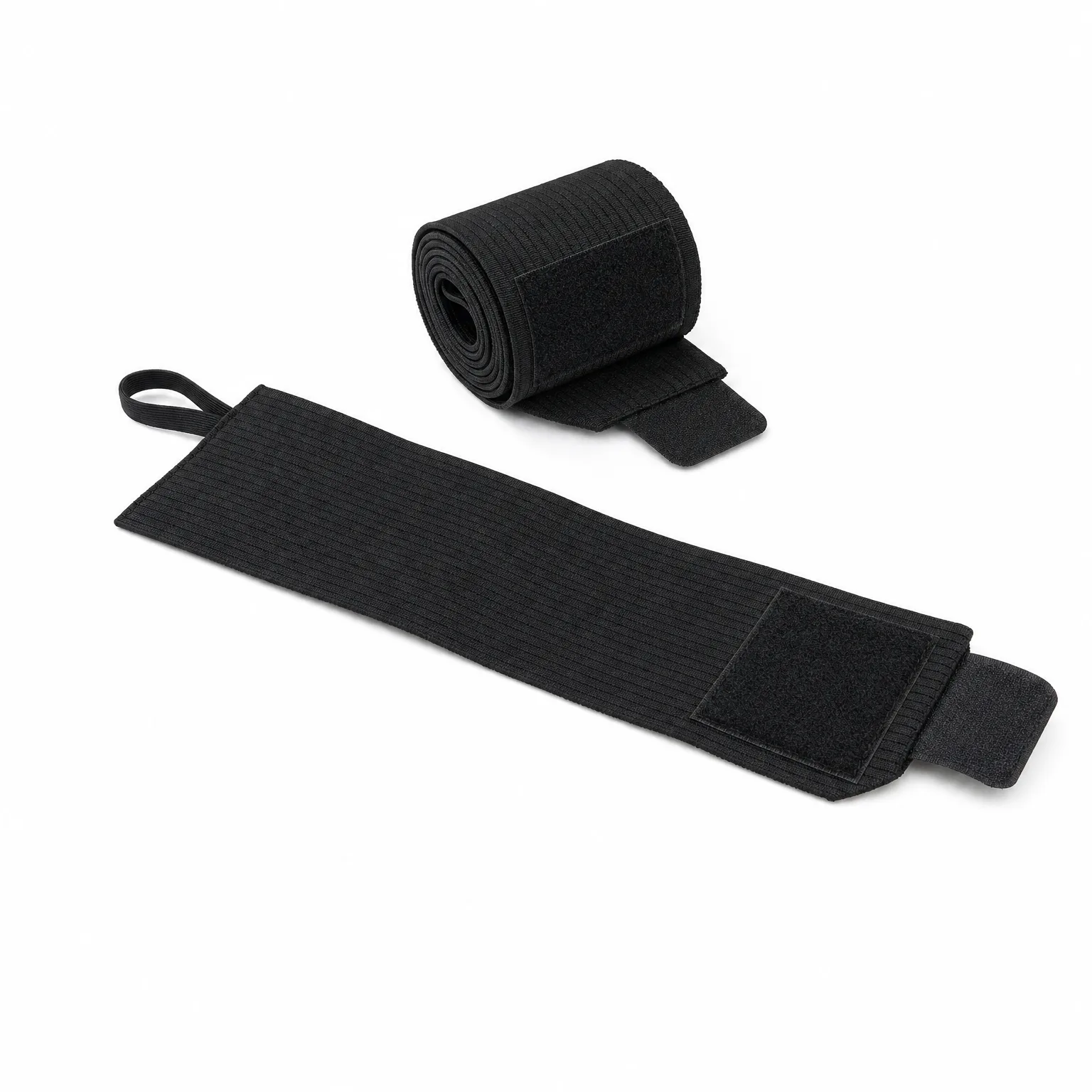
Wrist wraps
Elastic bandages wound tightly around the wrist joint to keep it from bending back under heavy presses and overhead lifts. -
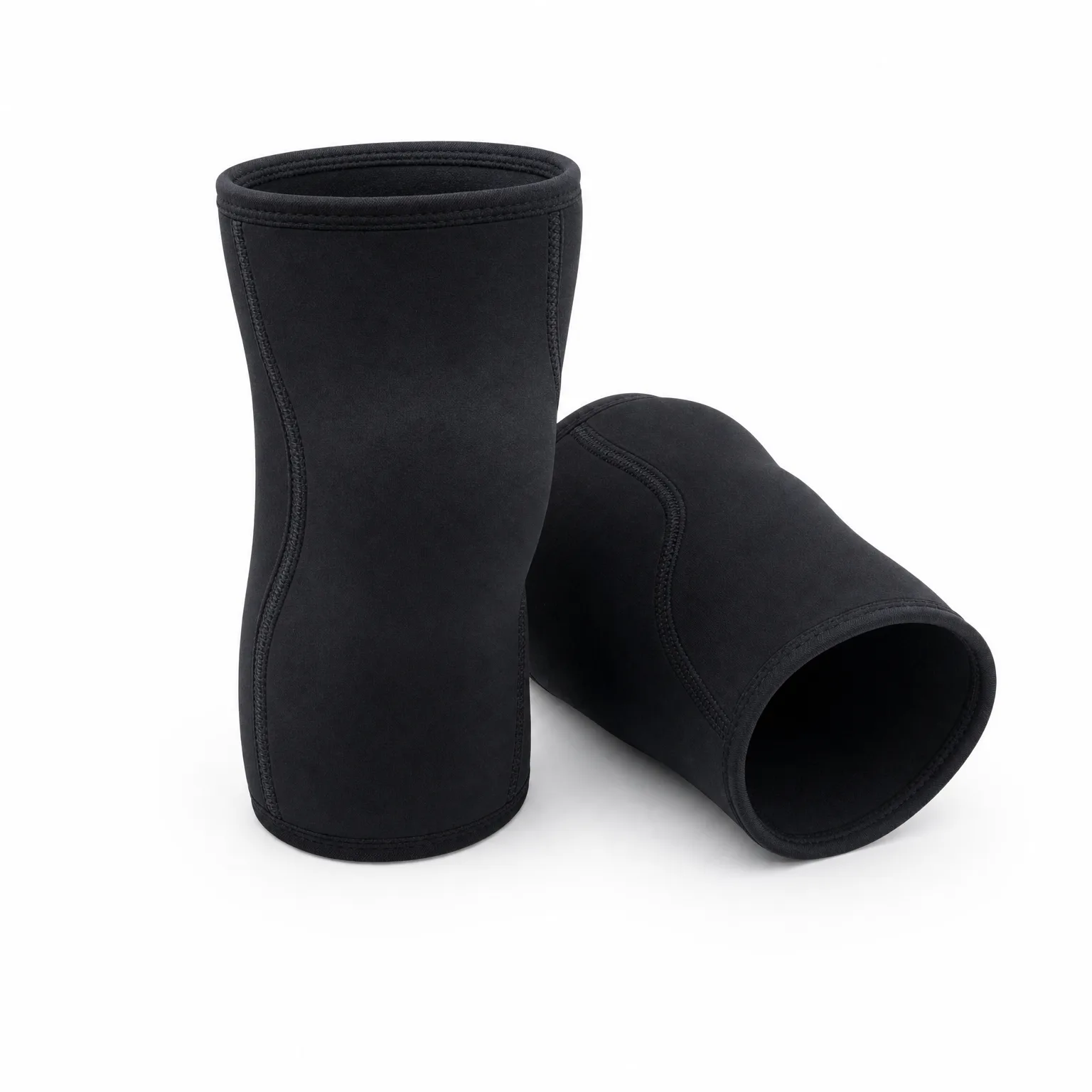
Knee sleeves
Neoprene tubes pulled over the knees for squats and other leg work. They compress the joint and keep it warm. -
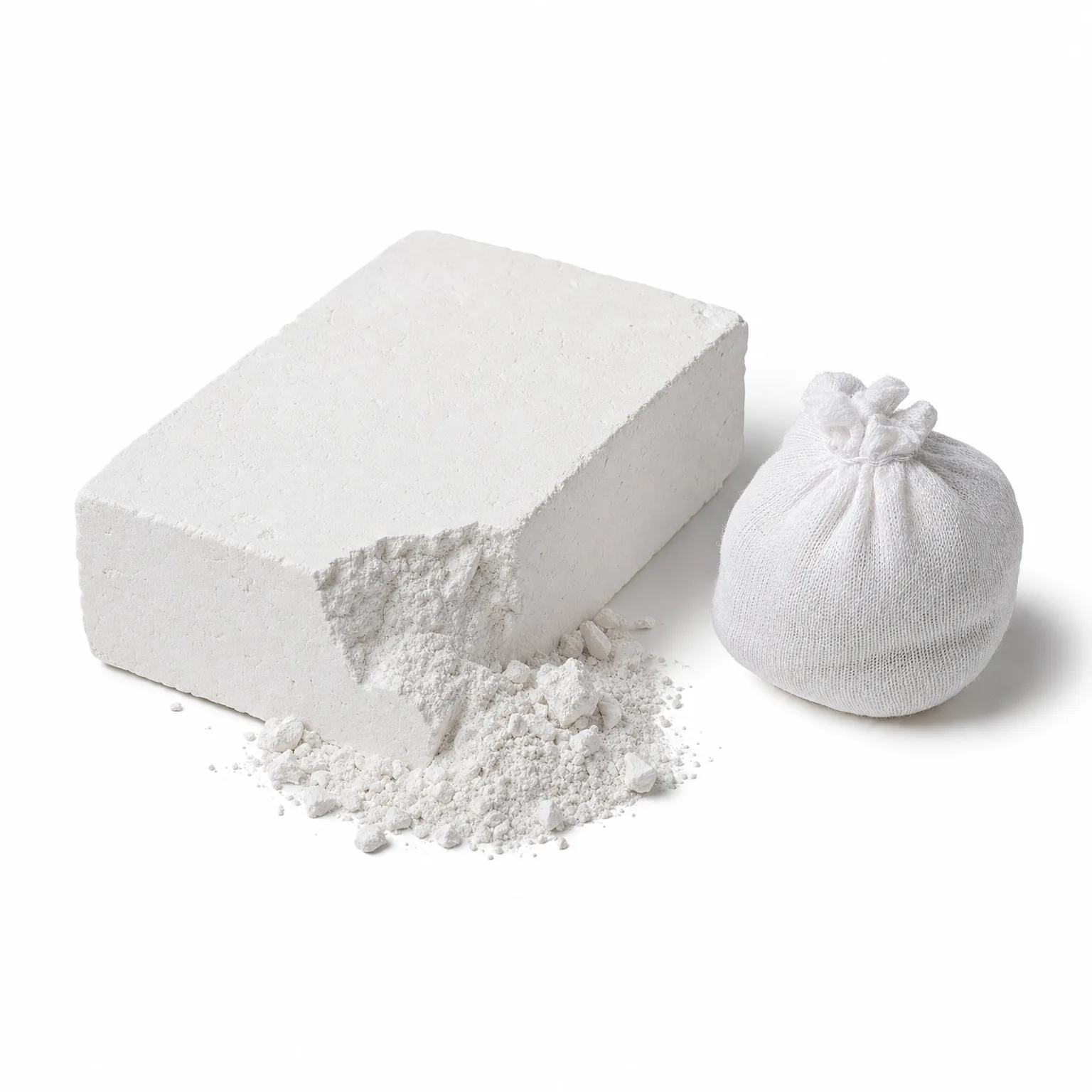
Gym chalk
Magnesium carbonate powder that dries sweaty hands so a bar, kettlebell or rings do not slip. Sold as a block, a ball or a liquid. -
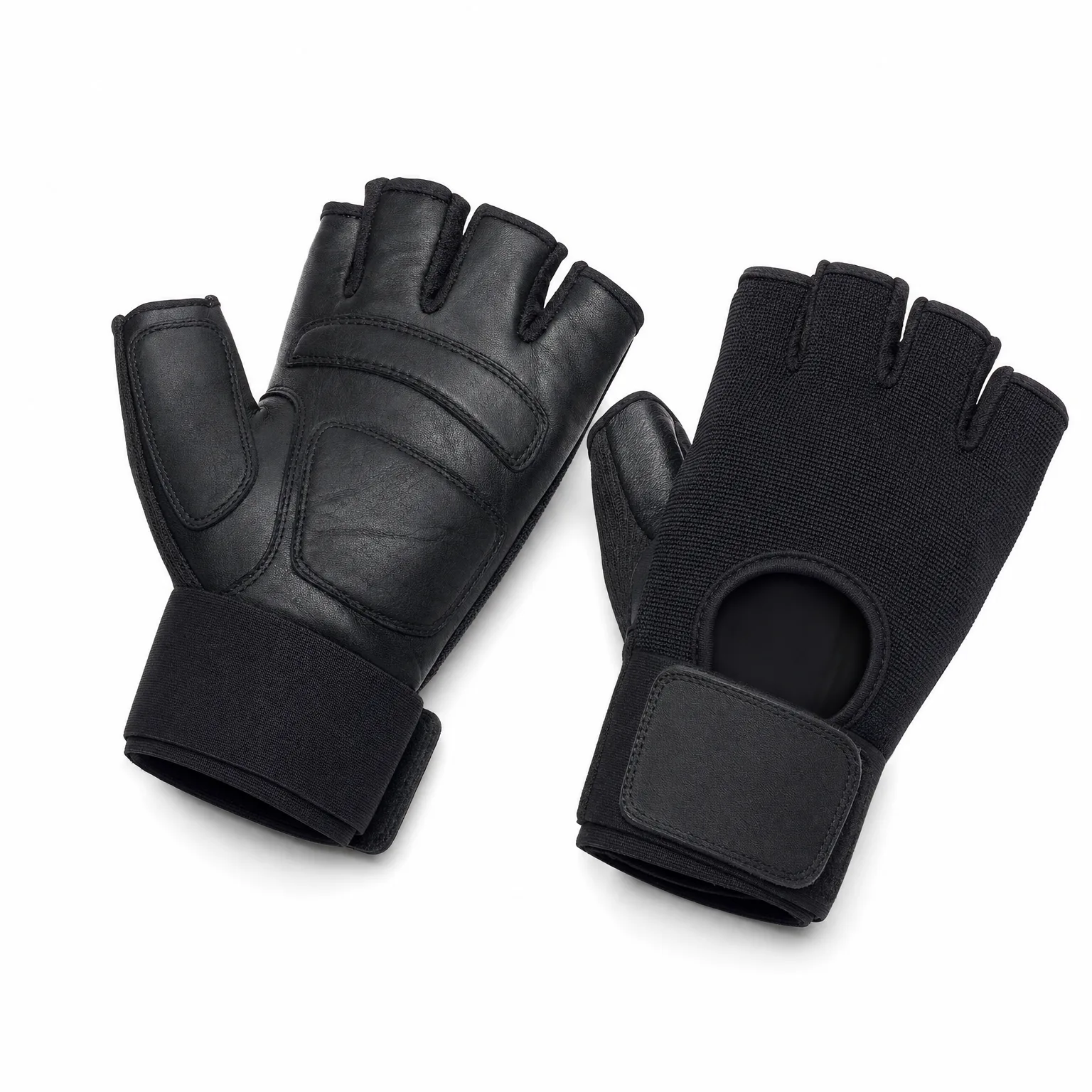
Gym gloves
Padded, usually fingerless gloves that put a layer between your palms and the bar to cut down on calluses and slipping from sweat. -
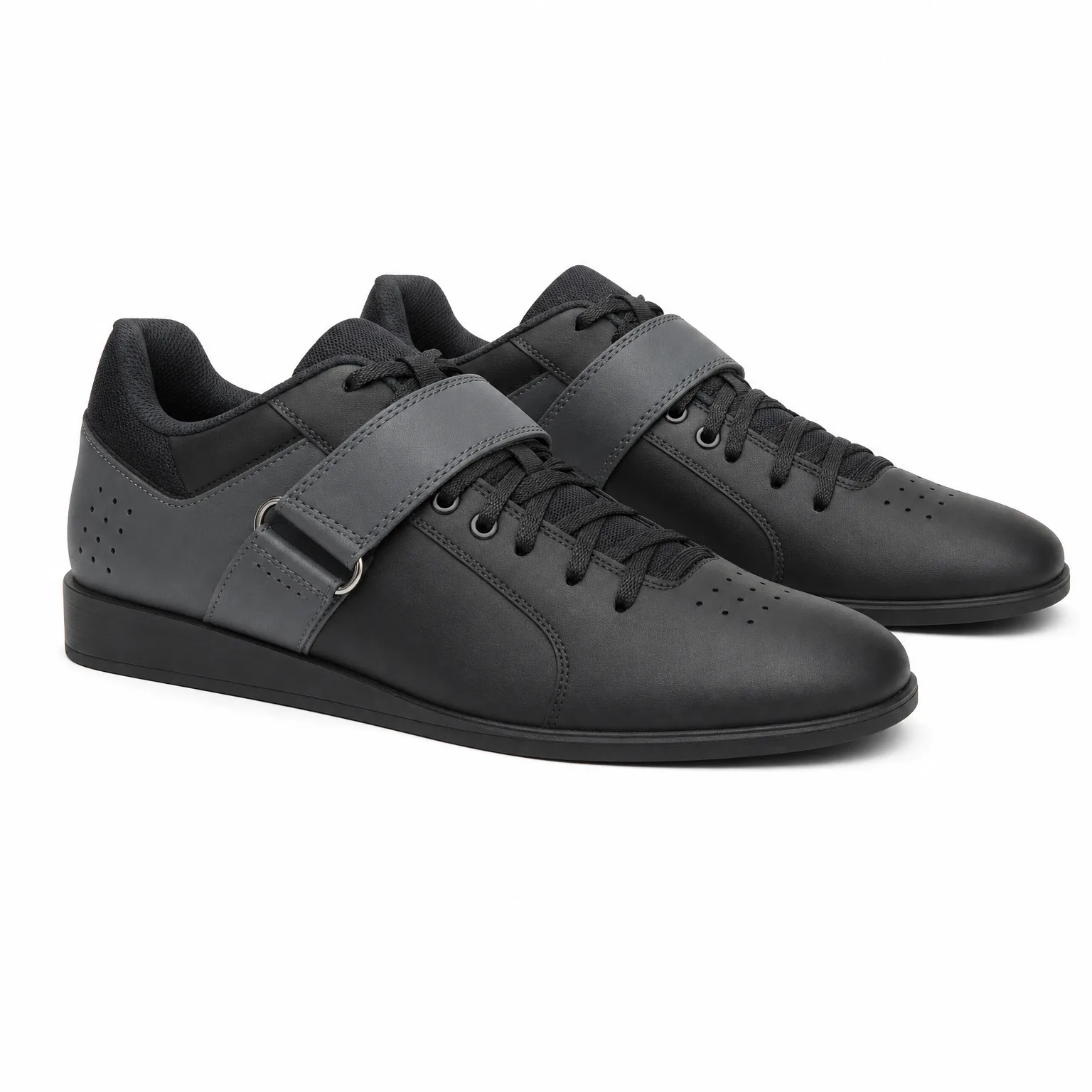
Lifting shoes
Shoes with a hard, flat sole and usually a raised heel that give a stable base for squats and Olympic lifts. -
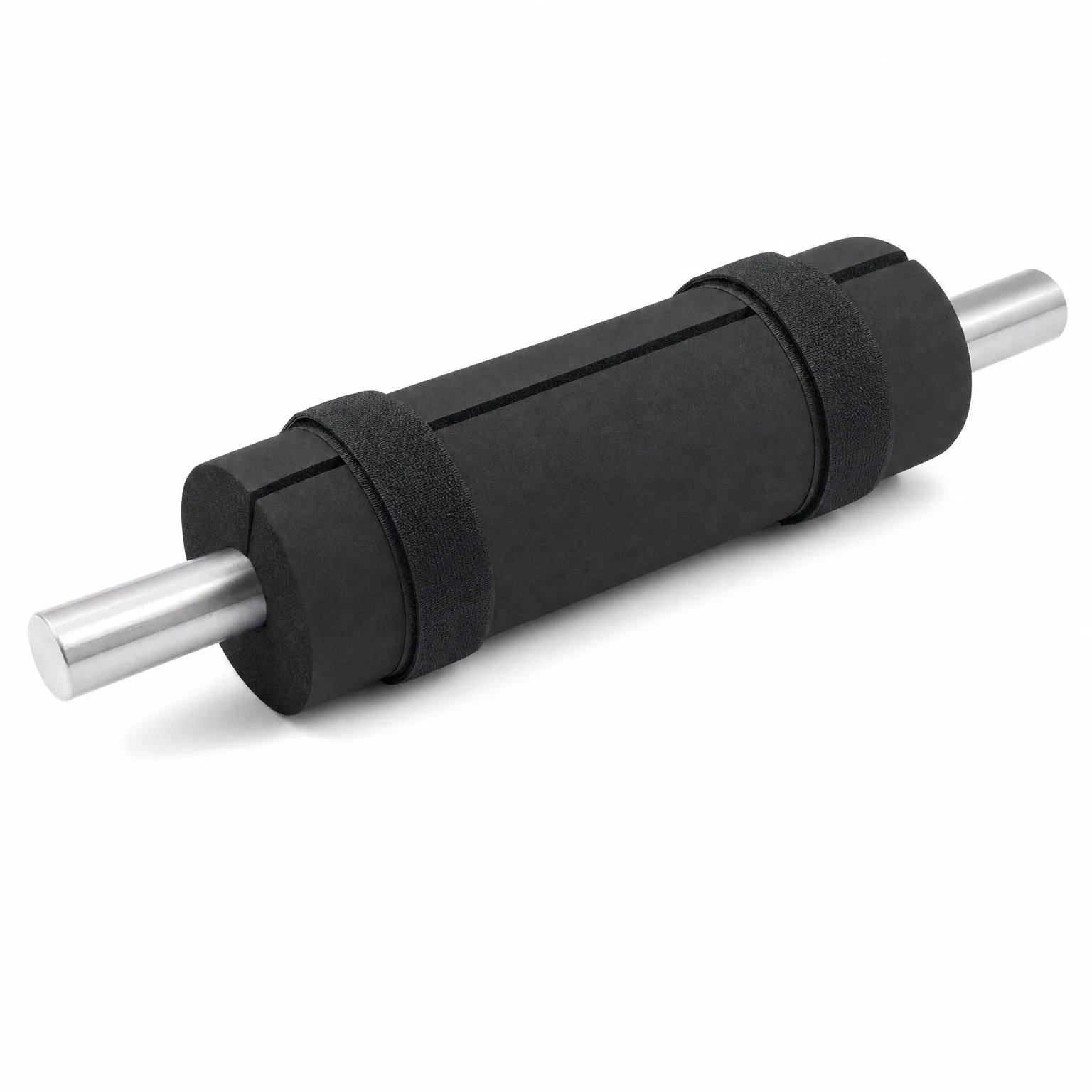
Barbell pad
A thick foam sleeve that wraps around the middle of a barbell to cushion the hips in hip thrusts or the upper back in squats and lunges. -
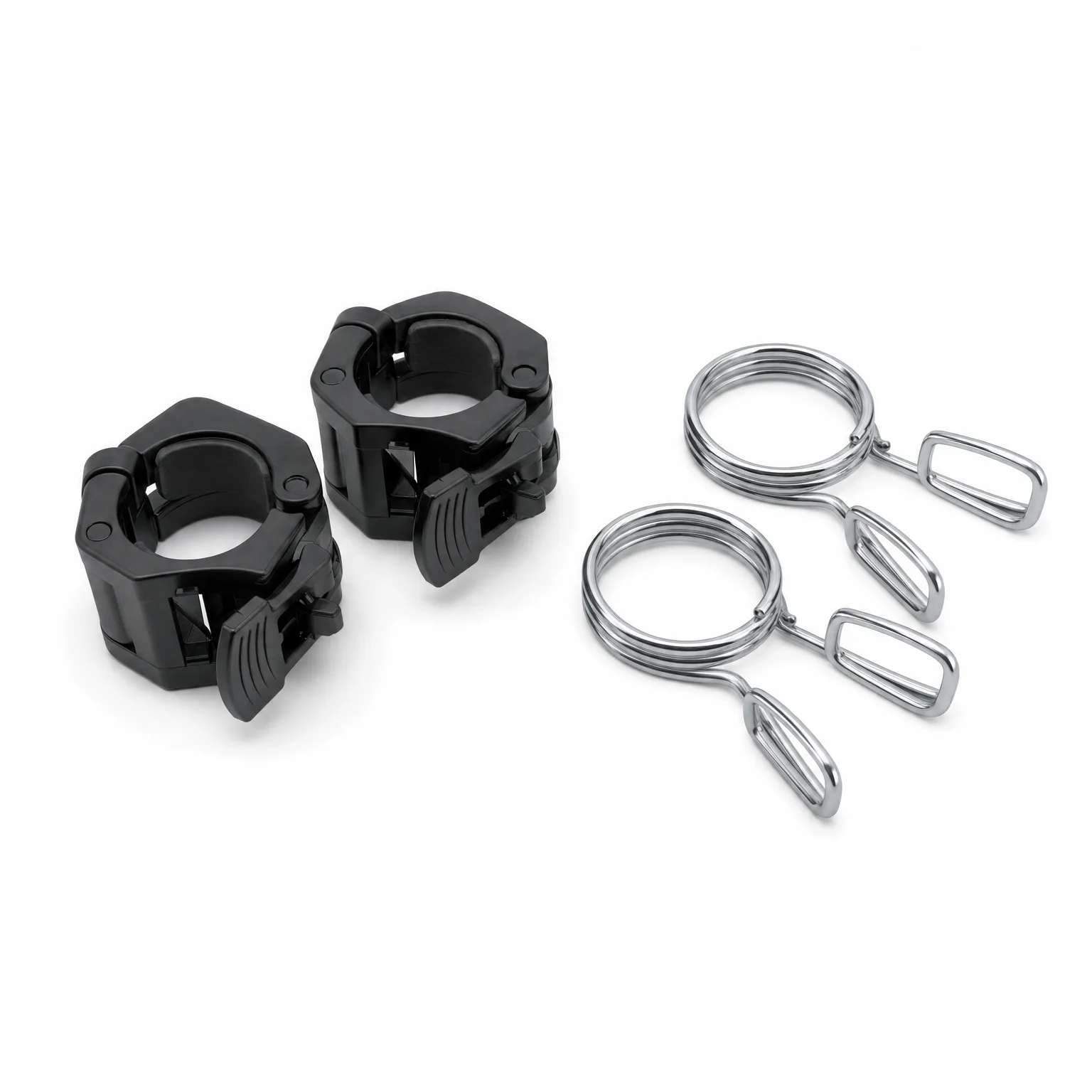
Barbell collars
Clips or clamps that slide onto the ends of a barbell and hold the weight plates in place so they cannot shift or slide off. -
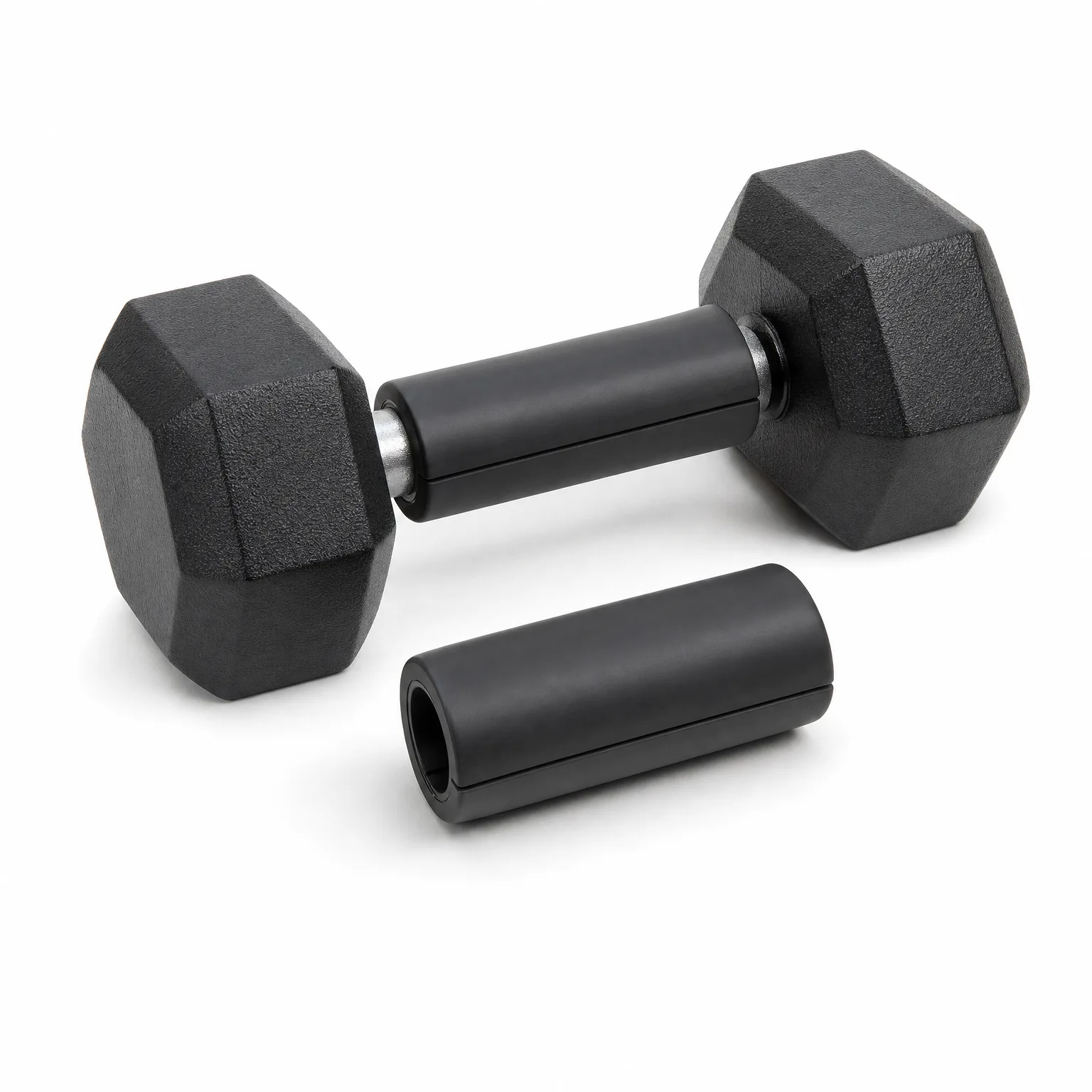
Thick bar grips
Rubber sleeves that wrap around a bar or dumbbell handle to make it thicker, so every rep also works the hands and forearms. -
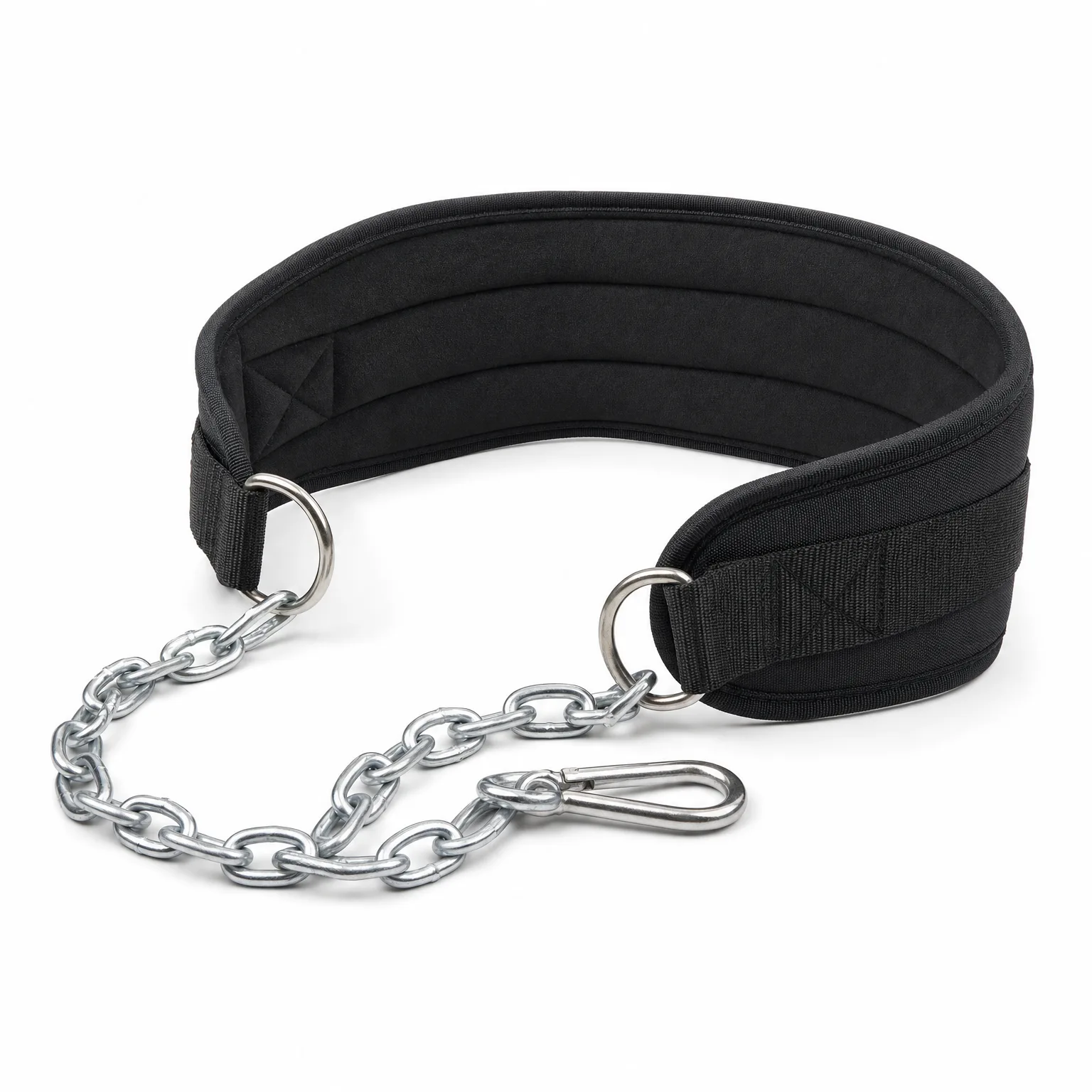
Dip belt
A belt with a chain or strap that hangs weight plates from your hips, used to add load to dips, pull-ups and chin-ups. -
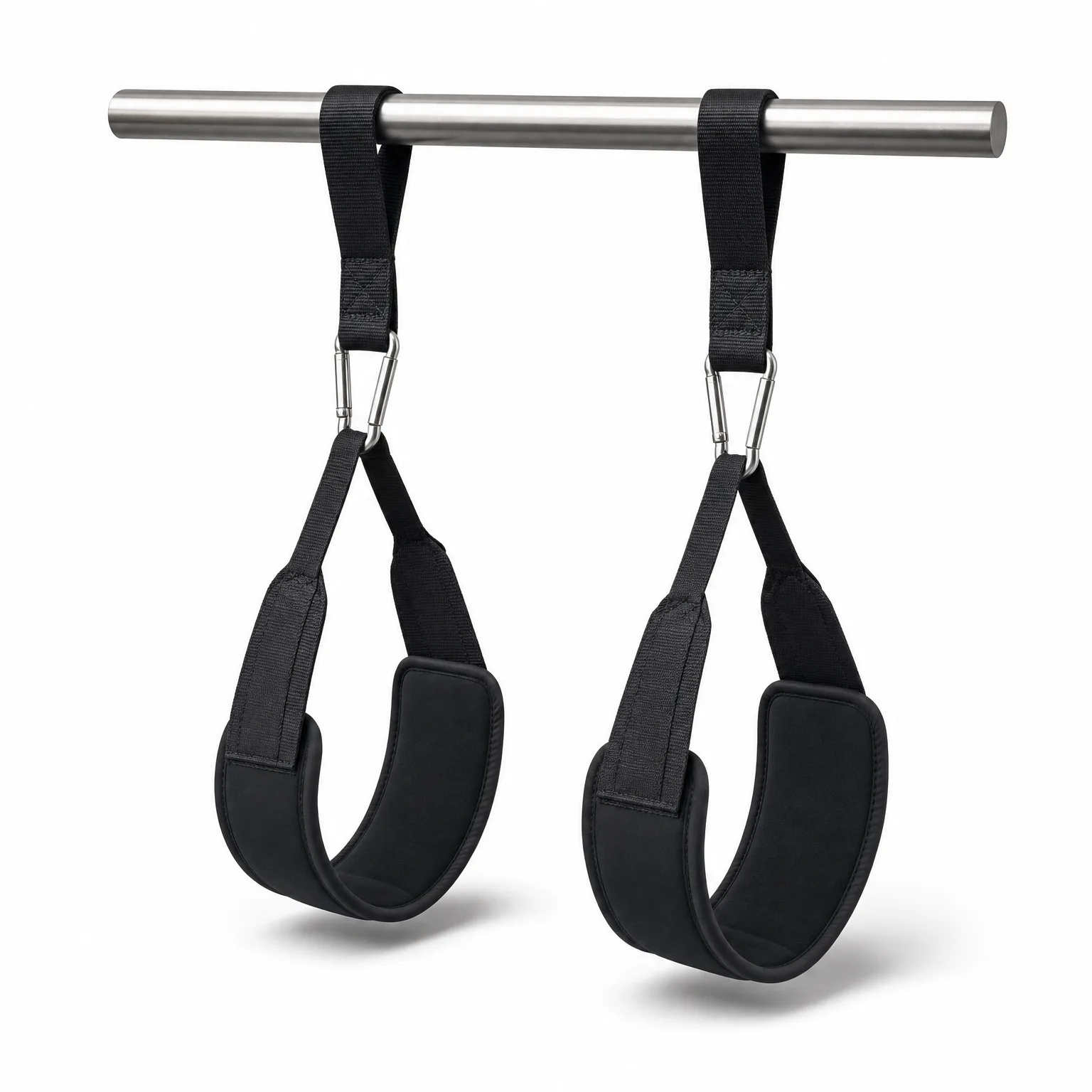
Ab straps
A pair of padded slings that hang from a pull-up bar and hold you by the upper arms, so you can do hanging knee and leg raises without gripping. -
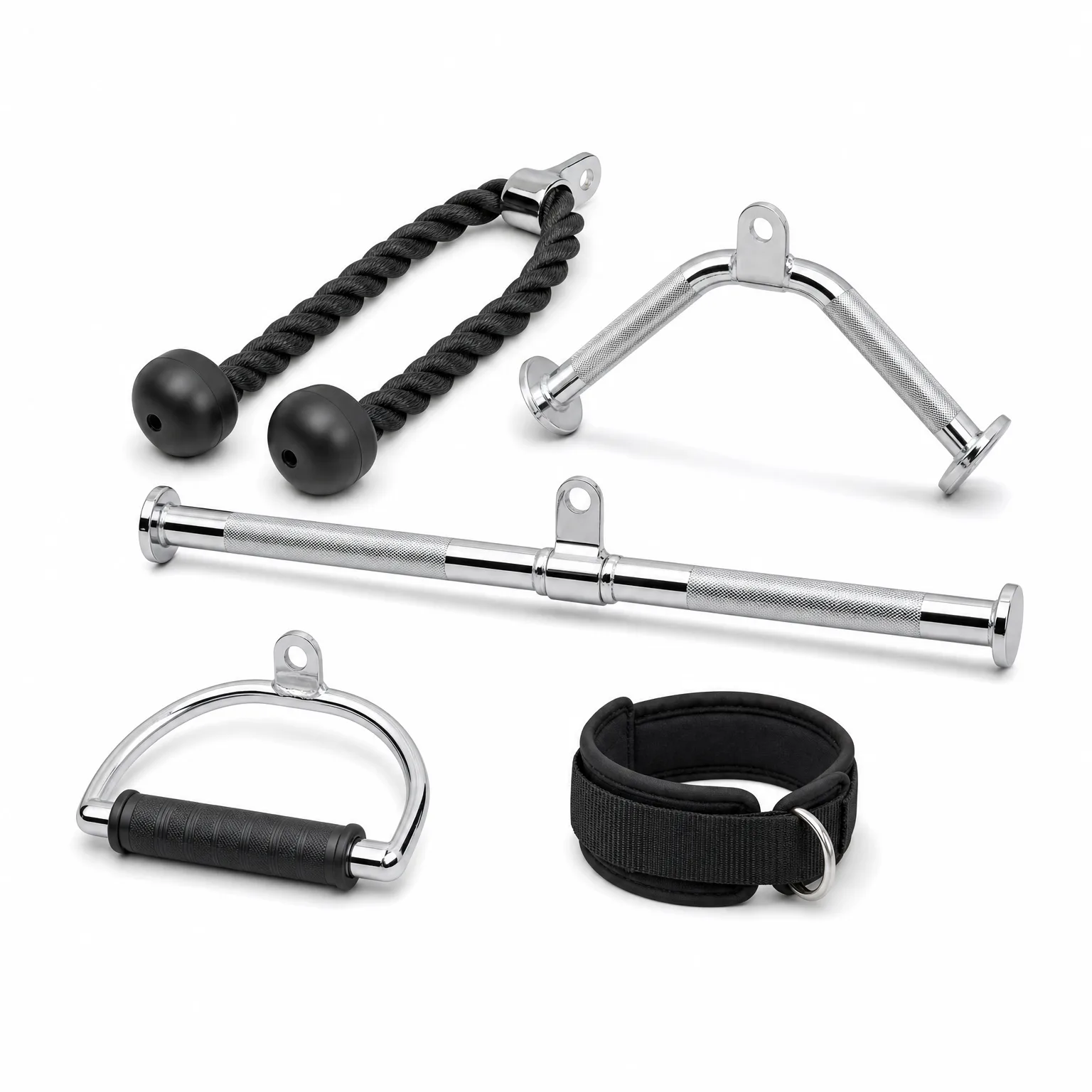
Cable attachments
The handles, bars, ropes and cuffs that clip onto a cable machine. Each one sets your grip and changes which exercises the cable can do.
Functional and conditioning
Balance, power and conditioning tools.
-
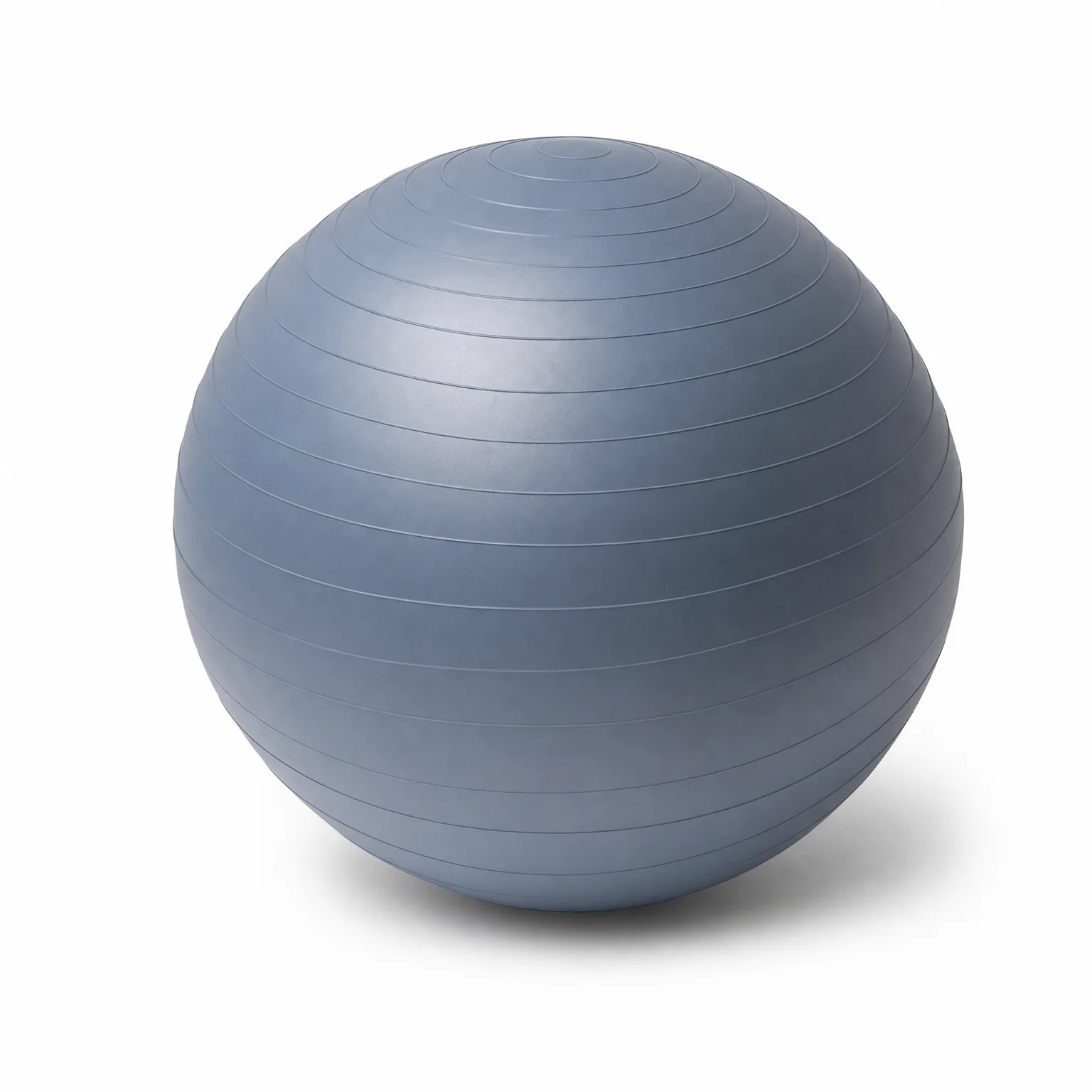
Stability ball
A large inflatable ball you sit, lie or lean on. The unstable surface is used for core exercises, hamstring curls and supported stretches. -
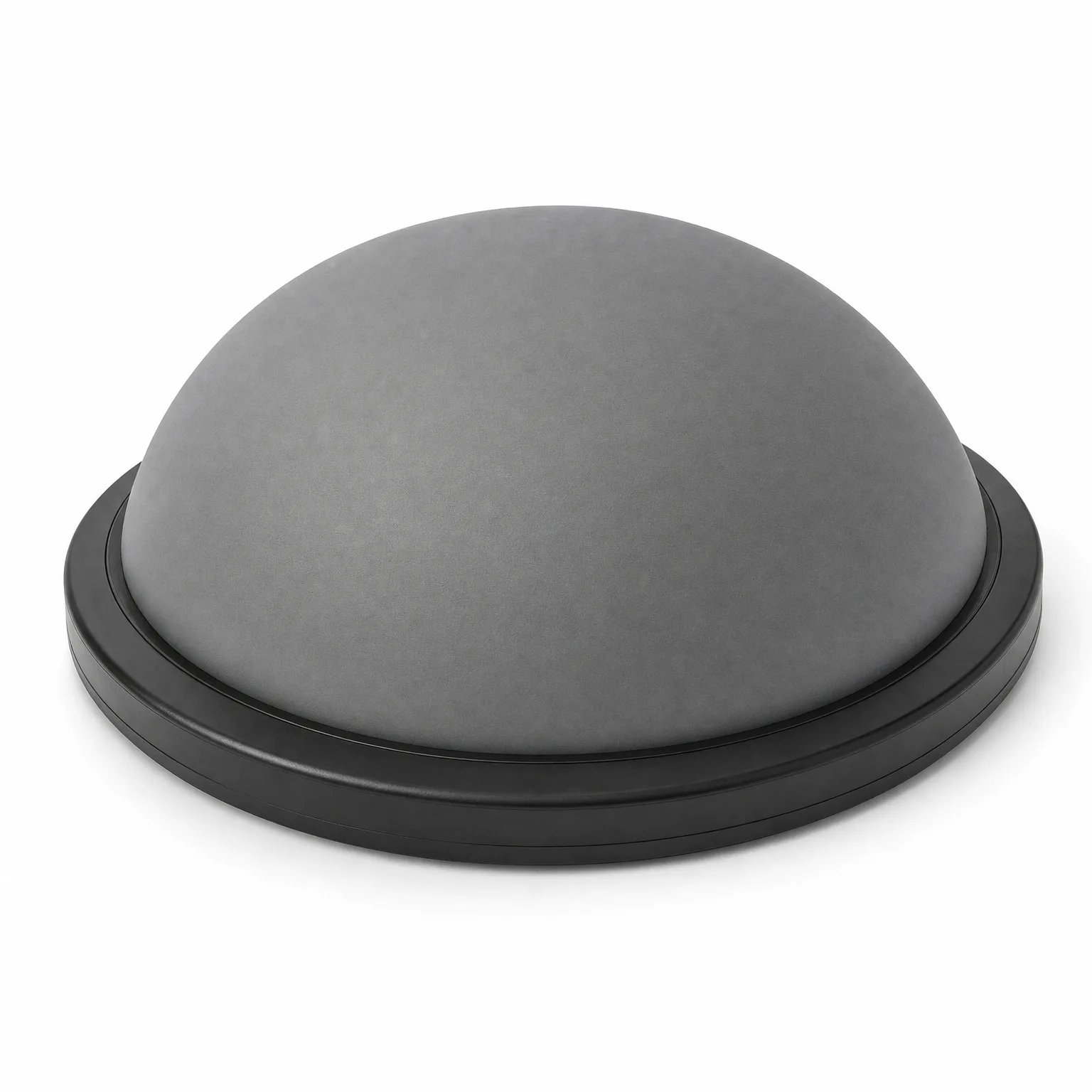
Balance trainer
An inflated rubber dome on a flat rigid base. You stand, kneel or lie on it to make balance, core and leg exercises less stable. -
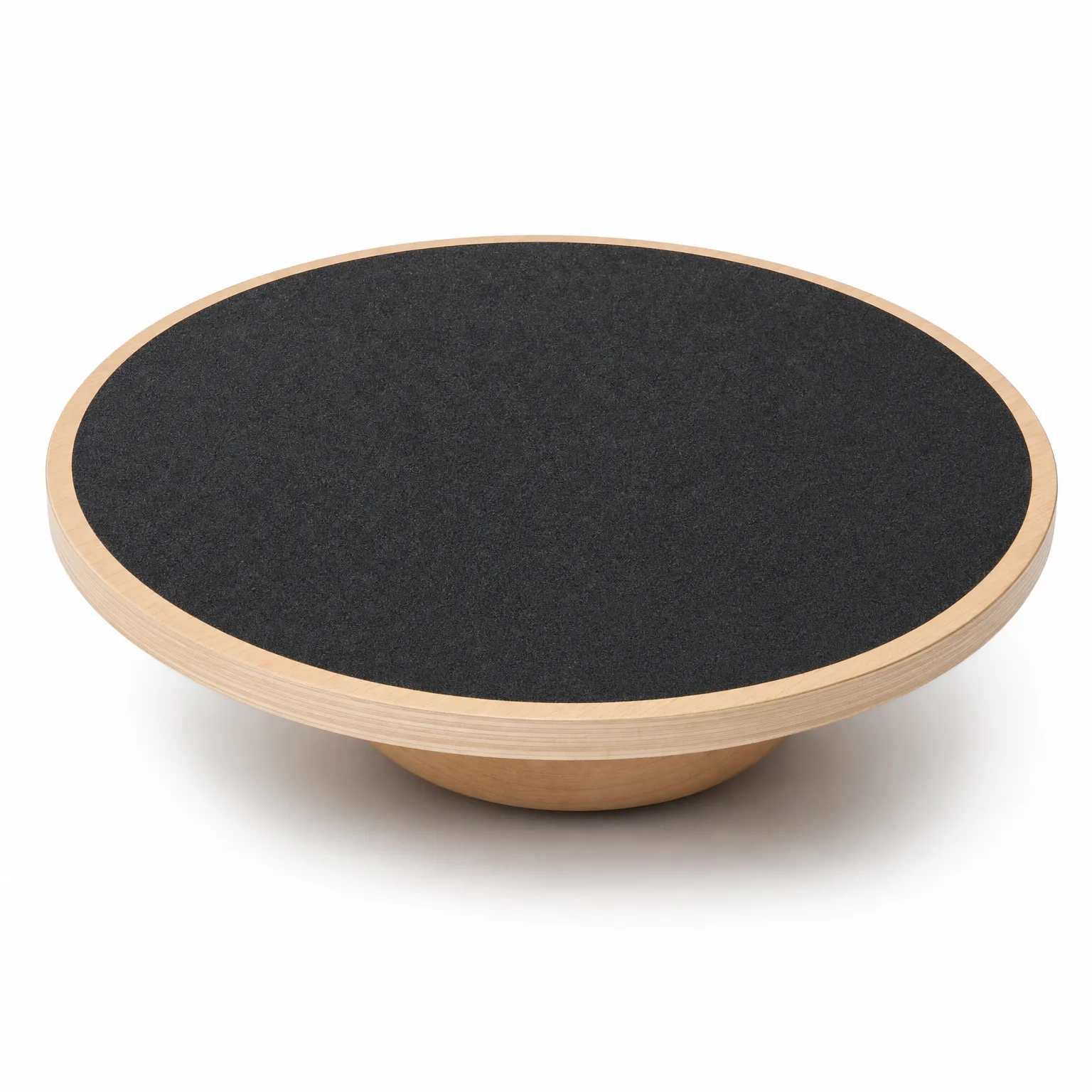
Balance board
A flat board on a rounded base that tilts under your feet. Standing on it trains balance and the muscles around the ankles, knees and hips. -
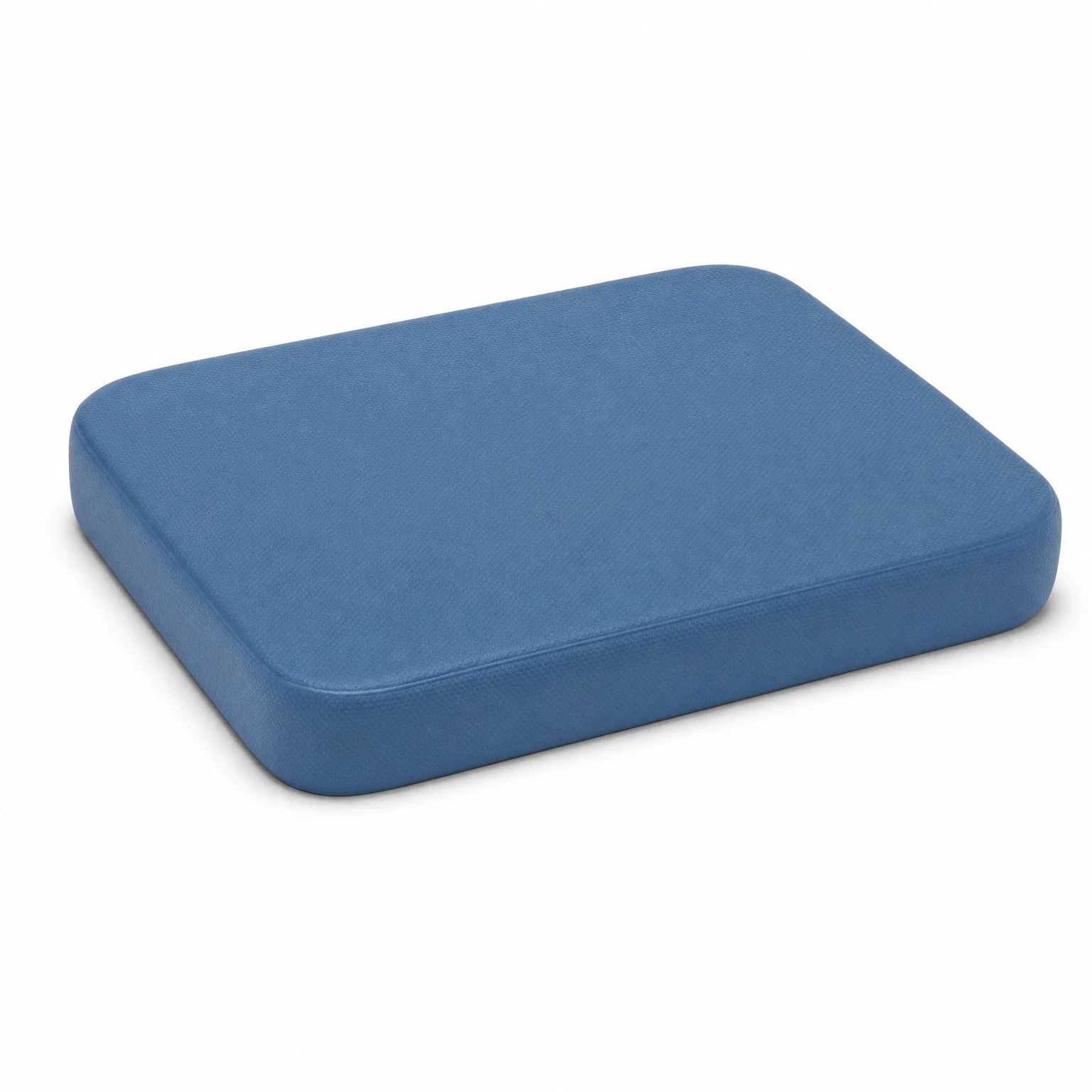
Balance pad
A thick rectangle of soft foam you stand, kneel or lunge on. It gives under the foot, so the ankles and hips work to keep you steady. -
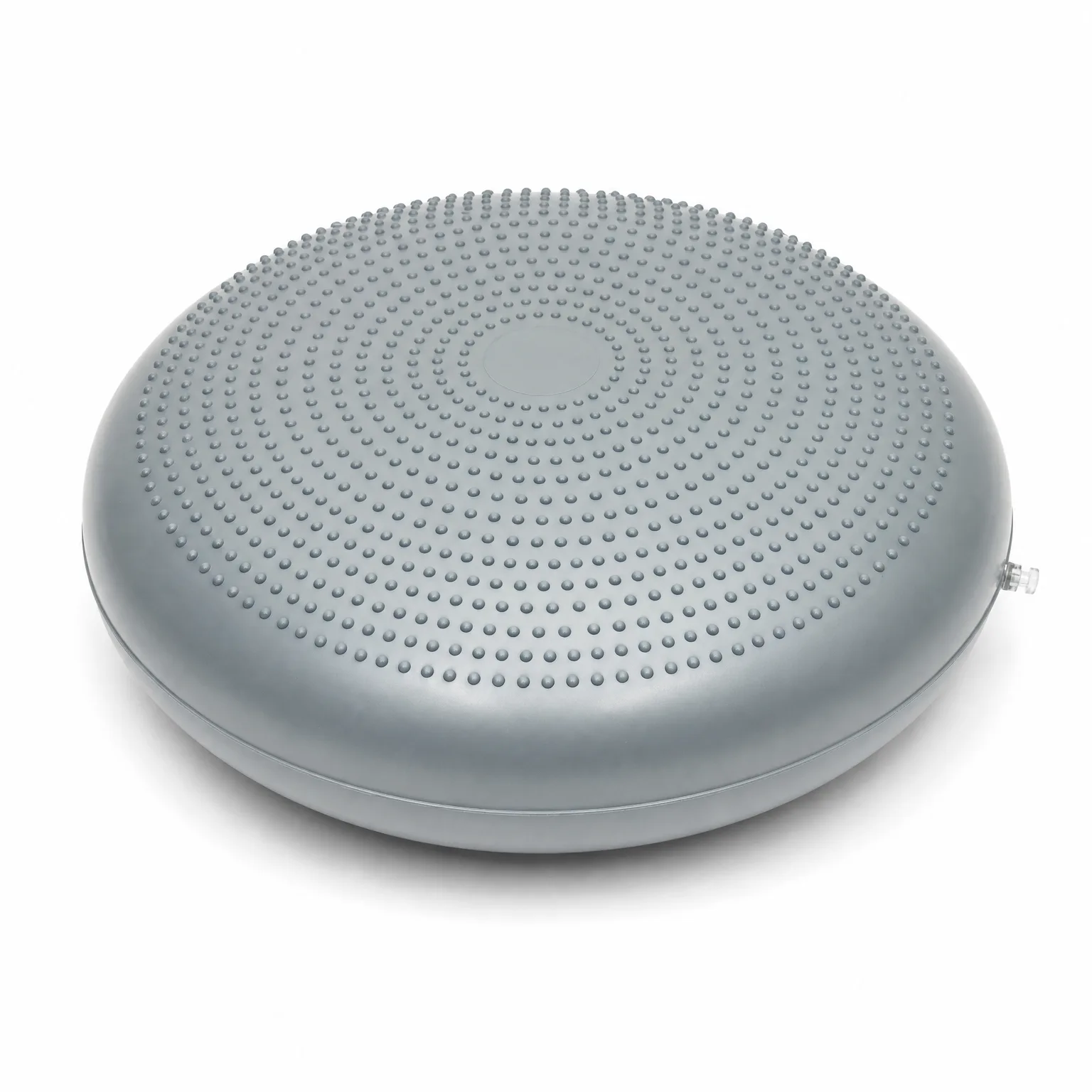
Balance disc
A small air-filled cushion that tilts in every direction. You stand, sit, kneel or put your hands on it to add wobble to an exercise. -
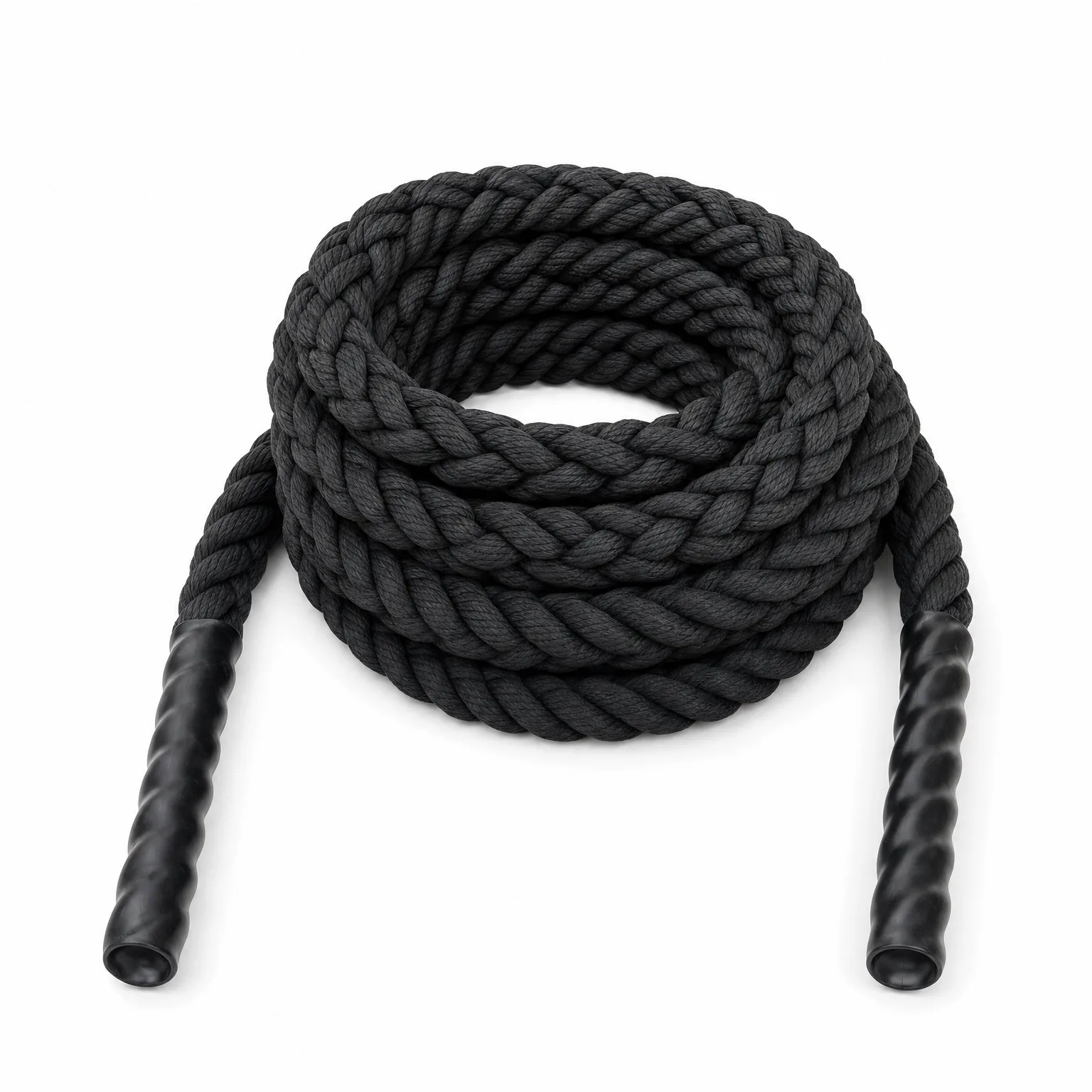
Battle ropes
A long, thick rope anchored in the middle. You hold both ends and make waves or slams for hard conditioning work with low impact on the legs. -
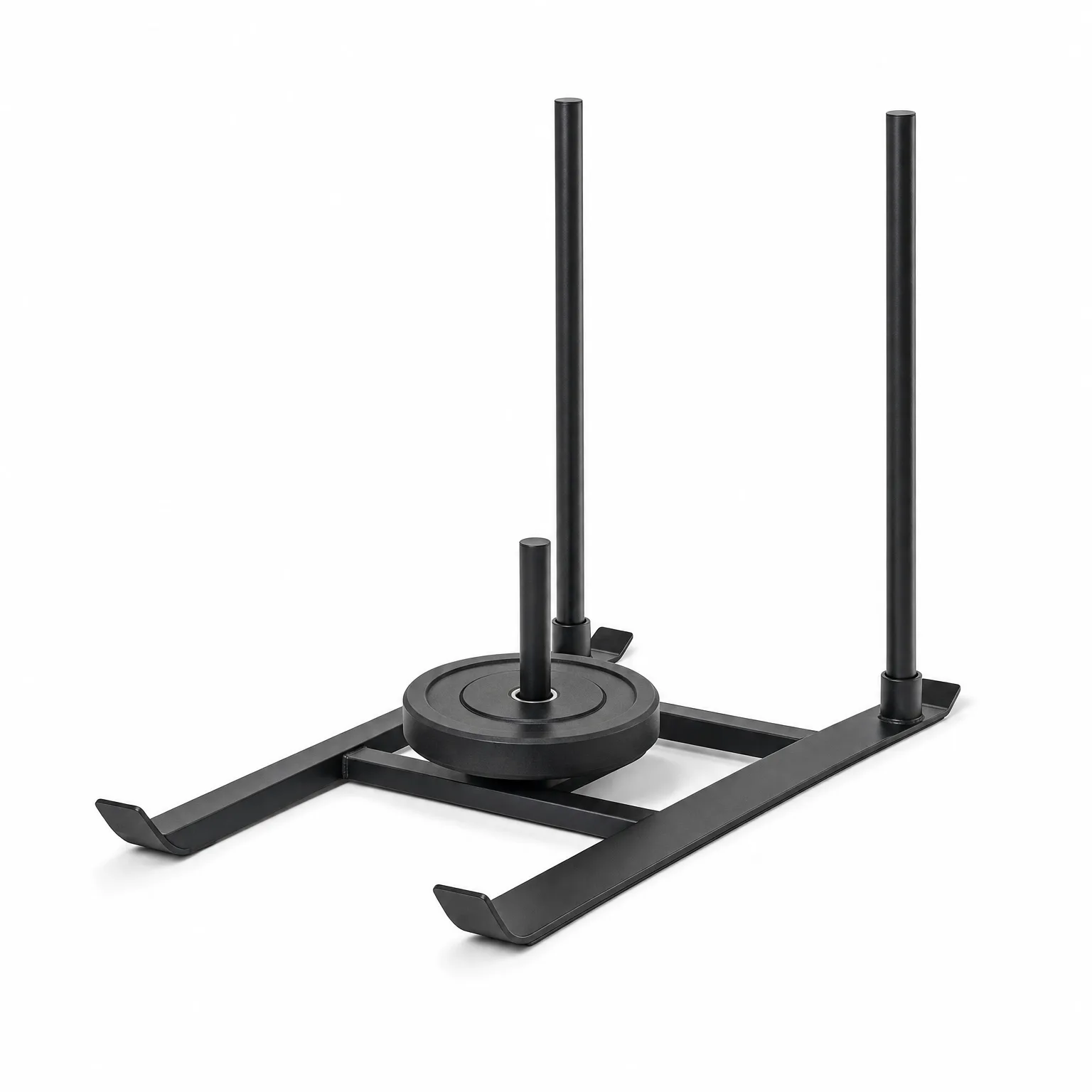
Weight sled
A low frame loaded with weight plates that you push or drag across turf or pavement. Trains the legs and conditioning with no lowering phase. -
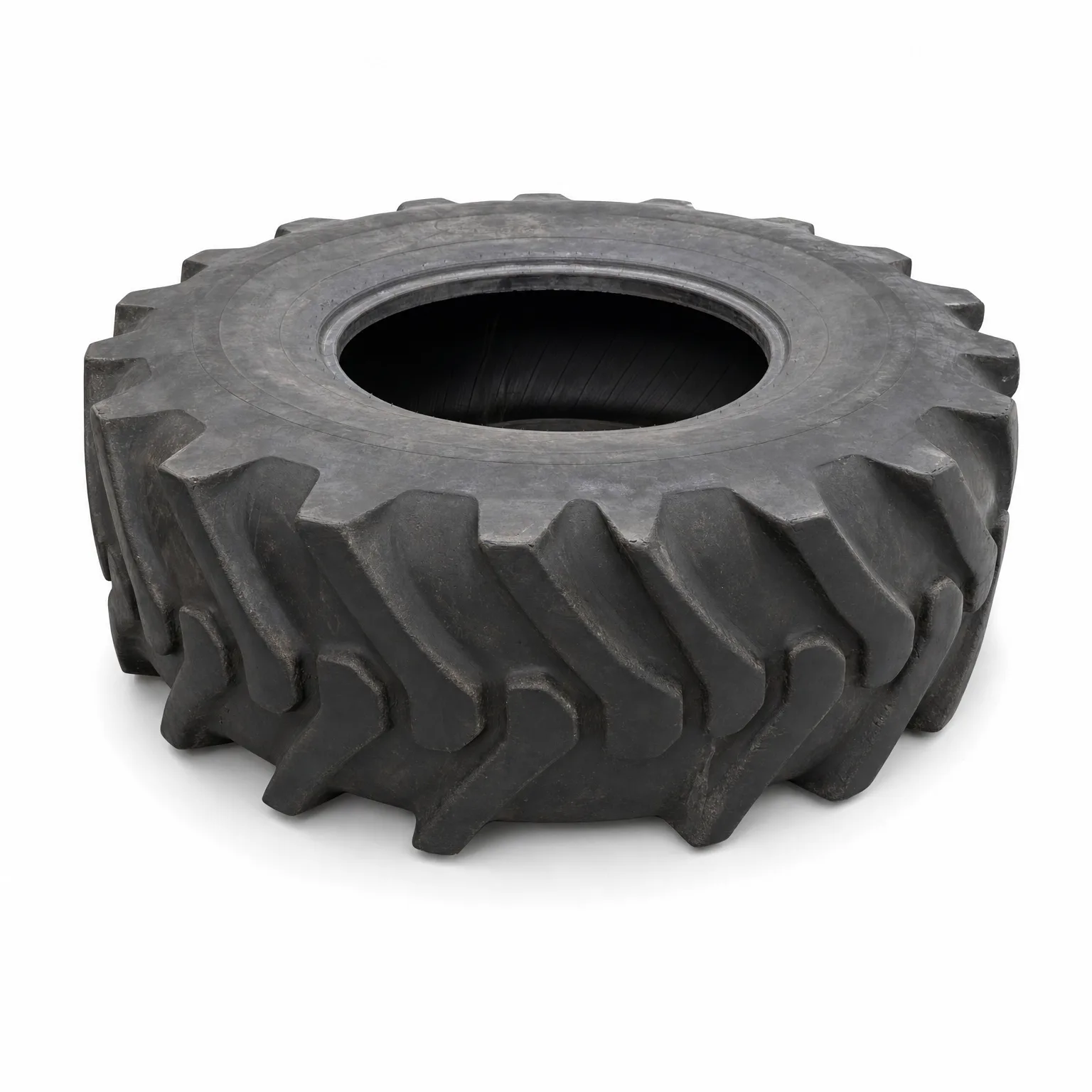
Training tire
A large, heavy tire used for flips, sledgehammer strikes, jumps and drags. It trains the legs, hips and back with whole-body effort. -
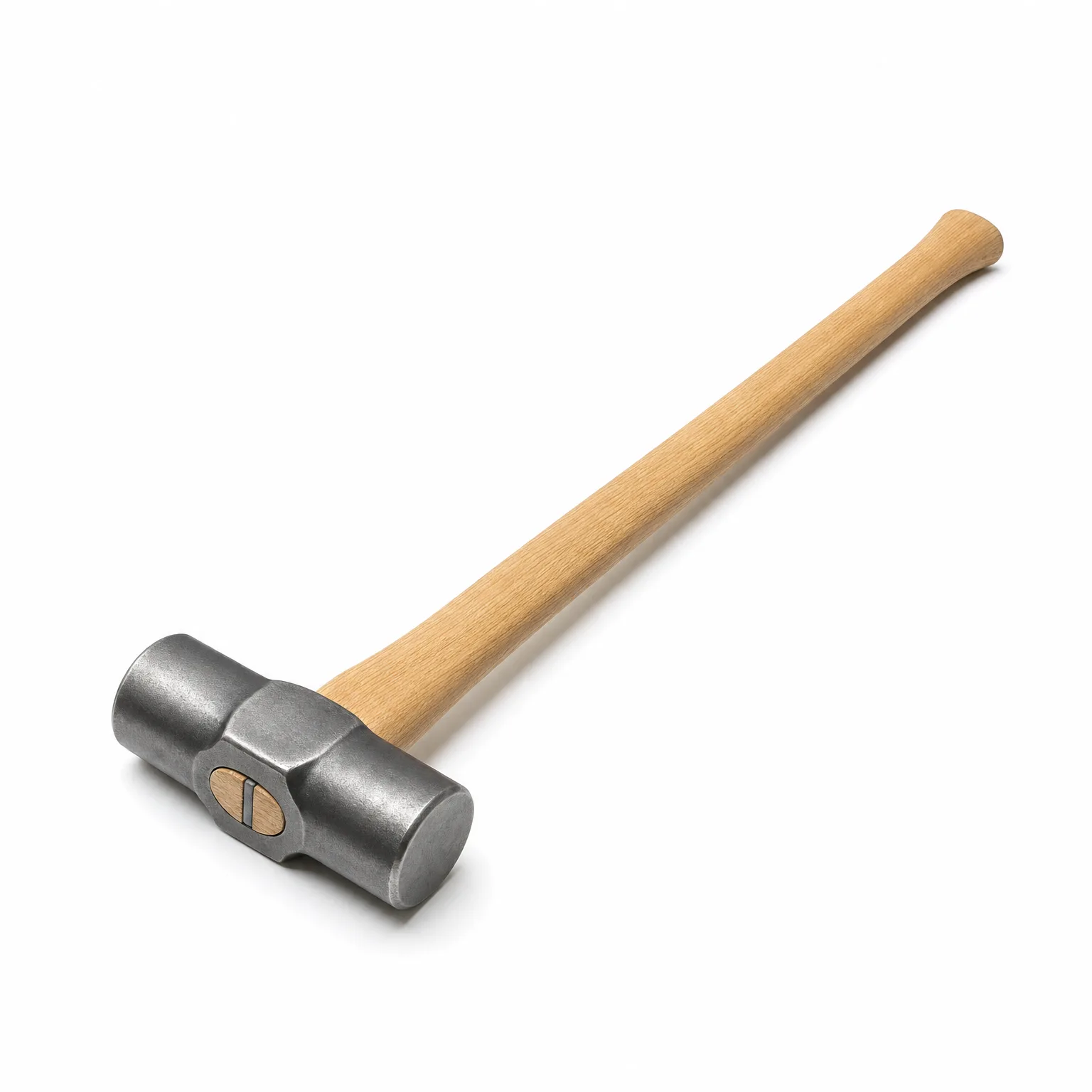
Sledgehammer
A long-handled heavy hammer swung onto a tire. Strikes train the trunk, lats, grip and shoulders and work well in conditioning intervals. -
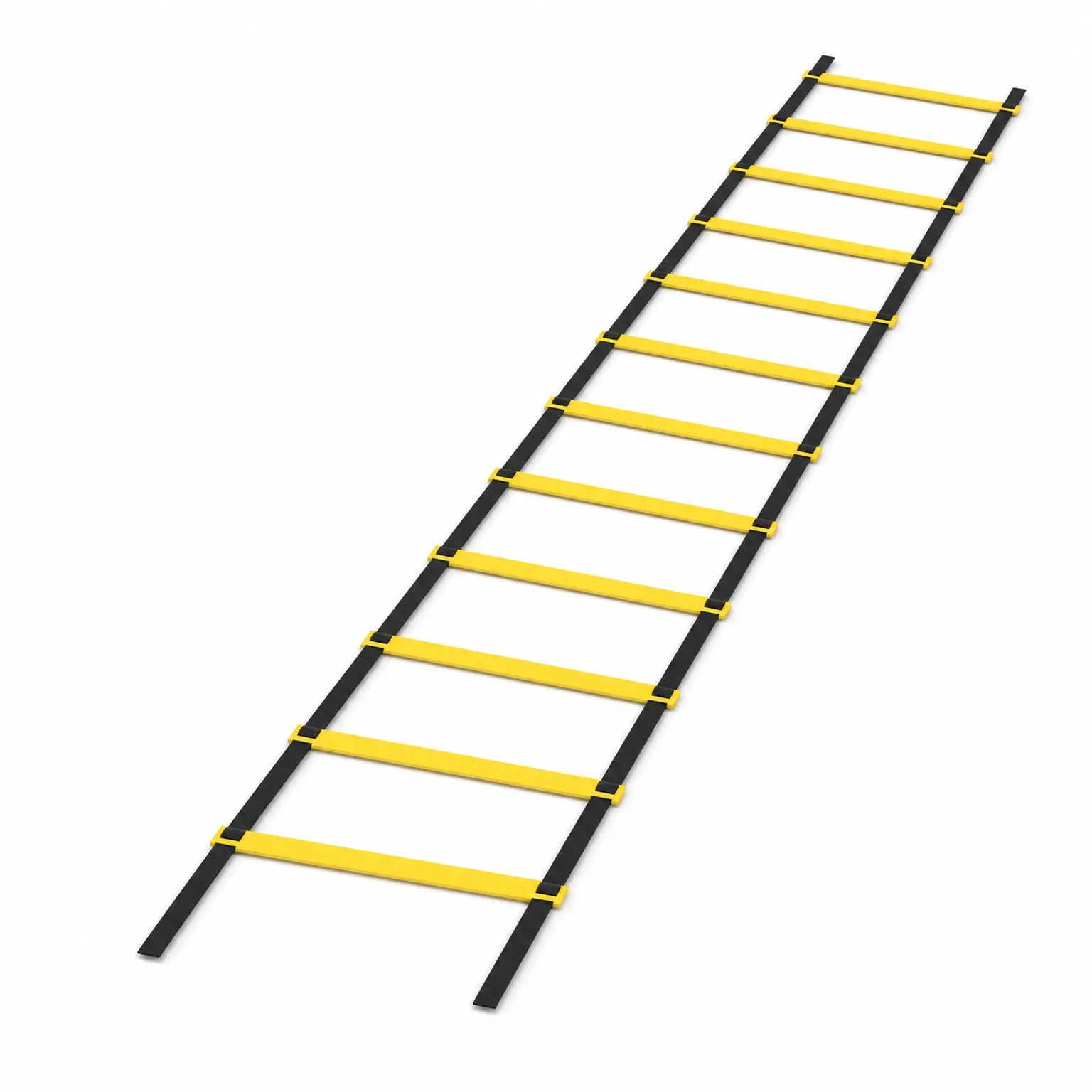
Agility ladder
A flat ladder of straps and rungs laid on the ground. You step through the squares in set patterns to train quick, coordinated footwork. -
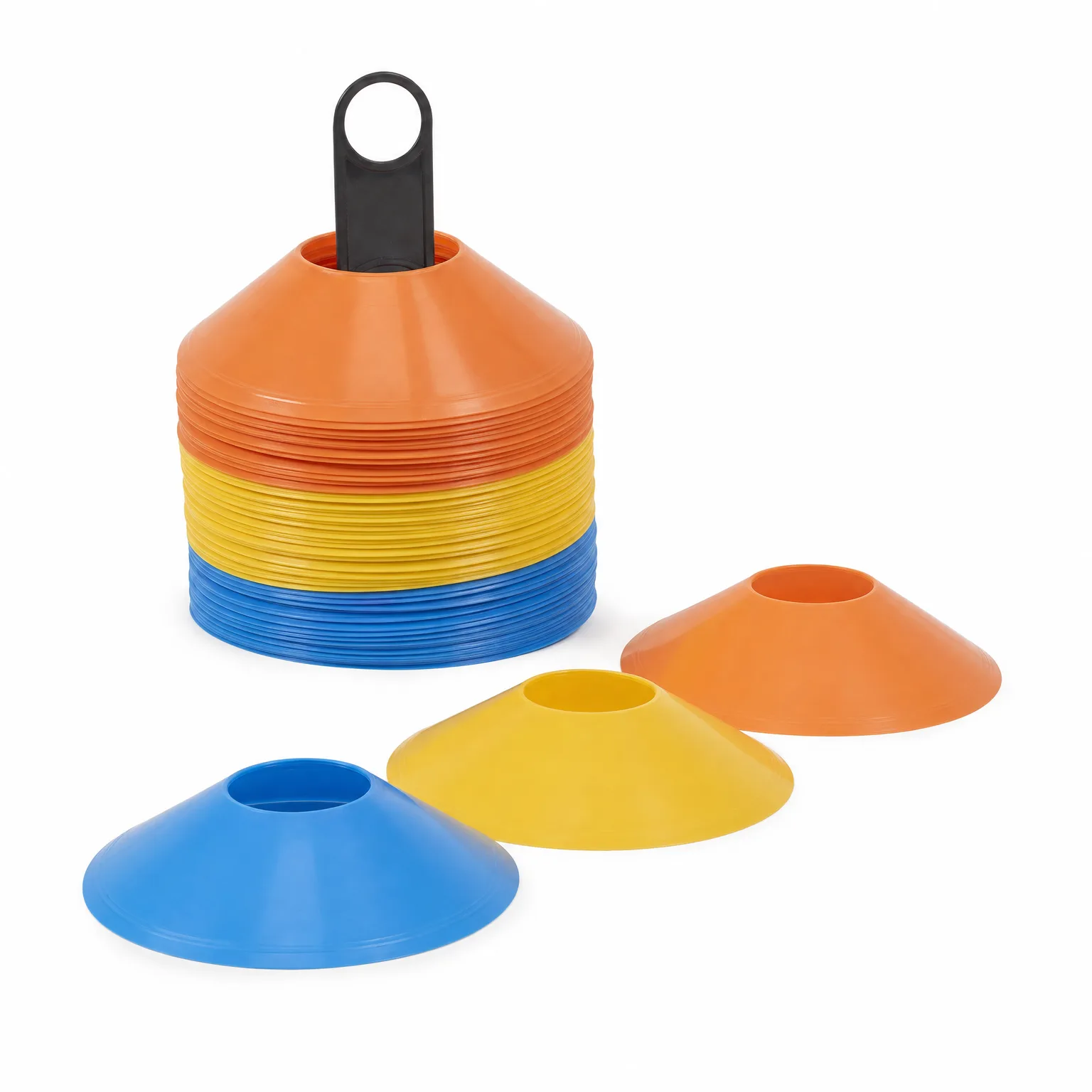
Training cones
Small plastic markers that set out distances, turning points and lanes for sprints, shuttles, agility drills and circuits. -
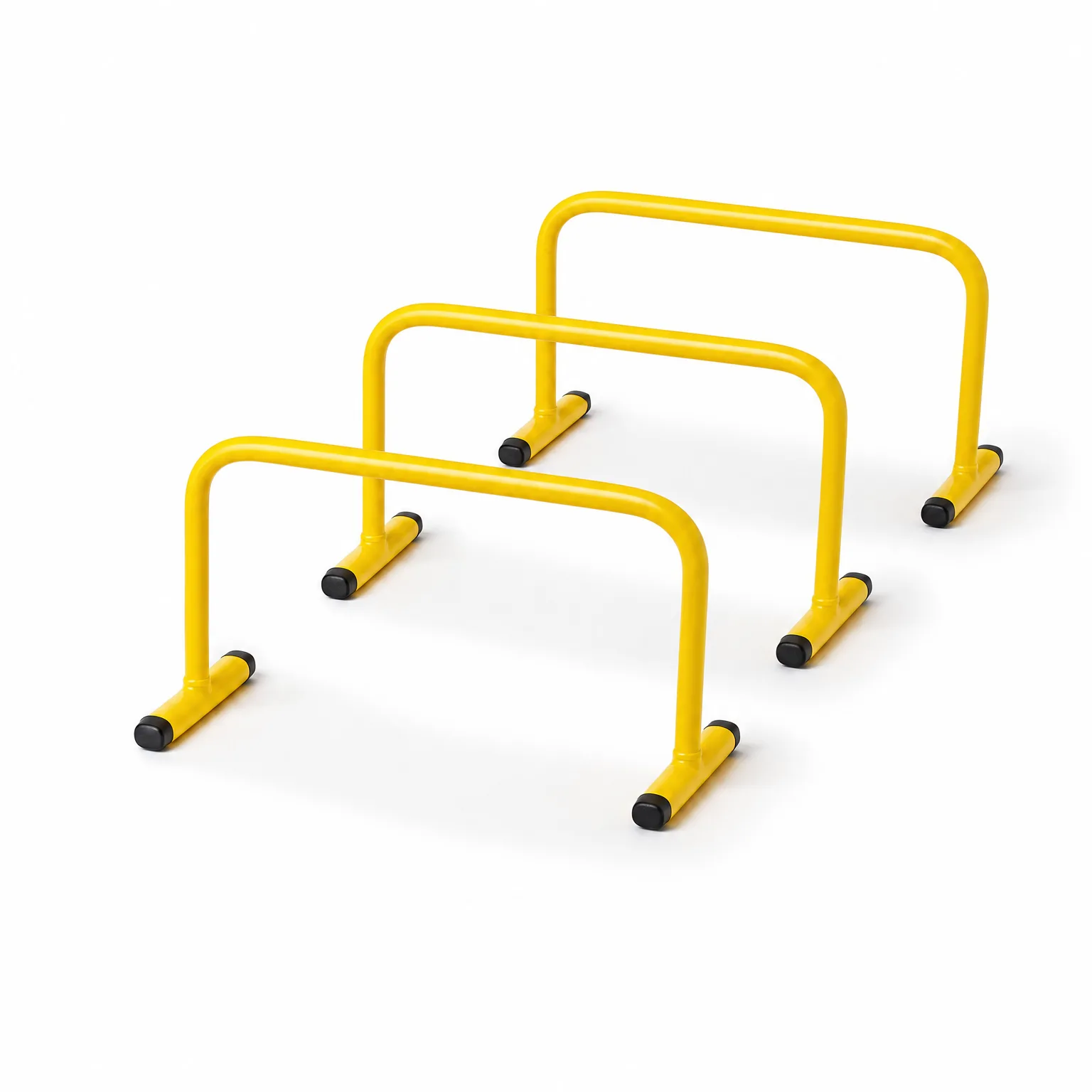
Agility hurdles
Low, light barriers set in a row for running, stepping and hopping drills that train quick ground contact, knee lift and jumping. -
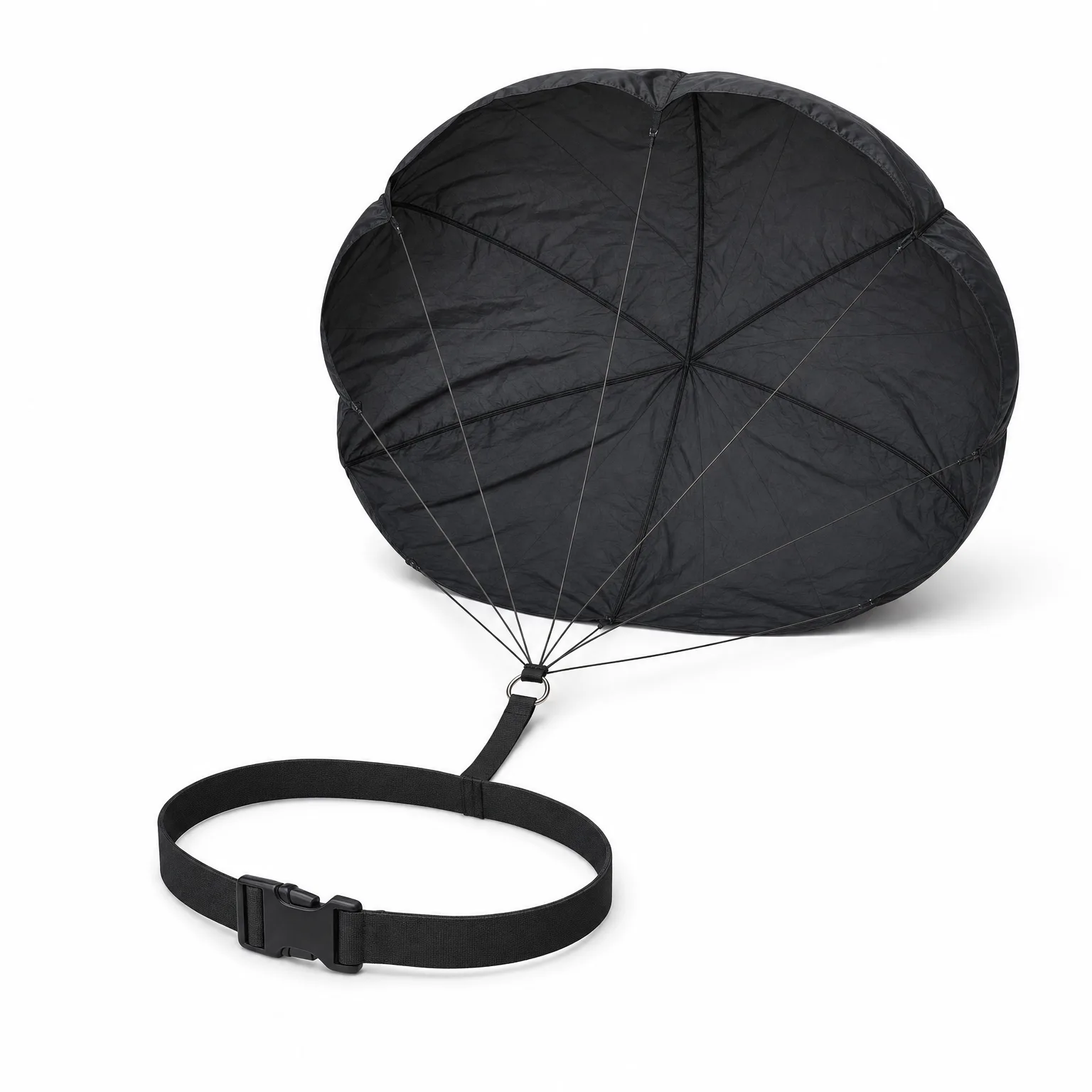
Speed parachute
A small parachute on a waist belt that opens behind you as you sprint and adds air drag. Used for resisted sprint training outdoors. -
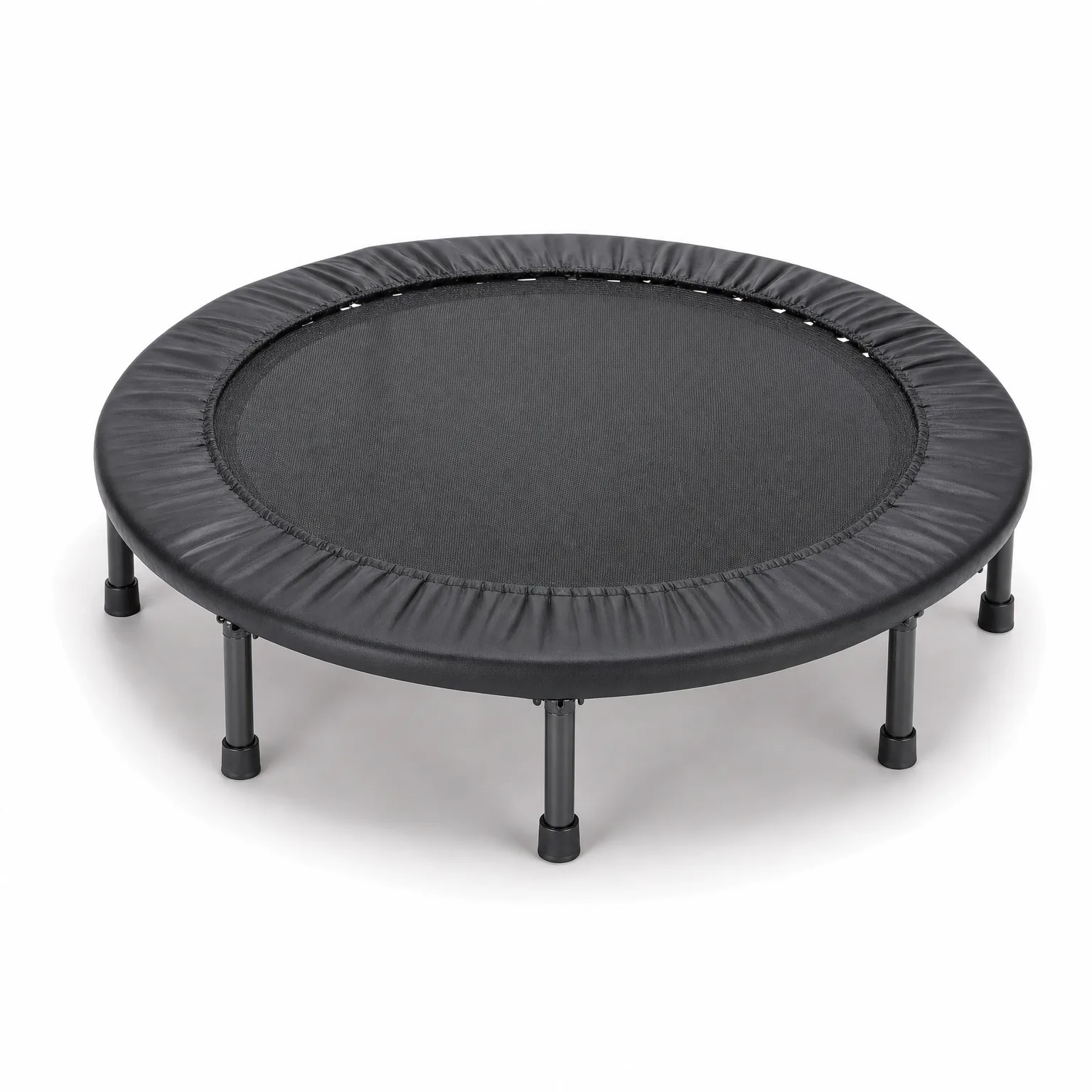
Mini trampoline
A small, low trampoline for one person. You bounce, jog and step on it for cardio at home, with the mat taking up part of each landing. -
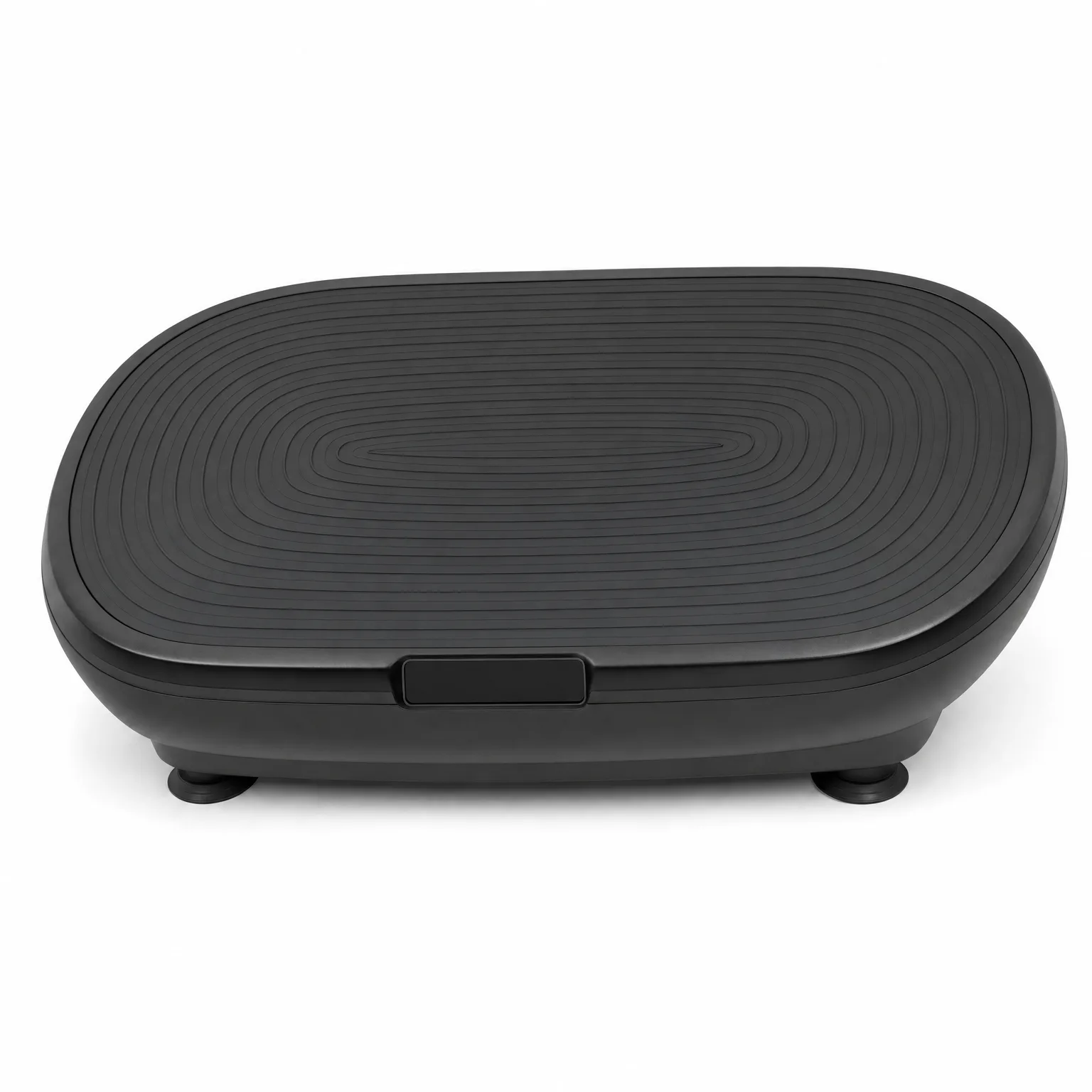
Vibration plate
A motorized platform that shakes rapidly under you. People stand or exercise on it. Evidence for extra benefit over normal training is mixed. -
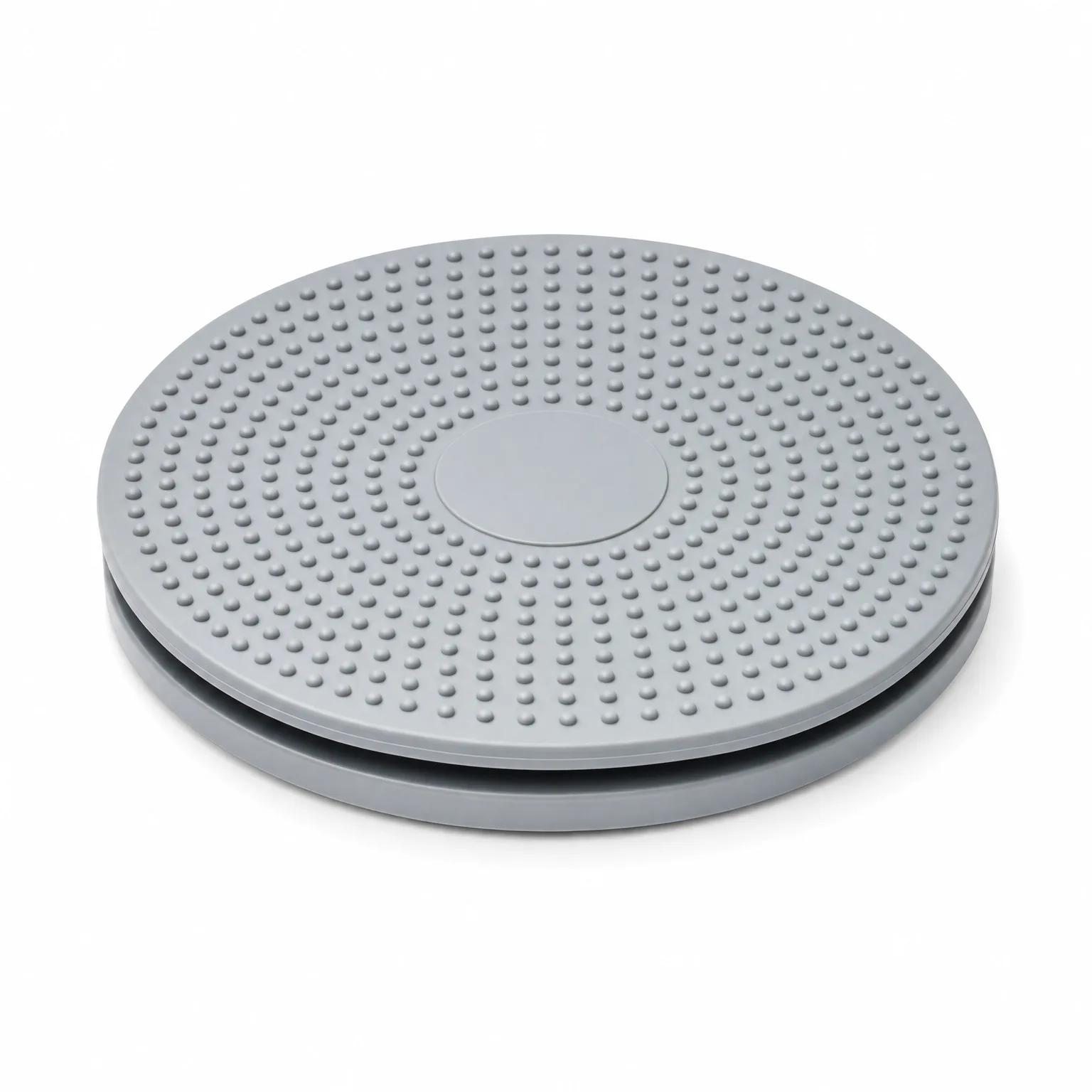
Twist board
A small rotating disc you stand on and swivel your hips from side to side. Light, low-effort movement for the waist muscles. -
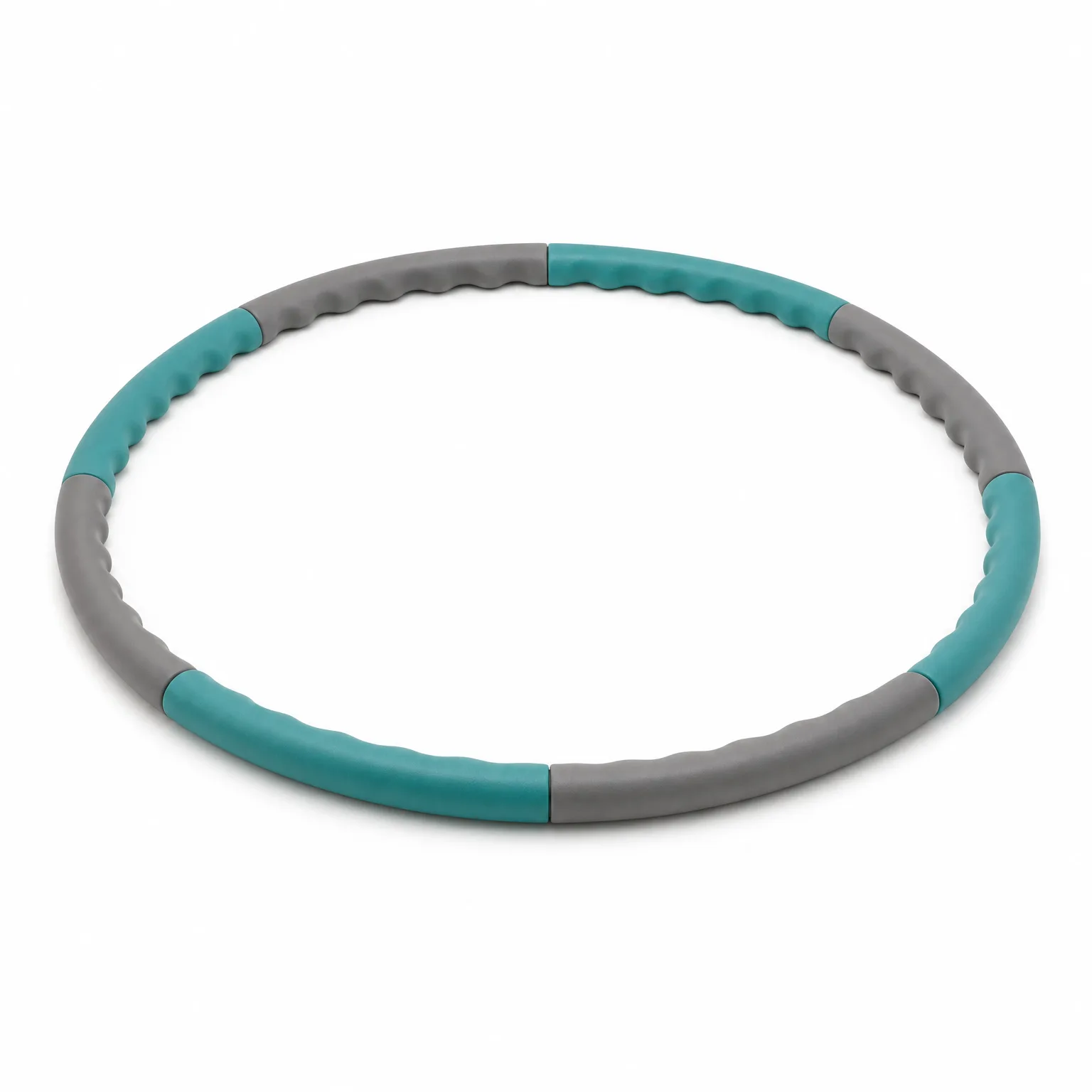
Hula hoop
A large hoop you keep spinning around the waist with small hip movements. Fitness versions are bigger and heavier than a toy hoop.
Boxing
Bags to hit and the gear that protects your hands while you do.
-
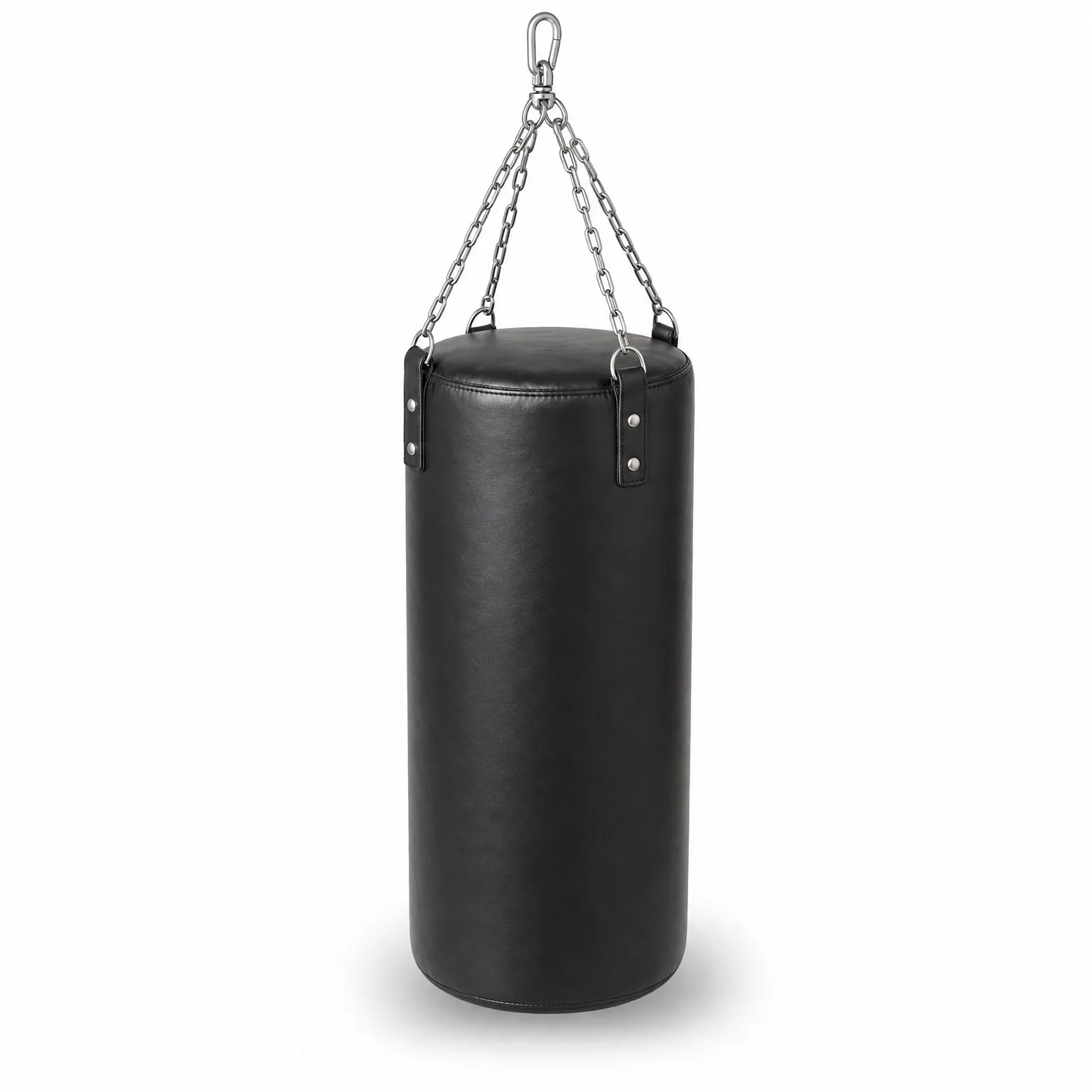
Punching bag
A heavy, padded bag that hangs from a ceiling mount, wall bracket or stand. Used for punches and kicks as boxing practice and hard conditioning. -
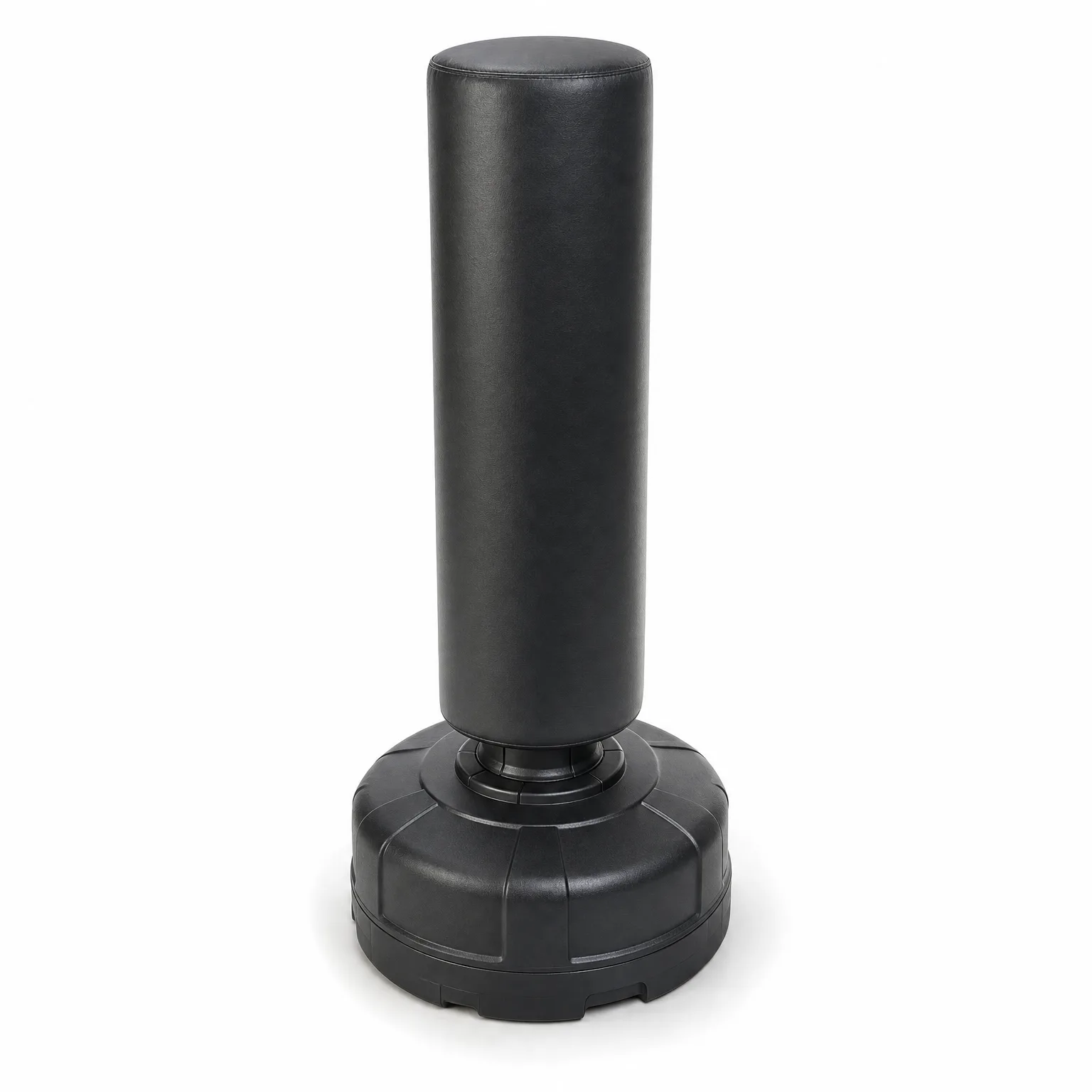
Free-standing punching bag
A padded striking bag on a heavy base filled with water or sand. It needs no ceiling mount, so it suits homes where a hanging bag cannot go. -
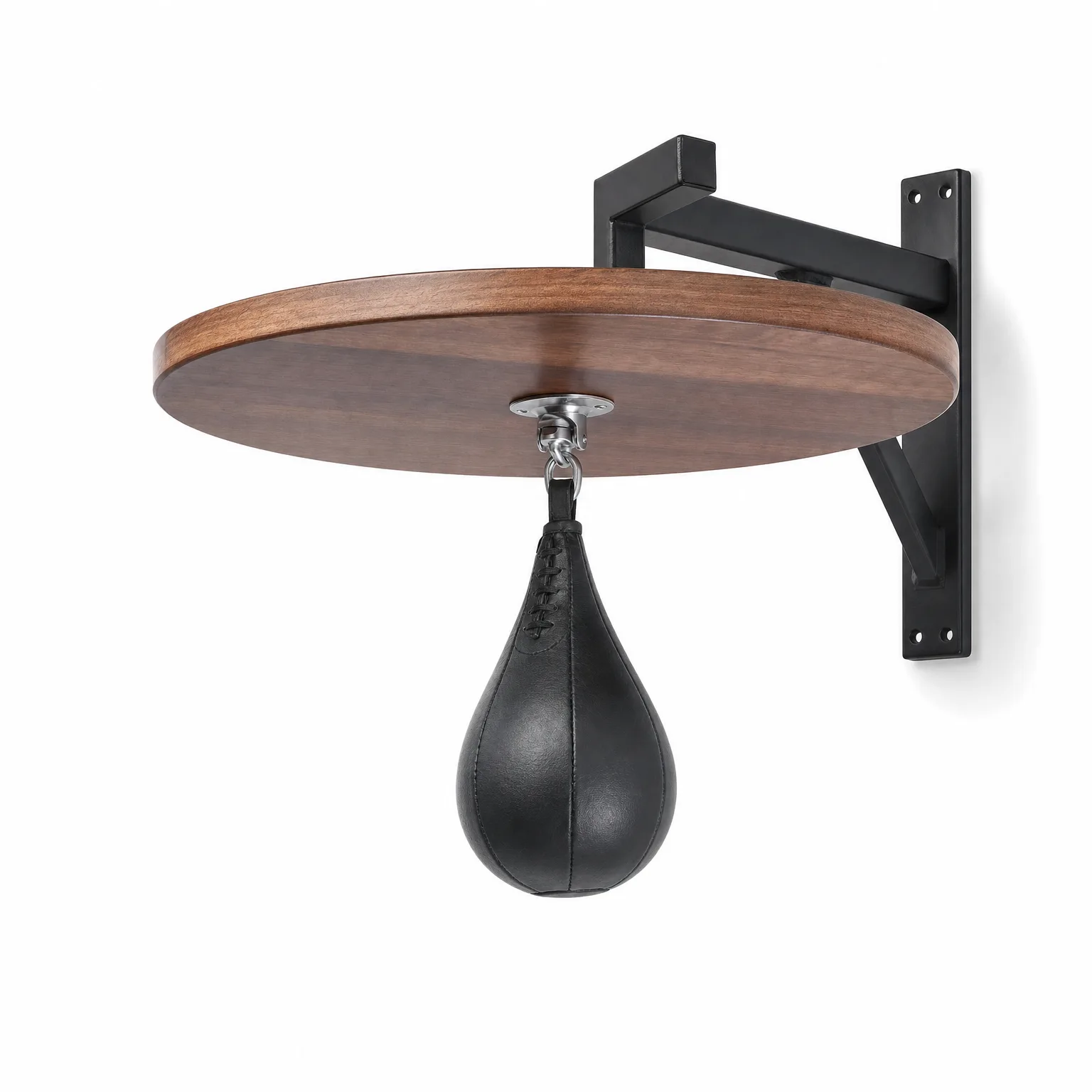
Speed bag
A small air-filled bag hung from a swivel under a platform. Hitting it in rhythm trains timing, hand-eye coordination and shoulder endurance. -
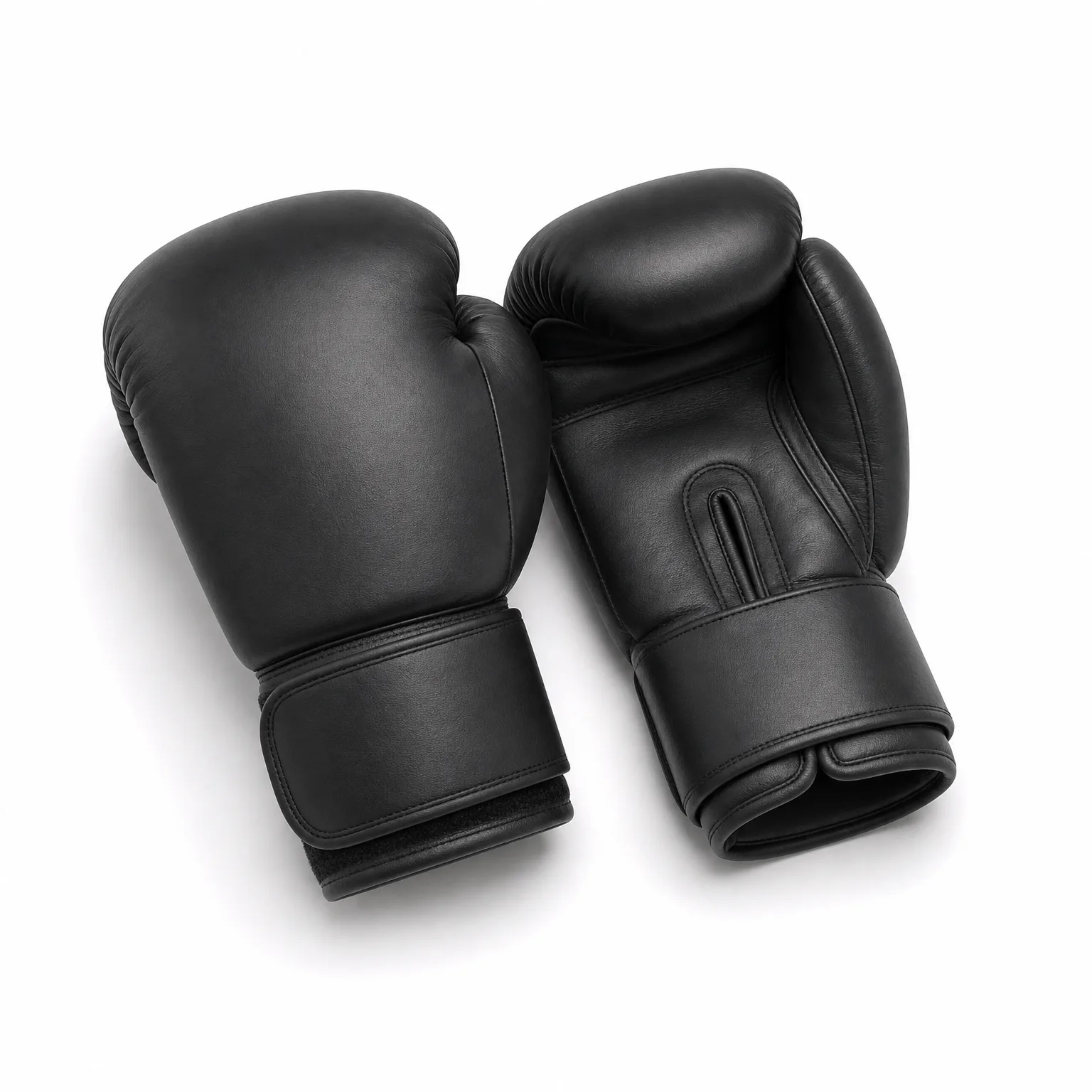
Boxing gloves
Padded gloves that cushion the knuckles and support the wrist when you hit a bag, mitts or a partner. Sized by weight in ounces. -
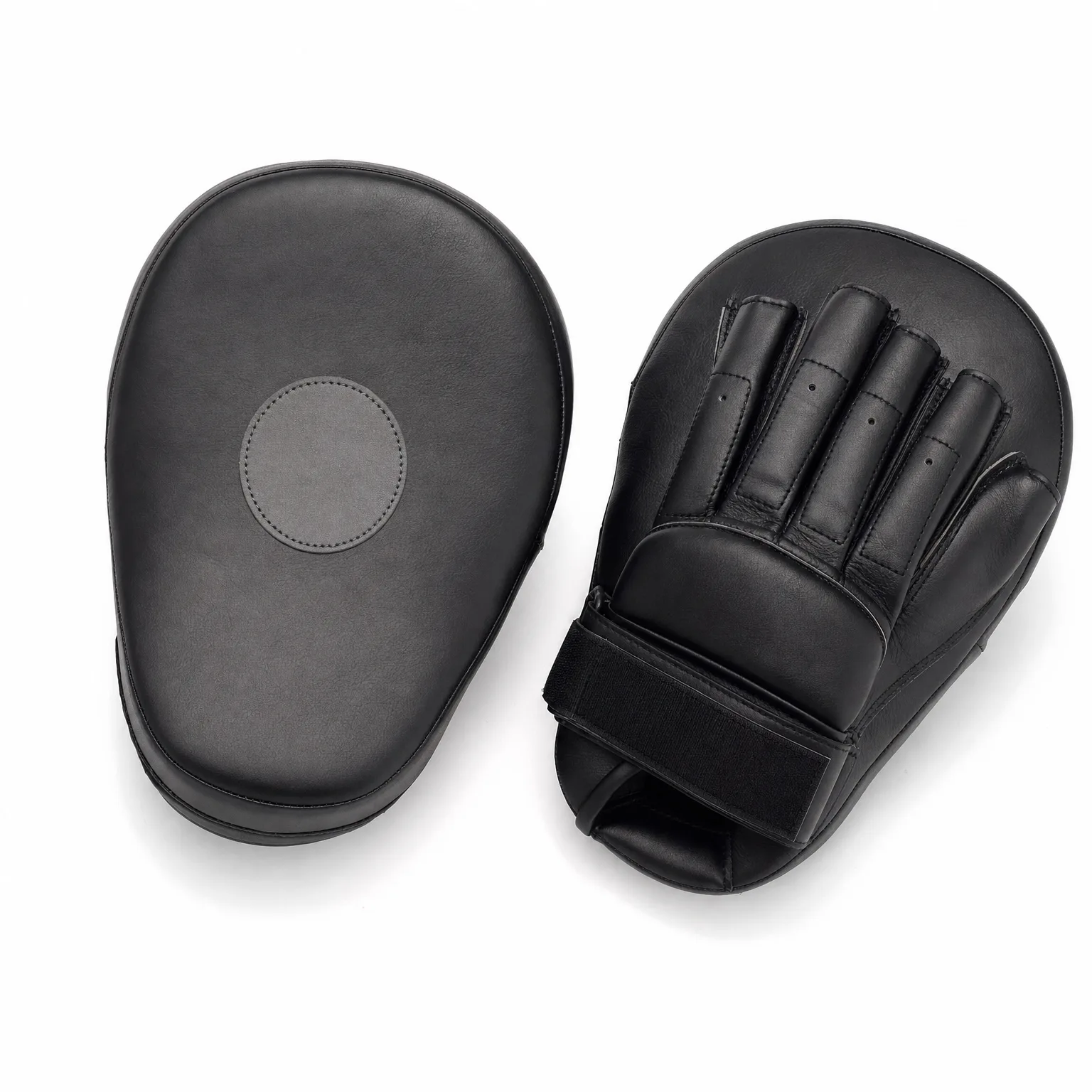
Focus mitts
Padded targets a partner wears on the hands and holds up for punches. Used to drill accuracy, combinations and defense.
Gym machines
The machines you meet on a gym floor, and how each one is set up.
-
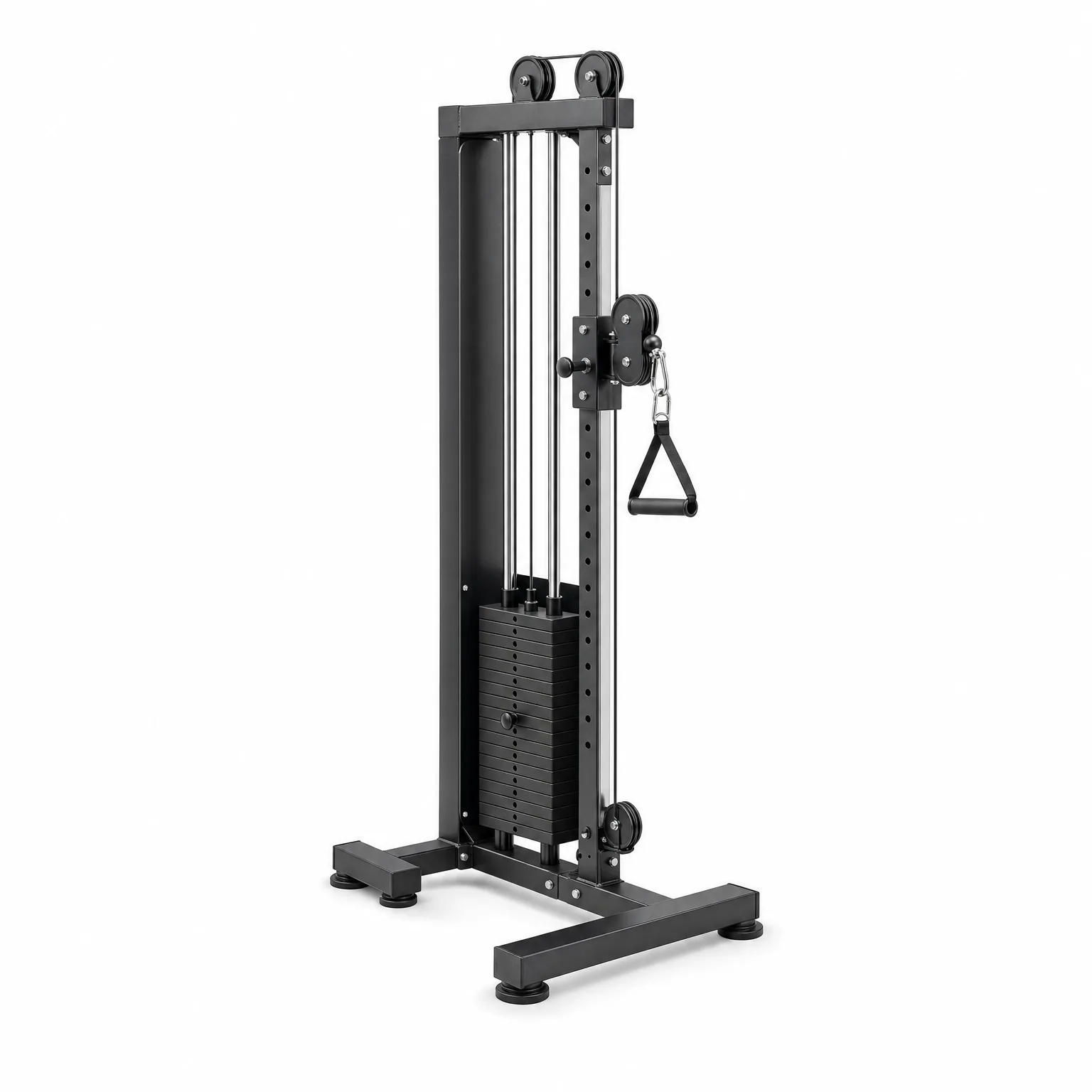
Cable machine
A weight stack on a pulley with a handle you can set at any height. It keeps tension on the muscle through the whole movement. -
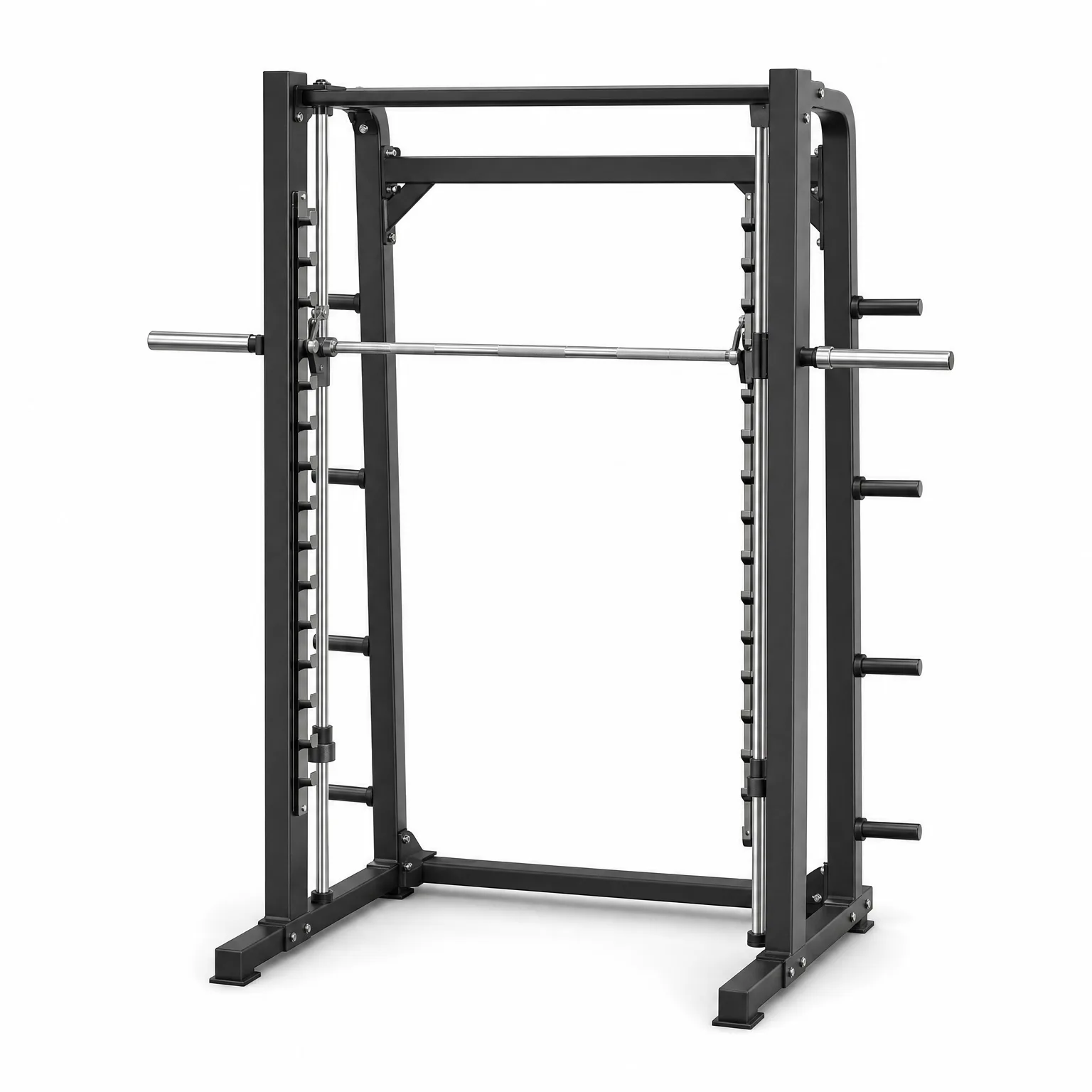
Smith machine
A barbell that slides on fixed guide rails, with hooks that lock at many heights. Used for squats, presses and rows without a spotter. -
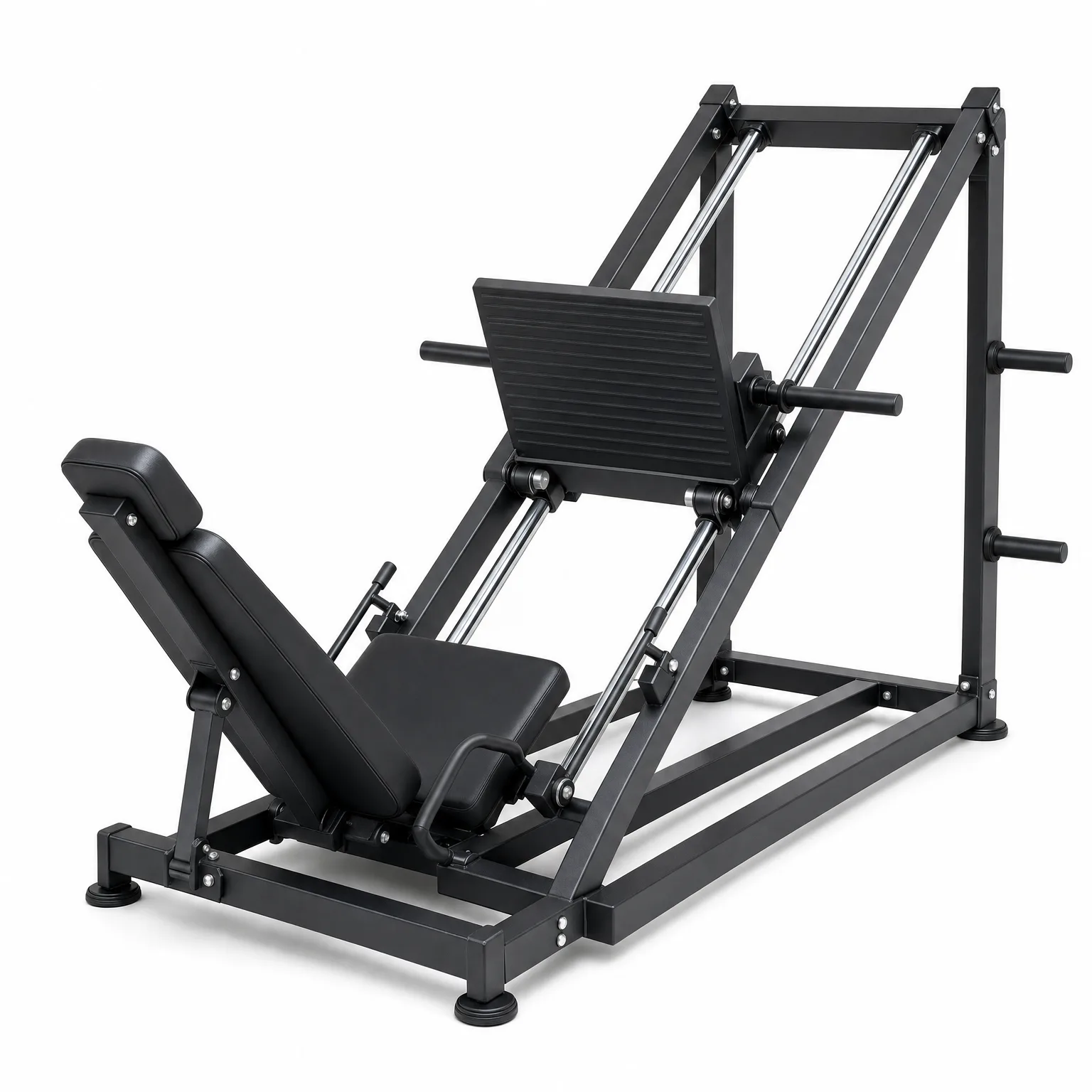
Leg press
A seat and a footplate you push away with both legs. It loads the quads and glutes heavily while the back rests on a pad. -
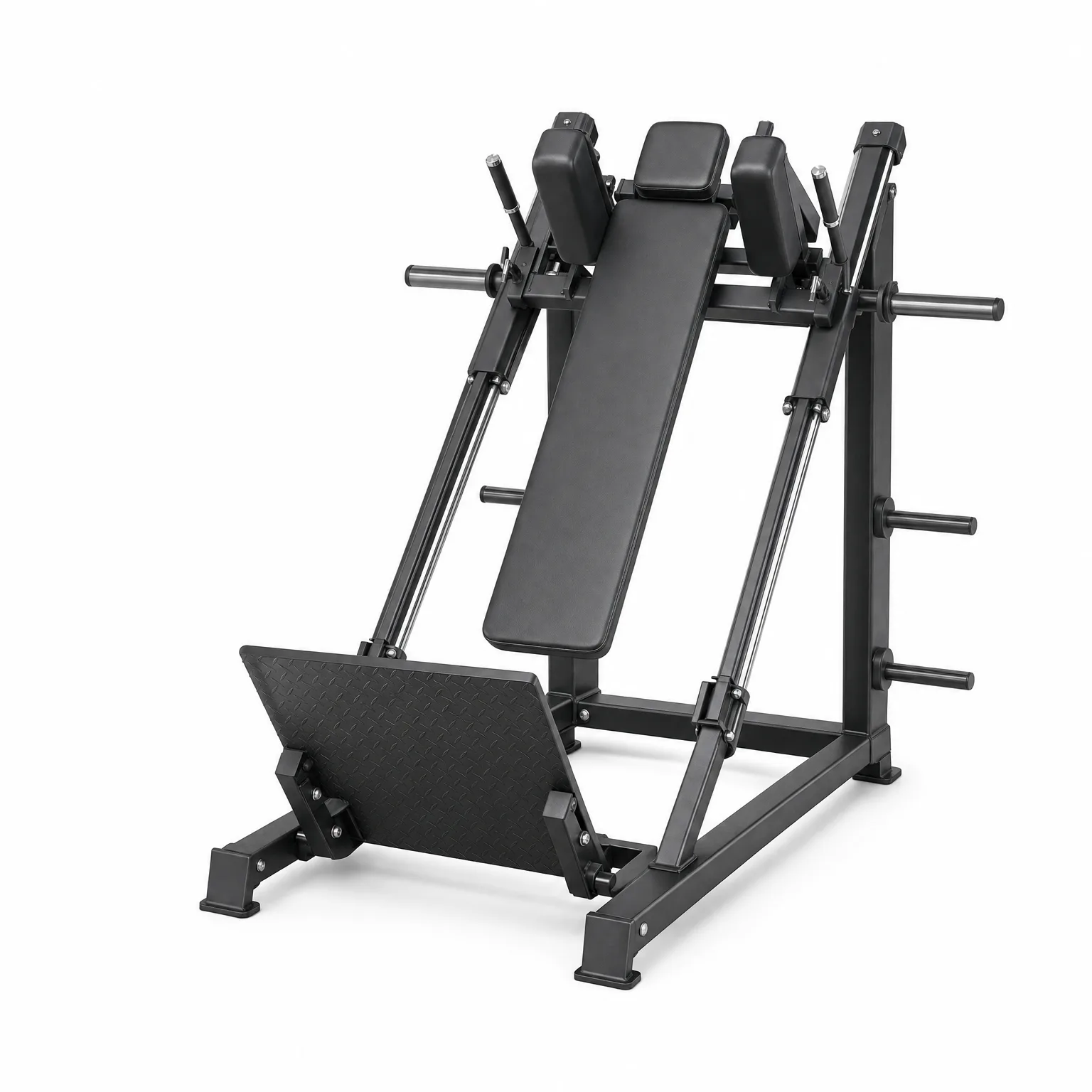
Hack squat machine
An angled sled with shoulder pads and a back pad. You squat along fixed rails, which puts most of the work on the quads. -
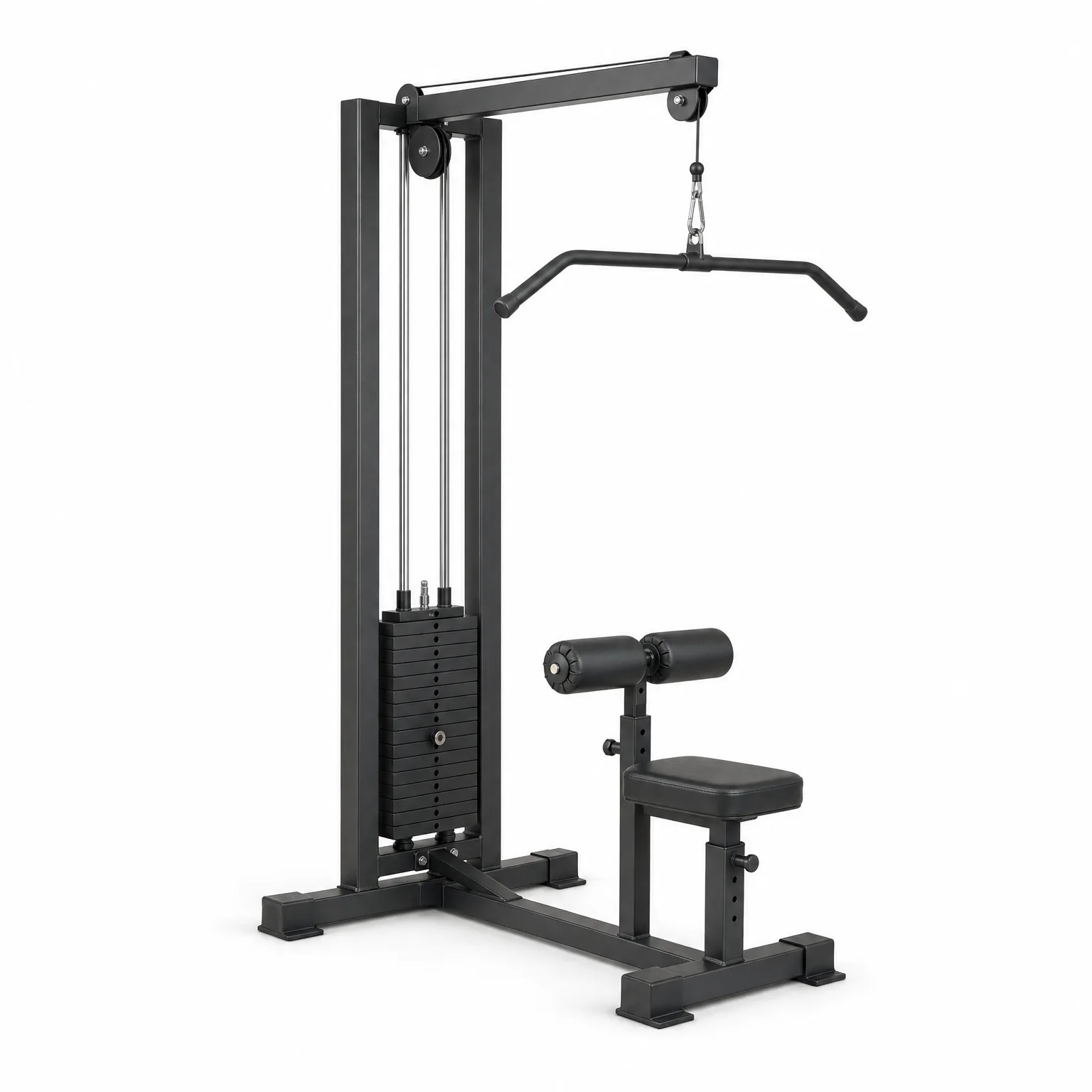
Lat pulldown machine
A seat with thigh pads under a high pulley and a wide bar. You pull the bar to your chest to train the lats and upper back. -
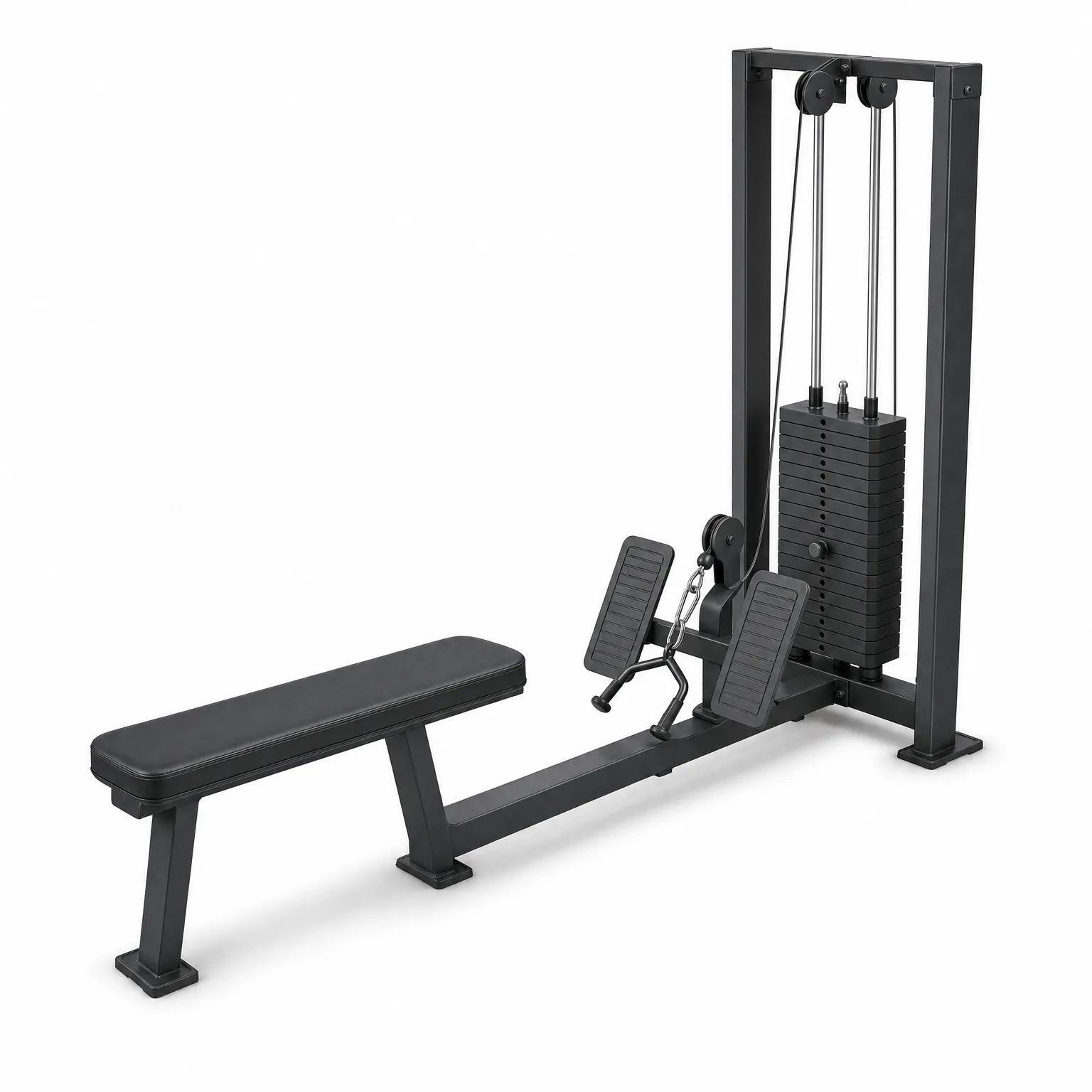
Seated row machine
A seat facing a low cable or a pair of lever arms. You pull the handles to your torso to train the mid back and lats. -
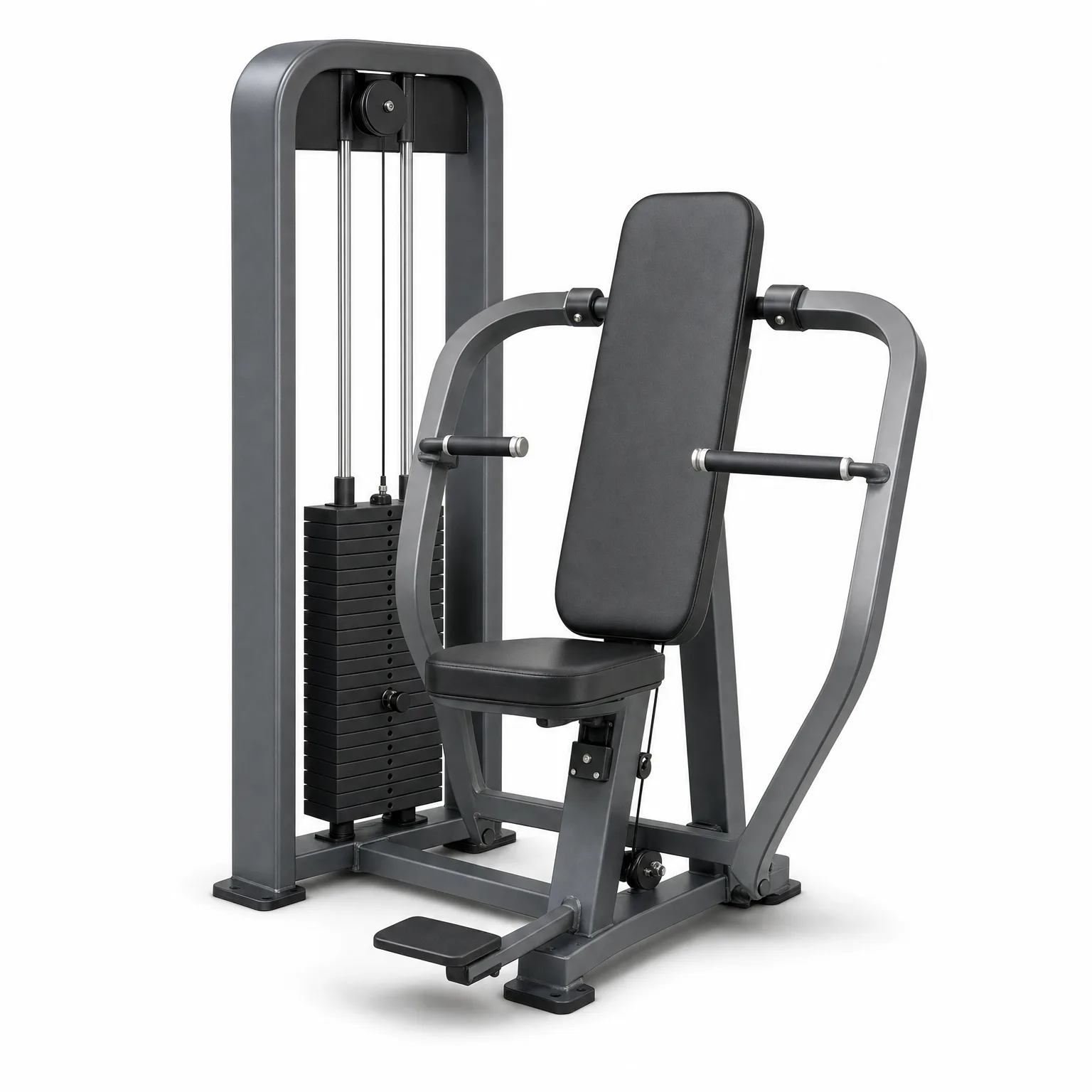
Chest press machine
A seat with handles you push forward against a weight stack or plates. It trains the chest, front shoulders and triceps. -
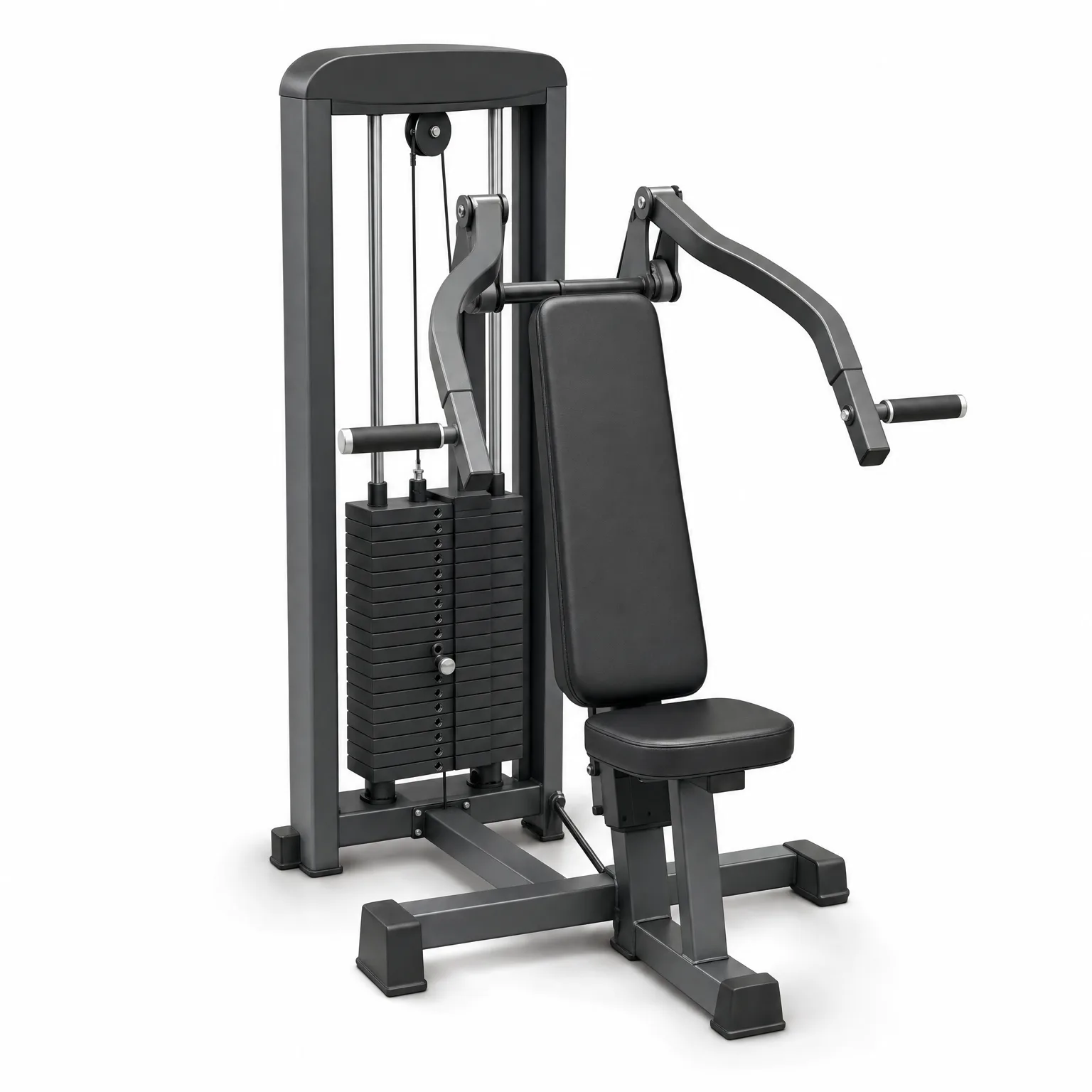
Shoulder press machine
A seat with handles you press overhead along a fixed path. It trains the front and side of the shoulders and the triceps. -
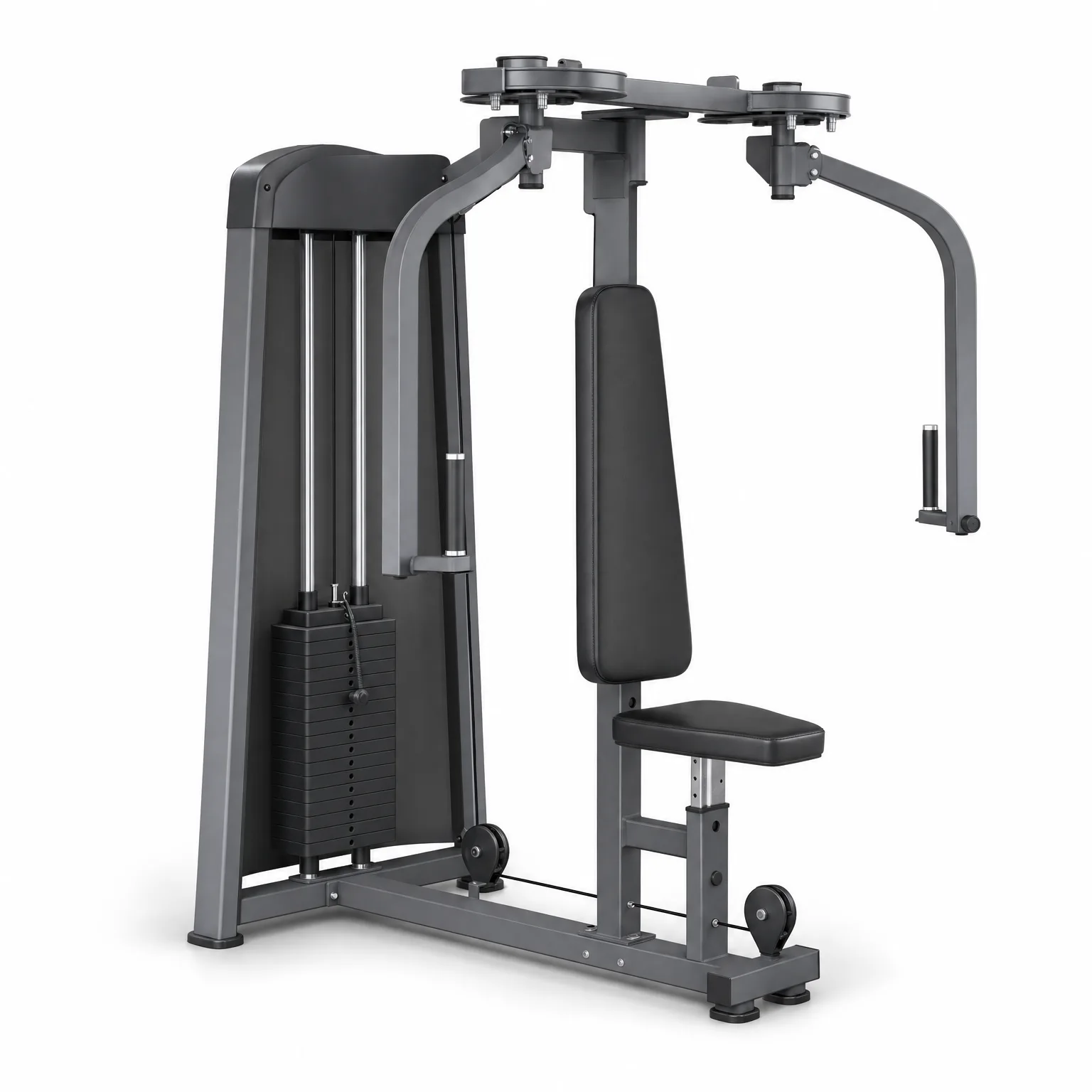
Pec deck machine
A seat with two arms that swing together in front of the chest. It isolates the chest, and facing the pad trains the rear delts. -
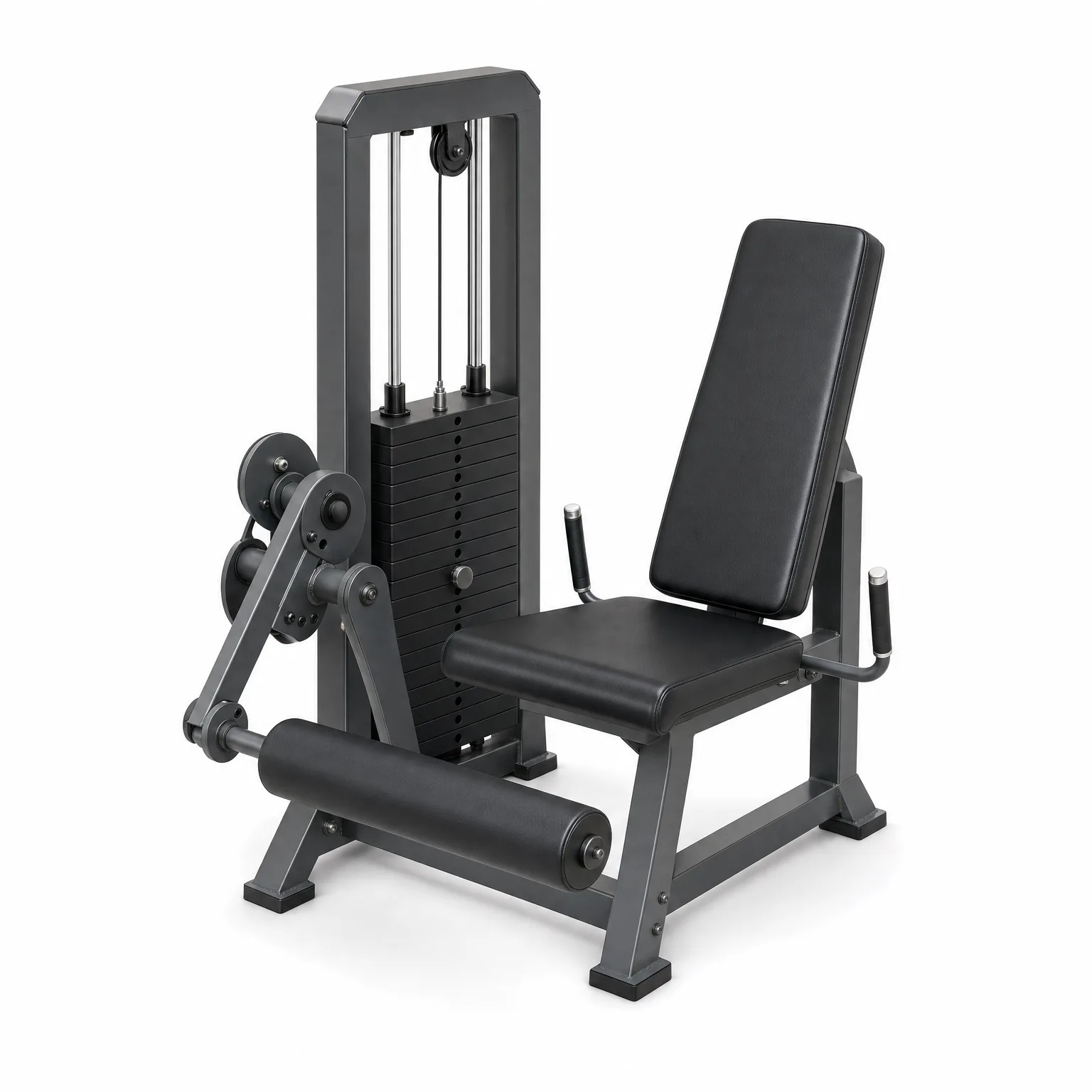
Leg extension machine
A seat with a padded roller in front of the shins. You straighten the knees against the load to isolate the quads. -
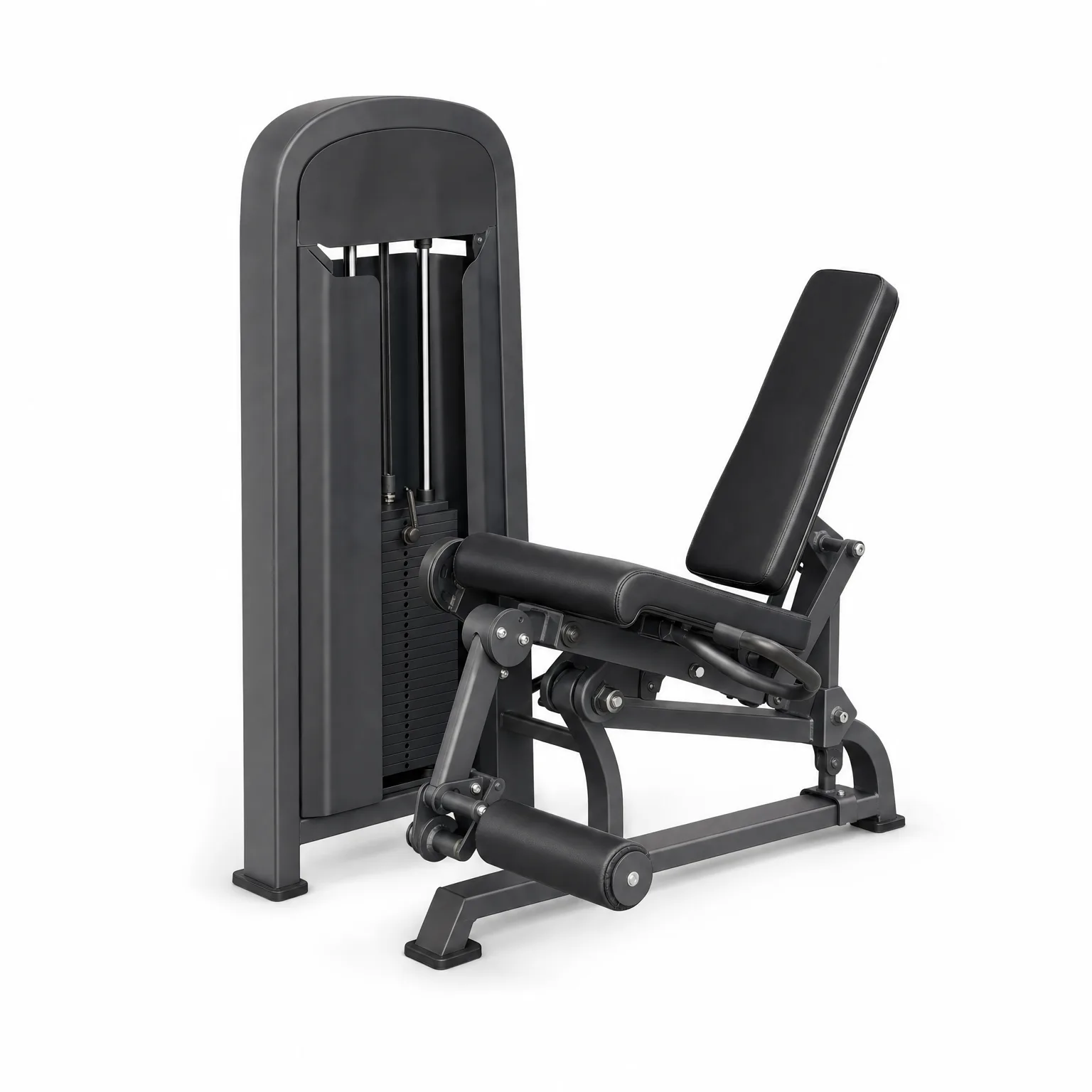
Leg curl machine
A machine with a padded roller behind the ankles. You bend the knees against the load to isolate the hamstrings. -
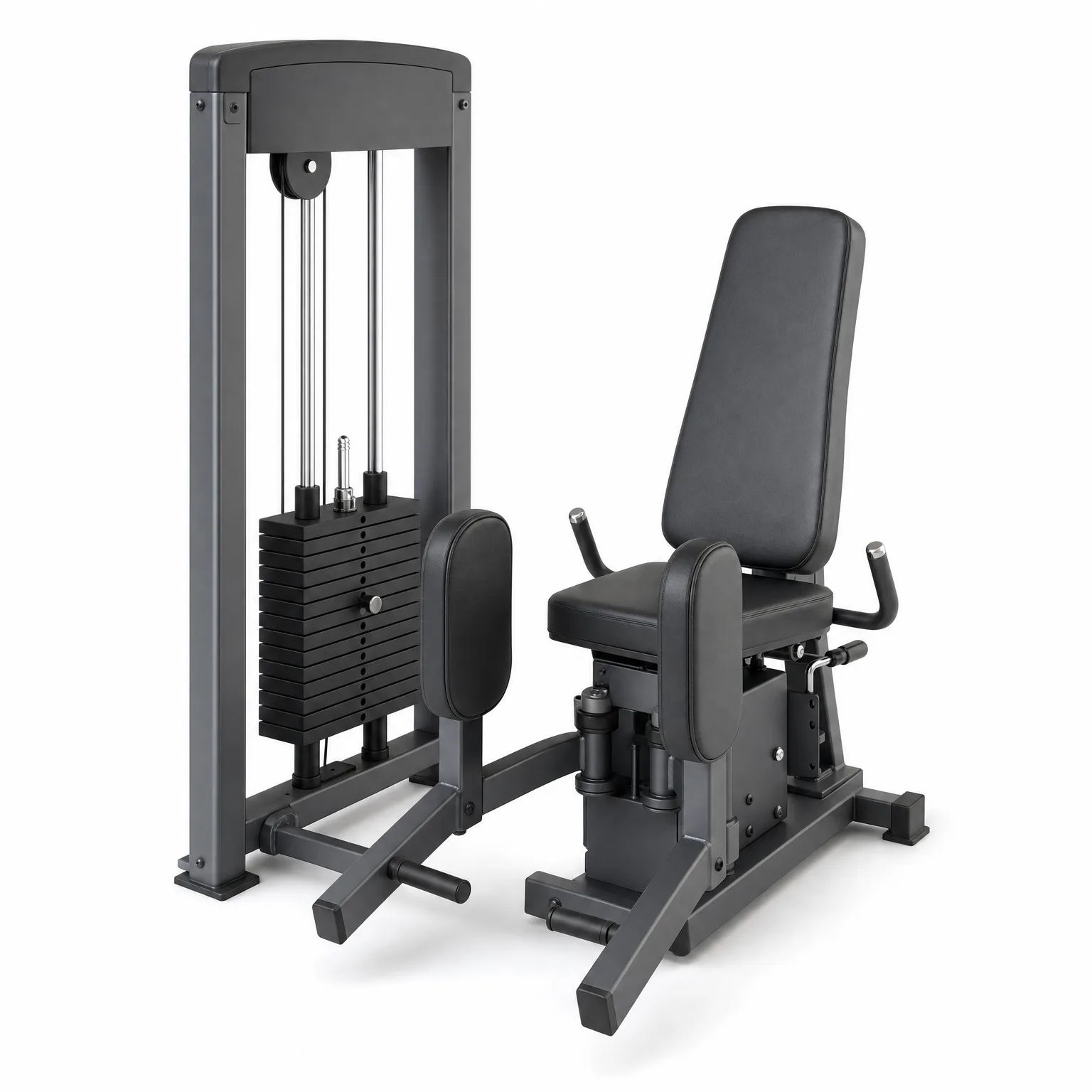
Hip abduction and adduction machine
A seat with two padded levers at the knees. Push the legs apart for the outer hips, squeeze them together for the inner thighs. -
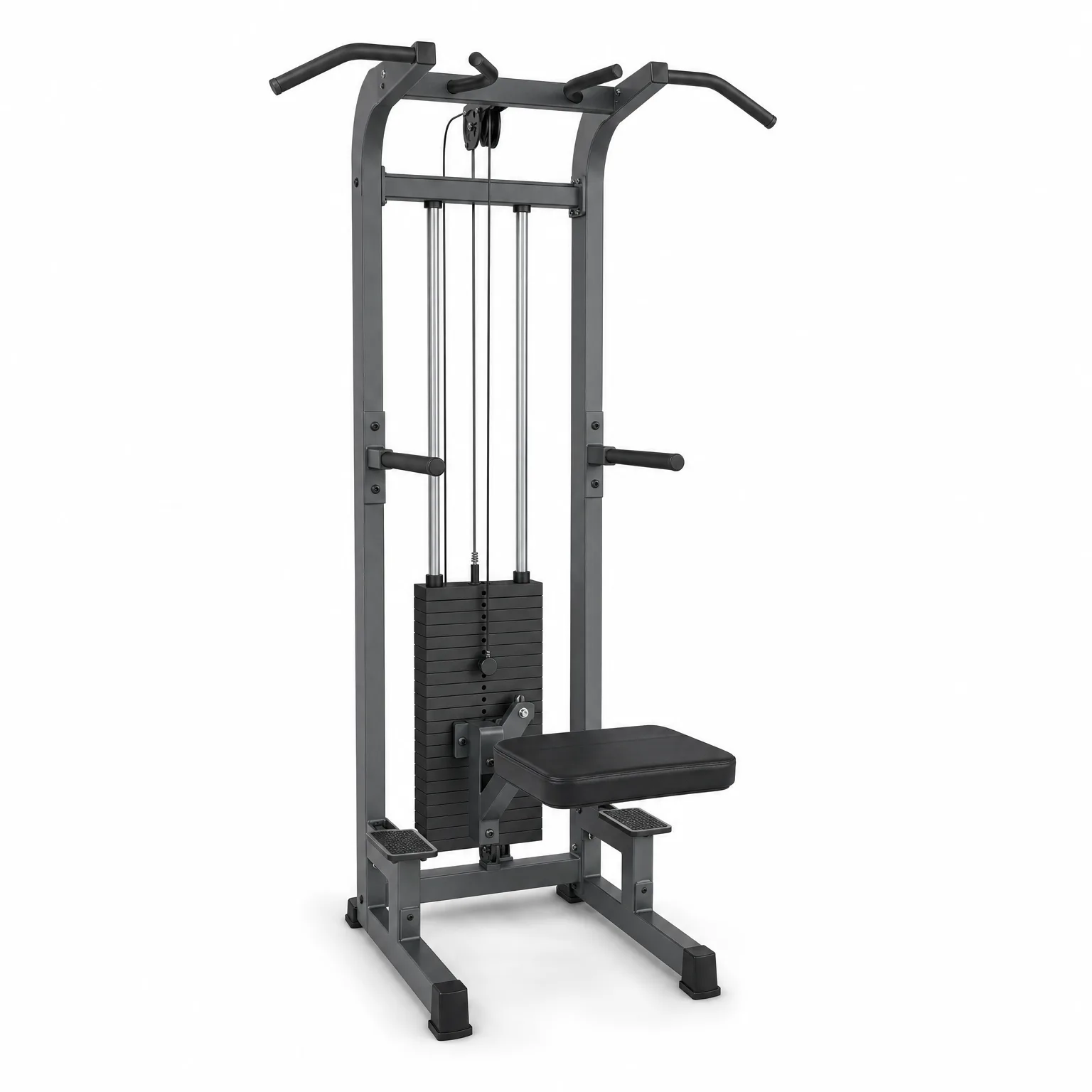
Assisted pull-up machine
A pull-up and dip station with a counterweighted pad that carries part of your body weight, so you can do full reps sooner. -
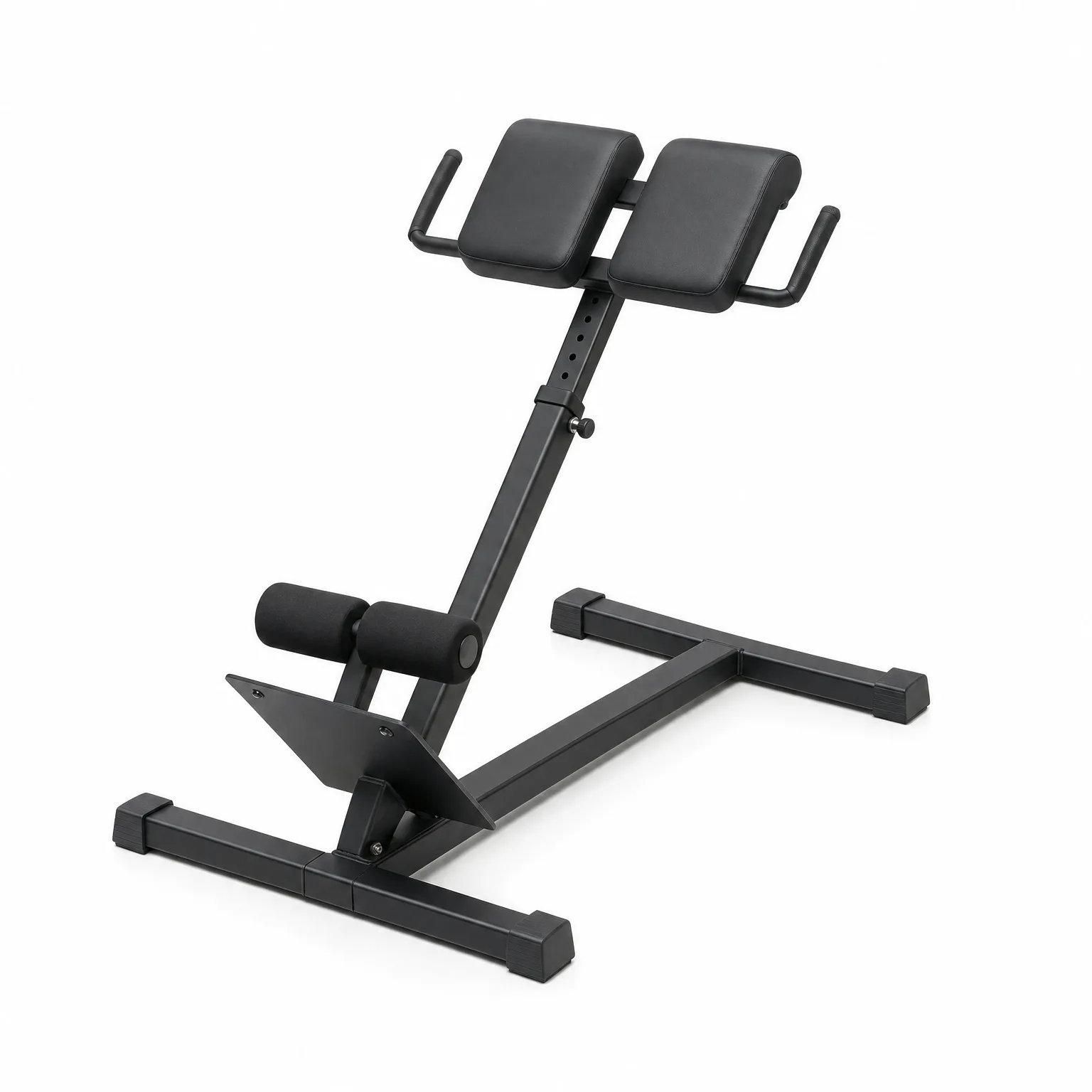
Back extension bench
A padded hip support with ankle rollers. You hinge forward and lift the torso to train the lower back, glutes and hamstrings. -
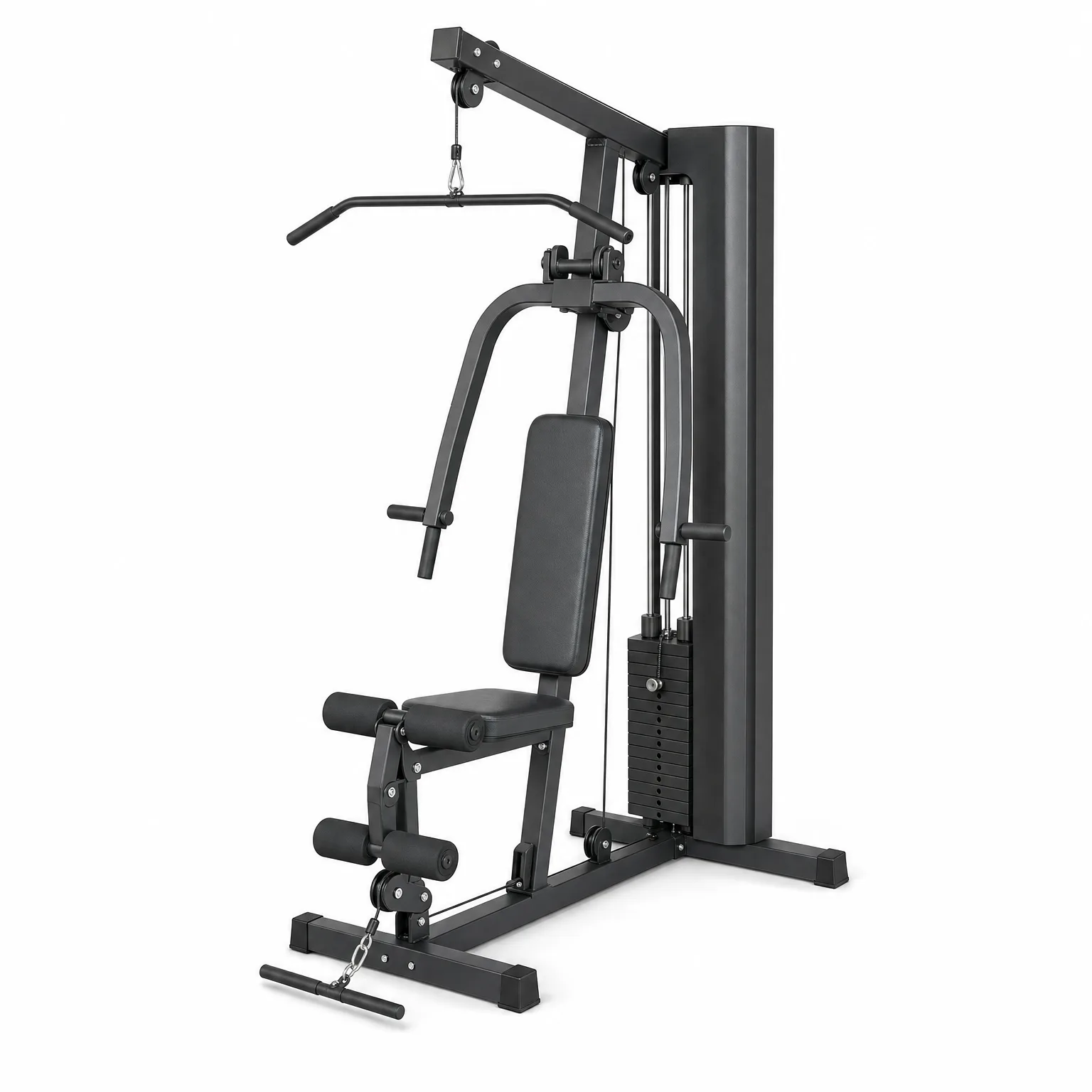
Multi-gym
One frame with a weight stack and several stations: press, pulldown, row, leg extension. A whole-body machine for the home. -
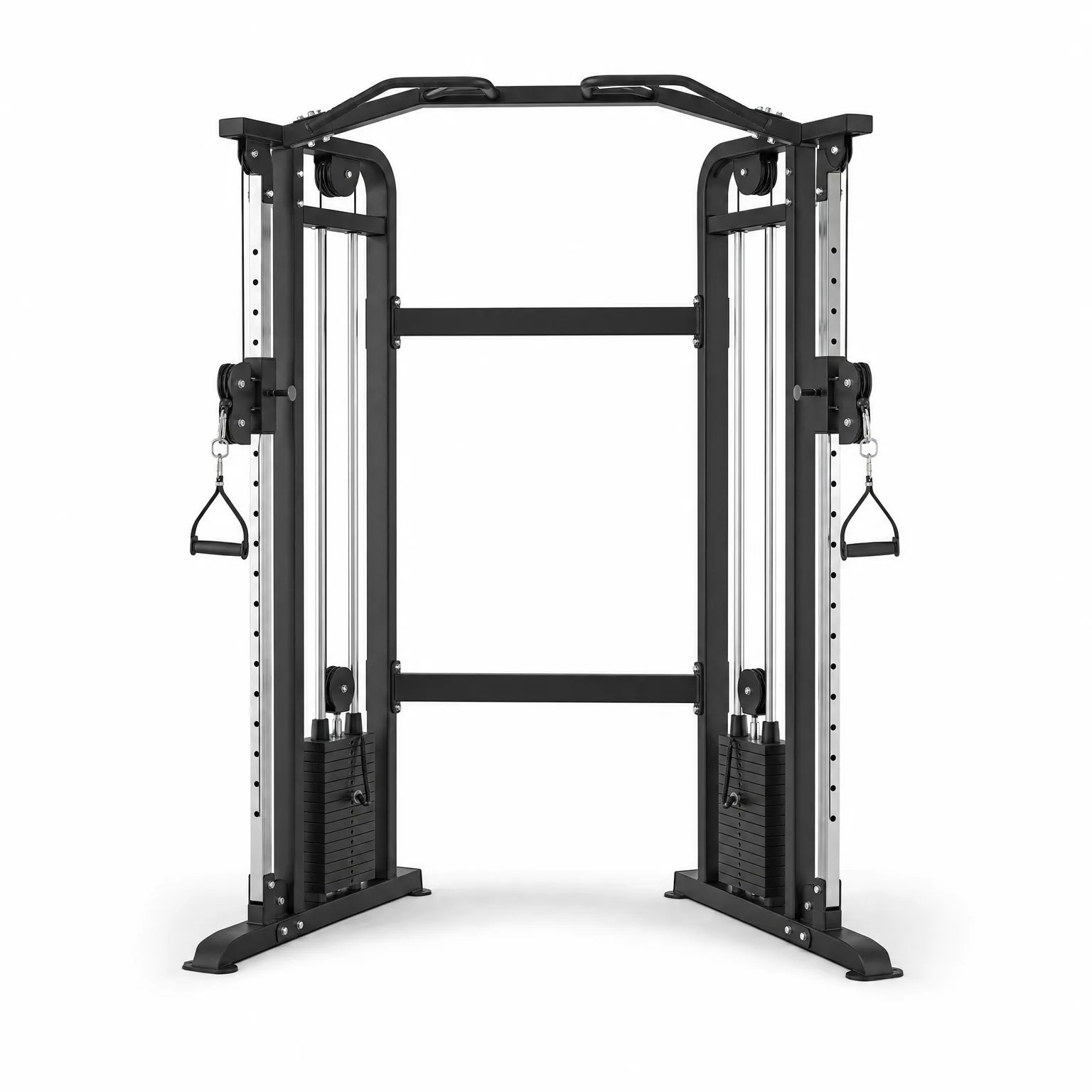
Functional trainer
Two adjustable cable columns in one frame, usually each with its own weight stack. Lets you train both sides at once from any height. -
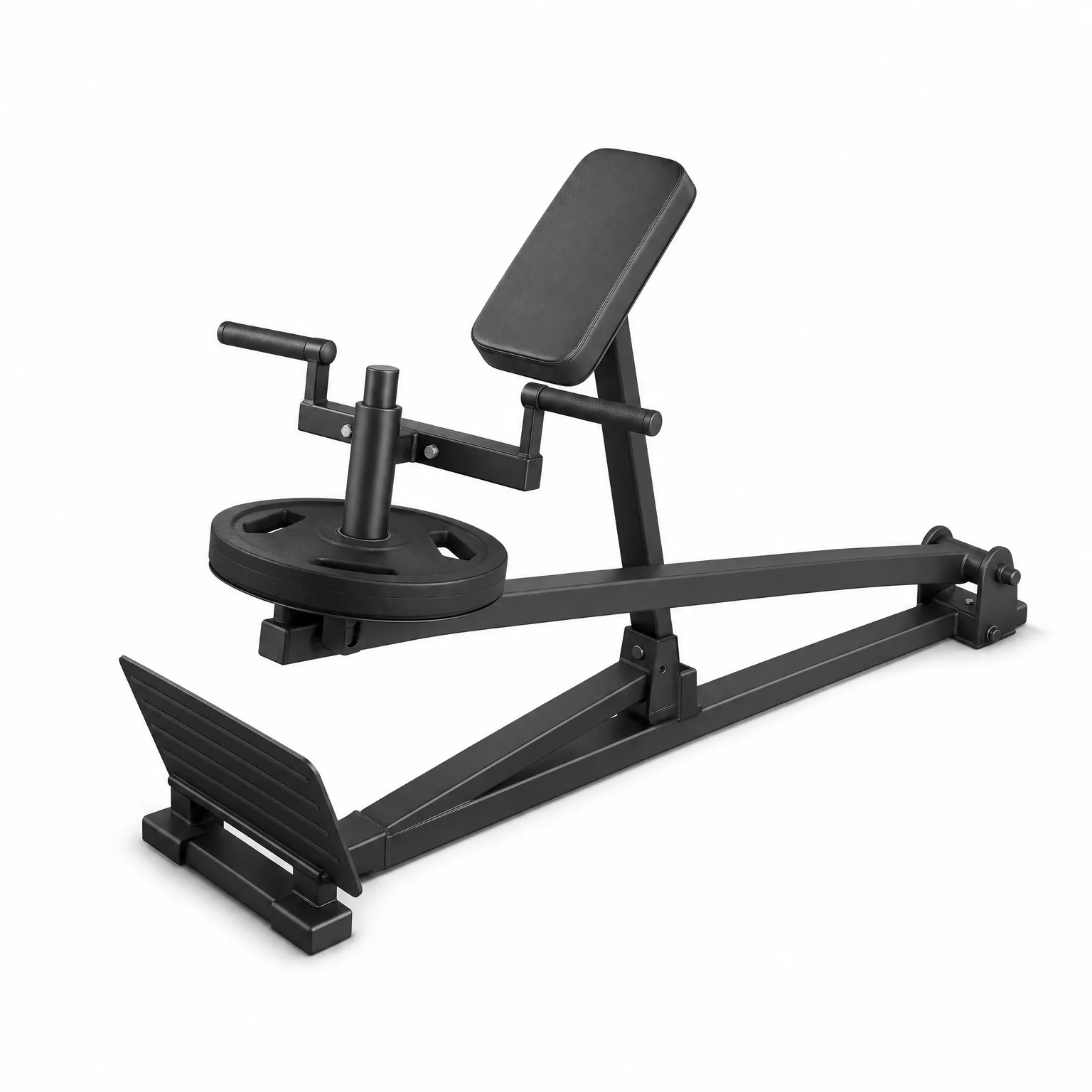
T-bar row
A plate-loaded lever arm you row toward your torso, standing or lying on a chest pad. Builds the lats, mid back and traps. -
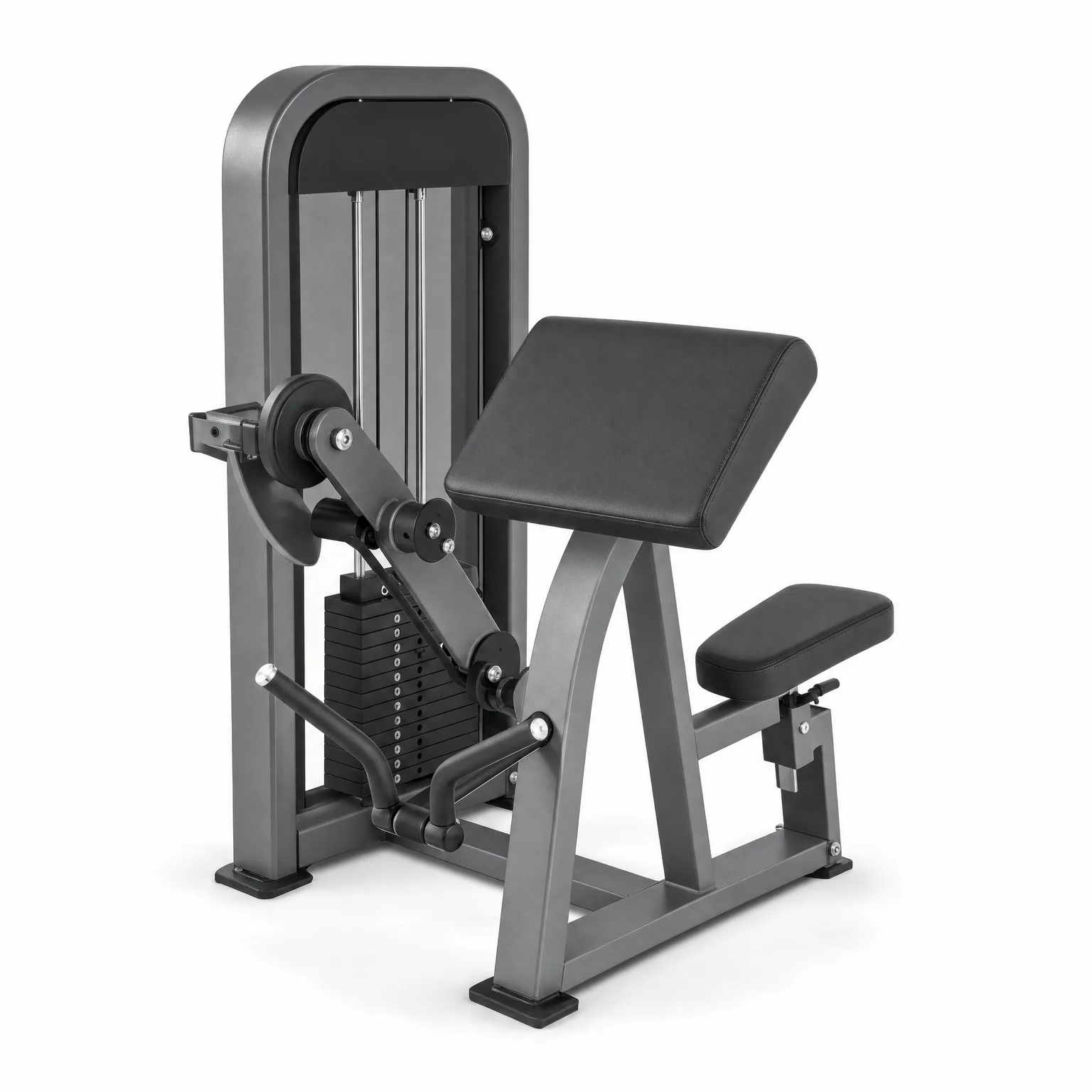
Biceps curl machine
A seated machine with an arm pad and handles that curl up in a fixed arc. It isolates the biceps and stops the body from swinging. -
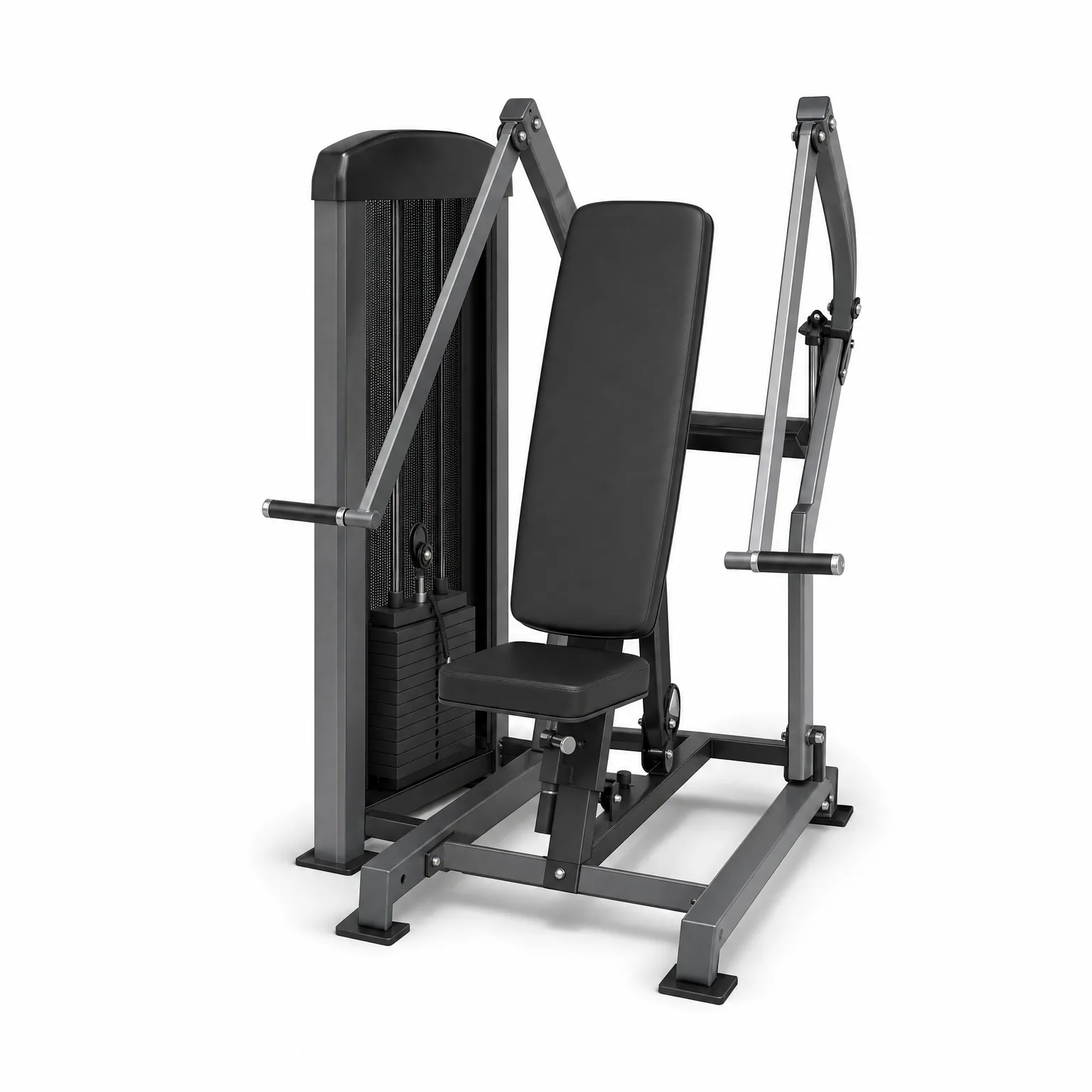
Triceps machine
A seated machine for the back of the arm. One type presses handles down like a dip, the other straightens the elbows over a pad. -
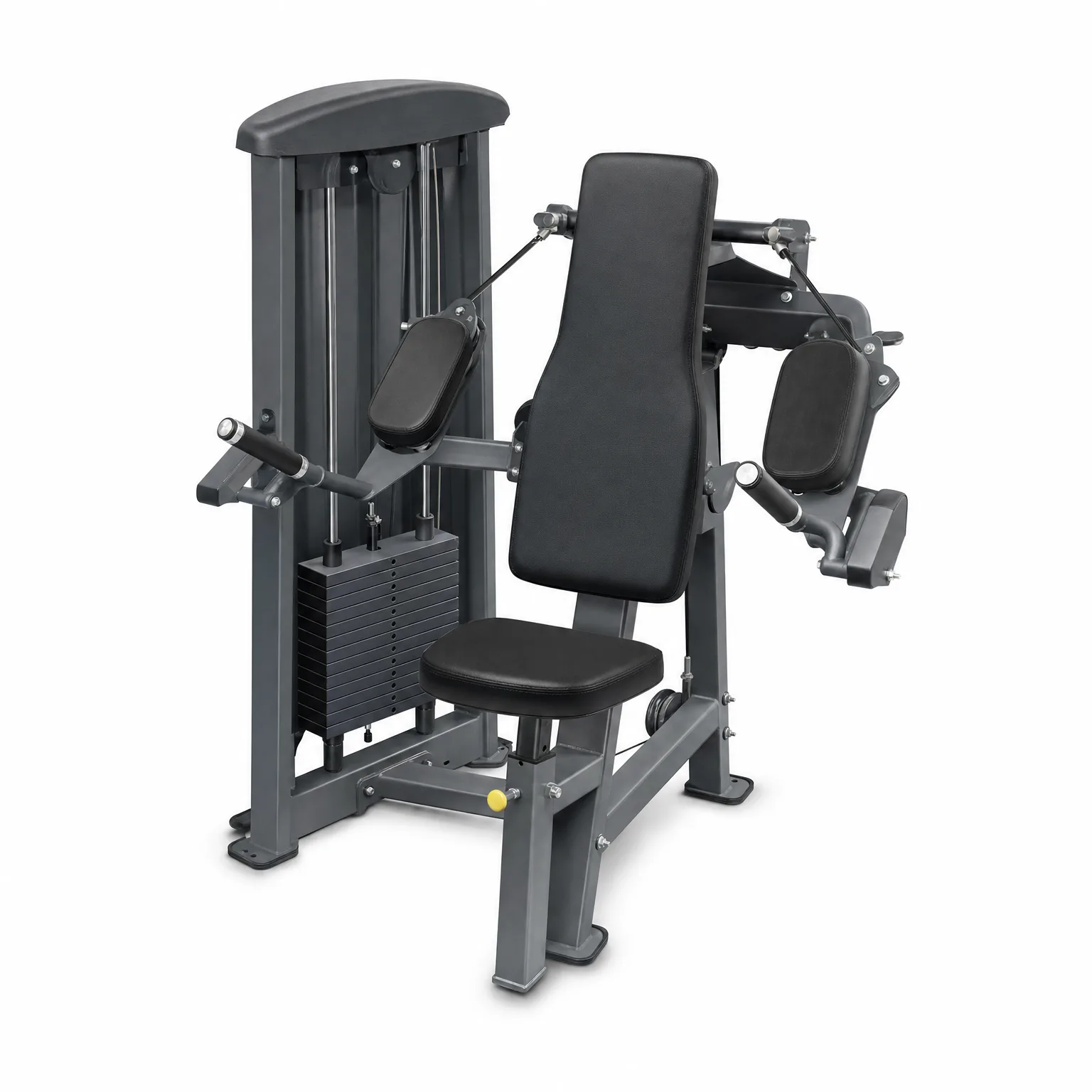
Lateral raise machine
A seated machine with arm pads you lift out to the sides. It targets the side delts and keeps the load even through the whole raise. -
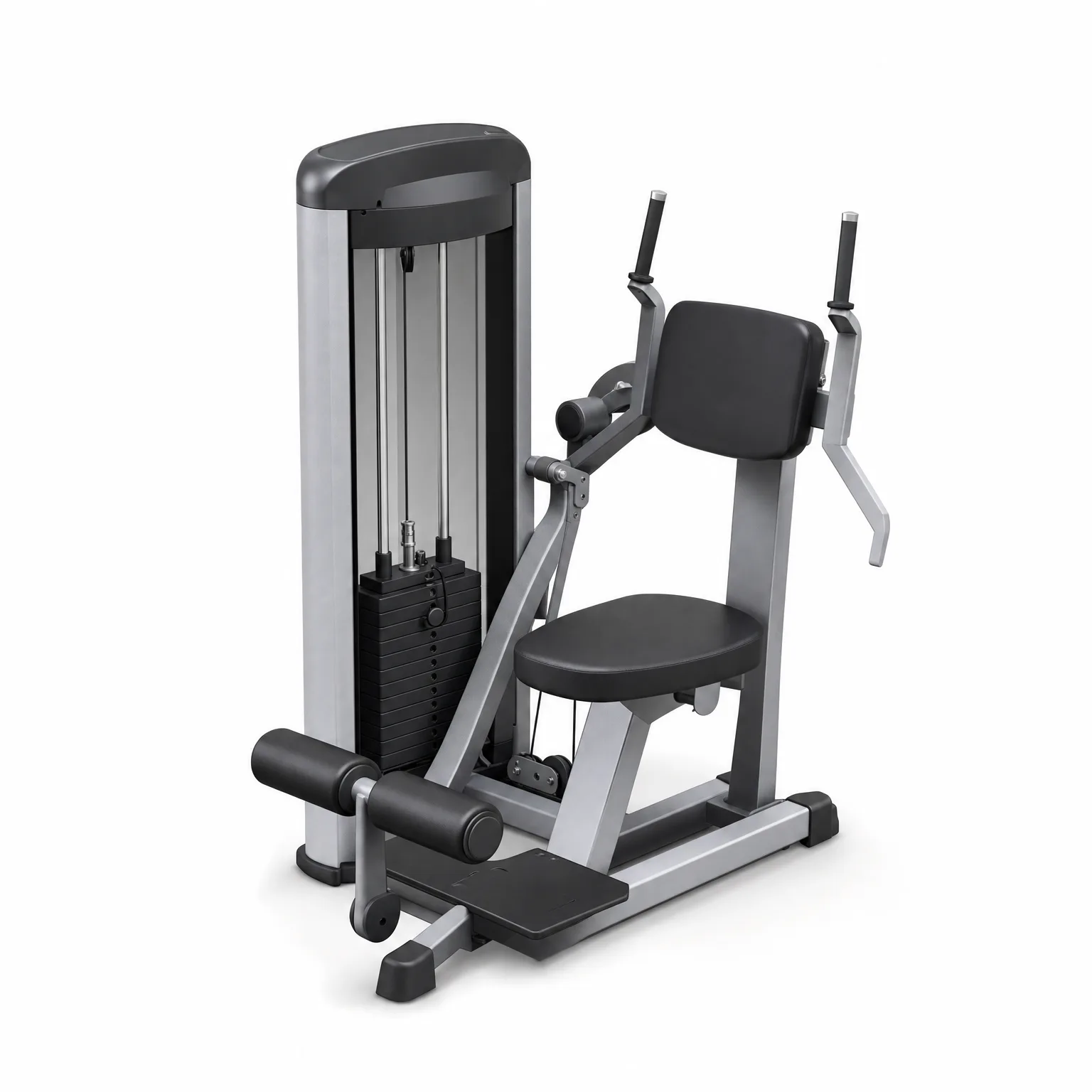
Ab crunch machine
A seated machine that adds adjustable weight to the crunch. You curl the ribs toward the hips against a pad or handles. -
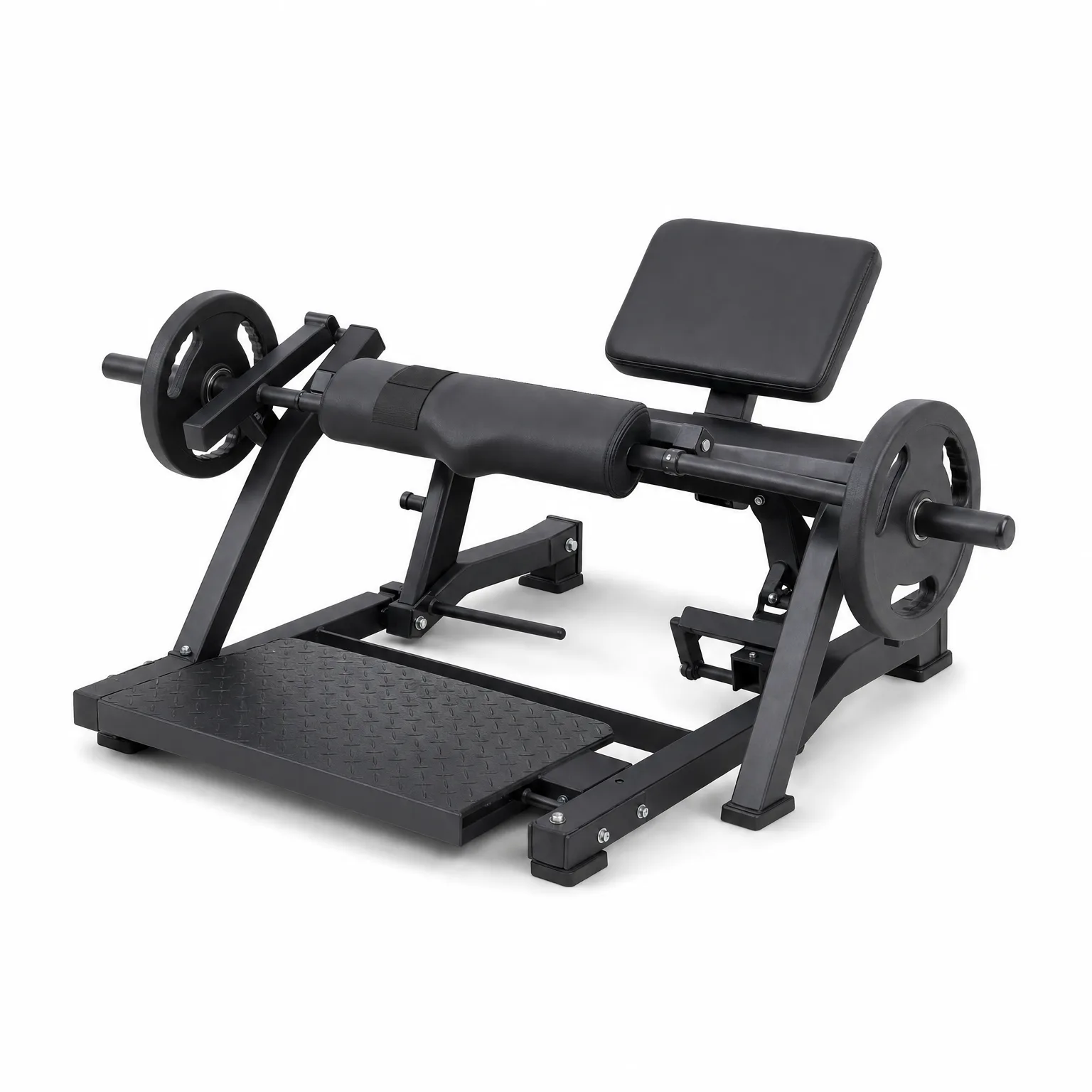
Hip thrust machine
A machine with a back pad, a footplate and a padded belt or bar across the hips. It loads the hip thrust without a barbell setup. -
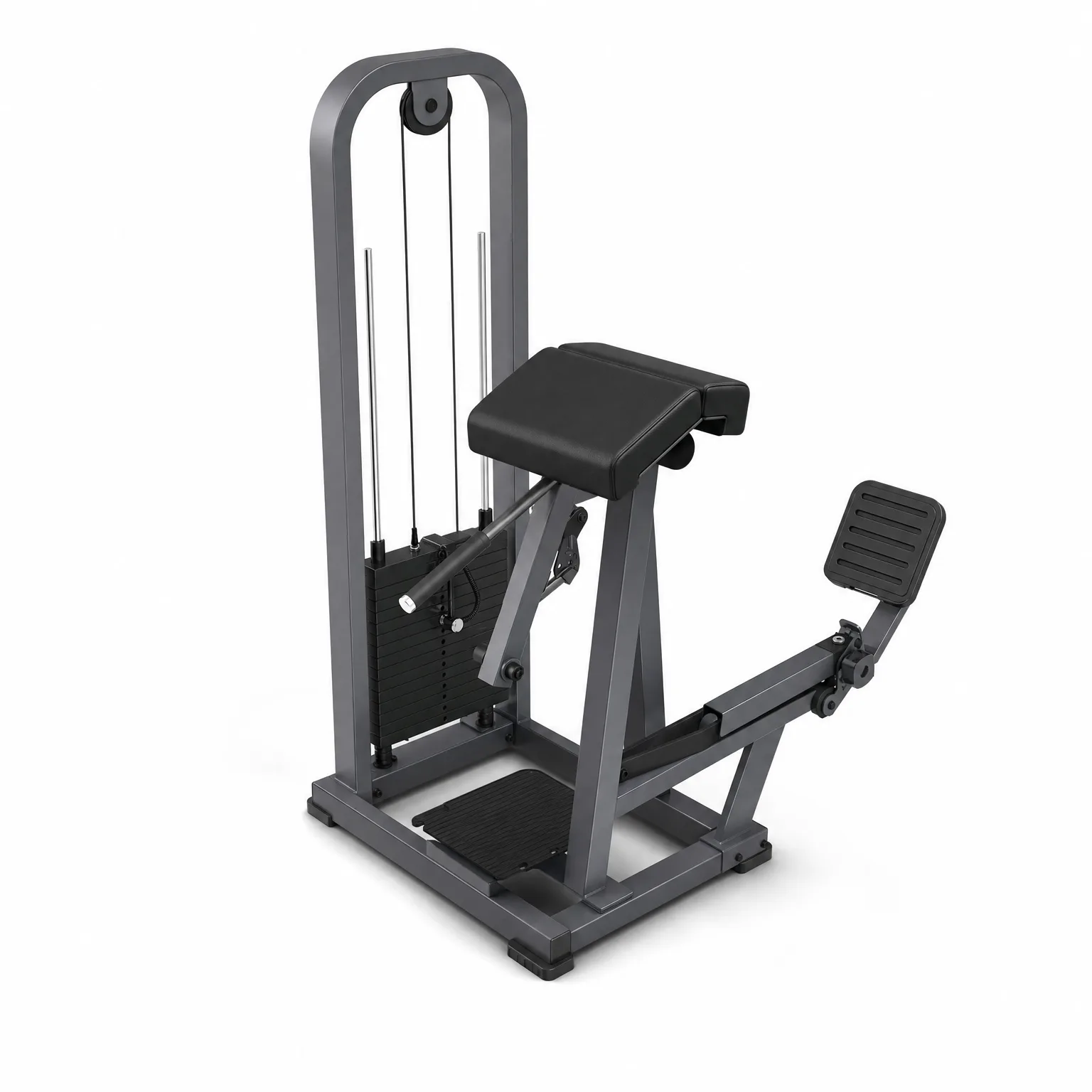
Glute kickback machine
A machine where you push a footplate or pad back with one leg while the torso rests on a support. It trains one glute at a time. -
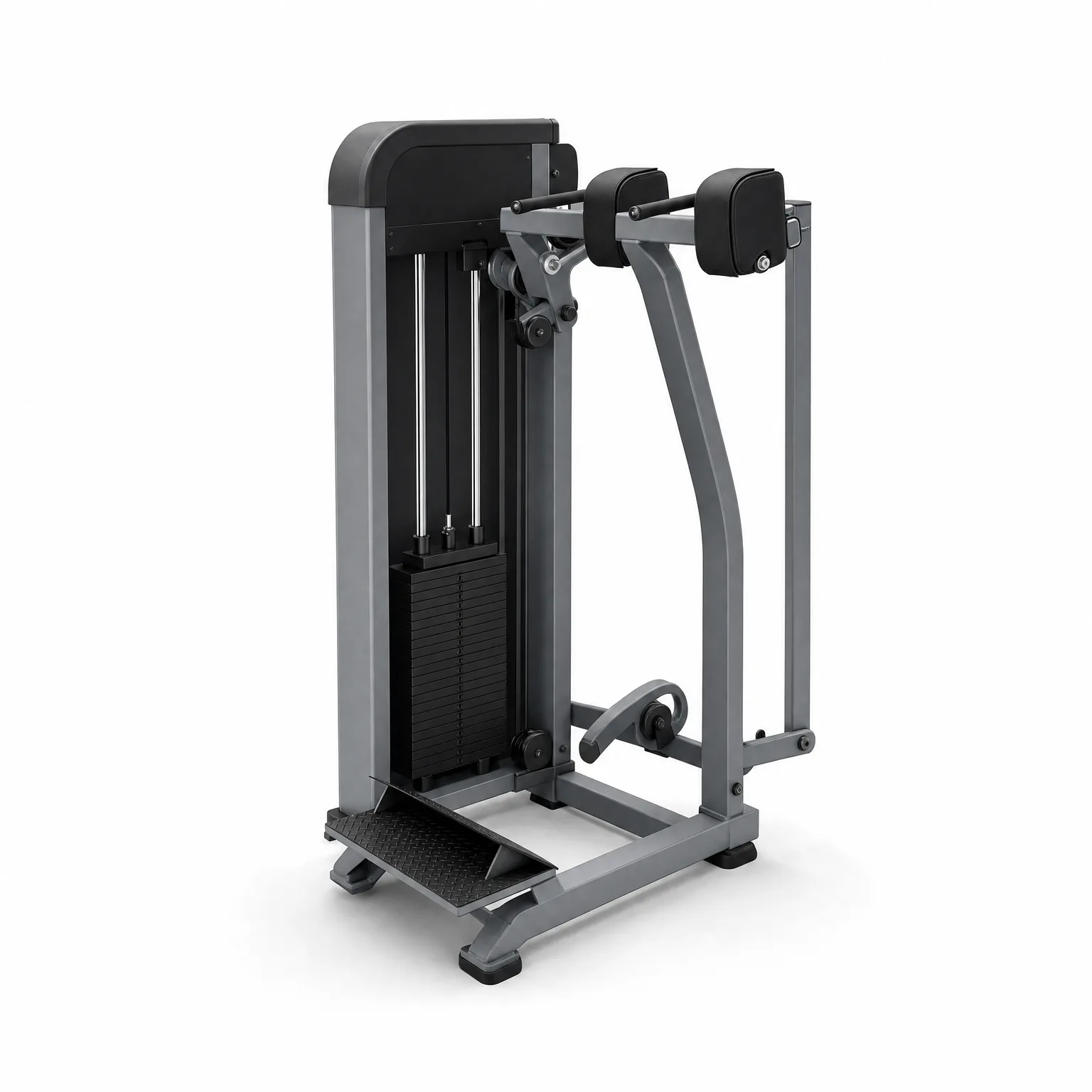
Calf raise machine
A machine that loads the shoulders or knees while you rise onto the balls of the feet on a raised step. Standing and seated types.
Cardio
Machines and simple tools for steady work and intervals.
-
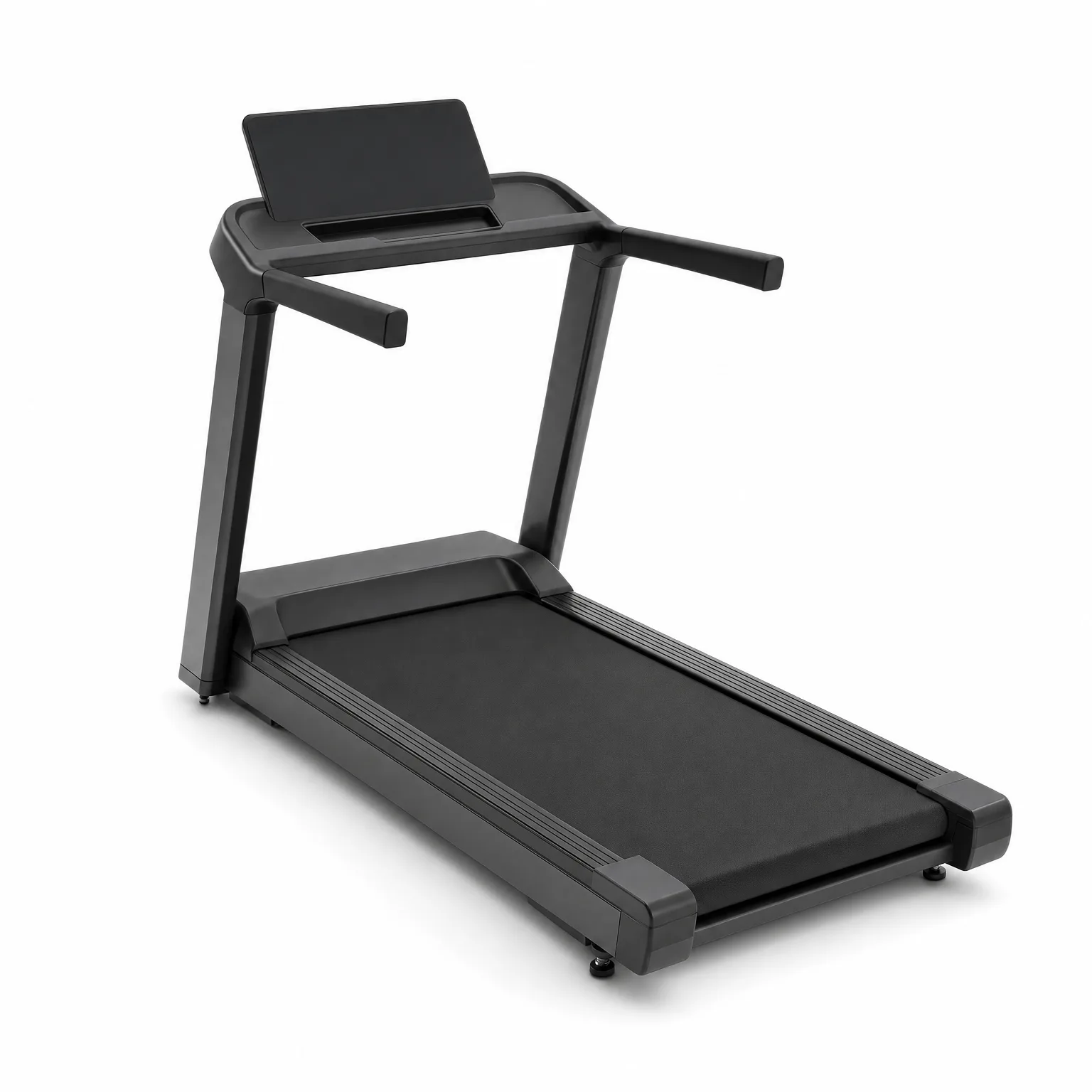
Treadmill
A moving belt for walking and running indoors. You set the speed and incline, so the pace stays exactly where you put it. -
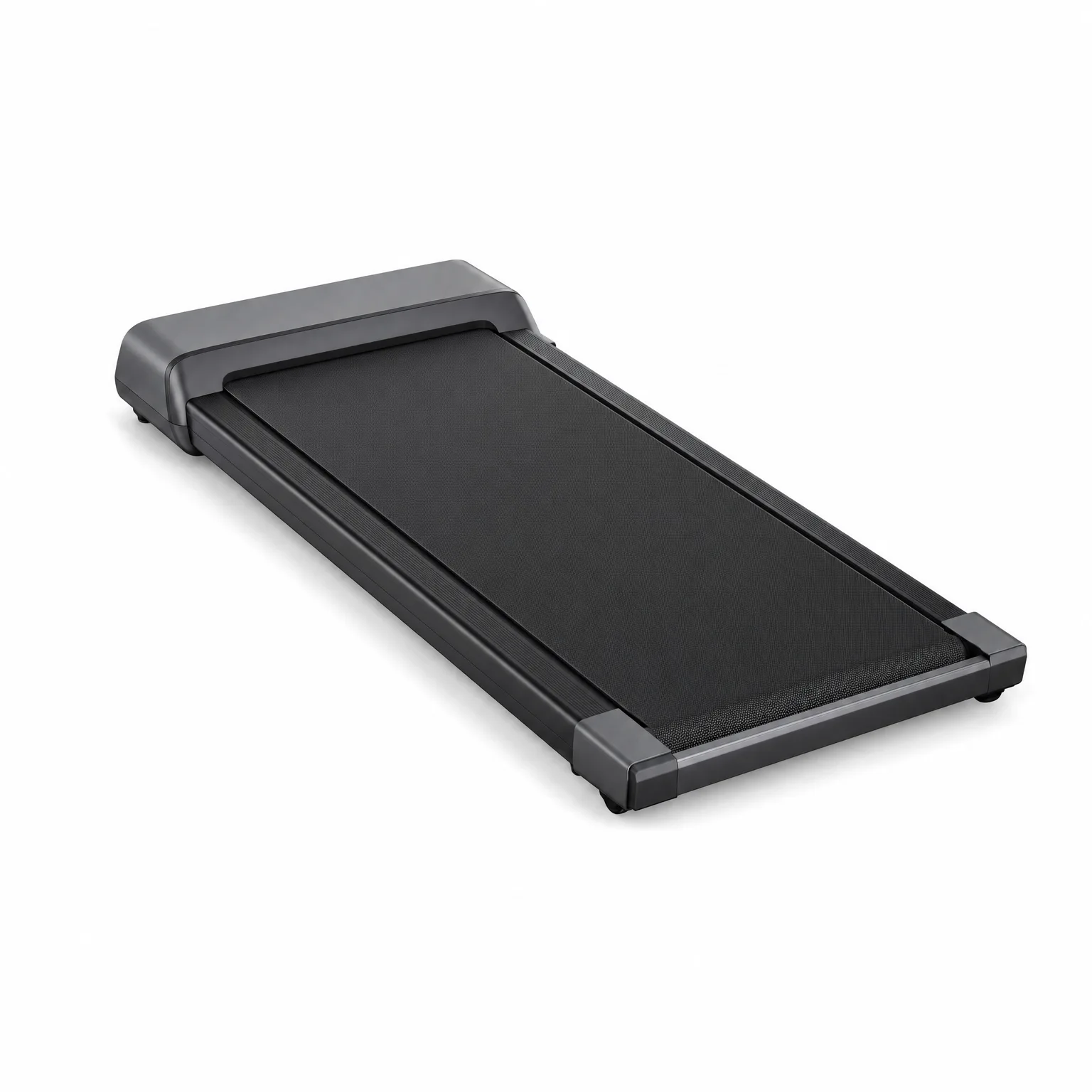
Walking pad
A flat, low-speed treadmill without a console or tall handrails. It slides under a standing desk or a sofa and is built for walking. -
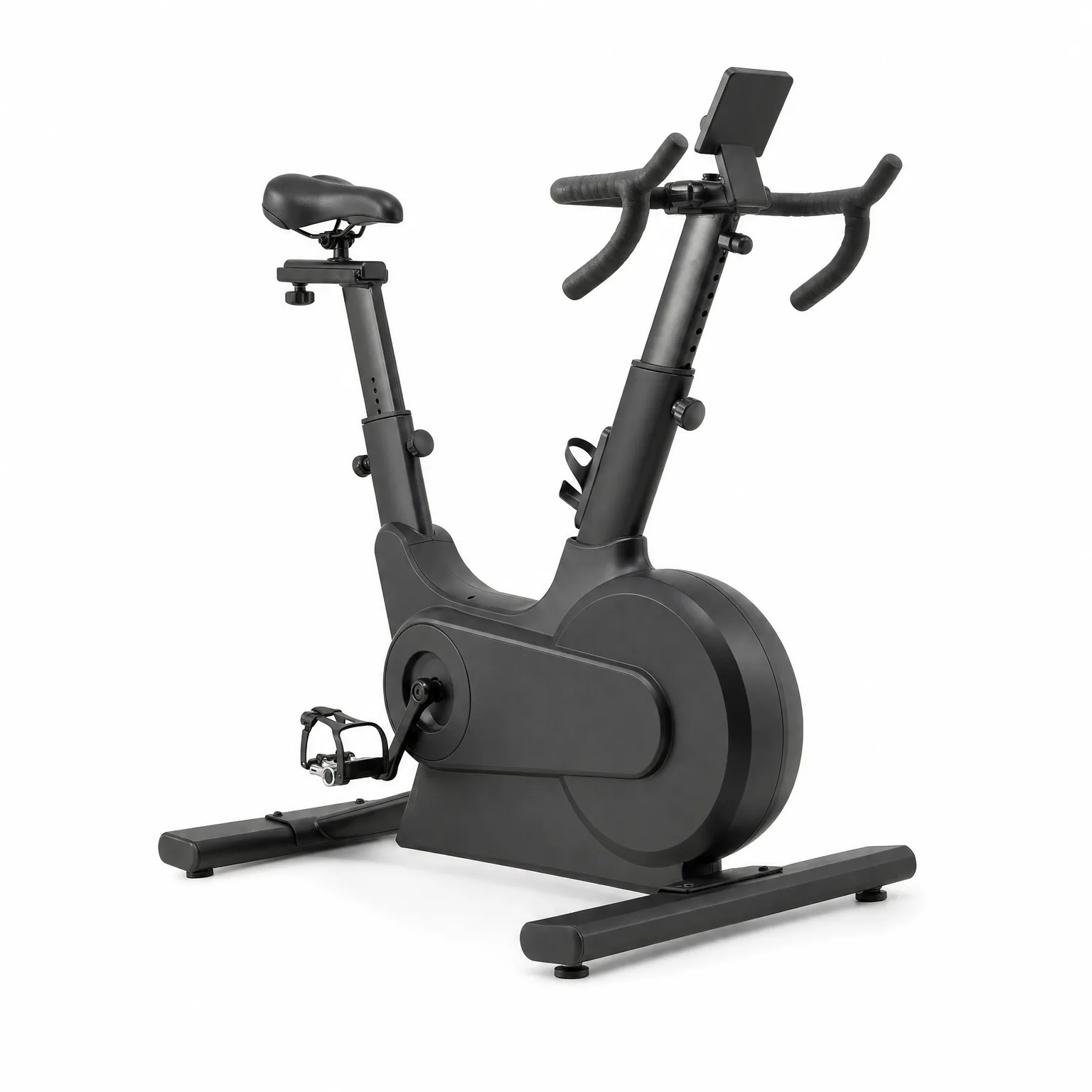
Indoor cycling bike
A stationary bike with a weighted flywheel, a narrow saddle and a road-bike position. Built for hard intervals and riding out of the saddle. -
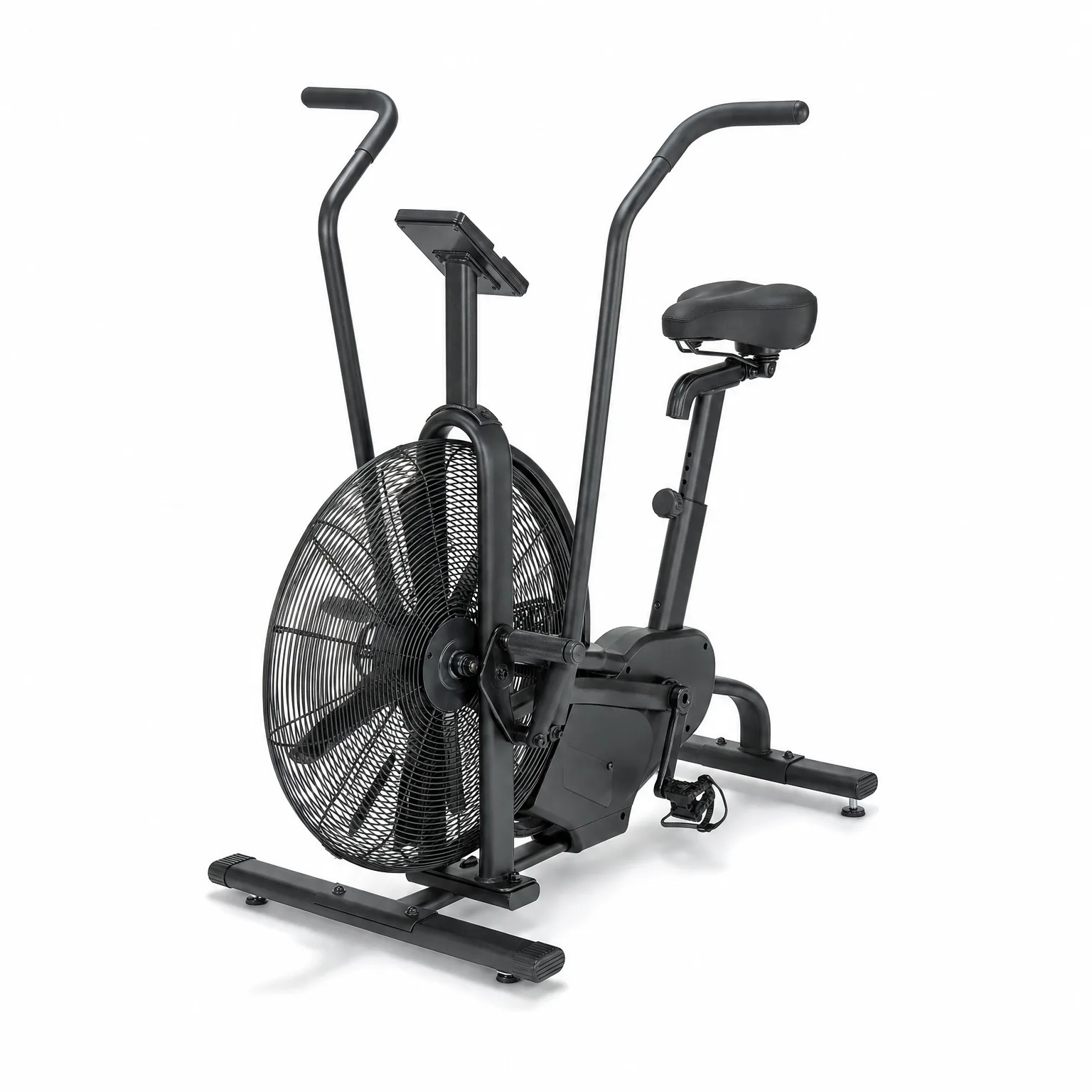
Air bike
A stationary bike with a large fan and moving handles. Arms and legs work together, and the harder you push, the harder it gets. -
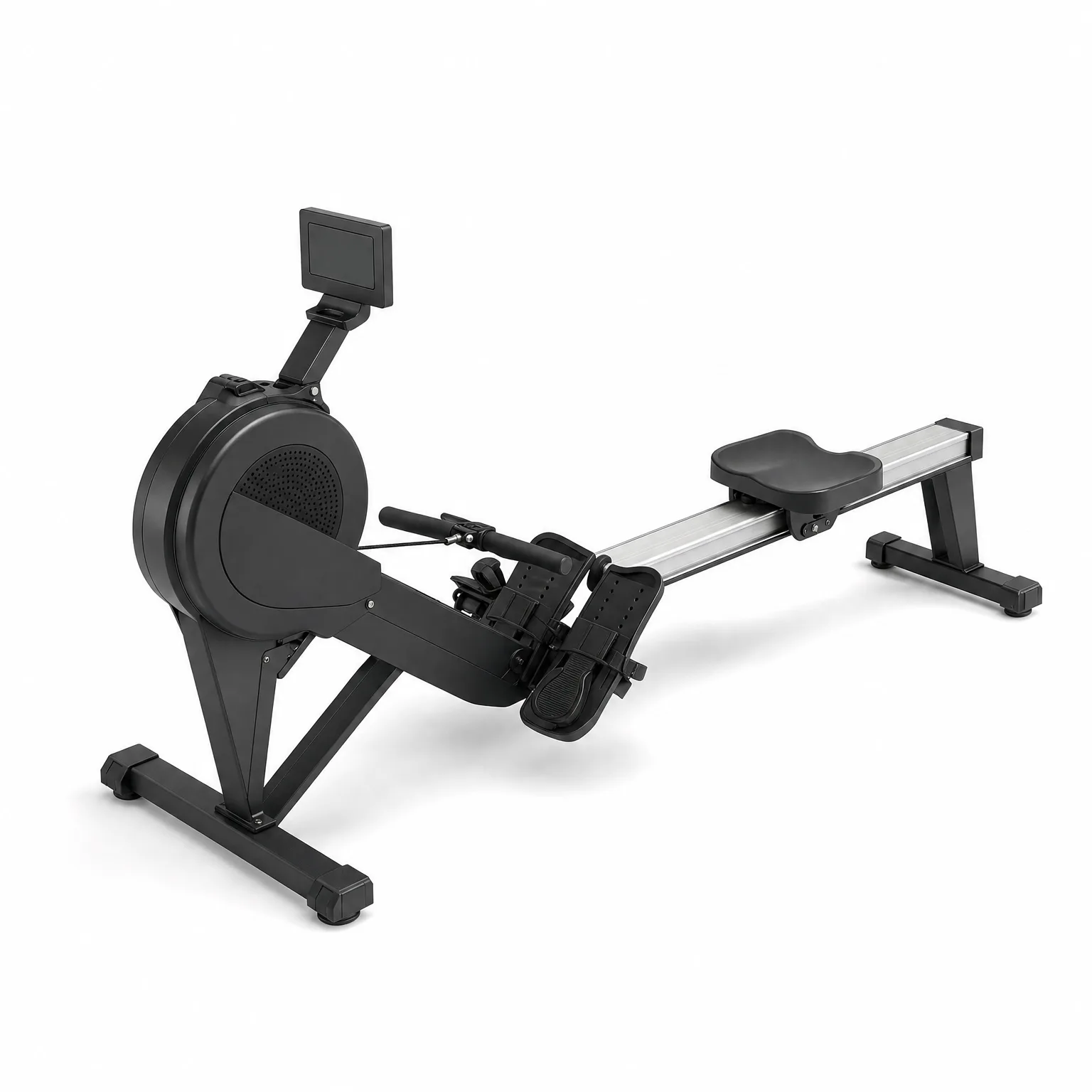
Rowing machine
A sliding seat, a handle and a resistance unit that imitate rowing a boat. Each stroke works the legs, back and arms in one movement. -
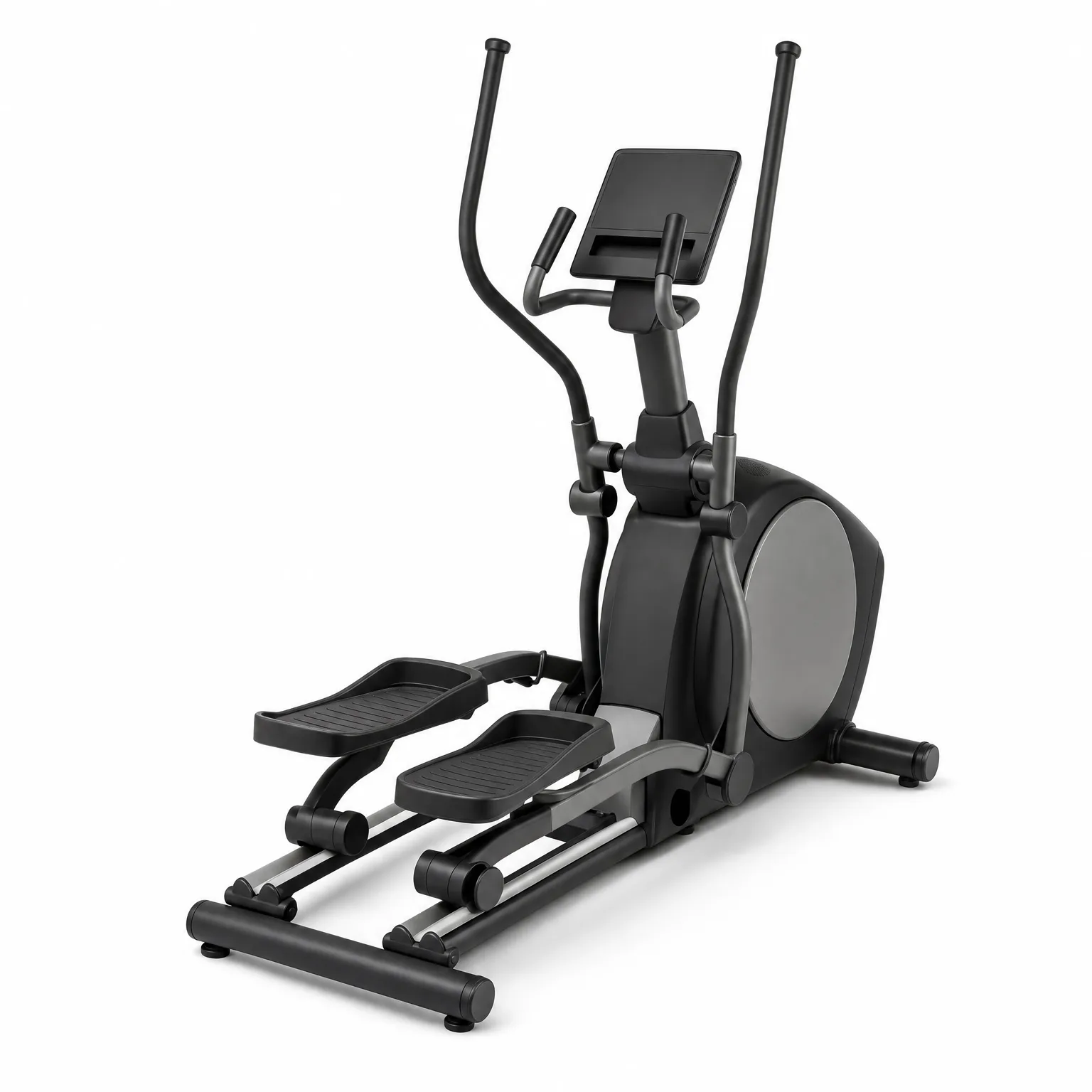
Elliptical
A standing cardio machine with two pedals that travel in an oval path and handles that move with them. Your feet never leave the pedals. -
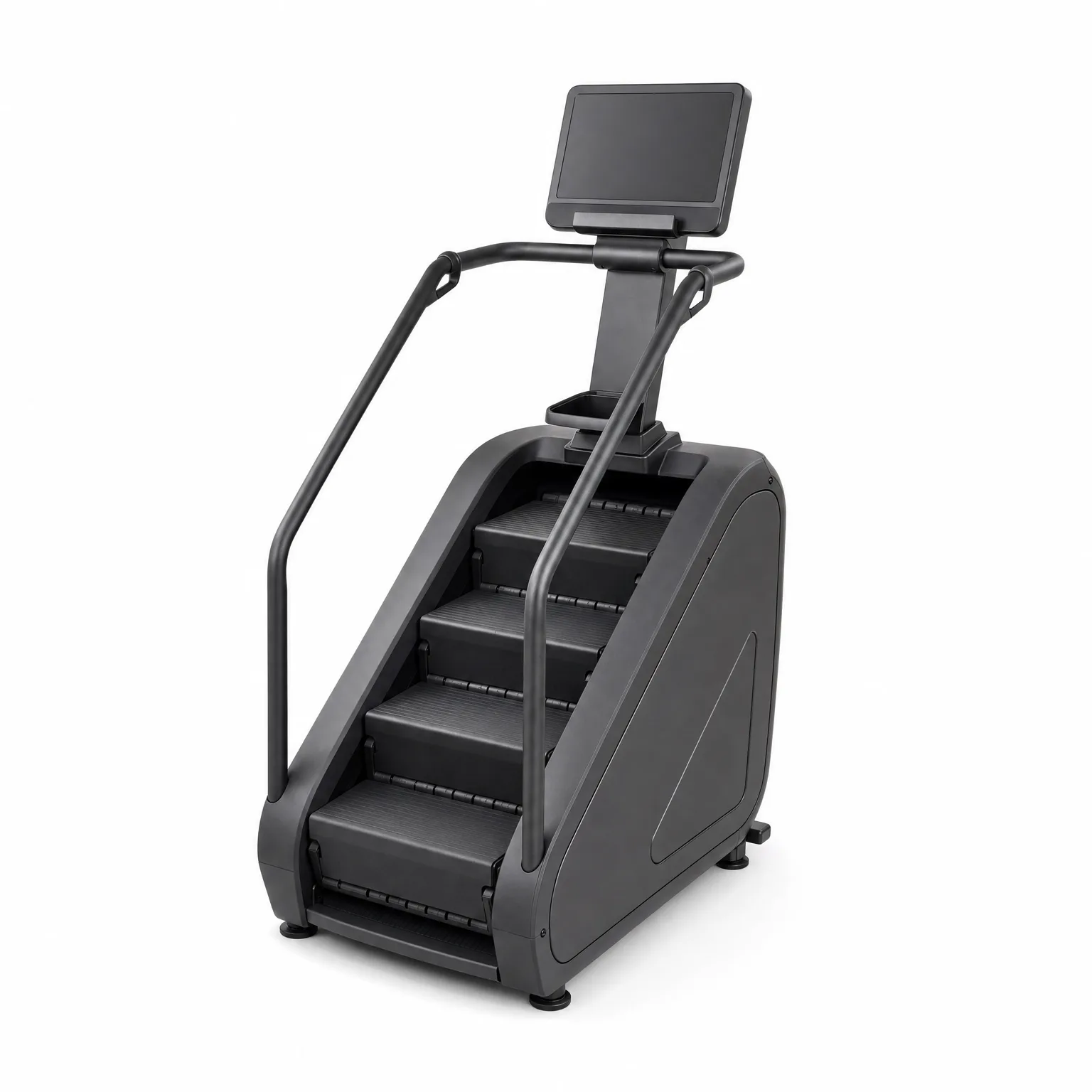
Stair climber
A gym machine that imitates climbing stairs, either with a revolving staircase or with two pedals. It works the glutes, quads and calves. -
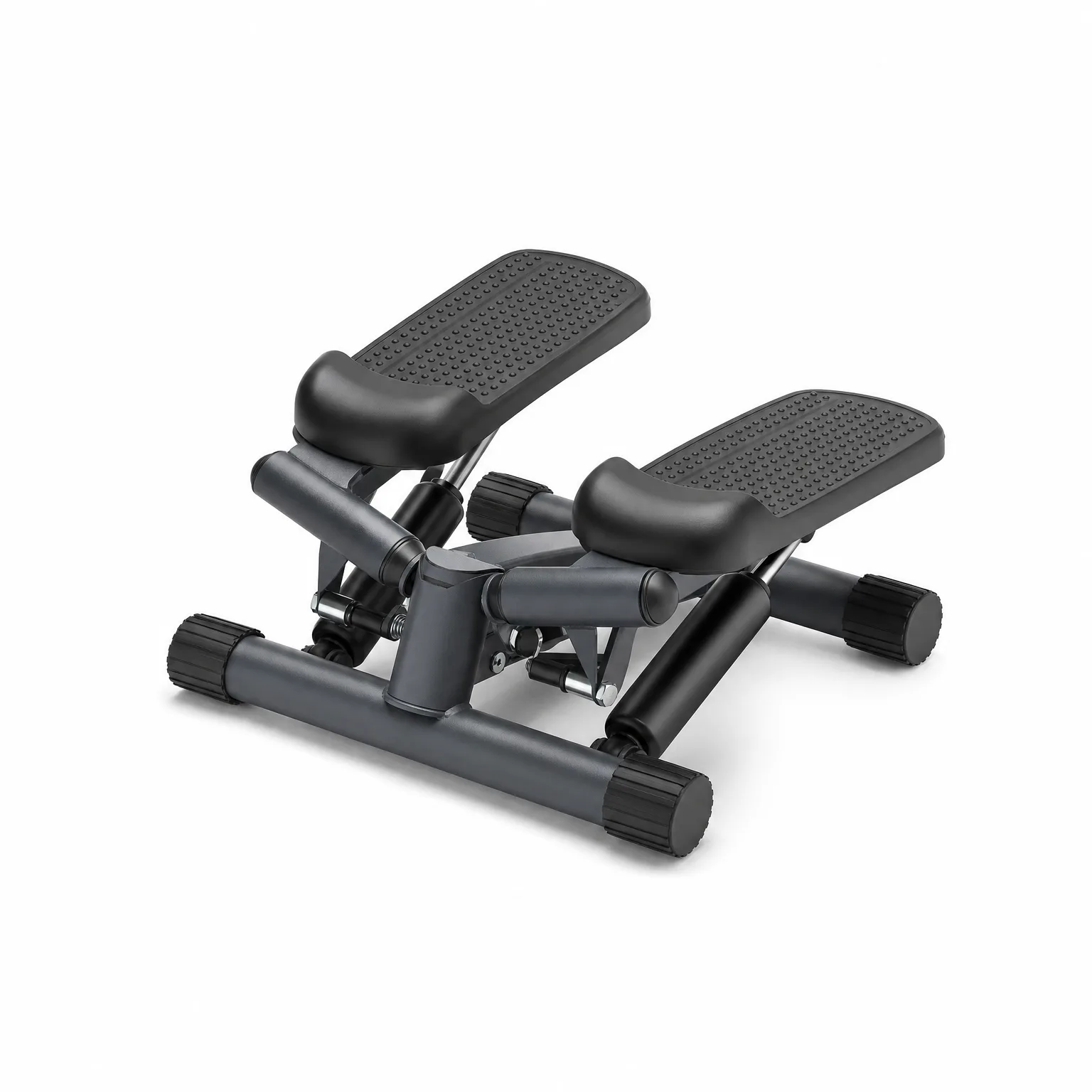
Mini stepper
A small home machine with two pedals on hydraulic cylinders. You step in place to train the legs and raise the heart rate. -
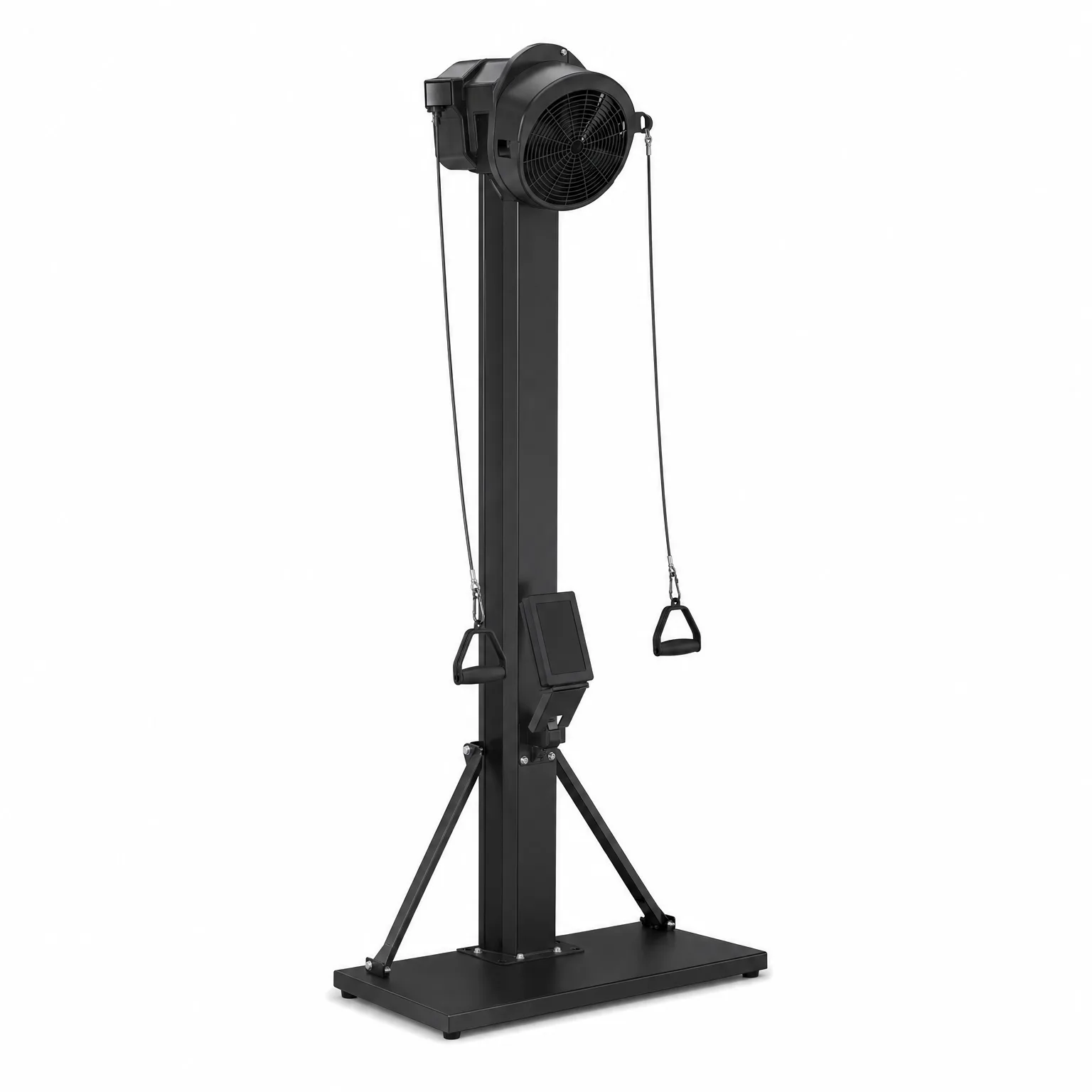
Ski machine
An upright air-resistance machine with two handles on cords. You pull them down in a double-pole motion, as in cross-country skiing. -
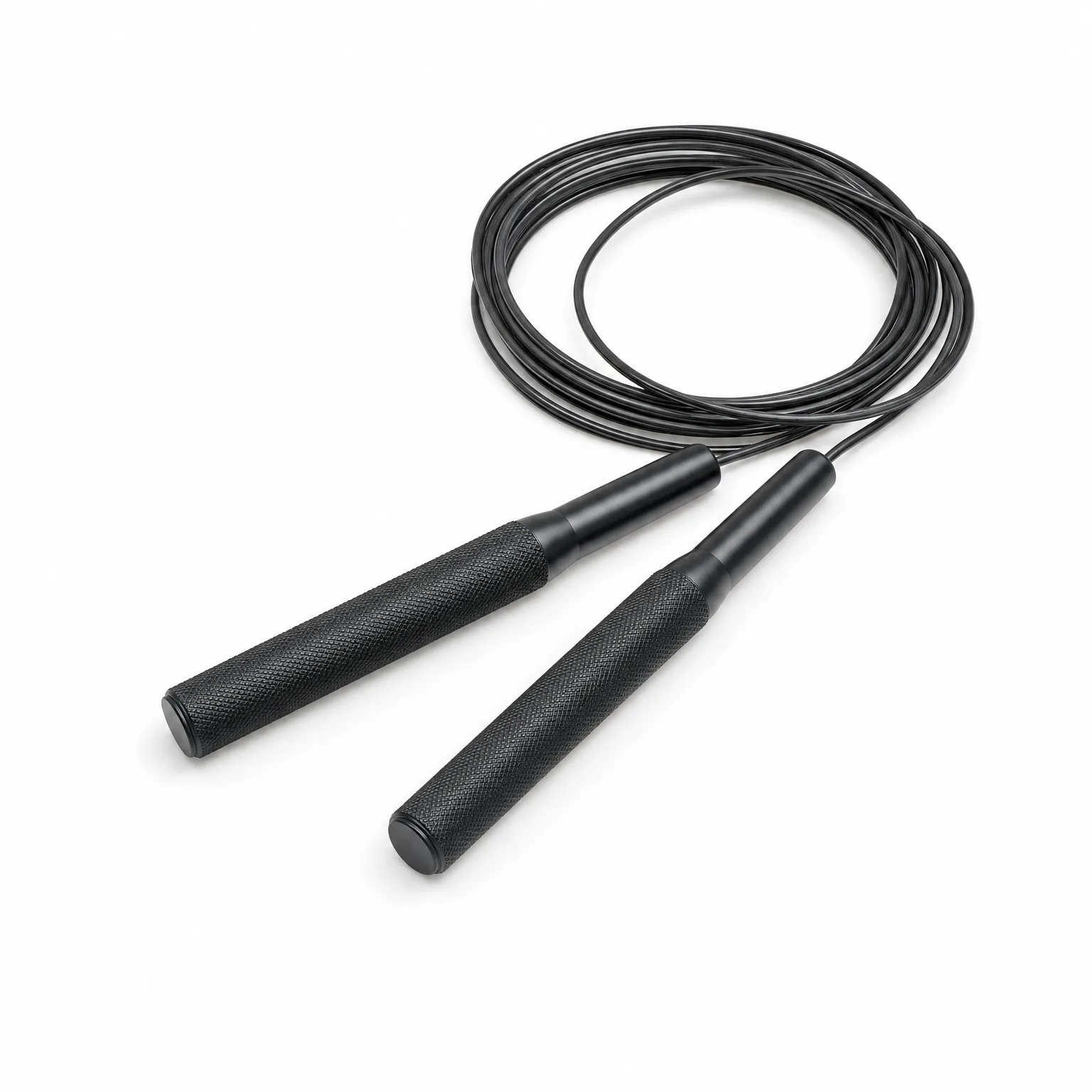
Jump rope
A rope with two handles that you swing over your head and jump. Hard cardio and footwork practice that fits in a pocket. -
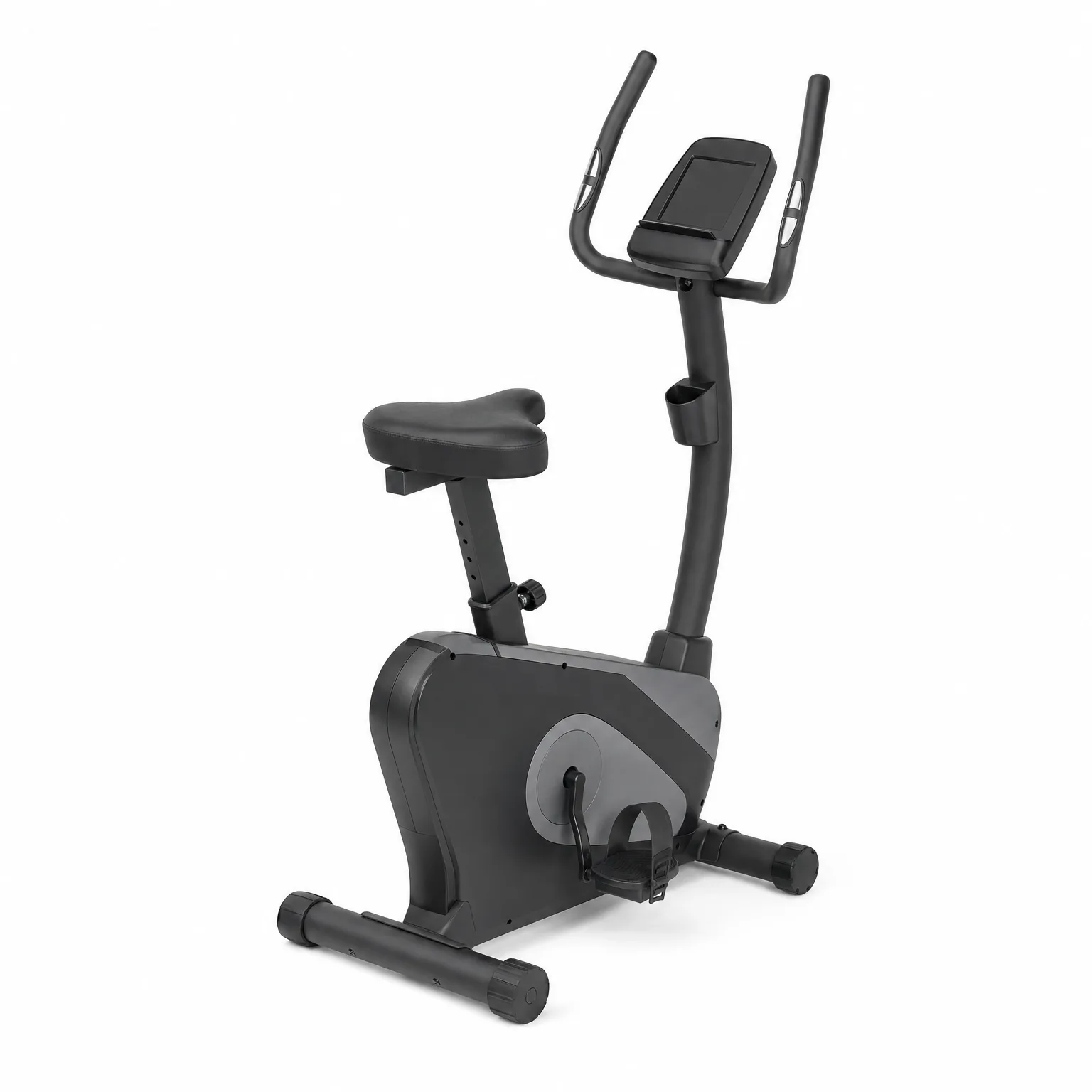
Upright bike
The classic stationary bike: wide saddle, high handlebars, a console and resistance levels. Made for comfortable seated cardio. -
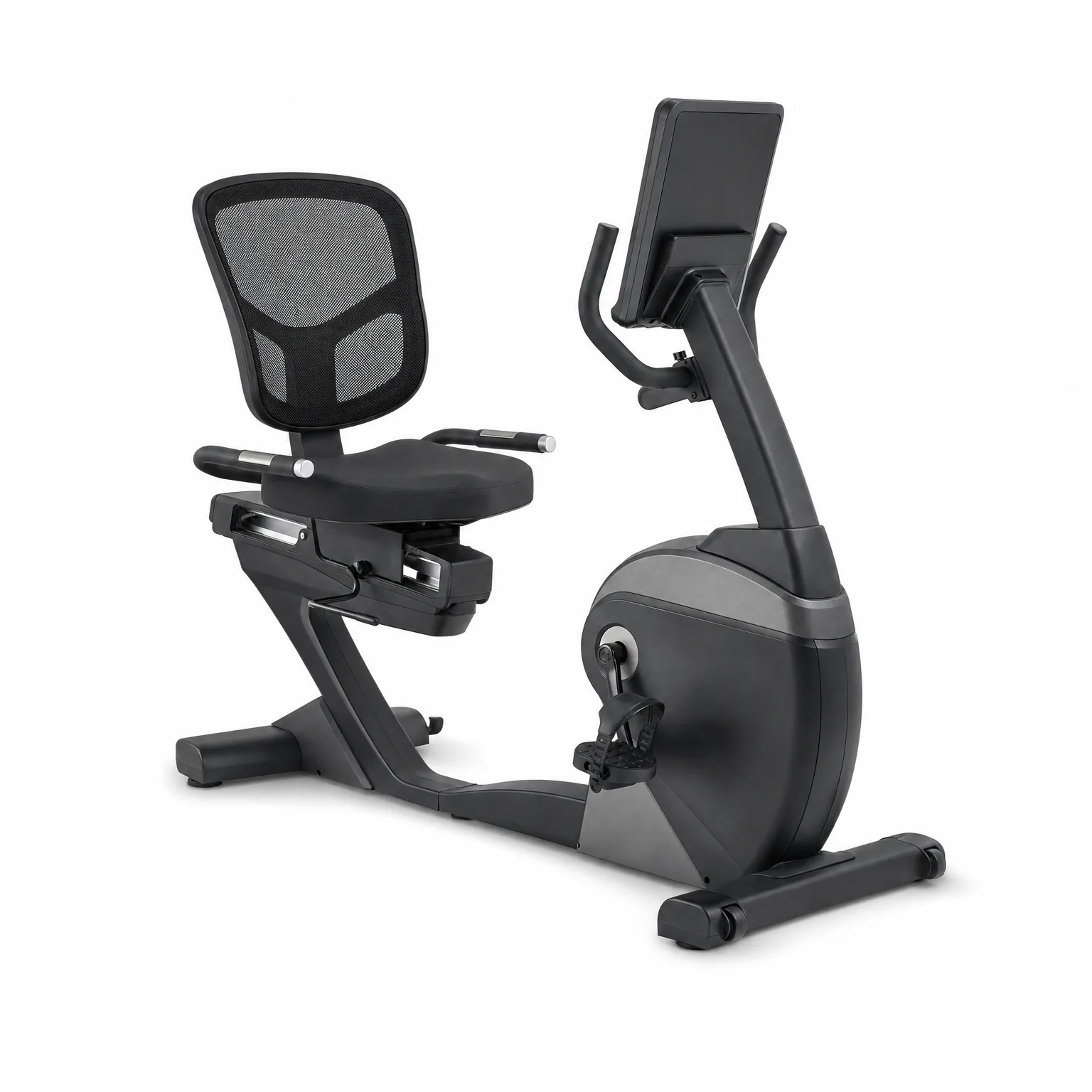
Recumbent bike
A stationary bike with a wide seat, a backrest and pedals out in front. The most supported way to do seated cardio. -
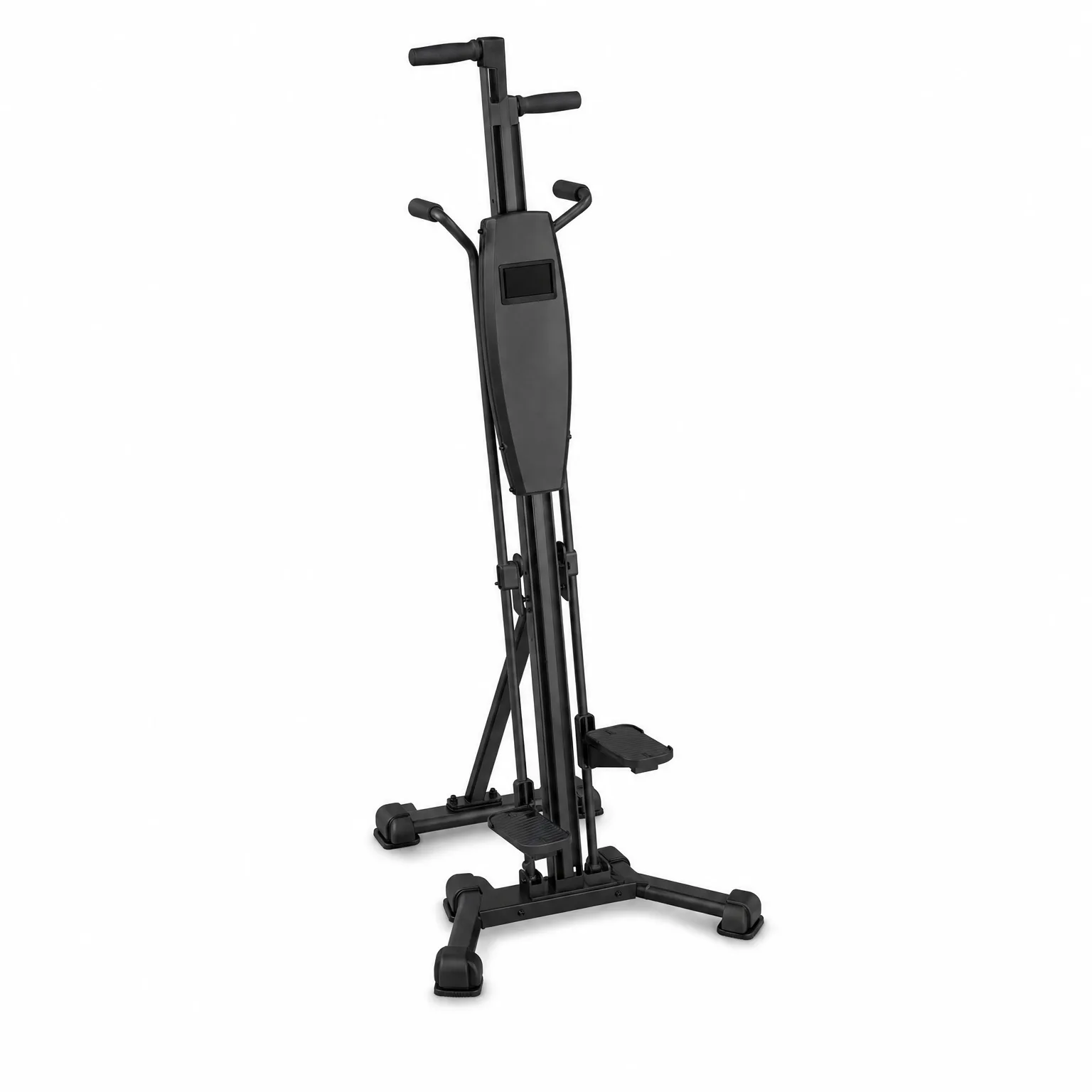
Vertical climber
A tall cardio machine with pedals and handles that move up and down together. You climb in place with arms and legs at once. -
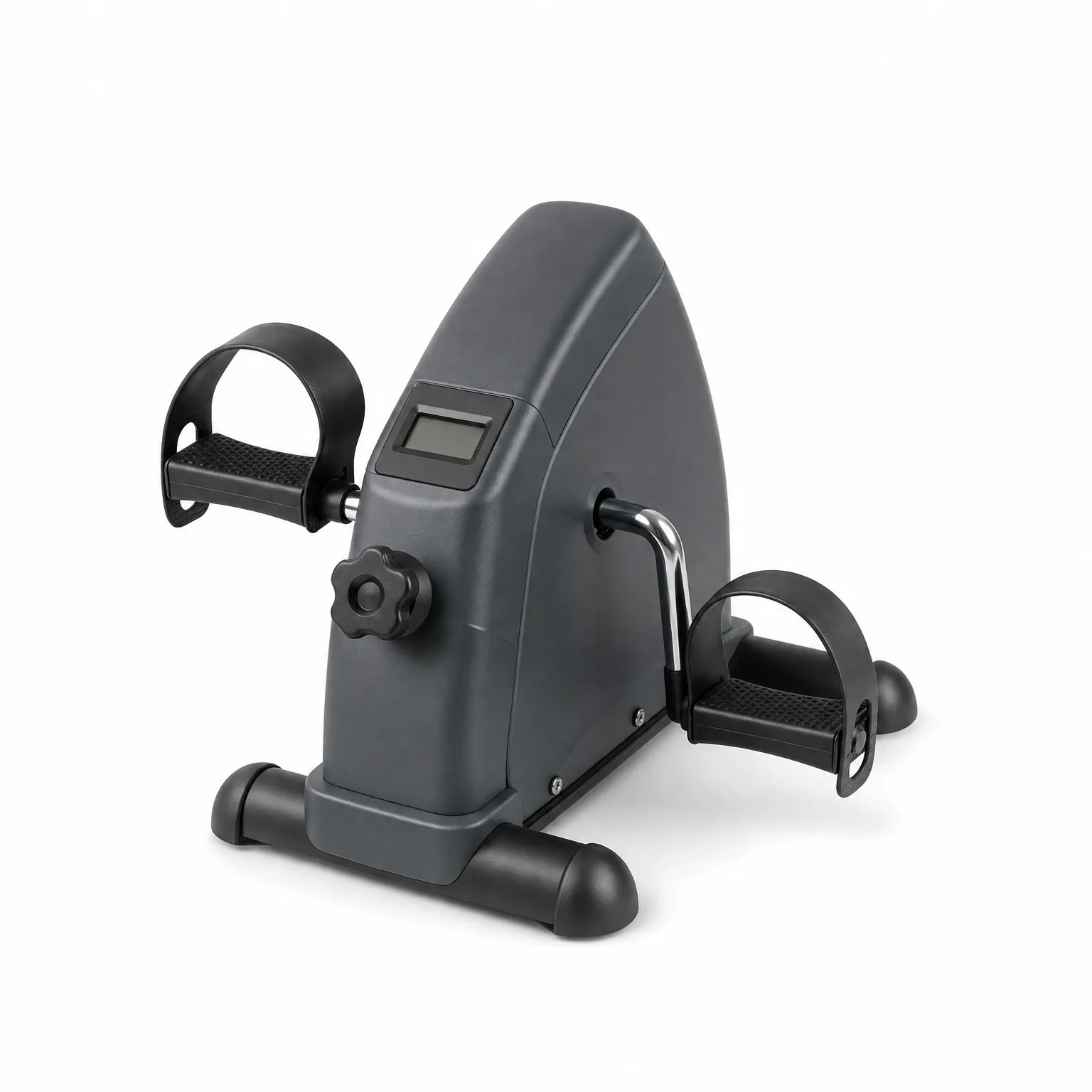
Pedal exerciser
A small set of pedals on a base with no seat or handlebars. You pedal from a chair with your feet, or on a table with your hands.
Mobility and recovery
What you stretch on, roll on and warm up with.
-

Exercise mat
A cushioned, non-slip surface for floor exercises, stretching and yoga. The first thing most people need to train at home. -
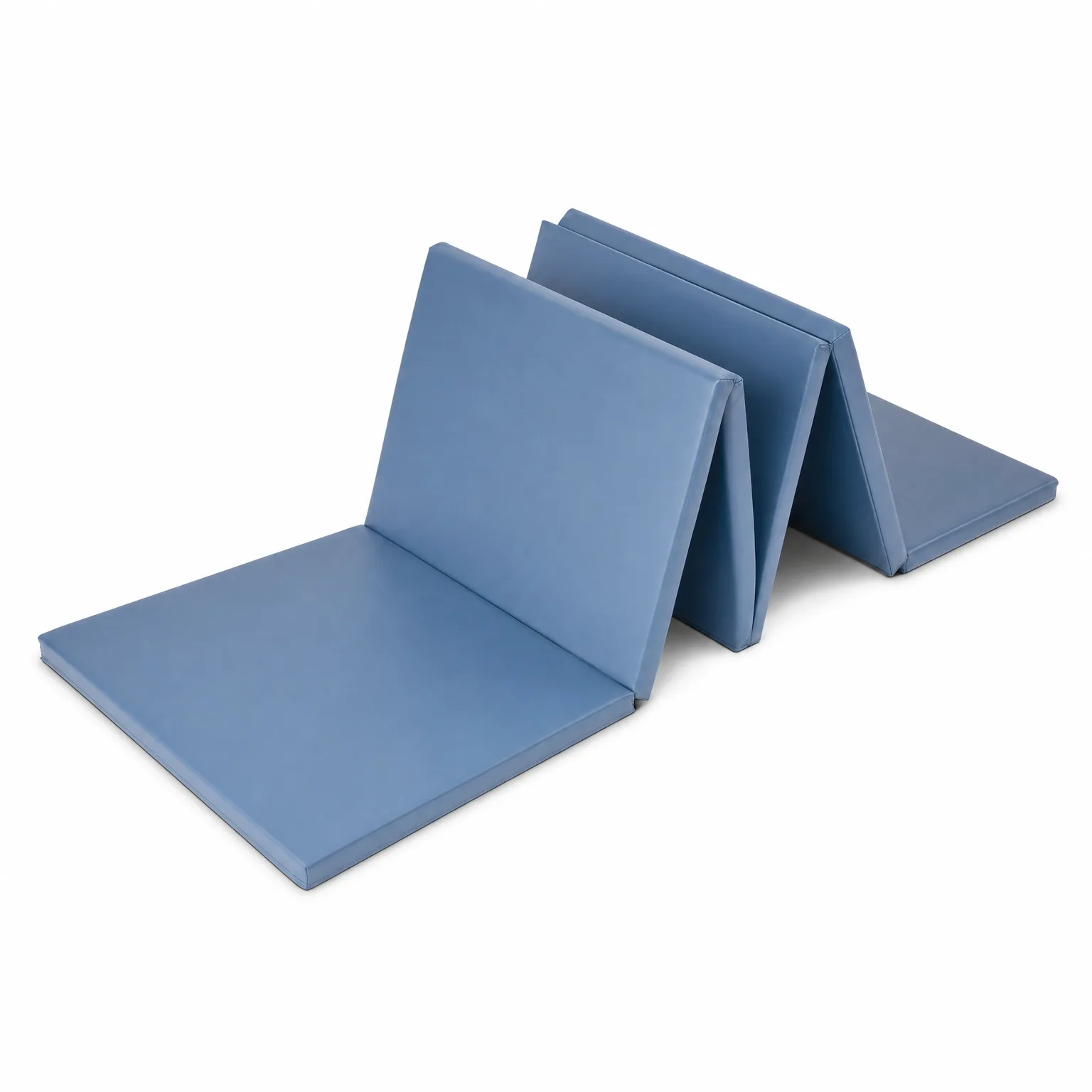
Folding gym mat
A thick foam mat made of hinged panels that folds into a block. It cushions rolls, floor exercises and kneeling work. -
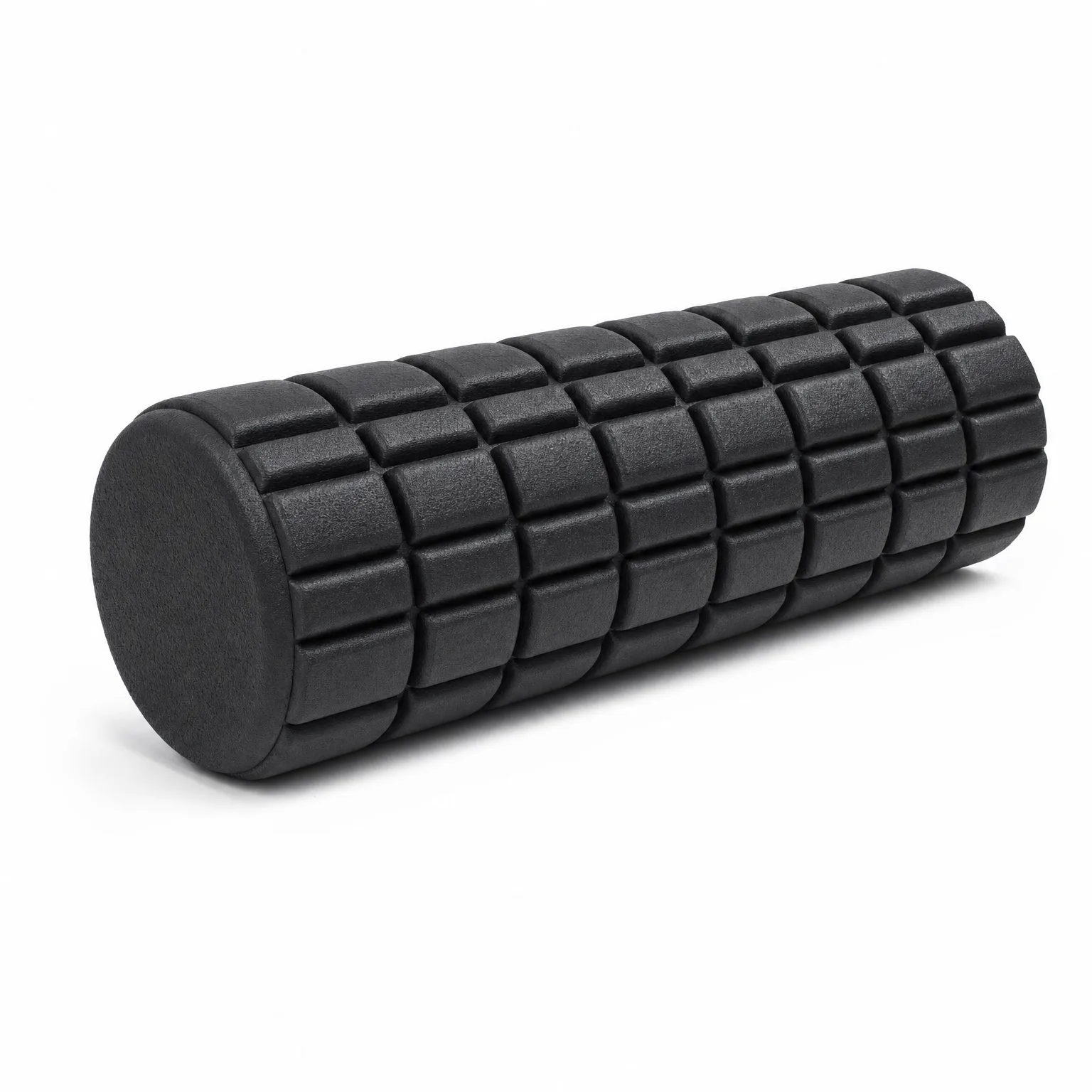
Foam roller
A firm foam cylinder you lie on and roll along a muscle for self-massage, usually during a warm-up or after training. -
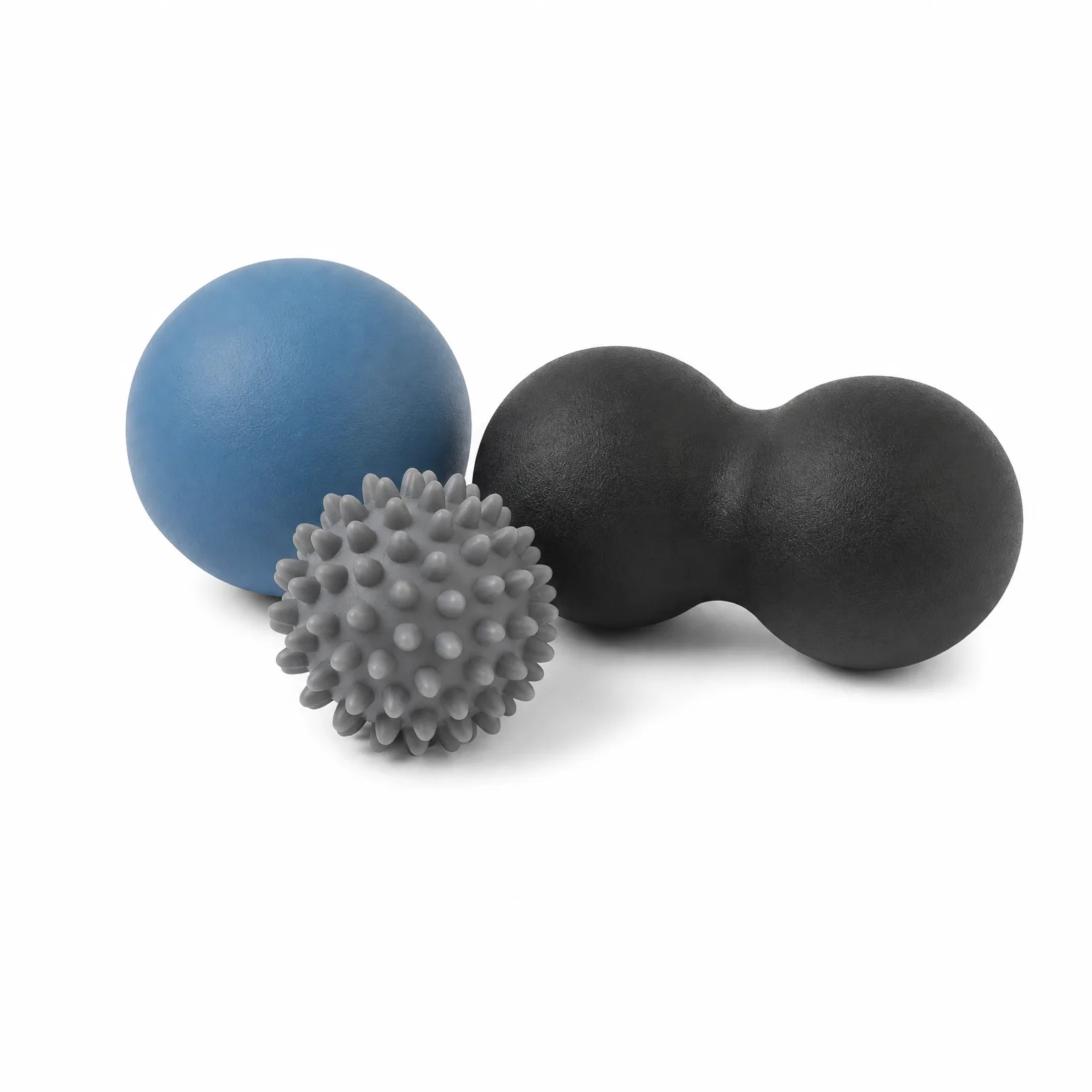
Massage balls
Small firm balls for pinpoint self-massage of the glutes, upper back, feet and other spots a foam roller cannot reach. -
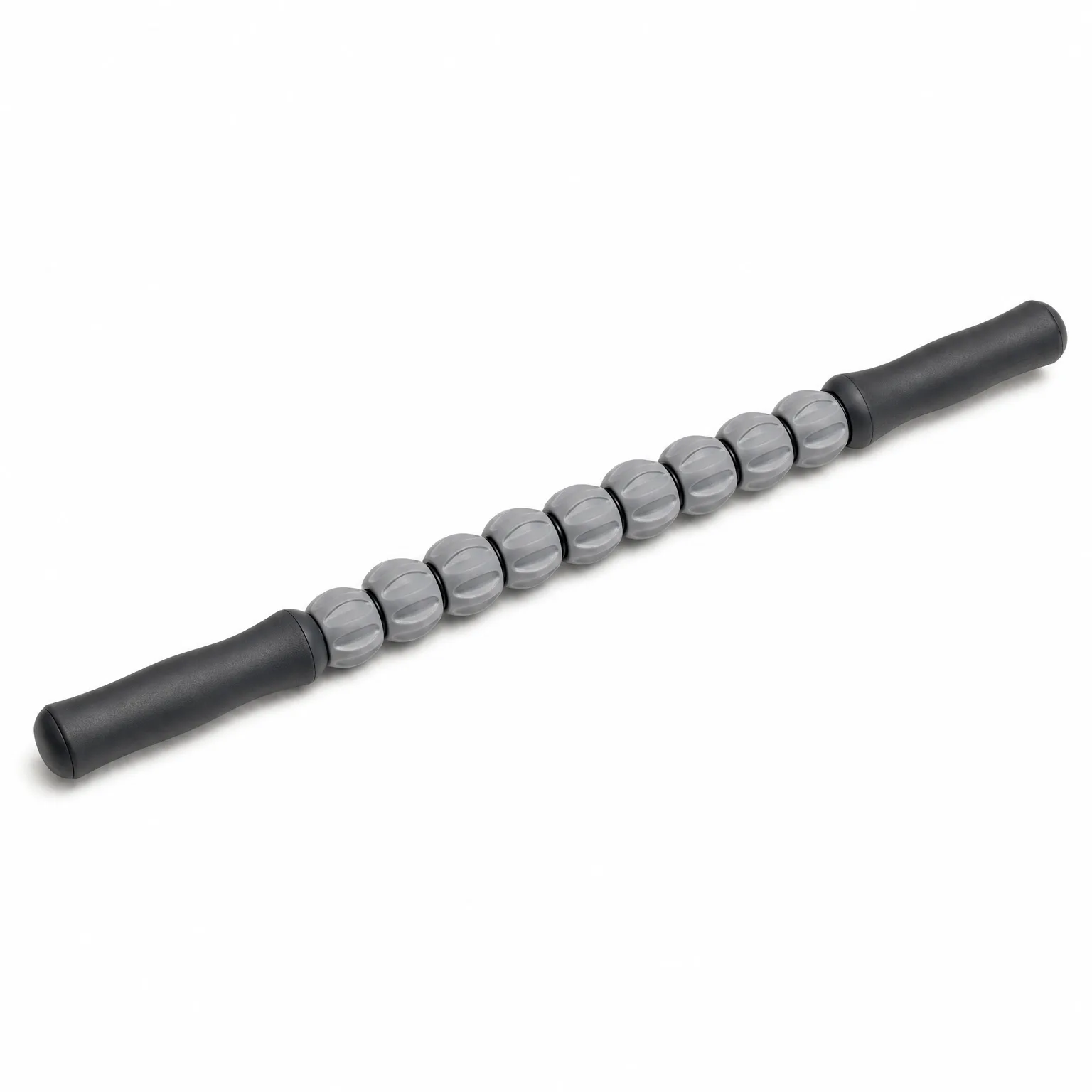
Massage stick
A handheld rod with rolling segments and a grip at each end. You press it into a muscle and roll it with your hands for self-massage. -
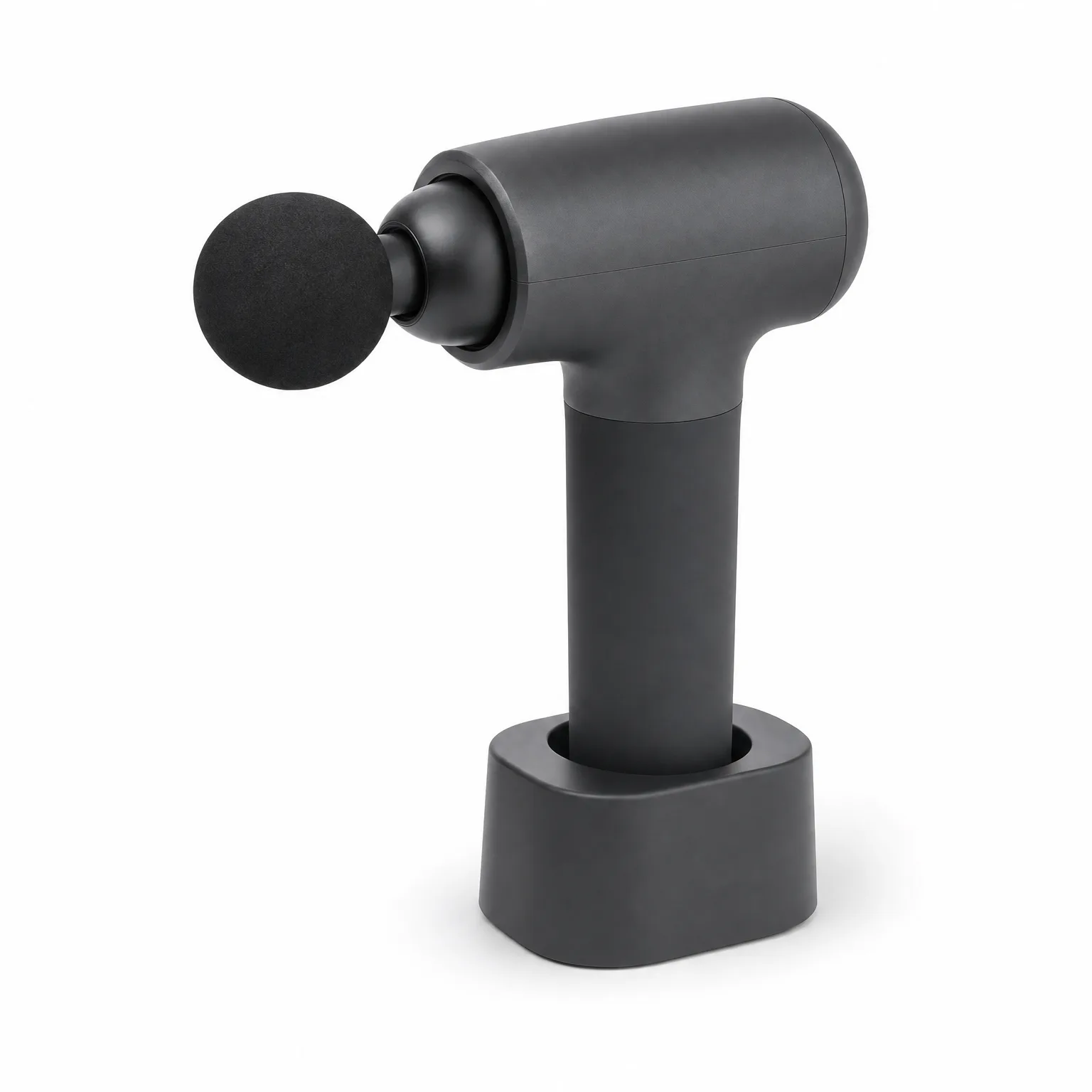
Massage gun
A handheld, battery-powered device that taps a muscle rapidly with a soft head. Used for self-massage before or after training. -
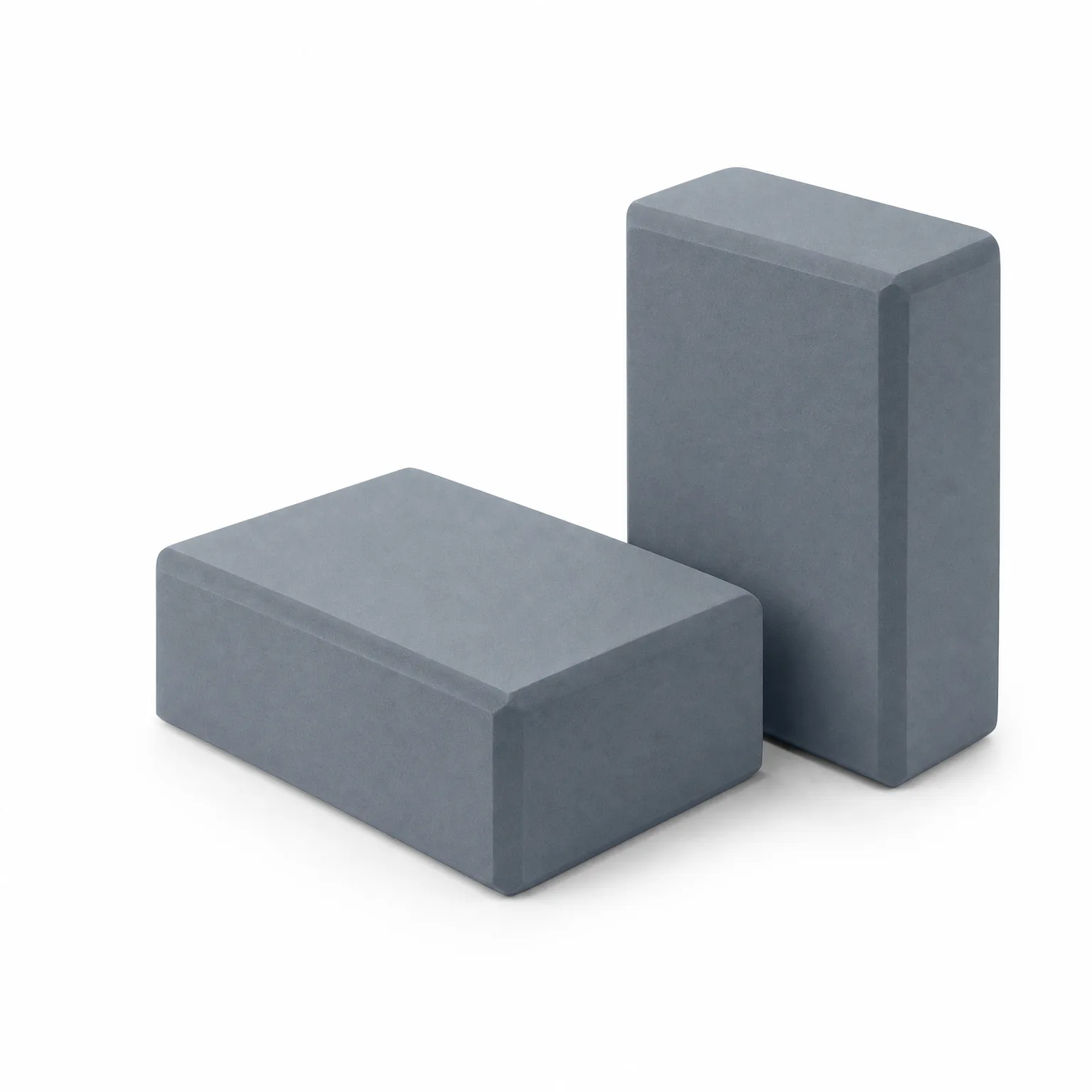
Yoga blocks
Firm rectangular blocks of foam, cork or wood that raise the floor to your hands or support the body in stretches and yoga poses. -
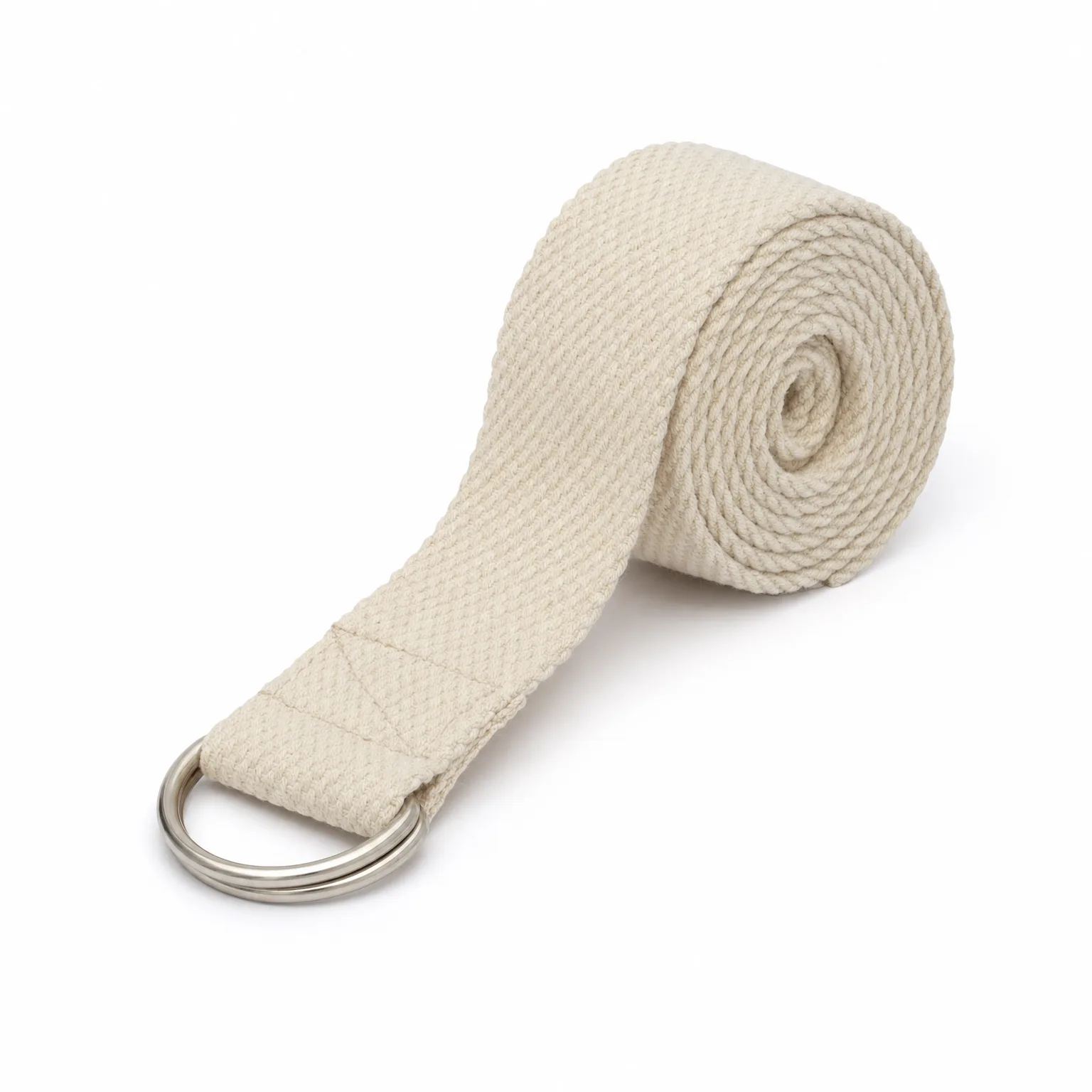
Yoga strap
A long, non-stretch cotton or nylon strap with a buckle that extends your reach in stretches, most often for the hamstrings. -
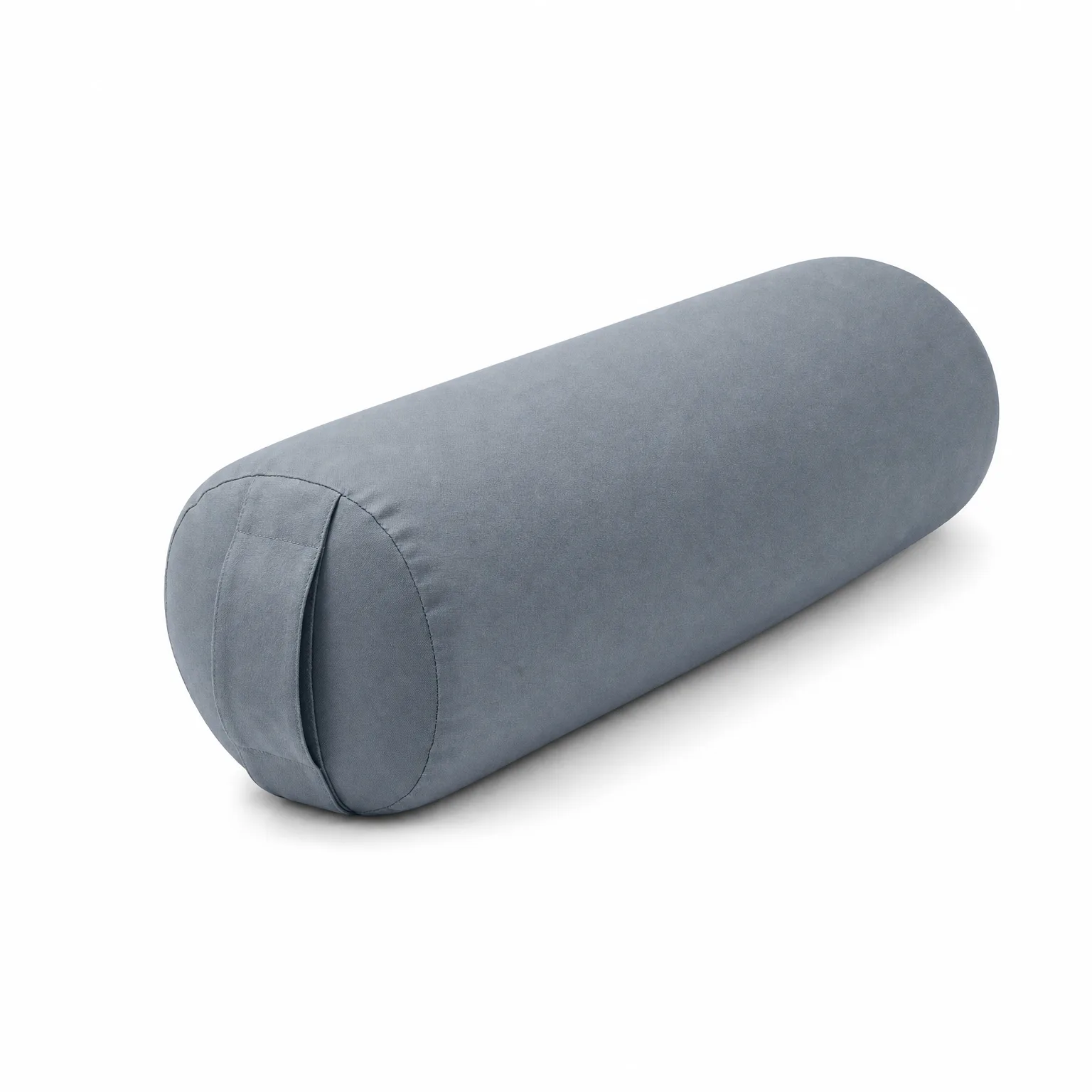
Yoga bolster
A long, dense cushion that supports the back, hips or knees so you can rest in a yoga pose or sit comfortably for a long hold. -
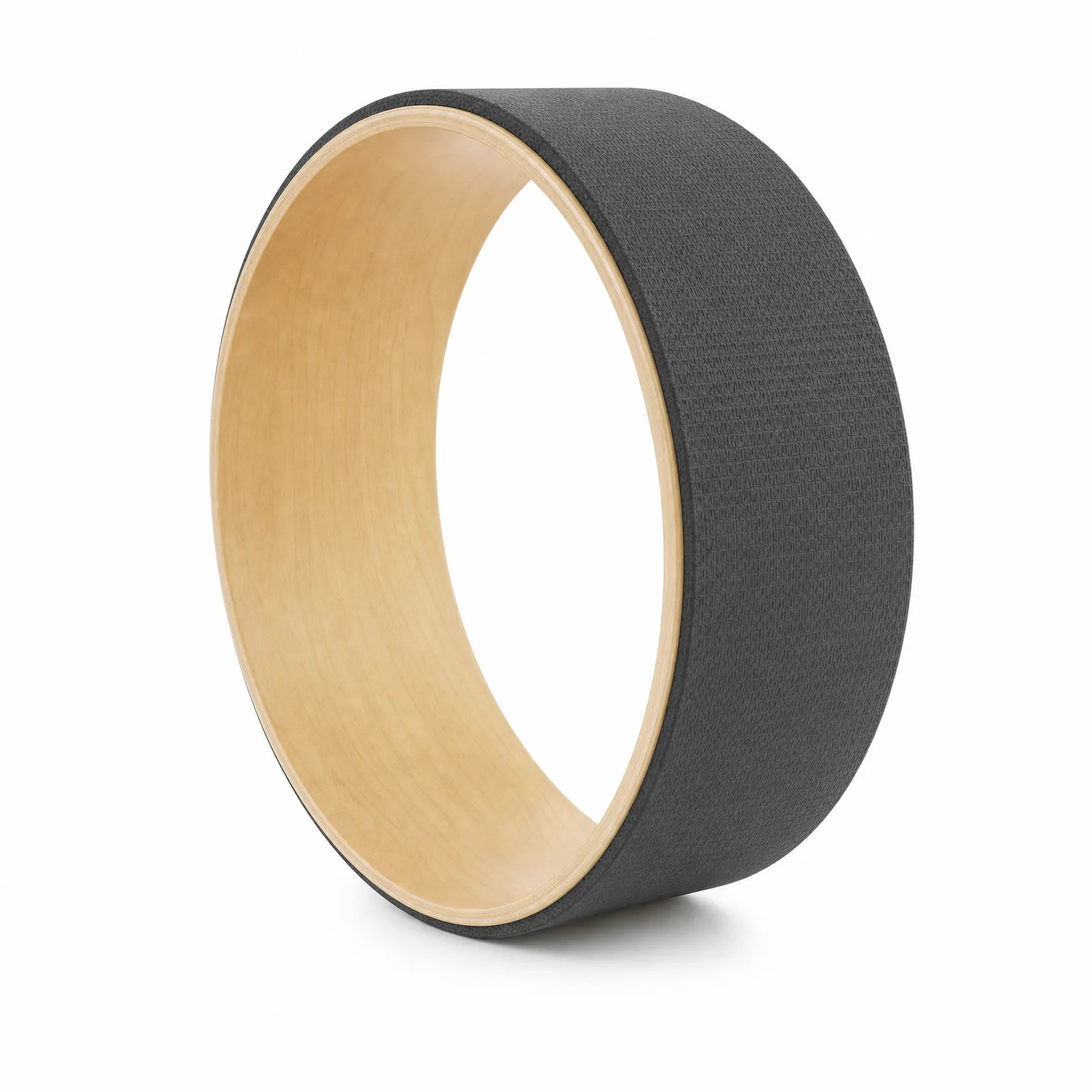
Yoga wheel
A hollow, padded ring about 30 cm across. You lie back over it to support backbends, or use it as a rolling prop for balance and core work. -
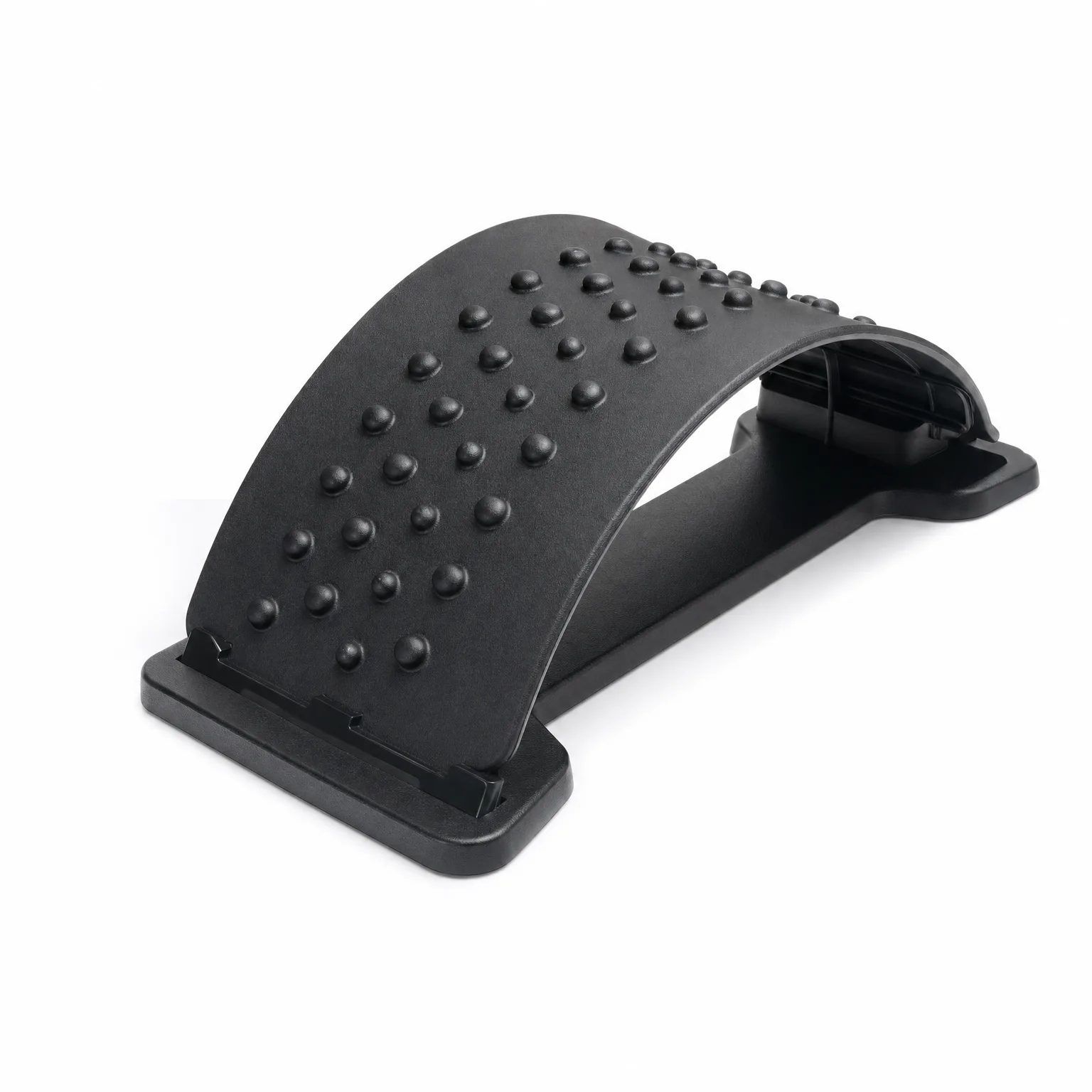
Back stretcher
A curved plastic arch you lie over on the floor. It holds the lower and mid back in a gentle supported backbend for a passive stretch. -
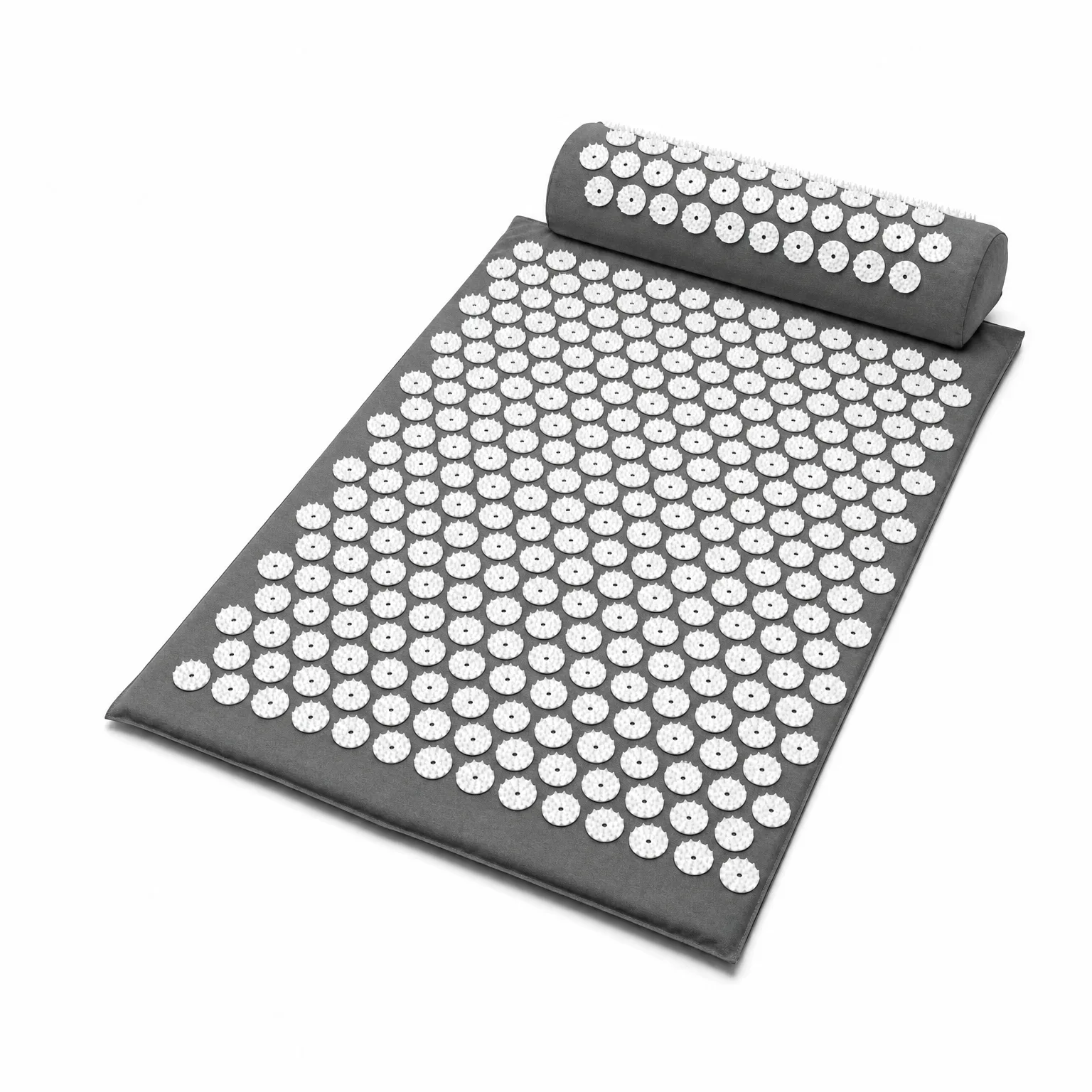
Acupressure mat
A thin foam mat covered in thousands of small plastic spikes. You lie on it for a few minutes for a strong prickling pressure on the skin. -
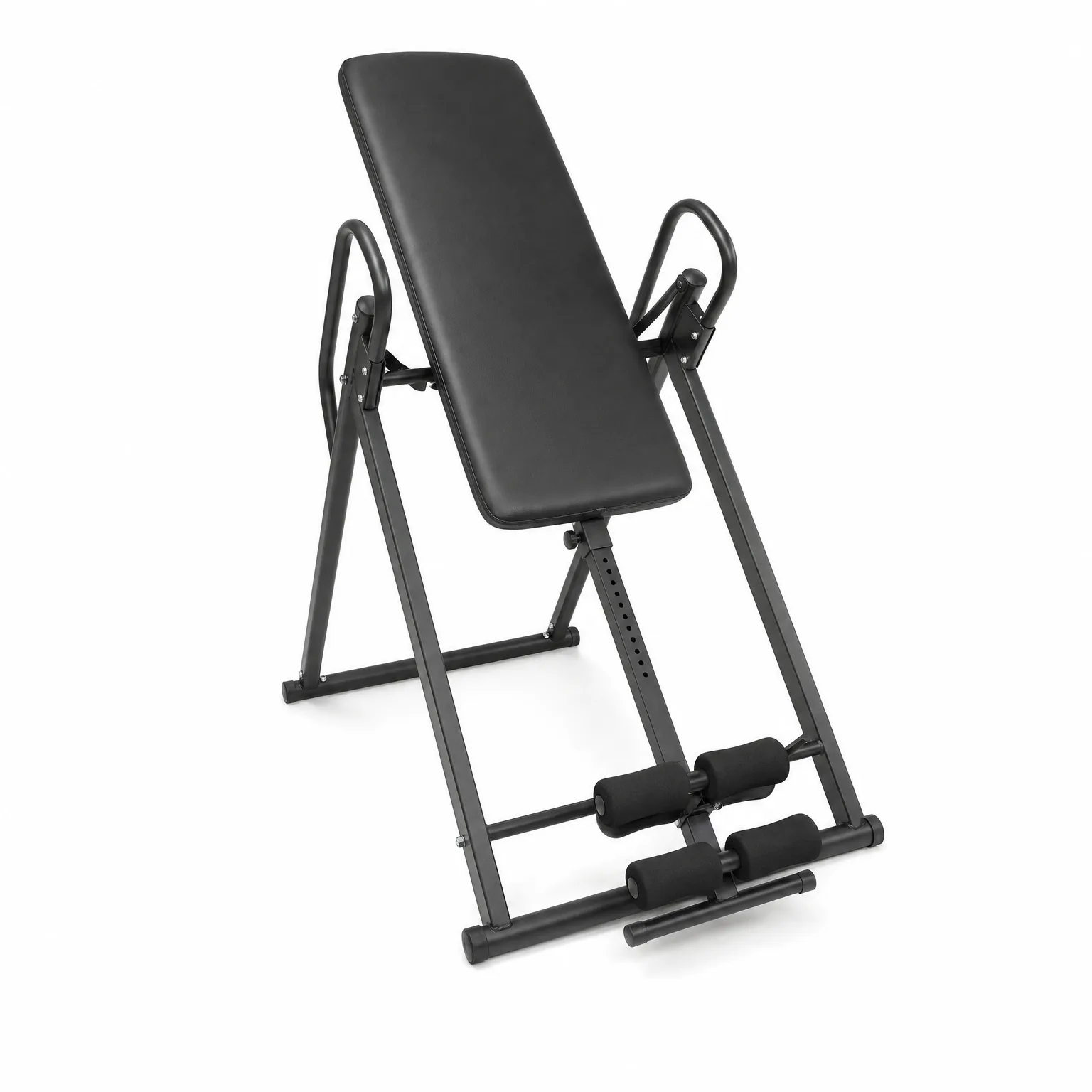
Inversion table
A pivoting padded board with ankle clamps. You lie on it and tilt back so your head is below your feet and body weight pulls along the spine.
Pool
Floats and resistance tools for swim drills and water workouts.
-
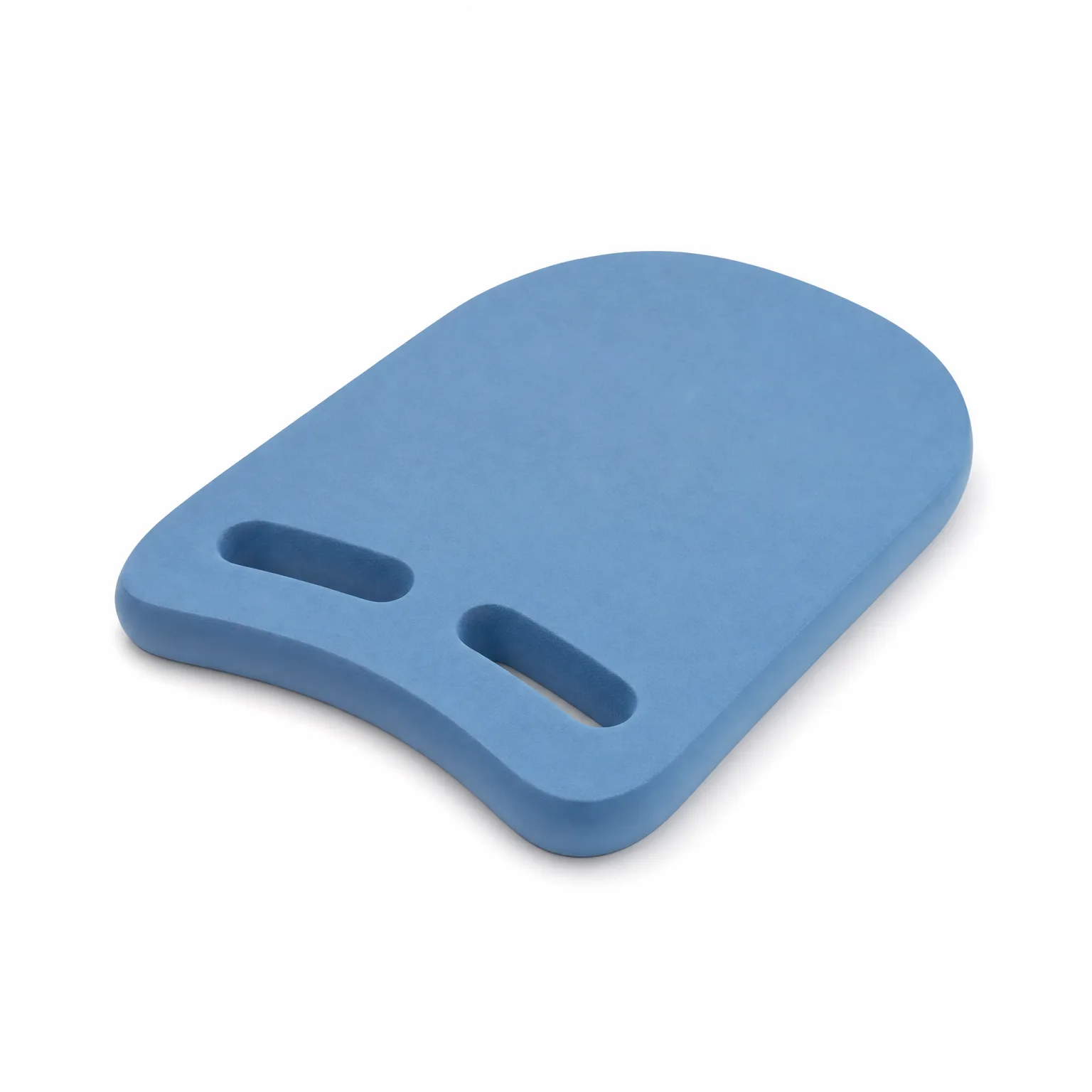
Kickboard
A flat foam board you hold in front of you in the pool. It keeps the upper body afloat so you can train the kick on its own. -
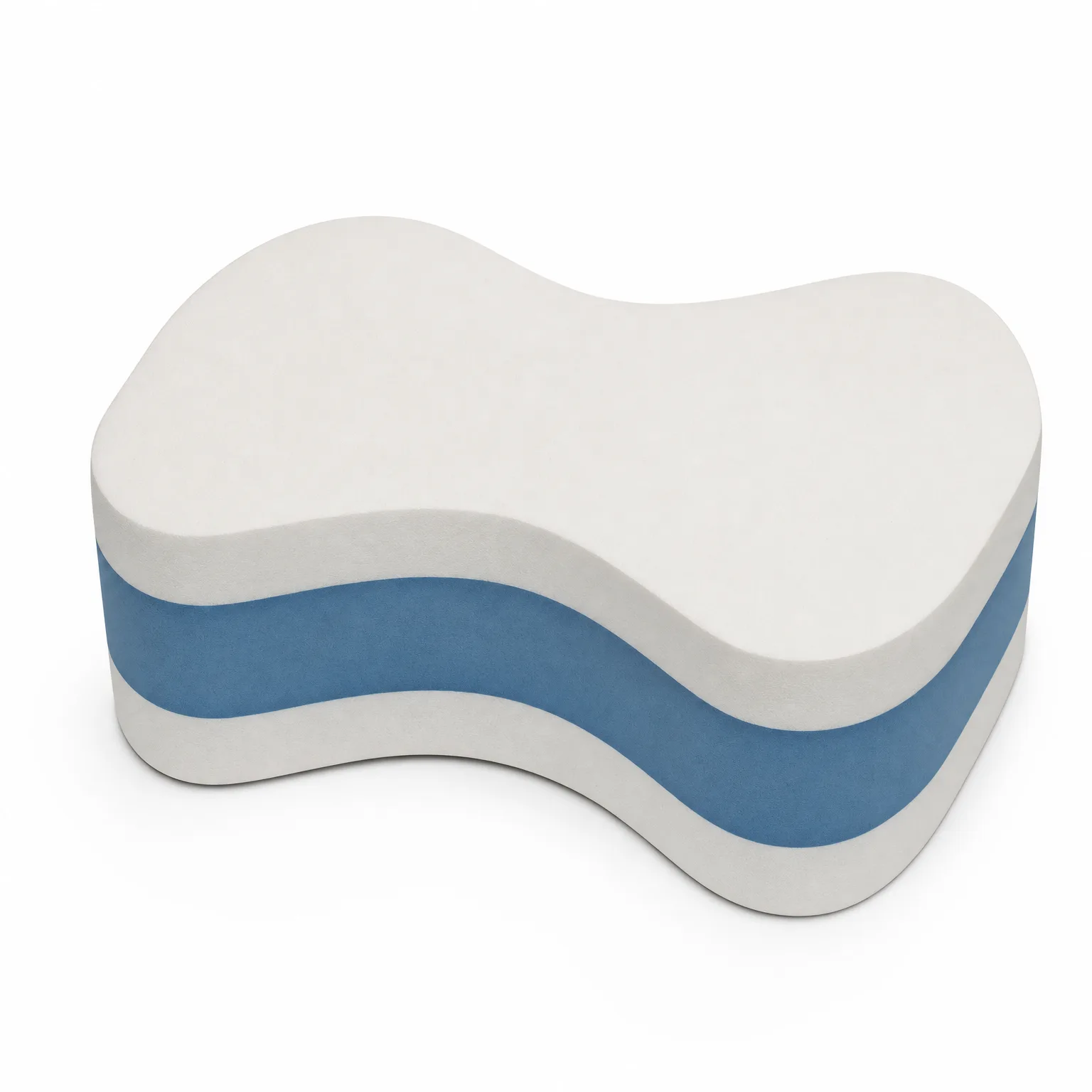
Pull buoy
A foam float held between the thighs in the pool. It keeps the legs up without kicking so the arms and the pull do all the work. -
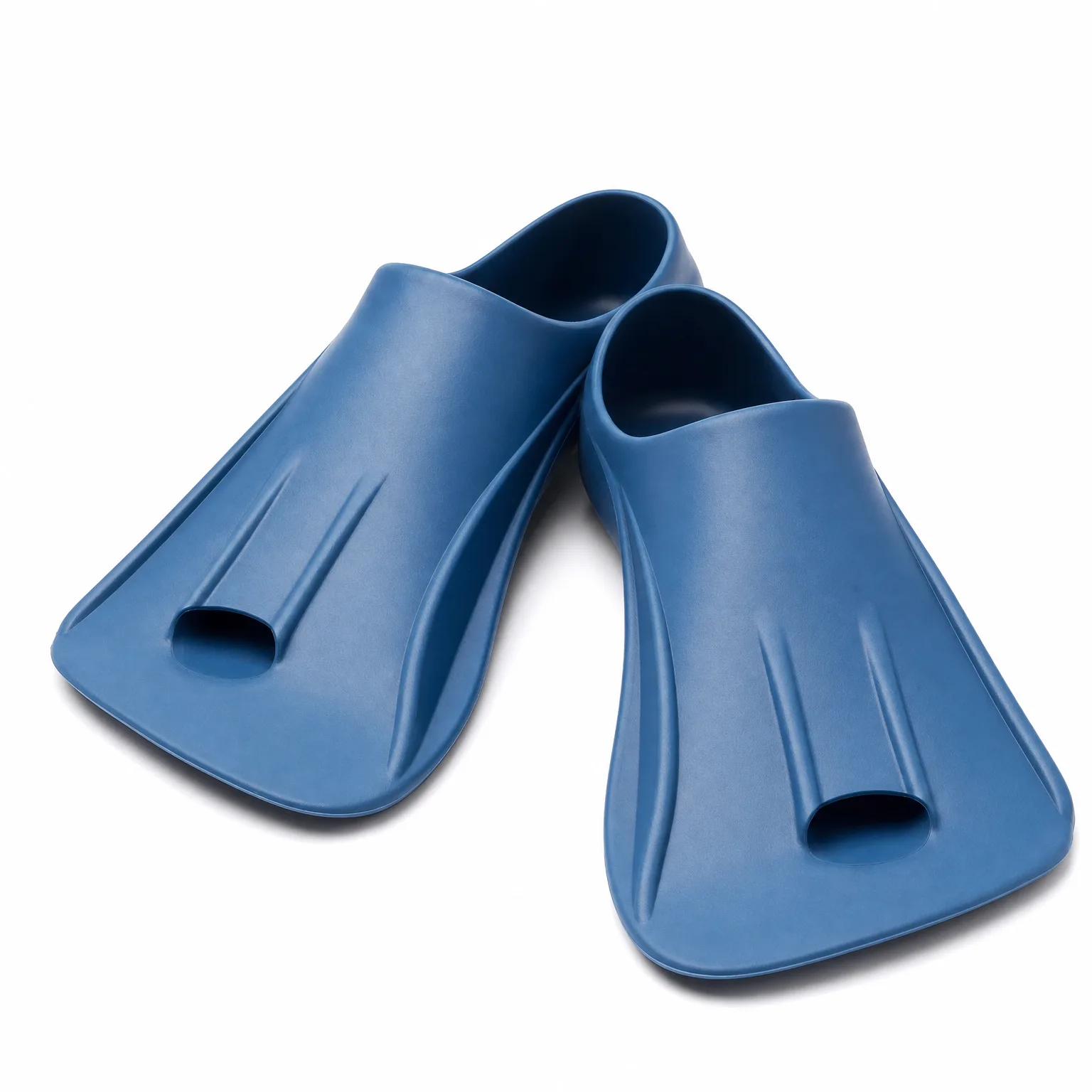
Swim fins
Rubber or silicone blades worn on the feet in the pool. They add surface to the kick, which makes you faster and makes the legs work harder. -
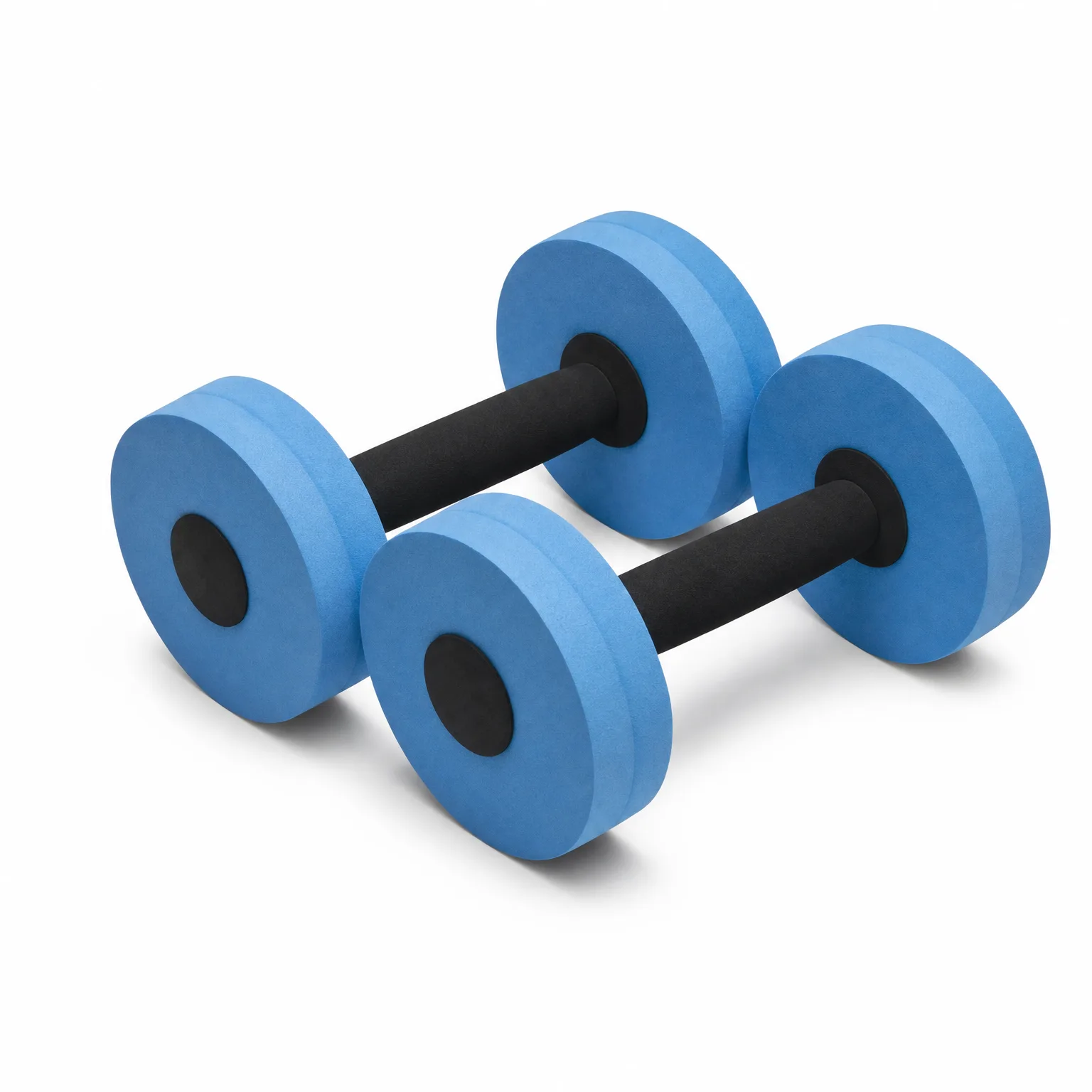
Aqua dumbbells
Foam dumbbells for pool workouts. They float, so the resistance comes from pushing them under water and moving them through it.
Measuring and tracking
Tools that put a number on a session or on progress over months.
-
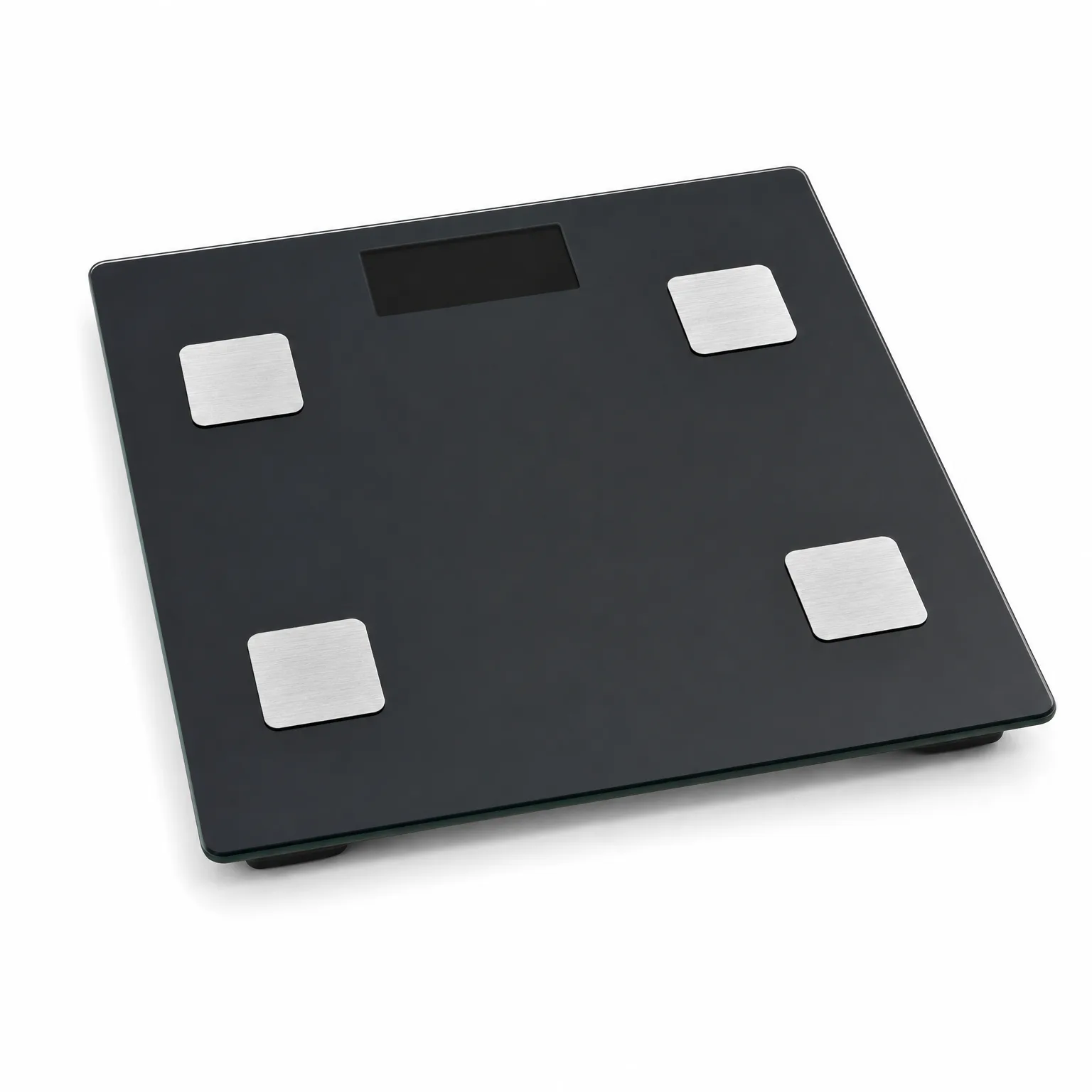
Bathroom scale
A floor scale for tracking body weight. Smart models also estimate body fat. The trend over weeks matters more than any single reading. -
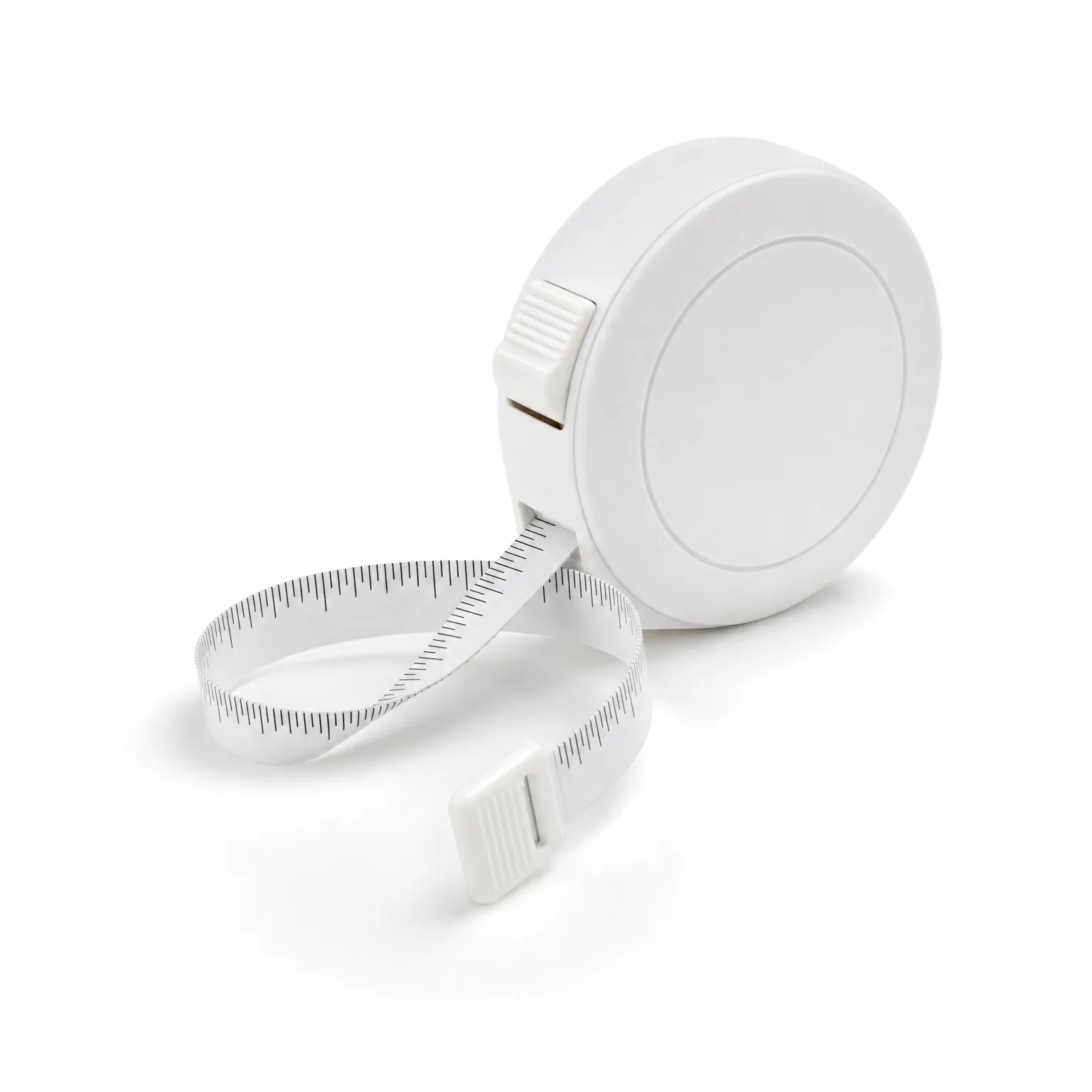
Body tape measure
A soft, flexible tape for measuring waist, hips, chest and limbs. It shows changes in body shape that a scale alone does not. -
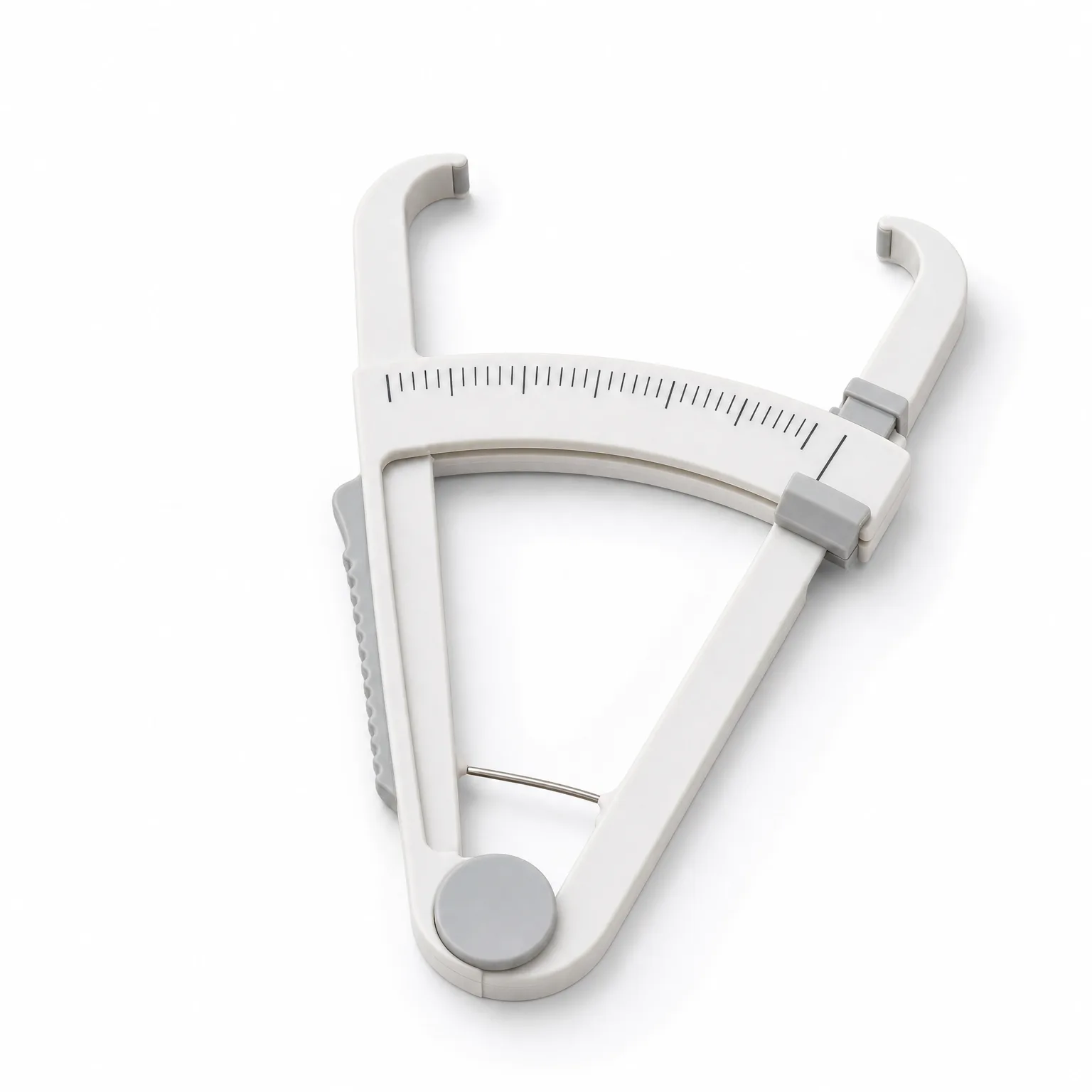
Skinfold caliper
A spring-loaded clamp that measures the thickness of a pinched fold of skin and fat. The readings are used to estimate and track body fat. -
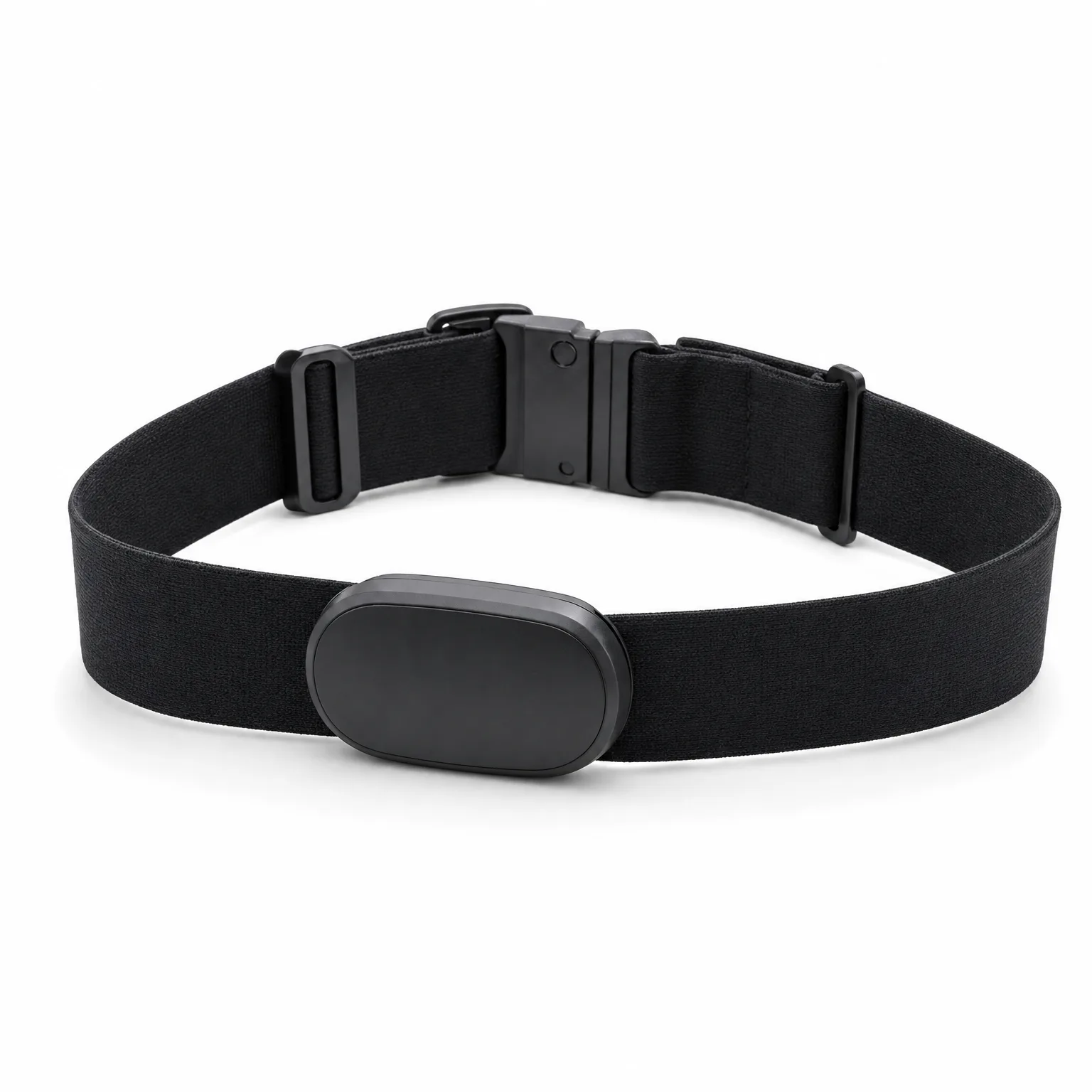
Heart rate monitor
A chest strap or armband that measures heart rate during exercise and sends it to a watch, phone or cardio machine in real time. -
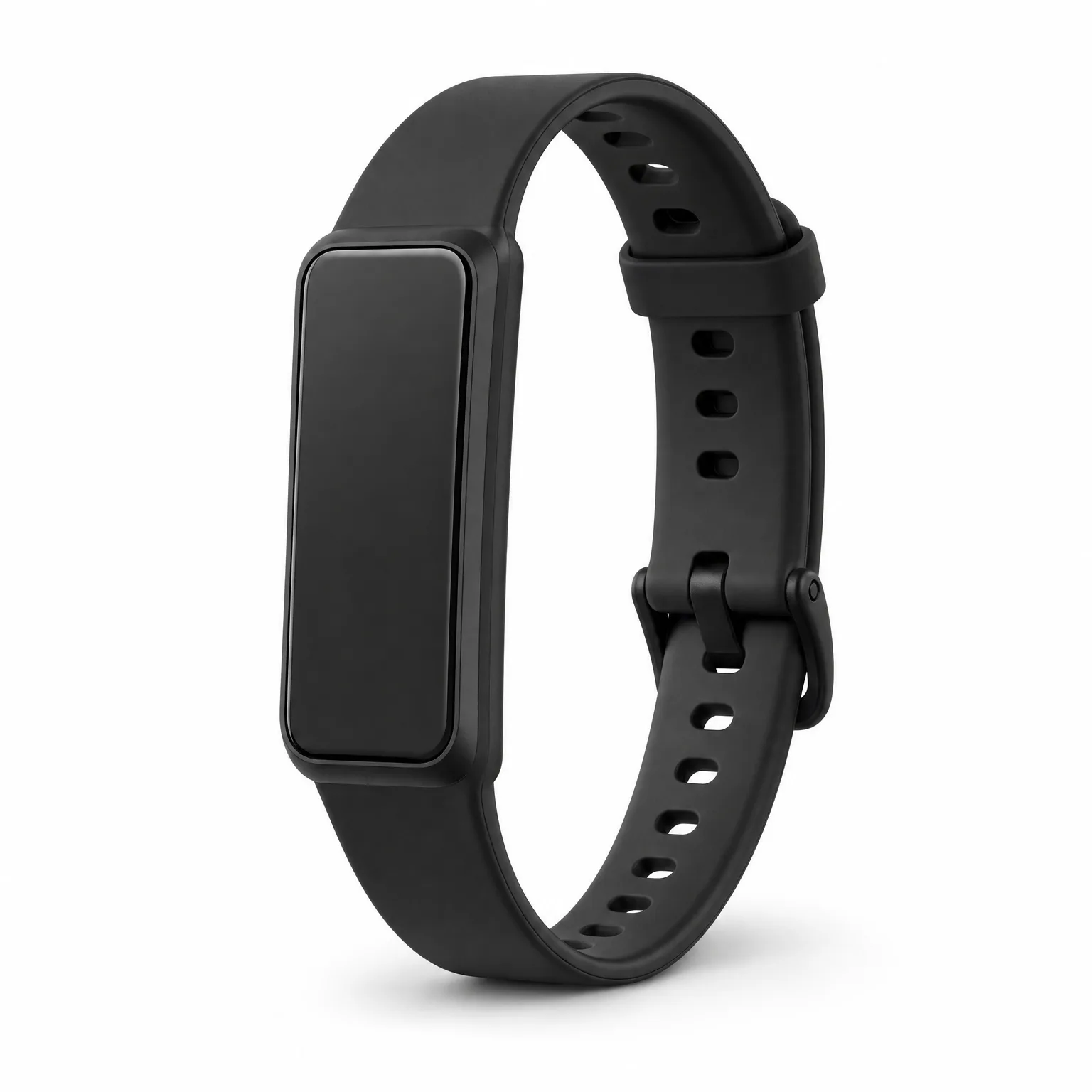
Fitness tracker
A wrist-worn band or watch that counts steps, logs workouts and estimates heart rate and sleep all day. Good for trends, approximate for detail. -
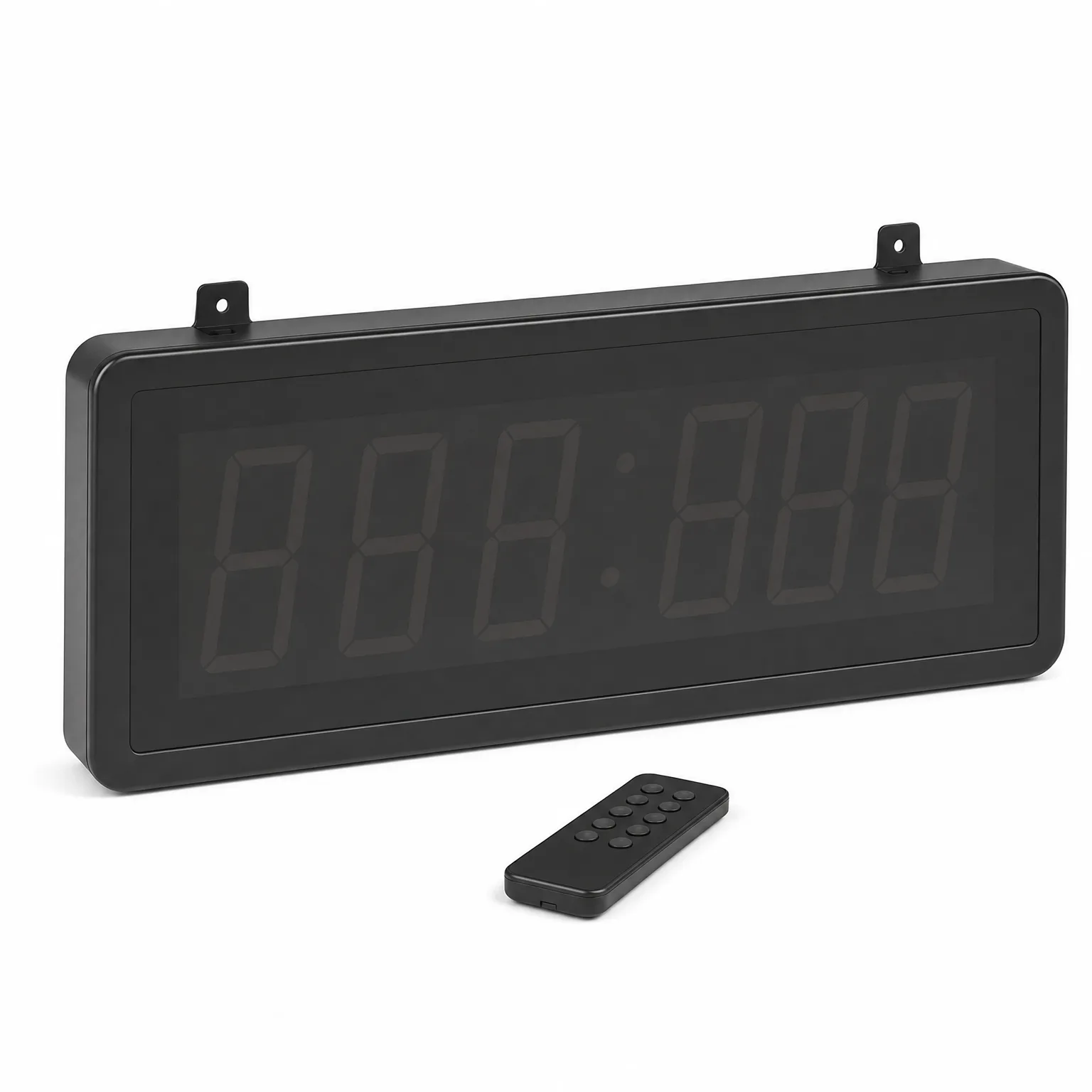
Interval timer
A wall clock or phone app that counts work and rest periods and signals each change, for tabata, EMOM, AMRAP, rounds and timed rests.
Everyday items
Things already in the house or the park that stand in for gym equipment.
-
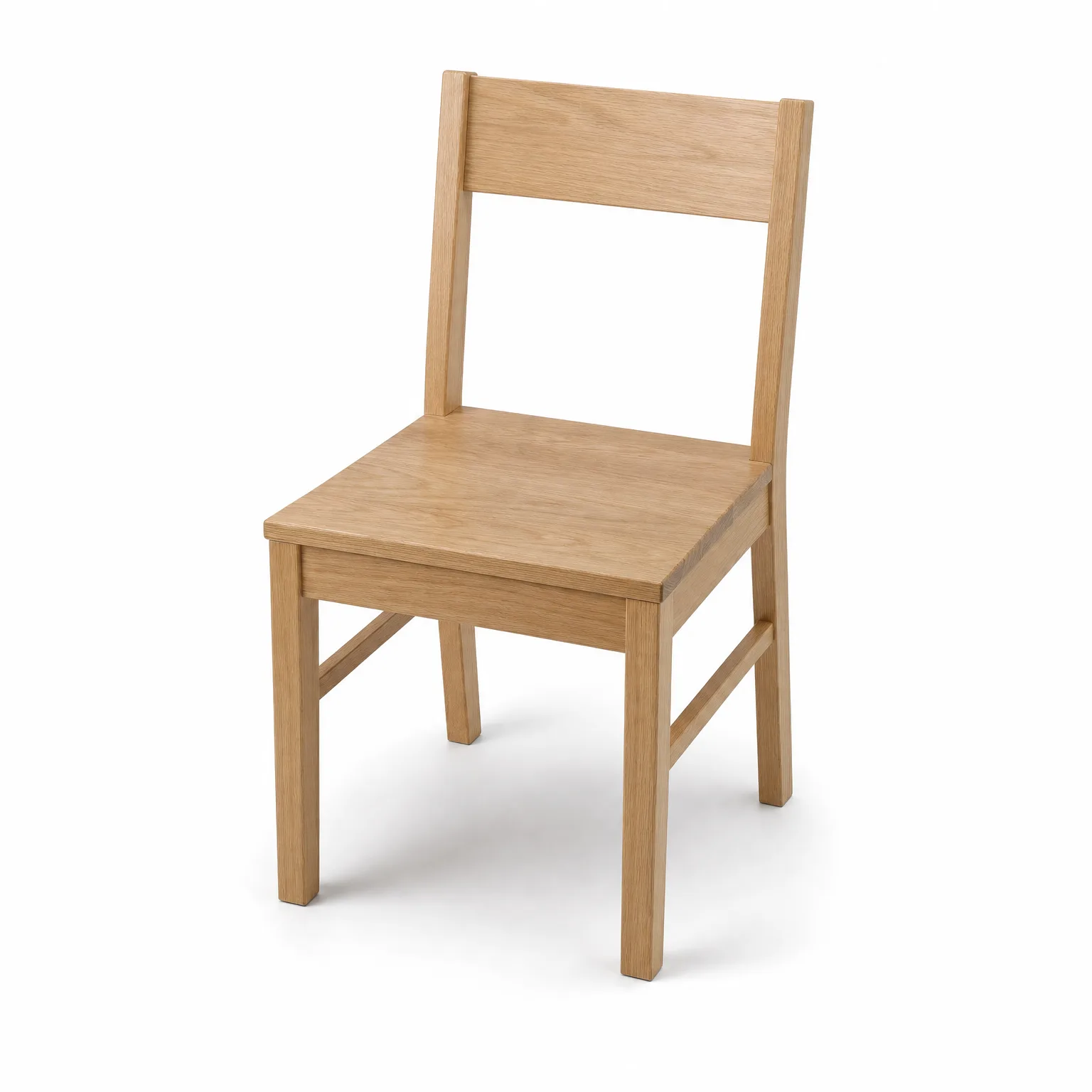
Chair
A sturdy household chair stands in for a bench, a low box or dip bars: sit-to-stands, step-ups, dips, split squats and incline push-ups. -
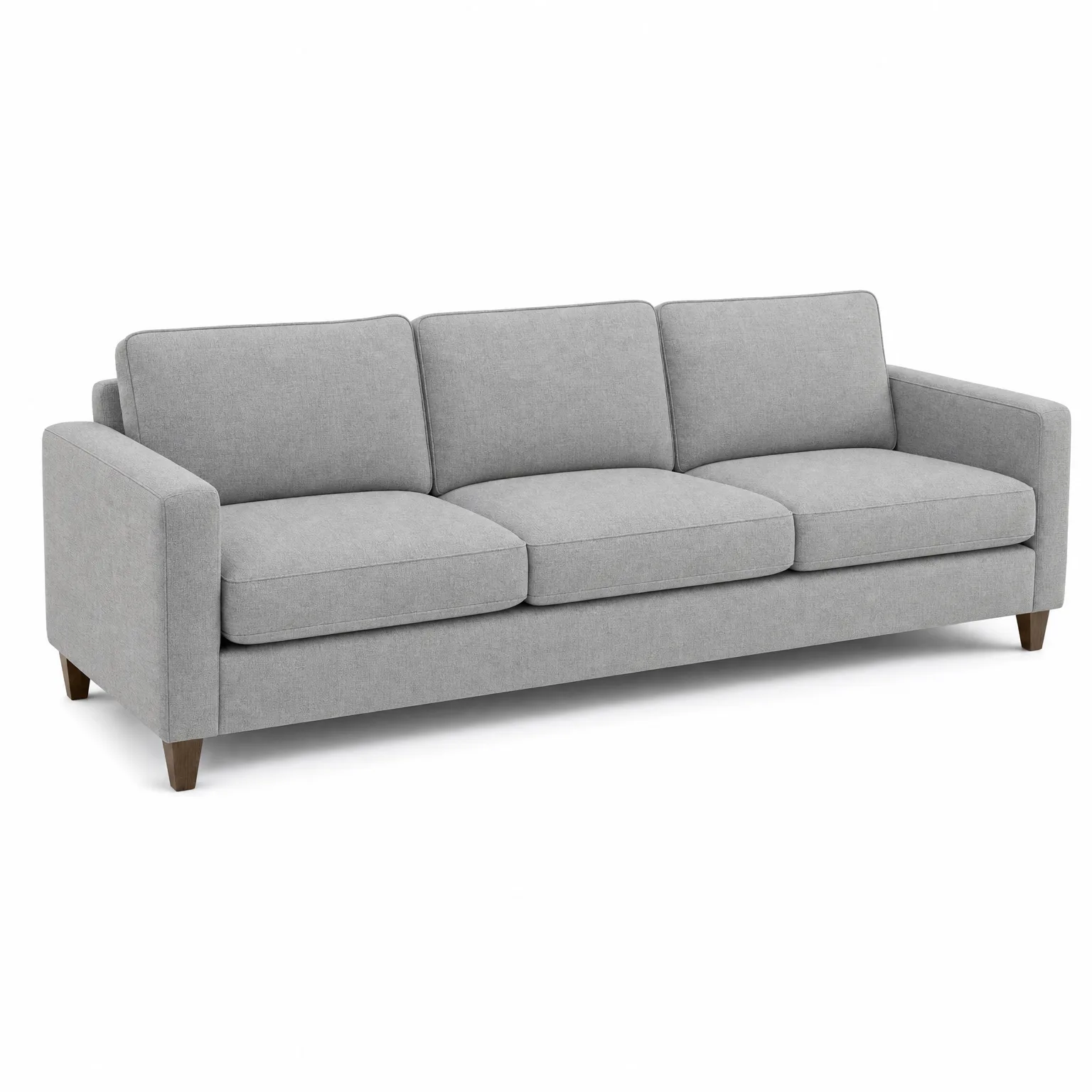
Sofa
A sofa is a heavy, padded, knee-high platform: good for hip thrusts, split squats, incline push-ups and anchoring the feet for ab work. -
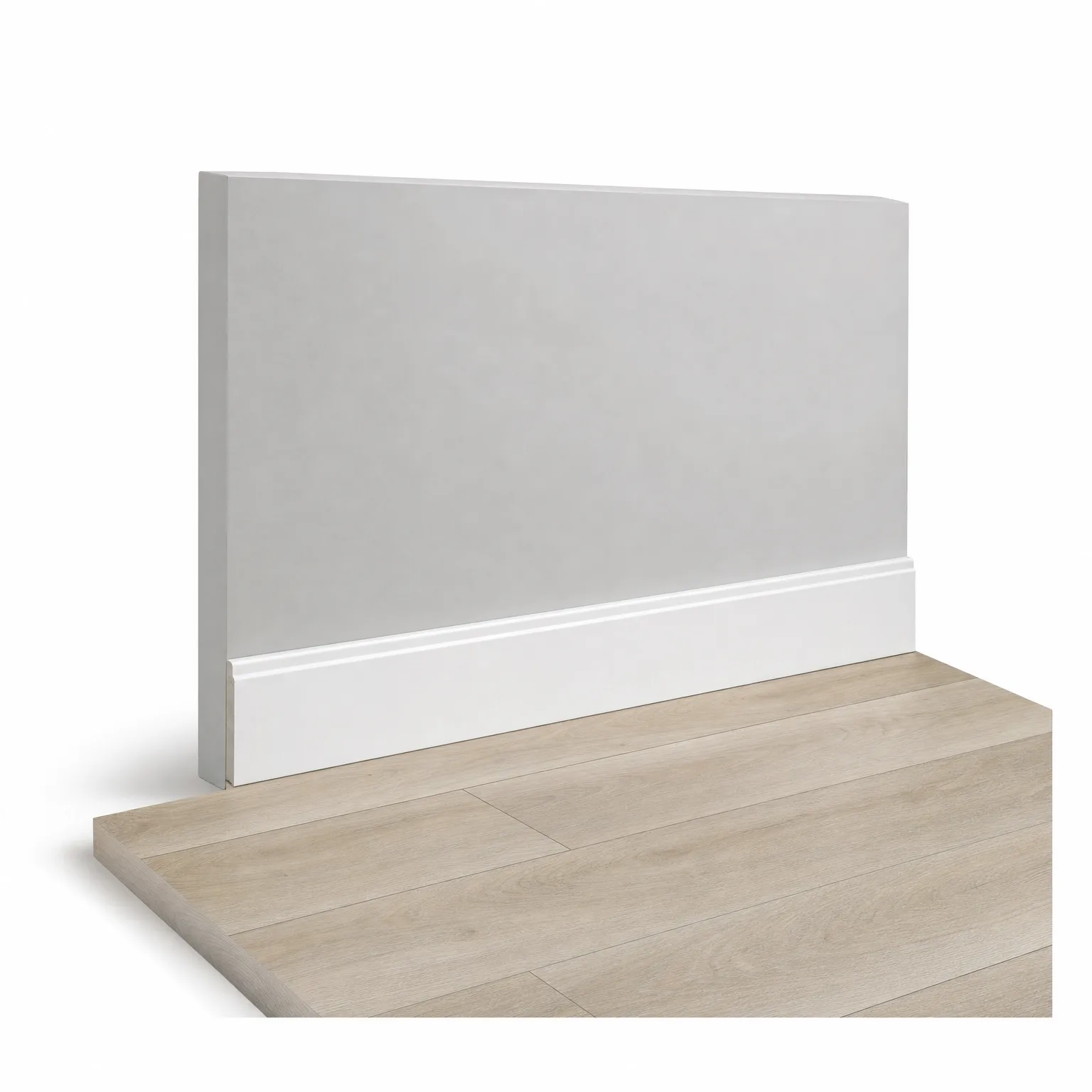
Wall
A clear stretch of solid wall works as support, a balance aid and a fixed surface to push against: wall sits, wall push-ups, stretches. -
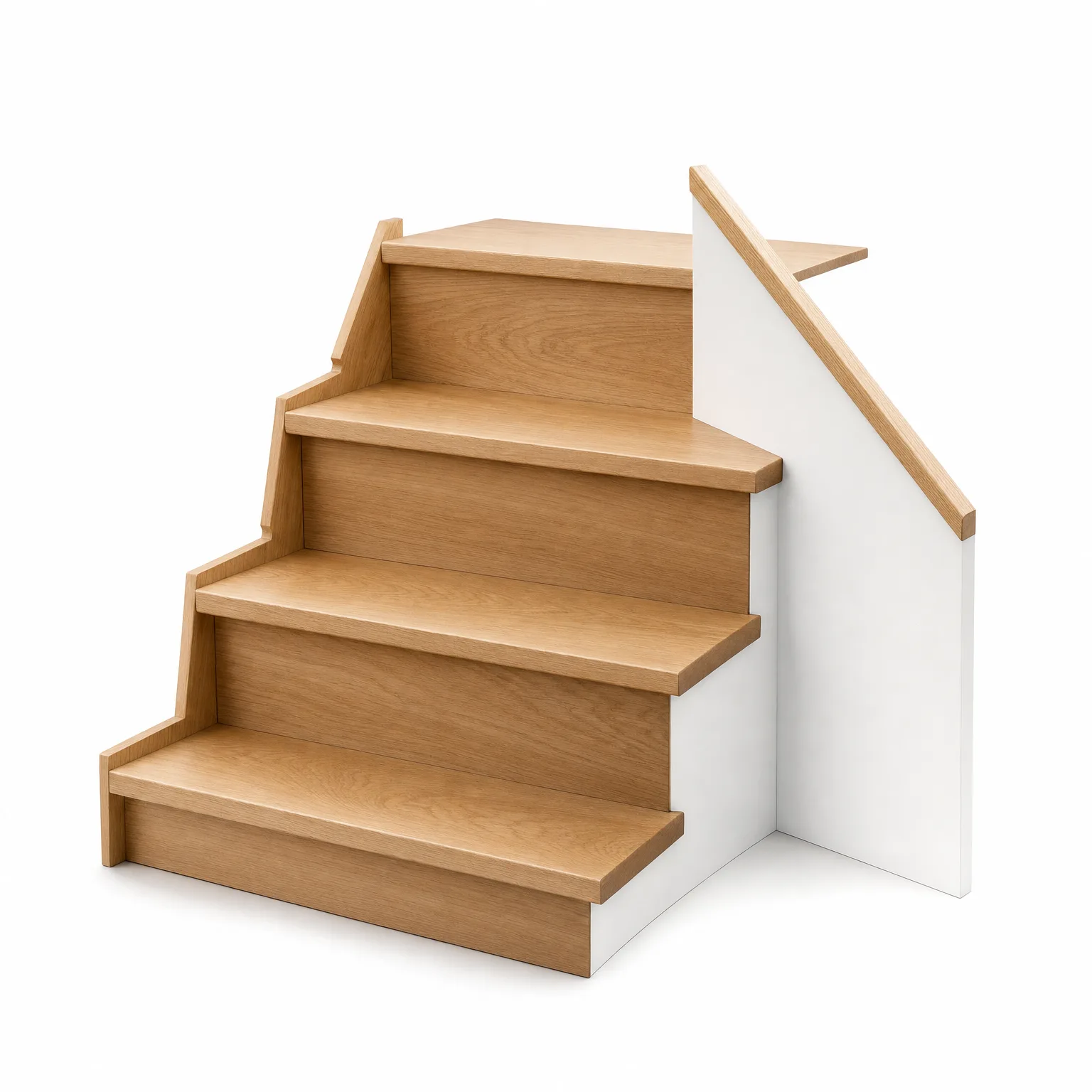
Stairs
A staircase or a single step replaces a step platform, a low plyo box and a stair climber: step-ups, calf raises and stair climbing. -
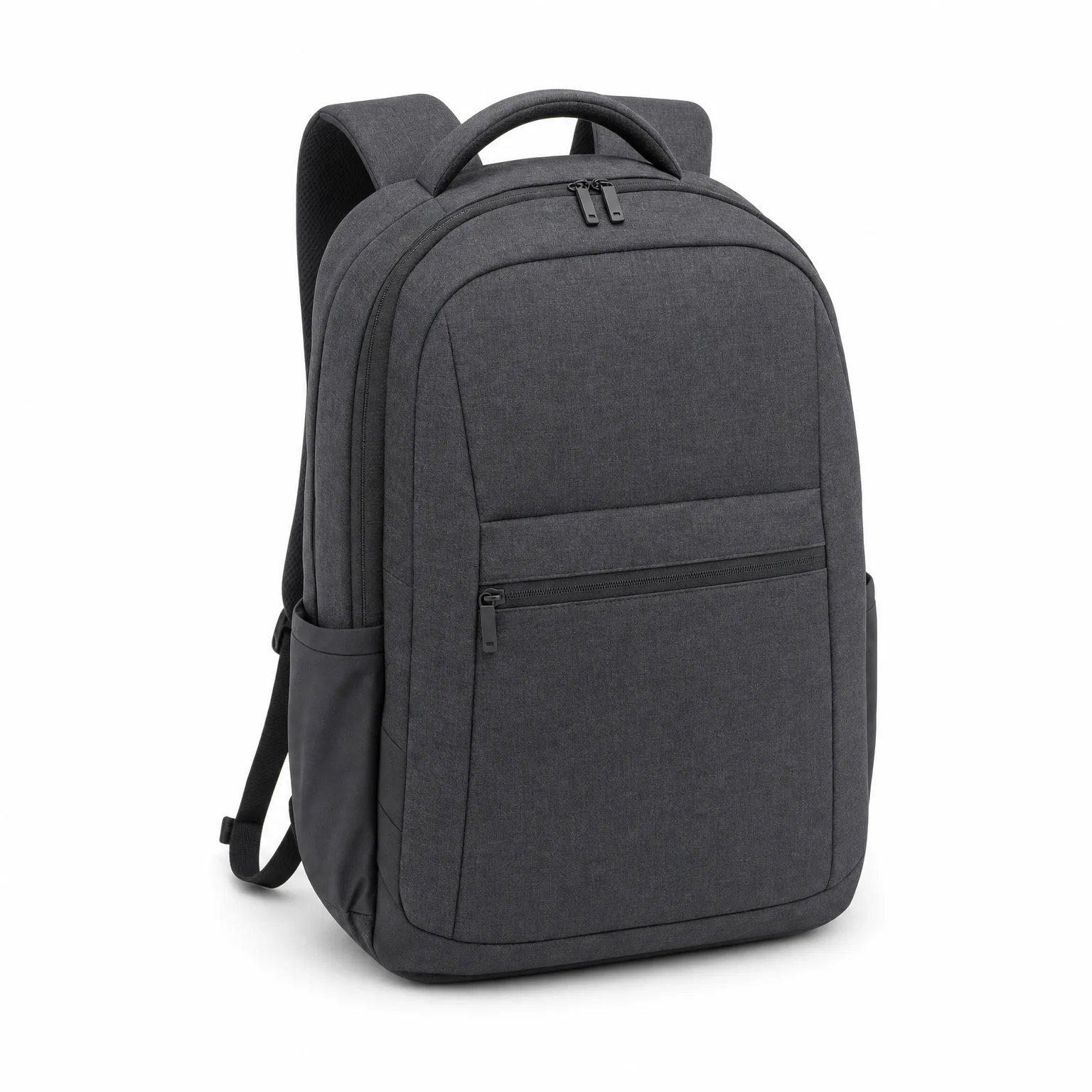
Loaded backpack
An ordinary backpack filled with books or water bottles works as an adjustable weight for squats, rows, push-ups and loaded walks. -
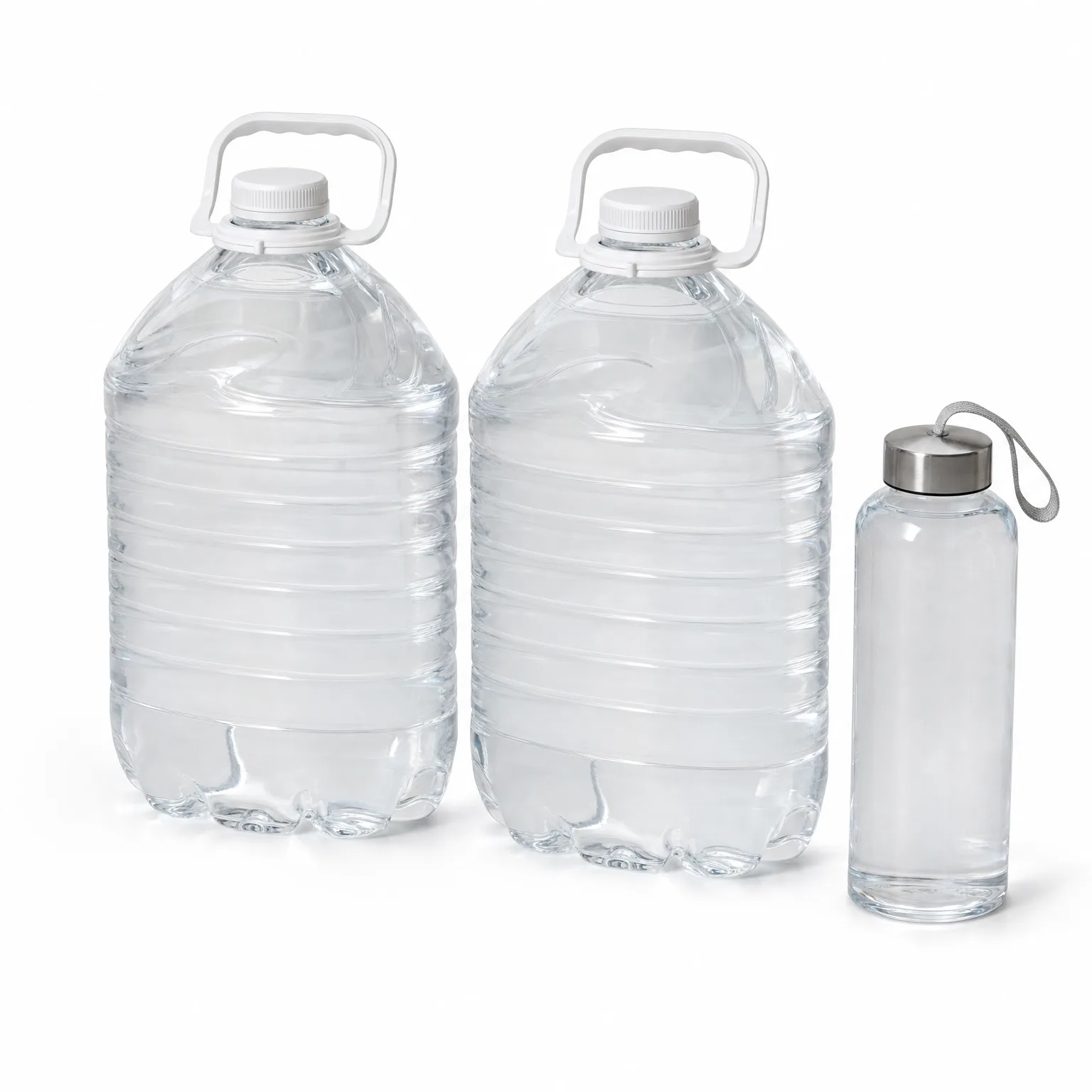
Water bottles and jugs
Filled water bottles and jugs work as light improvised dumbbells. A liter of water weighs one kilogram, so the load is easy to set. -
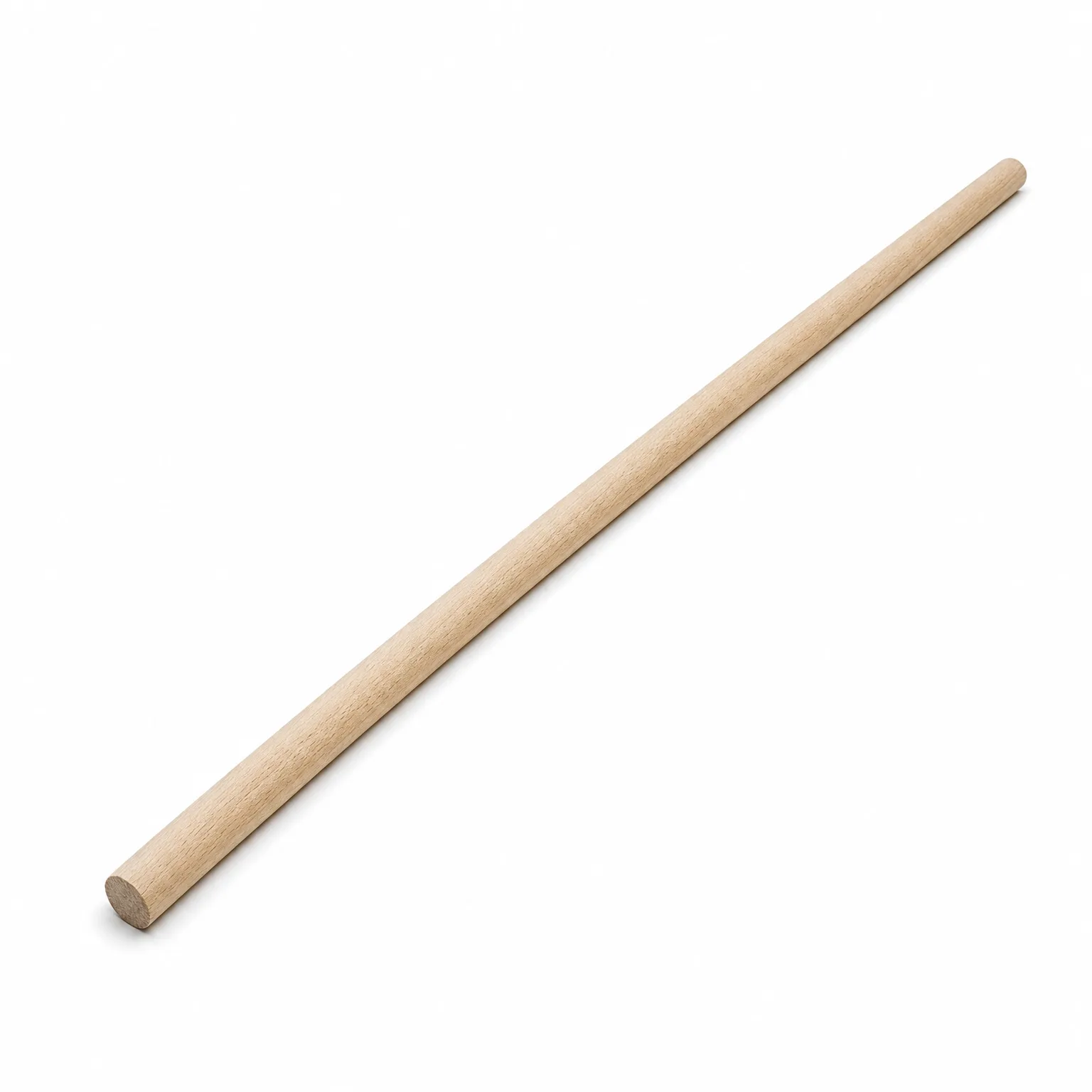
Broomstick
A broom handle, wooden dowel or PVC pipe is a weightless bar for shoulder mobility drills, warm-ups and learning barbell technique. -
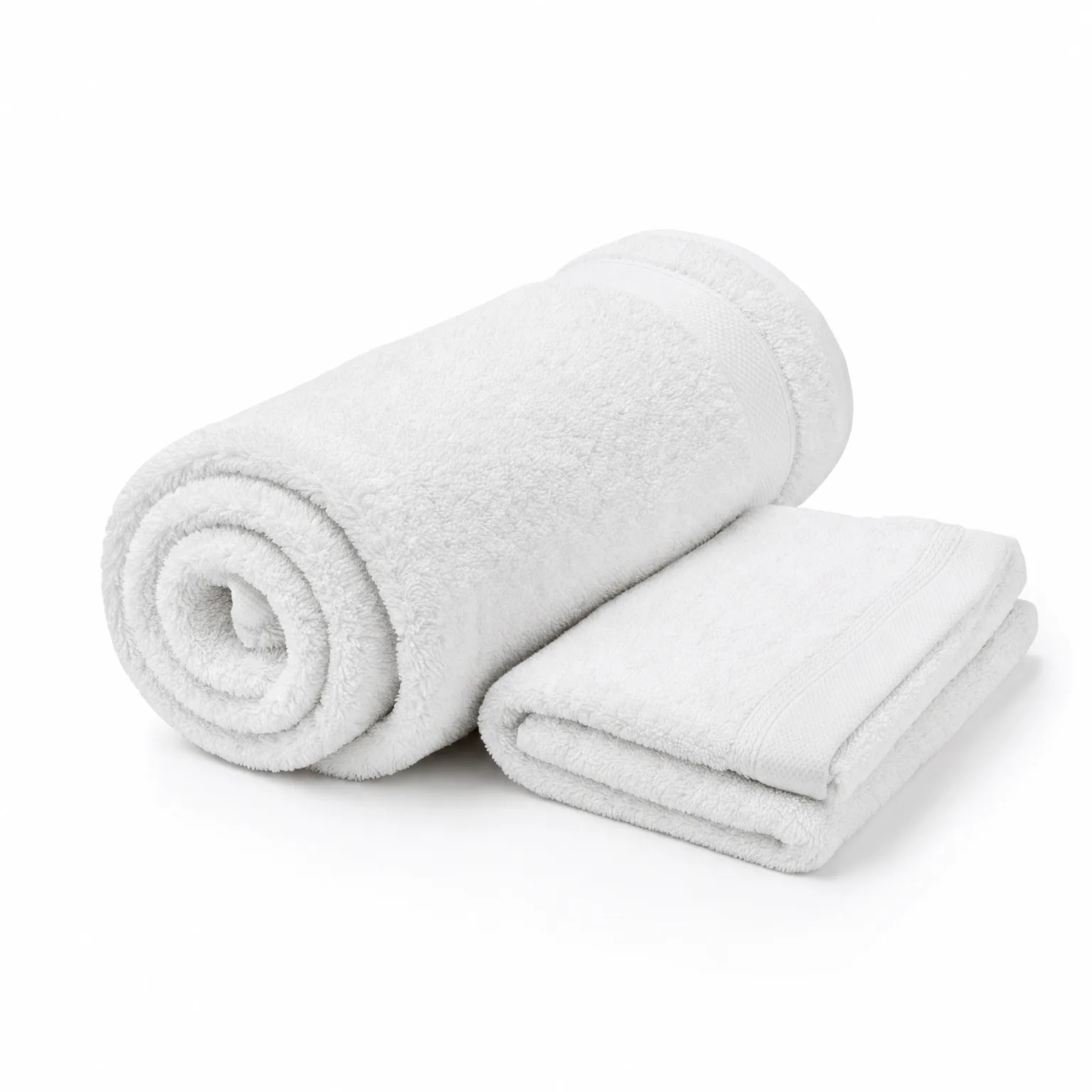
Towel
A towel doubles as sliders on a smooth floor, a stretching strap, a pulling tool for isometric exercises and padding for the knees. -
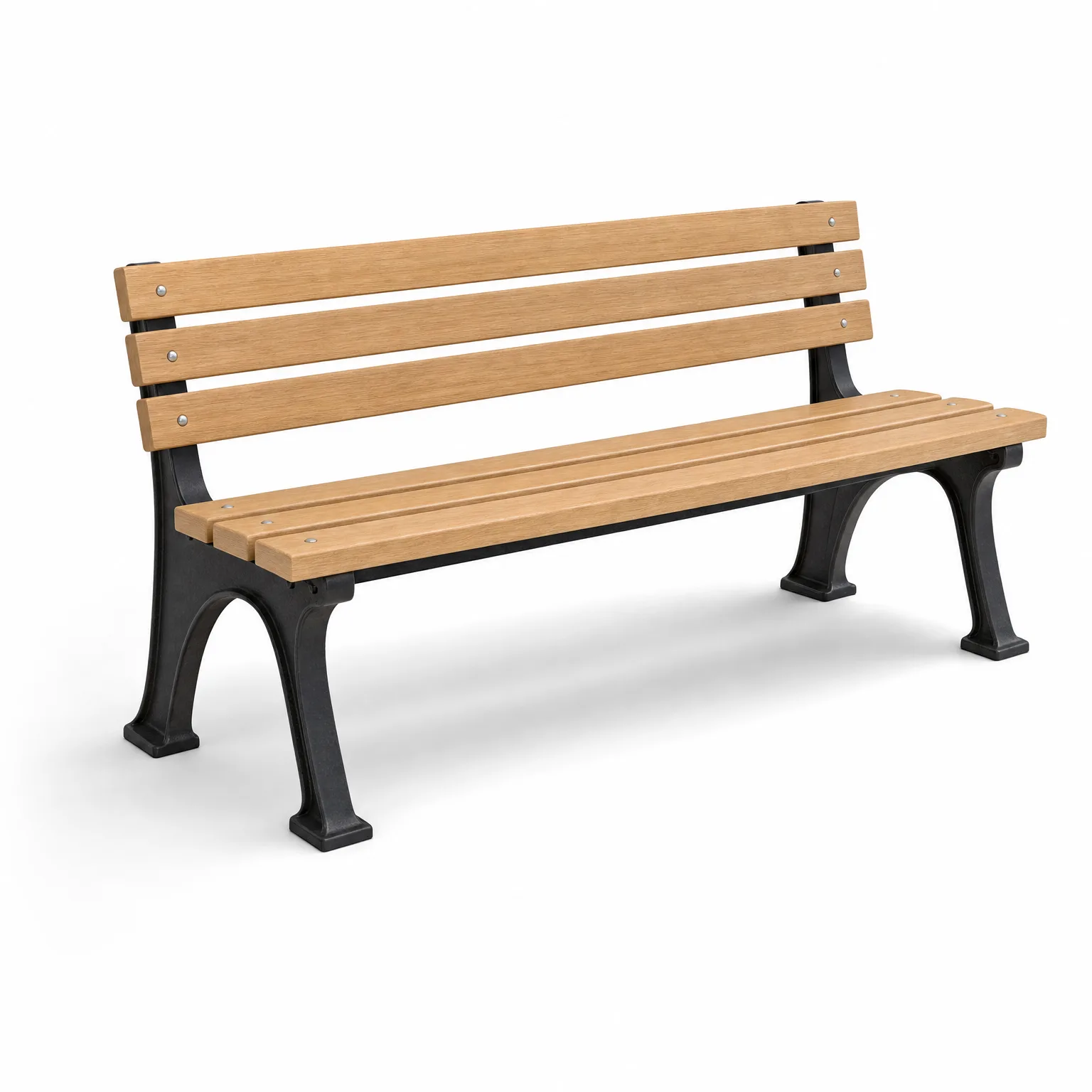
Park bench
A fixed outdoor bench gives two heights for training: the seat for step-ups, dips and split squats, the backrest for easier push-ups.
Build programs around what your client has
This guide comes from OnlineFitness.app, the app online coaches run their clients in.
Free for life for the first 100 coachesNo card