Medicine ball
A weighted ball you throw, catch and carry. Used for power throws, wall balls, partner drills and core exercises.
In short
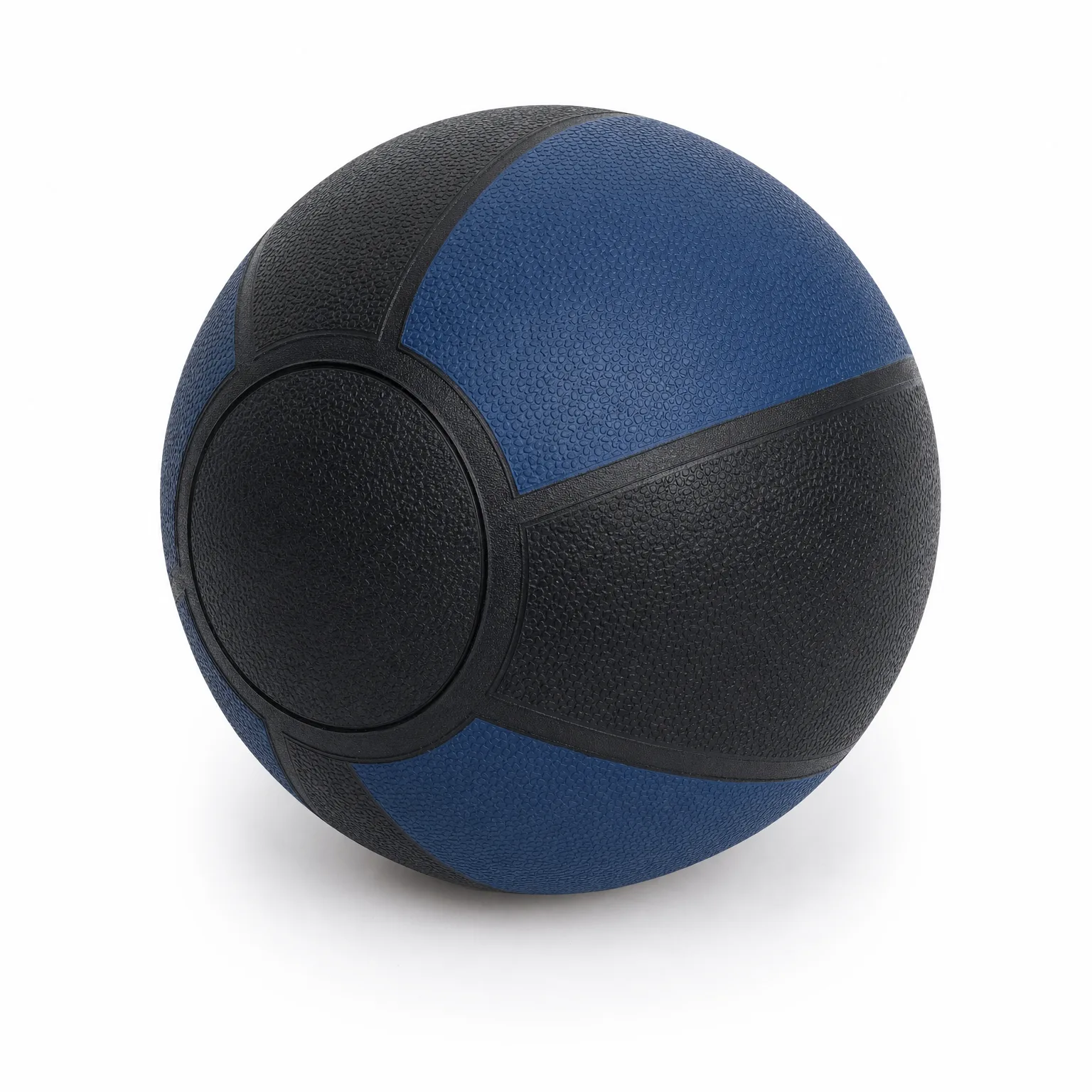
A medicine ball is a weighted ball, from a little smaller than a basketball to clearly larger. It is made to be thrown, caught and passed, so most types bounce at least a little. People use it for explosive throws against a wall or to a partner, for rotational core work, and as a light load for squats, lunges and sit-ups.
It suits beginners and athletes alike, because the weight is light and the movements are natural. It is not the same as a slam ball. A slam ball has a thick shell and does not bounce, so it can be thrown at the floor at full force.
- Category
- Free weights
- Where
- Home, Gym, Outdoors
- Level
- Beginner and up
- Space
- Needs a corner of a room
- Typical sizes
- 1–10 kg (2–22 lb) in most ranges; about 20–35 cm (8–14 in) across
- Also called
- med ball, wall ball, weighted ball, medball
What it is used for
- Chest passes, overhead throws and rotational throws against a wall or to a partner
- Wall balls: a squat followed by a throw to a target
- Russian twists, sit-ups and V-ups with the ball in the hands
- Squats, lunges and overhead reaches with a light load
- Push-ups with one or both hands on the ball
Types
Rubber medicine ball. A firm, textured rubber ball that bounces. Good for wall throws and catches on the rebound, and for outdoor use.
Wall ball. A large, soft, stitched ball about 35 cm (14 in) across at every weight. Made for squat-and-throw work against a wall. Does not bounce much and is easy to catch.
Ball with handles. One or two molded grips. Easier to hold for swings, twists and one-arm work, less suited to throwing and catching.
Leather or vinyl stitched ball. The traditional type with a soft cover and little bounce. Comfortable for partner passes and catching at the chest.
Ball with rope. A ball on a short rope for swings and rotational slams against a wall. A specialist tool for throwing sports.
How to choose
Choose the weight by speed
For throws, the ball should be light enough to move fast. If the throw slows down or the technique changes, the ball is too heavy. Many adults use 2–4 kg (4–9 lb) for throws, 3–6 kg (6–13 lb) for core work and 4–9 kg (9–20 lb) for wall balls.
Match the bounce to the drill
For rebound drills against a wall, pick a rubber ball that bounces. For partner passes and wall balls, a soft low-bounce ball is easier to catch. For slams into the floor, use a slam ball instead.
Check the grip and size
You should be able to hold the ball securely in both hands and with one hand pressed against the chest. A textured surface matters when the hands are sweaty.
Think about where you throw
Throws need a solid wall, such as brick or concrete, or open space outdoors. Without either, a ball with handles or a lighter ball for core work is the more useful choice.
How to start using it
- Start with a chest pass. Stand a step or two from a solid wall, ball at the chest, elbows down. Push it straight out as fast as you can, catch the rebound with soft arms and reset. Do sets of 5–8 fast reps.
- Throw with the legs and hips. In overhead and rotational throws, the power starts from the floor. Bend the knees, turn or extend the hips, and let the arms finish the throw.
- Learn the wall ball. Hold the ball under the chin, squat, then stand up fast and throw to a mark on the wall about 2.7–3 m (9–10 ft) high, or lower while you learn. Catch it with arms up and go straight into the next squat.
- Keep power sets short. Throws train speed. Stop the set when the ball slows down. Rest fully between sets. For conditioning, use a lighter ball and longer sets.
Common mistakes
Going too heavy
A heavy ball turns a throw into a slow push. If you want power, choose a weight you can throw fast and far.
Slamming a bouncy ball
A rubber medicine ball thrown hard at the floor comes straight back up at your face. Use a slam ball for floor slams.
Throwing with the arms only
Standing stiff and pushing with the arms misses the point of the drill and tires the shoulders early. Use the legs and hips on every throw.
Catching with stiff arms and fingers
Meeting the ball with locked elbows or spread fingertips jams the fingers and wrists. Catch with the palms, bent elbows, and give with the ball.
Throwing at a weak wall
Drywall and partition walls dent and crack. Throw only at a solid wall or a dedicated target.
What to use instead
A slam ball can replace a medicine ball for carries, twists, squats and partner passes, but it does not rebound from a wall. For core work and light loaded movements, a weight plate or a single dumbbell does the same job. Nothing in the house replaces the throws well. A basketball filled with sand is a known homemade version, but check it holds before throwing it hard.
-
Slam ball
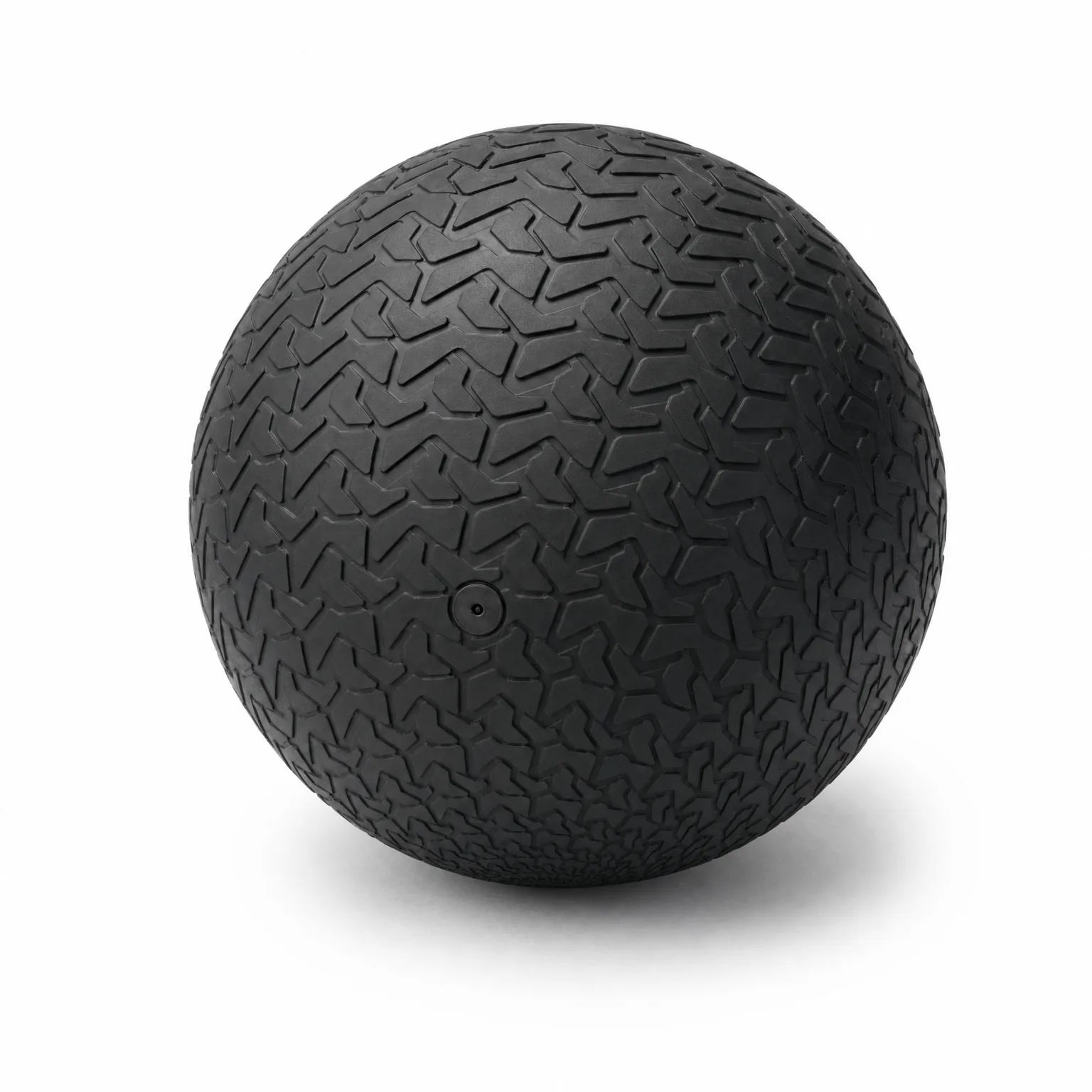
A sand-filled ball with a thick shell that does not bounce. Made to be lifted overhead and thrown at the floor at full force. -
Weight plates
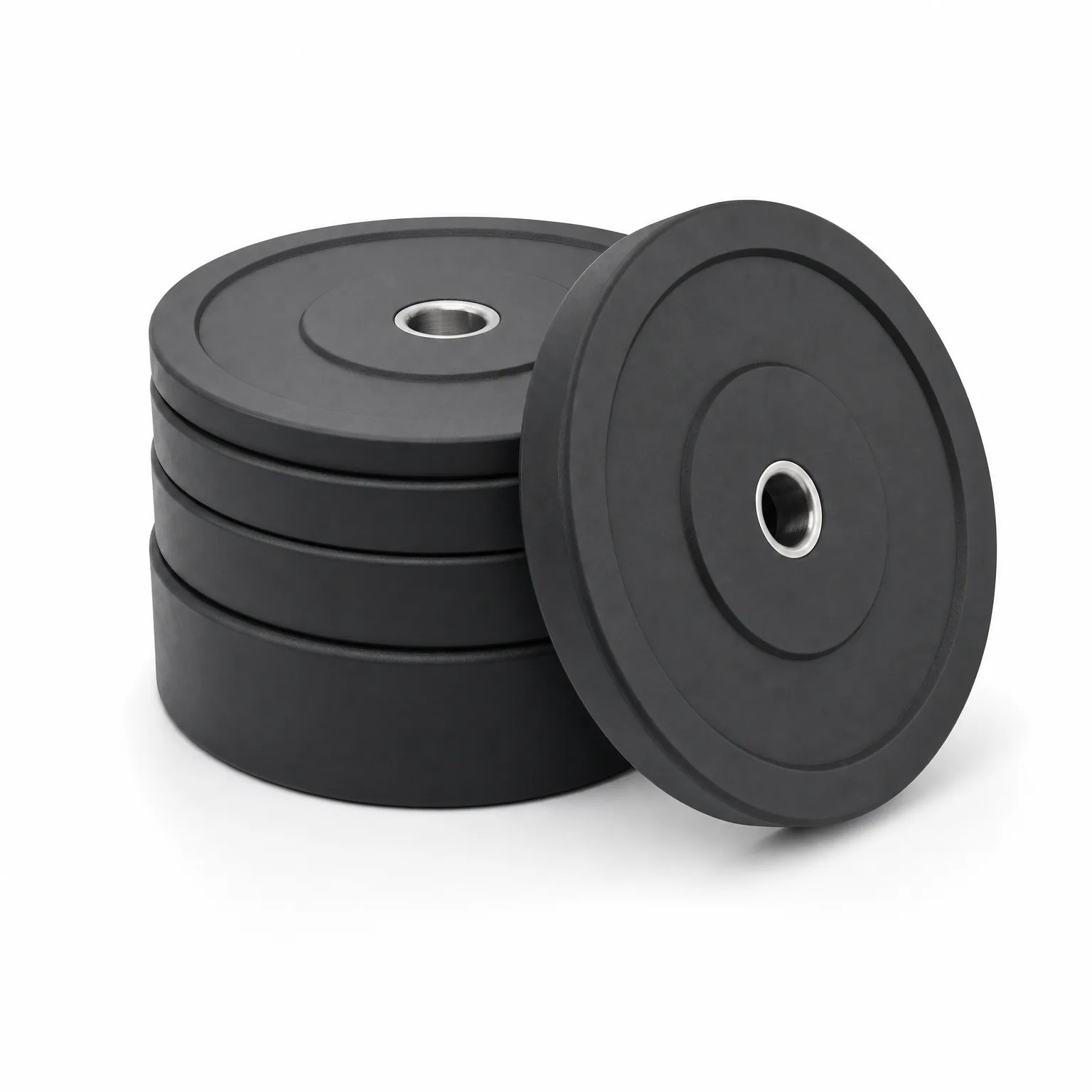
Flat discs that slide onto a barbell or machine to set the load. A single plate also works as a hand-held weight. -

Dumbbells
A pair of short handles with a weight at each end. One pair trains every major muscle group, at home or in a gym.
Often used with

Questions about medicine ball
What is the difference between a medicine ball and a slam ball?
A medicine ball is made for throwing and catching. It usually bounces and has a thinner shell. A slam ball has a thick, soft shell filled with sand or gel, does not bounce and is built to be thrown at the floor. Use a medicine ball for wall throws and partner passes, and a slam ball for slams.
What weight medicine ball should I use?
Lighter than most people expect. For fast throws, many adults do well with 2–4 kg (4–9 lb). For core work, 3–6 kg (6–13 lb) is a common range, and wall balls usually weigh 4–9 kg (9–20 lb). If the ball slows your movement, go lighter.
What is a medicine ball good for?
Training power, which means producing force fast, through throws and passes. It is also a convenient light weight for core exercises such as twists and sit-ups, and for squats and lunges while learning the movement.
Can you slam a medicine ball?
Only if it is a low-bounce type and the maker says it can take it. A rubber ball rebounds hard, and stitched balls can split at the seams. For regular slams, use a slam ball.
Is a wall ball the same as a medicine ball?
A wall ball is one type of medicine ball. It is larger and softer, with the same diameter at every weight, and is made for the squat-and-throw exercise of the same name. Smaller rubber medicine balls suit rebound throws and one-hand work better.
Build programs around what your client has
This guide comes from OnlineFitness.app, the app online coaches run their clients in.
Free for life for the first 100 coachesNo card