Glutes
The large muscle of the buttock. It straightens the hip in squats, deadlifts, hip thrusts, sprints and every step up a stair.
In short
The gluteus maximus is the largest muscle of the buttock and one of the largest in the body. It runs from the back of the pelvis and the sacrum to the thigh bone and the band of tissue along the outer thigh. Its main job is hip extension: driving the thigh back when you stand up, climb, jump or run.
It works hardest when the hip straightens against load, so the exercises that build it are hip thrusts, deadlift variations, squats and lunges. Two smaller muscles, the gluteus medius and minimus, sit above and beneath it on the side of the hip and move the leg sideways. This page covers the gluteus maximus.
- Anatomical name
- Gluteus maximus
- Group
- Legs and glutes
- Also called
- glute max, butt muscles, buttocks, gluteals
- Works with
- Hamstrings, Quads, Adductors, Lower back
What it does
- Extends the hip: standing up from a squat, locking out a deadlift, pushing off in a sprint
- Turns the thigh outward: pushing the knees out in a squat, pivoting on one foot
- Helps the gluteus medius keep the pelvis and torso steady when you stand on one leg
- Helps move the thigh out to the side (upper fibers) and back toward the midline (lower fibers)
Parts of the muscle
Upper fibers. Start at the back of the upper pelvis and blend into the band along the outer thigh. Besides extending the hip they help lift the leg out to the side, so they also work in side steps and single-leg stance.
Lower fibers. Run from the sacrum and tailbone to the back of the thigh bone. They are mainly hip extensors and work in every thrust, hinge, squat and lunge.
Exercises for the glutes
Ordered from the most useful. Equipment links open its page in the equipment guide.
-
Hip thrust
Upper back on a bench, bar on the hip crease. Push through the heels until the torso is level, ribs down, and pause for a second at the top.
-
Romanian deadlift
Knees soft, back flat. Push the hips back until the hamstrings stop you, then stand up by driving the hips forward.
-
Bulgarian split squat
Back foot on a bench, long stance. Lean the torso slightly forward and lower until the front thigh is about parallel to the floor.
-
Back squat
Go as deep as you can while keeping the back flat and the heels down. Deep squats train the glutes more than half squats.
-
Glute bridge
Lie on your back with the knees bent. Lift the hips until the body is straight from knees to shoulders without arching the lower back.
Bodyweight
-
Cable kickback
Strap on the ankle, hands on the frame. Sweep the leg back from the hip without swinging the torso or arching the back.
-
Back extension
Pad below the hip bones. Round the upper back slightly, turn the feet out and lift by squeezing the glutes, stopping at a straight line.
How to train it
Combine a thrust, a hinge and a squat or lunge
Thrusts and bridges load the glutes most at the top, with the hip straight. Squats, lunges and Romanian deadlifts load them at the bottom, in a stretch. A program that has one of each trains the muscle through its whole range.
Train them two or three times a week
A common starting point is 10 to 20 hard sets a week, split over two or three sessions. Beginners grow on the low end. Add sets only when progress stalls and recovery is fine.
Use a wide range of reps
Heavy compound lifts work well for 5 to 10 reps. Thrusts, split squats and step-ups suit 8 to 15. Kickbacks and bridges suit 12 to 25. Whatever the range, finish most sets within a few reps of failure.
Use full range and control the way down
In squats and lunges, use the deepest range you can control before adding load. Take about two seconds to lower and do not bounce out of the bottom.
Add load over time
The glutes are strong and stop progressing on weights that never change. Add a little weight or a rep whenever all sets reach the top of the planned range with good form.
Common mistakes
Arching the lower back to finish the rep
At the top of a thrust or kickback, extra height that comes from the spine does not come from the glutes. Keep the ribs down and stop when the hip is straight.
Doing only band work
Mini band walks and kickbacks are fine as a warm-up or a finisher, but they are light. Size and strength come mainly from heavy thrusts, hinges, squats and lunges.
Cutting squats and lunges short
Half reps train the glutes less than deep ones, because the glutes are stretched and loaded more as the hip bends deeper. Use the depth you can control.
Feet in the wrong place on thrusts
Feet too far away shift the work to the hamstrings, too close to the quads. Set them so the shins are vertical at the top.
Equipment for these exercises
-
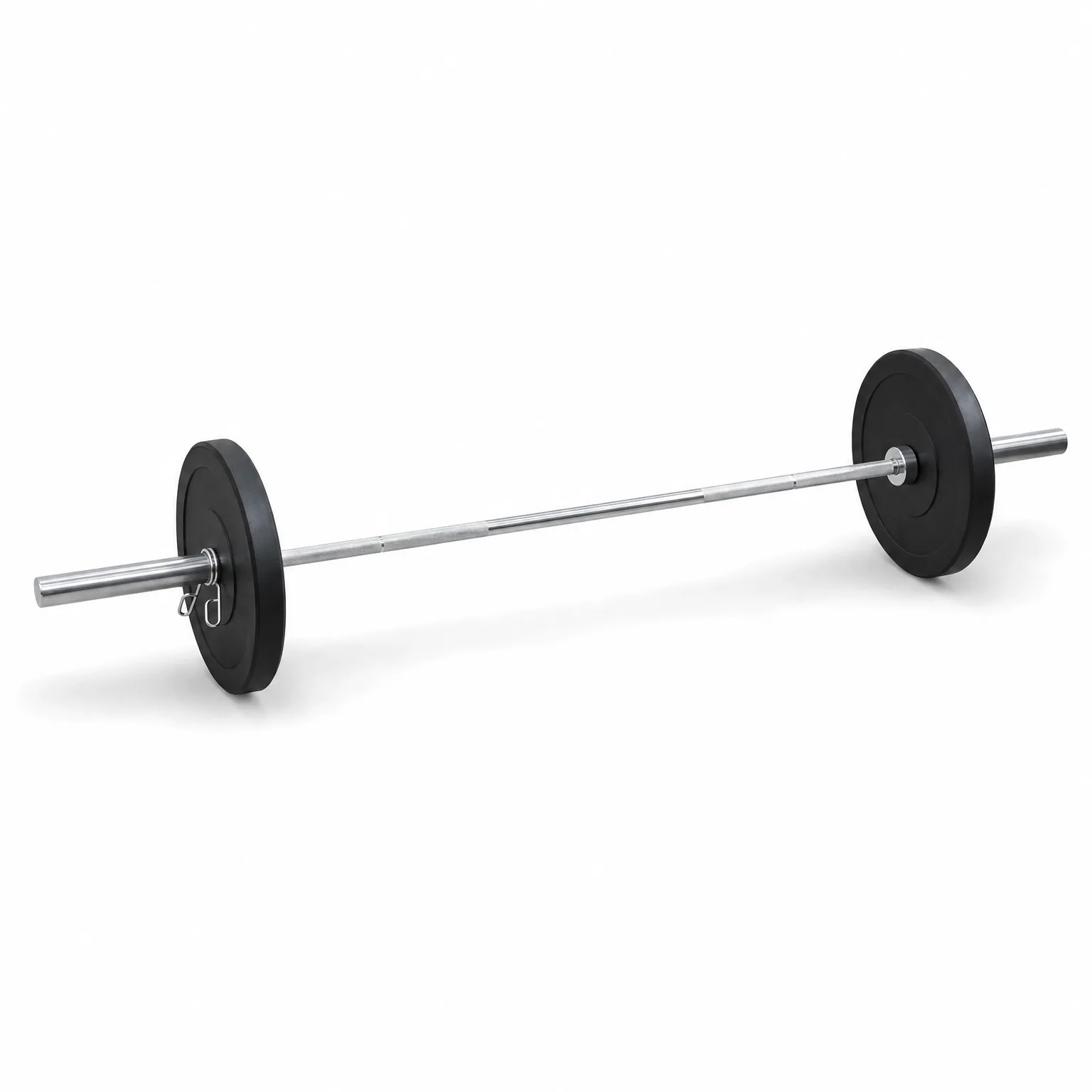
Barbell
A long steel bar loaded with plates at both ends. The standard tool for squats, deadlifts, presses and rows with heavy weight. -
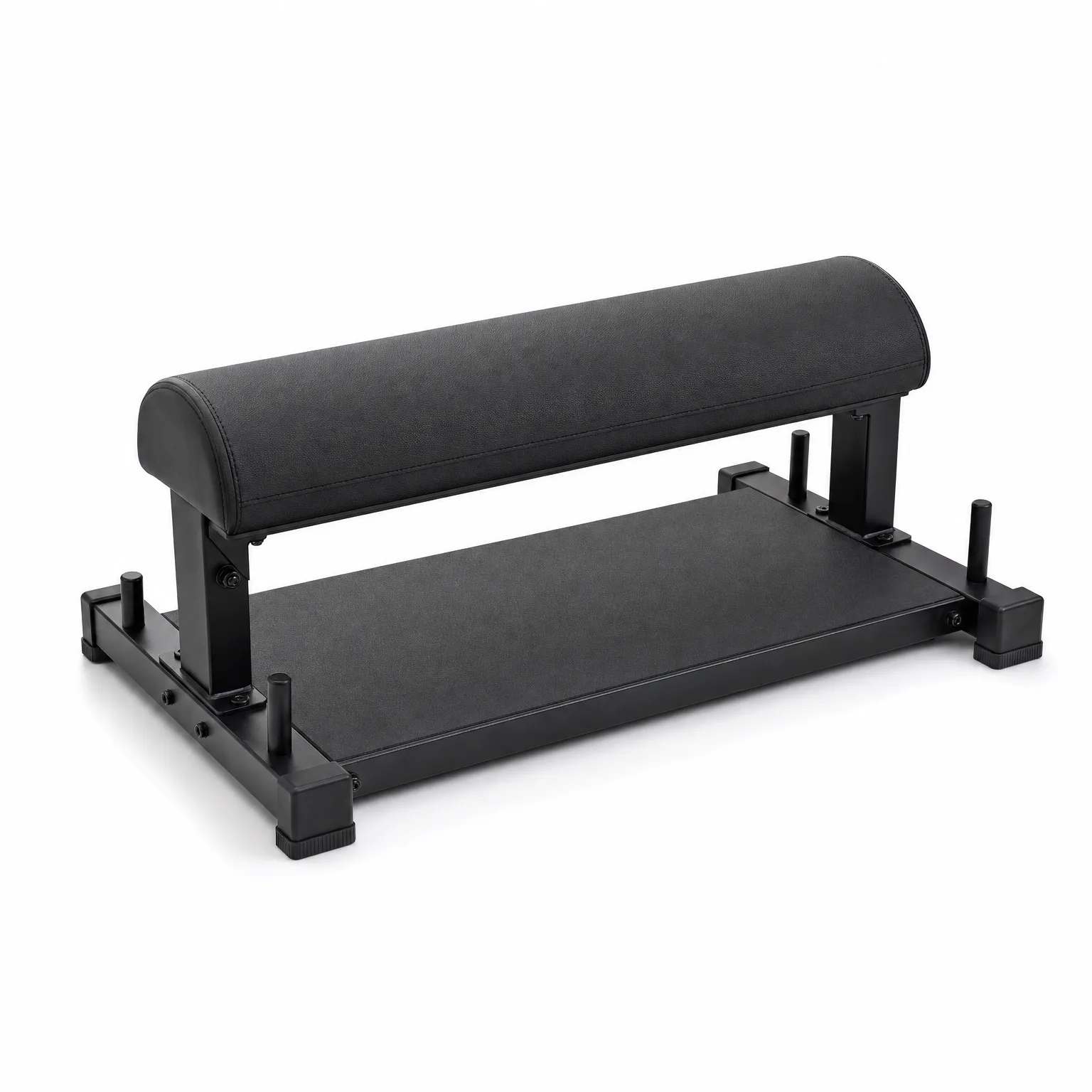
Hip thrust bench
A low padded bench at the right height for barbell hip thrusts, often on a platform with band pegs. Trains the glutes. -

Dumbbells
A pair of short handles with a weight at each end. One pair trains every major muscle group, at home or in a gym. -

Weight bench
A padded bench you lie, sit or lean on while lifting. It supports the body for presses, rows, hip thrusts and seated work. -
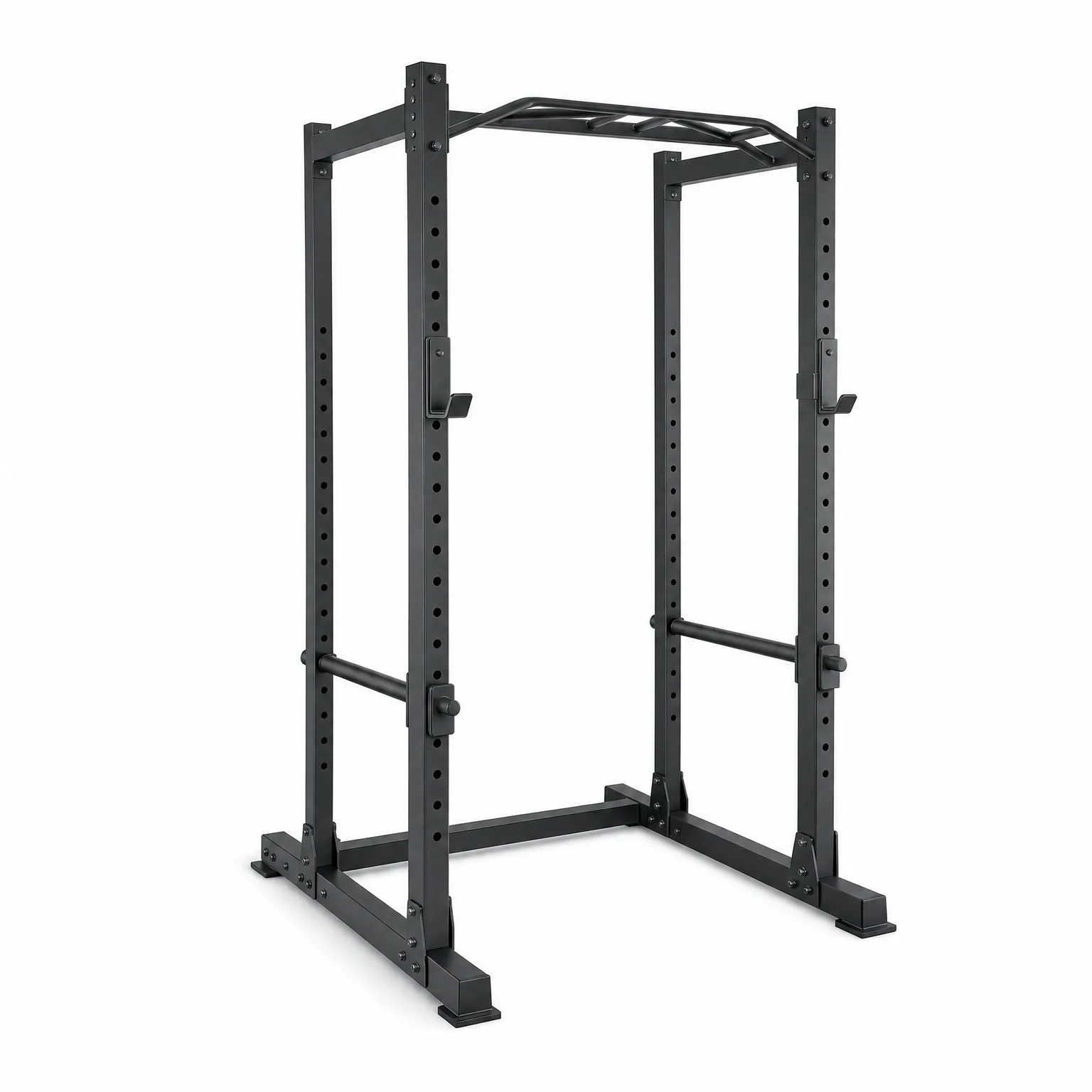
Squat rack
A steel frame that holds a barbell at the height you need and catches it if a rep fails. The base for squats and presses. -
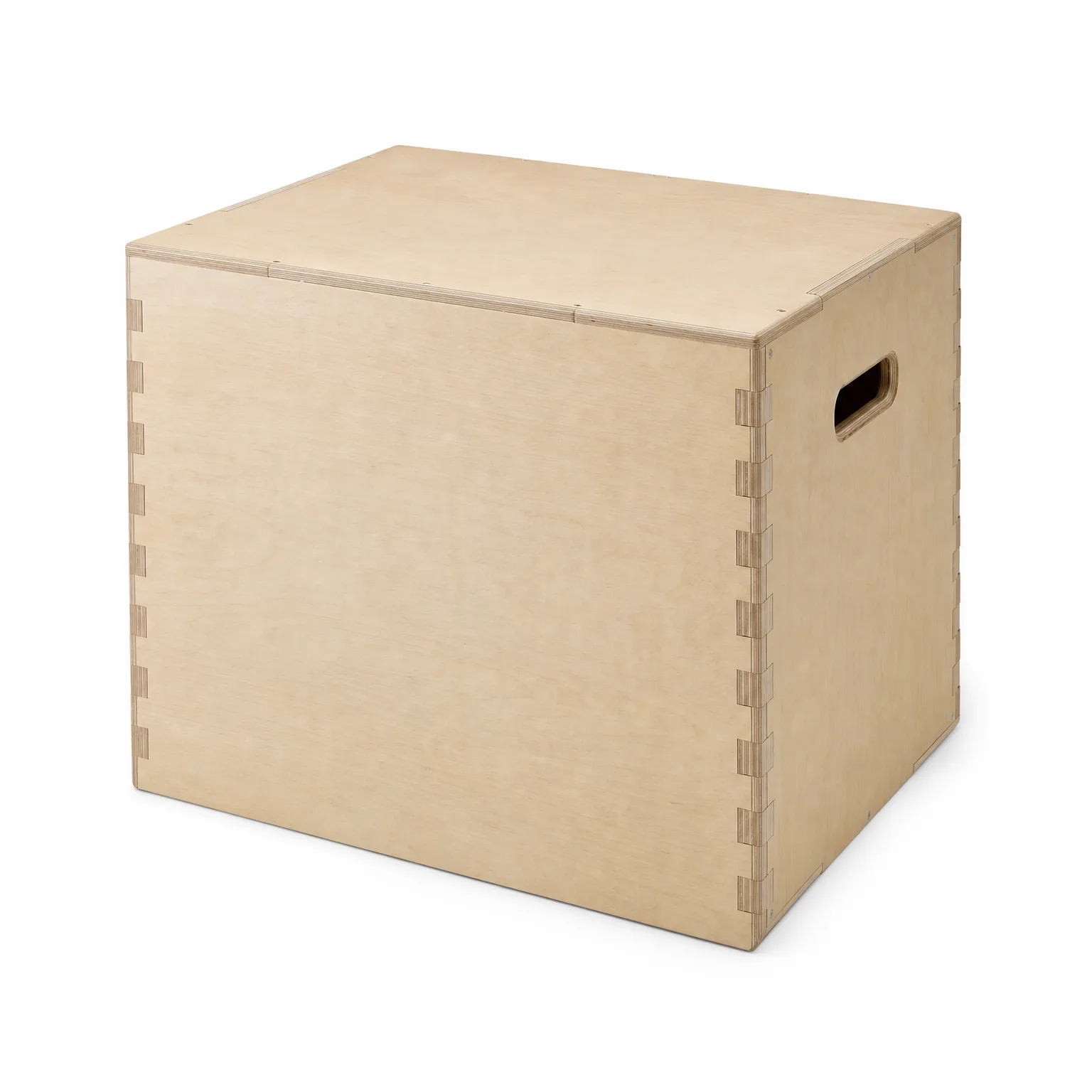
Plyo box
A sturdy box for jumping onto and stepping up on. Used for box jumps, step-ups, box squats and raised push-ups. -
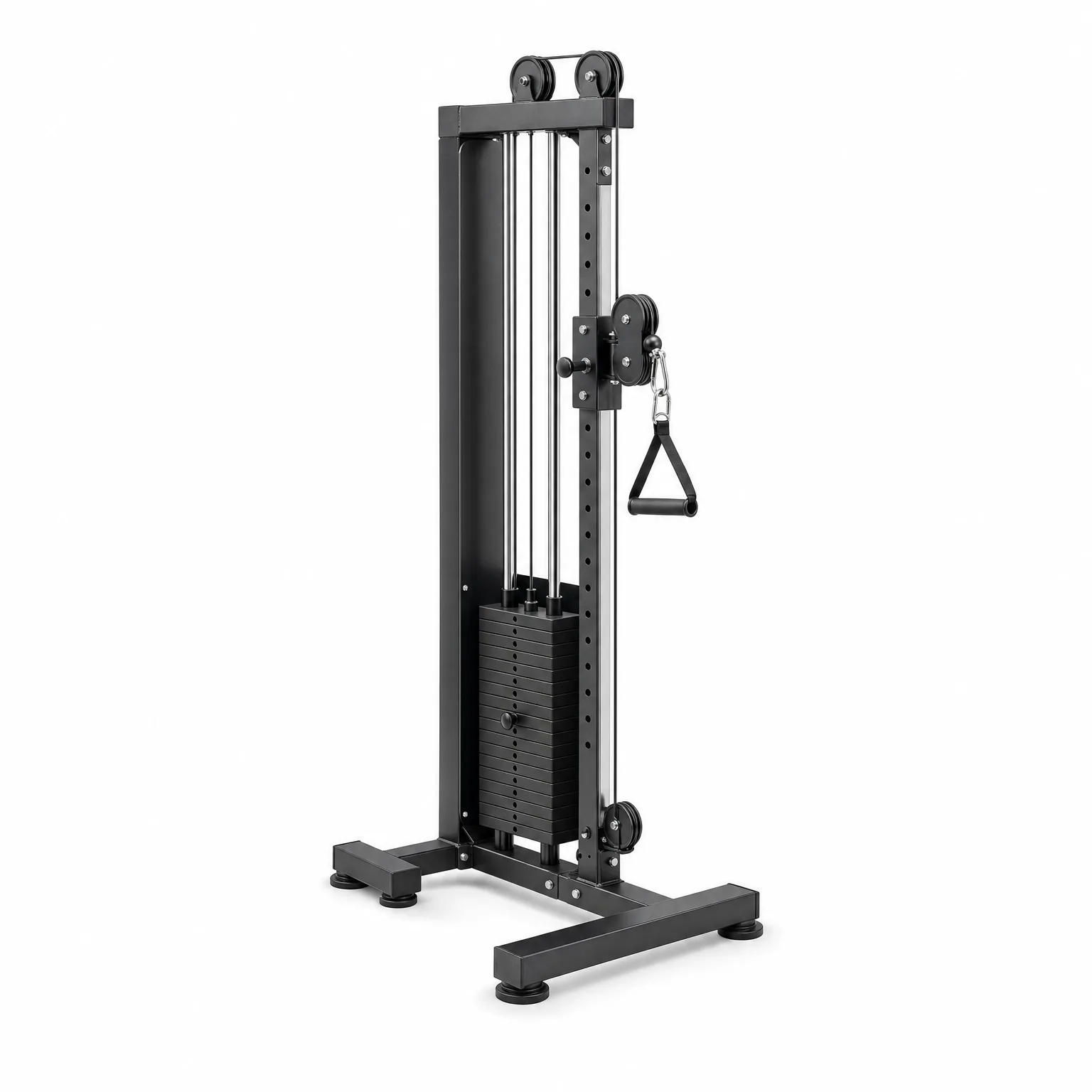
Cable machine
A weight stack on a pulley with a handle you can set at any height. It keeps tension on the muscle through the whole movement. -
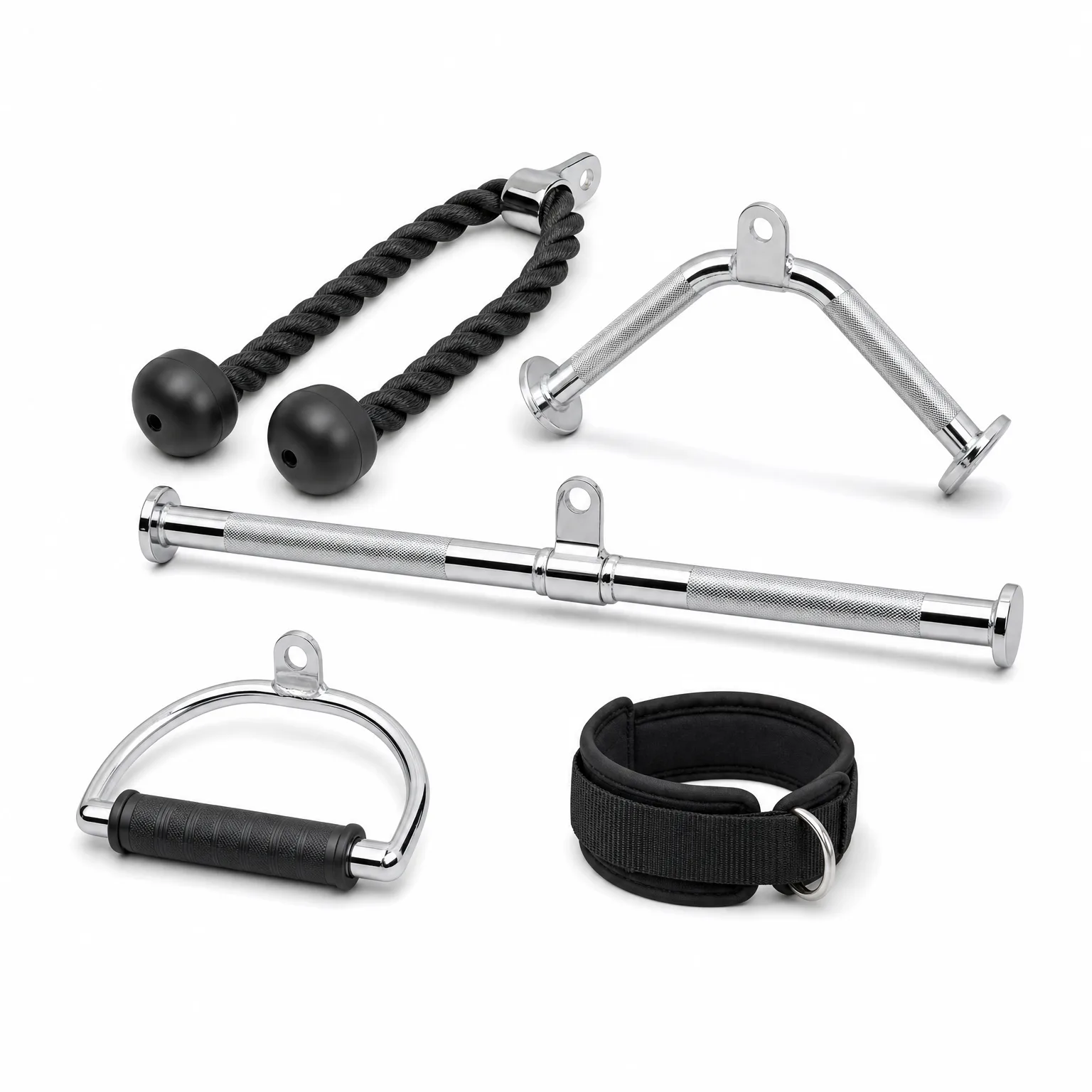
Cable attachments
The handles, bars, ropes and cuffs that clip onto a cable machine. Each one sets your grip and changes which exercises the cable can do.
Related muscles
-
Hamstrings
Three muscles on the back of the thigh. They bend the knee and straighten the hip, so they work in leg curls, deadlifts and sprints. -
Quads
Four muscles on the front of the thigh. They straighten the knee in squats, lunges, jumps and stairs, and one of them also lifts the thigh. -
Adductors
The muscle group on the inner thigh. It pulls the legs together, steadies the pelvis and helps straighten the hip in squats. -
Lower back
The muscles along both sides of the lower spine. They hold the back straight under load and straighten it when you stand up from a bend.
Questions about training the glutes
What is the best exercise for the glutes?
There is no single best one. The hip thrust loads the glutes hard with the hip straight and is easy to progress. Squats, lunges and Romanian deadlifts load them in a stretched position. Both build the glutes well and load them at different points of the range, so most programs use the two together.
How often should I train glutes?
Two or three sessions a week work for most people, with at least a day between hard sessions. Spreading the weekly sets over several days usually gives better quality sets than one very long session.
Can I grow my glutes at home without weights?
At the start, yes. Single-leg bridges, single-leg hip thrusts off a sofa, step-ups and split squats are hard enough for a beginner. Progress slows once you can do more than about 20 to 25 reps per set, so plan to add a loaded backpack, dumbbells or bands.
Why do I feel hip thrusts in my hamstrings or lower back?
Hamstrings usually mean the feet are too far from the hips: move them closer until the shins are vertical at the top. Lower back usually means the ribs are flaring and the spine is arching: tuck the chin, keep the ribs down and stop the rep when the hips are level.
Do squats alone build the glutes?
Deep squats do train the glutes, but they also load the quads heavily and are limited by them. Adding a thrust or bridge and a hinge such as the Romanian deadlift trains the glutes more directly and with less fatigue elsewhere.
Write programs your clients can follow
This guide comes from OnlineFitness.app, the app online coaches run their clients in.
Free for life for the first 100 coachesNo card