Traps
A large, flat muscle from the neck down the middle of the upper back. It lifts, pulls back and rotates the shoulder blades in shrugs, rows and carries.
In short
The trapezius is a large, flat muscle on the upper back; the left and right sides together form a diamond. It runs from the base of the skull and the spine, from the neck down to the middle of the back, out to the collarbone and the shoulder blades. Its job is to move and hold the shoulder blades: it lifts them, pulls them together, lowers them and rotates them upward when you raise the arms overhead.
Most people mean the upper traps, the slope between the neck and the shoulder, but the muscle has middle and lower parts that work in rows and raises. Shrugs, deadlifts and carries load the upper part heavily. Rows, face pulls and Y-raises train the middle and lower parts. Many back and shoulder lifts already work the traps, so direct work is often small.
- Anatomical name
- Trapezius
- Group
- Back
- Also called
- trapezius muscle, upper traps, trap muscles, lower traps, middle traps
- Works with
- Mid back, Rear delts, Side delts, Lats
What it does
- Lifts the shoulder blades (upper fibers): shrugs, carrying heavy bags, holding a deadlift
- Pulls the shoulder blades together (middle fibers): the end of a row, a face pull
- Pulls the shoulder blades down (lower fibers): the start of a pull-up, a prone Y-raise
- Rotates the shoulder blades upward so the arm can go overhead (upper and lower fibers): overhead press, reaching up
- Helps extend and turn the head and neck (upper fibers)
Parts of the muscle
Upper fibers. From the base of the skull and the neck to the outer collarbone. They form the slope above the shoulder and work in shrugs, deadlifts, carries and overhead pressing.
Middle fibers. From the upper back to the top of the shoulder blades. They pull the shoulder blades together in rows, face pulls and reverse flyes.
Lower fibers. From the middle back up to the inner end of the shoulder blade ridge. They pull the shoulder blades down and help rotate them in Y-raises, pull-ups and overhead work.
Exercises for the traps
Ordered from the most useful. Equipment links open its page in the equipment guide.
-
Barbell shrug
Take the bar from a rack at mid-thigh, hands just outside the hips. Lift the shoulders straight up toward the ears, pause for a second and lower all the way.
-
Deadlift
Bar over the middle of the foot, back flat, arms long. Push the floor away and stand tall. The upper traps hold the shoulders in place, so heavy deadlifts train them without a single shrug.
-
Farmer's carry
Pick up heavy dumbbells, stand tall and walk with short, steady steps. Keep the shoulders level and do not let them sag forward.
-
Dumbbell shrug
Dumbbells at the sides, palms facing in. Shrug straight up without rolling the shoulders, and let them fully drop between reps for a full stretch.
-
Chest-supported row
Chest on an incline bench. Row the dumbbells and squeeze the shoulder blades together at the top for a second to bring in the middle traps.
-
Face pull
Rope at face height. Pull it toward the forehead, elbows high, and finish by squeezing the shoulder blades back and slightly down.
-
Prone Y-raise
Lie chest down on an incline bench with light dumbbells. Lift the arms up in a Y, thumbs up, by pulling the shoulder blades down and back, not by arching the back.
How to train it
Count the indirect work first
Deadlifts, rows, carries, pull-ups and overhead presses all train the traps. A program with several of these may need only a few direct sets, or none, unless bigger upper traps are a specific goal.
Train all three regions
Shrugs and carries cover the upper traps. Rows with a squeeze at the top and face pulls cover the middle. Y-raises and the start of pull-ups cover the lower. One exercise for each region is enough for most people.
Do 4 to 10 direct sets a week
Spread them over two sessions on top of your back and shoulder work. Beginners usually grow traps from compound lifts alone. People with little heavy pulling in their program can do more.
Shrug heavy, raise light
Shrugs and carries suit heavy loads: 8 to 15 reps for shrugs and 20 to 40 meters per carry. Y-raises and face pulls work best light, for 12 to 20 reps with a pause.
Use a full range on shrugs
Let the shoulders drop fully at the bottom and pause at the top. Lifting straps let you load shrugs beyond what your grip can hold.
Common mistakes
Rolling the shoulders during shrugs
Circling the shoulders forward or back adds nothing for the muscle. Lift straight up and lower straight down.
Tiny shrugs with too much weight
Moving a very heavy bar a few centimeters trains little. Use a load you can lift through the full range and hold at the top for a moment.
Training only the upper traps
Shrugs alone ignore the middle and lower fibers that move the shoulder blades in rows and overhead work. Add rows with a squeeze and Y-raises.
Arching the back in Y-raises
Lifting the chest off the bench turns the raise into a back extension. Keep the chest on the pad and lift only as high as the shoulder blades allow.
Equipment for these exercises
-
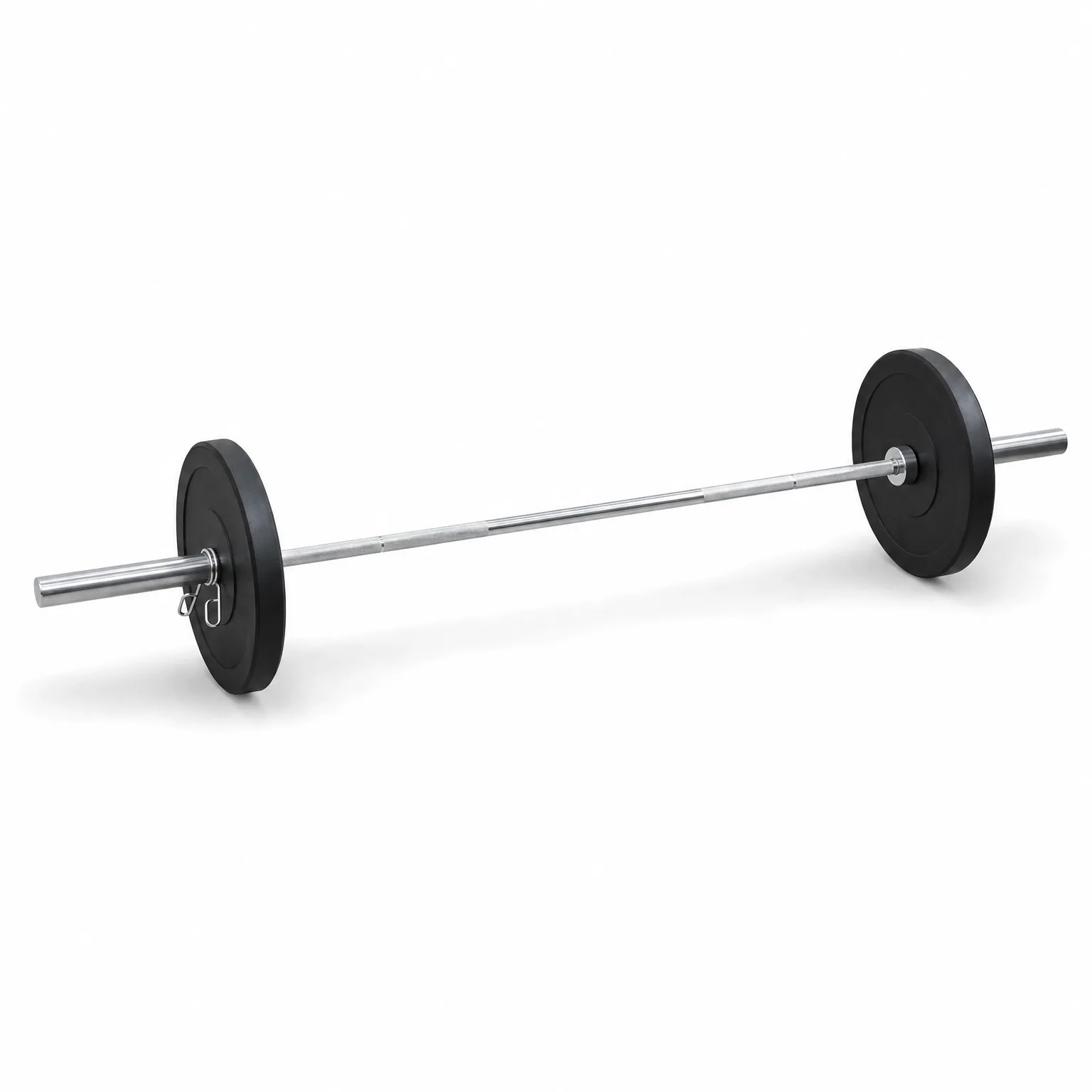
Barbell
A long steel bar loaded with plates at both ends. The standard tool for squats, deadlifts, presses and rows with heavy weight. -
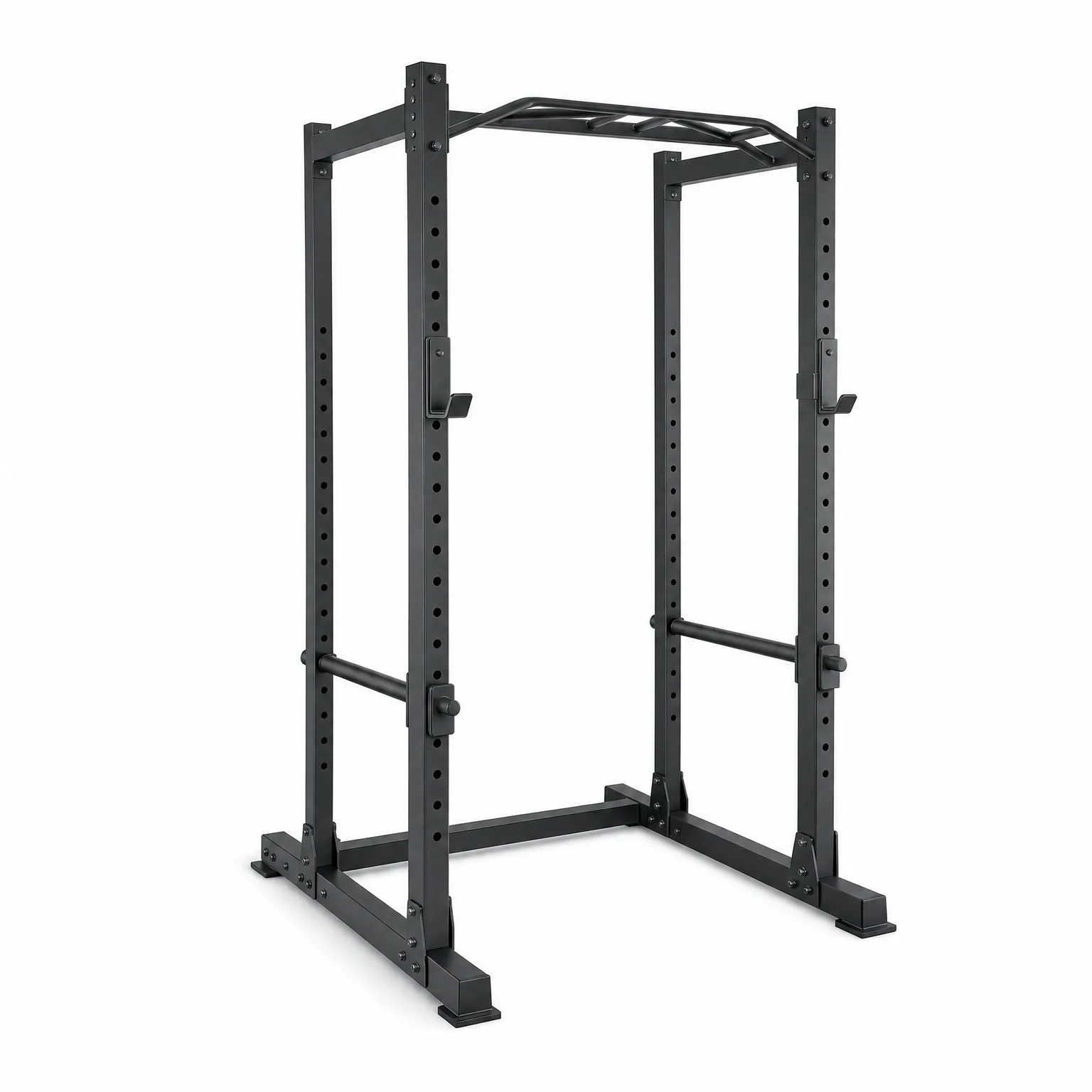
Squat rack
A steel frame that holds a barbell at the height you need and catches it if a rep fails. The base for squats and presses. -
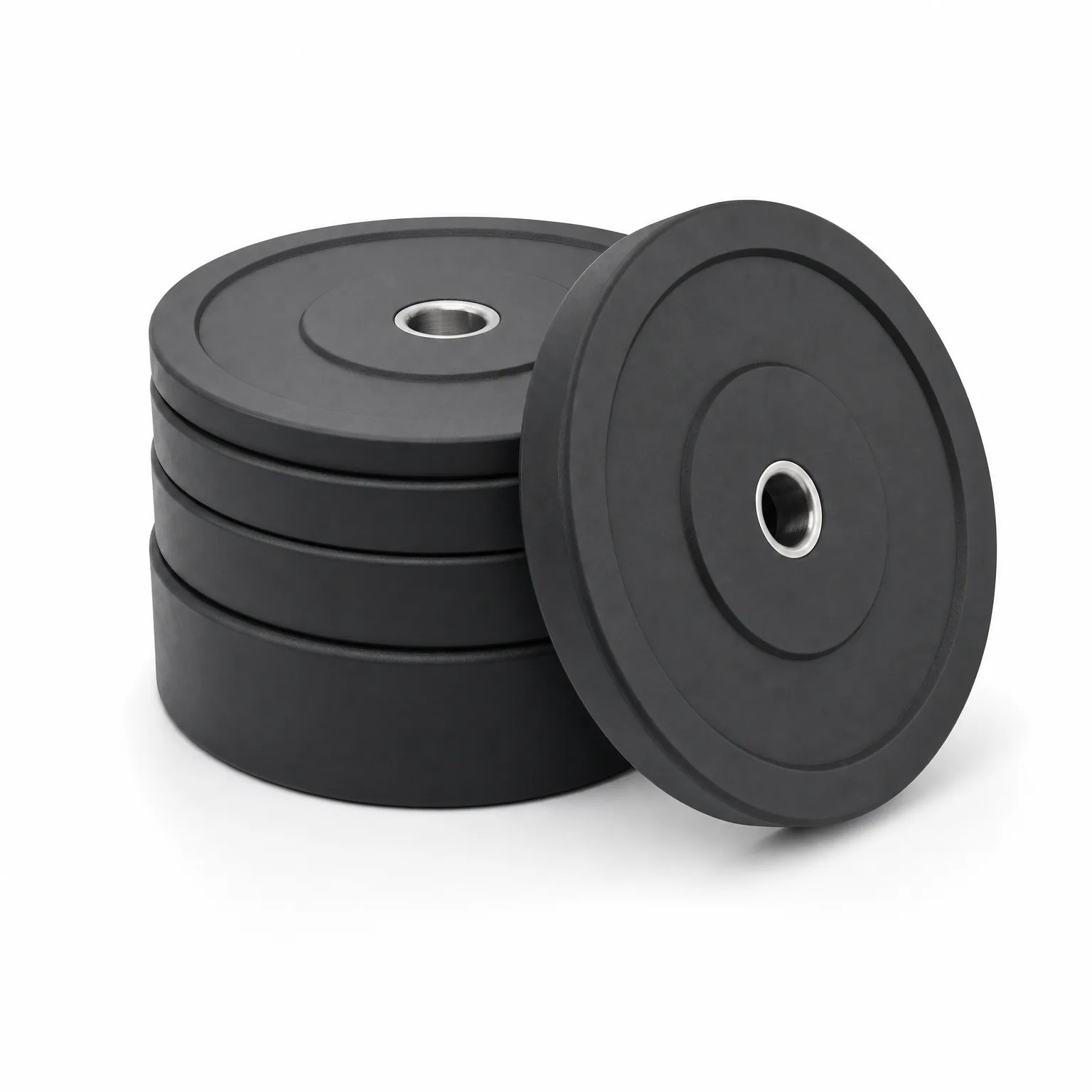
Weight plates
Flat discs that slide onto a barbell or machine to set the load. A single plate also works as a hand-held weight. -

Dumbbells
A pair of short handles with a weight at each end. One pair trains every major muscle group, at home or in a gym. -

Weight bench
A padded bench you lie, sit or lean on while lifting. It supports the body for presses, rows, hip thrusts and seated work. -
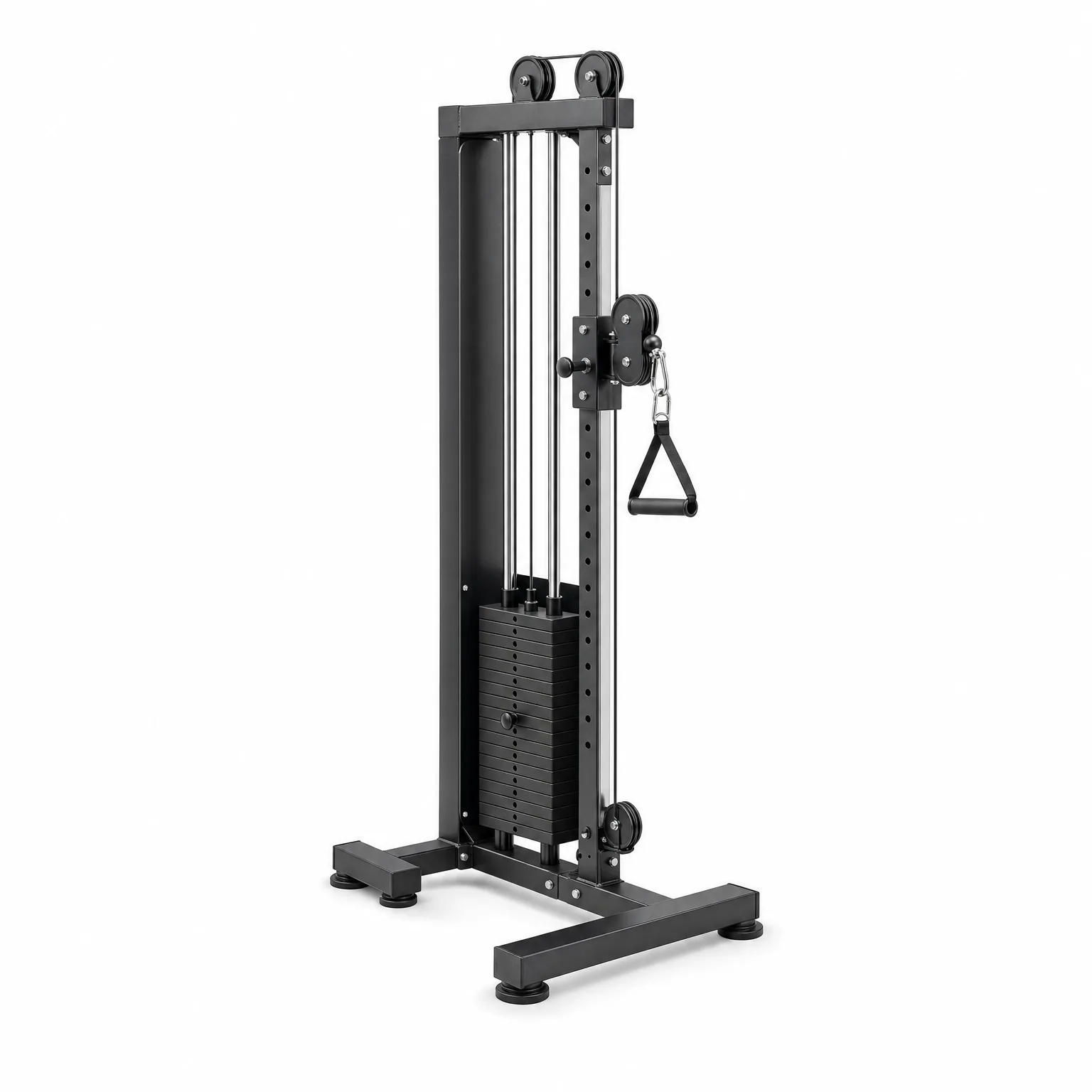
Cable machine
A weight stack on a pulley with a handle you can set at any height. It keeps tension on the muscle through the whole movement. -
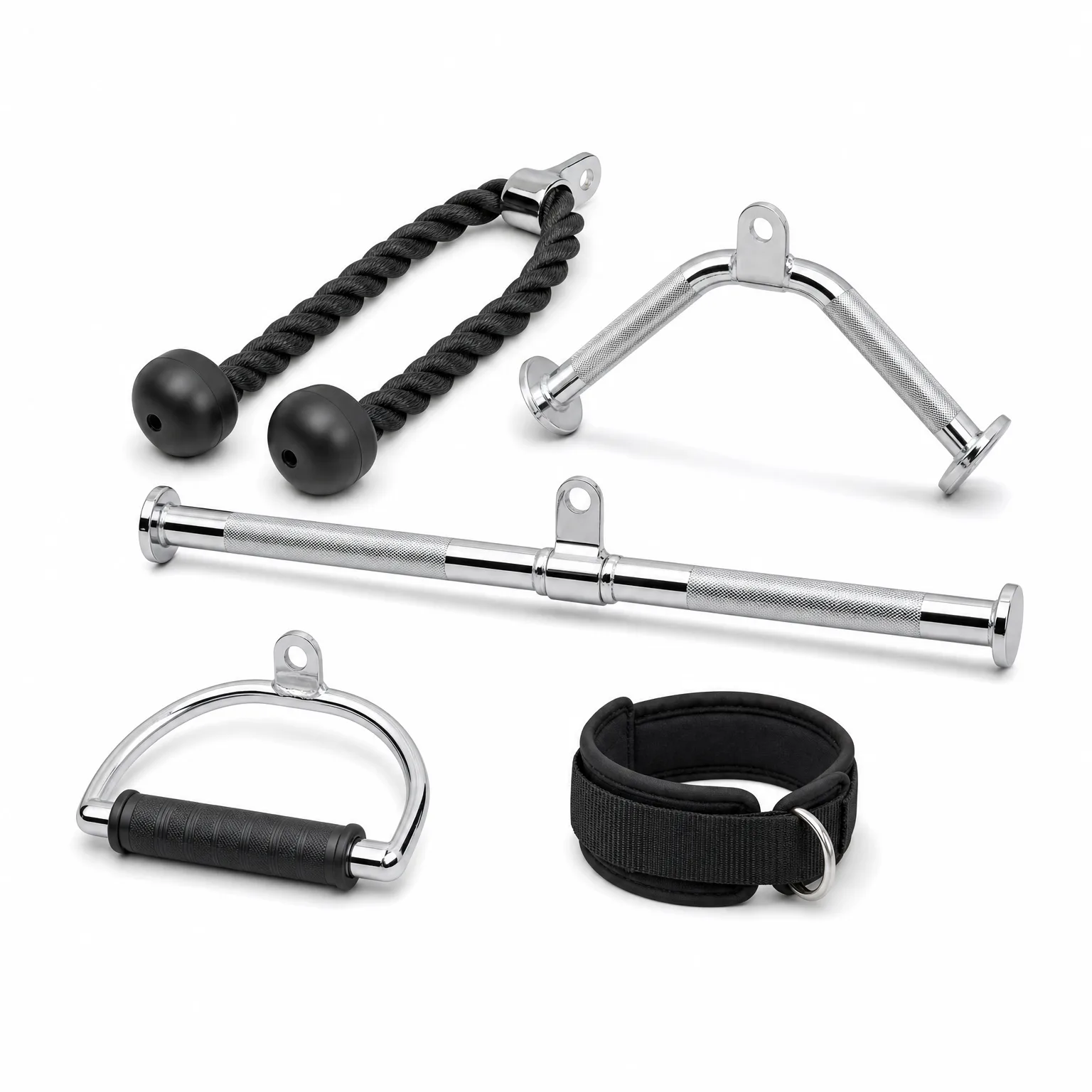
Cable attachments
The handles, bars, ropes and cuffs that clip onto a cable machine. Each one sets your grip and changes which exercises the cable can do.
Related muscles
-
Mid back
The muscles on and between the shoulder blades. They pull the blades together, turn the arm outward and work in every row. -
Rear delts
The back head of the shoulder muscle. It pulls the arm back and out to the side in rows, face pulls and reverse flyes. -
Side delts
The middle head of the shoulder muscle, on the outside of the shoulder. It lifts the arm out to the side and gives the shoulders their width. -
Lats
The widest muscle of the back, from the lower spine and pelvis to the upper arm. It pulls the arm down and back in pull-ups, pulldowns and rows.
Questions about training the traps
What are the best trap exercises?
For the upper traps: barbell or dumbbell shrugs, deadlifts and farmer's carries. For the middle and lower traps: chest-supported rows, face pulls and prone Y-raises. A shrug or carry plus one row and one raise covers the whole muscle.
Can I train traps at home?
Yes. Dumbbell shrugs, carries with heavy bags or dumbbells, and Y-raises lying on the floor or a bench all work. Backpacks filled with books are a usable load for shrugs and carries.
Do deadlifts build traps?
Yes, the upper traps work hard to hold the shoulders in place under a heavy bar. Many lifters build large traps from deadlifts, rows and carries with few or no shrugs.
Why do I feel my traps in every shoulder exercise?
The traps rotate and lift the shoulder blades whenever the arm moves, so some work is normal. In lateral raises and presses, shrugging up toward the ears adds more. Keep the shoulders down and use a weight you can control.
Write programs your clients can follow
This guide comes from OnlineFitness.app, the app online coaches run their clients in.
Free for life for the first 100 coachesNo card