Adductors
The muscle group on the inner thigh. It pulls the legs together, steadies the pelvis and helps straighten the hip in squats.
In short
The adductors are a group of five muscles on the inner thigh. They run from the lower front of the pelvis to the inner and back side of the thigh bone, and in one case to the shin. Their shared job is to pull the thigh toward the midline, as when you squeeze your knees together or push off sideways. The largest, the adductor magnus, also helps the glutes and hamstrings straighten the hip.
Adduction exercises such as the hip adduction machine and the Copenhagen plank train them directly. Deep squats, sumo deadlifts and lateral lunges load the adductor magnus hard in a stretch. Training the inner thigh does not remove fat from it. The muscles on the outer hip that move the leg away from the body are the abductors, a separate group.
- Anatomical name
- Adductor magnus, longus and brevis, gracilis and pectineus
- Group
- Legs and glutes
- Also called
- inner thighs, inner thigh muscles, groin muscles, hip adductors, adductor muscles
- Works with
- Glutes, Hamstrings, Quads
What it does
- Pull the thigh toward the midline: squeezing a ball between the knees, the inner thigh machine
- Extend the hip (adductor magnus): standing up from a deep squat, locking out a sumo deadlift
- Help swing the thigh forward from behind the body, as in a sprint stride or a kick
- Steady the pelvis and thigh when you stand on one leg, change direction or skate side to side
Parts of the muscle
Adductor magnus. The biggest and deepest, filling much of the inner and rear thigh. Its rear part works like a hamstring to extend the hip, so deep squats, sumo deadlifts and lunges train it.
Adductor longus and brevis. Sit higher, toward the groin. They pull the leg in and help lift the thigh forward. Adduction machines, cables and Copenhagen planks work them.
Gracilis. A long, thin strap down the inner thigh to the top of the shin. It crosses the knee as well as the hip and also helps bend the knee.
Pectineus. A small, short muscle at the very top of the inner thigh, next to the hip joint. It pulls the thigh in and forward.
Exercises for the adductors
Ordered from the most useful. Equipment links open its page in the equipment guide.
-
Machine hip adduction
Sit tall with the pads on the inner knees, starting wide enough to feel a stretch. Squeeze the legs together, pause briefly and let them open slowly.
-
Back squat
Feet a little wider than shoulder width, toes turned out. Push the knees out in line with the toes and squat deep. Deep squats work the adductors far more than shallow ones.
-
Copenhagen plank
Side plank with the top leg on a bench and the bottom leg free. Lift the hips by pressing the top leg down into the bench. Start with the knee on the bench, later the ankle.
-
Sumo deadlift
Wide stance, toes out, hands inside the knees. Push the knees out, keep the chest up and stand by pressing the feet hard into the floor and spreading it apart.
-
Lateral lunge
Step wide to one side and sit back into that hip while the other leg stays straight. Keep both feet flat and push back to the start through the bent leg.
-
Cable hip adduction
Ankle strap on the leg nearer a low pulley, stand side-on. Sweep the leg across in front of the standing leg without leaning the torso.
-
Cossack squat
Very wide stance. Sink onto one leg as deep as you can with the heel down and the other leg straight, toes up, then move across to the other side.
Bodyweight
How to train it
Combine adduction with deep squats or lunges
Adduction machines and Copenhagen planks train the whole group directly. Deep squats, sumo deadlifts and lateral lunges load the adductor magnus in a stretch. A plan with one of each covers both jobs.
Count the work from squats
Deep squats and lunges already give the adductors plenty of work. On top of that, about 4 to 10 direct sets a week over two sessions suits most people.
Use moderate to high reps
Machine and cable adduction suit 10 to 20 reps. Copenhagen planks suit holds of 10 to 30 seconds per side or slow reps. Lateral lunges and Cossack squats suit 6 to 12 reps per side.
Widen the range gradually
The inner thighs often feel stiff in people new to wide stances. Start with a range you can control and widen it over weeks. Do not force a deep split position under load.
Progress the lever before the load
On Copenhagen planks move the support from the knee to the ankle. On the machine add weight in small steps, or start each rep from a wider opening.
Common mistakes
Leaving them out of the program
Many programs train only the front and back of the thigh and rely on squats for the rest. Shallow squats do little for the adductors, so add a direct exercise or squat deeper.
Using a short range on the machine
Starting with the legs only slightly apart skips the part of the rep where the muscles are stretched. Set the start wide enough to feel a stretch you can control.
Letting the pads slam
Snapping the legs together and letting them fly open turns the set into momentum. Squeeze for a second at the end and take two to three seconds to open.
Starting Copenhagen planks at the ankle
The long lever is very hard on the inner thigh. Begin with the knee on the bench and short holds, and move to the ankle once 30 seconds is easy.
Equipment for these exercises
-
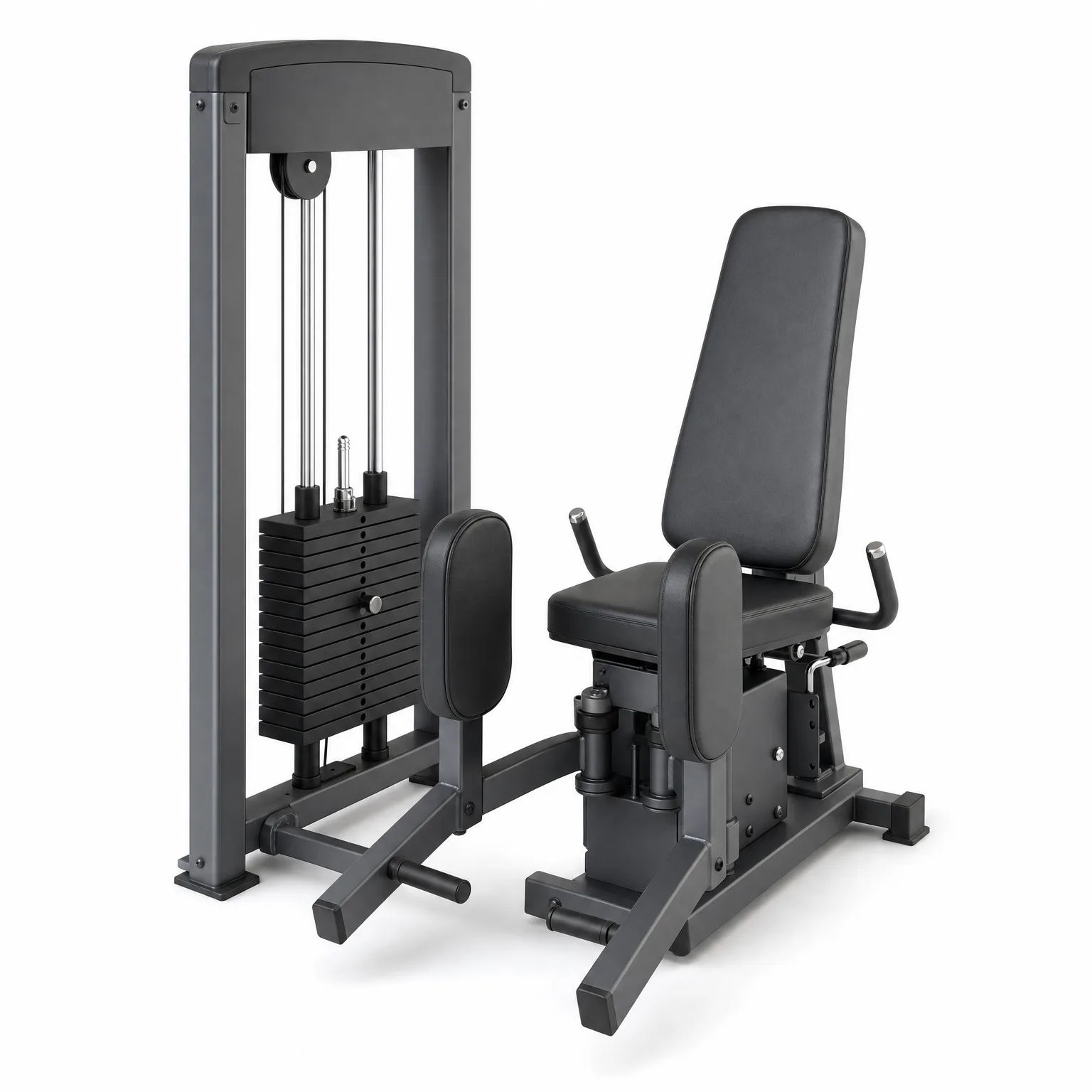
Hip abduction and adduction machine
A seat with two padded levers at the knees. Push the legs apart for the outer hips, squeeze them together for the inner thighs. -
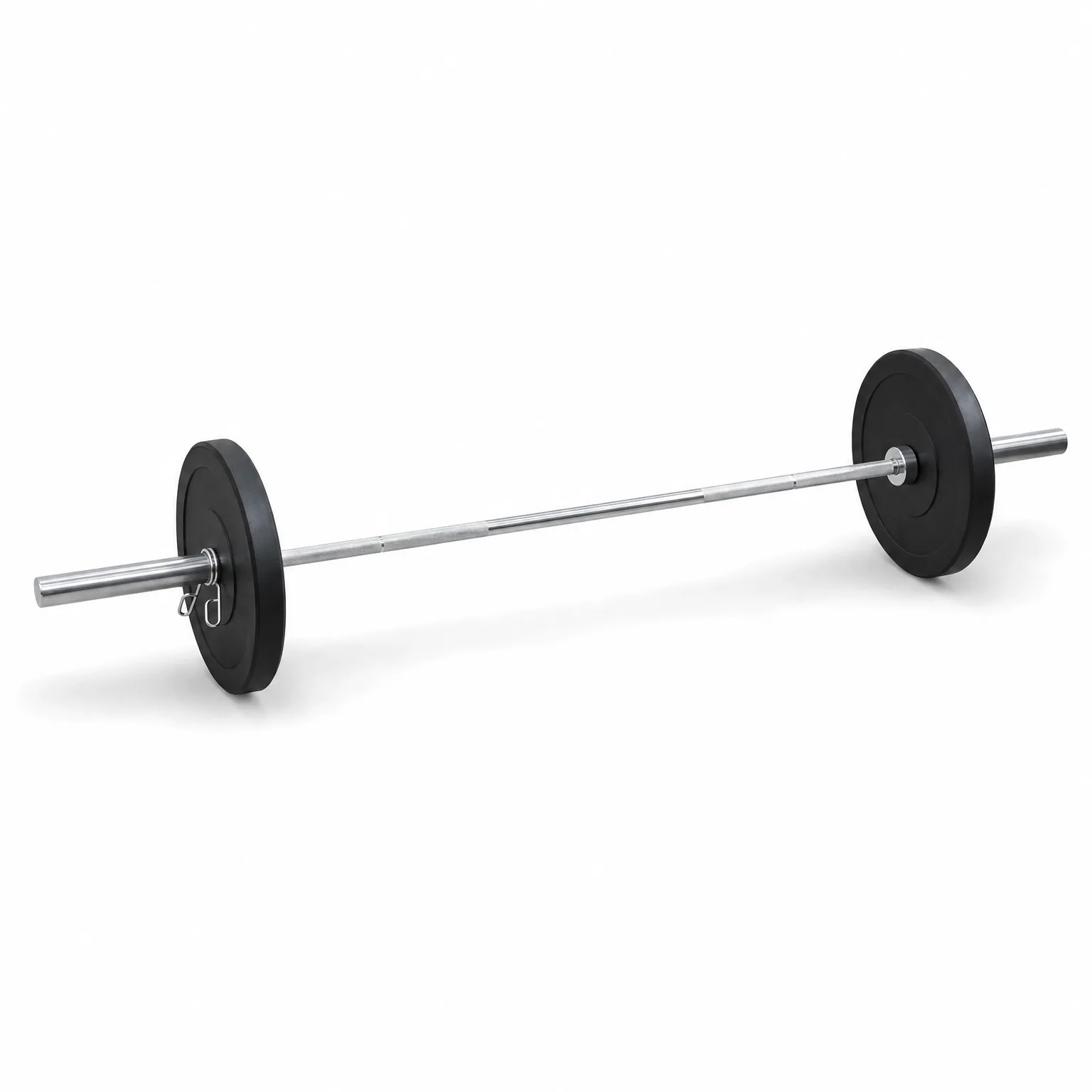
Barbell
A long steel bar loaded with plates at both ends. The standard tool for squats, deadlifts, presses and rows with heavy weight. -
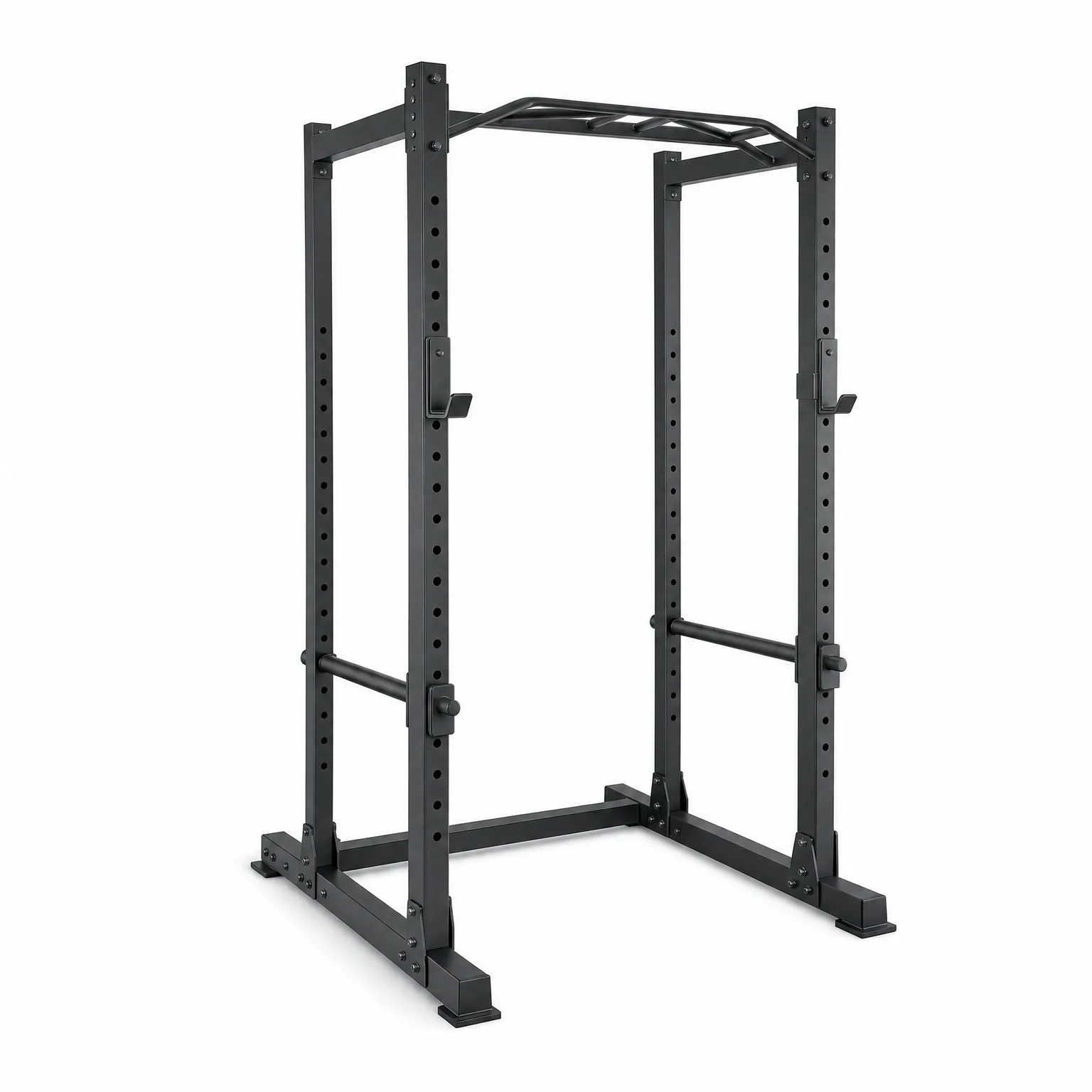
Squat rack
A steel frame that holds a barbell at the height you need and catches it if a rep fails. The base for squats and presses. -

Weight bench
A padded bench you lie, sit or lean on while lifting. It supports the body for presses, rows, hip thrusts and seated work. -

Dumbbells
A pair of short handles with a weight at each end. One pair trains every major muscle group, at home or in a gym. -
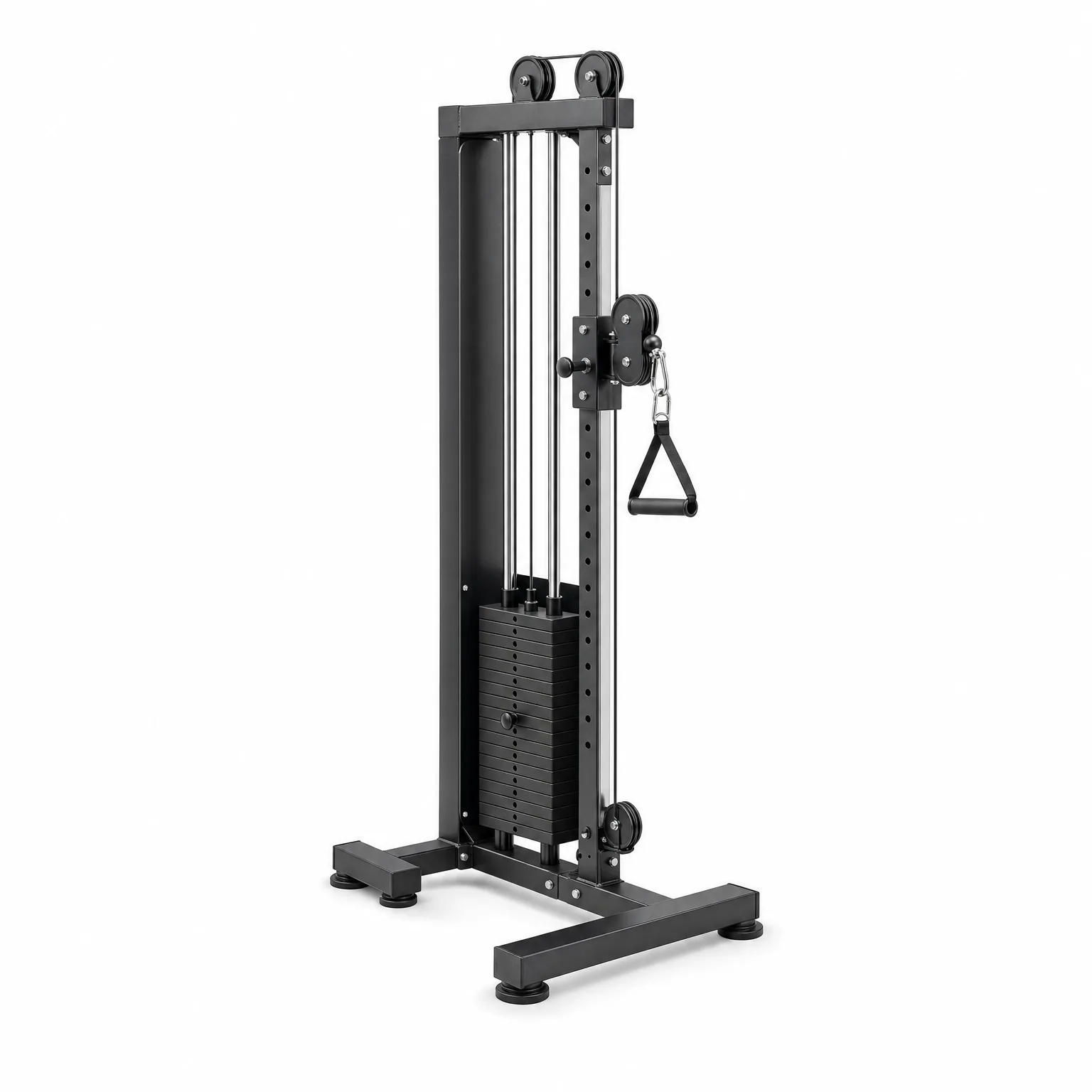
Cable machine
A weight stack on a pulley with a handle you can set at any height. It keeps tension on the muscle through the whole movement. -
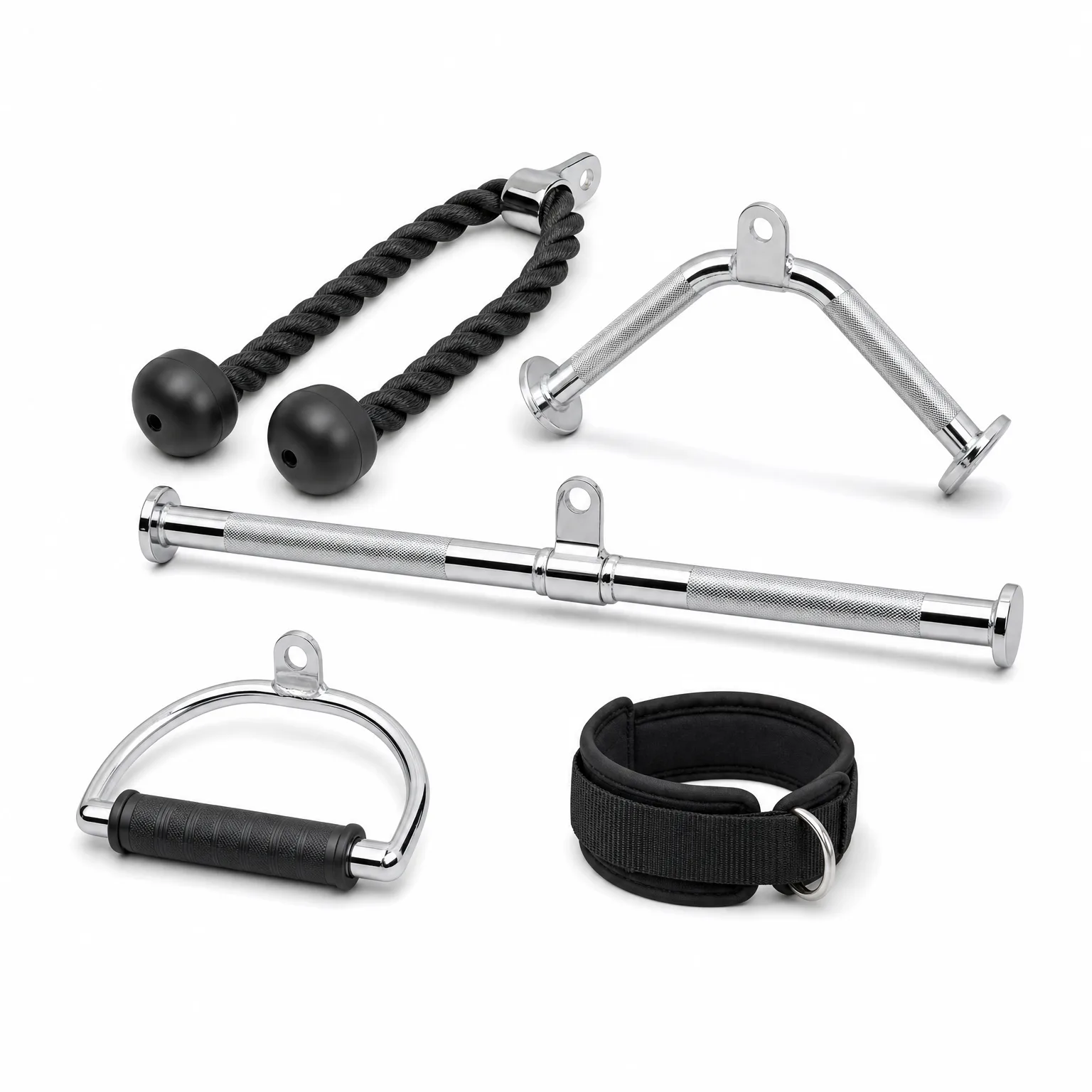
Cable attachments
The handles, bars, ropes and cuffs that clip onto a cable machine. Each one sets your grip and changes which exercises the cable can do.
Related muscles
-
Glutes
The large muscle of the buttock. It straightens the hip in squats, deadlifts, hip thrusts, sprints and every step up a stair. -
Hamstrings
Three muscles on the back of the thigh. They bend the knee and straighten the hip, so they work in leg curls, deadlifts and sprints. -
Quads
Four muscles on the front of the thigh. They straighten the knee in squats, lunges, jumps and stairs, and one of them also lifts the thigh.
Questions about training the adductors
What are the best inner thigh exercises?
The hip adduction machine and the Copenhagen plank train the adductors most directly. Deep squats, sumo deadlifts and lateral lunges add heavy work for the adductor magnus, the largest of them. Two or three of these cover the group.
Can I slim my inner thighs with exercise?
Training a muscle does not remove the fat over it. Fat on the inner thighs goes down with overall fat loss, and where the body loses fat first depends partly on genetics. Adductor training builds the muscle underneath.
Do squats work the adductors?
Yes. The adductor magnus is one of the main hip extensors at the bottom of a deep squat, so deep squats train it much more than shallow ones. Squats do not train the inward squeeze itself, so a direct adduction exercise is still useful.
How do I train adductors at home?
Copenhagen planks on a sofa or bench, Cossack squats and lateral lunges need no machine. A resistance band anchored low lets you do standing adduction, and side-lying leg lifts with the bottom leg work them lightly.
What is the difference between adductors and abductors?
The adductors on the inner thigh pull the leg toward the body's midline. The abductors on the outer hip, mainly the gluteus medius and minimus, move it away. Gyms often have one inner and outer thigh machine that trains either, depending on how the pads are set.
Write programs your clients can follow
This guide comes from OnlineFitness.app, the app online coaches run their clients in.
Free for life for the first 100 coachesNo card