Barbell
A long steel bar loaded with plates at both ends. The standard tool for squats, deadlifts, presses and rows with heavy weight.
In short
A barbell is a long steel bar with a sleeve at each end that holds weight plates. You grip it with both hands, so both sides of the body work on one load. It is the main tool for the squat, deadlift, bench press, overhead press and row, and it lets you add weight in small, exact steps for years.
It suits anyone whose goal is strength or muscle and who has room for it. Beginners can start with the empty bar. For squats and bench presses you also need a rack with safeties.

- Category
- Free weights
- Where
- Home, Gym
- Level
- Beginner and up
- Space
- Needs a dedicated area
- Typical sizes
- Olympic: 20 kg (44 lb), 2.2 m (7.2 ft); women's: 15 kg (33 lb), 2.01 m (6.6 ft); sleeves 50 mm (2 in)
- Also called
- olympic barbell, olympic bar, straight bar, weight bar, power bar, barbell bar
Muscles it works
- Main
- Quads, Glutes, Hamstrings, Chest, Lower back, Lats
What it is used for
- Back and front squats from a rack
- Deadlifts, Romanian deadlifts and hip thrusts
- Bench press and overhead press
- Bent-over rows and other pulls for the back
- Olympic lifts: the clean and jerk and the snatch
Types
Olympic bar. The gym standard: 2.2 m, 20 kg, 50 mm rotating sleeves. Fits Olympic plates and standard racks. A 15 kg version has a thinner 25 mm grip.
Power bar. A stiffer 20 kg bar with a 29 mm shaft, deeper knurling and a center knurl. Made for heavy squats, bench presses and deadlifts.
Weightlifting bar. A 28 mm shaft with more flex and fast-spinning sleeves for cleans and snatches. Many training models have no center knurl.
Standard 1‑inch bar. A thinner bar with 25 mm sleeves for home plates. Lighter and cheaper, shorter in many sets, and often too narrow for a full-size rack.
Short or technique bar. Bars of 5–15 kg and 1.2–1.8 m for learning lifts, small rooms and lighter users. Check that the plates and rack width match.
How to choose
Match the bar to the plates and rack
Olympic bars take plates with a 50 mm hole. Standard bars take 25 mm plates. The two do not mix without adapters. A full-size bar needs about 3 m (10 ft) of clear width so you can slide plates on at both ends.
Pick by what you lift
For general training, a 20 kg multipurpose bar with a 28–29 mm shaft and medium knurling covers everything. Choose a 15 kg bar if you have smaller hands or the 20 kg bar is too heavy to press.
Know the starting weight
Not every bar weighs 20 kg. Home, technique and specialty bars vary a lot. Weigh the bar or read the end cap so the numbers in your log are real.
Check the rating
How much a bar holds depends on the manufacturer's rating. Cheap standard bars bend under loads that an Olympic bar handles easily. Read the rating before you plan heavy deadlifts or squats.
How to start using it
- Start with the empty bar. Learn each lift with the bar alone, or a lighter technique bar if 20 kg is too much. Add weight only when every rep looks the same.
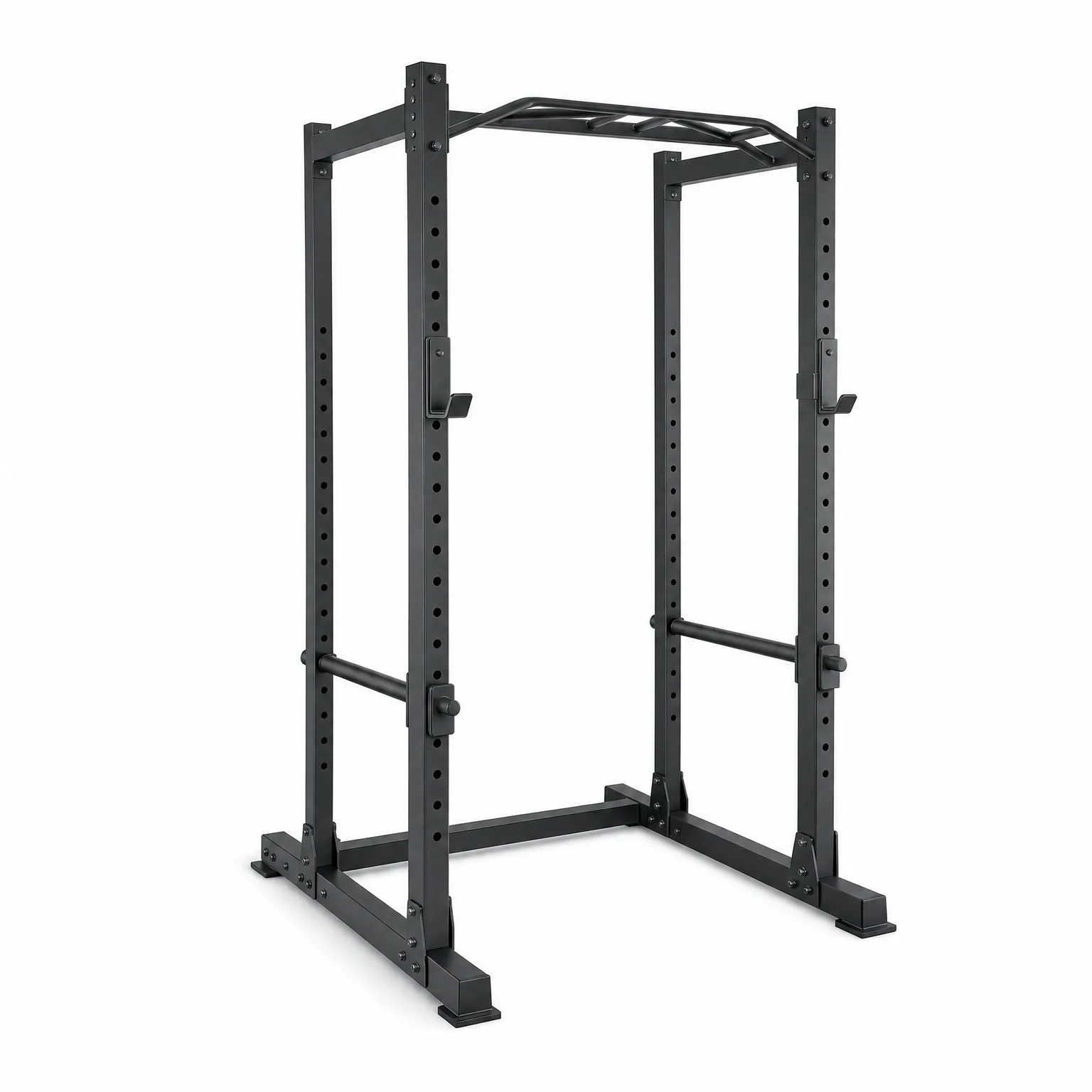
- Set the rack before you load. For squats, put the hooks just below shoulder height so you unrack by standing up, not by rising on your toes. Set the safeties just under the lowest point of the bar in your squat or bench press.
- Load evenly and use collars. Put the same plates on each side, heaviest on the inside, and lock them with collars. Load and unload one plate per side at a time so the bar does not tip off the rack.
- Grip the same way every time. Use the rings on the knurling to place your hands evenly. Wrap the thumbs around the bar and keep the wrists stacked over the elbows in presses.
- Add weight in small steps. When you hit the top of your rep range in all sets, add 2.5–5 kg (5–10 lb) to lower-body lifts and 1–2.5 kg (2.5–5 lb) to presses.
Common mistakes
Adding weight before technique
The barbell makes it easy to load more than you can control. If depth, bar path or back position changes as the weight goes up, the weight is too heavy for now.
Benching or squatting without safeties
A failed rep under a bar with no safeties and no spotter leaves you pinned. Use a rack with safety bars or straps set at the right height.
Uneven loading
Stripping all the plates from one side of a racked bar can flip it. Count the plates on both sides before each set, and unload side by side.
Forgetting to count the bar
Logging only the plates makes progress hard to track, especially when you switch between bars of different weight. Always include the bar.
Bouncing reps
Bouncing the bar off the chest or the plates off the floor hides how strong you are in the hardest part of the lift. Control the bar down and pause briefly if you cannot stop the bounce.
What to use instead
A pair of dumbbells replaces the barbell for presses, rows, lunges, Romanian deadlifts and goblet or front squats, and needs no rack. A trap bar covers deadlifts and carries. In a gym, a Smith machine gives a guided version of squats and presses. At home, a heavy sandbag works for squats, deadlifts, rows and cleans. The limit of all of these is the top weight for the legs and back.
-

Dumbbells
A pair of short handles with a weight at each end. One pair trains every major muscle group, at home or in a gym. -
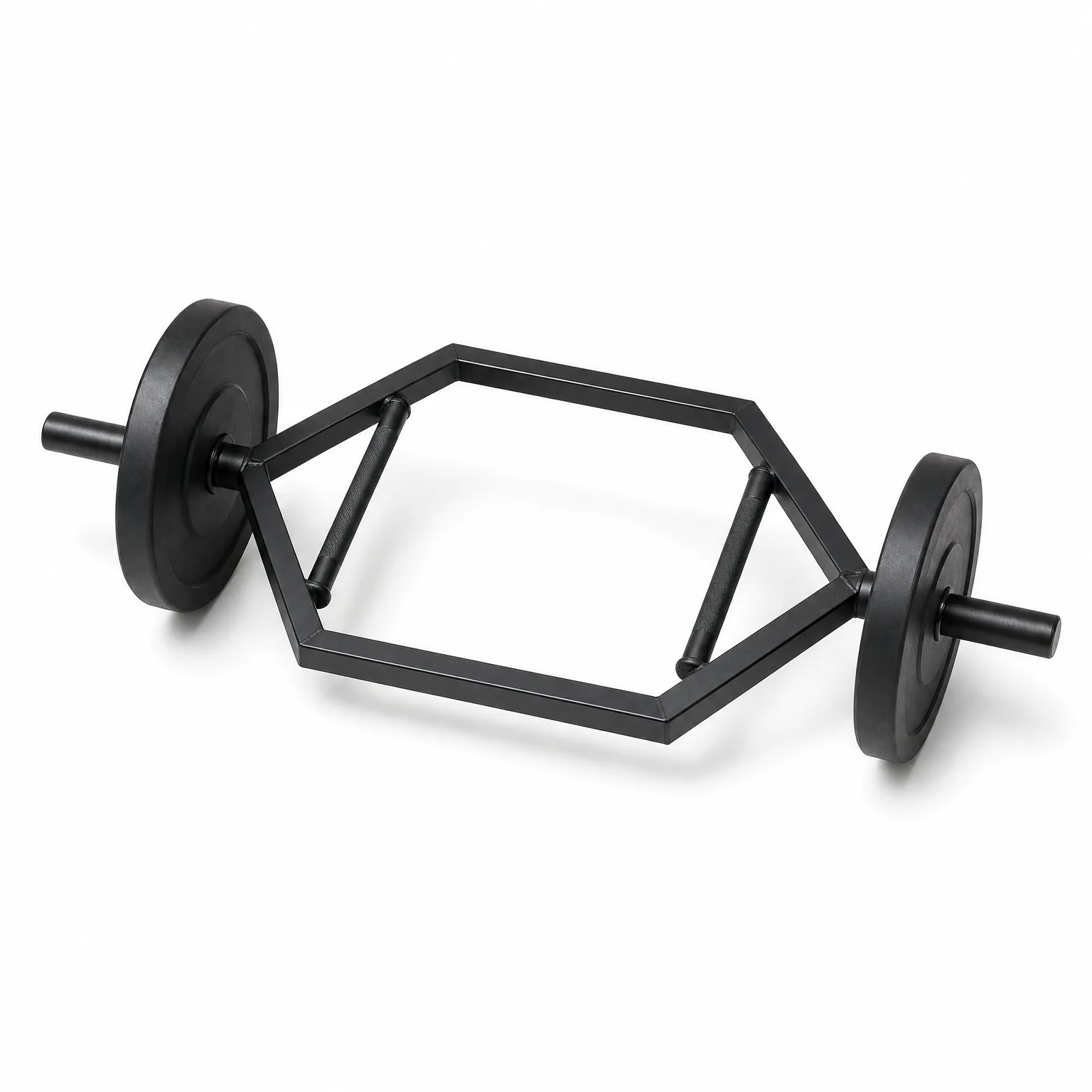
Trap bar
A hexagonal bar you stand inside and lift by two side handles. Used for deadlifts, carries, shrugs and jumps. -
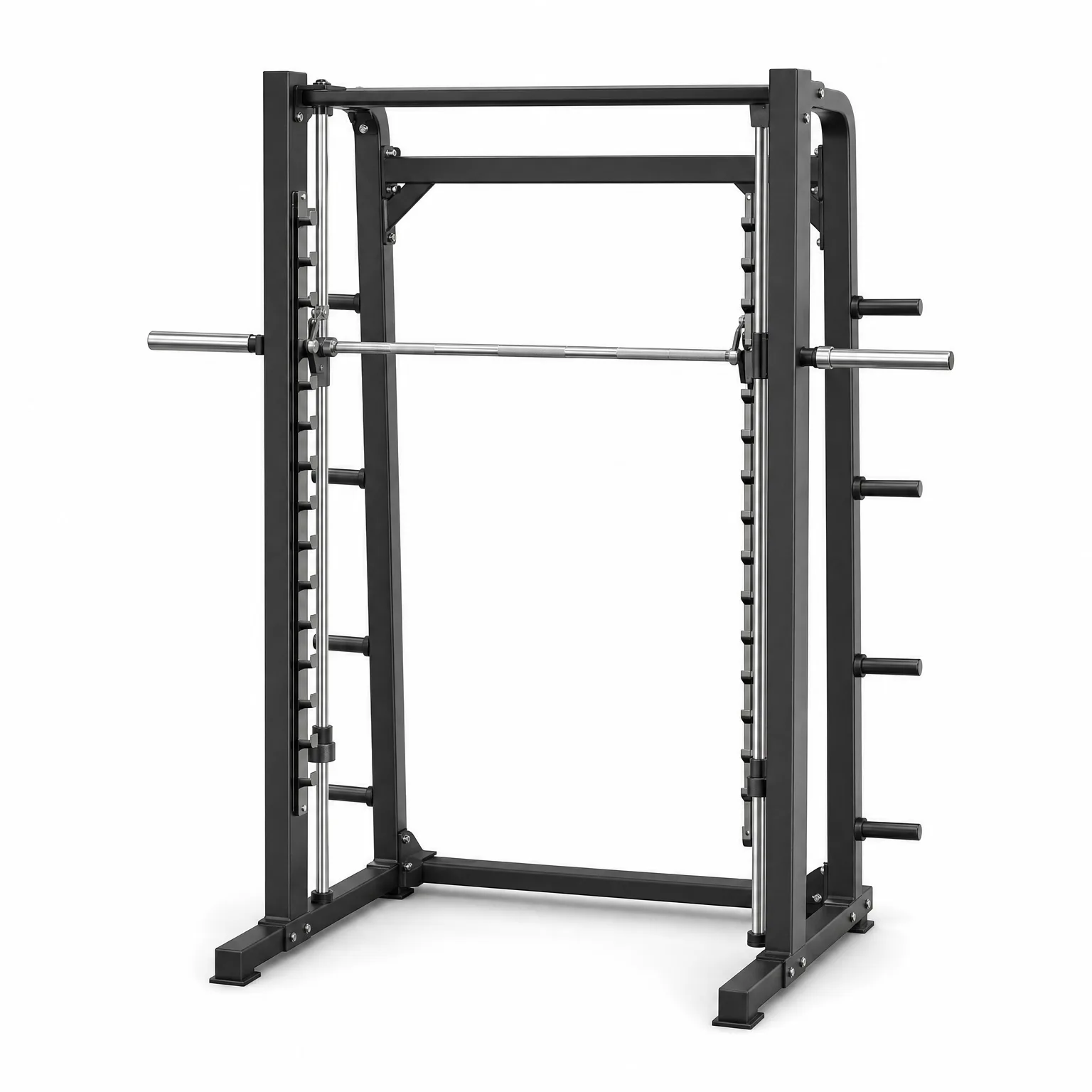
Smith machine
A barbell that slides on fixed guide rails, with hooks that lock at many heights. Used for squats, presses and rows without a spotter. -
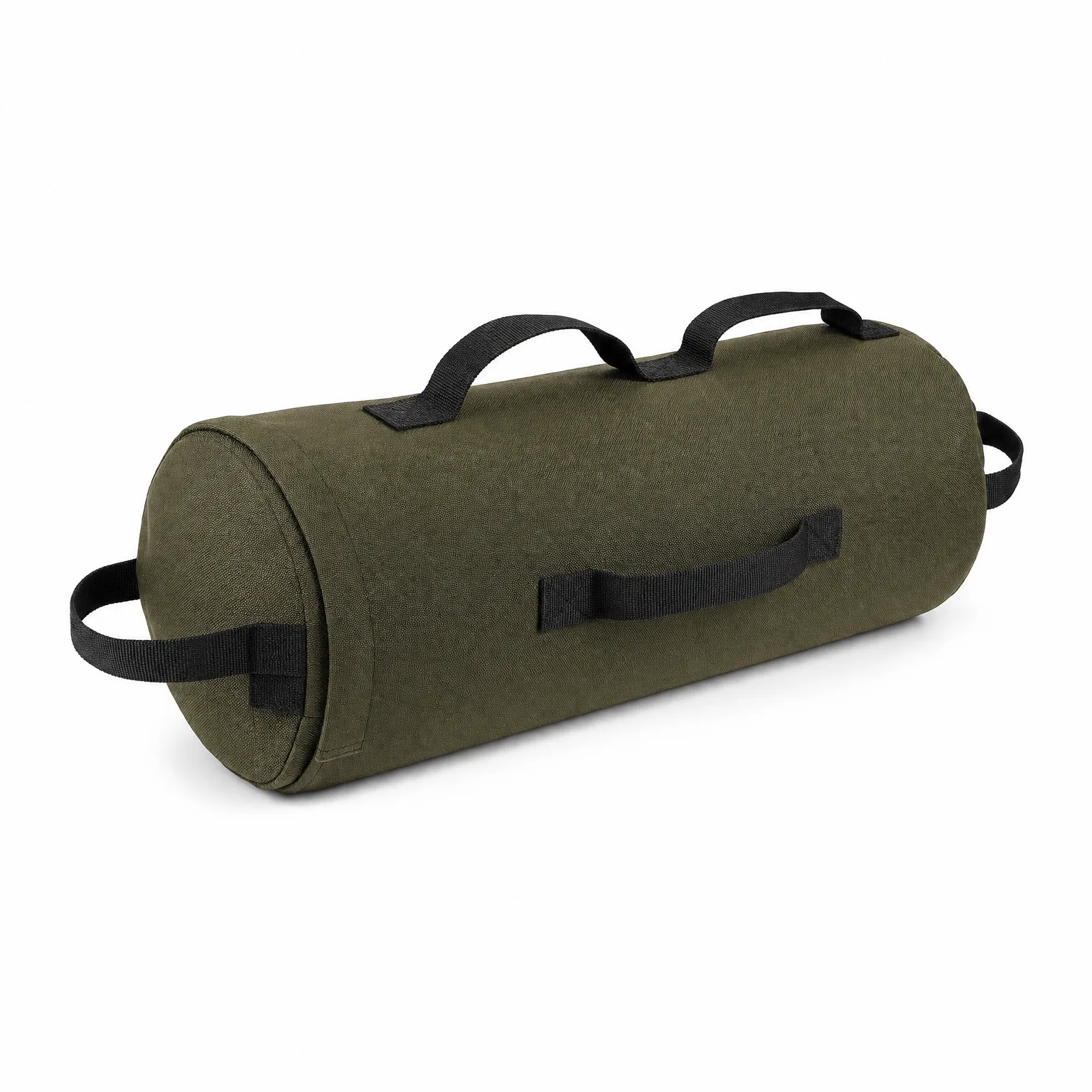
Sandbag
A tough fabric bag filled with sand, with or without handles. The load shifts as you lift, carry, squat and throw it.
Often used with
-
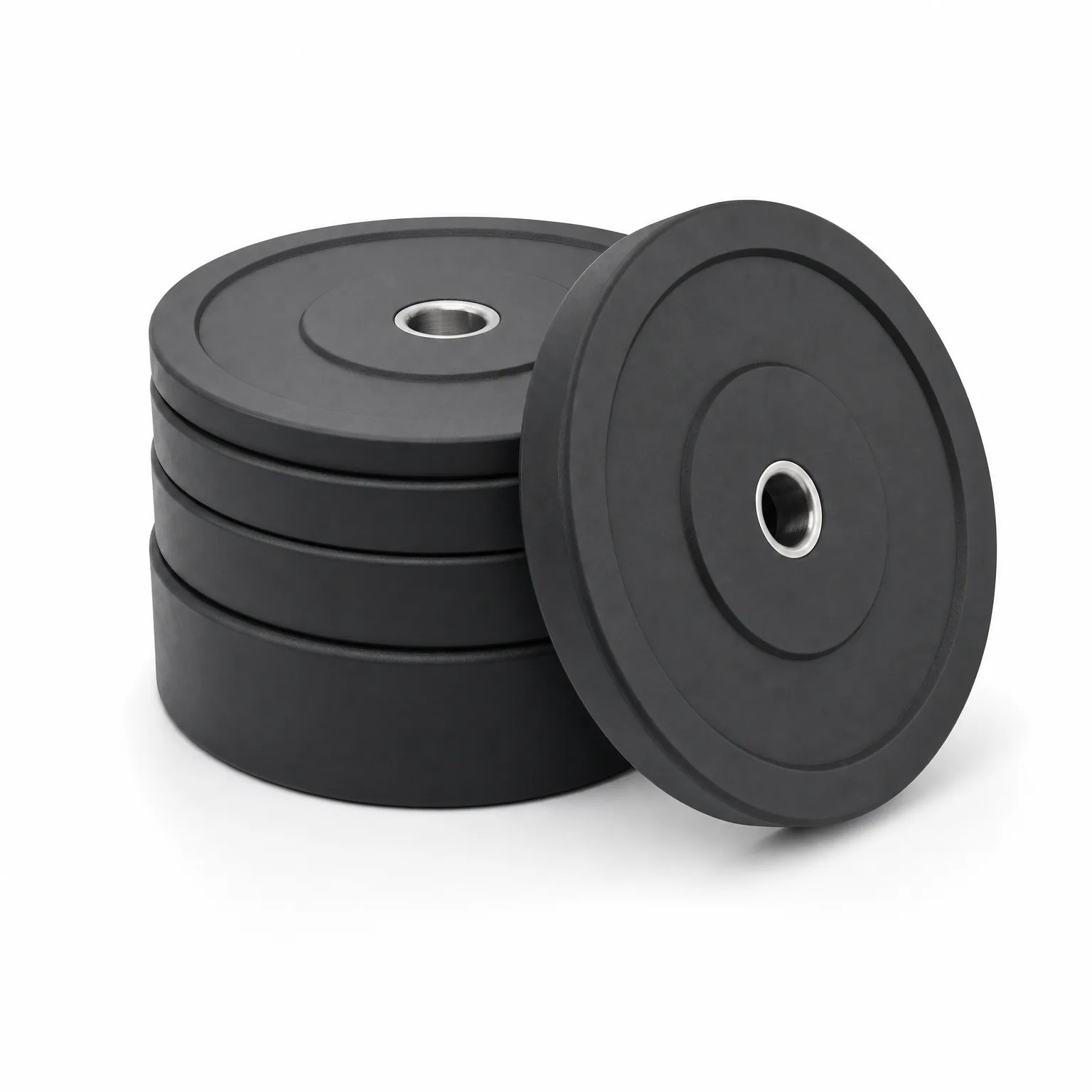
Weight plates
Flat discs that slide onto a barbell or machine to set the load. A single plate also works as a hand-held weight. -
Squat rack
A steel frame that holds a barbell at the height you need and catches it if a rep fails. The base for squats and presses. -
Weight bench
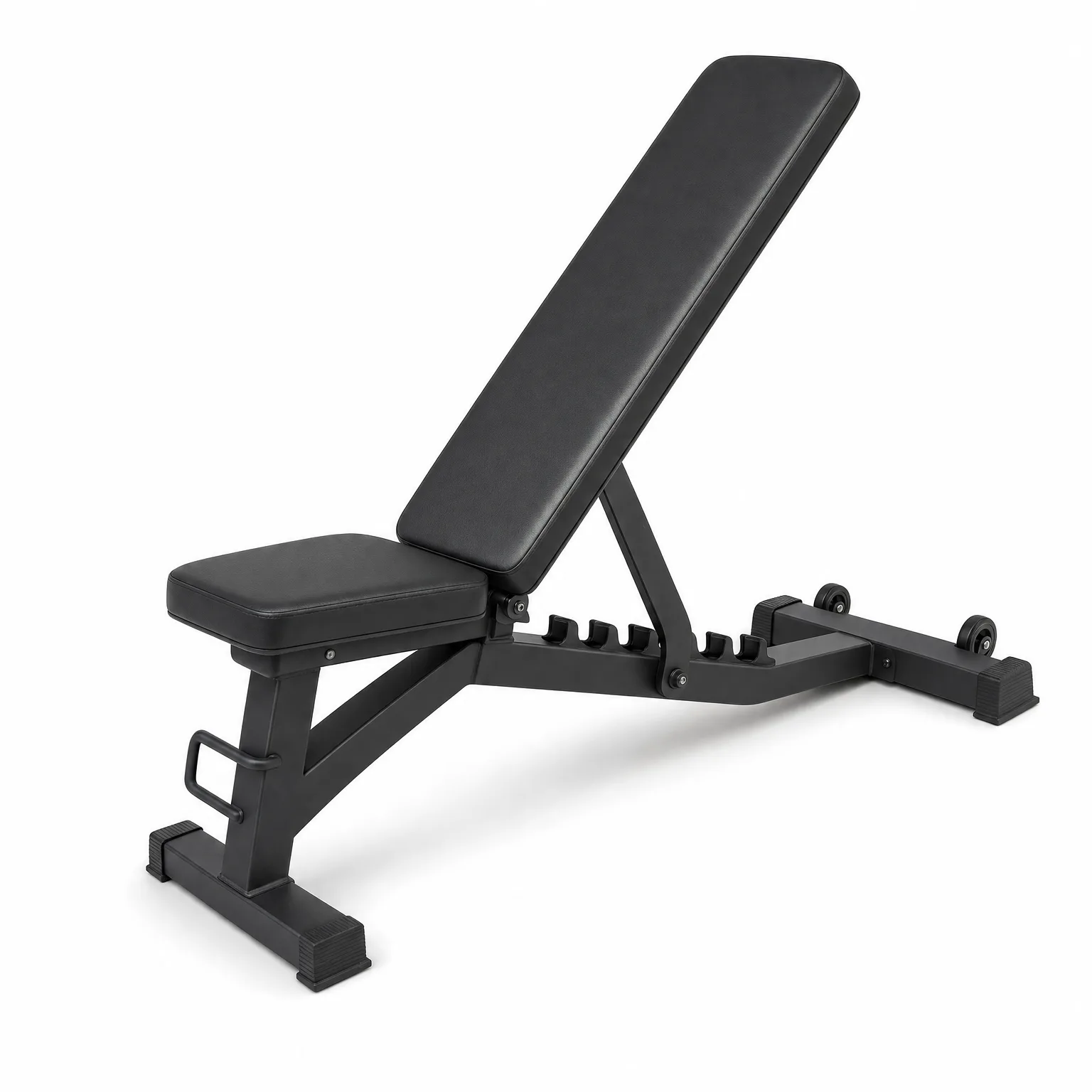
A padded bench you lie, sit or lean on while lifting. It supports the body for presses, rows, hip thrusts and seated work. -
Landmine
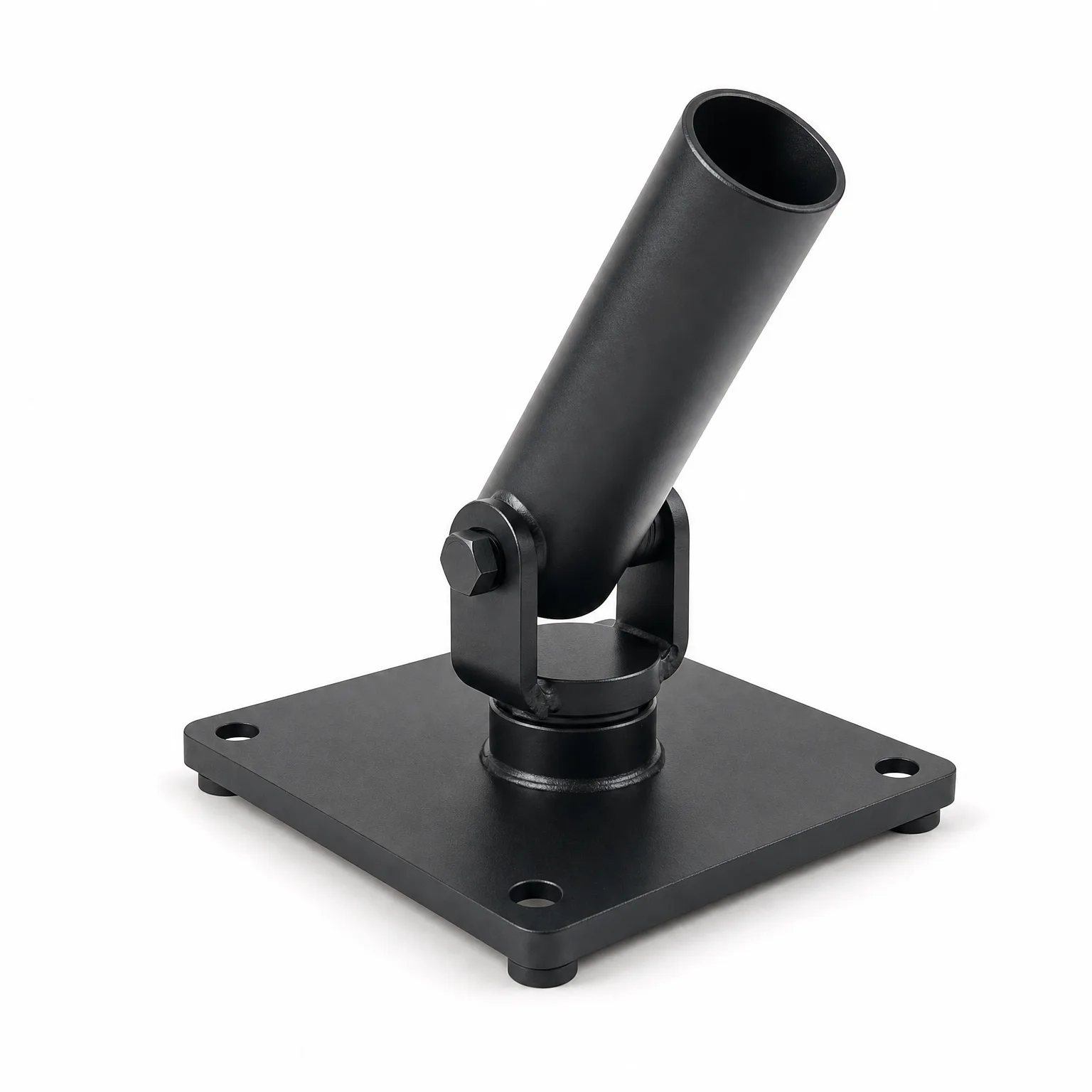
A floor pivot that holds one end of a barbell so the other end moves in an arc. Used for presses, rows, squats and rotations.
Questions about barbell
How much does a barbell weigh?
A standard Olympic bar weighs 20 kg (44 lb), and many gyms in the United States use 45 lb bars. The women's Olympic bar is 15 kg (33 lb). Technique bars are 5–15 kg, and standard 1‑inch home bars often weigh 5–10 kg too. If the weight is not marked on the end cap, put the bar on a scale.
Olympic bar or standard bar: what is the difference?
An Olympic bar has 50 mm (2 in) rotating sleeves, a standard length and weight, and fits gym racks and plates. A standard bar has 25 mm (1 in) sleeves that do not rotate and comes in many lengths and weights. Olympic bars cost more and usually carry a higher load rating. Standard sets are cheaper and fine for light home training.
Can a beginner use a barbell?
Yes. Start with the empty bar or a lighter technique bar, learn the squat, deadlift, press and row, and add weight slowly. A session or two with a coach, or video feedback on your form, saves a lot of time early on.
Barbell or dumbbells?
A barbell lets you lift the most weight and add it in small steps, which suits squats, deadlifts and heavy presses. Dumbbells need less space and no rack, allow a freer path for the shoulders and show side-to-side differences. Many programs use both.
Do I need a rack to use a barbell?
Not for deadlifts, rows, cleans, overhead presses taken from the floor, hip thrusts and landmine work. You do need a rack or stands for squats and bench presses at any serious weight, and safeties if you train alone.
Build programs around what your client has
This guide comes from OnlineFitness.app, the app online coaches run their clients in.
Free for life for the first 100 coachesNo card