Weight plates
Flat discs that slide onto a barbell or machine to set the load. A single plate also works as a hand-held weight.
In short
Weight plates are discs of iron, steel or rubber with a center hole. They load barbells, EZ bars, trap bars, plate-loaded machines, sleds and adjustable dumbbells. The plates you own decide which loads you can build and how small your weight jumps can be.
A single plate is also a training tool in its own right. Held in the hands, it works for front raises, twists, overhead carries, weighted sit-ups and goblet-style squats, or as extra load on a hip thrust or plank.
- Category
- Free weights
- Where
- Home, Gym
- Level
- Beginner and up
- Space
- Needs a corner of a room
- Typical sizes
- 0.5–25 kg, or 2.5–45 lb in pound sets; center hole 50 mm (2 in) on Olympic plates, 25 mm (1 in) on standard plates
- Also called
- plates, barbell plates, bumper plates, olympic plates, weight discs, iron plates, plate weights
Muscles it works
- Main
- Front delts, Abs, Obliques
- Also works
- Forearms, Quads, Glutes, Side delts
What it is used for
- Loading barbells, trap bars, EZ bars and plate-loaded machines
- Front raises, halos and twists with one plate held in both hands
- Extra load for sit-ups, planks, hip thrusts and back extensions
- Plate pinches and carries for grip
- Raising the heels or the bar: under the heels in squats, under the bar for a higher deadlift start
Types
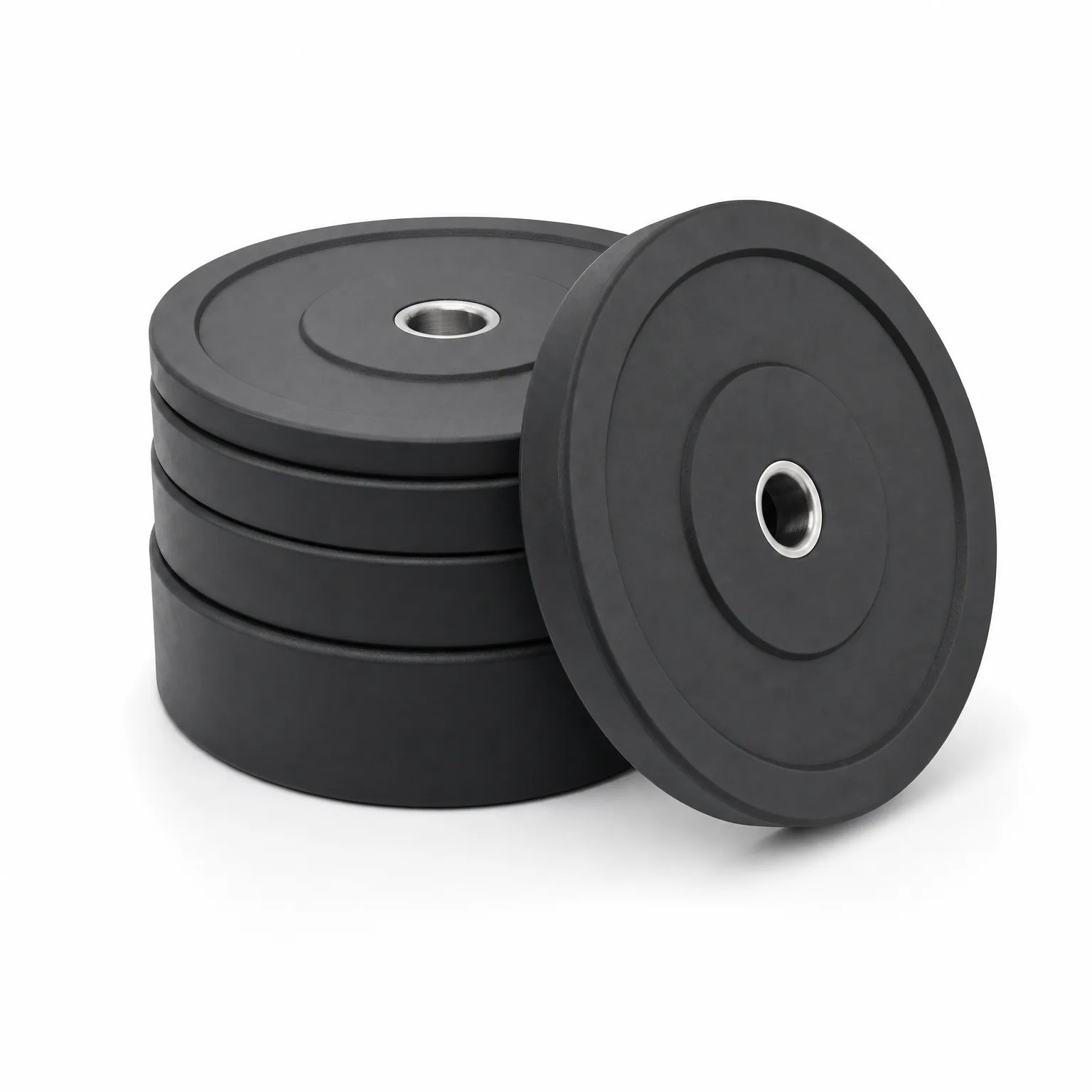
Bumper plates. Dense rubber around a steel hub, all the same 450 mm (17.7 in) diameter, usually from 5 or 10 kg up. Made to be dropped from overhead on a lifting platform. Thicker than iron for the same weight.
Cast-iron plates. Thin, durable and the cheapest per kilogram. Loud, and not made for dropping. More fit on a bar than with bumpers.
Rubber or urethane coated. An iron core with a coating that is quieter and kinder to floors. Often has grip holes for carrying. Not meant for repeated drops from height.
Change and fractional plates. Small plates of 0.25–2.5 kg that let you add load in small steps. Useful for presses, where big jumps stall progress.
Standard 1‑inch plates. Plates with a 25 mm hole for home bars and spin-lock dumbbell handles. They do not fit Olympic bars without an adapter.
Calibrated plates. Thin steel competition plates made to a tight weight tolerance. Used in powerlifting. More precision than general training needs.
How to choose
Match the hole to the bar
Olympic bars and most gym machines need a 50 mm (2 in) hole. Home spin-lock bars and dumbbell handles need 25 mm (1 in). Check the bar before buying plates.
Pick the type by the lift
If you will drop the bar, as in cleans and snatches, you need bumper plates and a suitable floor. For squats, presses and controlled deadlifts, iron or coated plates are enough and take less room on the bar.
Buy pairs that combine well
A useful starter set is pairs of 1.25, 2.5, 5, 10 and 20 kg, which builds every load in 2.5 kg steps. Two pairs of the largest plate you lift often saves reloading.
Get small plates
The lightest pair sets your smallest jump. Pairs of 1.25 kg or smaller keep presses moving when 5 kg jumps are too much.
Mind kilograms and pounds
A 20 kg plate is 44 lb, not 45. Mixing kg and lb plates on one bar makes the total hard to count and can leave the sides uneven. Keep one system.
How to start using it
- Load heaviest first. Slide the largest plates on first, against the inner shoulder of the sleeve, then smaller ones. Put the same plates in the same order on both sides.
- Lock with collars. Plates slide outward as the bar tilts. Clamp a collar on each side before every set, including warm-ups.
- Load and strip side by side. On a racked bar, add or remove one plate per side in turn. A bar with all the weight on one end can flip off the hooks.
- Lift plates like any weight. Carry heavy plates close to the body and bend the legs to pick them up. To load a deadlift bar, roll the inner plate onto a small plate so the others slide on easily.
- Train with a single plate. For raises, halos and twists, hold the plate by its edges at 9 and 3 o'clock. Start with 2.5–5 kg (5–10 lb): a plate is harder to hold than a dumbbell of the same weight.
Common mistakes
Dropping plates that are not bumpers
Iron and thin coated plates crack, bend bars and damage floors when dropped from height. Only bumper plates on a suitable surface are made for that.
Miscounting the load
A missing 2.5 kg plate on one side is easy to overlook and makes the bar tilt. Check both sides before you lift.
Skipping collars
Without collars, plates creep outward during a set, and one sliding off sends the bar the other way. Use them every time.
Only big plates
With nothing smaller than 5 kg, the smallest jump is 10 kg, too much for most upper-body lifts. Keep small plates and use them.
What to use instead
As loading for a bar there is no real substitute: a barbell needs plates that fit it. As a hand-held weight, a plate is easy to replace. A dumbbell or kettlebell covers raises, twists, goblet squats and weighted sit-ups. A sandbag works as load on the hips or back. At home, a backpack filled with books is a fair stand-in for a plate held to the chest or worn during planks and push-ups.
-

Dumbbells
A pair of short handles with a weight at each end. One pair trains every major muscle group, at home or in a gym. -
Kettlebell
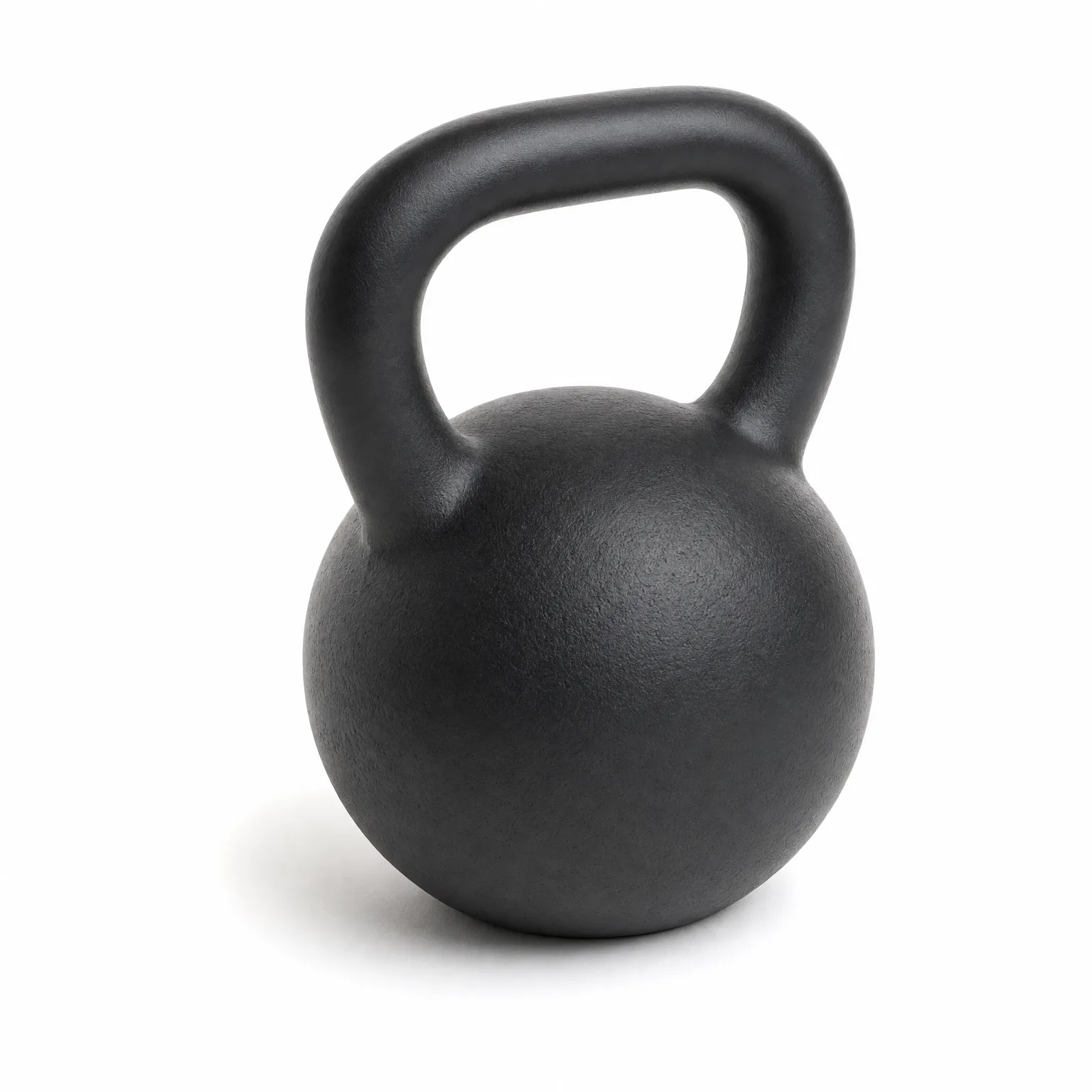
A cast-iron or steel ball with a flat base and a handle on top. Built for swings, carries, squats and presses with one weight. -
Sandbag
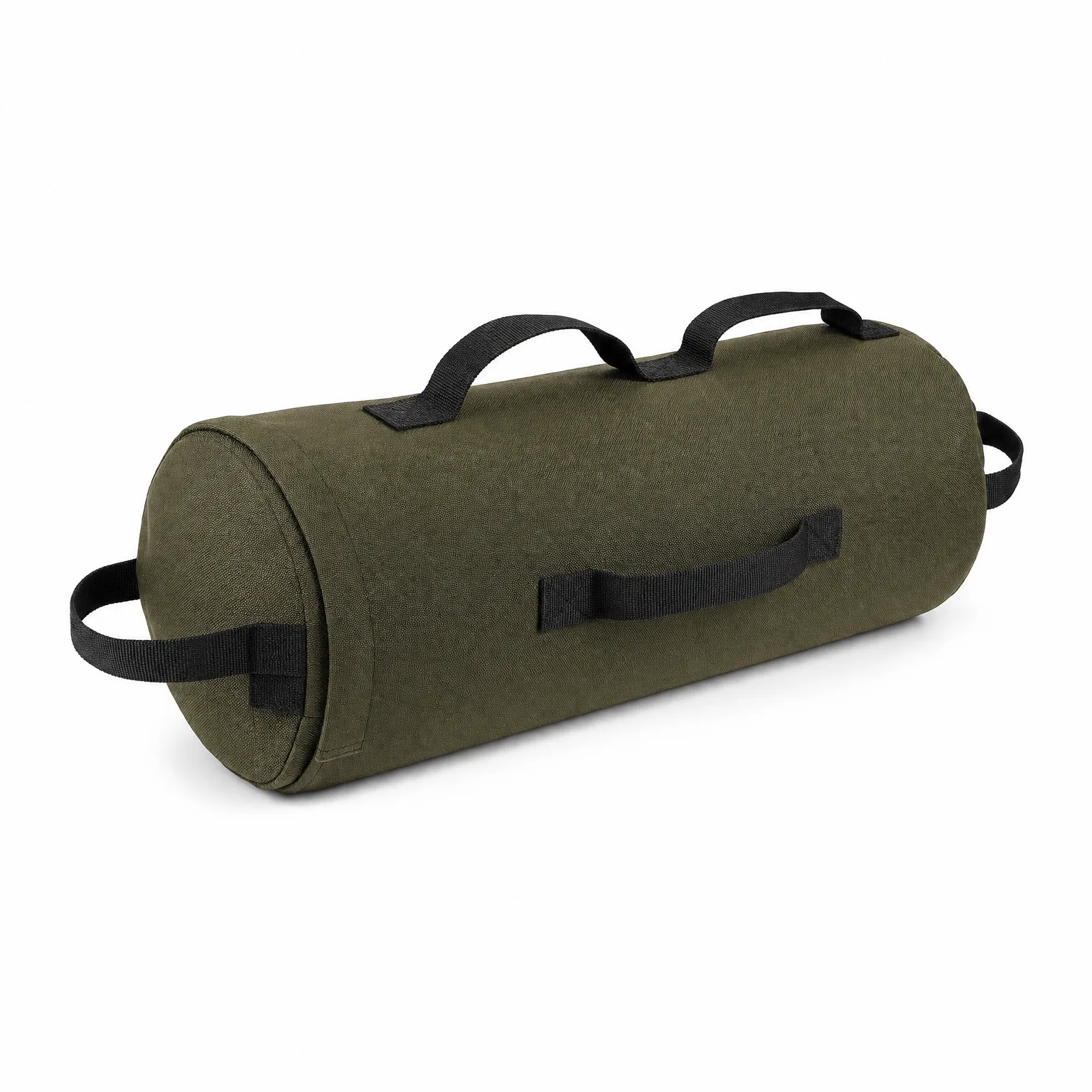
A tough fabric bag filled with sand, with or without handles. The load shifts as you lift, carry, squat and throw it. -
Loaded backpack
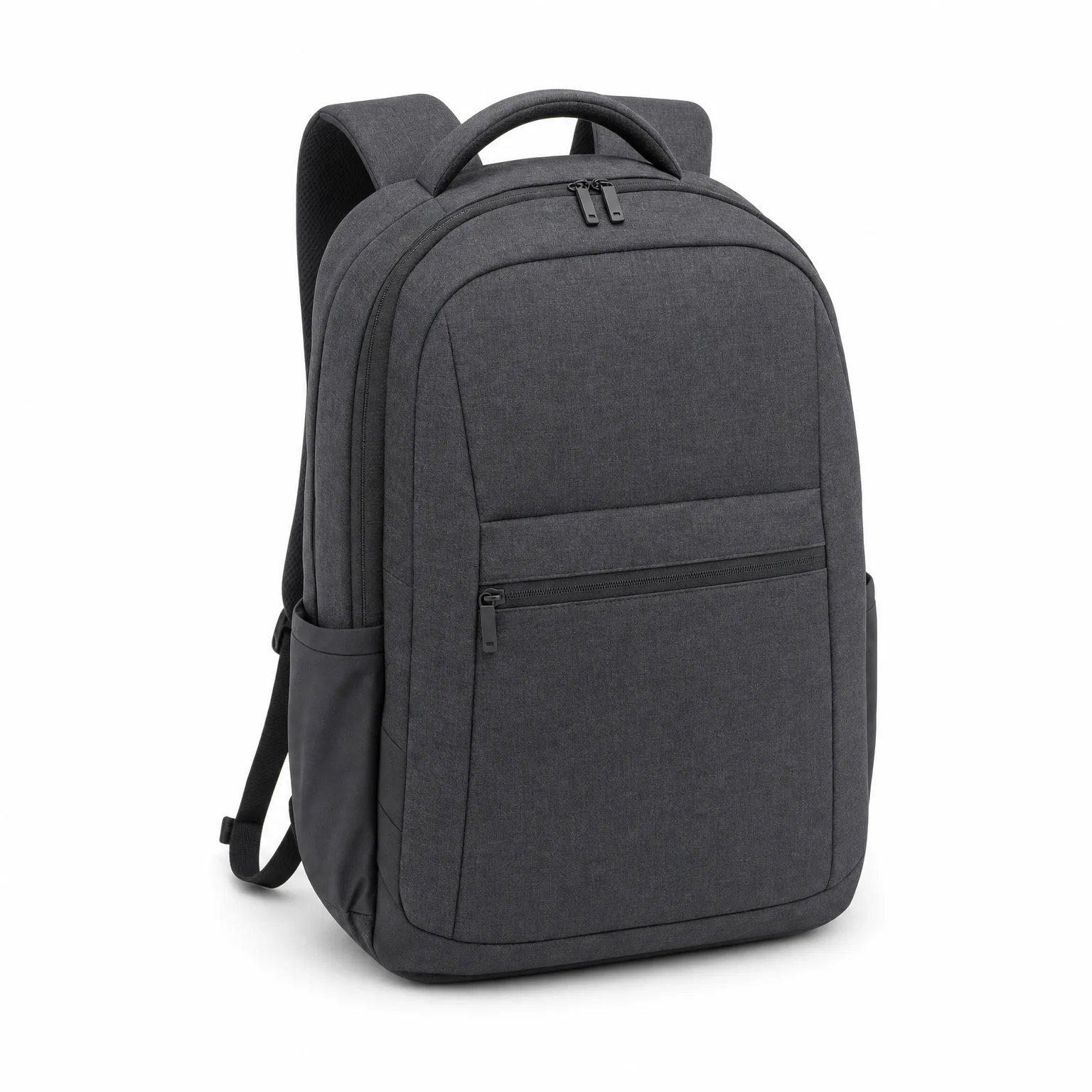
An ordinary backpack filled with books or water bottles works as an adjustable weight for squats, rows, push-ups and loaded walks.
Often used with
-

Barbell
A long steel bar loaded with plates at both ends. The standard tool for squats, deadlifts, presses and rows with heavy weight. -
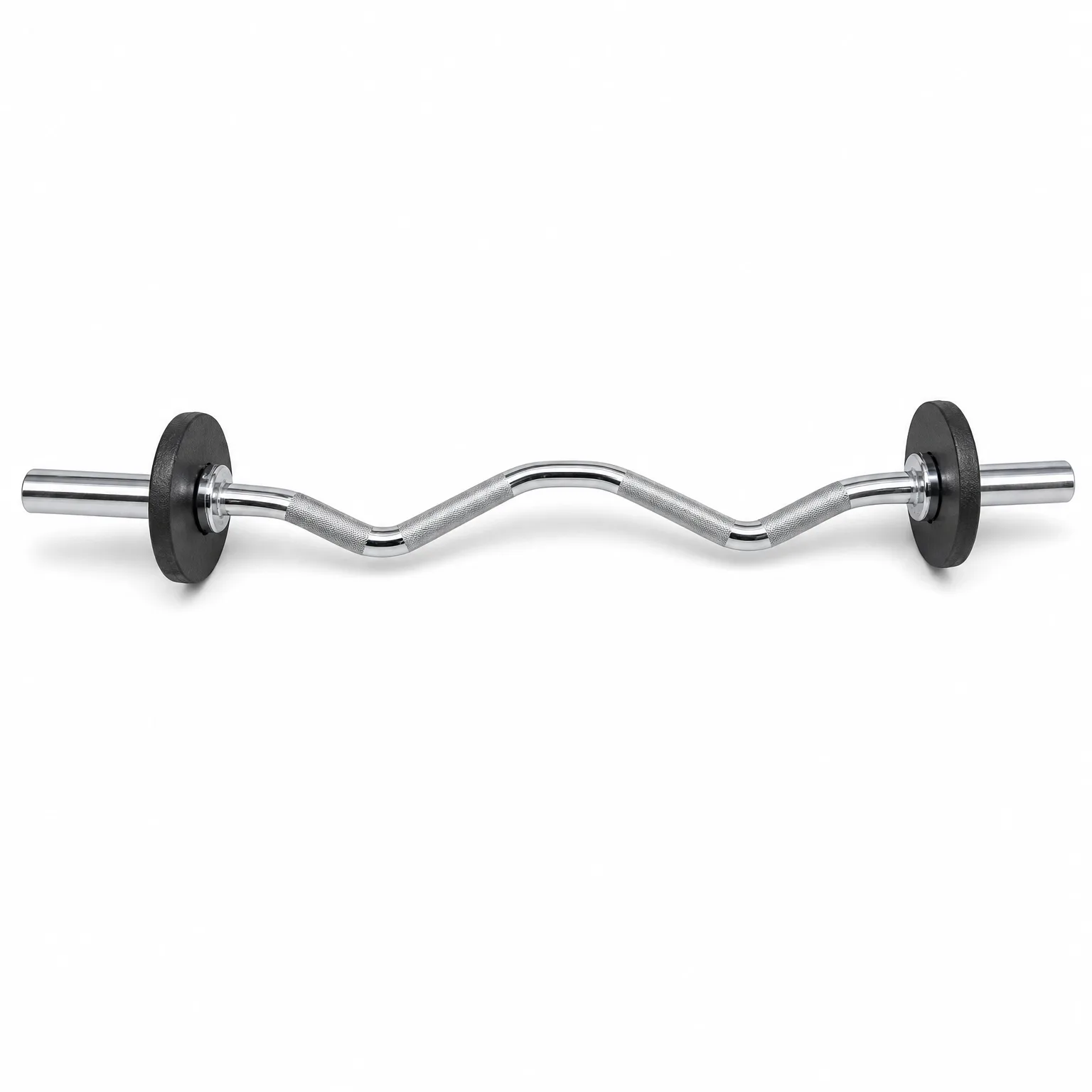
EZ curl bar
A short barbell with a zigzag grip section. The angled handles turn the wrists slightly inward for curls and triceps extensions. -
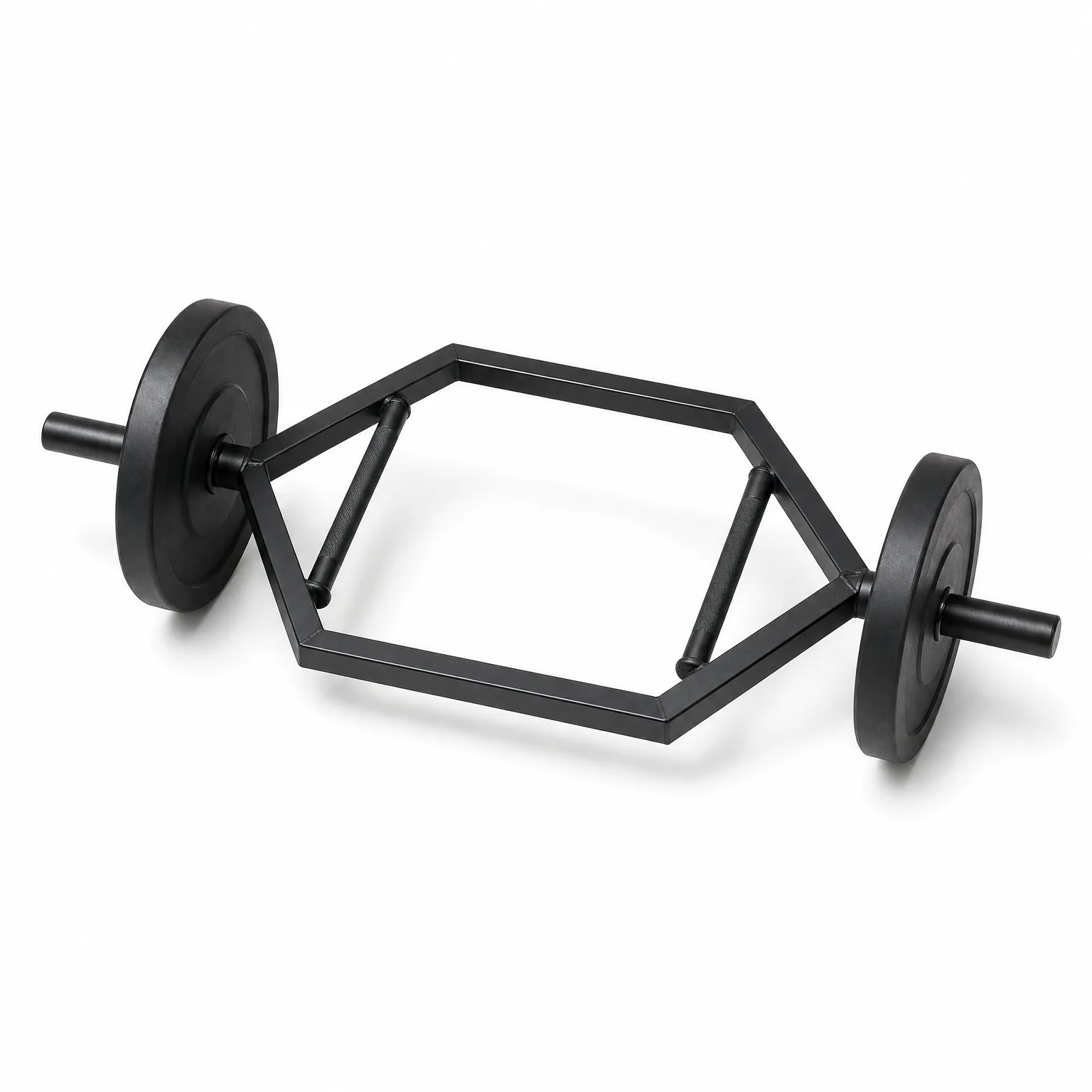
Trap bar
A hexagonal bar you stand inside and lift by two side handles. Used for deadlifts, carries, shrugs and jumps. -
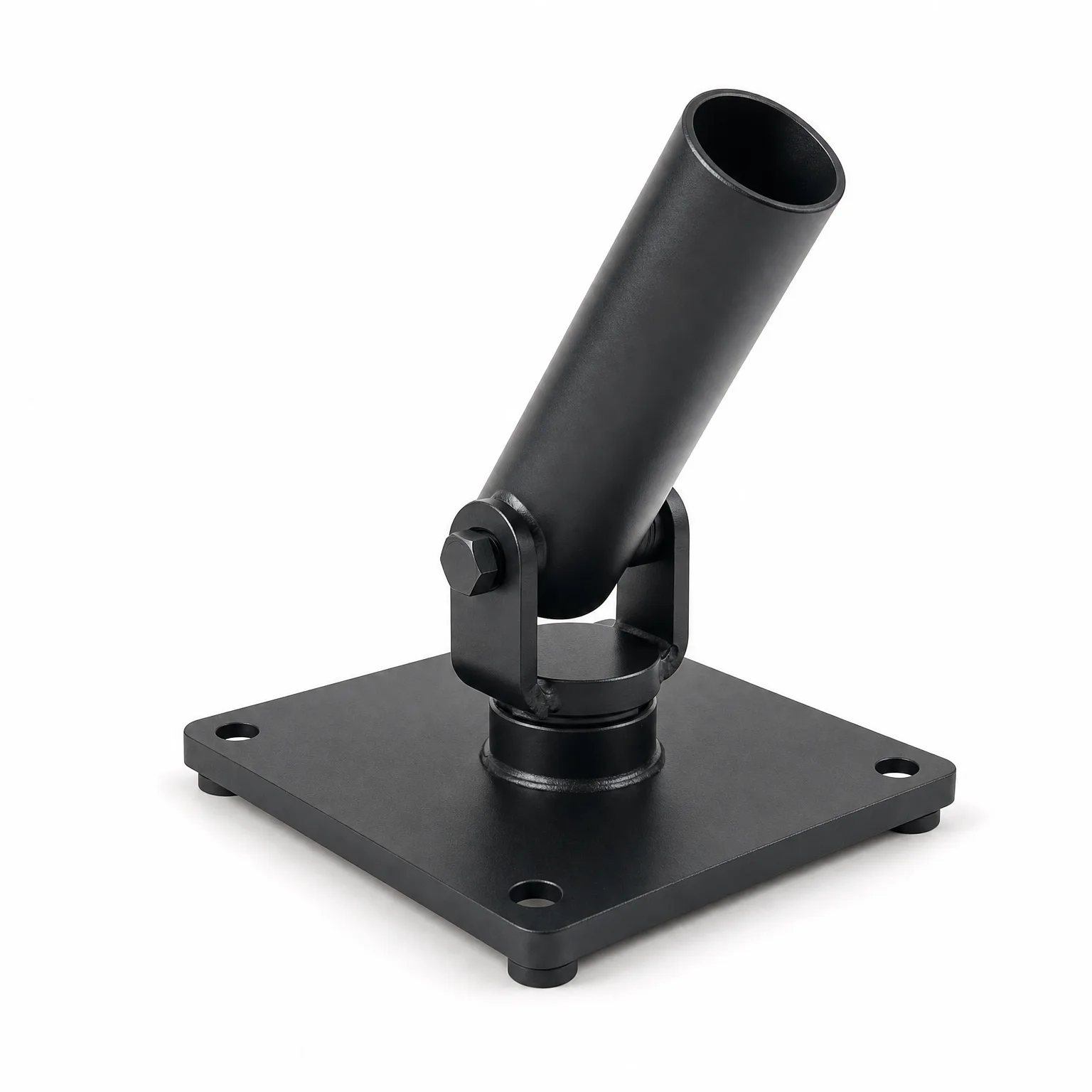
Landmine
A floor pivot that holds one end of a barbell so the other end moves in an arc. Used for presses, rows, squats and rotations.
Questions about weight plates
What is the difference between bumper plates and iron plates?
Bumper plates are thick rubber, all the same diameter, and made to be dropped with the bar from overhead. Iron plates are thinner, cheaper and louder, and should be lowered under control. For Olympic lifting you need bumpers. For general strength training either works, and iron lets you fit more weight on the bar.
Do Olympic plates fit a standard bar?
No. Olympic plates have a 50 mm (2 in) hole and standard bars have 25 mm (1 in) sleeves, so the plates sit loose and shift. Adapter sleeves exist, but it is simpler to match plates and bar from the start.
What weight plates should I buy first?
Buy pairs, sized to your bar. For an Olympic bar, pairs of 1.25, 2.5, 5, 10 and 20 kg give every load from 22.5 to 97.5 kg in 2.5 kg steps. Add more 20 kg pairs as your squat and deadlift grow.
What exercises can you do with just a weight plate?
Front raises, halos around the head, overhead presses, Russian twists, weighted sit-ups, goblet-style squats, overhead lunges, plate pinches and carries. A plate also adds load to planks, hip thrusts and back extensions.
Build programs around what your client has
This guide comes from OnlineFitness.app, the app online coaches run their clients in.
Free for life for the first 100 coachesNo card