Trap bar
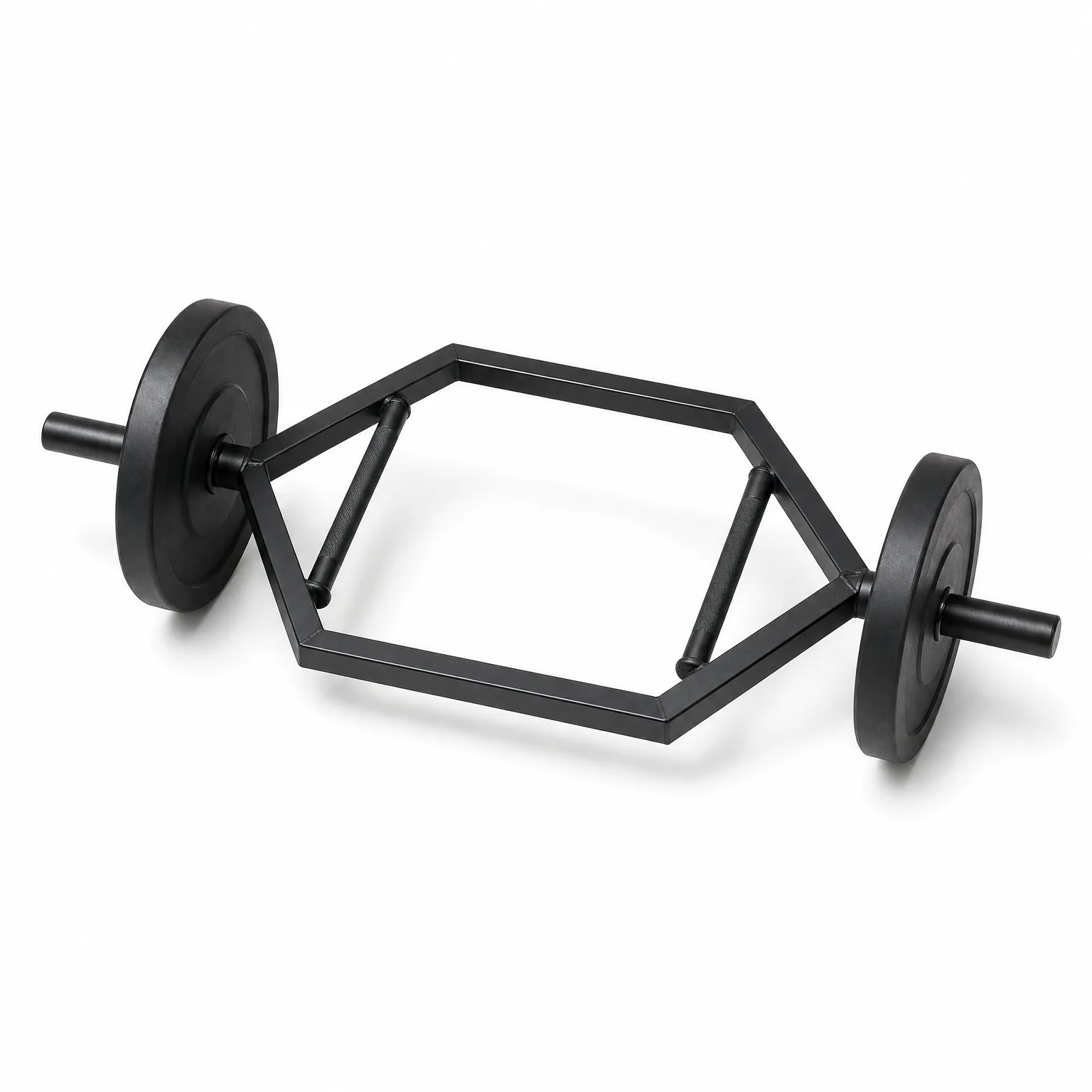
A hexagonal bar you stand inside and lift by two side handles. Used for deadlifts, carries, shrugs and jumps.
In short
A trap bar, or hex bar, is a frame you step into, with a handle on each side and a sleeve for plates at each end. You hold it with palms facing in and the weight in line with your body instead of in front of the shins. It is used mostly for deadlifts, and also for farmer carries, shrugs and loaded jumps.
Many people find the trap bar deadlift easier to learn than the barbell deadlift, because the torso stays more upright and the bar does not have to clear the knees. It suits beginners, tall lifters and athletes.
- Category
- Free weights
- Where
- Gym, Home
- Level
- Beginner and up
- Space
- Needs a dedicated area
- Typical sizes
- Usually 20–30 kg (45–65 lb) unloaded; the weight varies by model, so check before counting the load
- Also called
- hex bar, hex trap bar, trap bar deadlift bar, deadlift hex bar, open trap bar, shrug bar
Muscles it works
- Main
- Quads, Glutes, Hamstrings, Traps, Lower back
What it is used for
- Trap bar deadlifts from high or low handles
- Farmer carries with a heavy, balanced load
- Shrugs for the upper traps
- Loaded jumps for power
- Rows, and overhead presses on some open models
Types
Closed hex bar. A full hexagonal frame. The most common type. Stable, but you have to step in and out and it limits lunges and carries with a long stride.
Open trap bar. The frame is open at the back, so you can walk into it and do lunges, split squats and carries without hitting the bar. Many stand upright for loading.
Dual-handle bar. Has high and low handles. Flip the bar to choose. High handles shorten the lift. Low handles match the height of a barbell.
Rackable bar. Longer, so it sits on the hooks of a squat rack. Lets you start presses, rack pulls and carries from a set height.
How to choose
Check the handle width
Handles should let your arms hang straight down at your sides. Bars with handles set very wide or very narrow feel awkward. Spacing of about 63 cm (25 in) is common.
Look for two handle heights
High handles are easier to reach and good for learning. Low handles give a longer range. A bar with both covers more people and more goals.
Check the sleeves
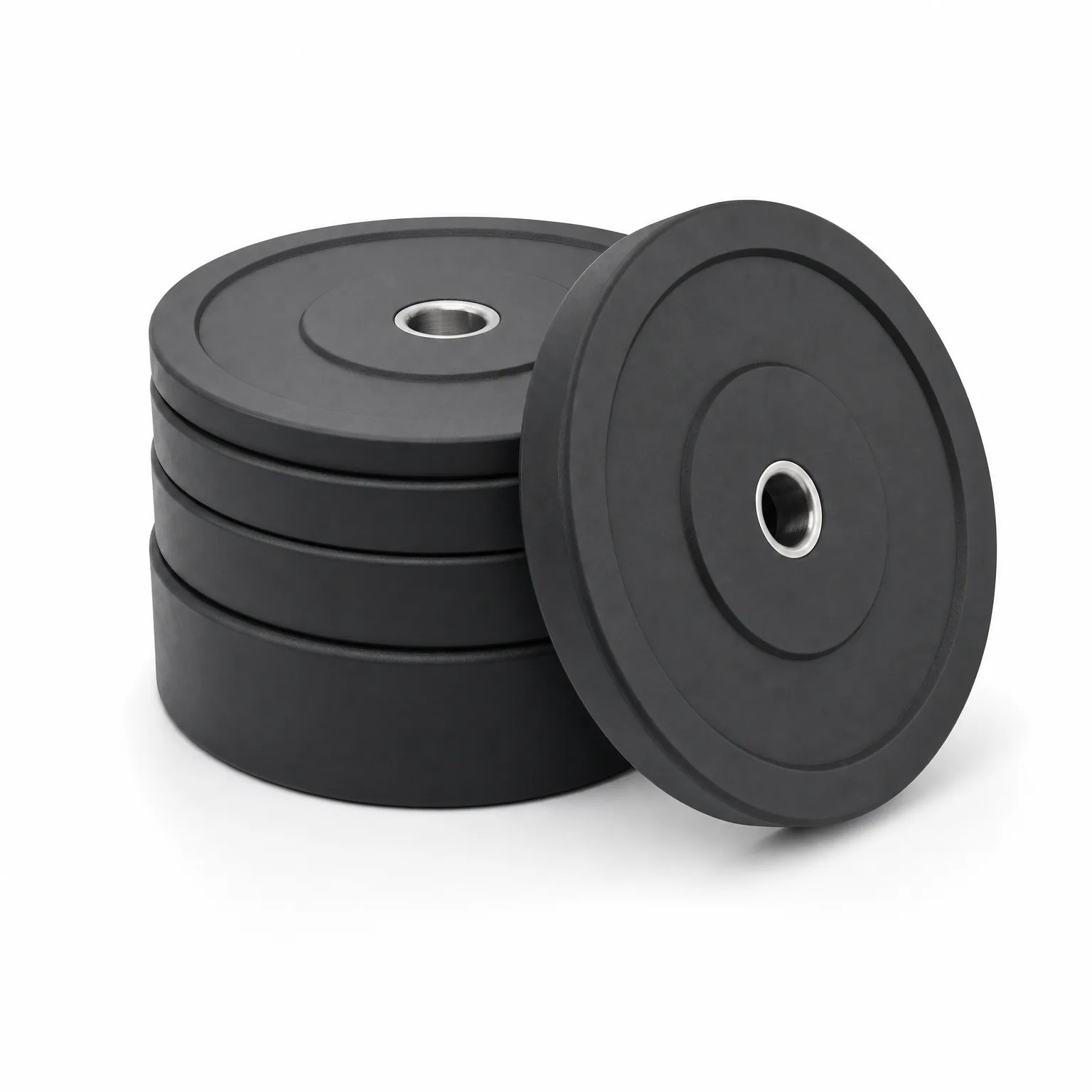
Sleeves should fit your plates, usually 50 mm Olympic, and be long enough for the weight you plan to lift. Short sleeves fill up quickly with thick bumper plates.
Know the weight and the rating
Trap bars are not standardized, and the unloaded weight differs between models. The load they hold depends on the manufacturer's rating. Find both numbers before you plan your training.
How to start using it
- Stand in the middle. Step inside with feet about hip-width apart and the handles level with the middle of your feet. If you stand too far forward or back, the bar tips as it leaves the floor.
- Set the back and grip. Push the hips back and bend the knees until you reach the handles. Grip the center of each handle, flatten the back, and pull the shoulders down.
- Push the floor away. Brace, then stand up by pushing through the whole foot. Hips and shoulders rise together. Finish tall without leaning back.
- Lower under control. Send the hips back first and guide the bar down the same path. Let the plates settle on the floor before the next rep.
- Start with the high handles. Use the high handles and a light load for the first sessions. Move to the low handles when you can keep a flat back at the bottom.
Common mistakes
Gripping off center
If the hands are not in the middle of the handles, the bar tilts forward or backward as you lift. Find the center and grip there on every rep.
Turning it into a squat
Dropping the hips very low with the chest upright leaves less work for the hamstrings. For a deadlift, the hips sit higher than in a squat, with the shoulders over the handles.
Guessing the bar weight
Assuming every trap bar weighs 20 kg makes your numbers wrong. Check the label or weigh the bar.
Letting the bar swing
On carries and jumps the frame can swing and pull you off balance. Keep the arms long, the shoulders set and the steps short.
What to use instead
A barbell deadlift trains the same muscles with the load in front of the legs and a more bent-over torso. Two heavy dumbbells or kettlebells held at the sides copy the trap bar position well for deadlifts and carries. Stand them on blocks or plates if you cannot reach the floor with a flat back. The limit is how heavy your dumbbells go.
-

Barbell
A long steel bar loaded with plates at both ends. The standard tool for squats, deadlifts, presses and rows with heavy weight. -

Dumbbells
A pair of short handles with a weight at each end. One pair trains every major muscle group, at home or in a gym. -
Kettlebell
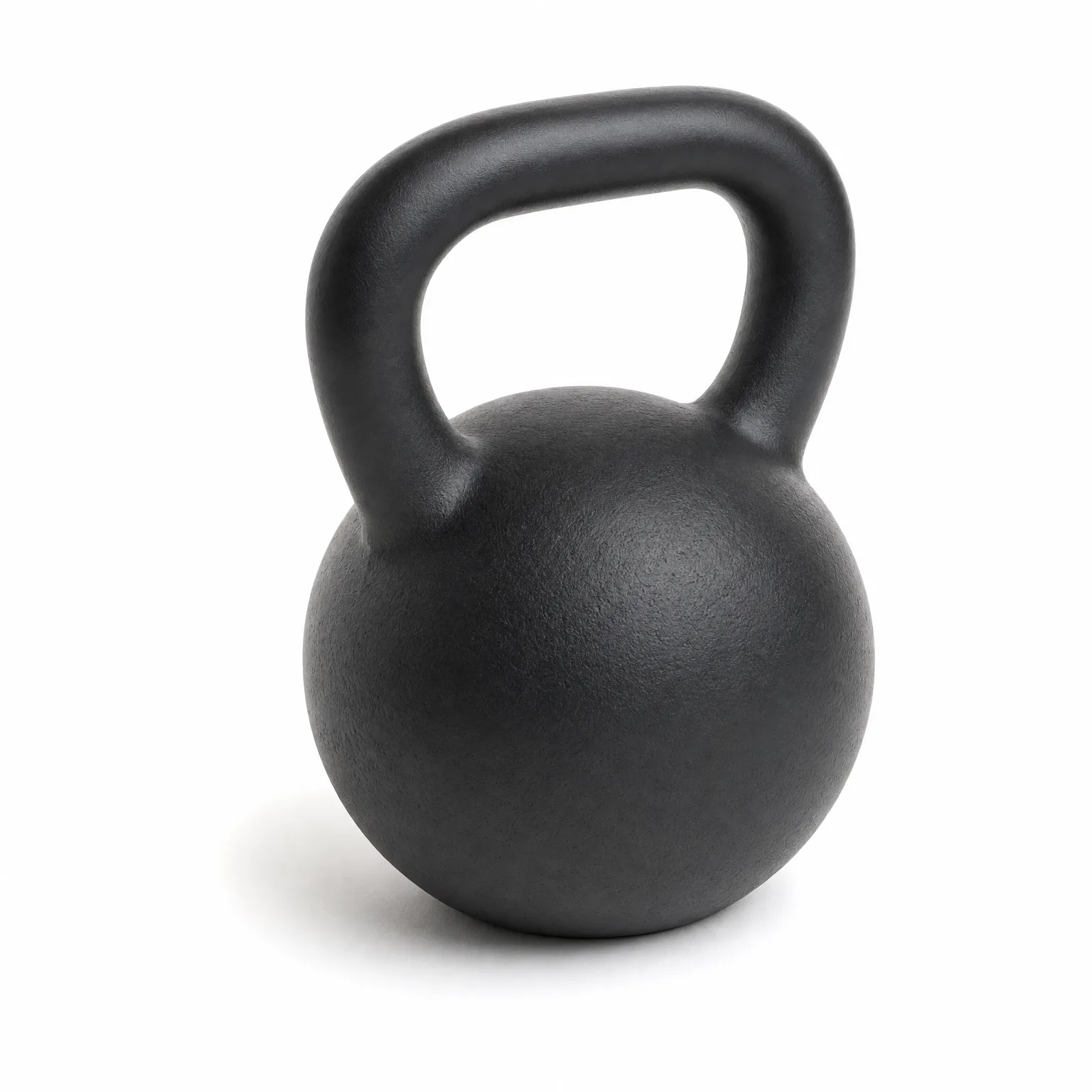
A cast-iron or steel ball with a flat base and a handle on top. Built for swings, carries, squats and presses with one weight.
Often used with
Questions about trap bar
How much does a trap bar weigh?
Most weigh between 20 and 30 kg (45–65 lb), and some heavy-duty or open models weigh more. There is no standard, so read the label or weigh it.
Trap bar deadlift or barbell deadlift?
The trap bar keeps the load in line with your body, so the torso is more upright, the knees bend more, and the quads do a larger share of the work. The barbell deadlift loads the hamstrings and lower back more. The trap bar is easier to learn. The barbell is the one used in powerlifting. Both build strong legs and hips.
Is the trap bar good for beginners?
Yes. The neutral grip, the handles at your sides and the high-handle option make the starting position easier to reach. It is a common first deadlift for people new to lifting.
What muscles does the trap bar deadlift work?
The quads, glutes and hamstrings do most of the lifting. The lower back and trunk hold the torso rigid, and the traps, upper back and forearms hold the bar.
Build programs around what your client has
This guide comes from OnlineFitness.app, the app online coaches run their clients in.
Free for life for the first 100 coachesNo card