Mid back
The muscles on and between the shoulder blades. They pull the blades together, turn the arm outward and work in every row.
In short
The mid back is the group of muscles on and between the shoulder blades. The rhomboids run from the spine to the inner edge of each blade and pull it toward the spine. The infraspinatus and teres minor cover the back of the blade and turn the arm outward. The teres major runs from the lower corner of the blade to the upper arm and pulls the arm down and back.
Rows of every kind build this area. Face pulls and external rotations add direct work for the infraspinatus and teres minor. The middle trapezius lies over the rhomboids and works in the same movements; it is covered on the traps page. The lats are a separate, larger muscle lower down the back, even though rows train both.
- Anatomical name
- Rhomboids, infraspinatus, teres minor and teres major
- Group
- Back
- Also called
- middle back, rhomboids, upper back, shoulder blade muscles, back thickness
- Works with
- Lats, Traps, Rear delts, Chest
What it does
- Pulls the shoulder blades together: the end of a row, setting the blades before a bench press
- Turns the upper arm outward: the end of a face pull, drawing the arm back to throw
- Pulls the arm down and back toward the body (teres major): a pull-up, a straight-arm pulldown
- Keeps the ball of the shoulder centered in its socket while the arm moves (infraspinatus and teres minor)
- Turns the shoulder blade downward as the arm comes down from overhead (rhomboids)
Parts of the muscle
Rhomboids. Major and minor, under the trapezius between the spine and the blade. They pull the blade toward the spine, so any row that ends with the blades squeezed together works them.
Infraspinatus. The thick muscle covering most of the back of the blade, part of the rotator cuff. It is the main outward rotator of the arm: face pulls and side-lying or cable external rotations.
Teres minor. A narrow muscle along the outer edge of the blade, also part of the rotator cuff. It works with the infraspinatus in the same external rotation exercises.
Teres major. Runs from the lower corner of the blade to the upper arm bone. It is not part of the rotator cuff and works with the lats in pull-ups, pulldowns and rows with the elbows close.
Middle trapezius. Lies over the rhomboids and pulls the blades together with them in rows and face pulls. It has its own section on the traps page.
Exercises for the mid back
Ordered from the most useful. Equipment links open its page in the equipment guide.
-
Chest-supported row
Lie face down on an incline bench. Row the dumbbells toward the lower ribs, squeeze the blades together for a second, then let them spread apart at the bottom.
-
Seated cable row
Sit tall with the knees slightly bent. Pull the handle to the stomach without leaning back, and let the shoulders reach forward at the start of each rep.
-
Barbell row
Hinge until the torso is at about 45 degrees or lower, back flat. Pull the bar to the lower ribs, elbows about 45 degrees from the body, and lower it under control.
-
Inverted row
Hang under the handles with the body straight and heels on the floor. Pull the chest to the hands, squeeze the blades together, then lower to straight arms.
-
Face pull
Rope at upper chest height or higher. Pull it toward the eyes with the elbows high and finish with the hands beside the ears, forearms pointing up.
-
Band pull-apart
Hold the band at shoulder height with straight arms. Pull it apart until it touches the chest by moving the blades together, without shrugging.
-
Side-lying external rotation
Lie on your side, top elbow bent to 90 degrees on a rolled towel at the waist. Rotate a light dumbbell up and back without moving the elbow, then lower slowly.
How to train it
Row with more than one elbow path
Rows with the elbows close to the body, pulled toward the hips, lean more on the lats and teres major. Rows with the elbows further out, pulled toward the upper stomach, bring in more of the middle traps and rear delts. Every row works the rhomboids as long as the blades move. Use both paths, plus a face pull or external rotation for the infraspinatus and teres minor.
Count rows toward the weekly total
About 10 to 20 hard sets of rows and pulls a week cover the mid back for most people, and the same sets train the lats. Split them over two or three sessions. Beginners progress well on the low end.
Let the shoulder blades move
At the start of each row let the blades spread around the ribs, and at the end pull them together. Rowing with the blades locked in place shortens the range the rhomboids work through.
Match the reps to the exercise
Barbell and chest-supported rows suit 6 to 12 reps. Cable and machine rows suit 10 to 15. External rotations and pull-aparts suit light loads for 12 to 20 controlled reps.
Progress with load and a pause
Add weight or a rep when all sets reach the top of the range. A one-second pause with the blades squeezed is a useful check: if you cannot hold it, the weight is too heavy for the mid back.
Common mistakes
Swinging the torso on rows
Rocking back moves the weight with the hips and lower back. Brace, or use a chest pad, and keep the torso still so the pull comes from the shoulder blades and arms.
Shrugging at the end of the row
Pulling the shoulders up toward the ears shifts the work into the upper traps. Think of drawing the blades back and slightly down, with a long neck.
Going heavy on external rotations
The infraspinatus and teres minor are small. A heavy weight turns the exercise into a body twist. Use a light dumbbell or cable and keep the elbow fixed at the side.
Only doing vertical pulls
Pull-ups and pulldowns train the lats and teres major well but give the rhomboids less to do. Add at least one horizontal row to the week.
Equipment for these exercises
-

Dumbbells
A pair of short handles with a weight at each end. One pair trains every major muscle group, at home or in a gym. -
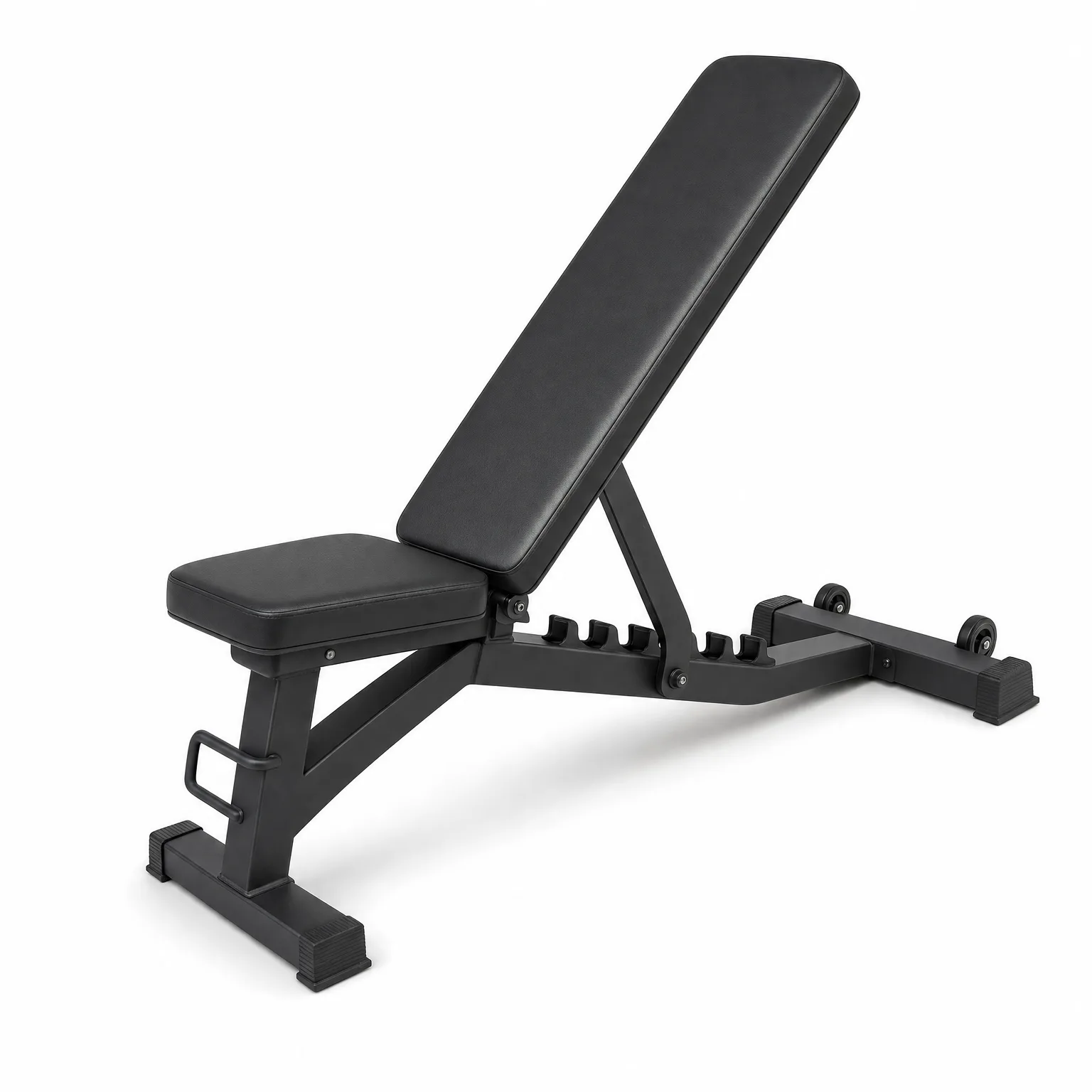
Weight bench
A padded bench you lie, sit or lean on while lifting. It supports the body for presses, rows, hip thrusts and seated work. -
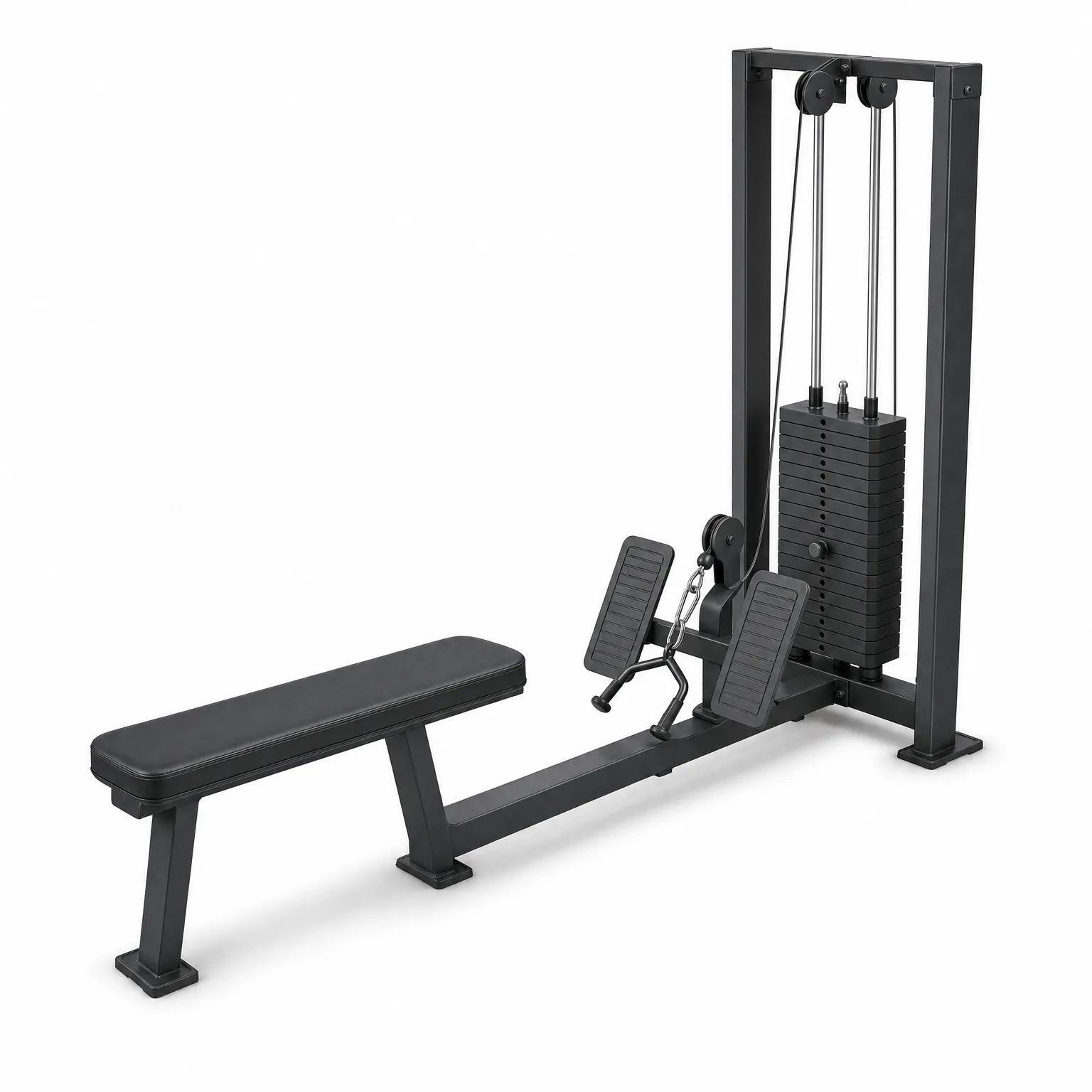
Seated row machine
A seat facing a low cable or a pair of lever arms. You pull the handles to your torso to train the mid back and lats. -
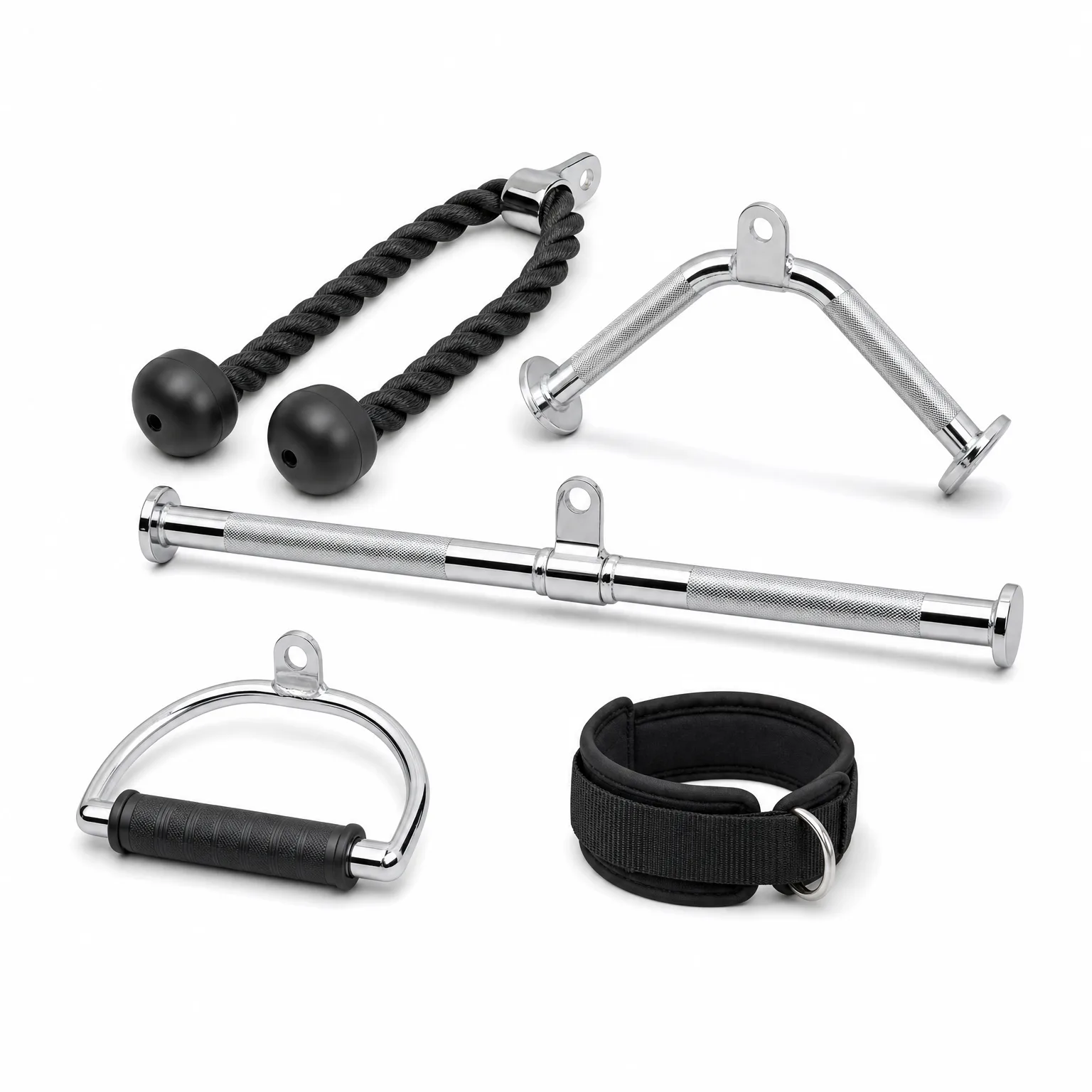
Cable attachments
The handles, bars, ropes and cuffs that clip onto a cable machine. Each one sets your grip and changes which exercises the cable can do. -

Barbell
A long steel bar loaded with plates at both ends. The standard tool for squats, deadlifts, presses and rows with heavy weight. -
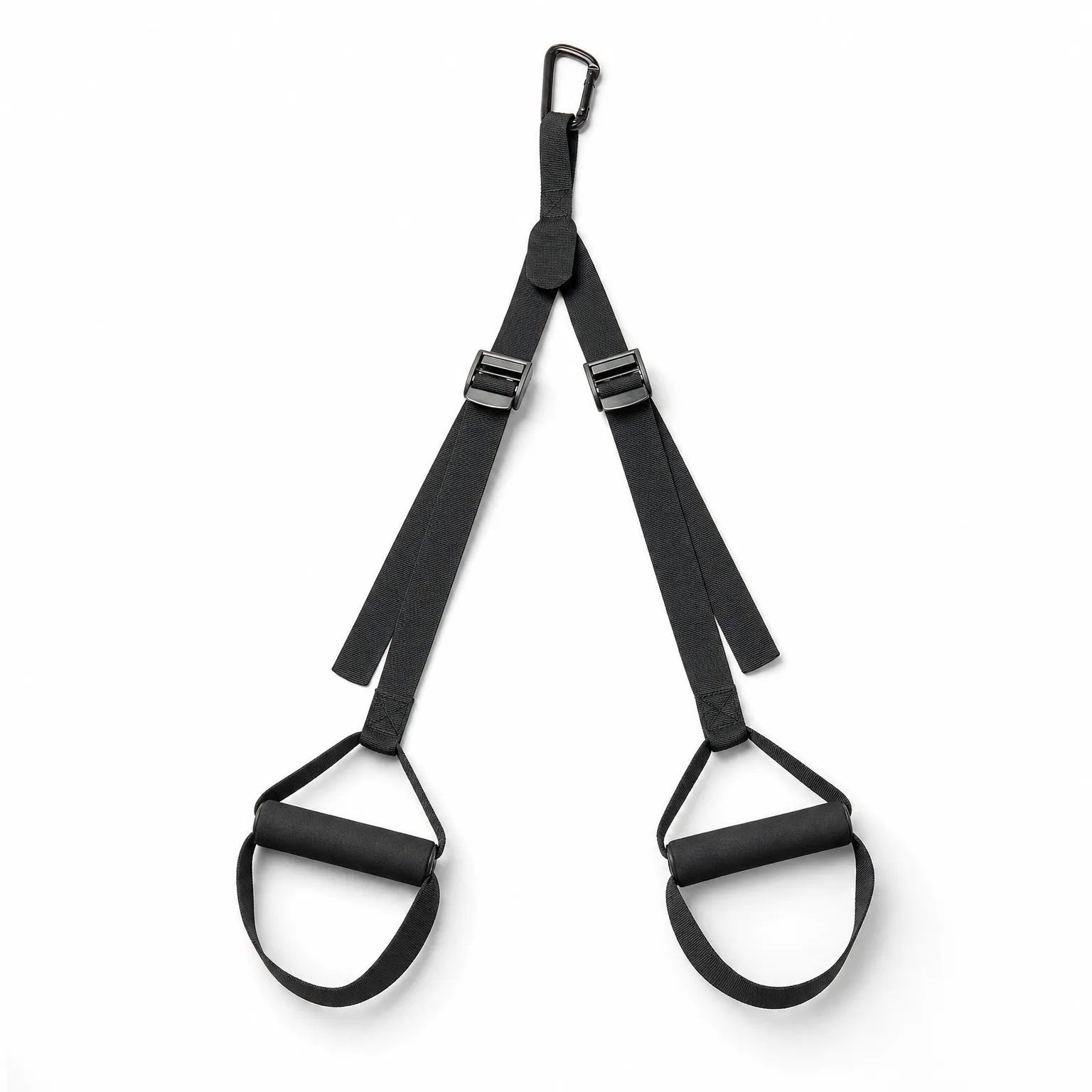
Suspension trainer
Two adjustable straps with handles, hung from one anchor point. You lean or hang on them and use your own body weight as the load. -
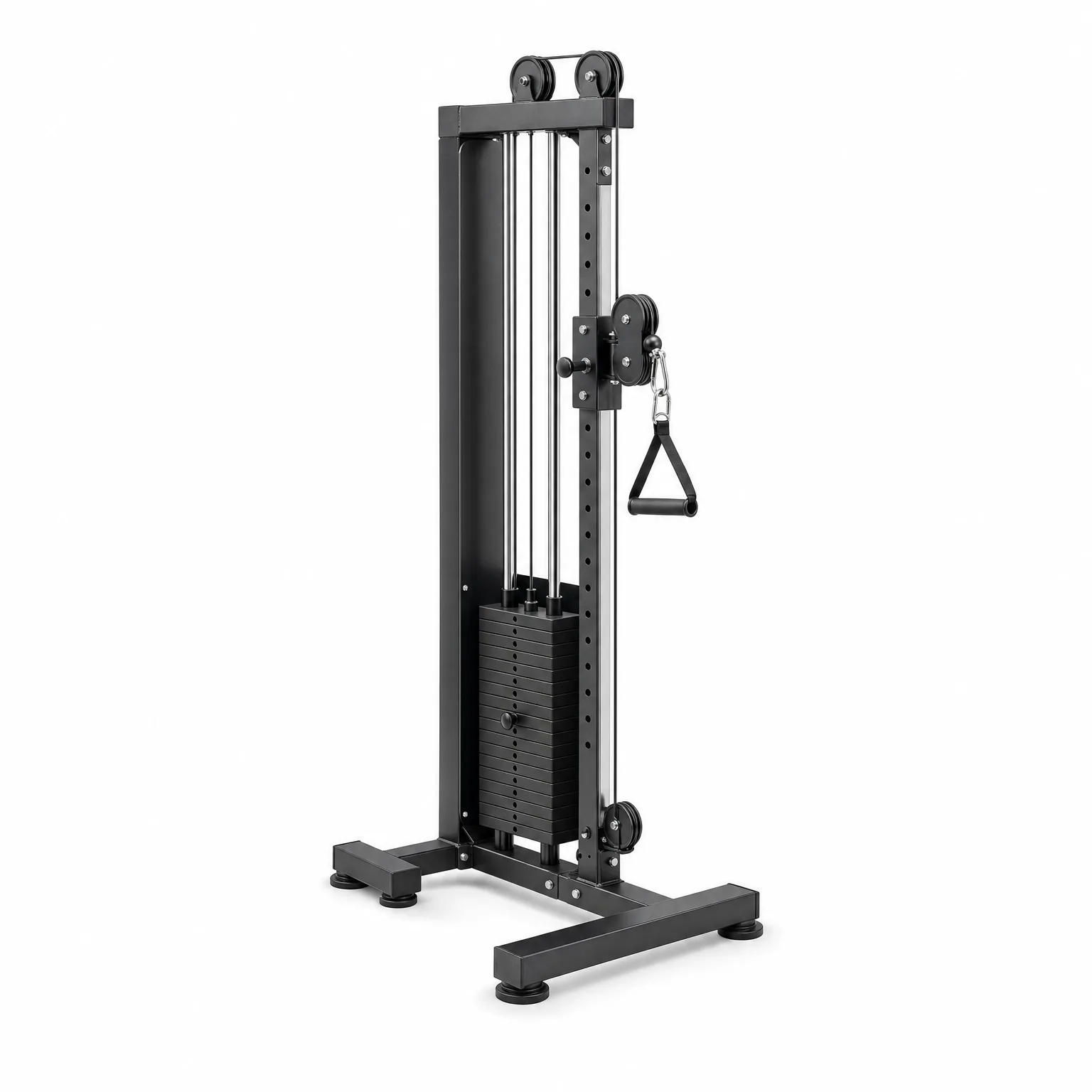
Cable machine
A weight stack on a pulley with a handle you can set at any height. It keeps tension on the muscle through the whole movement. -
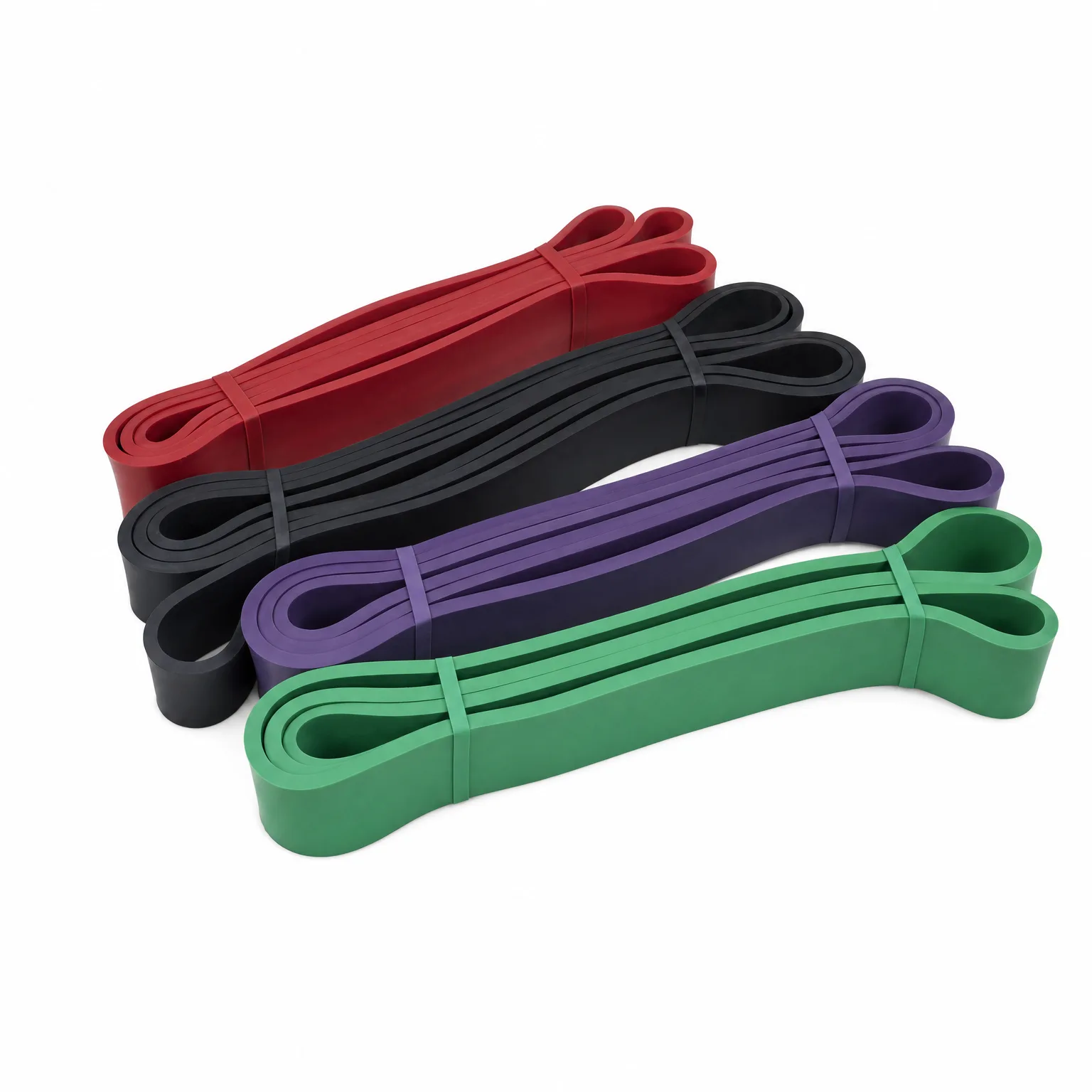
Resistance bands
Long closed loops of thick rubber. They add resistance to rows, presses and squats, or take weight off in pull-ups and dips.
Related muscles
-
Lats
The widest muscle of the back, from the lower spine and pelvis to the upper arm. It pulls the arm down and back in pull-ups, pulldowns and rows. -
Traps
A large, flat muscle from the neck down the middle of the upper back. It lifts, pulls back and rotates the shoulder blades in shrugs, rows and carries. -
Rear delts
The back head of the shoulder muscle. It pulls the arm back and out to the side in rows, face pulls and reverse flyes. -
Chest
The fan-shaped muscle across the front of the ribcage. It brings the arm forward and across the body in presses, push-ups and flyes.
Questions about training the mid back
What are the best mid back exercises?
Chest-supported rows, seated cable rows and barbell rows are the core of most programs because they let you pull heavy while the shoulder blades move through a full range. Face pulls and external rotations cover the infraspinatus and teres minor, which rows train less directly.
Can I train my mid back at home?
Yes. Inverted rows under a sturdy table or on a suspension trainer, dumbbell rows and band pull-aparts cover the area. Make inverted rows harder by walking the feet forward until the body is close to horizontal, then by raising the feet.
Why can't I feel my mid back when I row?
Usually the arms or a swing are doing the work. Lighten the load, start each rep by pulling the shoulder blades back before the elbows bend, and hold the end position for a second. A chest-supported row removes the swing and is the easiest place to learn the feeling.
Will rows improve my posture?
Rows make the mid back stronger, but posture is mostly a habit of how you sit and stand, and there is no single correct posture. Train the mid back for strength and for balance with all the pressing in a program, not as a posture fix.
What is the difference between the mid back and the lats?
The lats are the wide muscles on the sides of the back that pull the upper arm down and back. The mid back muscles are smaller and sit on and between the shoulder blades, mainly moving the blades and rotating the arm. Rows train both; pull-ups and pulldowns lean more on the lats.
Write programs your clients can follow
This guide comes from OnlineFitness.app, the app online coaches run their clients in.
Free for life for the first 100 coachesNo card