Equipment Bands and bodyweight tools
Suspension trainer
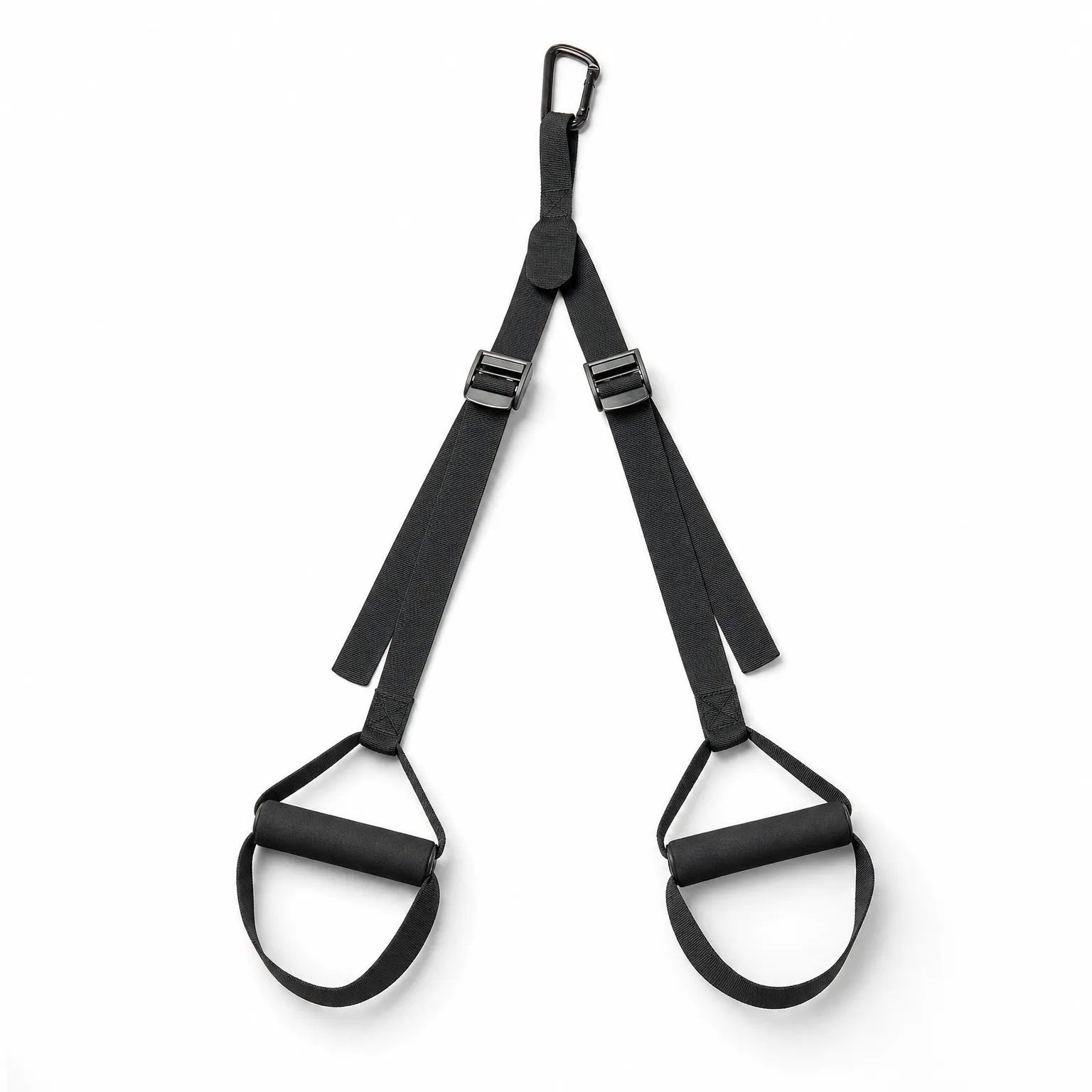
Two adjustable straps with handles, hung from one anchor point. You lean or hang on them and use your own body weight as the load.
In short
A suspension trainer is a pair of adjustable webbing straps with a handle and a foot cradle on each end, hung from a door, a beam, a bar or a tree. You hold the handles or put your feet in the cradles and lean away from the anchor, so part of your body weight becomes the resistance for rows, presses, squats and core work.
The load changes with your body angle, not with plates: stand more upright and the exercise is easy, walk your feet toward the anchor and it gets hard. That makes one set of straps usable by a beginner and a strong athlete in the same session, and it packs into a small bag.
- Category
- Bands and bodyweight tools
- Where
- Home, Gym, Outdoors, Travel
- Level
- Beginner and up
- Space
- Fits in a drawer or a bag
- Typical sizes
- Straps adjust from about 1.2 to 2.5 m (4–8 ft); the whole kit weighs under 1 kg (2 lb)
- Also called
- suspension straps, trx straps, suspension training straps, bodyweight straps, suspension trainer straps
Muscles it works
- Also works
- Rear delts, Obliques, Glutes, Hamstrings
What it is used for
- Rows and face pulls for the back, the hardest area to train at home without a bar
- Push-ups, chest presses and triceps extensions at an adjustable angle
- Assisted squats, split squats and single-leg squats with the hands on the straps
- Core work with the feet in the cradles: planks, pikes, knee tucks
- Hamstring curls and hip bridges lying on the back with the heels in the cradles
Types
Single anchor (Y shape). Both straps meet at one point. The usual design: quick to hang and adjust, and it works from a single door anchor, hook or branch.
Two separate straps. Each strap has its own anchor, like gymnastic rings with soft handles. Wider setups are possible, and dips and pull-ups feel more natural.
With a pulley. The strap runs through a pulley at the anchor, so one hand goes up as the other goes down. Used for rotation and alternating work; less stable for basic exercises.
How to choose
Check the anchor options first
Decide where it will hang before you buy. A door anchor needs a solid door that closes toward you or locks. A beam, a pull-up bar or a tree needs a wrap strap. A ceiling or wall mount must be fixed into a joist or solid masonry, not plasterboard.
Look at the adjusters
Cam buckles should hold without slipping and be easy to move with one hand. Clear length marks on the straps help you set both sides evenly and repeat a setup next time.
Handles and foot cradles
Firm rubber or textured handles are easier to hold with sweaty hands than soft foam, which wears out. Make sure the foot cradles are wide enough for your shoes and open easily.
Read the load rating
The working load depends on the manufacturer's rating for both the straps and the anchor. Choose a rating with a clear margin above your body weight and follow it.
How to start using it
- Anchor it above head height. Hang the anchor about 2–2.7 m (7–9 ft) high with clear floor around it. For a door, put the anchor over the top, close the door fully and train on the side where your pull holds it shut, not open. Pull hard on the straps before every session.
- Set the length for the exercise. Shorten the straps for rows and other standing pulls. Use mid length for squats and lunges. Lengthen them for chest presses and other moves facing away from the anchor, and for floor work, where the cradles should hang about 20–30 cm (8–12 in) off the floor.
- Change the load with your feet. Start each exercise more upright than you think you need. If the set is easy, move your feet toward the anchor point so the body leans more: step forward in rows, where you face the anchor, and step back in presses, where you face away. One small step changes the load a lot.
- Keep the straps tight. The straps should stay under tension for the whole rep. Hold a straight line from head to heels, as in a plank, and move only at the shoulders and elbows.
- Start with four moves. A row, a chest press or push-up, an assisted squat and a plank with the feet in the cradles cover the whole body. Do 2–3 sets of 8–12 reps and make the angle harder over the weeks.
Common mistakes
Slack straps
Letting the straps go loose at the top or bottom of a rep means the muscles stop working and the straps then catch you with a jerk. Shift your feet until there is tension through the whole range.
Hips sagging or piking
In rows and presses the body should move as one plank. Dropping the hips or bending at the waist shortens the range and takes the load off the muscles you are training.
Straps rubbing the arms
During presses the straps should not saw against your upper arms. Raise your hands a little and keep them slightly wider so the straps run clear of the shoulders.
Trusting an untested anchor
A door that opens toward the pull, a hollow door or a loose hook can give way with your full weight on it. Test the anchor with a strong pull and lock the door if it has a lock.
Starting too steep
A very low body angle on day one turns a row into a struggle with poor form. Pick an angle that allows 8–12 clean reps and steepen it gradually.
What to use instead
Gymnastic rings do almost everything a suspension trainer does and are better for dips and pull-ups, but have no foot cradles. A pull-up bar set low, or a bar in a rack, covers bodyweight rows. Resistance bands replace the rows, presses and face pulls with a different feel. At home, a sturdy towel wrapped around a solid post or railing lets you do leaning rows.
-
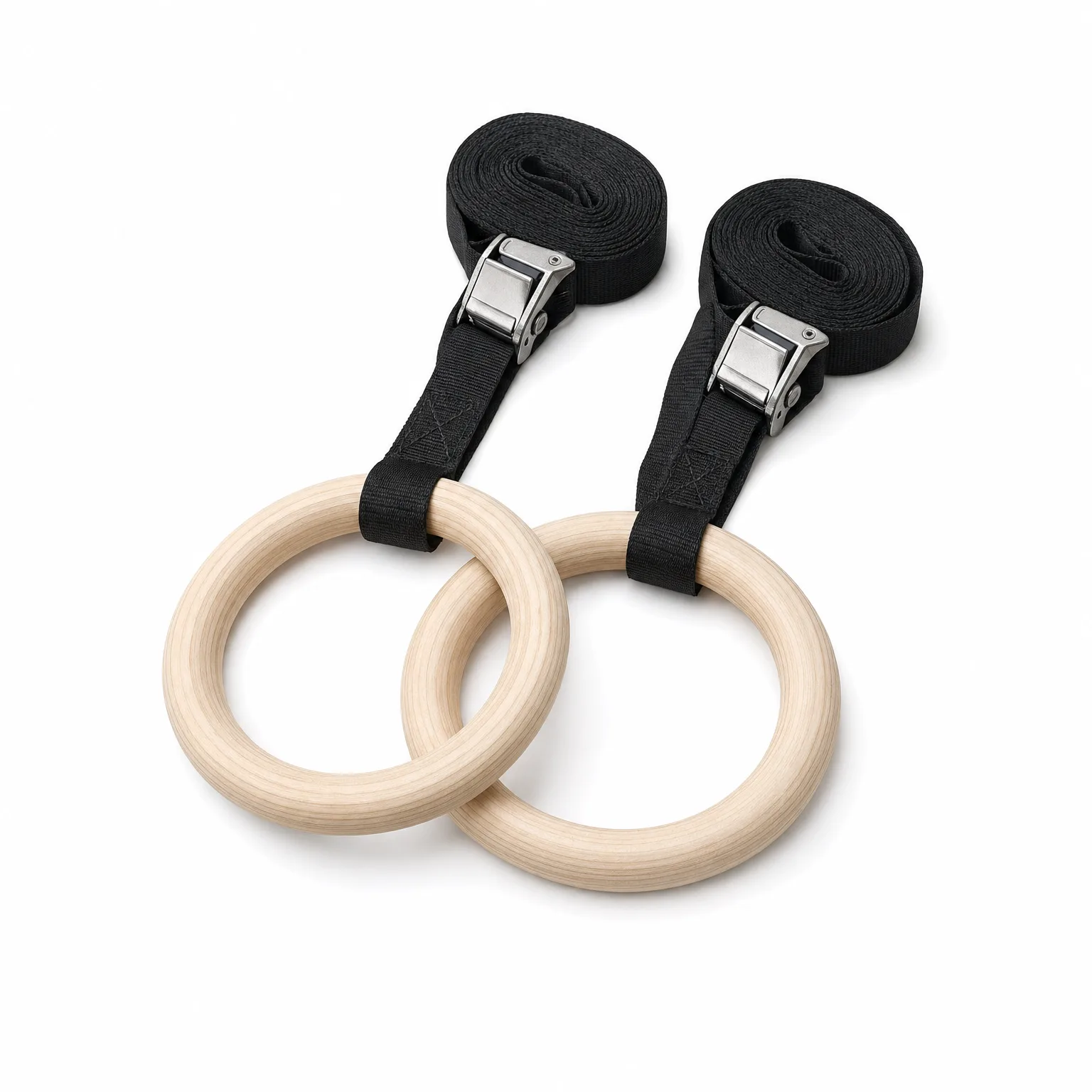
Gymnastic rings
Two rings on adjustable straps, hung from a bar or beam. Used for rows, pull-ups, dips, push-ups and support holds with body weight. -
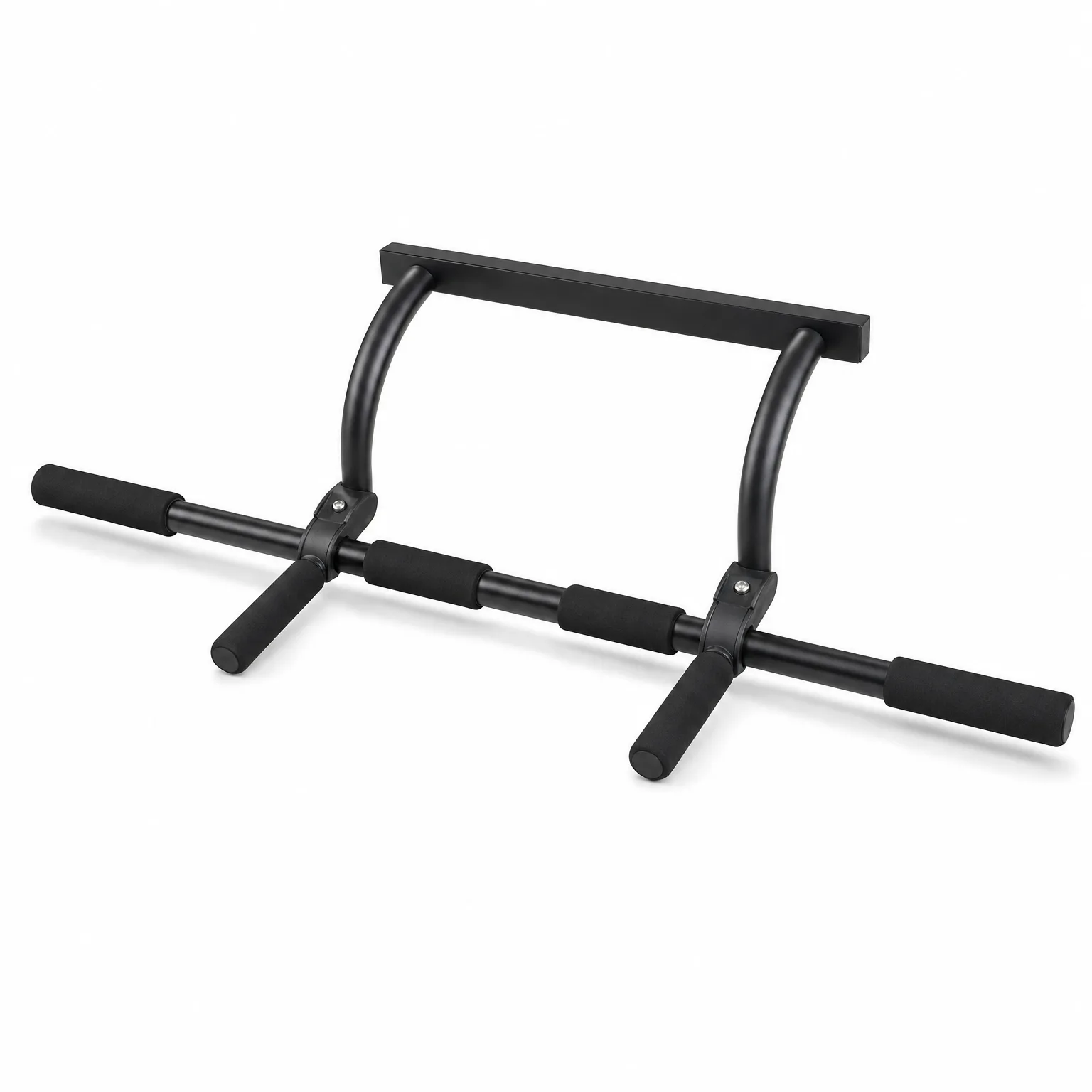
Pull-up bar
A fixed horizontal bar you hang from. Used for pull-ups, chin-ups, hangs and hanging leg raises, at home or outdoors. -
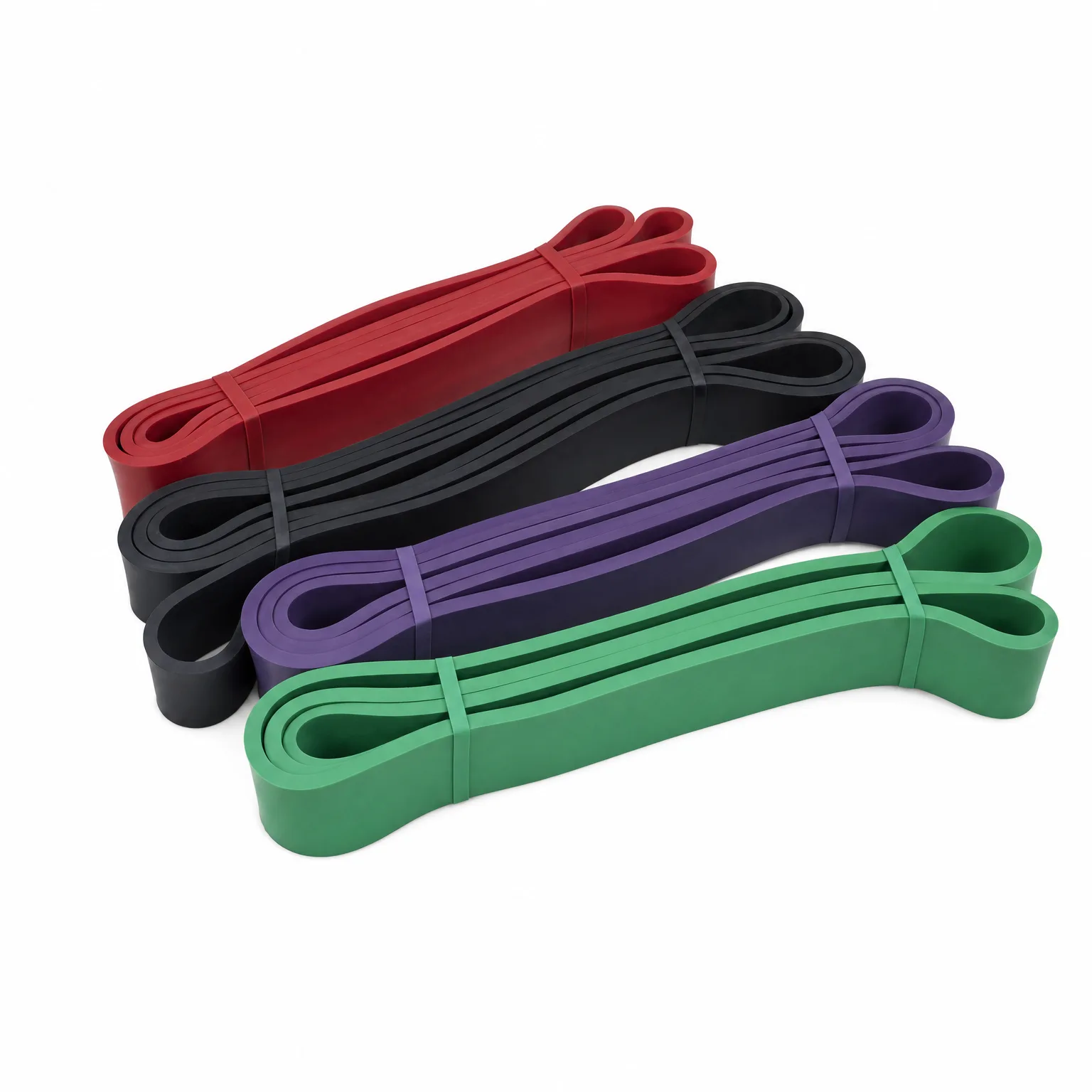
Resistance bands
Long closed loops of thick rubber. They add resistance to rows, presses and squats, or take weight off in pull-ups and dips. -
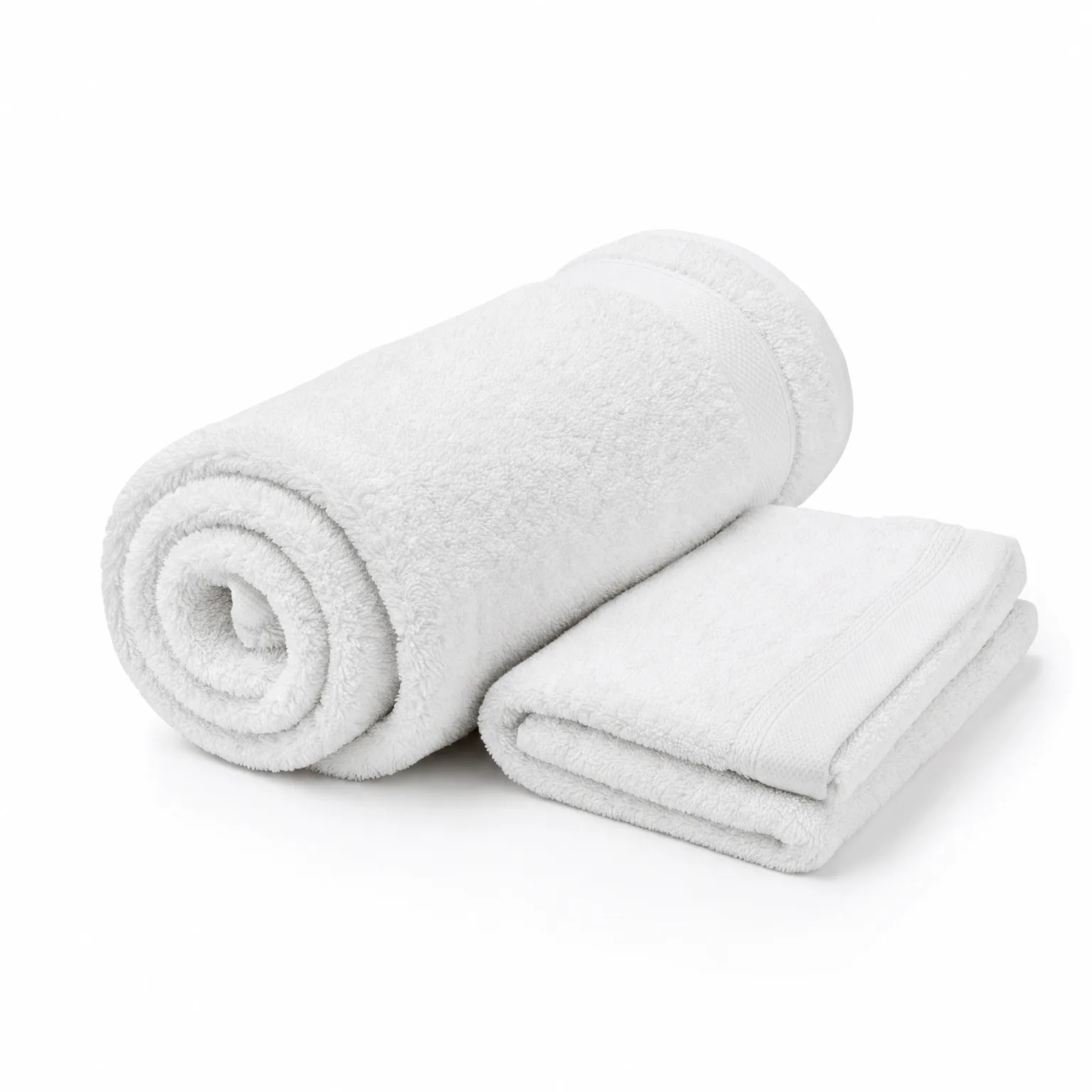
Towel
A towel doubles as sliders on a smooth floor, a stretching strap, a pulling tool for isometric exercises and padding for the knees.
Often used with
-

Exercise mat
A cushioned, non-slip surface for floor exercises, stretching and yoga. The first thing most people need to train at home. -
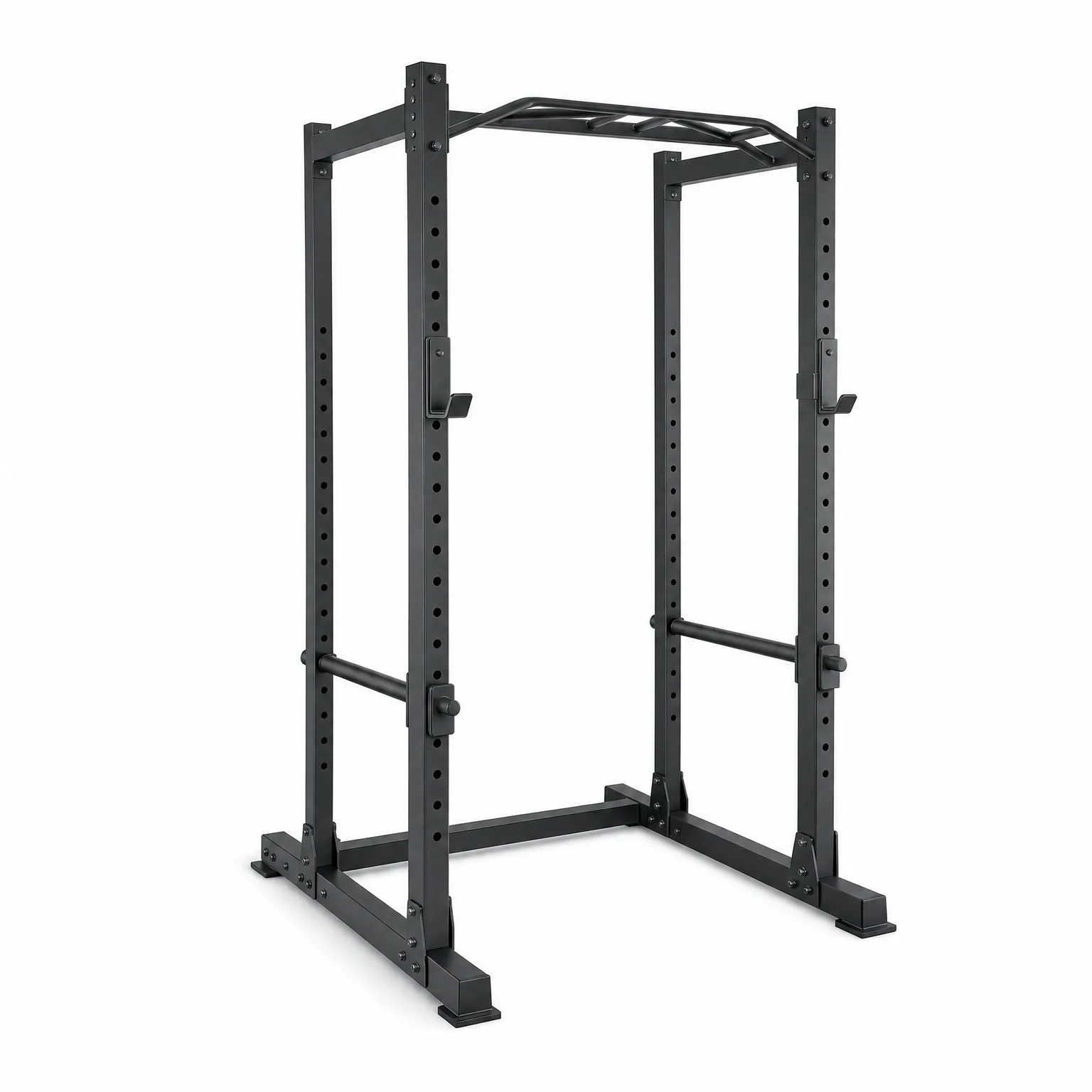
Squat rack
A steel frame that holds a barbell at the height you need and catches it if a rep fails. The base for squats and presses. -
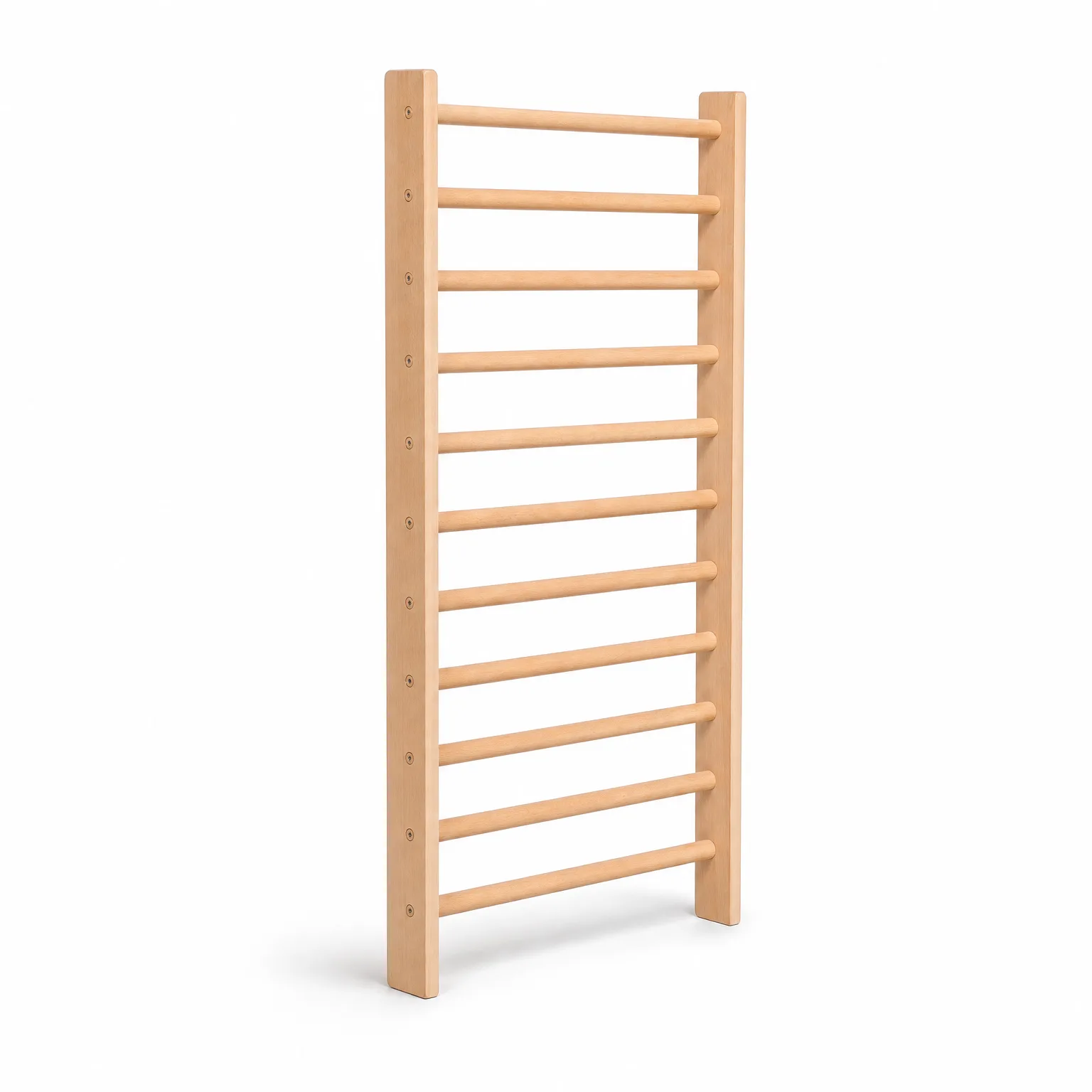
Wall bars
A ladder of horizontal wooden rungs fixed to a wall. Used for hanging leg raises, assisted stretching, pull-ups and band work.
Questions about suspension trainer
Can you build muscle with a suspension trainer?
Yes, especially in the back, chest, arms and core, as long as the sets are hard: choose an angle where the last two reps of 8–12 are difficult, and make it steeper over time. Legs are harder to load with straps alone, so strong people usually add single-leg squats or external weight.
Is a suspension trainer good for beginners?
Yes. The load is set by body angle, so a beginner can start almost upright with a very light version of a row or a squat and progress in small steps. The main things to learn first are a safe anchor and keeping the body in a straight line.
Suspension trainer or gymnastic rings?
A suspension trainer is quicker to adjust, has foot cradles for core and hamstring work and hangs from a single point such as a door. Rings hang from two points, feel more solid for dips, pull-ups and support holds, and cost less. For general home training the straps are more versatile; for strength skills, rings.
Where can I hang a suspension trainer at home?
The common options are a door anchor over a solid, closed door, a pull-up bar, an exposed beam, or a mount screwed into a ceiling joist or solid wall. Outdoors, a thick tree branch or playground frame works. Whatever you use must hold more than your body weight without moving.
How often should you train with suspension straps?
Two to four sessions a week is typical. Full-body sessions on non-consecutive days suit most people, because the straps load the back, shoulders and core in almost every exercise and those areas need a day to recover.
Build programs around what your client has
This guide comes from OnlineFitness.app, the app online coaches run their clients in.
Free for life for the first 100 coachesNo card