Towel
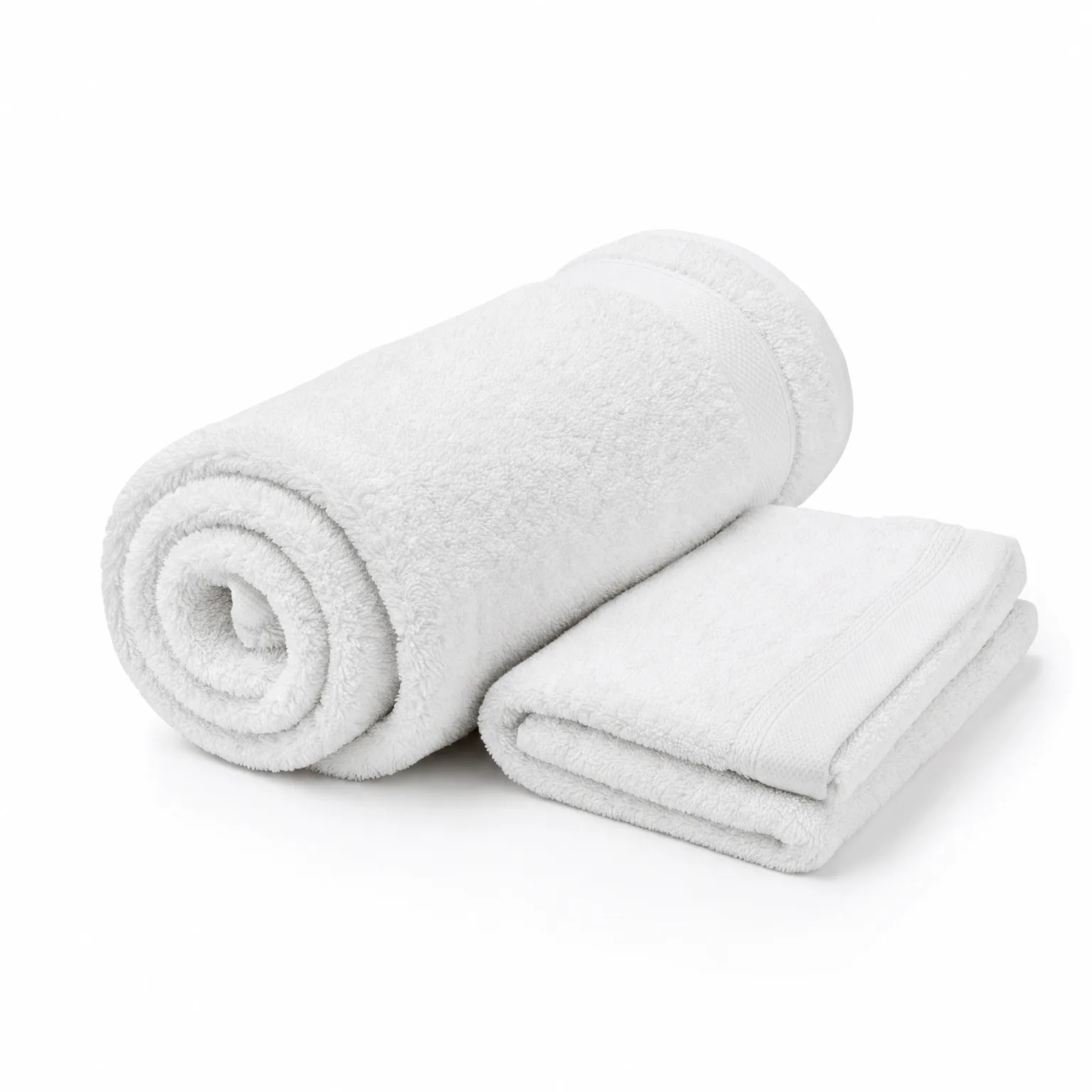
A towel doubles as sliders on a smooth floor, a stretching strap, a pulling tool for isometric exercises and padding for the knees.
In short
An ordinary towel replaces several small pieces of equipment. Under the feet or hands on a smooth floor it slides, which makes it a stand-in for sliding discs in hamstring curls, mountain climbers and sliding lunges. Looped around a foot it works as a stretching strap. Pulled apart between the hands, or against your own foot, it gives resistance with no weight.
It suits anyone training at home or in a hotel room. Sliding exercises on a towel range from gentle to very hard, so beginners and strong people both get use from it. Folded, it also pads the knees and elbows on a hard floor.
- Category
- Everyday items
- Where
- Home, Gym, Travel
- Level
- Beginner and up
- Space
- Fits in a drawer or a bag
- Typical sizes
- Hand towel about 40 x 70 cm (16 x 28 in) for sliding; bath towel about 70 x 140 cm (27 x 55 in) for stretching
- Also called
- towel exercises, towel workout, towel sliders, towel stretch, bath towel, hand towel
What it is used for
- Sliding exercises on a smooth floor: hamstring curls, mountain climbers, pikes, sliding lunges
- A stretching strap for the hamstrings, calves and shoulders
- Isometric pulls: towel rows, curls and pull-aparts against your own resistance
- Grip training: towel hangs and towel pull-ups over a bar
- Folded padding under the knees, elbows or head
How to choose
Small and thin for sliding
A hand towel or a tea towel, folded once, slides best. One under each foot or hand gives more control than one large towel under both. Thick, fluffy bath towels bunch up and drag.
Long and strong for stretching and pulling
A bath towel is long enough to loop around the foot with the leg straight. For isometric pulls and hangs, use a thick towel in good condition, with no thin patches or frayed edges.
Match the towel to the floor
Towels slide on wood, laminate, tile and vinyl. They do not slide on carpet or rubber gym flooring: on carpet, use plastic lids, paper plates or real sliders instead. Clean, dry floors slide most evenly.
Use an old one
Sliding wears fabric and picks up floor dust, and pulling can stretch the weave. Keep a couple of older towels for training.
How to start using it
- Test the slide first. Put the folded towel under one foot and push it forward and back with a little weight on it. It should move smoothly without sticking or shooting away. Keep the area around you clear in case a foot slides farther than planned.
- Start with sliding hamstring curls. Lie on your back with both heels on the towel and knees bent. Lift the hips, then slide the heels away slowly until the legs are nearly straight, and pull them back in. If that is too hard, slide out with hips raised and return with hips on the floor.
- Stretch with the towel as a strap. Lie on your back, loop a bath towel around the ball of one foot and hold both ends. Raise the leg toward the ceiling as far as is comfortable, with the other leg flat. Hold 20–30 seconds, keeping the shoulders relaxed.
- Pull against yourself. For a seated towel row, sit with legs out, loop the towel around both feet and pull the ends toward your ribs while the legs hold it in place. Pull hard for 5–10 seconds, rest, and repeat. The same idea works for curls, standing on the middle of the towel.
- Keep weight on the non-sliding limb. In sliding lunges and mountain climbers, most of your weight stays on the hand or foot that is not moving. Slide out only as far as you can pull back under control.
Common mistakes
Standing on a towel on a slippery floor
A towel on smooth flooring is as slippery as it is meant to be. Do not step onto it casually or leave it on the floor between exercises, and keep standing exercises slow and controlled.
Sliding too far
Reaching a range you cannot pull back from ends with the hips dropping or a strained muscle. Start with short slides and extend them over several sessions.
Hips sagging in sliding core work
In mountain climbers, pikes and body saws, a sagging lower back means the trunk has stopped doing the work. Shorten the slide or stop the set when you cannot keep a straight line.
Hanging from a thin or worn towel
Towel hangs and pull-ups put your whole body weight on the fabric. Use a thick towel in good condition, loop it fully over a secure bar, test it with your feet on the floor first, and keep the height low.
Trying to slide on carpet
Fabric grips carpet, so the towel sticks and jerks. Move to a hard floor or use something with a smooth plastic surface.
What to use instead
The equipment a towel stands in for: sliders, which glide more evenly and come in versions for carpet, a yoga strap, which is longer, easier to grip and has a buckle for loops, and an exercise mat for padding under the knees. For sliding on a hard floor, thick socks do much the same job for the feet. For sliding on carpet, use plastic lids or paper plates.
-
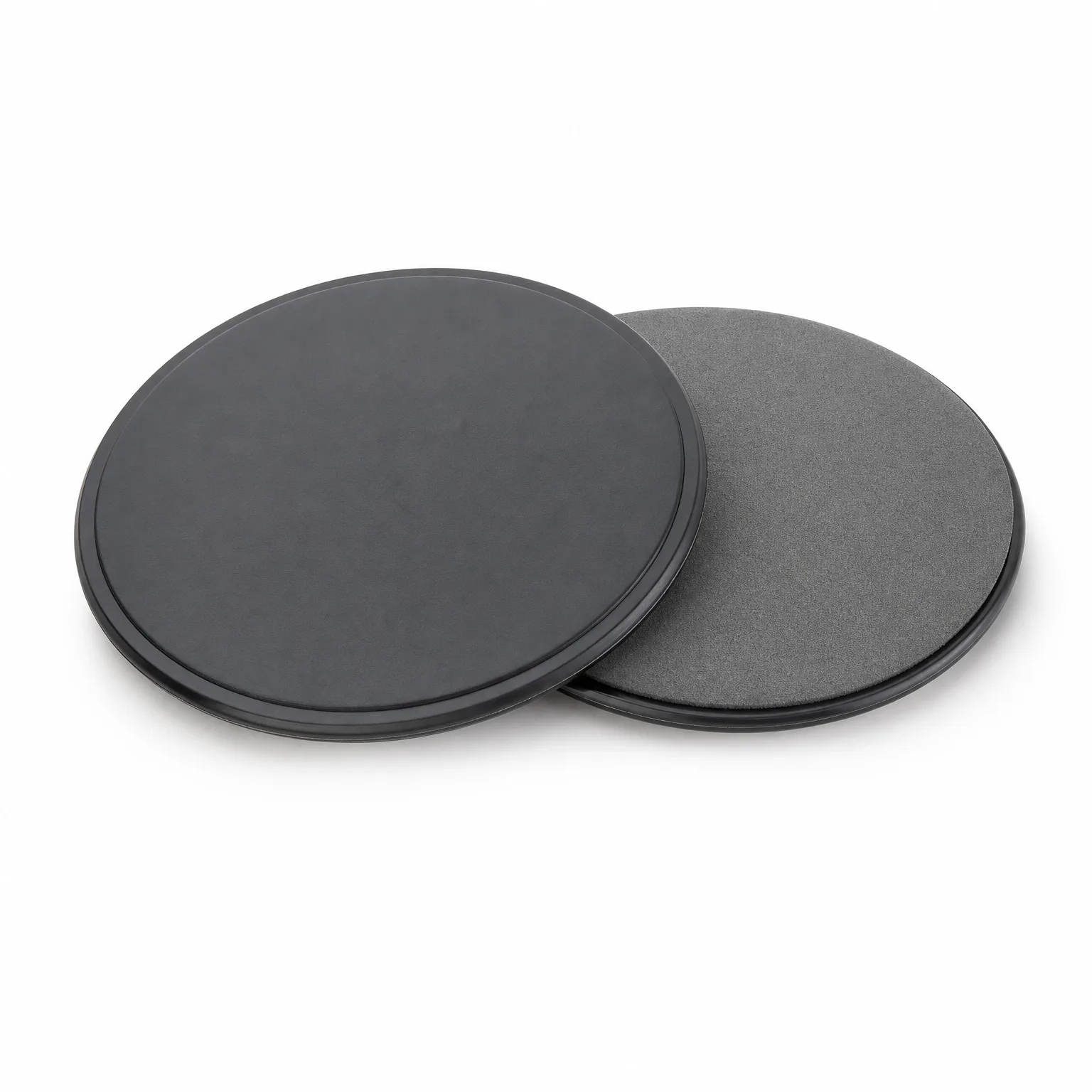
Core sliders
Two flat discs that slide under your hands or feet. They add a gliding element to lunges, planks and hamstring curls on any floor. -
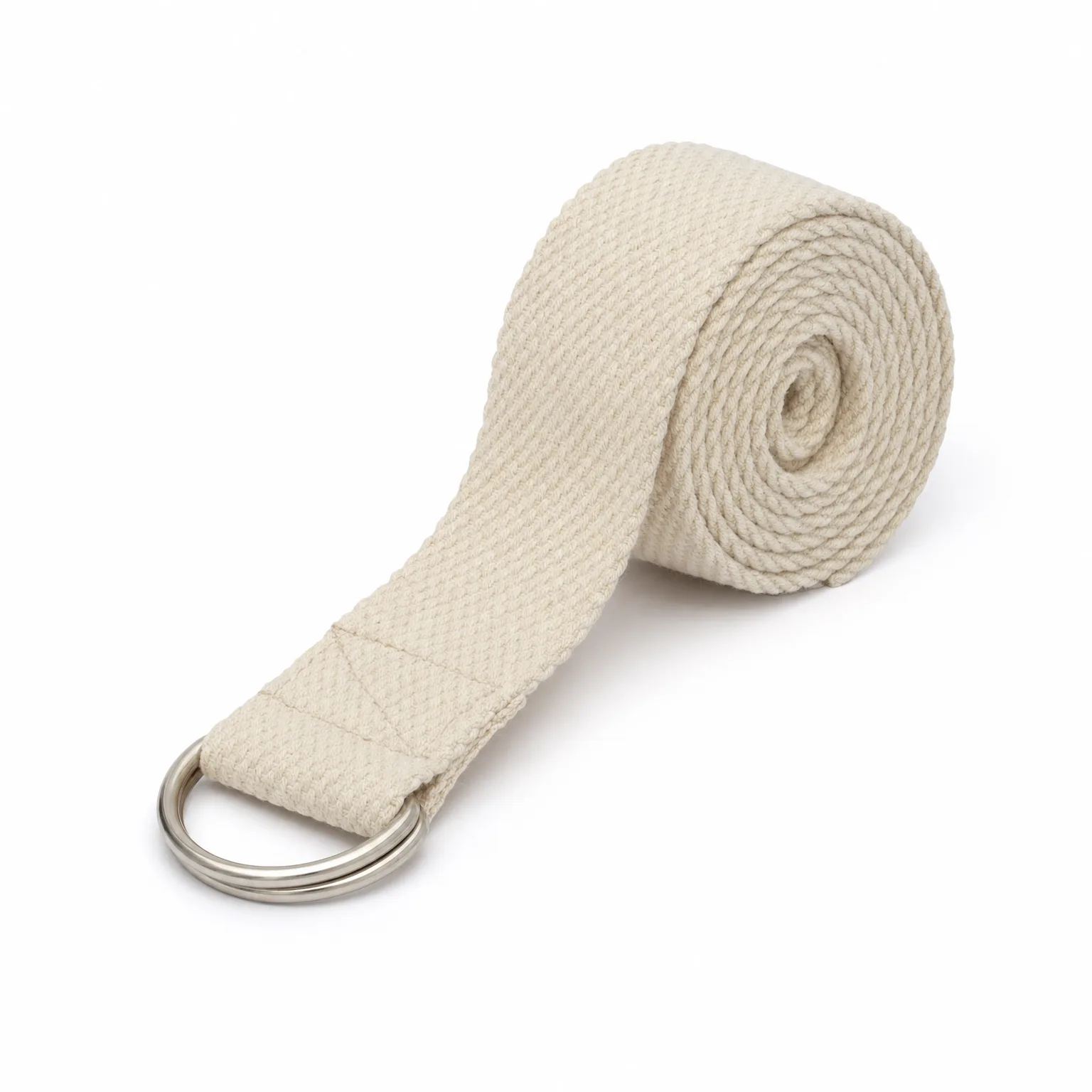
Yoga strap
A long, non-stretch cotton or nylon strap with a buckle that extends your reach in stretches, most often for the hamstrings. -

Exercise mat
A cushioned, non-slip surface for floor exercises, stretching and yoga. The first thing most people need to train at home.
Often used with
-
Exercise mat
A cushioned, non-slip surface for floor exercises, stretching and yoga. The first thing most people need to train at home. -
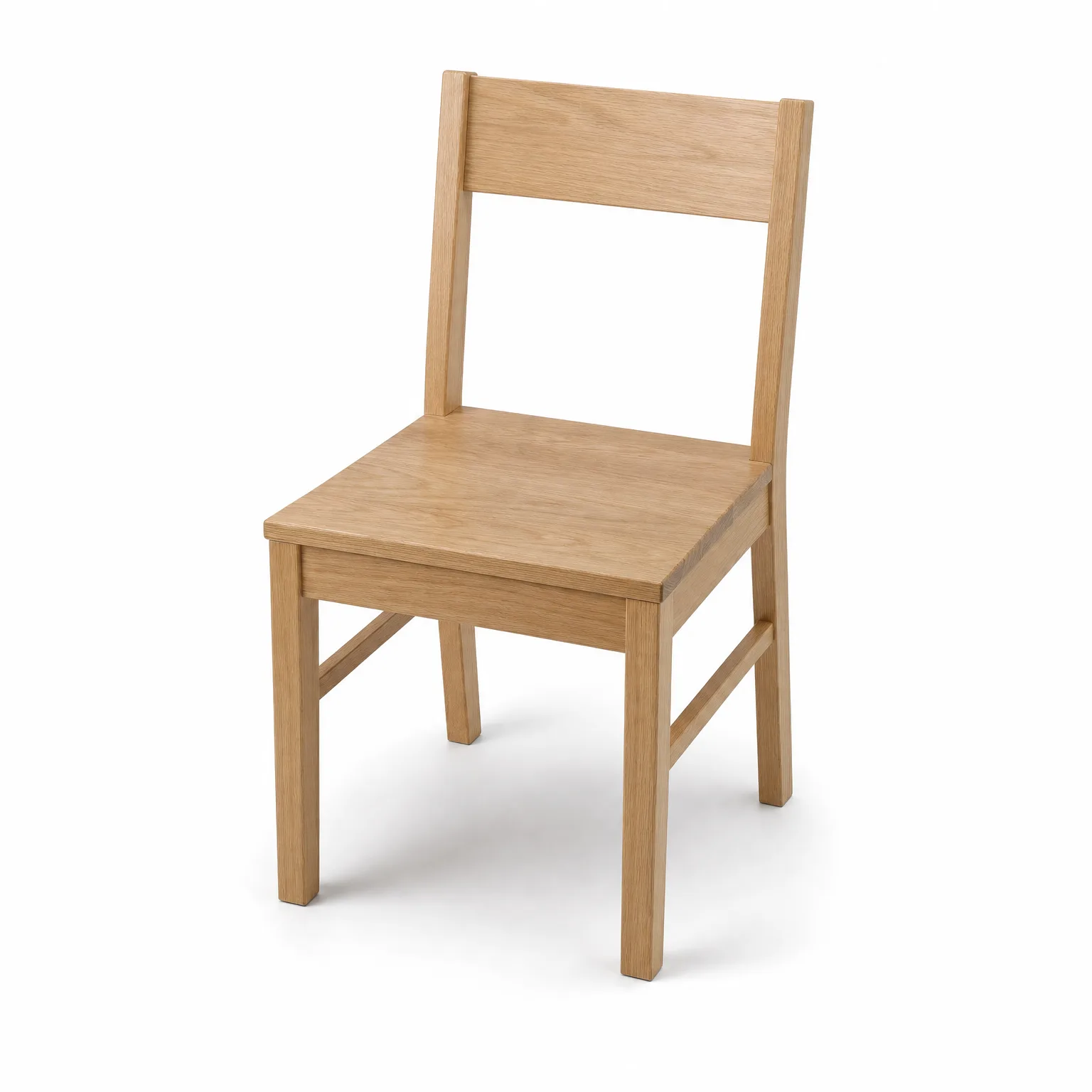
Chair
A sturdy household chair stands in for a bench, a low box or dip bars: sit-to-stands, step-ups, dips, split squats and incline push-ups. -
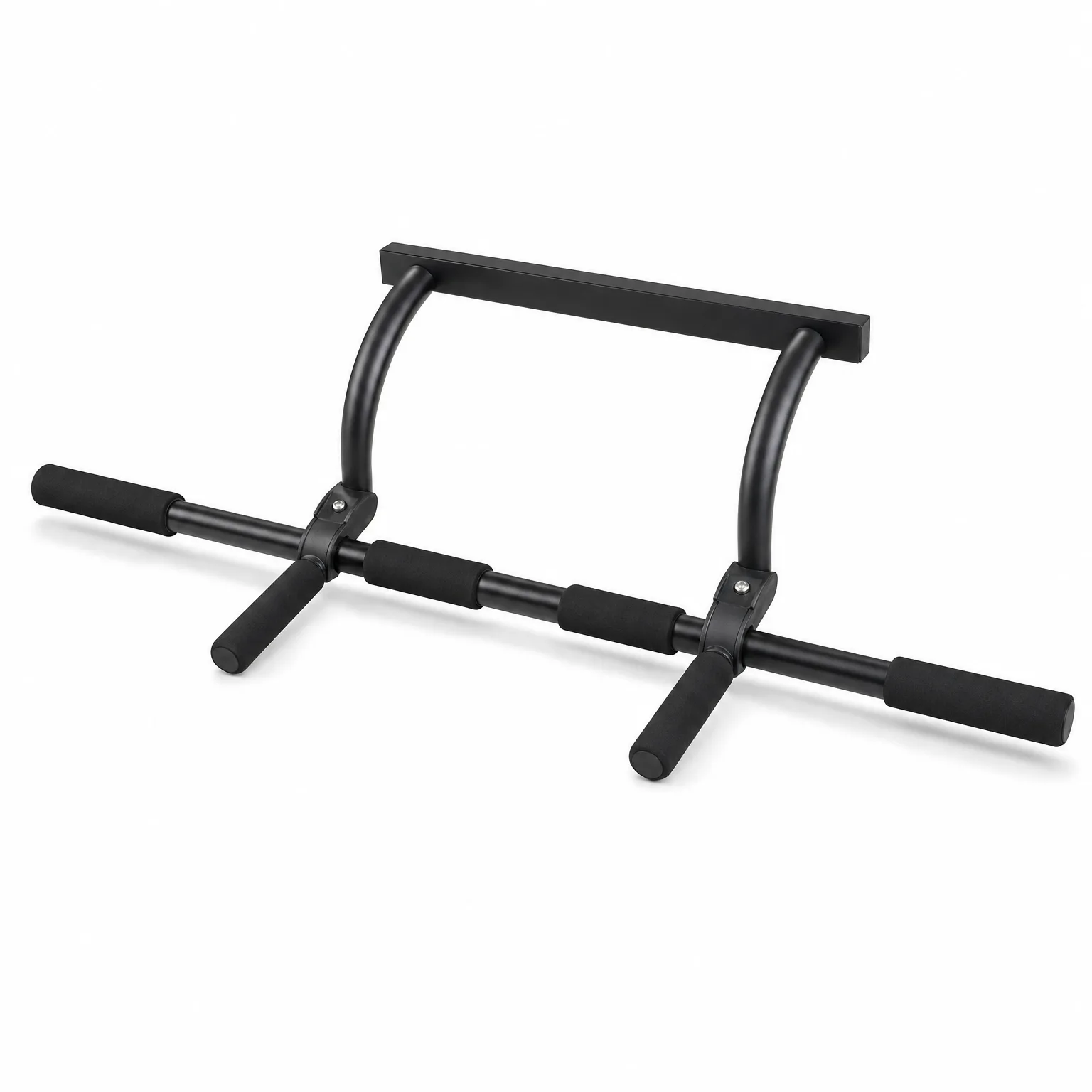
Pull-up bar
A fixed horizontal bar you hang from. Used for pull-ups, chin-ups, hangs and hanging leg raises, at home or outdoors. -
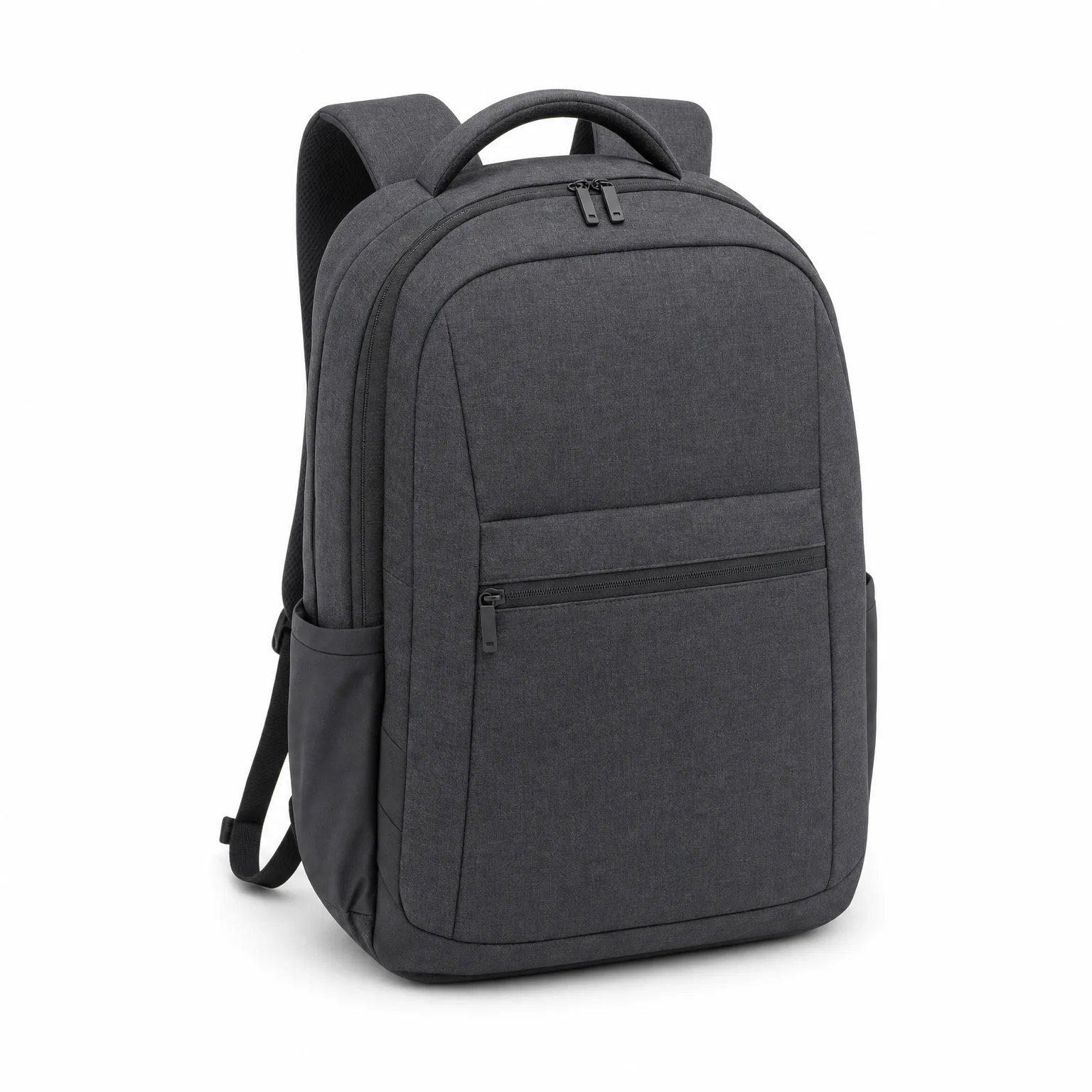
Loaded backpack
An ordinary backpack filled with books or water bottles works as an adjustable weight for squats, rows, push-ups and loaded walks.
Questions about towel
Can I use a towel instead of sliders?
Yes, on a smooth hard floor such as wood, laminate or tile. Fold a small towel under each foot or hand. It drags a little more than purpose-made sliders, which makes exercises slightly harder, and it does not work on carpet.
What exercises can I do with a towel?
Sliding hamstring curls, mountain climbers, pikes, sliding reverse and side lunges, and body saws for the legs and trunk. Isometric rows, curls and pull-aparts for the upper body. Hamstring, calf and shoulder stretches with the towel as a strap. Towel hangs from a bar for grip, if you are strong enough.
How do I do a hamstring stretch with a towel?
Lie on your back with one leg flat on the floor. Loop the towel around the ball of the other foot, hold an end in each hand and raise that leg, knee nearly straight, until you feel a firm stretch at the back of the thigh. Hold for 20–30 seconds without bouncing, then switch legs.
Do towel exercises build muscle?
Sliding exercises can be demanding: a sliding hamstring curl or a one-leg sliding lunge is hard for most people, and hard sets taken close to fatigue build muscle. Isometric towel pulls build strength mainly at the angle you hold, so they work best as an addition to exercises with a full range of motion.
Build programs around what your client has
This guide comes from OnlineFitness.app, the app online coaches run their clients in.
Free for life for the first 100 coachesNo card