Lats
The widest muscle of the back, from the lower spine and pelvis to the upper arm. It pulls the arm down and back in pull-ups, pulldowns and rows.
In short
The latissimus dorsi is the broad, flat muscle that covers most of the middle and lower back. It starts on the spine from the middle of the back down to the pelvis, on the back of the pelvis and on the lower ribs, then narrows into a tendon on the front of the upper arm bone. It pulls the arm down and back toward the body, as when you climb, pull yourself up or start a rowing stroke.
Vertical pulls such as pull-ups and pulldowns and horizontal pulls such as rows build it. The teres major, a smaller muscle from the lower corner of the shoulder blade, does the same job and works with it in every pull. The lats are not the muscles between the shoulder blades: those are the mid back muscles, which rows train more than pulldowns do.
- Anatomical name
- Latissimus dorsi
- Group
- Back
- Also called
- latissimus, lat muscles, back wings, lat, wide back muscles
- Works with
- Mid back, Biceps, Rear delts, Chest
What it does
- Pulls the raised arm down to the side (adduction): pull-up, lat pulldown
- Pulls the arm back from in front of the body (extension): rows, straight-arm pulldown, a swimming stroke
- Rotates the upper arm inward
- Helps hold the bar close to the body and the trunk stiff in a heavy deadlift
Parts of the muscle
Upper fibers. From the spine in the middle of the back. They run more across the back toward the arm, so they work hard when the arm is pulled back from in front, as in rows.
Lower fibers. From the lower back, the top of the pelvis and the lower ribs. They run nearly straight up to the arm and are stretched most with the arm overhead. Many coaches cue pulling the elbow down toward the hip for them.
Teres major. A small helper muscle from the lower corner of the shoulder blade to the upper arm. It has the same actions as the lats and works in every pulldown and row.
Exercises for the lats
Ordered from the most useful. Equipment links open its page in the equipment guide.
-
Pull-up
Overhand grip a little wider than the shoulders. Start from a dead hang, pull the elbows down toward the ribs until the chin clears the bar, and lower all the way.
-
Lat pulldown
Thighs locked under the pad, slight lean back. Pull the bar to the upper chest by driving the elbows down and back, and let the arms go fully straight at the top.
-
Dumbbell row
One hand and knee on a bench, back flat. Pull the dumbbell toward the hip rather than straight up to the shoulder, and let it hang low for a stretch at the bottom.
-
Chin-up
Underhand grip about shoulder width. Pull until the chin is over the bar. The biceps help more than in a pull-up, so most people can do a few more reps.
-
Seated cable row
Sit tall with a slight bend in the knees. Pull the handle to the lower ribs with the elbows close to the body, and reach forward under control at the end of each rep.
-
Straight-arm pulldown
Stand facing a high pulley, arms nearly straight. Hinge slightly at the hips and sweep the bar or rope down to the thighs, moving only at the shoulders.
-
Inverted row
Hang under the straps with the body straight and heels on the floor. Pull the chest up to the hands with the elbows close to the sides. Walk the feet forward to make it harder.
-
Barbell row
Hinge until the torso is at about 45 degrees or lower, back flat. Pull the bar to the lower ribs without standing up to finish the rep.
How to train it
Use both a vertical and a horizontal pull
Pull-ups and pulldowns load the lats with the arm overhead. Rows load them with the arm in front. One of each covers the muscle and the rest of the back. A straight-arm pulldown adds lat work with almost no biceps.
Do 10 to 20 hard sets a week
Split them over two or three sessions. Beginners can start at about 8 to 12. Count pull-ups, pulldowns and rows together, since all of them train the lats.
Train in the 6 to 15 rep range
Pull-ups, pulldowns and rows work well for 6 to 12 reps. Straight-arm pulldowns and inverted rows suit 10 to 20. Take most sets within one to three reps of failure.
Use the full stretch at the top
The lats are longest with the arm overhead or reaching forward. Let the arms go straight at the top of each pulldown and pull-up, and reach forward at the end of each row.
Build up to bodyweight pull-ups
If you cannot do a pull-up yet, use a pulldown, a band-assisted pull-up or slow lowering from the top. Add reps first, then extra weight with a dip belt once you can do about 10 to 12 clean reps.
Common mistakes
Pulling with the arms only
When the biceps do most of the work, the elbows stay far from the body. Think of pulling the elbows down to the ribs or back to the hips, with the hands acting like hooks.
Leaning far back on pulldowns
A big lean turns the pulldown into a row and uses momentum. Keep a small, steady lean and pull the bar to the upper chest.
Half reps on pull-ups
Stopping with bent arms at the bottom skips the stretched part of the rep. Start each rep from a full hang, shoulders active but arms straight.
Jerking the weight in rows
Throwing the torso back to start a row moves the work to the lower back and hips. Use a weight you can row with a still torso.
Equipment for these exercises
-
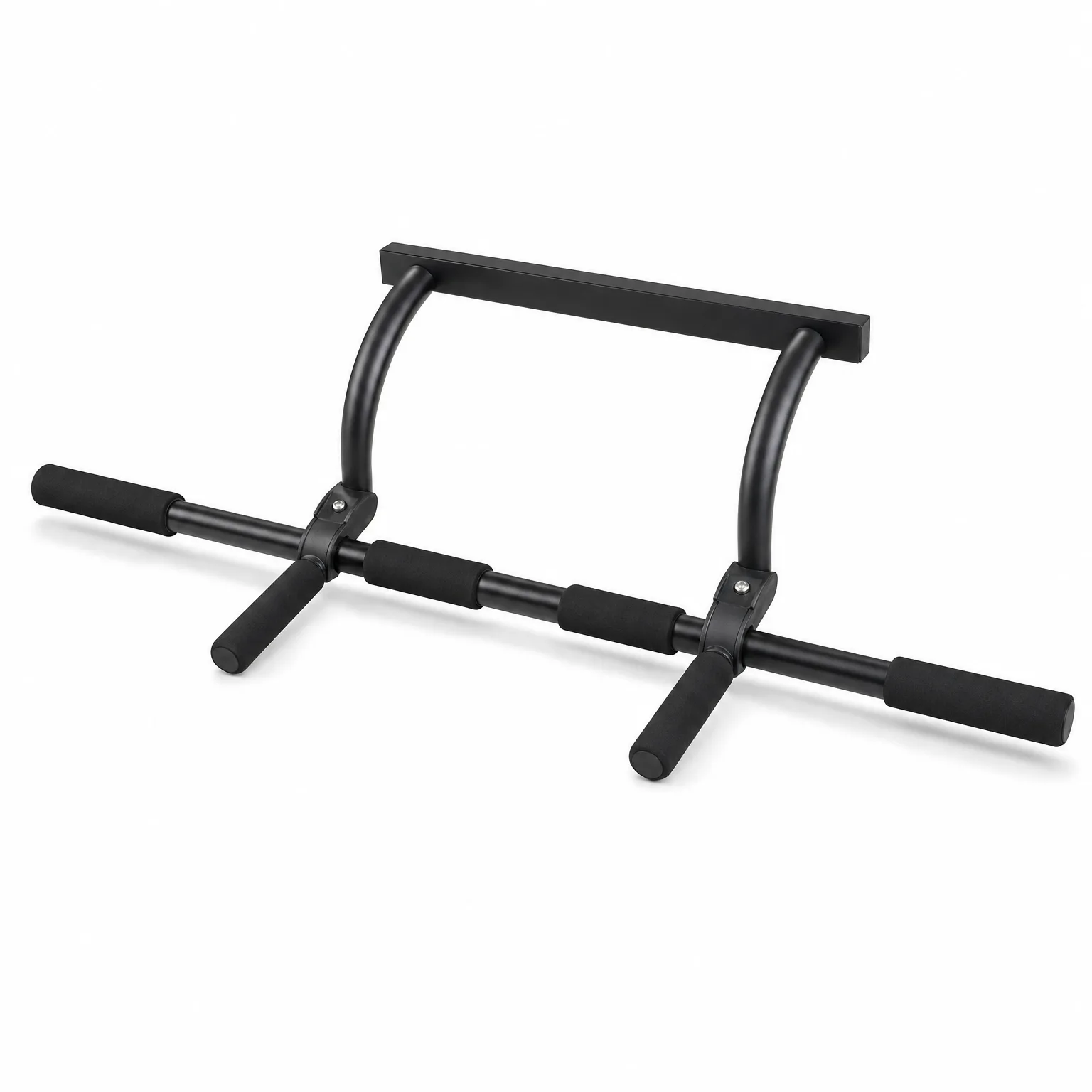
Pull-up bar
A fixed horizontal bar you hang from. Used for pull-ups, chin-ups, hangs and hanging leg raises, at home or outdoors. -
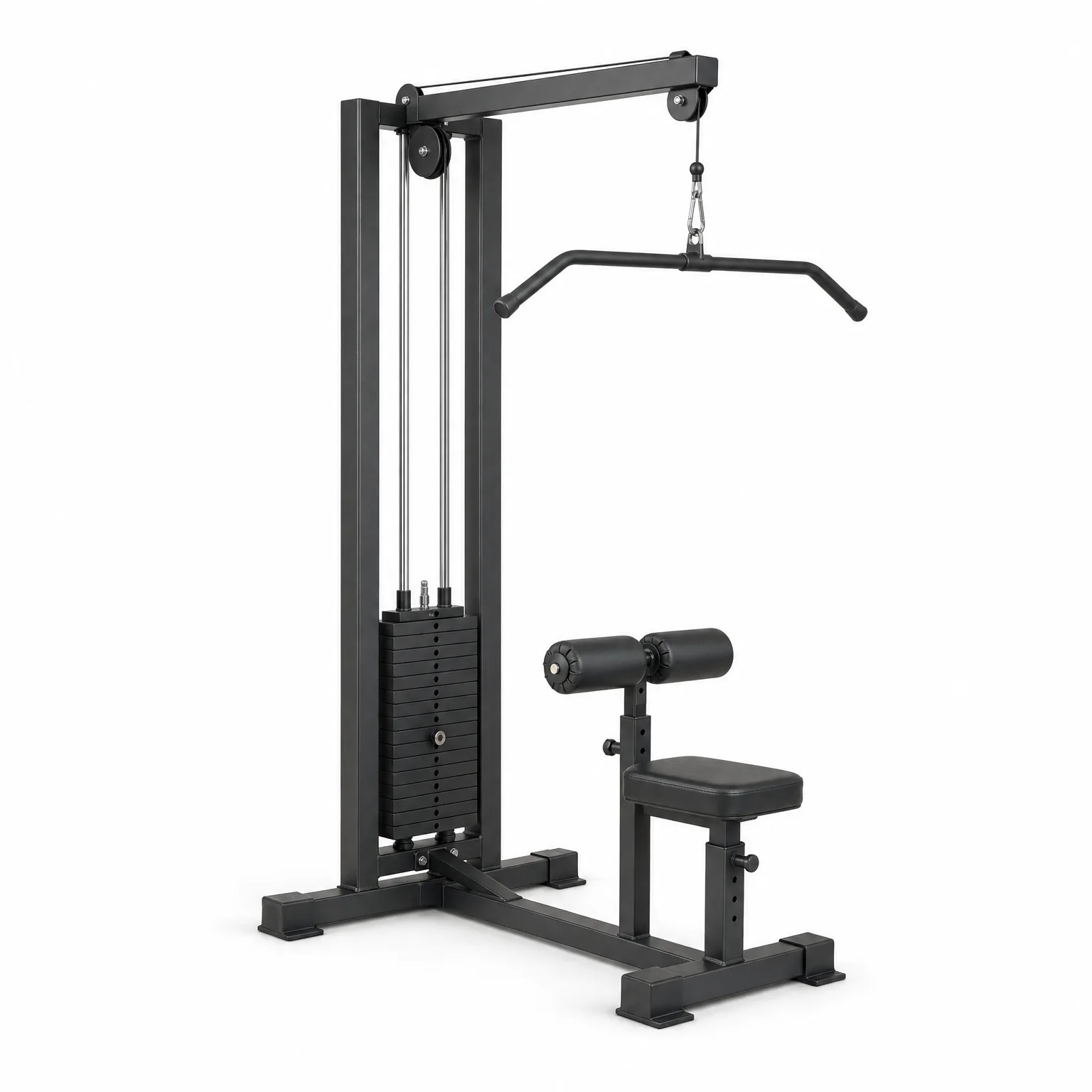
Lat pulldown machine
A seat with thigh pads under a high pulley and a wide bar. You pull the bar to your chest to train the lats and upper back. -

Dumbbells
A pair of short handles with a weight at each end. One pair trains every major muscle group, at home or in a gym. -

Weight bench
A padded bench you lie, sit or lean on while lifting. It supports the body for presses, rows, hip thrusts and seated work. -
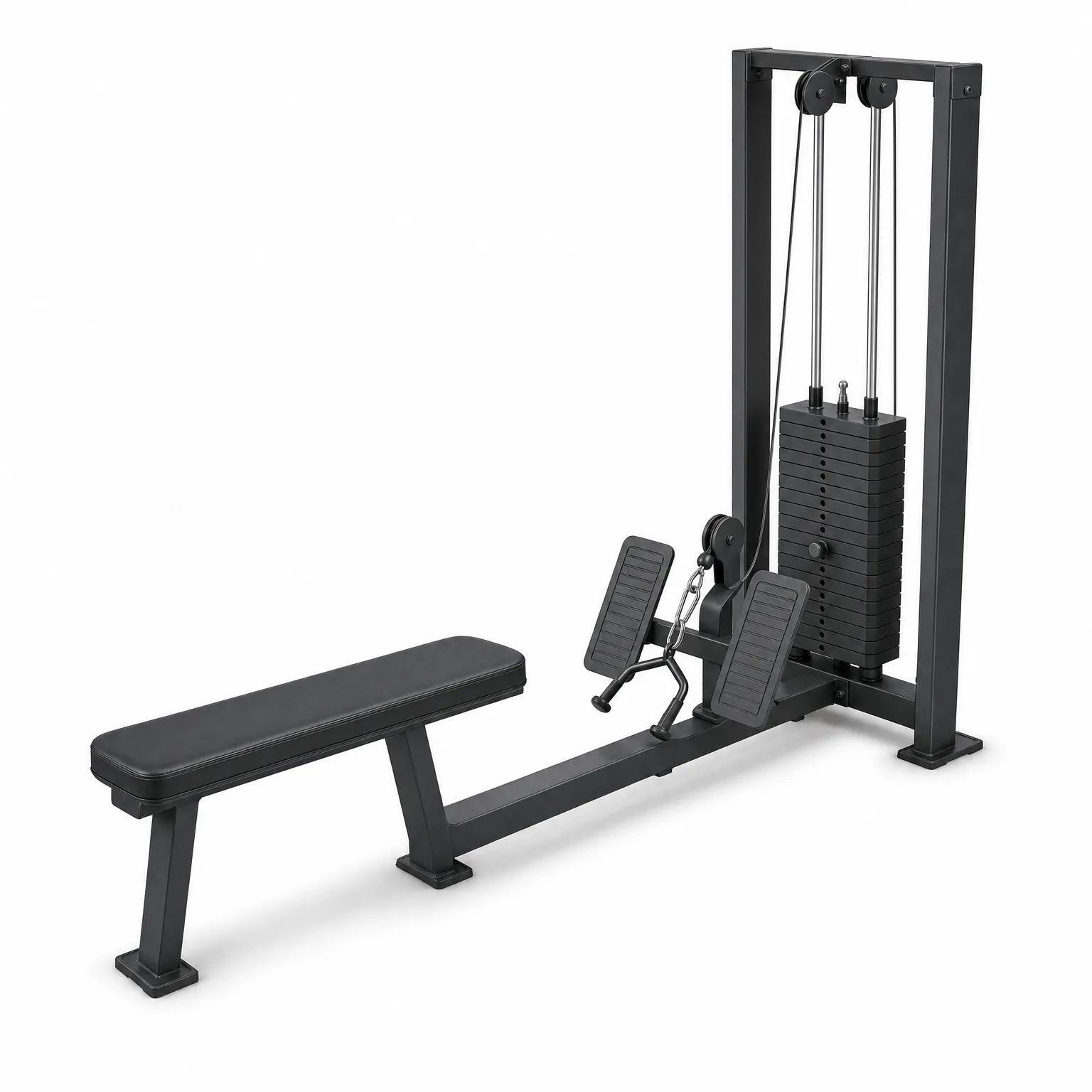
Seated row machine
A seat facing a low cable or a pair of lever arms. You pull the handles to your torso to train the mid back and lats. -
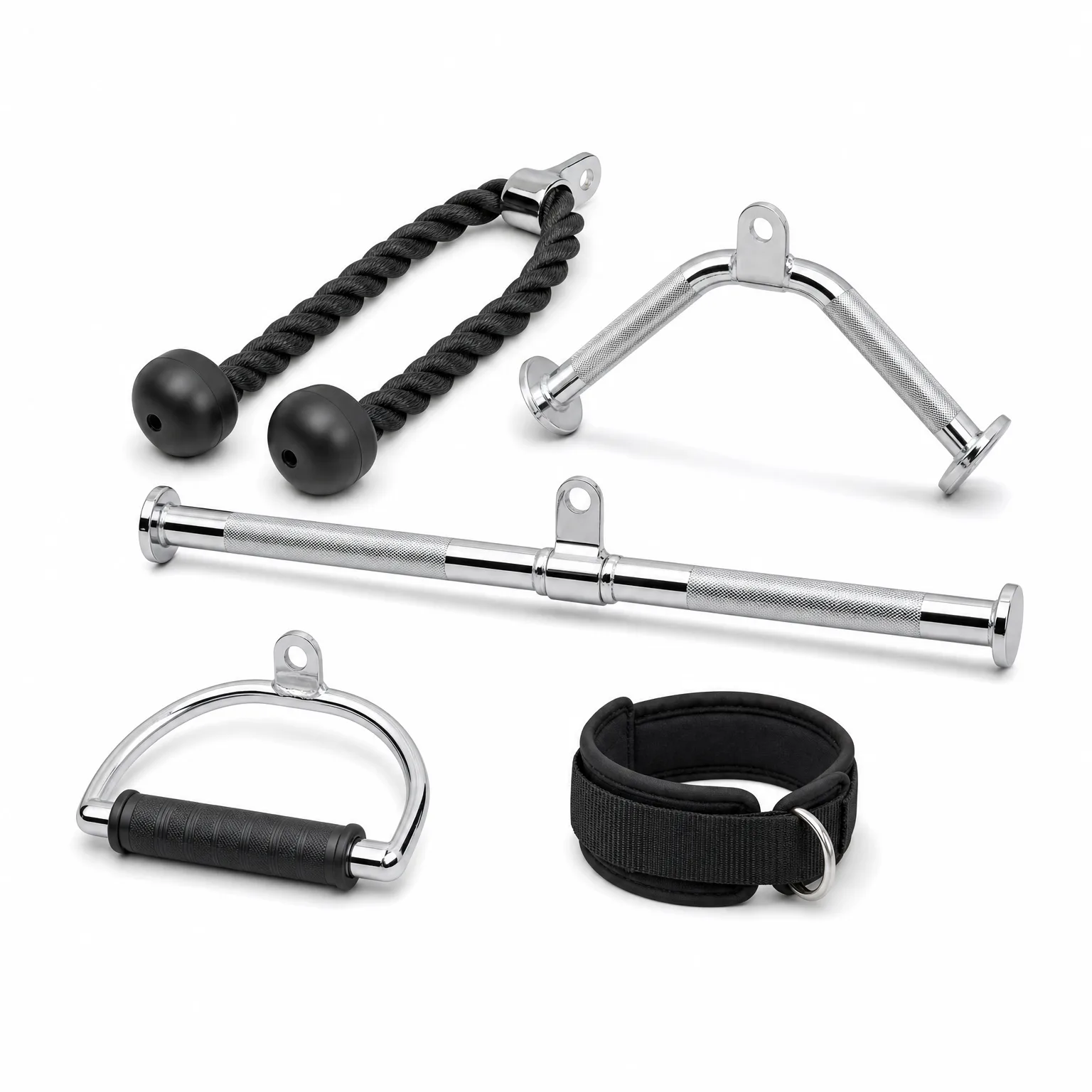
Cable attachments
The handles, bars, ropes and cuffs that clip onto a cable machine. Each one sets your grip and changes which exercises the cable can do. -
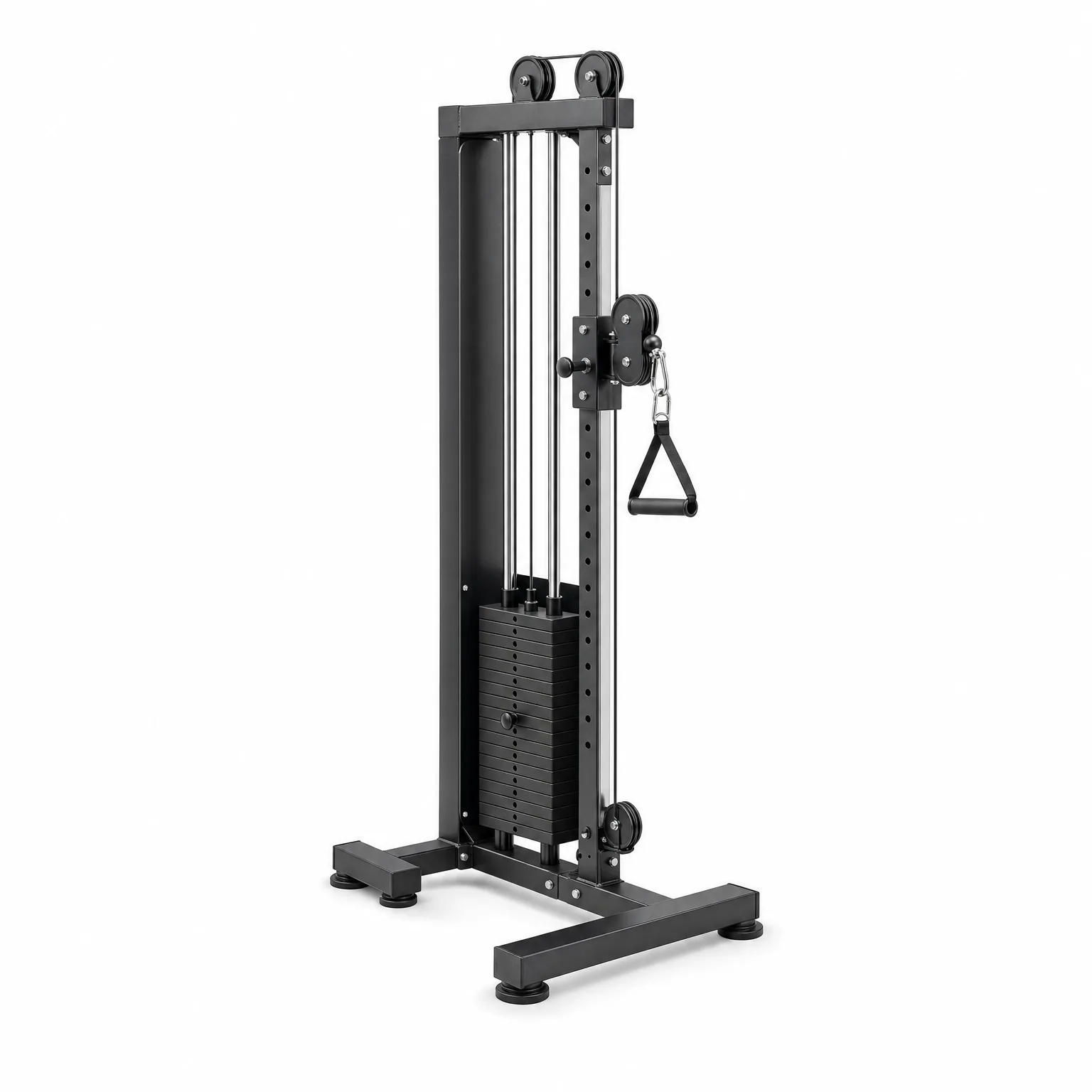
Cable machine
A weight stack on a pulley with a handle you can set at any height. It keeps tension on the muscle through the whole movement. -
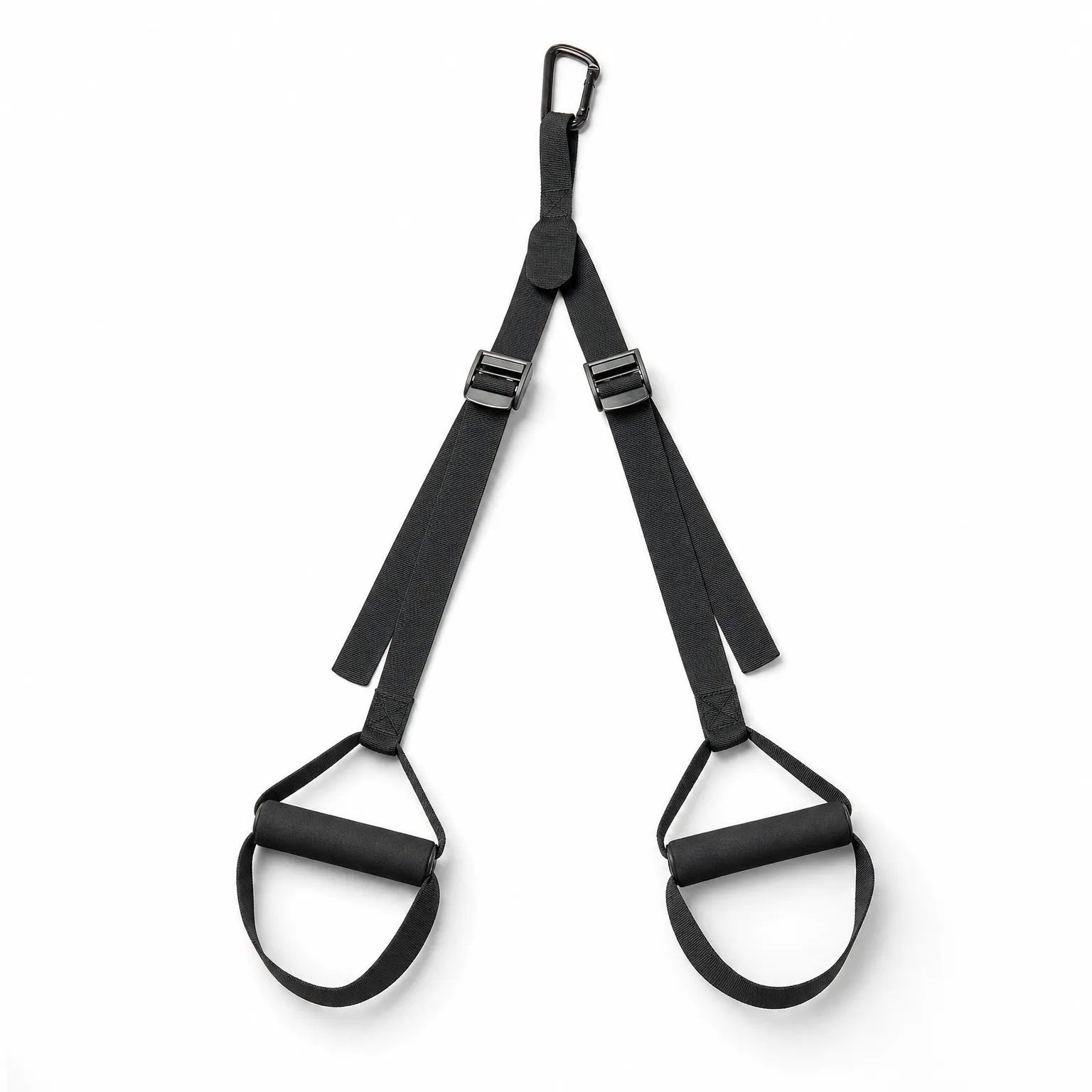
Suspension trainer
Two adjustable straps with handles, hung from one anchor point. You lean or hang on them and use your own body weight as the load.
Related muscles
-
Mid back
The muscles on and between the shoulder blades. They pull the blades together, turn the arm outward and work in every row. -
Biceps
The two-headed muscle on the front of the upper arm. It bends the elbow and turns the palm up, with the brachialis working underneath. -
Rear delts
The back head of the shoulder muscle. It pulls the arm back and out to the side in rows, face pulls and reverse flyes. -
Chest
The fan-shaped muscle across the front of the ribcage. It brings the arm forward and across the body in presses, push-ups and flyes.
Questions about training the lats
What are the best lat exercises?
Pull-ups and lat pulldowns for vertical pulling, and one-arm dumbbell rows or cable rows for horizontal pulling. Straight-arm pulldowns are a good extra because they train the lats with little help from the biceps. A pull and a row each week form a solid base.
Pull-ups vs lat pulldowns: which is better?
Both train the lats through the same movement. Pull-ups need no machine and also challenge the core and grip. Pulldowns let you set any load, so they suit beginners and higher-rep work. Use whichever you can do with good form and progress over time.
Can I train lats at home without a pull-up bar?
Yes. One-arm dumbbell rows, backpack rows, inverted rows under a sturdy table or with a suspension trainer, and band pulldowns anchored above a door all work. A doorway pull-up bar is the cheapest way to add vertical pulling.
Why do I feel rows and pulldowns in my biceps and not my lats?
The arms are probably leading the pull. Use a thumbless grip or straps, think of driving the elbows rather than the hands, and pull the elbows toward the hips. Lighten the load until you can feel the side of the back working.
Do pull-ups make the back wider?
Building the lats adds width to the upper body seen from the front or back, and pull-ups are one of the main ways to do it. How wide you can get also depends on your frame, such as the width of your shoulders and rib cage.
Write programs your clients can follow
This guide comes from OnlineFitness.app, the app online coaches run their clients in.
Free for life for the first 100 coachesNo card