Side delts
The middle head of the shoulder muscle, on the outside of the shoulder. It lifts the arm out to the side and gives the shoulders their width.
In short
The side delt is the middle of the three heads of the deltoid. It starts on the acromion, the bony tip of the shoulder, and runs down the outside of the shoulder to a shared tendon on the upper arm bone. It lifts the arm out to the side, as when you raise a hand to wave or lift a bag away from the body.
Unlike the front head, which works in every press, and the rear head, which works in rows, the side delt gets only moderate work from compound lifts. Lateral raises in their many forms are the main way to build it. It is the head that makes the shoulders look wider from the front, so it is often the focus of shoulder training.
- Anatomical name
- Lateral deltoid
- Group
- Chest and shoulders
- Also called
- side deltoid, middle deltoid, lateral delts, medial deltoid, middle delt, side shoulder
- Works with
- Front delts, Rear delts, Traps
What it does
- Lifts the arm out to the side (abduction): lateral raise, reaching sideways
- Helps press the arm overhead together with the front delt: overhead press
- Works with the other shoulder muscles to keep the arm steady when you carry a heavy bag at your side
Parts of the muscle
Side head (this page). From the tip of the shoulder. Its many short fibers are arranged like a feather, which makes it strong for its size. Trained mainly with lateral raises, plus some work from overhead presses.
Front head. From the collarbone. Lifts the arm forward and works hard in all pressing, so it rarely needs extra work.
Rear head. From the back of the shoulder blade. Pulls the arm back and works in rows, face pulls and reverse flyes.
Exercises for the side delts
Ordered from the most useful. Equipment links open its page in the equipment guide.
-
Lateral raise
Lean forward slightly, arms a little in front of the body. Lift the dumbbells out to the side, leading with the elbows, to about shoulder height, and lower over two to three seconds.
-
Cable lateral raise
Stand side-on to a low pulley and take the handle in the far hand. The cable keeps tension at the bottom of the rep, where dumbbells feel light.
-
Machine lateral raise
Line up the shoulders with the pivot of the machine. Push the pads out with the elbows, not the hands, and keep the shoulders down away from the ears.
-
Overhead press
Use a grip a little wider than the shoulders and press straight up. Presses train the side delt less than raises do but let you load it heavily.
-
Upright row
Use a grip at least shoulder width and pull the bar to the lower chest, elbows leading. Stop lower or switch to raises if the shoulder feels pinched at the top.
-
Band lateral raise
Stand on the middle of the band with a handle in each hand. Raise the arms to the side as with dumbbells. The band gets harder toward the top, so the bottom feels easy.
-
Lean-away lateral raise
Hold a sturdy post or rack with one hand and lean away from it, a dumbbell in the other hand. Raise it out to the side to about shoulder height. The lean makes the bottom of the rep harder.
How to train it
Make lateral raises the core of the work
Pressing alone rarely builds the side delts fully. Pick one or two raise variations, for example dumbbell and cable, and keep them in the program year round.
Train them often with moderate volume
The side delt is small and recovers fast. Many people do well with 8 to 16 hard sets of raises a week split over two to four sessions. Beginners can start lower.
Use higher reps and strict form
Raises work best with 10 to 25 reps and a weight you can control. A slow lowering phase and a short pause at the top matter more than the number on the dumbbell.
Progress with reps first
Dumbbell jumps are large relative to the load in a raise. Add reps until you reach the top of your range on every set, then move up the smallest step available, or use cables and machines for finer increments.
Common mistakes
Swinging the weight up
A hip drive and a lean back turn the raise into a throw and hand the work to the traps and legs. Use a lighter weight and start each rep from a dead stop.
Shrugging the shoulders toward the ears
When the shoulders hike up, the upper traps take over. Keep the shoulders down and think of pushing the dumbbells out to the walls rather than up.
Bending the elbows more as the set goes on
A deeper elbow bend shortens the lever and makes the raise easier, so the set feels hard while the side delt does less. Set a slight bend at the start and keep the same angle for every rep.
Relying on the overhead press alone
Presses load the front delt more than the side delt. If shoulder width is the goal, add raises rather than more pressing.
Equipment for these exercises
-

Dumbbells
A pair of short handles with a weight at each end. One pair trains every major muscle group, at home or in a gym. -
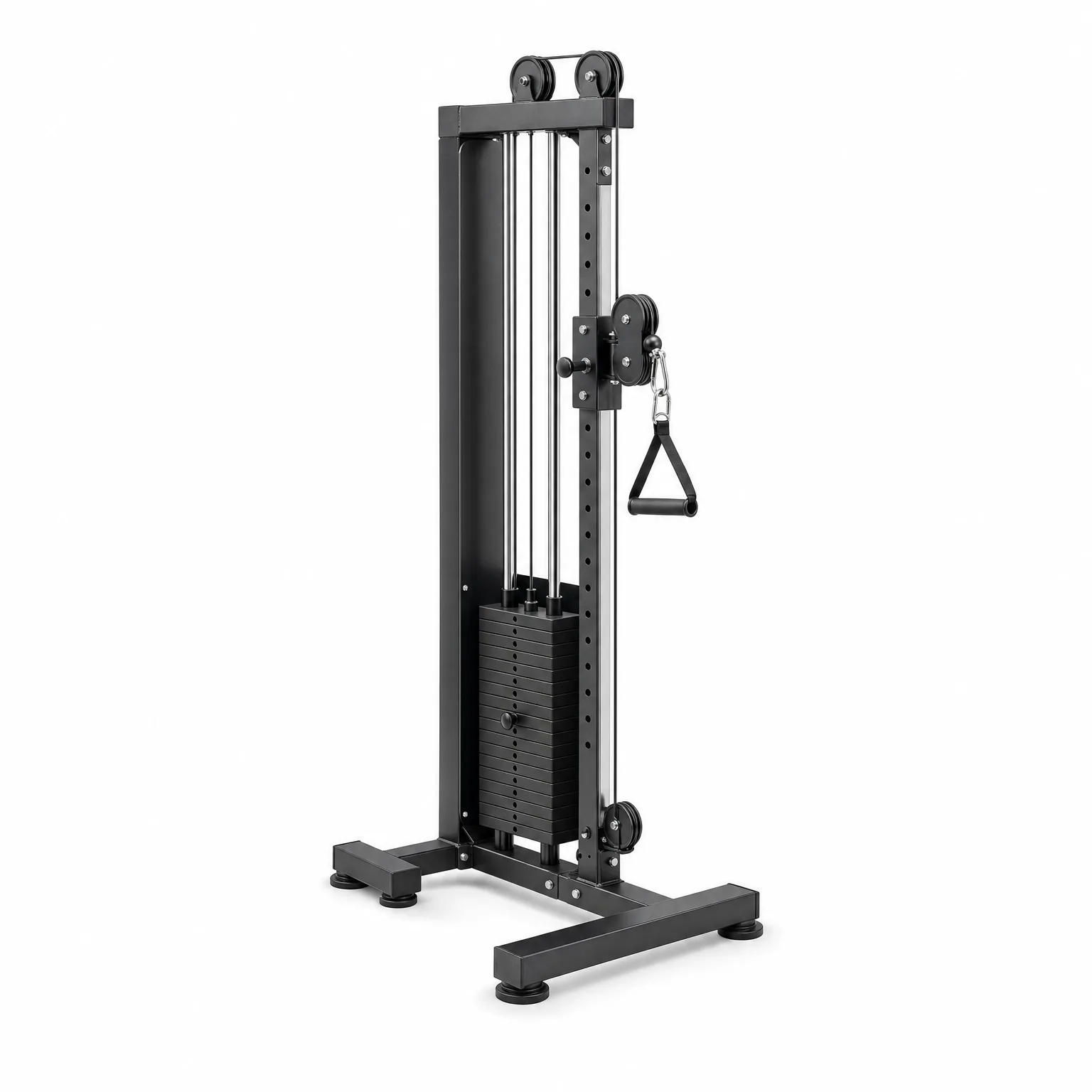
Cable machine
A weight stack on a pulley with a handle you can set at any height. It keeps tension on the muscle through the whole movement. -
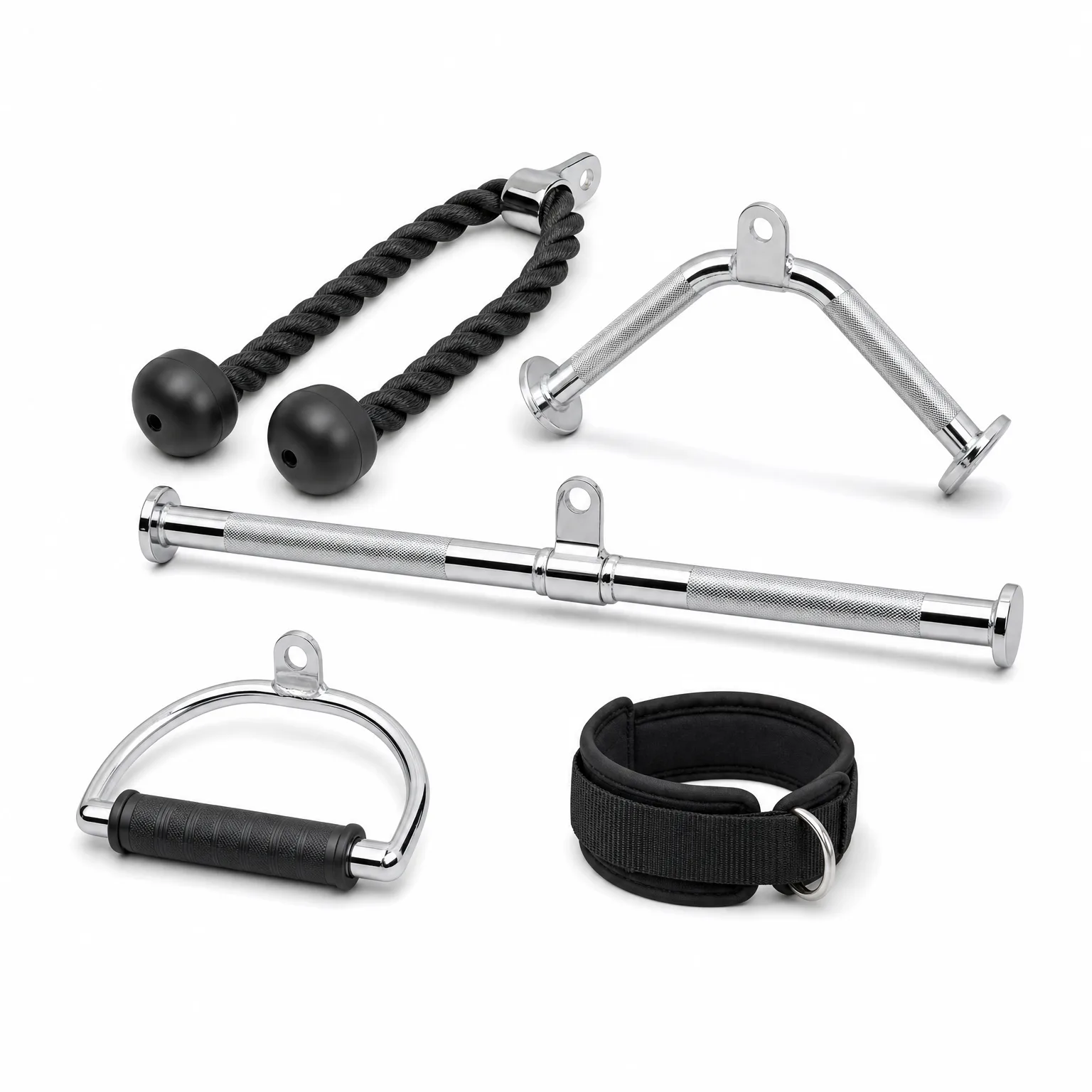
Cable attachments
The handles, bars, ropes and cuffs that clip onto a cable machine. Each one sets your grip and changes which exercises the cable can do. -
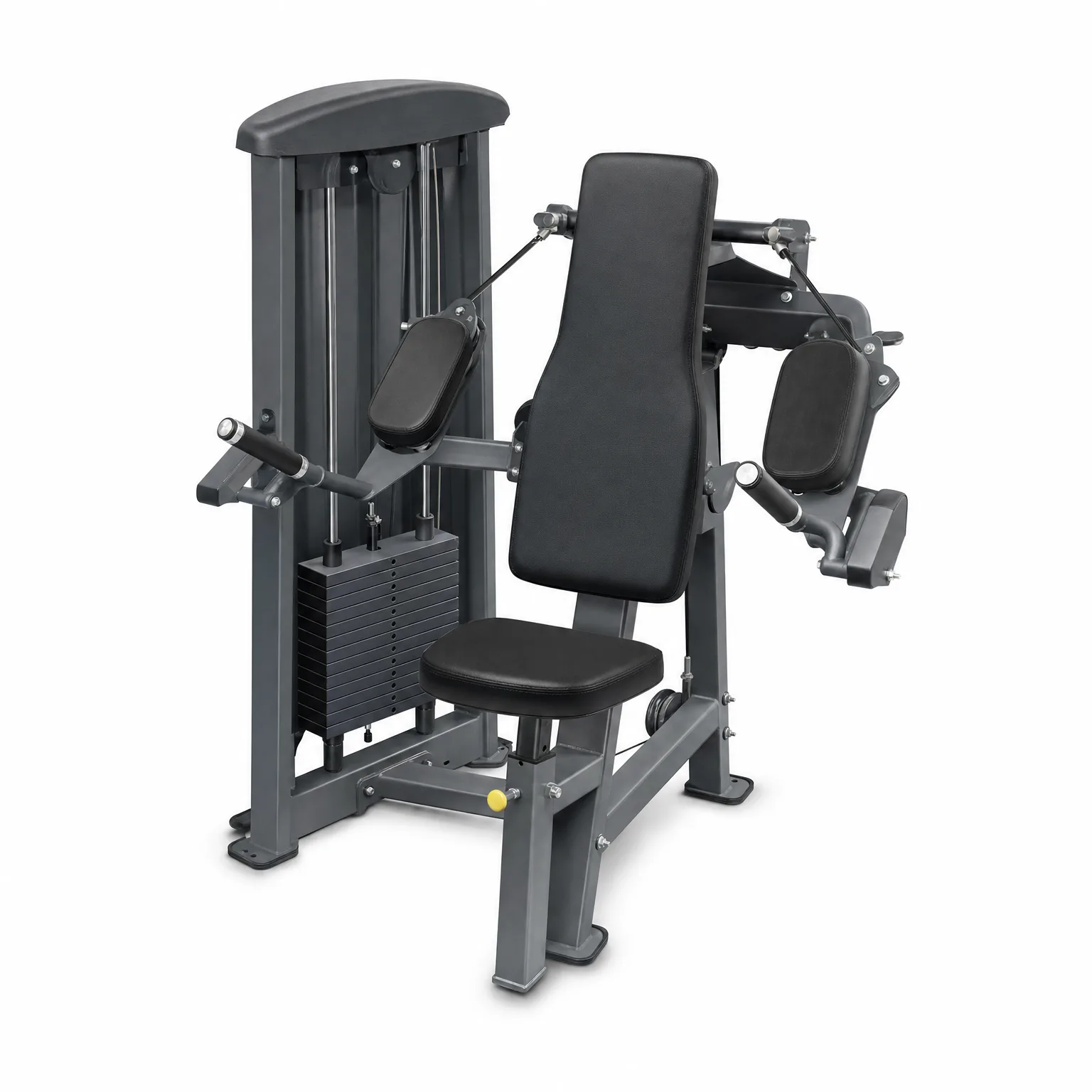
Lateral raise machine
A seated machine with arm pads you lift out to the sides. It targets the side delts and keeps the load even through the whole raise. -
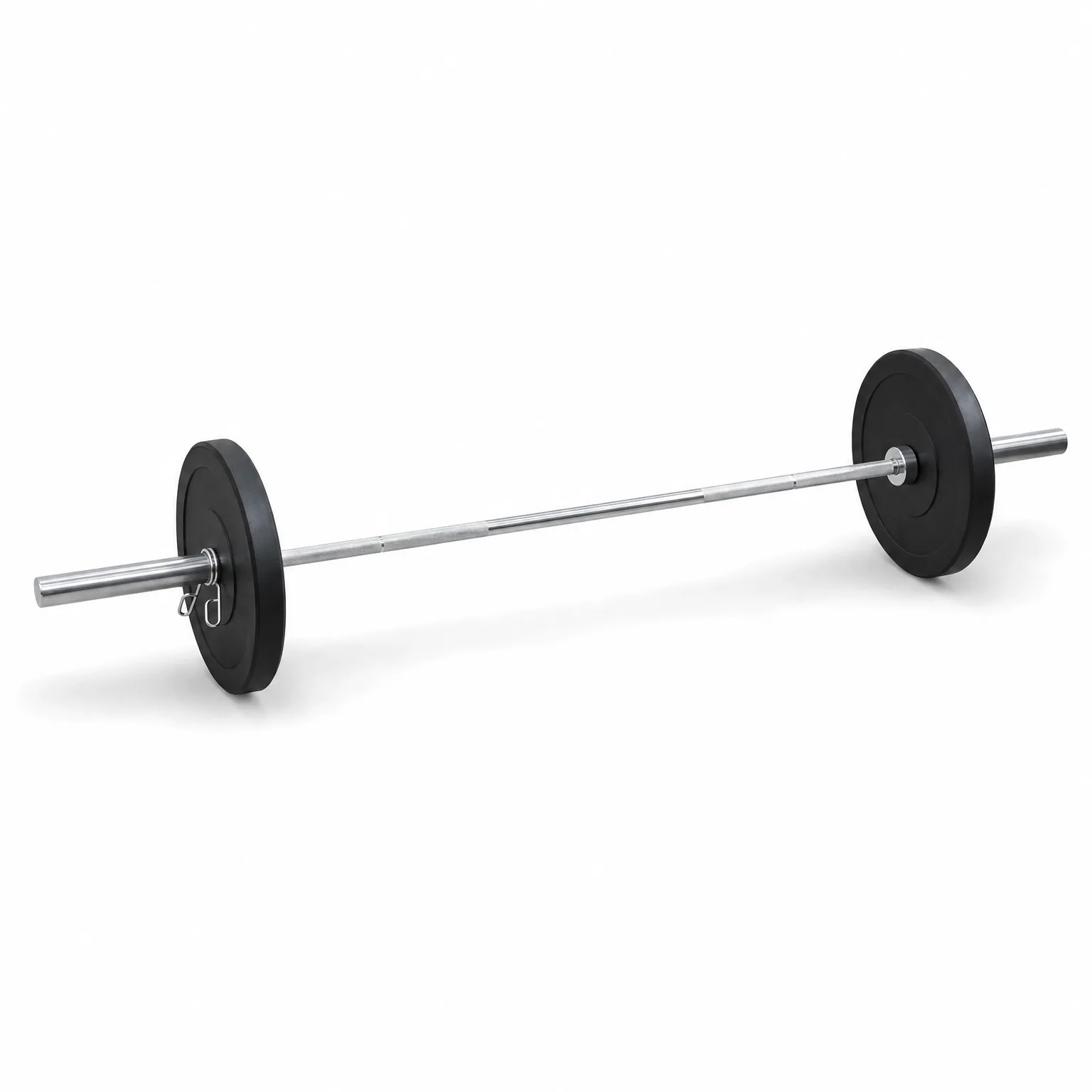
Barbell
A long steel bar loaded with plates at both ends. The standard tool for squats, deadlifts, presses and rows with heavy weight. -
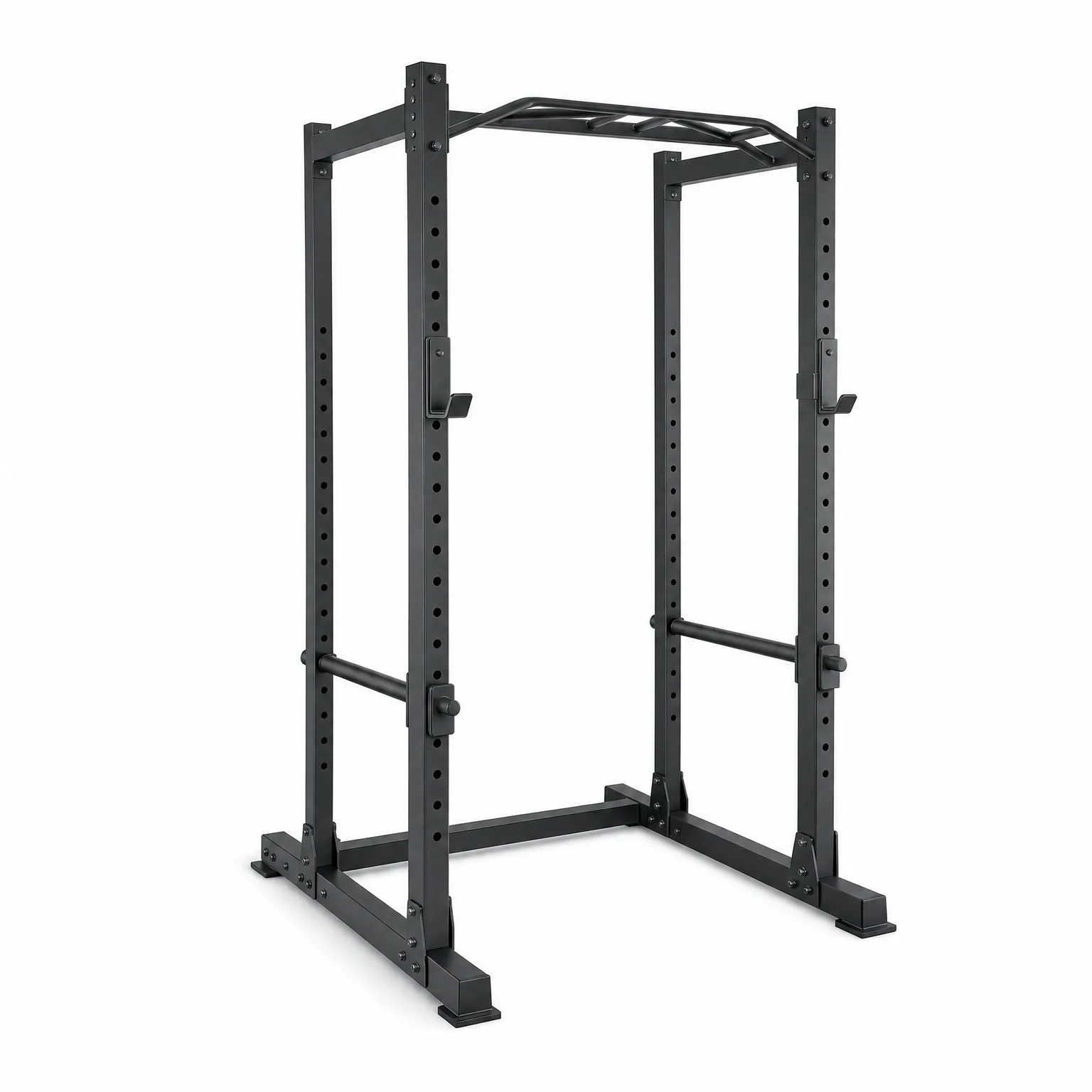
Squat rack
A steel frame that holds a barbell at the height you need and catches it if a rep fails. The base for squats and presses. -
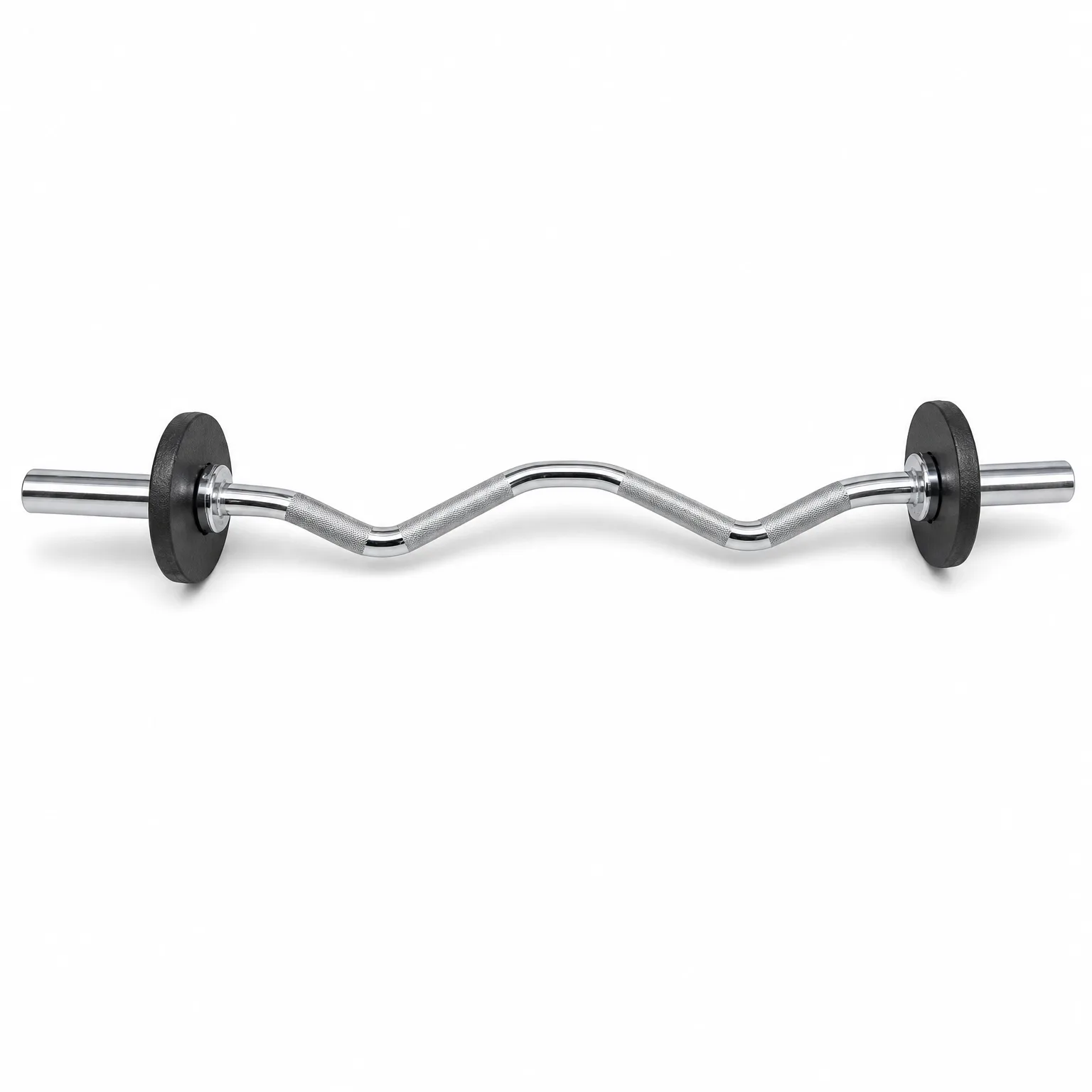
EZ curl bar
A short barbell with a zigzag grip section. The angled handles turn the wrists slightly inward for curls and triceps extensions. -
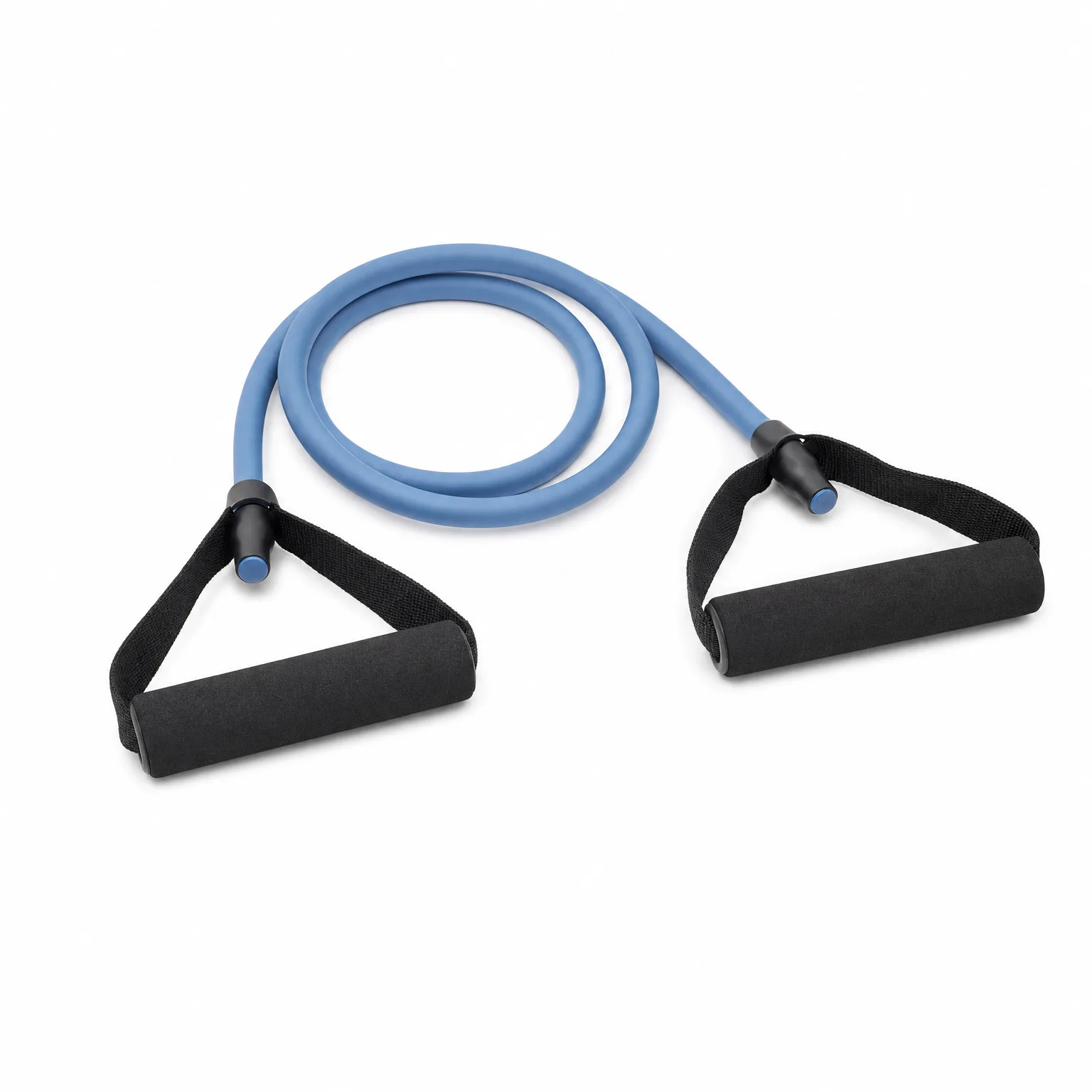
Resistance tubes with handles
Elastic tubes with a handle at each end, often with a door anchor. A portable way to do rows, presses, curls and pulldowns.
Related muscles
-
Front delts
The front head of the shoulder muscle. It lifts the arm forward and overhead and helps in every press, from the bench press to the overhead press. -
Rear delts
The back head of the shoulder muscle. It pulls the arm back and out to the side in rows, face pulls and reverse flyes. -
Traps
A large, flat muscle from the neck down the middle of the upper back. It lifts, pulls back and rotates the shoulder blades in shrugs, rows and carries.
Questions about training the side delts
What are the best side delt exercises?
Lateral raises with dumbbells, cables or a machine. Cables and machines keep tension through the whole movement, dumbbells are the easiest to set up. Overhead presses and upright rows add heavier work, but raises do most of the job.
Why are my side delts not growing?
Common reasons are too few weekly sets of raises, too heavy a weight with too much swinging, and stopping sets far from failure. Try 10 to 15 hard sets a week of strict raises, with the last reps of each set clearly difficult.
How heavy should lateral raises be?
Light enough to lift with a still torso and to lower slowly. For most people that is a fraction of what they use for presses. If you cannot pause the dumbbells at shoulder height for a moment, the weight is too heavy.
Can I build side delts at home?
Yes. Lateral raises need only light dumbbells, a resistance band with handles or even filled water bottles. Raises work well with light loads and high reps taken close to failure, so light home equipment is enough.
Should lateral raises go above shoulder height?
They can. The side delt keeps working above shoulder height, while the traps help more as the arm rises. Going to about shoulder height is a good default. Raise higher if it feels comfortable and the shoulders stay down.
Write programs your clients can follow
This guide comes from OnlineFitness.app, the app online coaches run their clients in.
Free for life for the first 100 coachesNo card