Tibialis anterior
The muscle on the front of the shin. It lifts the toes toward the shin and lowers the foot gently to the floor with each step.
In short
The tibialis anterior runs down the front of the lower leg, just to the outside of the shin bone, from below the knee to the inner side of the foot. You can feel it tighten beside the shin when you lift your toes. It pulls the top of the foot toward the shin, keeps the toes clear of the ground as the leg swings forward, and lowers the foot gently after the heel lands.
It is trained by lifting the toes against resistance: wall tibialis raises, band or cable dorsiflexion, or a weighted toe raise while seated. It sits opposite the calves, which point the foot down, so calf raises do not train it. It is a small muscle, so a few direct sets go a long way.
- Anatomical name
- Tibialis anterior
- Group
- Legs and glutes
- Also called
- tibs, shin muscle, front shin muscle, tibialis, anterior tibialis
What it does
- Lifts the top of the foot toward the shin (dorsiflexion): walking on your heels, a tibialis raise
- Keeps the toes clear of the ground as the leg swings forward in walking and running
- Lowers the foot to the floor under control after the heel lands, so it does not slap down
- Turns the sole of the foot inward (inversion)
Exercises for the tibialis anterior
Ordered from the most useful. Equipment links open its page in the equipment guide.
-
Tibialis raise
Lean your back on a wall with the heels about a foot in front of it, legs straight. Lift the toes as high as you can, pause, and lower slowly. Step the feet further out to make it harder.
-
Seated dumbbell toe raise
Sit on a bench with the heels on the floor. Grip a light dumbbell upright between the feet so its top end rests on them, lift the toes as high as they go and lower under control.
-
Band dorsiflexion
Sit with the leg straight and a band looped over the top of the foot, anchored in front of you. Pull the toes back toward the shin, hold a second and let the foot return slowly.
-
Cable dorsiflexion
Sit facing a low pulley with an ankle strap around the top of the foot. With the heel on the floor, pull the toes back toward the shin and return slowly.
-
Ankle weight dorsiflexion
Sit with the leg along a bench, the heel just past the end and an ankle weight wrapped over the top of the foot. Point the foot down, then pull the toes up as far as they go.
-
Heel walk
Walk on your heels with the toes pointed up and off the ground, in short steps. Twenty to thirty meters at a time is usually enough to tire the shins.
Bodyweight
How to train it
Add one direct exercise
Squats, lunges and calf raises load the tibialis very little through its range. One direct exercise such as wall tibialis raises or band dorsiflexion is the simplest way to train it.
Keep the volume modest
It is a small muscle that also works with every step you take. Around 4 to 8 hard sets a week, over two or three sessions, is a reasonable start and fits easily after calf work.
Use higher reps
Sets of 15 to 30 reps suit most setups, since the loads are light. Stop a few reps short of failure at first, as the burn on the front of the shin builds quickly.
Use the full range of the ankle
Start each rep with the foot pointed down as far as it goes and finish with the toes pulled up as high as they go. Lower slowly instead of letting the foot drop.
Progress the lever, then the load
With wall raises, step the feet further from the wall. When that runs out, switch to the dumbbell, cable or ankle weight version and add weight in small steps.
Common mistakes
Rocking off the wall
Bending the knees or pushing the hips away from the wall lets the body sway lift the toes instead of the shin muscle. Keep the legs straight and the back and hips on the wall.
Rushing the reps
Fast reps turn into bouncing off the heels. Pause at the top and take about two seconds to lower.
Adding load too fast
The tibialis and its tendon are small and not used to heavy loads. Start light, use high reps for the first few weeks and add weight gradually.
Equipment for these exercises
-
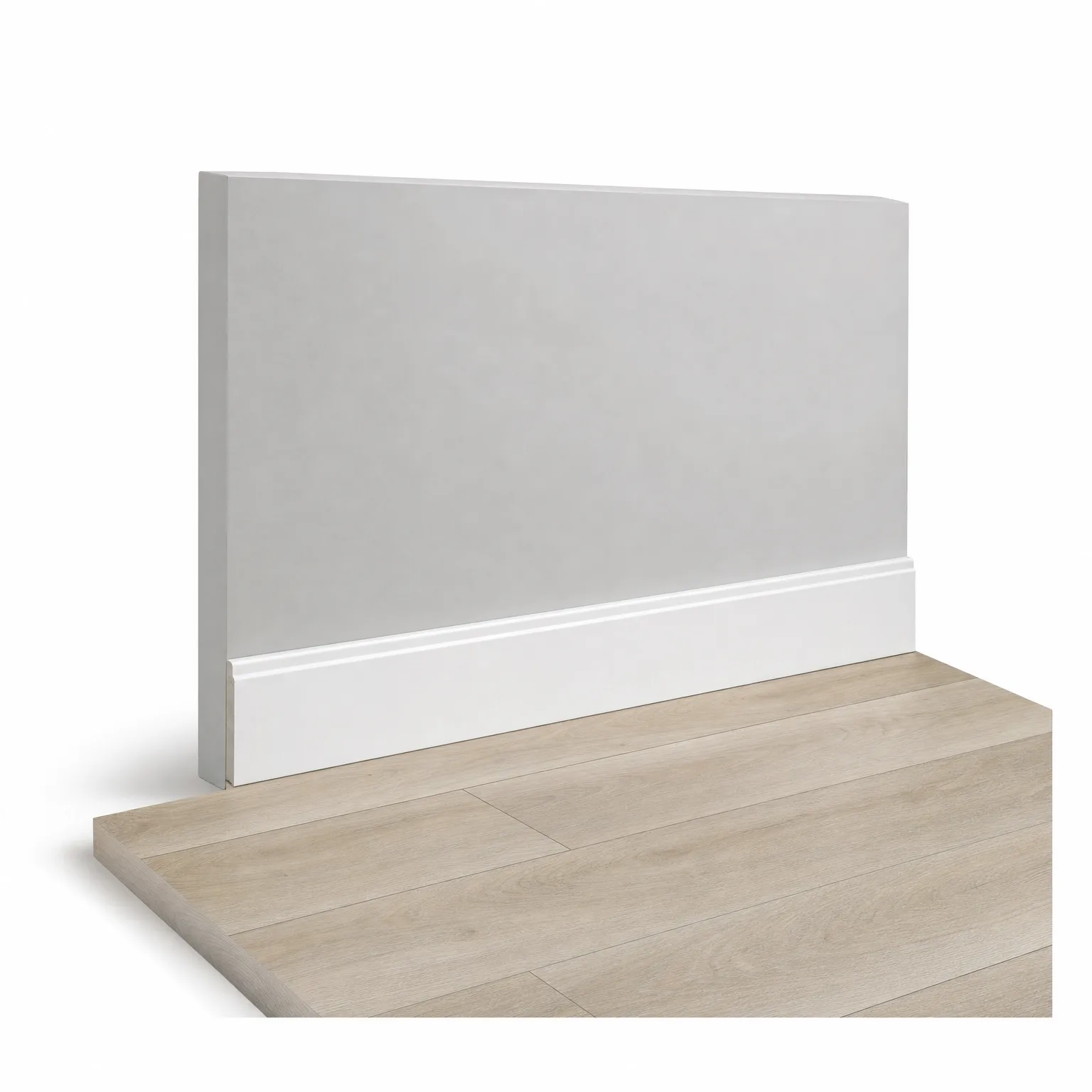
Wall
A clear stretch of solid wall works as support, a balance aid and a fixed surface to push against: wall sits, wall push-ups, stretches. -

Dumbbells
A pair of short handles with a weight at each end. One pair trains every major muscle group, at home or in a gym. -

Weight bench
A padded bench you lie, sit or lean on while lifting. It supports the body for presses, rows, hip thrusts and seated work. -
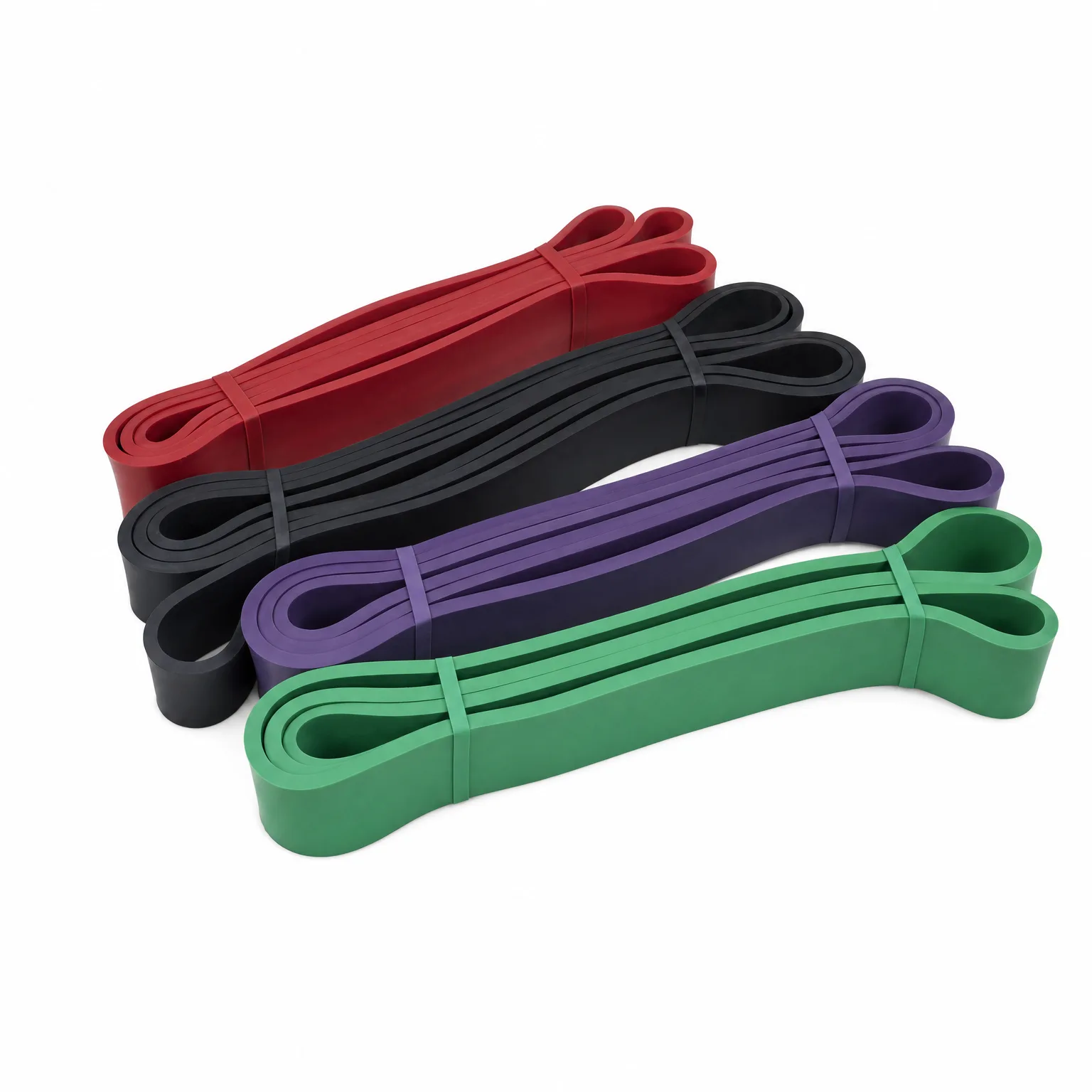
Resistance bands
Long closed loops of thick rubber. They add resistance to rows, presses and squats, or take weight off in pull-ups and dips. -
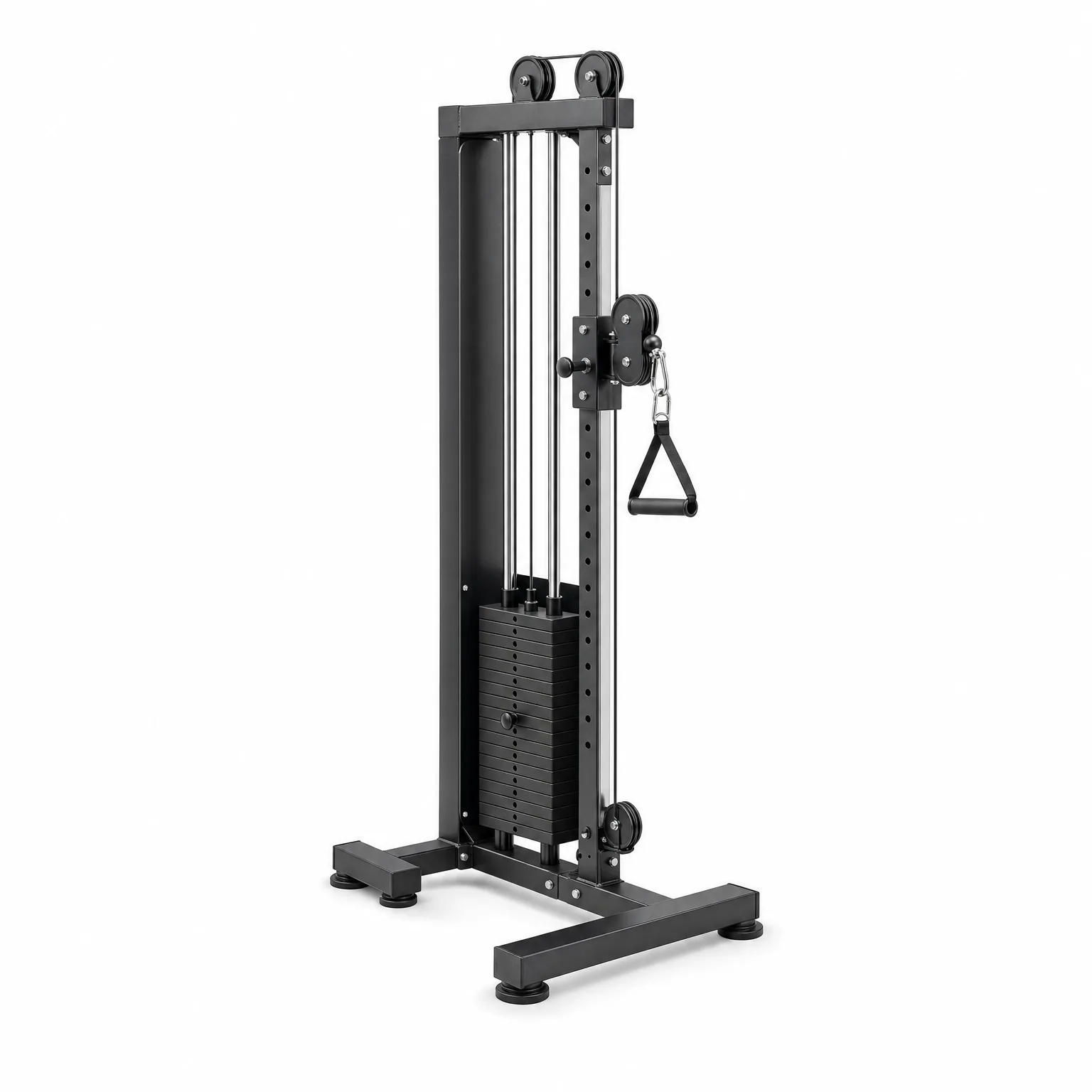
Cable machine
A weight stack on a pulley with a handle you can set at any height. It keeps tension on the muscle through the whole movement. -
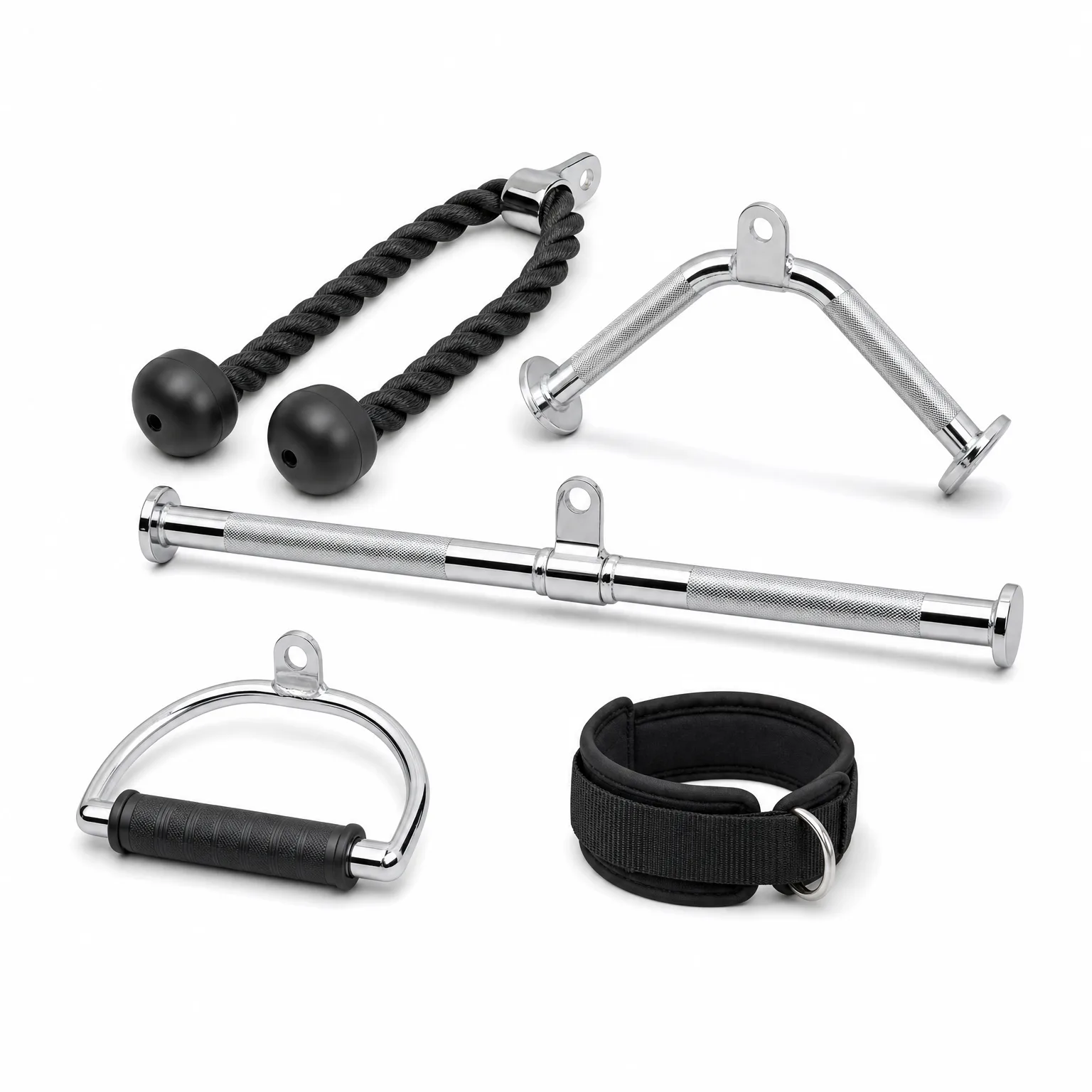
Cable attachments
The handles, bars, ropes and cuffs that clip onto a cable machine. Each one sets your grip and changes which exercises the cable can do. -
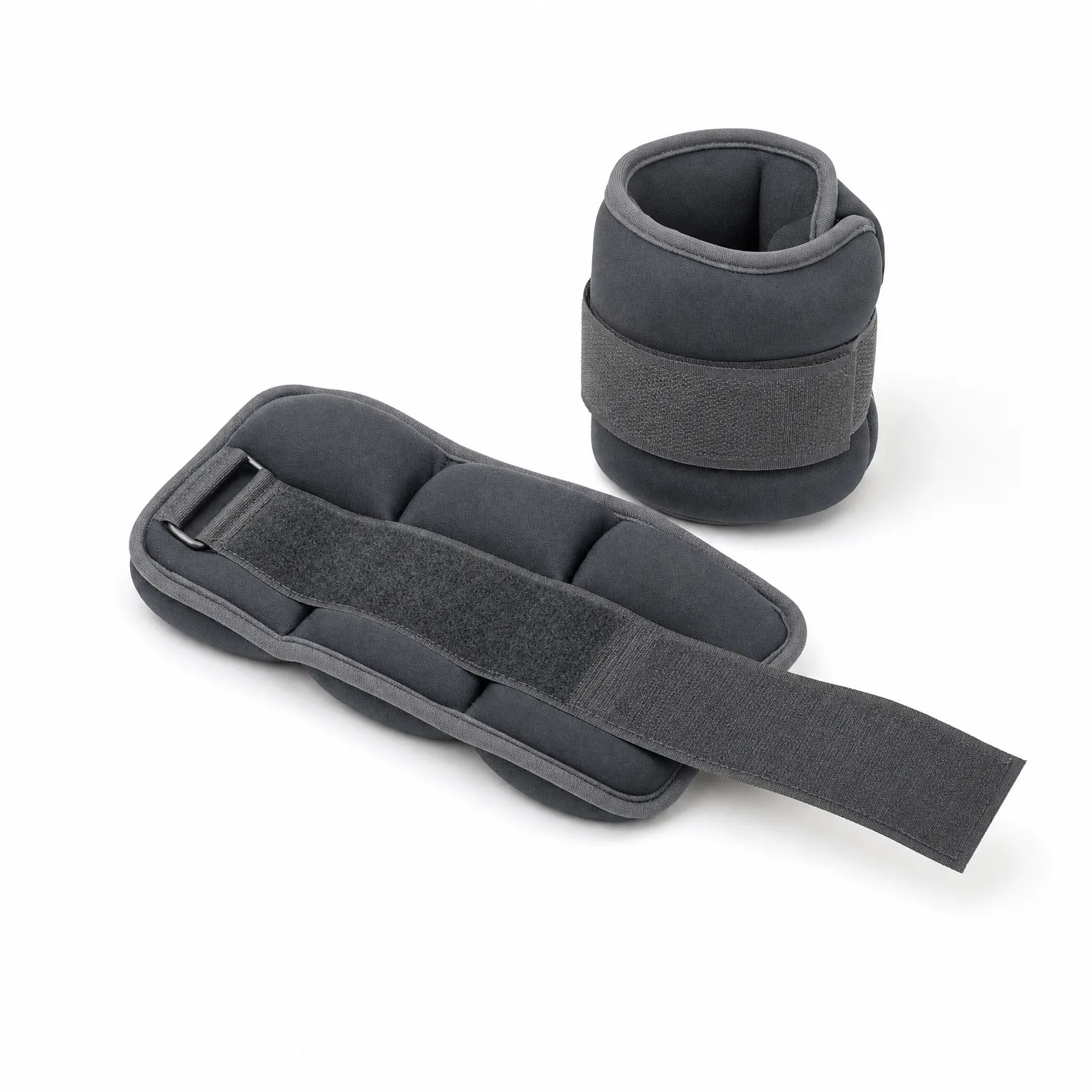
Ankle weights
Weighted cuffs that strap around the ankles. They add light resistance to leg raises, kickbacks and other floor and standing leg work.
Related muscles
Questions about training the tibialis anterior
How do I train my tibialis at home?
Wall tibialis raises need no equipment at all. Heel walks, band dorsiflexion and toe raises with a dumbbell or an ankle weight over the feet add variety and load.
What is the difference between the tibialis and the calves?
They sit on opposite sides of the lower leg and do opposite jobs. The calves on the back point the foot down and lift the heel. The tibialis on the front pulls the foot up. Calf raises do not train the tibialis, so it needs its own exercise.
Does training the tibialis help with shin splints?
Training the tibialis has not been shown to treat shin splints, and shin pain has several possible causes. Anyone with shin pain should have it assessed by a doctor or physical therapist.
How often should I train the tibialis?
Two or three times a week, a few sets each time. The sessions are short and the muscle recovers quickly, so it is easy to add at the end of a leg or full-body workout.
Why does my shin burn during tibialis raises?
That is the muscle tiring, which happens quickly in high-rep sets because it is small. The burn fades within a minute of rest. A sharp or lasting pain is different and a reason to stop the exercise.
Write programs your clients can follow
This guide comes from OnlineFitness.app, the app online coaches run their clients in.
Free for life for the first 100 coachesNo card