Ankle weights
Weighted cuffs that strap around the ankles. They add light resistance to leg raises, kickbacks and other floor and standing leg work.
In short
Ankle weights are padded cuffs filled with sand, iron shot or small bars that fasten around the ankle with a strap. They put a small load at the end of the leg, which makes leg raises, kickbacks, hip abductions, leg extensions and hanging knee raises noticeably harder. The load is light in kilograms but acts on a long lever.
They suit home workouts, Pilates and barre-style sessions, and anyone who wants more from glute and hip exercises on a mat without large equipment. Most pairs also fit around the wrists.
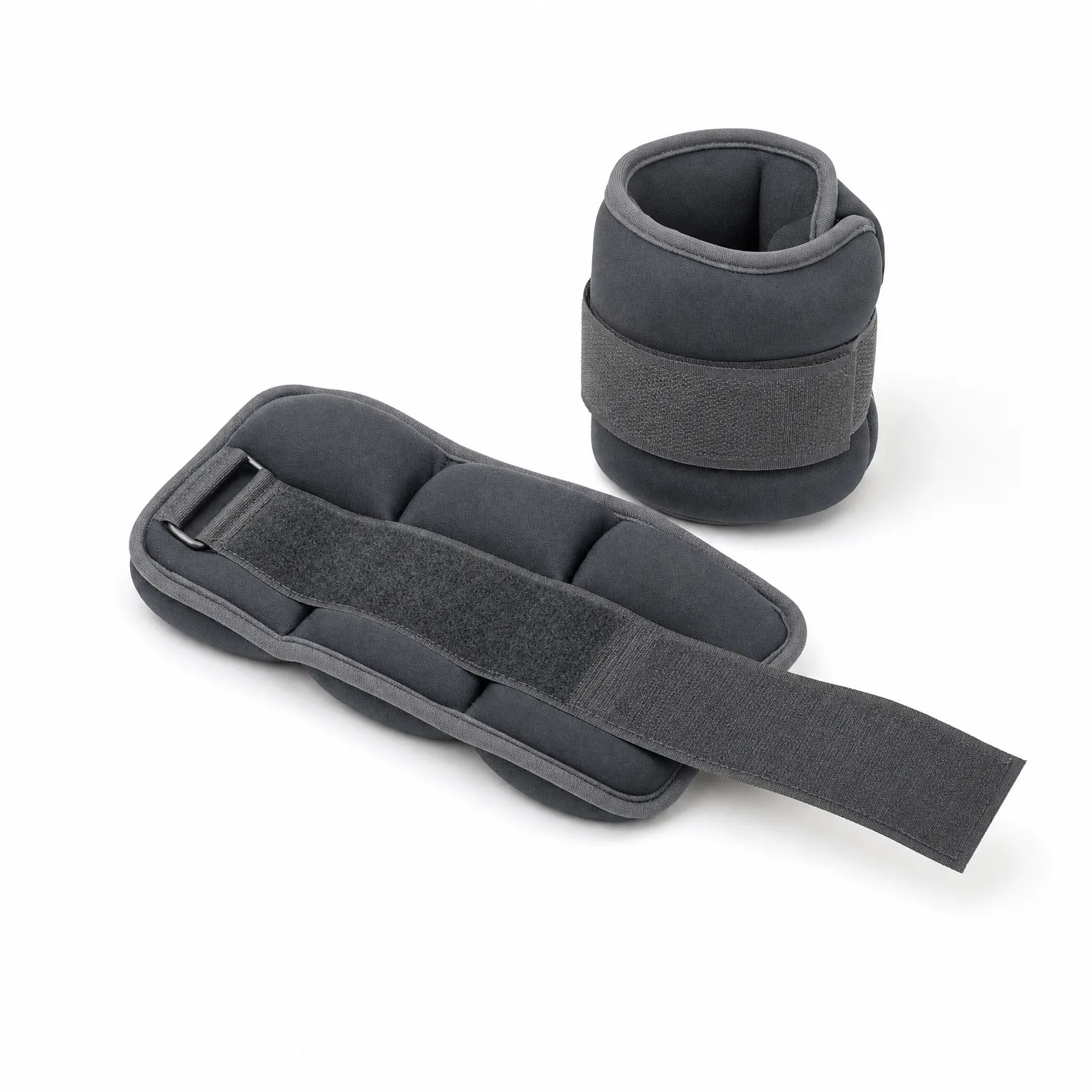
- Category
- Free weights
- Where
- Home, Gym
- Level
- Beginner and up
- Space
- Fits in a drawer or a bag
- Typical sizes
- 0.5–5 kg (1–10 lb) per cuff, sold in pairs; some adjust with removable inserts
- Also called
- leg weights, ankle cuffs with weight, wrist and ankle weights, strap-on weights, ankle weight cuffs, weighted ankle straps
What it is used for
- Glute kickbacks and donkey kicks on all fours
- Side-lying and standing leg raises for the outer and inner thigh
- Seated leg extensions and standing leg curls
- Lying and hanging leg raises for the abs
- Extra load for Pilates and barre leg sequences
Types
Fixed-weight cuffs. A soft cuff with a set weight sewn in. Simple and comfortable. You need a second pair to go heavier.
Adjustable cuffs. Pockets hold small removable bars or sand packs, so one pair covers several weights. Slightly bulkier on the leg.
Bangle-style weights. Slim silicone-coated rings of about 0.5–1 kg each. Easy to clean and neat to wear. Light only.
Ankle straps for cables. A padded strap with a D-ring and no weight of its own. It clips to a cable machine or band. A different tool that trains the same movements with more load.
How to choose
Start light
Most people start with 0.5–1.5 kg (1–3 lb) per leg. Because the weight sits far from the hip, a small number is enough. The last few reps of a set of 12–15 should be hard but controlled.
Prefer adjustable if you plan to progress
The hips and thighs get stronger quickly. A pair with removable inserts lets you add weight in small steps instead of buying again.
Check the fit
The cuff should wrap fully around your ankle and close firmly without sliding down onto the foot. A long strap with a wide fastening holds better than a short one.
Look at the padding and cover
Soft neoprene or fabric against the skin stops rubbing on the ankle bone. A wipeable or washable cover helps, since the cuffs get sweaty.
How to start using it
- Strap them on snugly. Place the cuff just above the ankle bone and tighten it so it does not turn or slip. Wearing socks under it reduces rubbing.
- Learn the exercise without them. Do each movement unloaded first. Add the weights once you can do 15–20 controlled reps and feel the target muscle working.
- Move slowly. Lift for about two seconds, pause at the top, and lower for two to three seconds. The weight should never swing the leg.
- Keep the pelvis still. In kickbacks and leg raises, the movement comes from the hip. If the lower back arches or the pelvis rocks, shorten the range or reduce the weight.
- Add reps, then weight. Build up to about 20 reps per set, then add 0.5 kg per leg and return to 12.
Common mistakes
Swinging the leg
Momentum does the work that the glutes or thighs should do, and the weight pulls on the joint at the end of the swing. Slow down and pause at the top.
Going too heavy
A heavy cuff makes the lower back and hips twist to help. If you cannot hold the trunk still, the weight is too much for that exercise.
Wearing them for runs and long walks
Weight at the ankle changes how the leg swings with each step. Ankle weights are made for controlled exercises. For loaded walking, a weighted vest or backpack puts the weight on the torso.
Loose cuffs
A cuff that slides onto the foot or spins around the leg distracts from the exercise and rubs the skin. Tighten it before each set.
Expecting them to replace leg training
Ankle weights load small, single-joint movements. Squats, lunges, hinges and step-ups with heavier loads are still needed to build strong legs.
What to use instead
A mini band around the ankles or just above the knees covers kickbacks, side leg raises and standing hip work, with resistance that grows as the band stretches. A tube band with an ankle strap, anchored low in a door, does the same for kickbacks and leg curls. In a gym, a cable machine with an ankle strap gives the most adjustable version of every ankle-weight exercise.
-
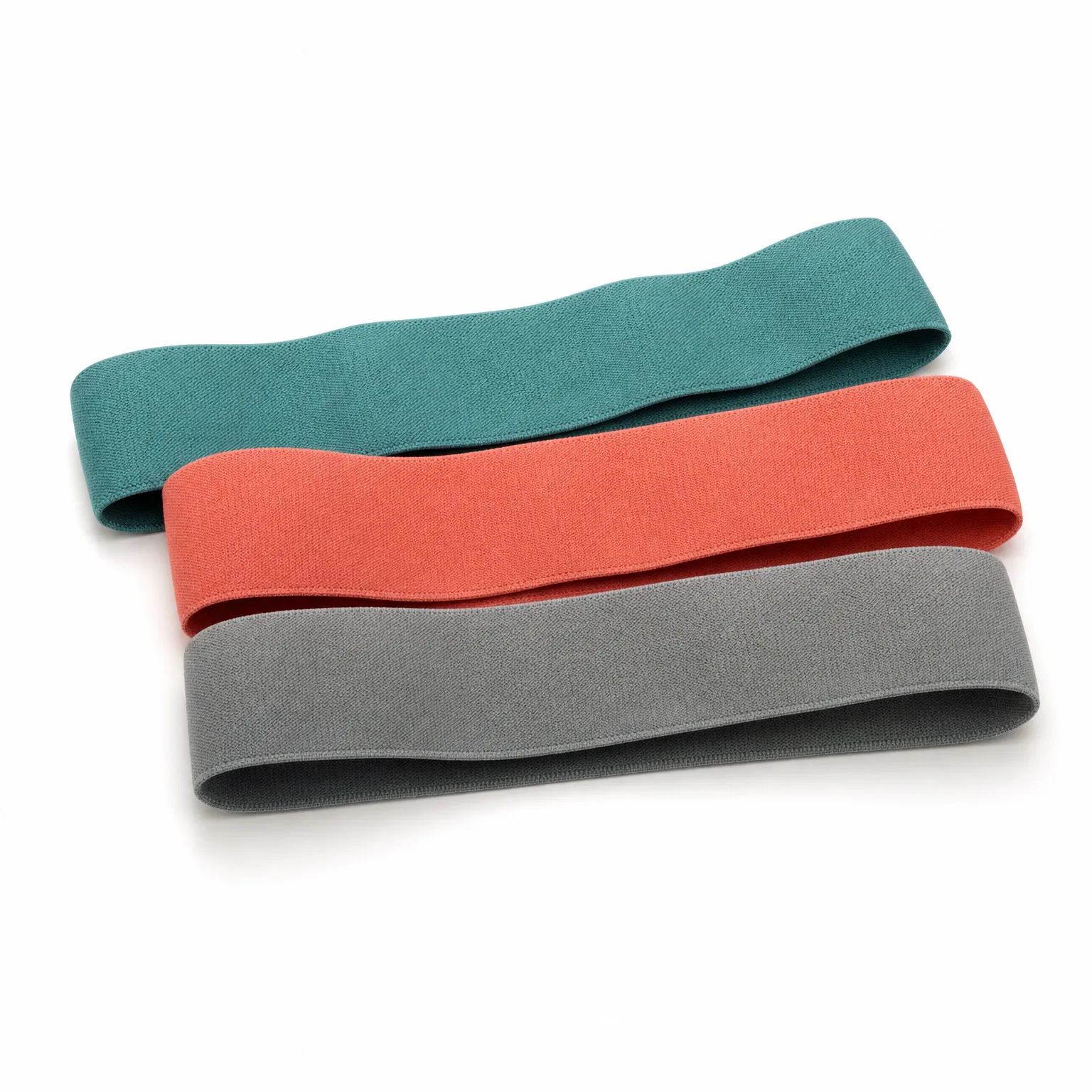
Mini bands
Short elastic loops worn around the thighs, knees or ankles. Used for glute and hip exercises and for warm-ups. -
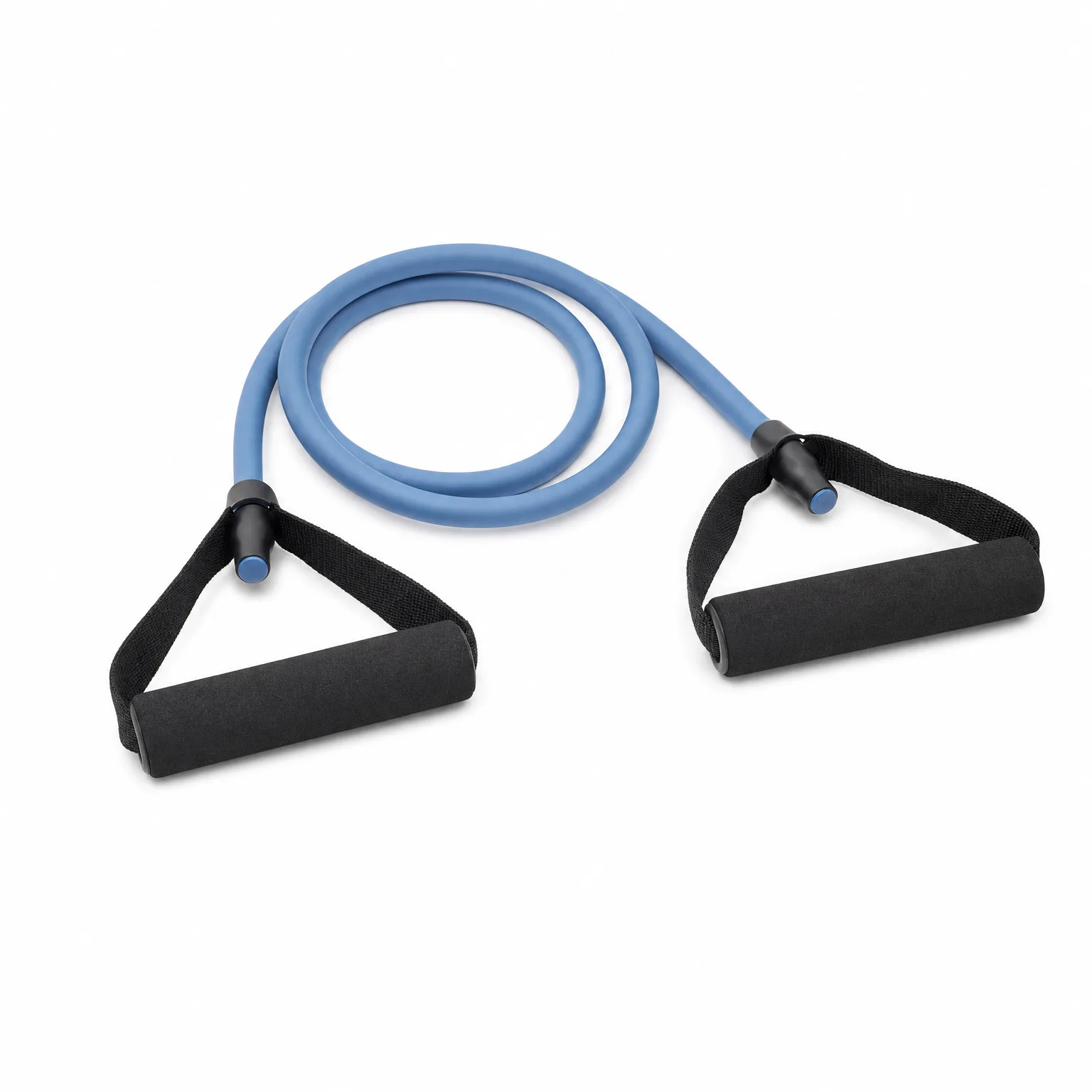
Resistance tubes with handles
Elastic tubes with a handle at each end, often with a door anchor. A portable way to do rows, presses, curls and pulldowns. -
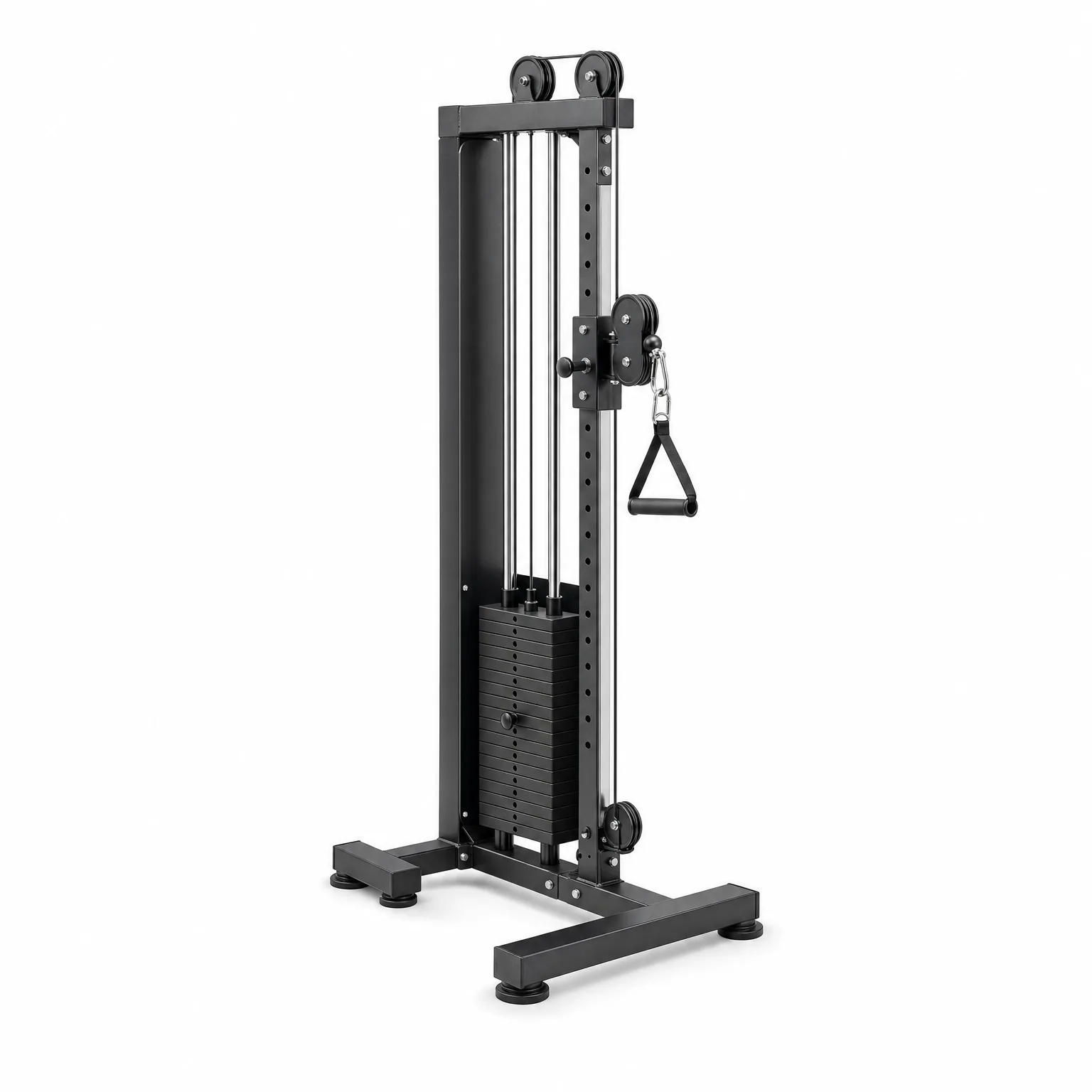
Cable machine
A weight stack on a pulley with a handle you can set at any height. It keeps tension on the muscle through the whole movement.
Often used with

Questions about ankle weights
What weight ankle weights should I get?
For most people, 0.5–1.5 kg (1–3 lb) per leg is the right start for mat exercises. An adjustable pair that goes up to 2–3 kg (4–7 lb) per leg leaves room to progress. Heavier cuffs make sense mainly for seated leg extensions and hanging leg raises.
Do ankle weights build glutes?
They make glute kickbacks, hip extensions and side leg raises harder, which helps those muscles work closer to fatigue. For visible growth, combine them with heavier exercises such as hip thrusts, squats, lunges and Romanian deadlifts.
Should you walk with ankle weights?
They are designed for controlled exercises, not for walking. Weight at the ankle changes your stride. If you want a harder walk, carry the load on the torso with a weighted vest or backpack, walk faster or choose hills.
Ankle weights or resistance bands?
Ankle weights give the same load through the whole movement and are quick to put on. Bands are lighter to carry, cheaper, and get harder toward the end of the range. For glute and hip exercises on a mat, both work, and many people use them together.
Can you use ankle weights on your wrists?
Most cuffs up to about 1.5 kg fit around the wrists. People use them for arm sequences in Pilates and barre classes and for shadow boxing at slow, controlled speed.
Build programs around what your client has
This guide comes from OnlineFitness.app, the app online coaches run their clients in.
Free for life for the first 100 coachesNo card