Abs
The long, flat muscle down the front of the stomach. It curls the trunk forward and keeps the lower back from arching under load.
In short
The rectus abdominis runs down the front of the stomach from the lower ribs and breastbone to the pubic bone. A strip of connective tissue down the middle splits it into left and right halves, and crosswise bands of tendon give it the six-pack look. It curls the trunk forward, as in sitting up from lying down, and stops the lower back from arching under load.
Exercises that curl the ribs and pelvis toward each other build it: crunches, cable crunches and hanging leg raises. Planks and ab wheel rollouts train it to resist arching. Whether the abs show depends mostly on body fat. Training the abs does not remove the fat over them; only lower overall body fat does that.
- Anatomical name
- Rectus abdominis
- Group
- Core
- Also called
- abdominals, six-pack, stomach muscles, belly muscles, abdominal muscles
- Works with
- Obliques, Lower back, Glutes
What it does
- Bends the trunk forward: sitting up from lying down, a crunch, a cable crunch
- Tilts the pelvis back and lifts it toward the ribs: the end of a hanging leg raise or a reverse crunch
- Stops the lower back from arching: holding a plank, an ab wheel rollout, pressing a weight overhead
- Braces the trunk together with the obliques and deeper muscles when you lift, push, cough or strain
Parts of the muscle
Upper section. Between the ribs and the navel. It is the same muscle as the lower section, but crunches that move the ribs toward the pelvis tend to load it a little more.
Lower section. Below the navel down to the pubic bone. Reverse crunches and leg raises, which bring the pelvis toward the ribs, may load it slightly more, though both sections always work together.
Tendinous intersections. Usually three crosswise bands of tendon that divide each half into segments. Their number and layout are inherited, which is why some people show four, six or eight sections.
Linea alba. The band of connective tissue down the middle that joins the left and right halves. It is not muscle and does not grow with training.
Exercises for the abs
Ordered from the most useful. Equipment links open its page in the equipment guide.
-
Cable crunch
Kneel facing the pulley with the rope beside the head. Curl the ribs toward the pelvis by rounding the spine, keep the hips still, then stretch back up slowly.
-
Hanging leg raise
Hang still, then lift the legs and curl the pelvis up toward the ribs instead of only raising the thighs. Bent knees are easier. Lower without swinging.
-
Ab wheel rollout
Start on the knees with the ribs down and the lower back slightly rounded. Roll out as far as you can without the hips sagging, then pull back with the abs.
-
Crunch
Feet on the floor, fingertips by the ears without pulling on the head. Curl the shoulders off the floor by bringing the ribs toward the pelvis, pause and lower slowly.
Bodyweight
-
Reverse crunch
Lie on your back with the knees bent and hands on the floor. Roll the hips up off the floor toward the ribs, then lower slowly without letting the feet drop.
Bodyweight
-
Plank
Forearms under the shoulders, body straight. Squeeze the glutes and pull the ribs toward the hips so the lower back does not sag. Make it harder by moving the elbows forward.
Bodyweight
-
Dead bug
Lie on your back, arms up, knees over the hips. Press the lower back into the floor and slowly reach the opposite arm and leg out, keeping the back flat.
Bodyweight
How to train it
Include curling and holding exercises
Crunches, cable crunches and leg raises train the abs by shortening them. Planks and rollouts train them to hold the trunk still against a load. One of each covers what the muscle does.
Load them like other muscles
The abs grow from hard sets, like any muscle. Add weight to crunches, use the cable stack or move to harder variations instead of doing longer and longer sets of easy reps.
Spread a moderate volume over the week
Around 6 to 12 hard sets a week over two to four sessions suits most people. Squats, deadlifts and overhead presses also make the abs brace hard, so they need less direct work than the total suggests.
Use moderate reps and the full range
Crunches and leg raises suit 8 to 20 reps, rollouts 5 to 12. Curl the spine fully at the top and let it lengthen at the bottom. For planks, several hard holds of 20 to 45 seconds are more useful than one very long one.
Lower body fat to see them
Training builds the muscle, but whether it shows depends on body fat. Ab exercises do not burn the fat over the stomach; overall diet and total activity decide that.
Common mistakes
Pulling on the neck
Yanking the head forward moves the neck, not the trunk. Rest the fingertips lightly by the ears or cross the arms on the chest and curl from the ribs.
Turning leg raises into hip flexor work
Lifting the legs with the pelvis fixed is mostly a hip flexor exercise. The abs work hardest when the pelvis curls up toward the ribs at the end of the movement.
Sagging in planks and rollouts
When the hips drop and the lower back arches, the abs have stopped doing the job. Shorten the range or the lever until you can keep the ribs down.
Endless high-rep sets
Sets of 50 easy crunches mostly build endurance. Add load or use a harder variation so the set ends within about 20 reps.
Equipment for these exercises
-
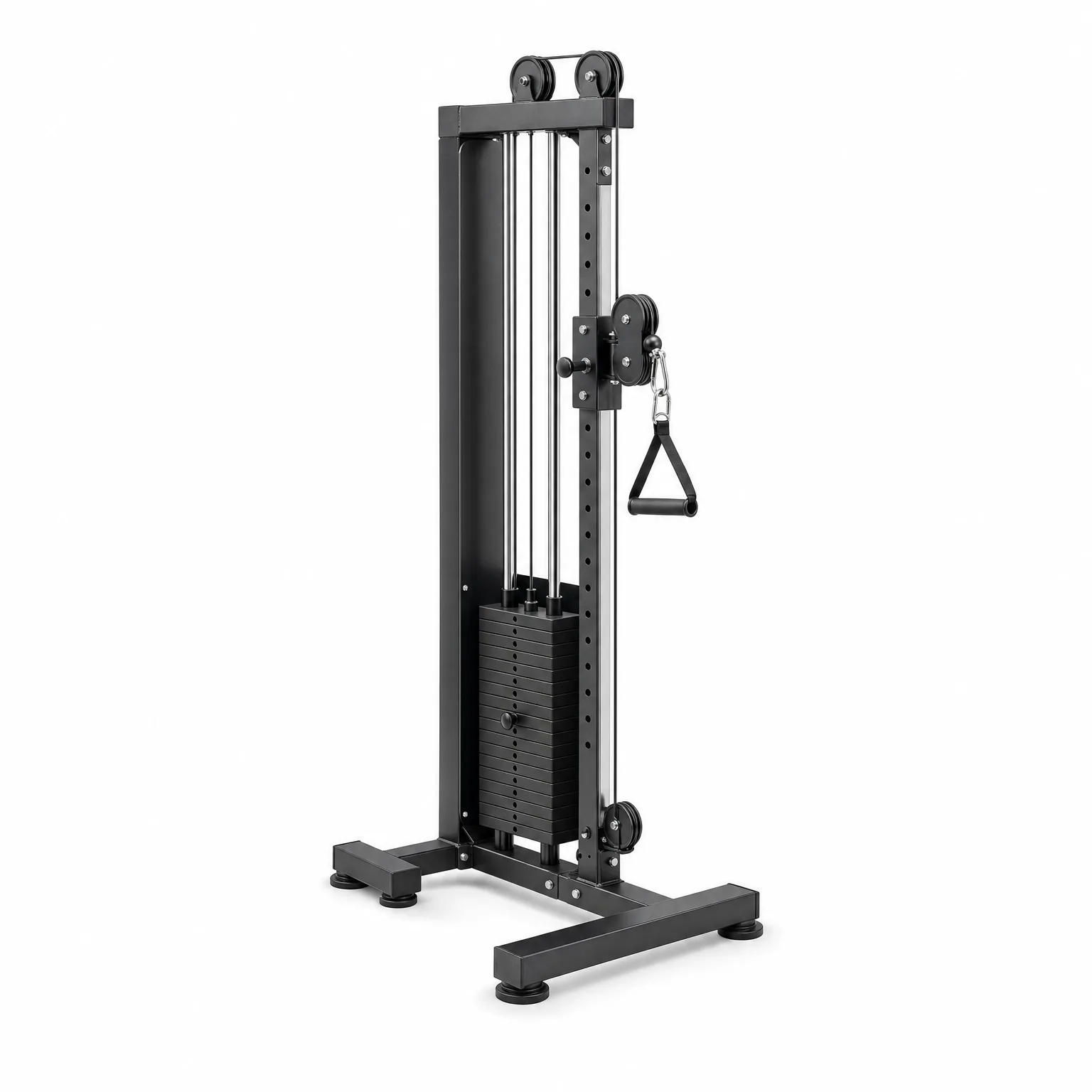
Cable machine
A weight stack on a pulley with a handle you can set at any height. It keeps tension on the muscle through the whole movement. -
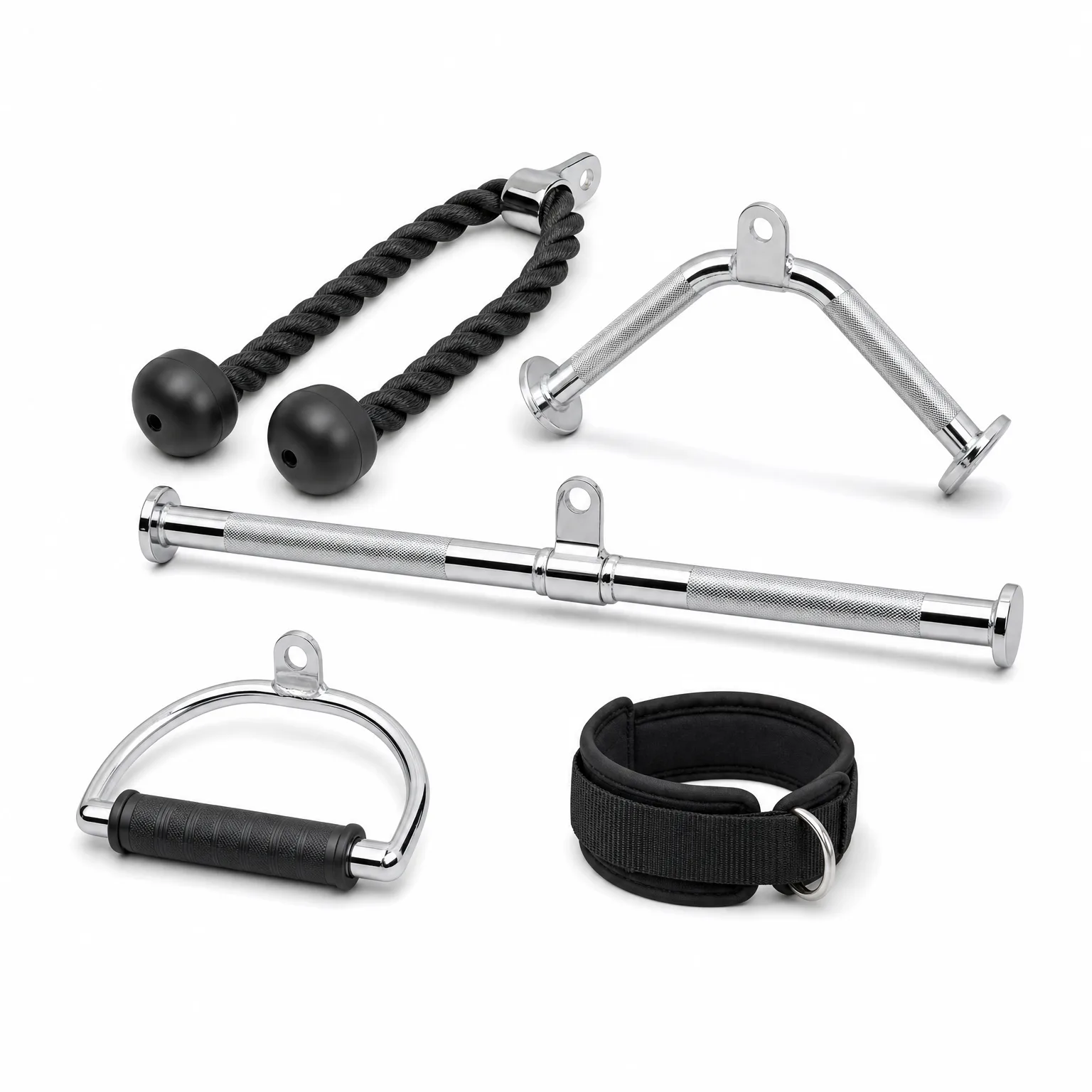
Cable attachments
The handles, bars, ropes and cuffs that clip onto a cable machine. Each one sets your grip and changes which exercises the cable can do. -
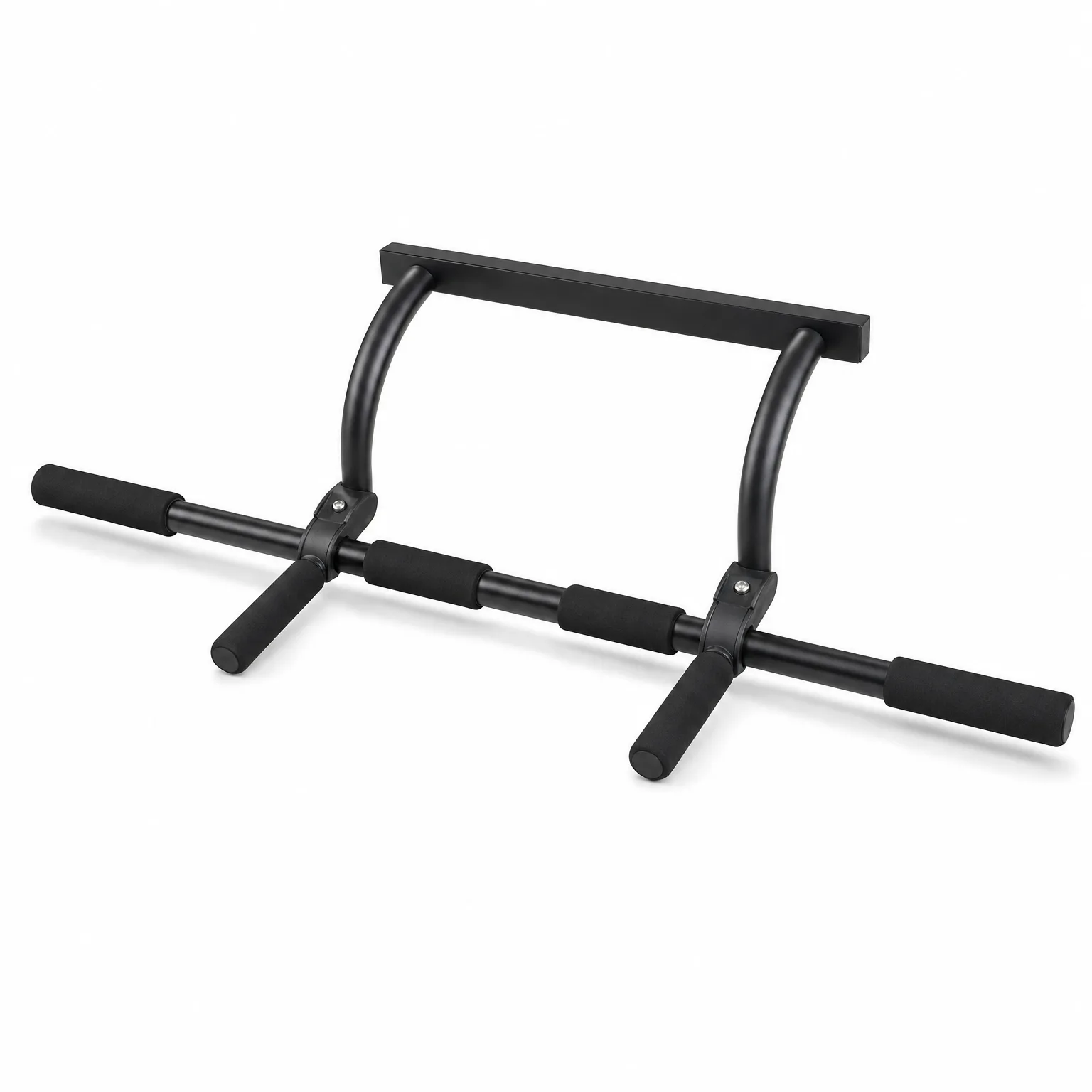
Pull-up bar
A fixed horizontal bar you hang from. Used for pull-ups, chin-ups, hangs and hanging leg raises, at home or outdoors. -
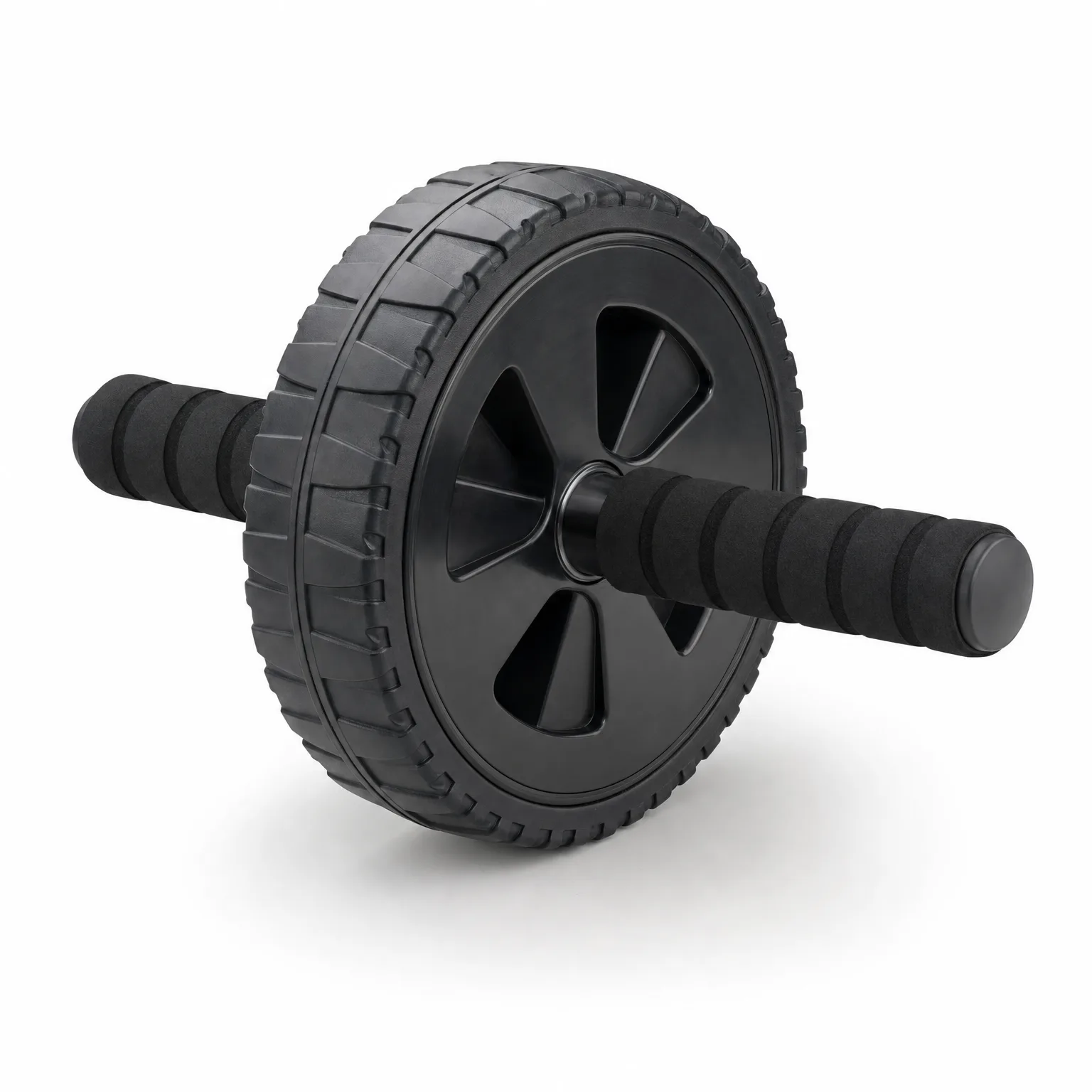
Ab wheel
A small wheel with a handle on each side. You roll it out along the floor and pull it back, which loads the abs harder than most floor exercises.
Related muscles
-
Obliques
Two layers of muscle on the sides of the waist. They rotate and bend the torso and keep it from twisting or tipping under load. -
Lower back
The muscles along both sides of the lower spine. They hold the back straight under load and straighten it when you stand up from a bend. -
Glutes
The large muscle of the buttock. It straightens the hip in squats, deadlifts, hip thrusts, sprints and every step up a stair.
Questions about training the abs
What are the best ab exercises?
Cable crunches, hanging leg raises and ab wheel rollouts are hard enough to build the muscle and easy to progress. At home, crunches, reverse crunches, dead bugs and planks cover the same jobs with body weight.
Do ab exercises burn belly fat?
No. Training a muscle does not remove the fat over it. Fat comes off the whole body when you eat less energy than you use over time, and where it goes first depends on genetics, sex and age, not on which muscles you train. Ab training makes the muscle thicker, so it shows sooner once body fat is low enough.
How often should I train abs?
Two to four short sessions a week work for most people. The abs recover like other muscles, so hard training every day adds little. A few hard sets after the main lifts are enough.
Can I get abs at home?
Yes. Crunches, reverse crunches, dead bugs, planks and leg raises from a bar or bench build the muscle. Seeing it depends on body fat, which comes down mainly to diet and total activity.
Why do I feel sit-ups and leg raises in my hip flexors?
Both exercises move the thigh at the hip, which is the hip flexors' job. To shift the work to the abs, focus on curling the ribs or the pelvis and rounding the lower back, and stop the rep when that curl ends. For leg raises, bending the knees makes the curl easier to control.
Write programs your clients can follow
This guide comes from OnlineFitness.app, the app online coaches run their clients in.
Free for life for the first 100 coachesNo card