Biceps
The two-headed muscle on the front of the upper arm. It bends the elbow and turns the palm up, with the brachialis working underneath.
In short
The biceps brachii is the muscle on the front of the upper arm. Its two heads start on the shoulder blade, join into one belly and attach to the radius just below the elbow. It bends the elbow, turns the palm up and helps lift the arm forward. The brachialis lies underneath it and bends the elbow in any grip.
Curls of every kind build both muscles, and chin-ups and rows train them too. Palms-up curls load the biceps most; hammer and reverse curls shift more of the work to the brachialis and the forearm. The brachialis is not visible on its own, but a well-trained one adds to the overall size of the upper arm.
- Anatomical name
- Biceps brachii and brachialis
- Group
- Arms
- Also called
- bicep, biceps brachii, brachialis, front of the arm, arm muscles, guns
- Works with
- Triceps, Forearms, Lats, Front delts
What it does
- Bends the elbow: curling a dumbbell, carrying a box in front of you, pulling up in a chin-up
- Turns the palm up: driving a screw in with a screwdriver in the right hand
- Helps raise the arm forward at the shoulder, mainly through the long head
- Brachialis: bends the elbow with the palm up, down or facing in, as in hammer and reverse curls
Parts of the muscle
Long head. The outer head. It starts above the shoulder joint and is stretched when the arm is behind the body, so incline dumbbell curls load it in a long position.
Short head. The inner head, from a small hook of bone on the front of the shoulder blade. Many coaches use preacher and concentration curls, with the arm in front of the body, to bias it.
Brachialis. Lies under the biceps, from the lower half of the upper arm bone to the ulna. It bends the elbow in any grip and takes a larger share of the work in hammer and reverse curls.
Exercises for the biceps
Ordered from the most useful. Equipment links open its page in the equipment guide.
-
Barbell curl
Stand tall with the elbows by the ribs. Curl without swinging the torso, squeeze at the top and take about two seconds to lower until the arms are straight.
-
Incline dumbbell curl
Bench at about 45 to 60 degrees, arms hanging straight down behind the torso. Curl with the palms up and keep the elbows from drifting forward.
-
Chin-up
Palms facing you, hands about shoulder width. Pull until the chin clears the bar and lower all the way to straight arms. Add weight or a slower descent past 12 reps.
-
Preacher curl
Armpits snug against the top of the pad. Lower until the elbows are almost straight without letting the weight drop, then curl up without lifting the arms off the pad.
-
Hammer curl
Palms face each other for the whole rep. Curl to the front of the shoulder, keep the elbows still and lower slowly. This grip leans on the brachialis and forearm.
-
Cable curl
Bar or handles on a low pulley. Step back a little so the cable still pulls at the bottom, keep the elbows pinned and curl to a full squeeze.
-
Band curl
Stand on the band and hold the handles. Curl with the palms up, hold the top for a second where the band is hardest and lower slowly. Widen the stance for more tension.
How to train it
Use at least two curl positions
Pair a curl with the arm behind the body, such as the incline curl, with one where the arm is in front, such as the preacher curl. Add a hammer curl for the brachialis. That covers both heads and the muscle underneath.
Count pulling toward the total
Rows, pull-ups and chin-ups train the biceps, so most people need fewer direct sets than for larger muscles. Around 6 to 12 hard sets of curls a week, over two or three sessions, is a common range on top of regular pulling.
Take moderate reps close to failure
Curls work well for 8 to 15 reps, and lighter sets of 15 to 25 also build the muscle if they end near failure. Heavy sets under 6 reps tend to turn into swinging.
Use the full range, especially the bottom
Lower to a straight elbow on every rep. The stretched bottom part is where many people cut reps short, and research suggests that training a muscle through its stretched position helps it grow.
Progress in small steps
A jump of 2 kg or 5 lb per dumbbell is large for a small muscle. Add reps first, then weight, and use cables or small plates when you need smaller jumps.
Common mistakes
Swinging the weight up
Leaning back and bouncing with the hips moves the load with the back and shoulders. Stand with your back against a wall or use a preacher bench, and lower the weight under control.
Letting the elbows drift forward
Bringing the elbows forward at the top turns the curl into a front raise and takes tension off the biceps. Keep them beside the ribs or fixed on the pad.
Stopping short at the bottom
Half reps at the top skip the stretched part of the range. Straighten the arm fully, then start the next rep without a bounce.
Using only one grip
Palms-up curls work the biceps most, while neutral and overhand grips work the brachialis and forearm more. Use both kinds in the week instead of only one.
Equipment for these exercises
-
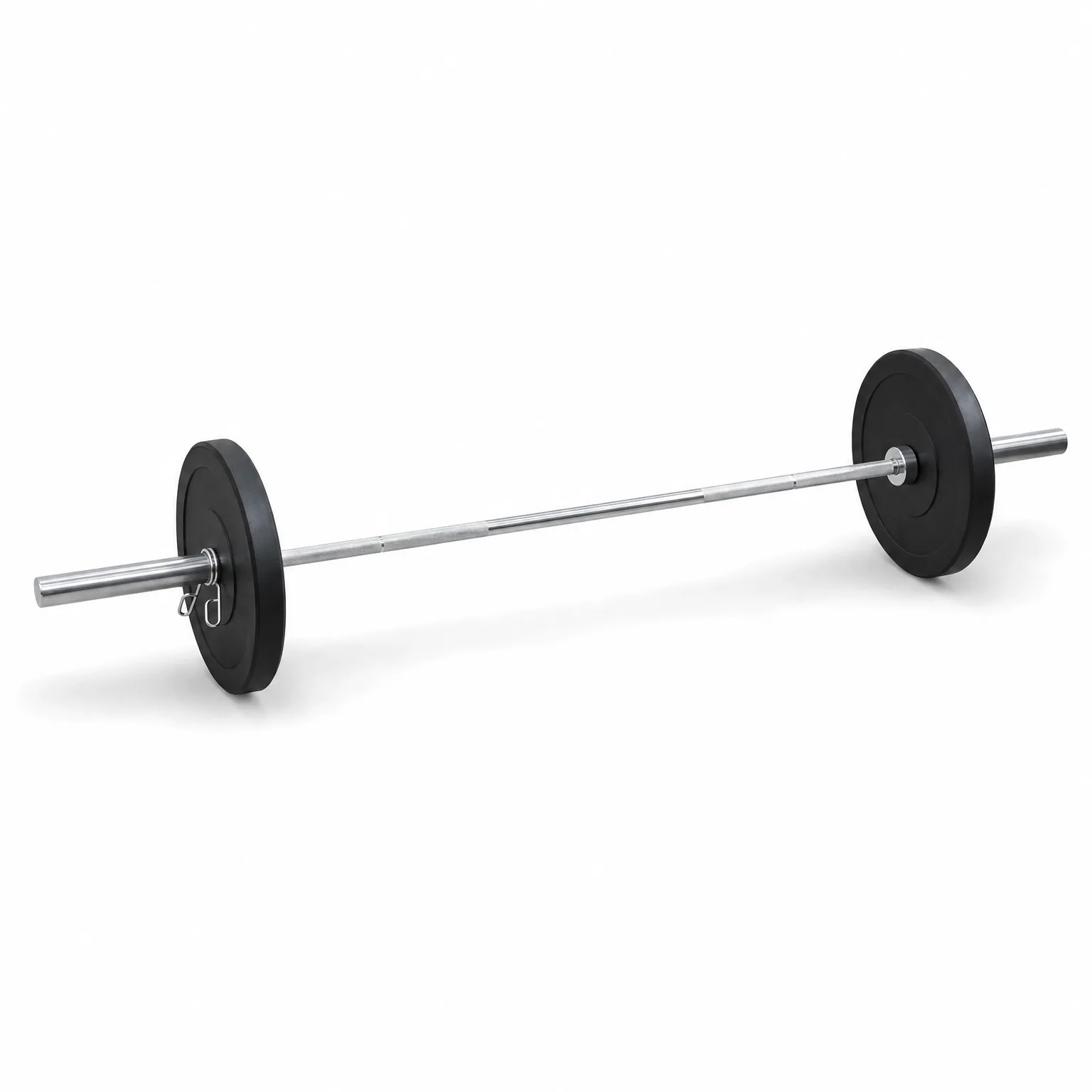
Barbell
A long steel bar loaded with plates at both ends. The standard tool for squats, deadlifts, presses and rows with heavy weight. -

Dumbbells
A pair of short handles with a weight at each end. One pair trains every major muscle group, at home or in a gym. -

Weight bench
A padded bench you lie, sit or lean on while lifting. It supports the body for presses, rows, hip thrusts and seated work. -
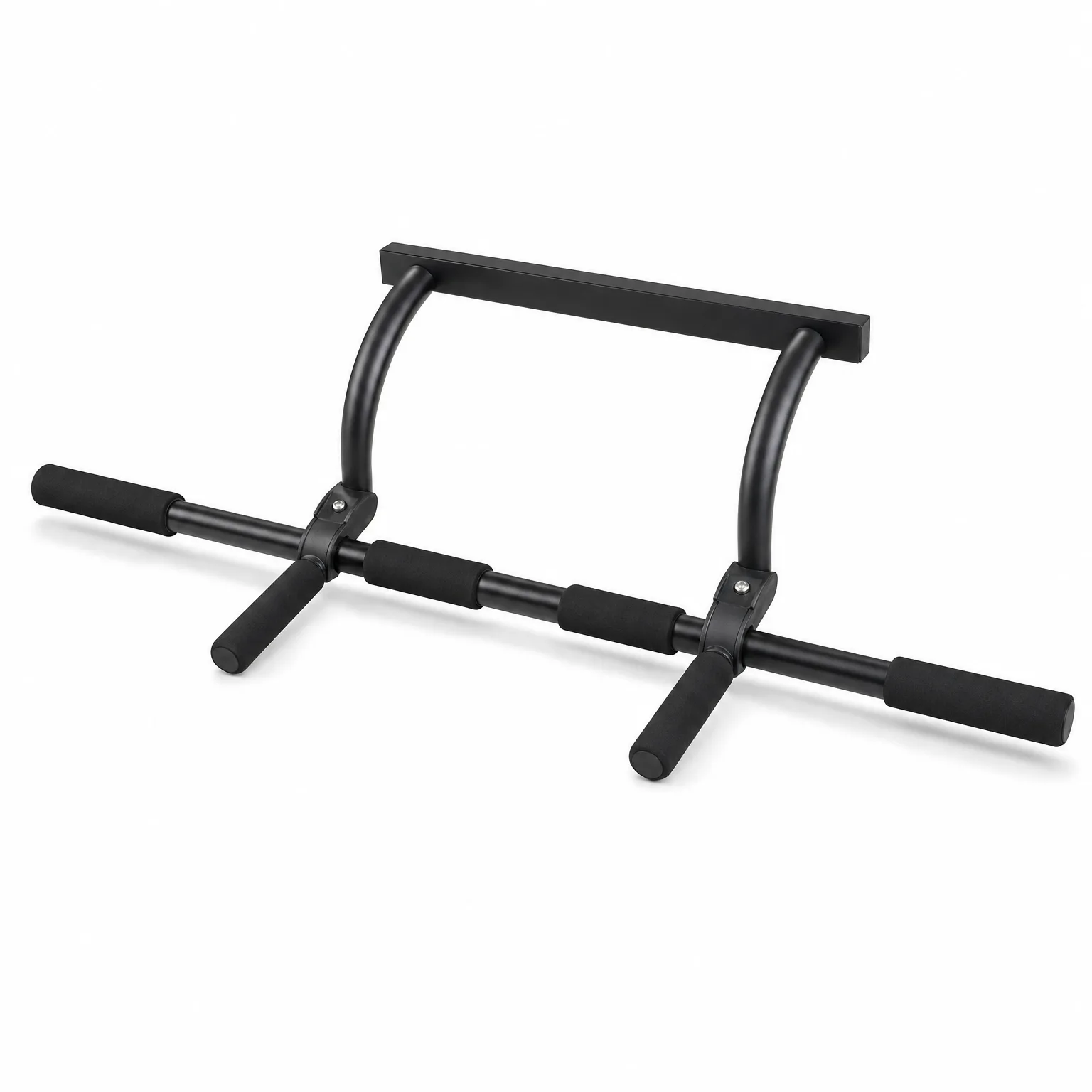
Pull-up bar
A fixed horizontal bar you hang from. Used for pull-ups, chin-ups, hangs and hanging leg raises, at home or outdoors. -
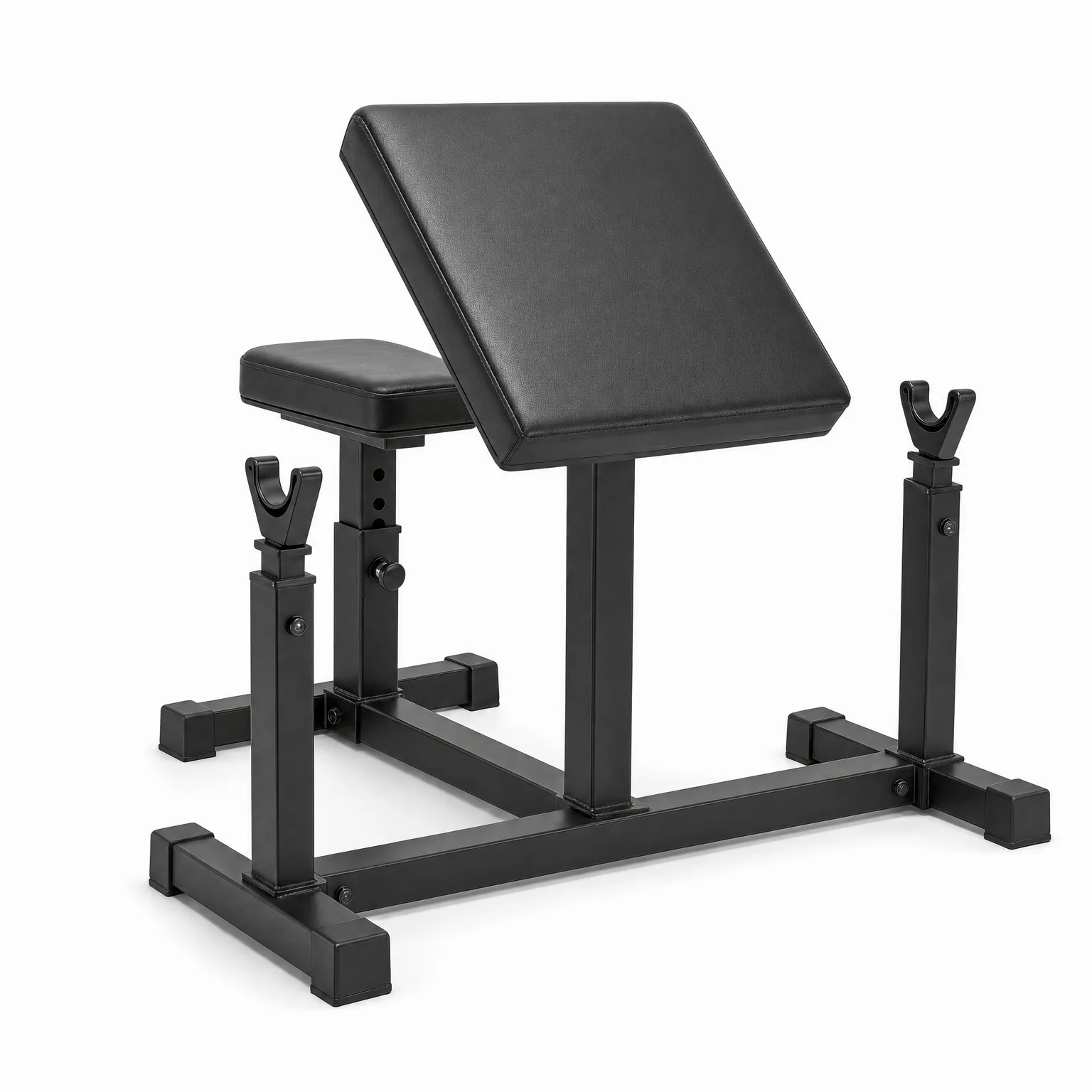
Preacher curl bench
A seat with a sloped arm pad that fixes the upper arms in front of the body, so curls are done by the biceps without swinging. -
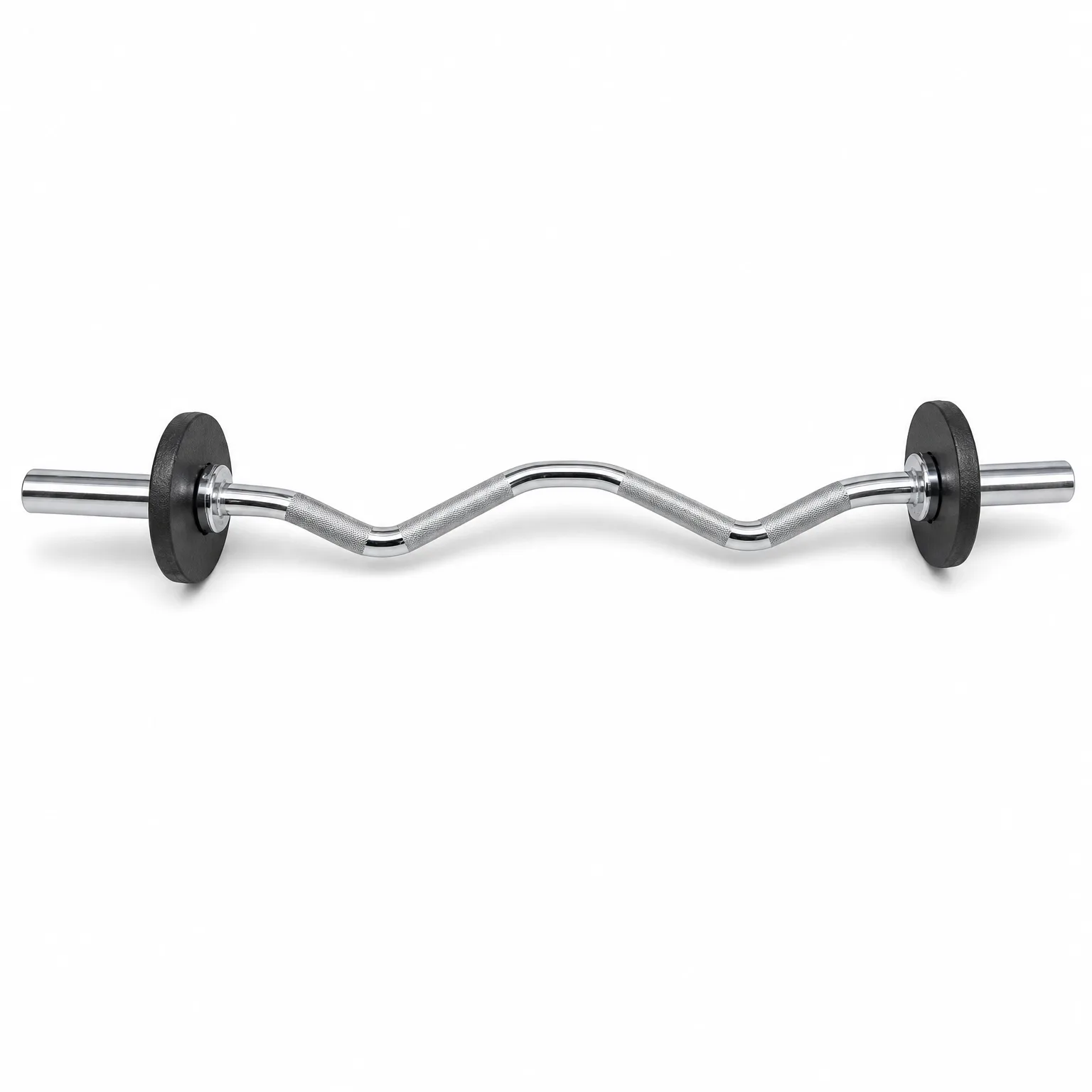
EZ curl bar
A short barbell with a zigzag grip section. The angled handles turn the wrists slightly inward for curls and triceps extensions. -
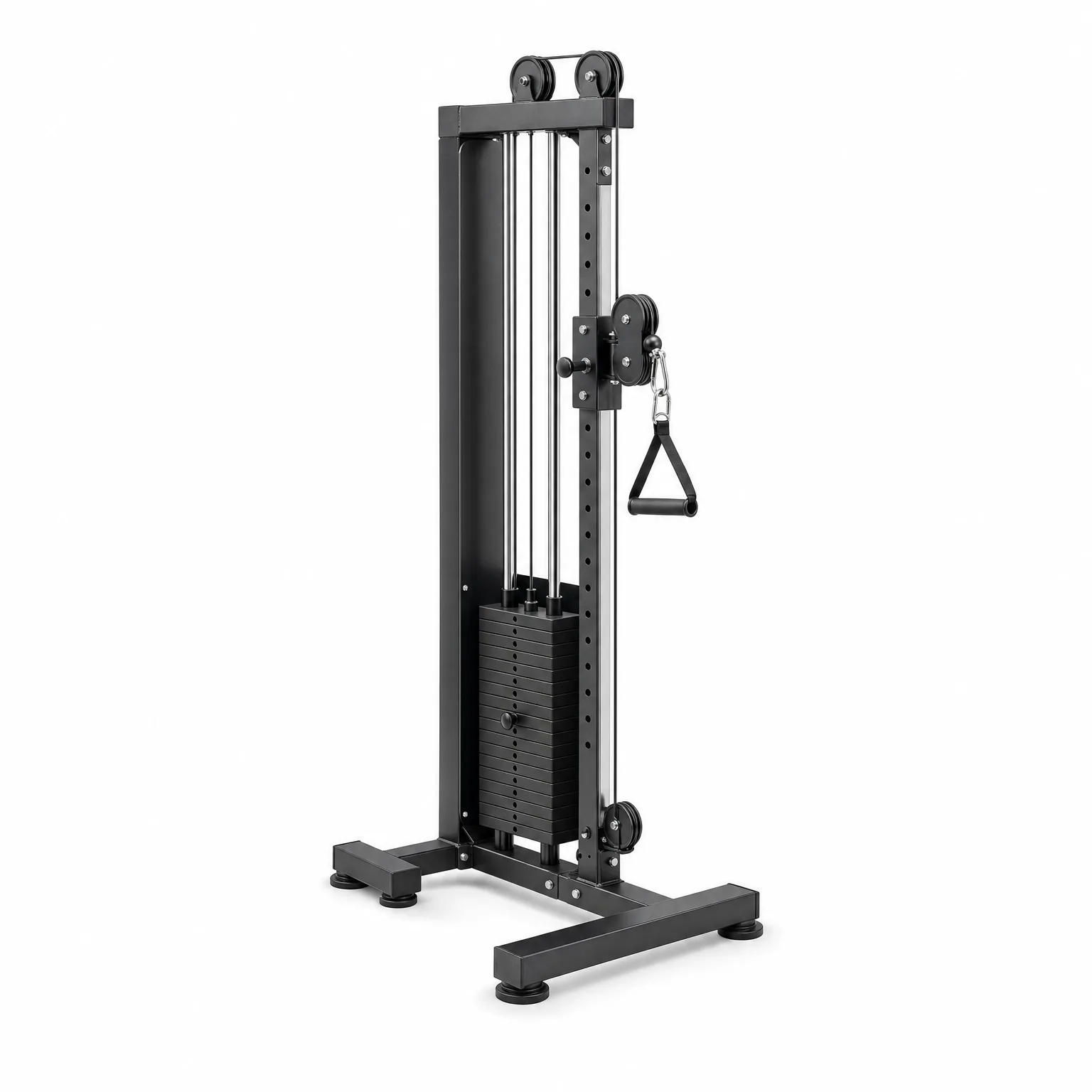
Cable machine
A weight stack on a pulley with a handle you can set at any height. It keeps tension on the muscle through the whole movement. -
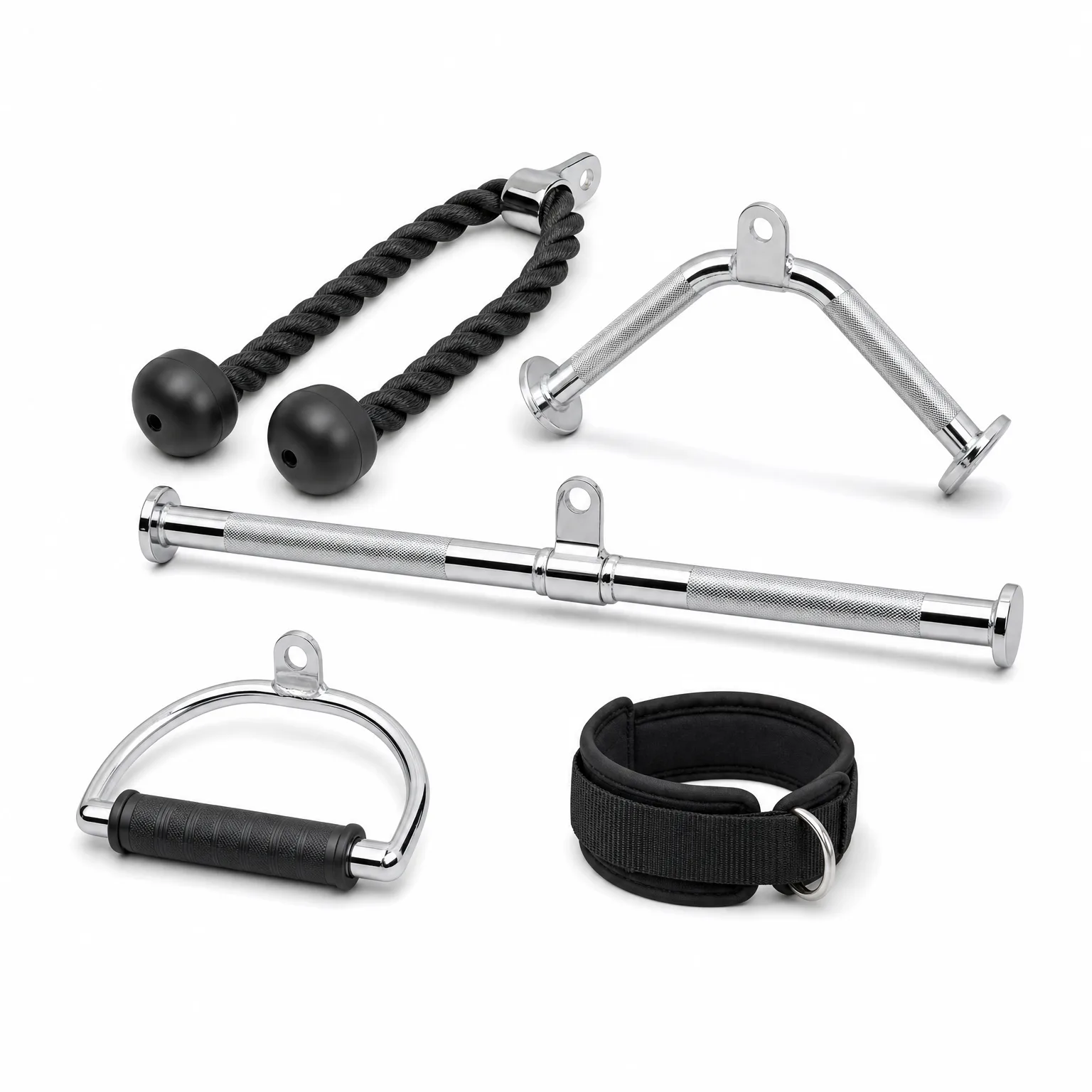
Cable attachments
The handles, bars, ropes and cuffs that clip onto a cable machine. Each one sets your grip and changes which exercises the cable can do.
Related muscles
-
Triceps
The three-headed muscle on the back of the upper arm. It straightens the elbow in presses, push-ups and dips. -
Forearms
The muscles between the elbow and the wrist. They grip, bend and straighten the wrist and fingers, and the brachioradialis helps bend the elbow. -
Lats
The widest muscle of the back, from the lower spine and pelvis to the upper arm. It pulls the arm down and back in pull-ups, pulldowns and rows. -
Front delts
The front head of the shoulder muscle. It lifts the arm forward and overhead and helps in every press, from the bench press to the overhead press.
Questions about training the biceps
What is the best exercise for biceps?
No single curl wins. Barbell, incline and preacher curls all build the biceps well. A good plan picks two or three that load different parts of the range, adds a hammer curl for the brachialis and adds weight or reps over time.
How often should I train biceps?
Two or three times a week works for most people, often at the end of back or pull sessions. Splitting the weekly curls over several days gives better quality sets than one long arm day.
Can I build biceps at home?
Yes. Chin-ups, dumbbell curls, band curls and curls with a loaded backpack all work. Once chin-ups pass 12 to 15 reps, slow the lowering phase or wear a loaded backpack to keep the sets hard.
Why do my forearms burn more than my biceps during curls?
Usually the grip is too tight, the wrist curls in, or the load is too heavy. Hold the bar firmly but without crushing it, keep the wrist straight and use a weight you can lower slowly. Palms-up grips put more of the work on the biceps.
What is the difference between the biceps and the brachialis?
The biceps sits on top, crosses both the shoulder and the elbow and also turns the palm up. The brachialis lies underneath, crosses only the elbow and bends it in any grip. Regular curls train both; hammer and reverse curls lean on the brachialis.
Write programs your clients can follow
This guide comes from OnlineFitness.app, the app online coaches run their clients in.
Free for life for the first 100 coachesNo card