EZ curl bar
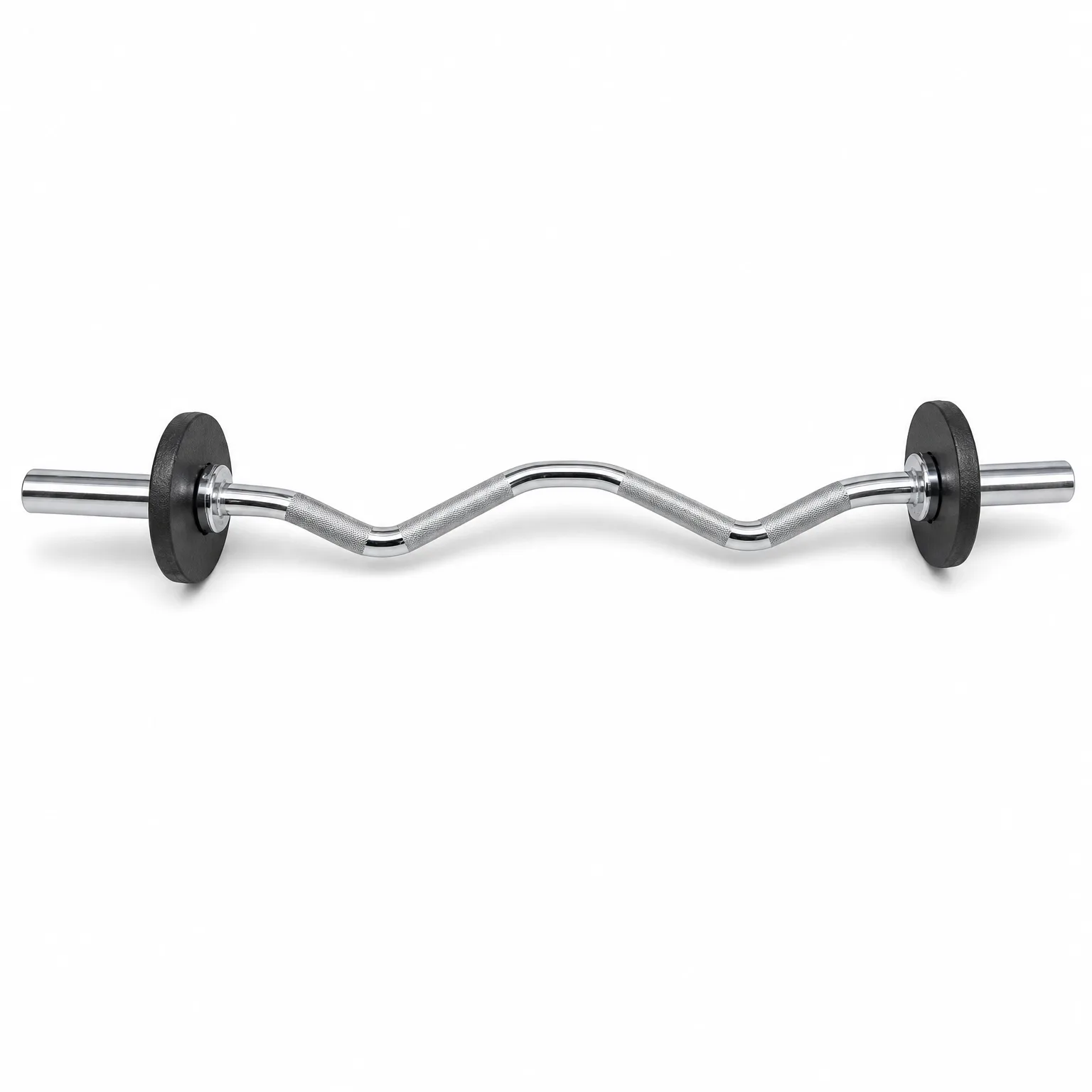
A short barbell with a zigzag grip section. The angled handles turn the wrists slightly inward for curls and triceps extensions.
In short
An EZ curl bar is a short barbell with a W-shaped bend in the middle. The bends give angled grips, so the hands sit between palms-up and palms-facing instead of fully palms-up. It is used mainly for biceps curls and triceps extensions, where many people find a straight bar awkward on the wrists and elbows.
It suits anyone who trains arms with a bar, at home or in a gym. It is shorter and lighter than a full barbell, so it also fits small spaces.
- Category
- Free weights
- Where
- Home, Gym
- Level
- Beginner and up
- Space
- Needs a corner of a room
- Typical sizes
- About 1.2 m (47 in) long; usually 5–14 kg (11–30 lb) unloaded, depending on the model
- Also called
- ez bar, curl bar, e-z bar, ez barbell, w bar, zigzag bar
Muscles it works
- Also works
- Forearms, Front delts
What it is used for
- Biceps curls with a close or wide angled grip
- Lying triceps extensions (skull crushers) and overhead extensions
- Preacher curls on a curl bench
- Reverse curls for the forearms
- Upright rows and close-grip presses
Types
Olympic EZ bar. 50 mm (2 in) rotating sleeves for Olympic plates. The gym standard, usually heavier and with a higher load rating.
Standard EZ bar. 25 mm (1 in) sleeves, often threaded with spin-lock collars. Lighter and cheaper, common in home sets.
Super curl bar. Deeper bends that bring the hands closer to a palms-facing position. Used for curls and hammer-style work.
Fixed-weight EZ bar. A bar with weights permanently attached, stored on a rack in steps of about 5 kg. Quick to grab, no loading.
How to choose
Match the sleeves to your plates
Olympic EZ bars take plates with a 50 mm hole. Standard ones take 25 mm plates. Buy the type that fits the plates you already own.
Find out what it weighs
EZ bars are not standardized. Two bars that look alike can differ by several kilograms. Weigh yours once and count it in the total.
Check the bend and knurling
Hold the bar on both the inner and outer bends. The wrists should feel neutral, and the knurling should give grip without cutting into the palm.
Check the sleeve length
Short sleeves limit how many plates fit. If you plan heavier extensions or close-grip presses, check the loadable length and the manufacturer's rating.
How to start using it
- Pick a grip. The inner bends give a closer grip and the outer bends a wider one. Hold the bar so the thumbs sit higher than the little fingers. Both grips train the biceps, so use the one that feels better on the wrists and elbows.
- Curl with still elbows. Stand tall with the elbows by the ribs. Curl the bar up without letting the elbows drift forward, then lower it for about two seconds until the arms are straight.
- Set up skull crushers. Lie on a bench, press the bar over the chest with the inner grip, then bend only the elbows to lower it toward the forehead or just behind the head. Start light. The bar is over your face.
- Use collars. The bar tilts easily during curls and extensions. Lock the plates on both sides before every set.
Common mistakes
Swinging the curl
Leaning back and heaving the bar up uses the hips and lower back instead of the biceps. Reduce the weight and keep the torso still.
Flaring the elbows in extensions
Letting the elbows spread wide in skull crushers turns the exercise into a press. Keep them pointing at the ceiling and roughly shoulder-width apart.
Stopping short at the bottom
Half curls keep the heaviest part of the range out of the set. Lower until the arms are straight on every rep.
Not counting the bar
Because EZ bars vary in weight, the same plates on a different bar are a different load. Log the bar and the plates together.
What to use instead
Dumbbells replace every EZ bar exercise and let each wrist find its own angle. A straight barbell works for curls and close-grip presses if your wrists are comfortable with it. In a gym, a cable machine with an angled bar or rope covers curls and pushdowns. At home without weights, a resistance band anchored under the feet or in a door does the same job with lighter resistance.
-

Dumbbells
A pair of short handles with a weight at each end. One pair trains every major muscle group, at home or in a gym. -

Barbell
A long steel bar loaded with plates at both ends. The standard tool for squats, deadlifts, presses and rows with heavy weight. -
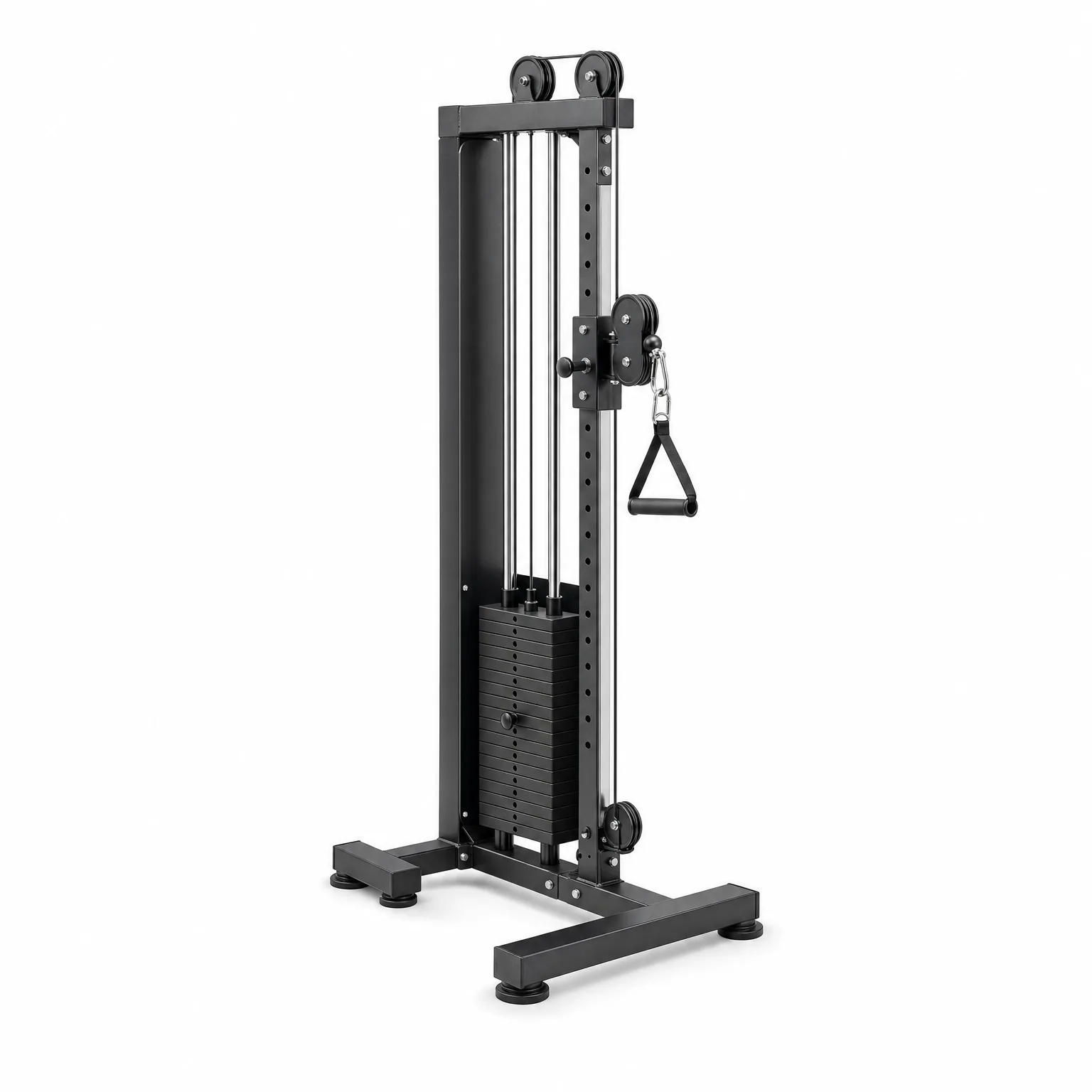
Cable machine
A weight stack on a pulley with a handle you can set at any height. It keeps tension on the muscle through the whole movement. -
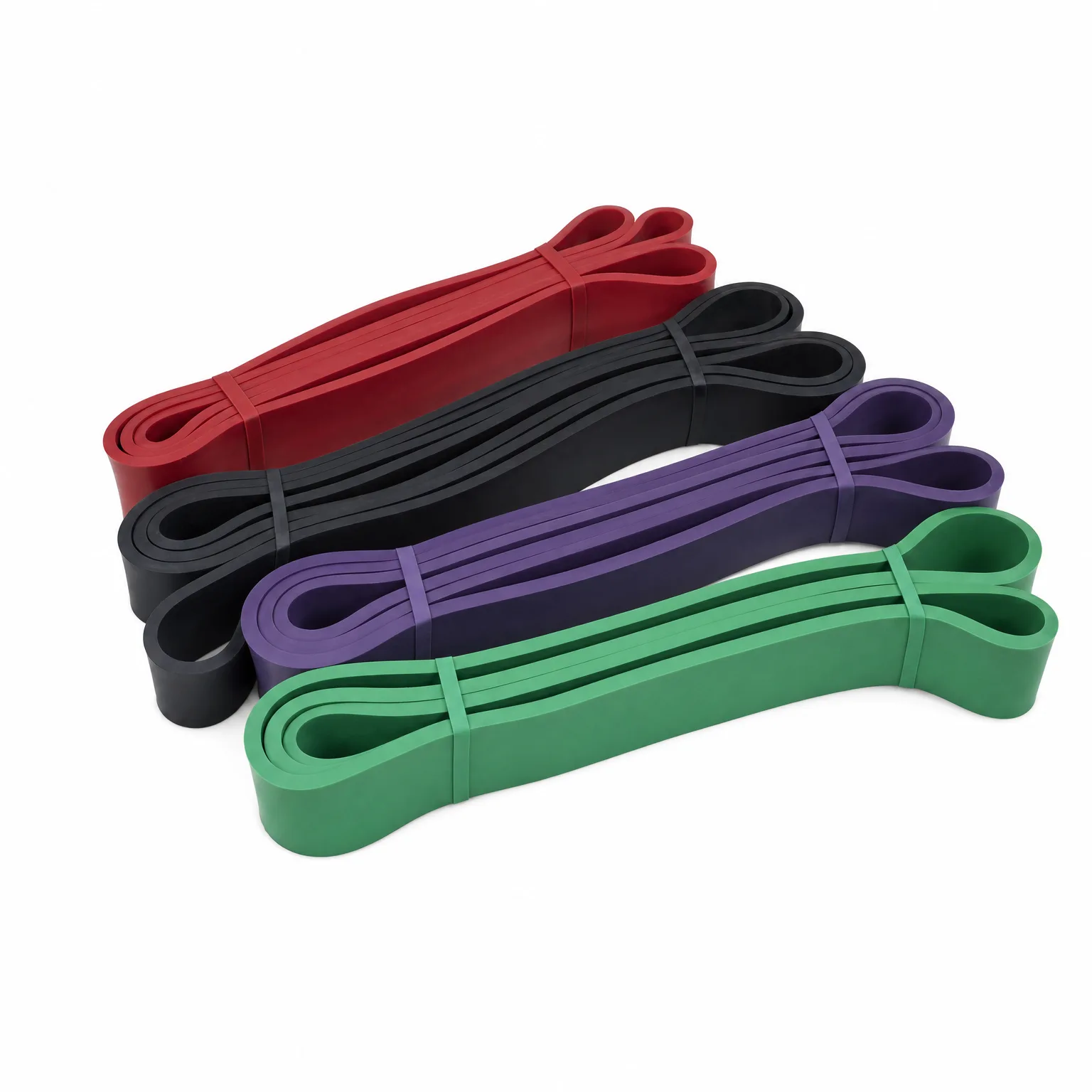
Resistance bands
Long closed loops of thick rubber. They add resistance to rows, presses and squats, or take weight off in pull-ups and dips.
Often used with
Questions about ez curl bar
How much does an EZ curl bar weigh?
There is no single standard. Olympic EZ bars usually weigh somewhere between 7 and 14 kg (15–30 lb), and standard 1‑inch ones about 5–7 kg (11–15 lb). Check the manufacturer's listing or weigh the bar yourself.
EZ bar or straight bar for curls?
Both train the biceps well. The straight bar keeps the palms fully turned up. The EZ bar turns the wrists slightly inward, which many people find more comfortable, and may shift a little work to the other elbow flexors. Choose the one you can curl through a full range without wrist discomfort.
What exercises can you do with an EZ bar?
Biceps curls, preacher curls, reverse curls, skull crushers, overhead triceps extensions, close-grip presses and upright rows. It can also be used for bent-over rows and light front squats, though a straight bar suits those better.
Which grip should I use on an EZ bar?
For curls, the outer bends give a shoulder-width grip and the inner bends a narrow one. For skull crushers and overhead extensions most people use the inner bends. Try both and keep the one where the wrists stay straight.
Build programs around what your client has
This guide comes from OnlineFitness.app, the app online coaches run their clients in.
Free for life for the first 100 coachesNo card