Cable machine
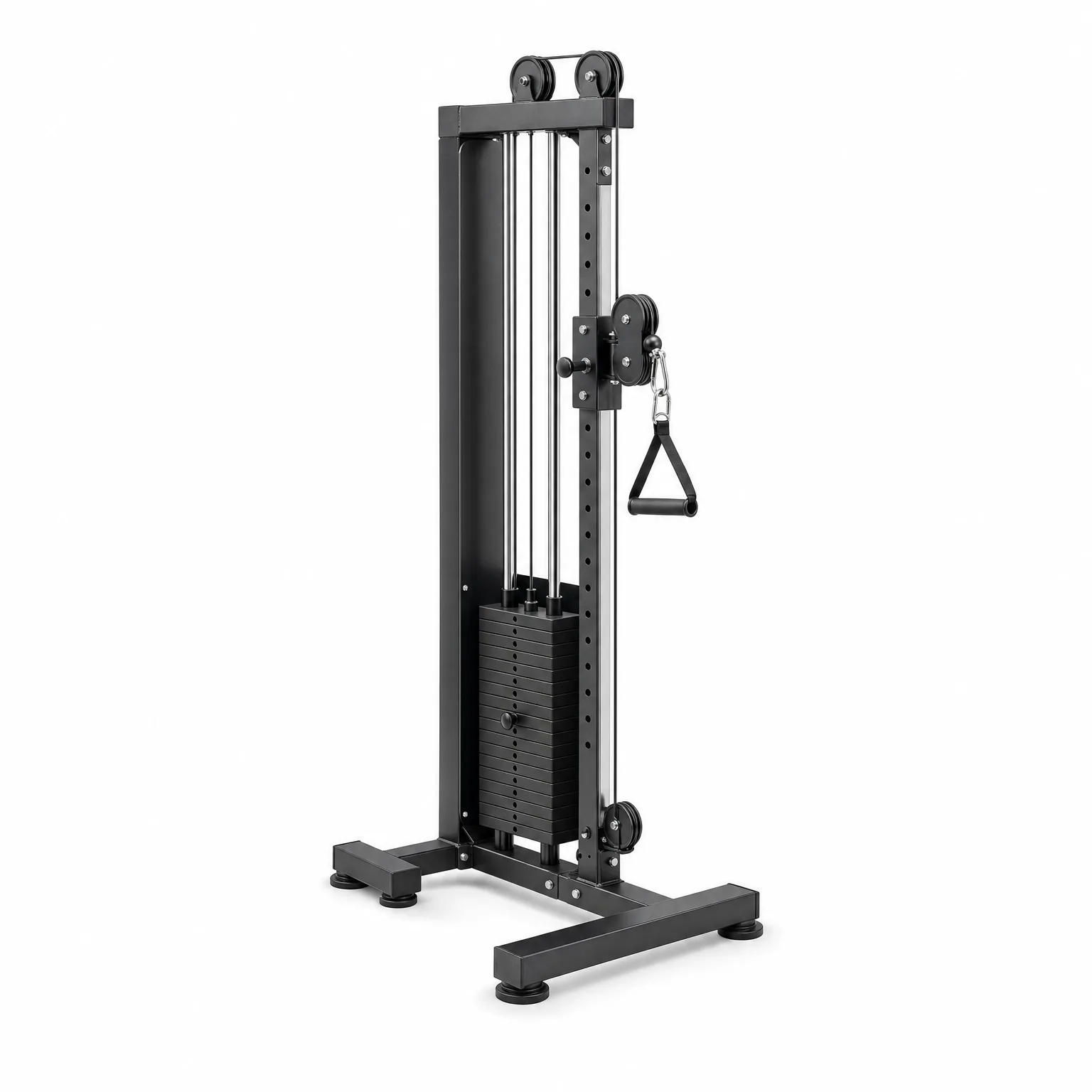
A weight stack on a pulley with a handle you can set at any height. It keeps tension on the muscle through the whole movement.
In short
A cable machine is a weight stack connected to a handle by a cable and an adjustable pulley. You set the pulley high, low or anywhere between, clip on a handle and pull or push in almost any direction. Unlike a free weight, the cable pulls along its own line, so the muscle stays loaded from the start of the rep to the end.
It suits every level. Beginners get a smooth, easy-to-adjust load. Experienced lifters use it for flyes, pushdowns, face pulls, rows and rotation work that are awkward with dumbbells.
- Category
- Gym machines
- Where
- Gym, Home
- Level
- Beginner and up
- Space
- Needs a dedicated area
- Typical sizes
- Stacks are often 60–135 kg (130–300 lb) per column; many dual-pulley units use a 2:1 ratio, so the handle feels like half the number
- Also called
- cable tower, cable pulley machine, cable station, cable column, pulley machine, cables
Muscles it works
- Also works
- Abs, Obliques, Glutes, Side delts, Front delts
What it is used for
- Triceps pushdowns, curls and face pulls with the pulley set high or low
- Chest flyes and crossovers from two columns
- Rows and straight-arm pulldowns for the back
- Chops, lifts and anti-rotation presses for the trunk
- Kickbacks, pull-throughs and hip abduction with an ankle cuff
Types
Single column. One adjustable pulley on one stack. Covers all one-handle exercises: pushdowns, curls, rows, face pulls, single-arm flyes.
Functional trainer. Two columns close together in one frame, each with its own stack, often with a pull-up bar on top. Common in home gyms and small studios.
Cable crossover. Two columns set wide apart and joined by a top beam. The gap lets you stand between them for crossovers and two-arm flyes.
Plate-loaded pulley. A pulley on a rack or wall that lifts weight plates on a carriage instead of a stack. Cheaper, slower to change load.
How to choose
Match the pulley height to the exercise
Set the pulley so the cable runs in line with the movement. High for pushdowns and pulldowns, at chest height for presses and rows, low for curls, upright pulls and pull-throughs. If the cable rubs your arm or body, the height is wrong.
Pick the attachment
A rope suits pushdowns and face pulls, a single D-handle suits one-arm work and flyes, a straight or angled bar suits curls and two-hand pushdowns, an ankle cuff suits leg work. Check the clip is fully closed after changing it.
Check the pulley ratio
The same number on two machines can feel very different. A 2:1 pulley halves the felt load and doubles cable travel. On an unfamiliar machine, start low and find your weight again instead of copying the number from last time.
Single or dual column
One column is enough for most arm, back and trunk exercises. You need two for crossovers and for two-handed presses and flyes with a handle in each hand.
How to start using it
- Set the pulley, then the pin. Slide the carriage to the height you need and make sure the pin has clicked into a hole. Push the weight pin all the way through the stack. Start with a light plate or two for a new exercise.
- Step away to take up the slack. Hold the handle and step back or sideways until the selected plates lift a few centimeters off the stack. That is your start position. The plates should not touch down between reps.
- Brace and stand firm. A cable pulls you toward the machine. Use a split or shoulder-width stance, keep the ribs down and the trunk still, and let only the working joints move.
- Move at an even pace. Pull or push in about one second, pause briefly, and return in about two seconds. The stack should rise and fall quietly. If it slams, the load is too heavy or the return is too fast.
Common mistakes
Standing too close
If the plates rest on the stack at the start of each rep, the muscle is unloaded for part of the range. Step away until the stack stays lifted throughout the set.
Using body weight to move the stack
Leaning and rocking to finish a pushdown or a row turns the exercise into a whole-body heave. Lower the load until the trunk stays still.
Wrong pulley height
A pulley set too high or too low changes the line of pull and often moves the work to another muscle. Adjust it for each exercise instead of leaving it where the last person had it.
Letting the stack drop
Releasing the handle fast lets the plates crash and jerks the cable. Return every rep under control and set the handle down only when the plates are resting.
What to use instead
Resistance bands or a tube band with handles, anchored to a door or a post, copy most cable exercises: pushdowns, face pulls, rows, flyes and chops. The difference is that band tension rises as it stretches, while a cable stays constant. A suspension trainer covers rows, flyes and triceps work with your body weight. Dumbbells replace curls, flyes and one-arm rows.
-
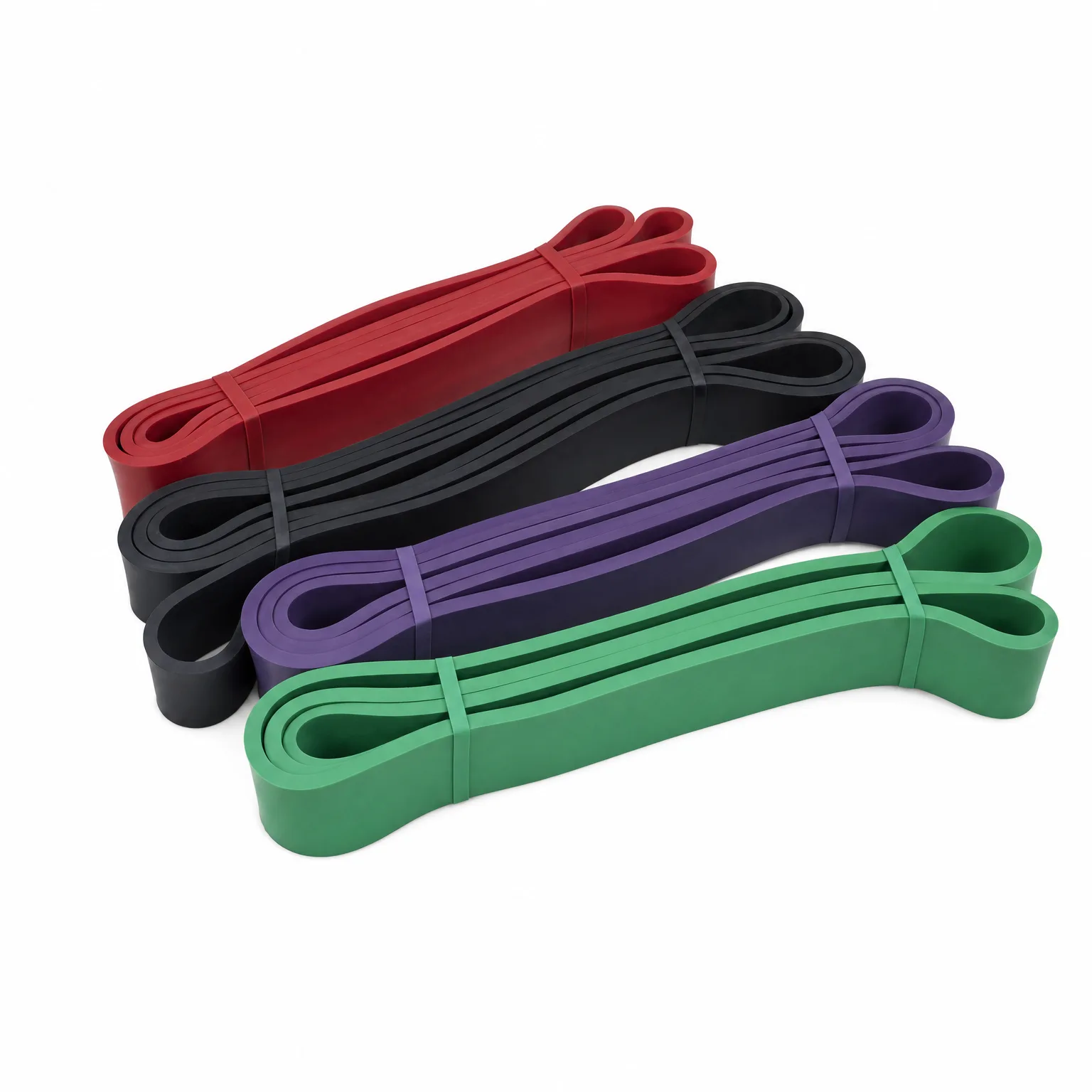
Resistance bands
Long closed loops of thick rubber. They add resistance to rows, presses and squats, or take weight off in pull-ups and dips. -
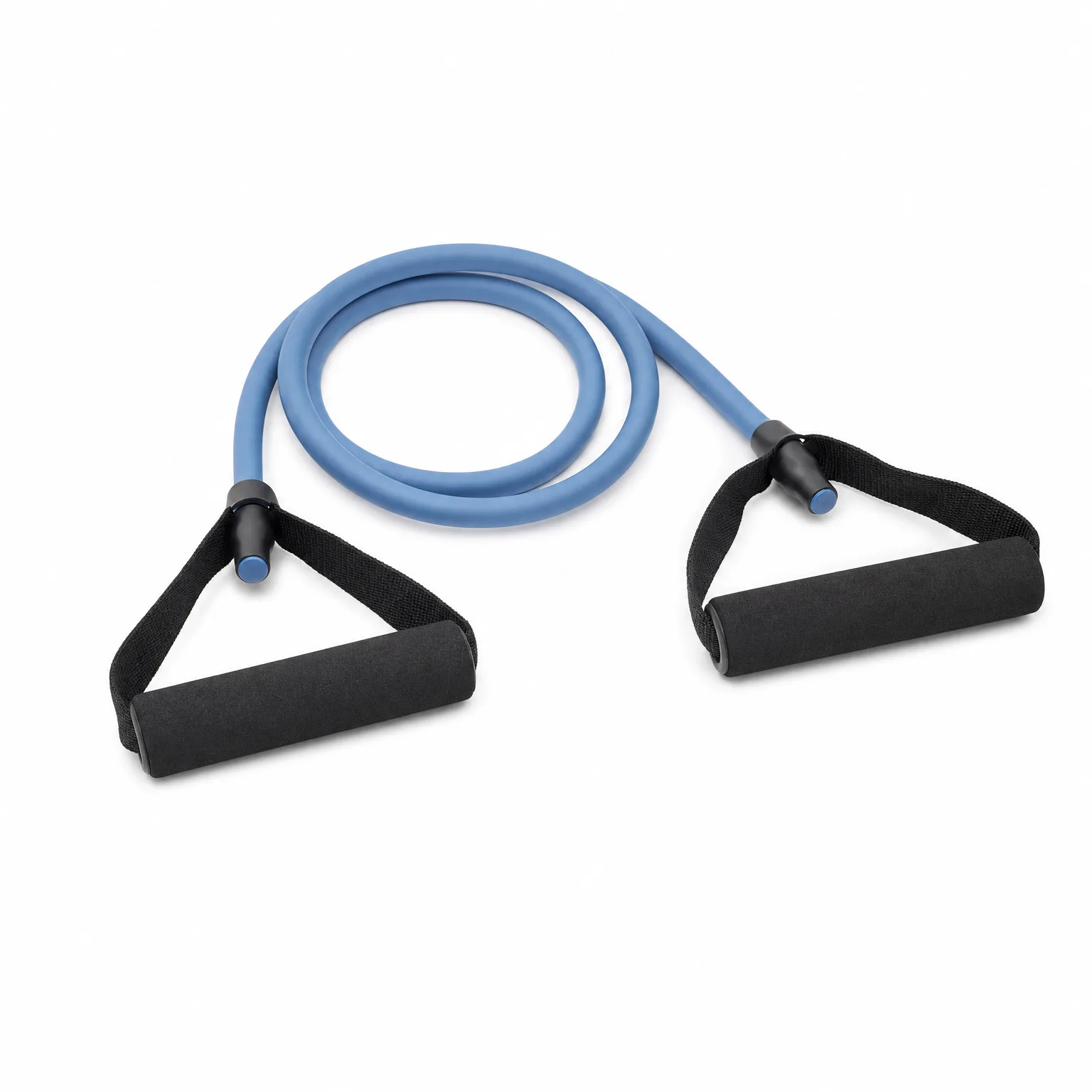
Resistance tubes with handles
Elastic tubes with a handle at each end, often with a door anchor. A portable way to do rows, presses, curls and pulldowns. -
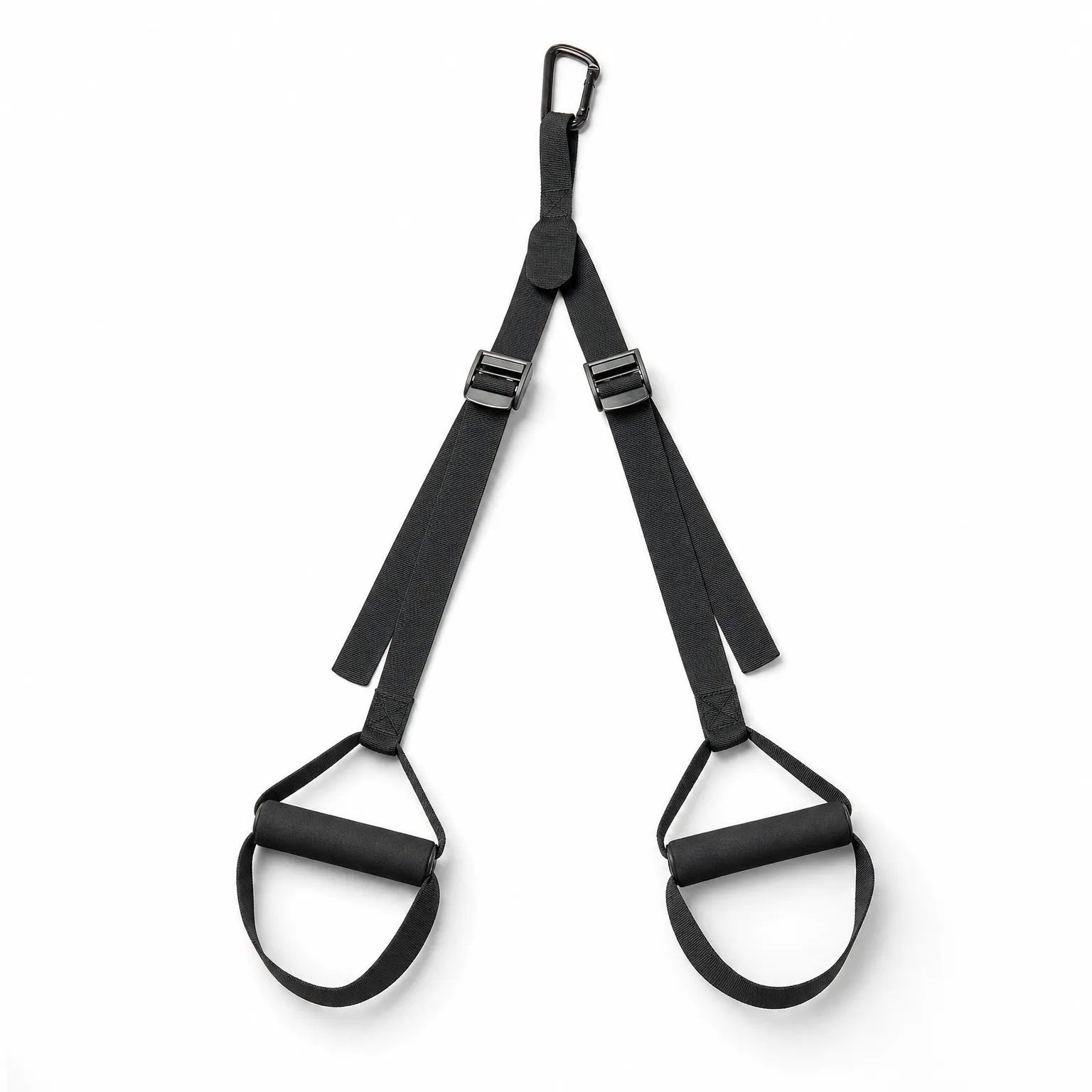
Suspension trainer
Two adjustable straps with handles, hung from one anchor point. You lean or hang on them and use your own body weight as the load. -

Dumbbells
A pair of short handles with a weight at each end. One pair trains every major muscle group, at home or in a gym.
Often used with
-
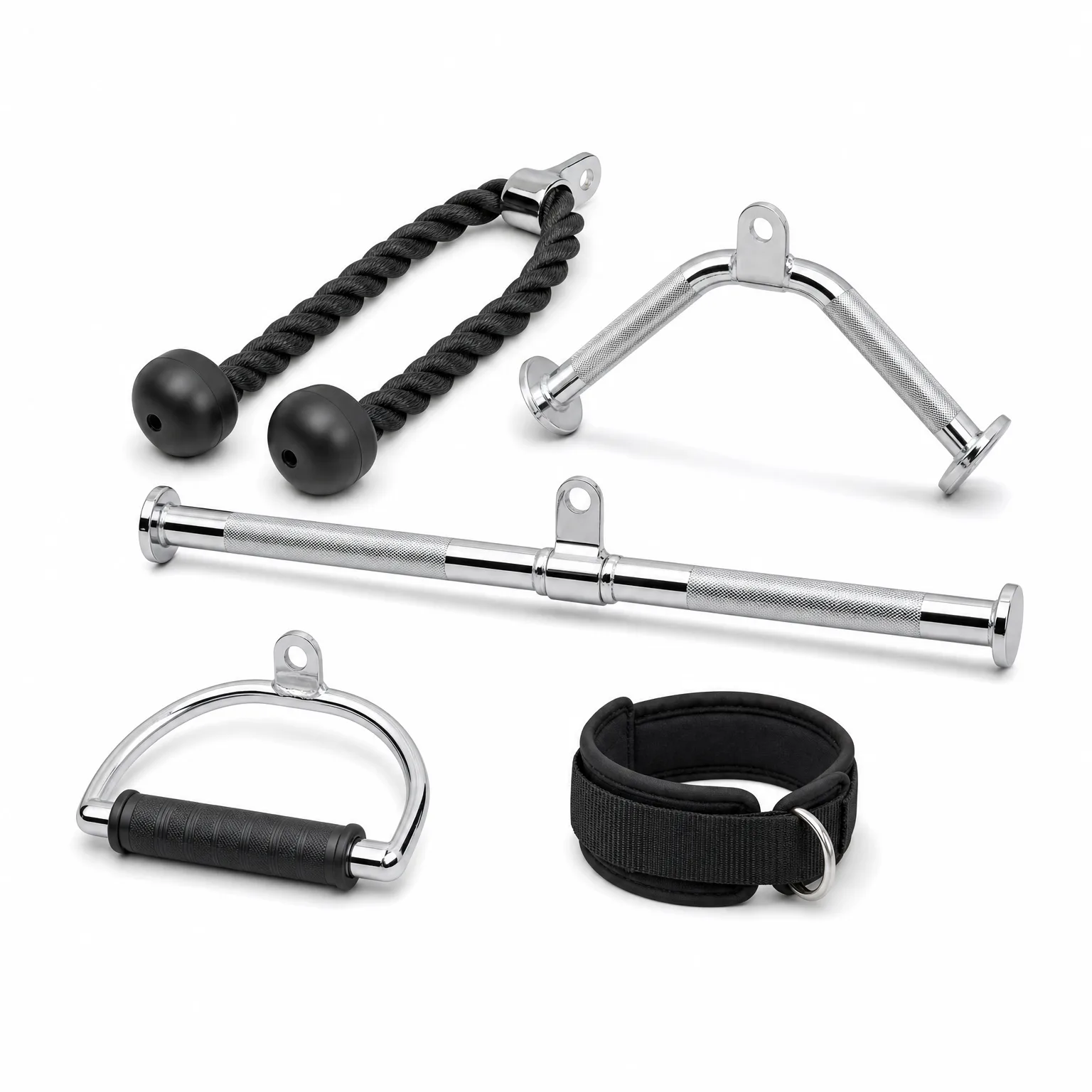
Cable attachments
The handles, bars, ropes and cuffs that clip onto a cable machine. Each one sets your grip and changes which exercises the cable can do. -

Weight bench
A padded bench you lie, sit or lean on while lifting. It supports the body for presses, rows, hip thrusts and seated work. -
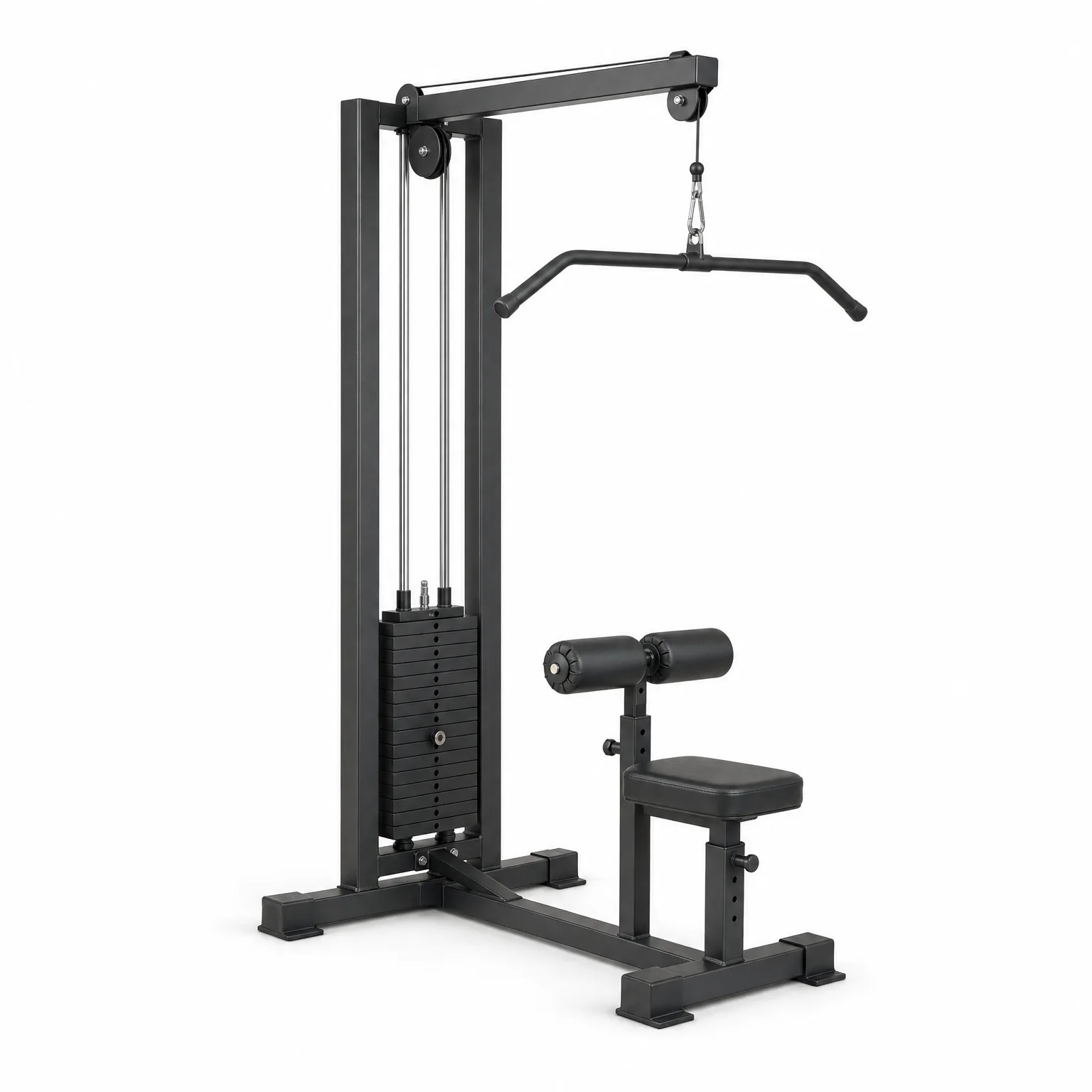
Lat pulldown machine
A seat with thigh pads under a high pulley and a wide bar. You pull the bar to your chest to train the lats and upper back. -
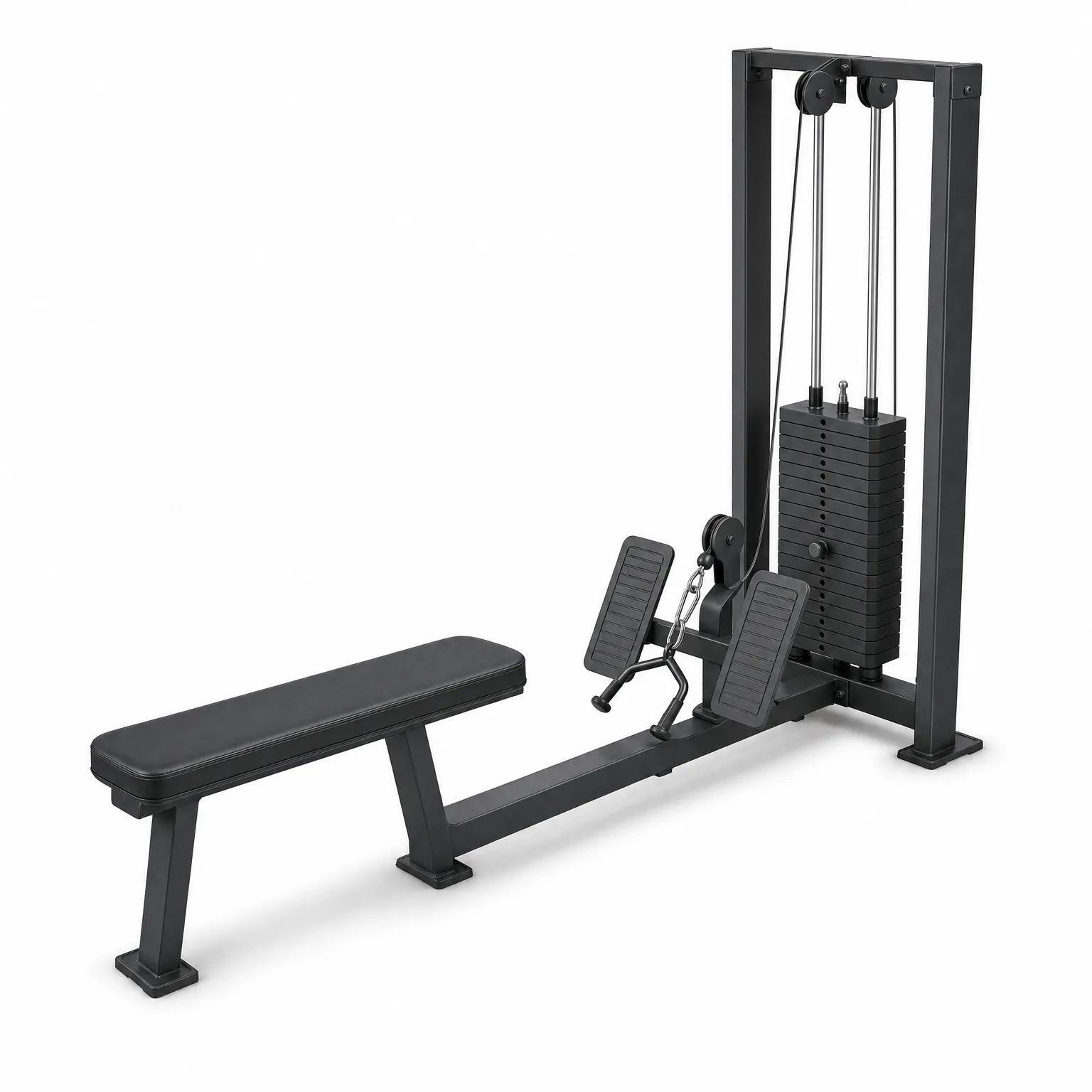
Seated row machine
A seat facing a low cable or a pair of lever arms. You pull the handles to your torso to train the mid back and lats.
Questions about cable machine
Is a cable machine good for beginners?
Yes. The load changes in small steps with a pin, the cable keeps the pull in one direction, and you can end a rep at any point by letting the stack down under control. Start with simple exercises such as pushdowns, rows and face pulls and learn to keep the trunk still.
Cable machine vs free weights: which is better?
They do different jobs. Free weights load you straight down and reward balance and coordination. Cables load you along the line of the cable, so tension stays on the muscle where a dumbbell would go slack, for example at the top of a fly. Many programs use heavy free-weight or machine lifts first and cables for the lighter work after.
What is the difference between a functional trainer and a cable crossover?
Both have two adjustable pulleys. A functional trainer has the columns close together in a compact frame, which suits home gyms. A crossover has the columns wide apart with space to stand between them, which gives a longer path for flyes and crossovers.
Why does the same weight feel lighter on another cable machine?
Pulley ratios differ. On a 1:1 machine you lift the full selected weight. On a 2:1 machine you lift about half of it over twice the cable travel. Friction and plate size also vary by manufacturer, so treat the numbers as specific to each machine.
Build programs around what your client has
This guide comes from OnlineFitness.app, the app online coaches run their clients in.
Free for life for the first 100 coachesNo card