Seated row machine
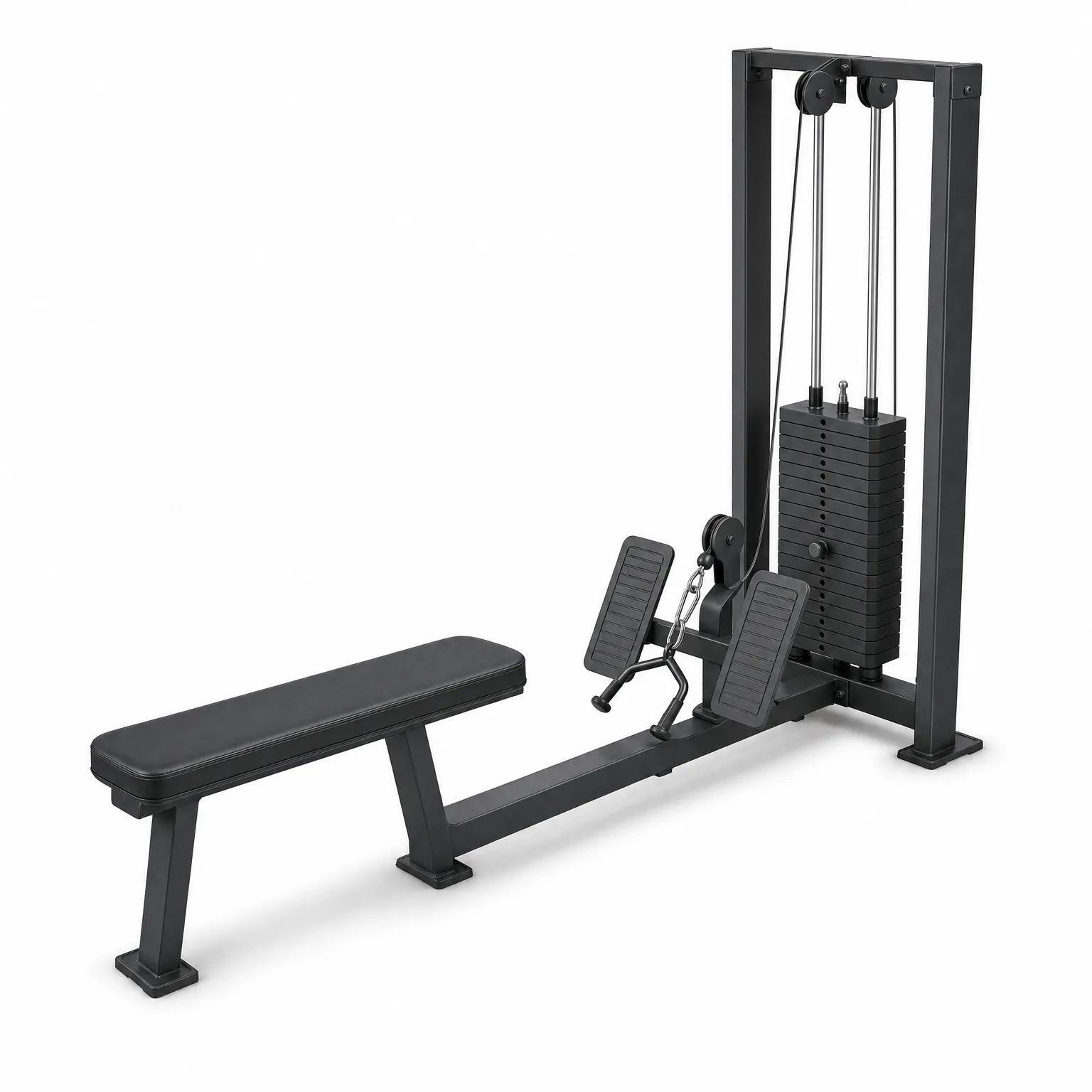
A seat facing a low cable or a pair of lever arms. You pull the handles to your torso to train the mid back and lats.
In short
A seated row machine lets you sit upright and pull a handle or a pair of handles toward your torso against a weight stack or plates. It trains the muscles that pull the shoulder blades together and the arms back: the mid back, lats, traps and rear shoulders, with the biceps helping.
It comes in two main forms: a low cable with a footplate, and a lever machine with a chest pad. Both suit beginners, because the load is easy to adjust and the body is supported. It is a different machine from the cardio rowing machine.
- Category
- Gym machines
- Where
- Gym
- Level
- Beginner and up
- Space
- Needs a dedicated area
- Typical sizes
- Stacks are commonly 70–135 kg (150–300 lb); a cable row station is about 2–2.4 m (6.5–8 ft) long
- Also called
- seated cable row, seated row, low row machine, cable row machine, chest supported row machine, horizontal row machine
What it is used for
- Two-hand rows with a close neutral handle for the mid back and lats
- Wide-grip rows with a bar for the upper back and rear shoulders
- One-arm rows to work each side separately
- Balancing a program that has a lot of pressing
Types
Seated cable row. A bench, a footplate and a low pulley. You hold the torso upright yourself. Takes any clip-on handle.
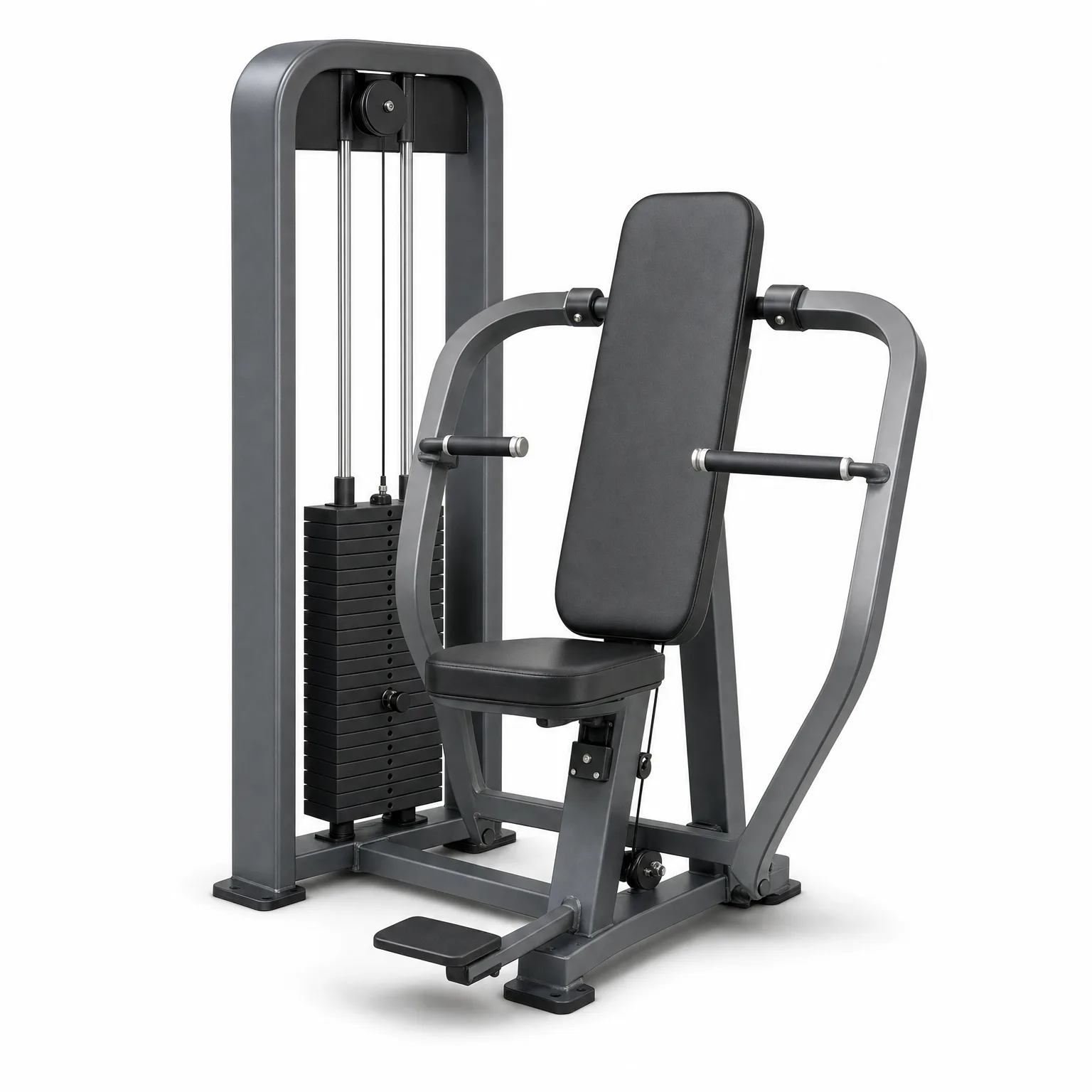
Chest-supported lever row. A seat and chest pad with handles on pivoting arms, with a stack or plates. The pad stops you leaning back to cheat.
Independent-arm row. Each handle moves on its own arm, so the stronger side cannot take over. Good for one-arm rows.
Low pulley on a combo unit. The low row shares a stack with a lat pulldown. Works the same way with a shorter bench.
How to choose
Set the seat height on a lever machine
Adjust the seat so the chest pad sits on the breastbone and the handles are level with the lower chest or upper stomach. When you pull, the forearms should travel roughly parallel to the floor.
Set the chest pad distance
Move the pad so that with the arms straight you can just reach the handles with the shoulder blades stretched forward and the weight slightly lifted. If you cannot reach, the pad is too far back. If the stack rests at full reach, it is too close.
Pick a handle
A close neutral handle is the usual start and lets the elbows stay near the body, which favors the lats. A wide bar with elbows out shifts work to the upper back and rear shoulders. Many lever machines offer both grips on the same arm.
Choose a starting load
Pick a weight you can row for 10–12 reps with a one-second pause at the body and no backward swing. If you cannot hold the pause, it is too heavy.
How to start using it
- Take the start position. On a cable row, put the feet on the plate with the knees slightly bent, grip the handle and sit tall with the arms straight. On a lever machine, press the chest to the pad and reach for the handles.
- Start with the shoulder blades. Begin each rep by drawing the shoulder blades back, then bend the elbows. Keep the shoulders down, away from the ears.
- Pull to the torso. Bring the handle to the lower ribs or upper stomach with the elbows moving past the body. Keep the chest lifted and the torso close to vertical. Pause for a moment.
- Reach forward under control. Let the arms straighten in about two seconds and allow the shoulder blades to spread apart at the end. On a cable row, the stretch comes from the shoulders, not from rounding the lower back.
Common mistakes
Rocking back and forth
Leaning far forward and throwing the torso back moves the load with the hips and lower back. A small lean is fine. If it grows through the set, reduce the weight.
Shrugging the shoulders
Pulling with the shoulders up by the ears shifts work to the upper traps and neck. Keep them low and think of the elbows going back, not up.
Short reps
Stopping before the handle reaches the body and before the arms straighten leaves out both ends of the range. Use a load you can move the full distance.
Rounding the lower back on a cable row
Slumping forward to reach the handle or to get a deeper stretch bends the spine under load. Sit tall, hinge slightly from the hips if needed, and keep the knees a little bent.
What to use instead
A cable machine with the pulley at chest height works for seated or standing rows. One-arm dumbbell rows with a hand on a bench train the same muscles. A suspension trainer gives body-weight rows at any difficulty by changing the body angle. At home, a resistance band looped around the feet or a solid anchor covers the movement.
-
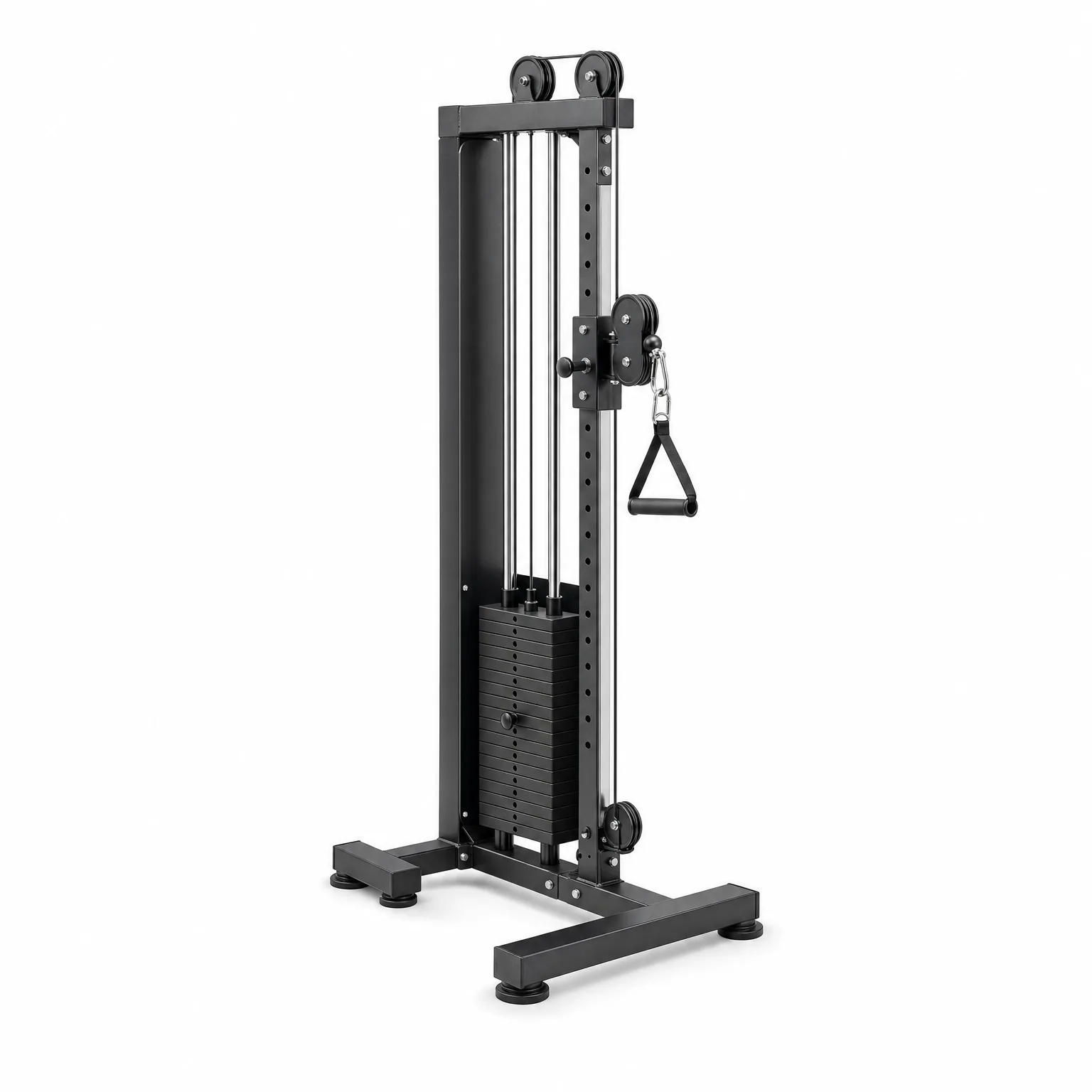
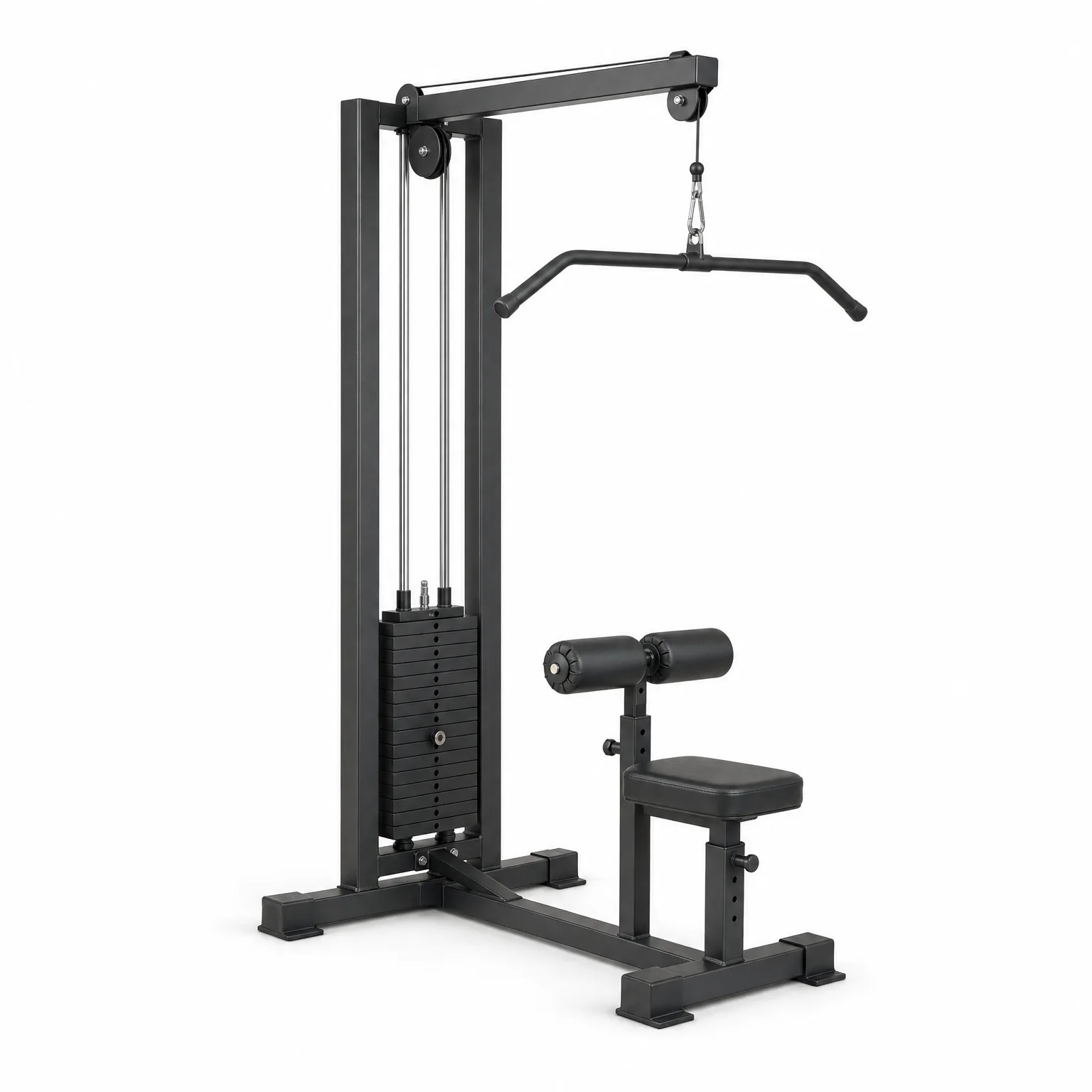
Cable machine
A weight stack on a pulley with a handle you can set at any height. It keeps tension on the muscle through the whole movement. -

Dumbbells
A pair of short handles with a weight at each end. One pair trains every major muscle group, at home or in a gym. -
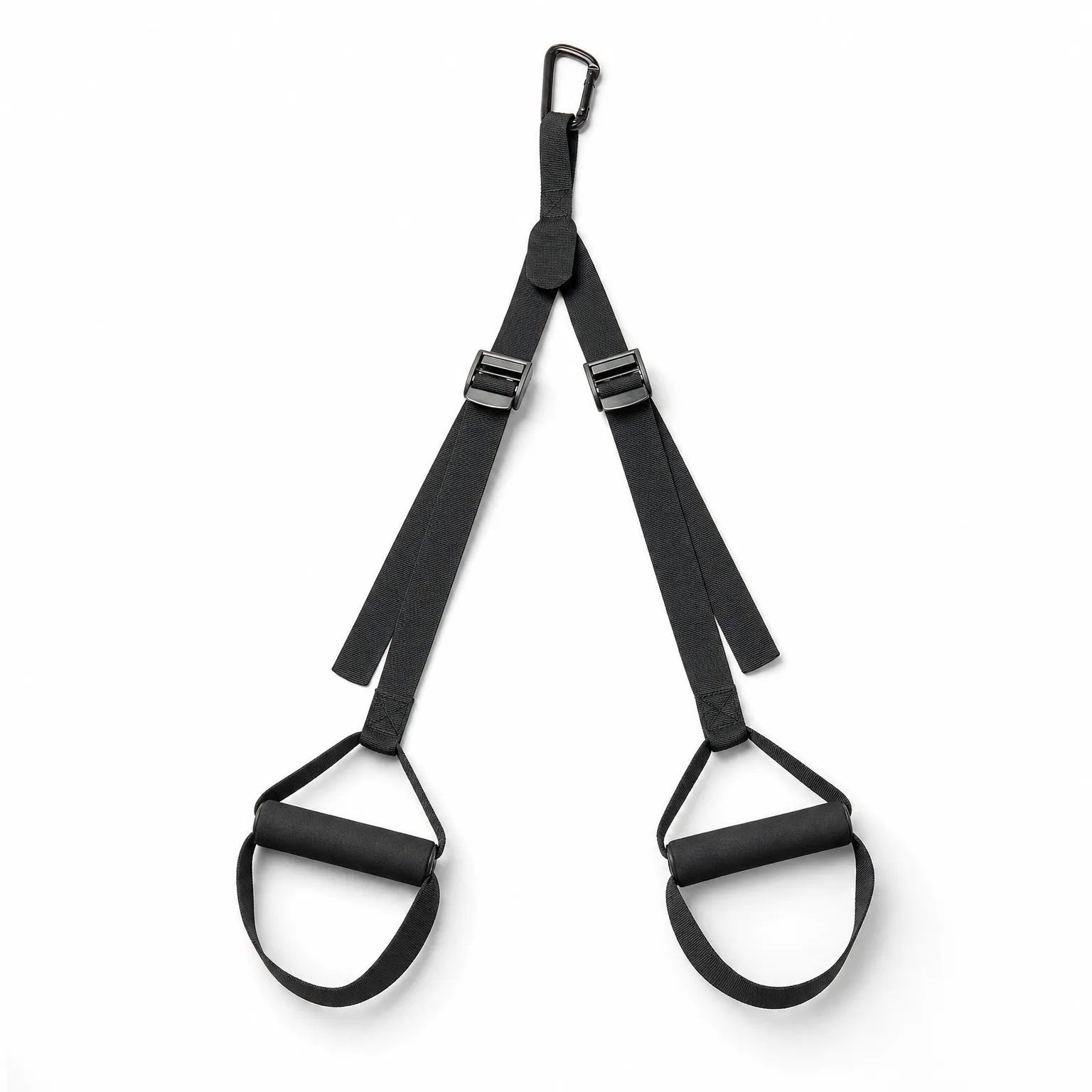
Suspension trainer
Two adjustable straps with handles, hung from one anchor point. You lean or hang on them and use your own body weight as the load. -
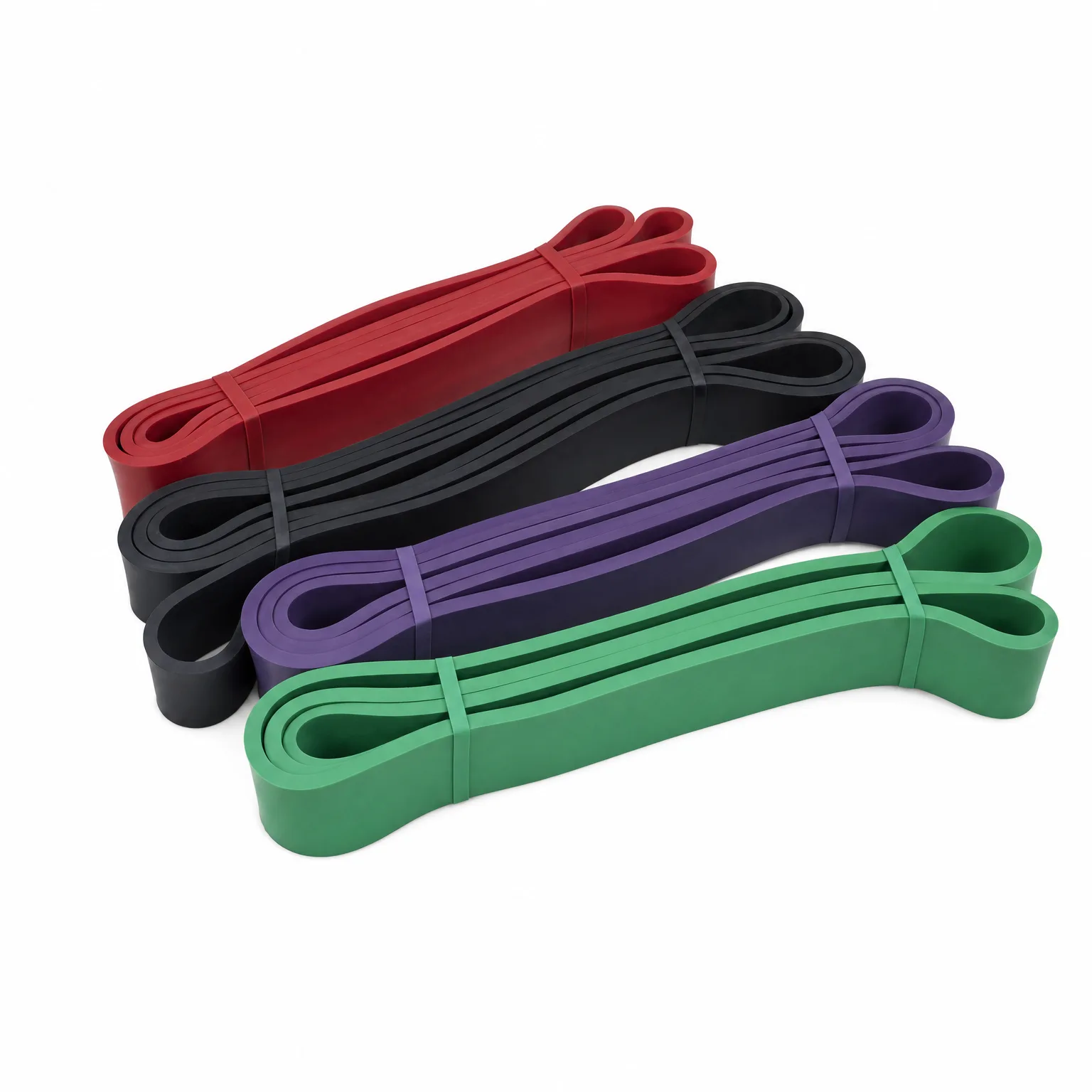
Resistance bands
Long closed loops of thick rubber. They add resistance to rows, presses and squats, or take weight off in pull-ups and dips.
Often used with
Questions about seated row machine
What muscles does the seated row work?
The mid back muscles between the shoulder blades, the lats, the middle and lower traps and the rear shoulders. The biceps and forearms bend the elbows and hold the handle. On a cable row without a chest pad, the lower back also works to keep you upright.
Seated row vs lat pulldown: do I need both?
They complement each other. A pulldown pulls from overhead and puts more on the lats. A row pulls from the front and puts more on the muscles between the shoulder blades. A balanced back program usually includes one of each.
Where should you pull to on a seated row?
With a close neutral handle, pull to the lower ribs or upper stomach with the elbows close to the sides. With a wide overhand bar, pull a little higher, to the lower chest, with the elbows out. In both cases the forearms stay in line with the cable or the machine arm.
Is a seated row machine the same as a rowing machine?
No. A seated row is a strength machine for the back with a weight stack or plates. A rowing machine is a cardio machine with a sliding seat where the legs do most of the work.
Build programs around what your client has
This guide comes from OnlineFitness.app, the app online coaches run their clients in.
Free for life for the first 100 coachesNo card