Forearms
The muscles between the elbow and the wrist. They grip, bend and straighten the wrist and fingers, and the brachioradialis helps bend the elbow.
In short
The forearm holds about 20 muscles in two main groups. The flexors on the palm side start near the inner elbow, close the hand and bend the wrist toward the palm. The extensors on the back start near the outer elbow, open the hand and bend the wrist back. The brachioradialis, on the thumb side, helps bend the elbow.
Anything that loads the grip trains them: deadlifts, rows, pull-ups, carries and hangs. Wrist curls, reverse curls and hammer curls train them directly. Grip strength comes mostly from the finger flexors, so a strong grip and big forearms are related goals but not the same one.
- Anatomical name
- Wrist and finger flexors and extensors, brachioradialis
- Group
- Arms
- Also called
- forearm muscles, grip muscles, wrist flexors, wrist extensors, brachioradialis, lower arm
What it does
- Close the hand and hold on: gripping a deadlift bar, hanging from a pull-up bar, carrying heavy bags
- Bend the wrist toward the palm and back: wrist curls and reverse wrist curls
- Turn the palm up and down: turning a key, a doorknob or a screwdriver
- Bend the elbow with the thumb up (brachioradialis): hammer curls, lifting a mug
- Hold the wrist steady so force reaches the hand: the bottom of a press, holding a kettlebell in the rack
Parts of the muscle
Flexors. On the palm side, starting near the inner elbow. They close the fingers and curl the wrist; dead hangs, carries, grippers and wrist curls load them.
Extensors. On the back of the forearm, starting near the outer elbow. They open the hand and lift the wrist back; reverse curls and reverse wrist curls train them.
Brachioradialis. The muscle that forms the bulge on the thumb side of the forearm near the elbow. It bends the elbow, most strongly with the thumb up, in hammer and reverse curls.
Exercises for the forearms
Ordered from the most useful. Equipment links open its page in the equipment guide.
-
Farmer's carry
Pick up heavy dumbbells or kettlebells, stand tall and walk with short, steady steps. Grip as hard as you can and end the set when the handles start to slip.
-
Dead hang
Hang from a bar with a full grip and the shoulders slightly set. Build up the hold time, then make it harder with one hand, a towel over the bar or a thicker grip.
-
Wrist curl
Forearms on your thighs or a bench, palms up, wrists past the edge. Let the bar roll down to the fingertips, then curl the fingers and wrist up as high as they go.
-
Reverse curl
Overhand grip about shoulder width, elbows at the sides. Curl with the wrists straight, not bent back, and lower slowly. Expect to use much less weight than on regular curls.
-
Hammer curl
Palms facing each other, thumbs up. Curl toward the shoulder with the elbows still; this grip puts the brachioradialis in its strongest position.
-
Reverse wrist curl
Same setup as the wrist curl with the palms down. Use a light weight, lift the back of the hand toward the ceiling and hold the top briefly.
-
Gripper squeeze
Set the gripper deep in the hand, close it until the handles touch and hold for a second. Train both hands and pick a strength you can close for 5 to 10 reps.
How to train it
Train grip and wrist movements separately
Carries, hangs and grippers build the strength to hold on. Wrist curls, reverse curls and hammer curls build the size of the flexors, extensors and brachioradialis. If forearm size is the goal, use some of both.
Start low, because every pull trains them
Deadlifts, rows and pull-ups already work the forearms hard. Around 4 to 10 direct sets a week, split over two or three sessions, is enough for most people. Add more only if grip or forearm size is a specific goal.
Use higher reps for wrist work
Wrist curls and reverse wrist curls suit 12 to 25 reps. Hammer and reverse curls suit 8 to 15. Grip holds suit 20 to 60 seconds, and grippers 5 to 10 hard reps.
Move through the whole range
On wrist curls, let the bar roll down toward the fingertips and curl it back up. On reverse wrist curls, lower until the wrist is fully bent. Small, partial reps leave much of the range untrained.
Do not strap every set
Lifting straps let you train the back without the grip giving out first. Use them on the heaviest sets if you like, but do warm-ups and some working sets without them so the forearms keep getting the load.
Common mistakes
Moving the whole arm on wrist curls
If the forearm lifts off the thigh or bench, the elbow and shoulder are moving the weight. Keep the forearm fixed and move only the wrist and fingers.
Going heavy on reverse wrist curls
The extensors are weaker than the flexors. Too much weight makes the rep short and jerky. Use a light load and a full, slow range.
Training only the grip
Most grip work trains the flexors on the palm side. Add reverse curls or reverse wrist curls so the extensors on the back of the forearm get direct work too.
Equipment for these exercises
-

Dumbbells
A pair of short handles with a weight at each end. One pair trains every major muscle group, at home or in a gym. -
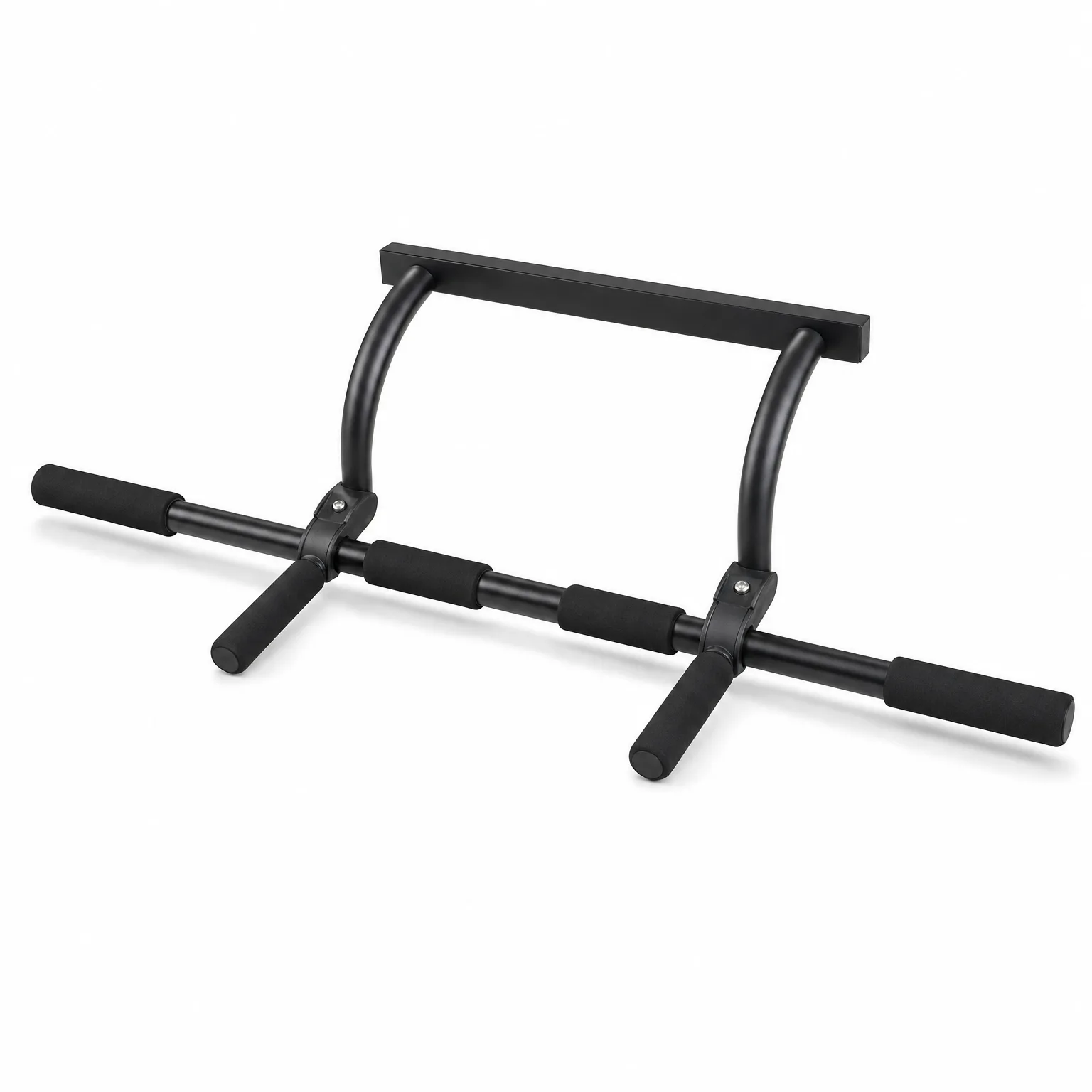
Pull-up bar
A fixed horizontal bar you hang from. Used for pull-ups, chin-ups, hangs and hanging leg raises, at home or outdoors. -

Barbell
A long steel bar loaded with plates at both ends. The standard tool for squats, deadlifts, presses and rows with heavy weight. -
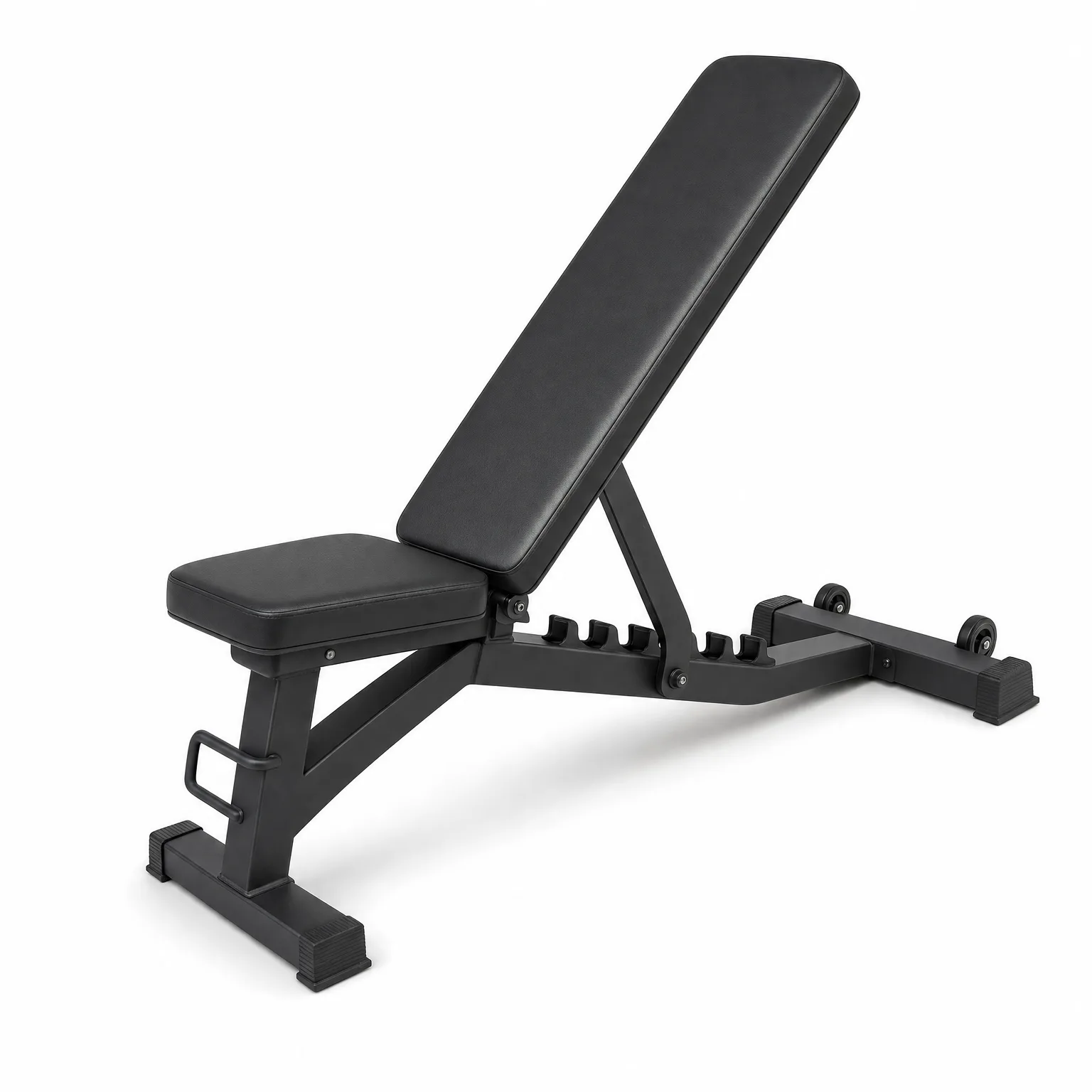
Weight bench
A padded bench you lie, sit or lean on while lifting. It supports the body for presses, rows, hip thrusts and seated work. -
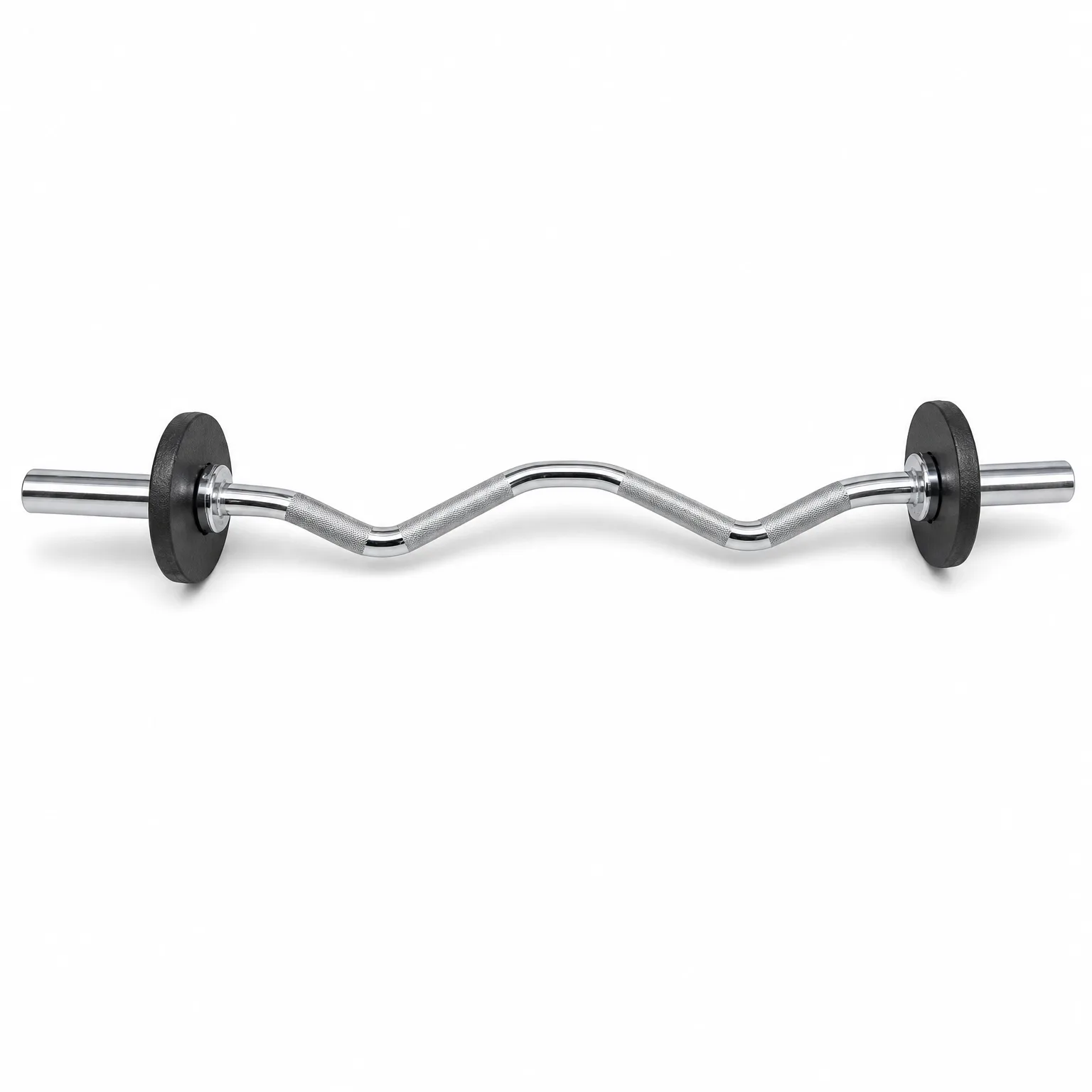
EZ curl bar
A short barbell with a zigzag grip section. The angled handles turn the wrists slightly inward for curls and triceps extensions. -
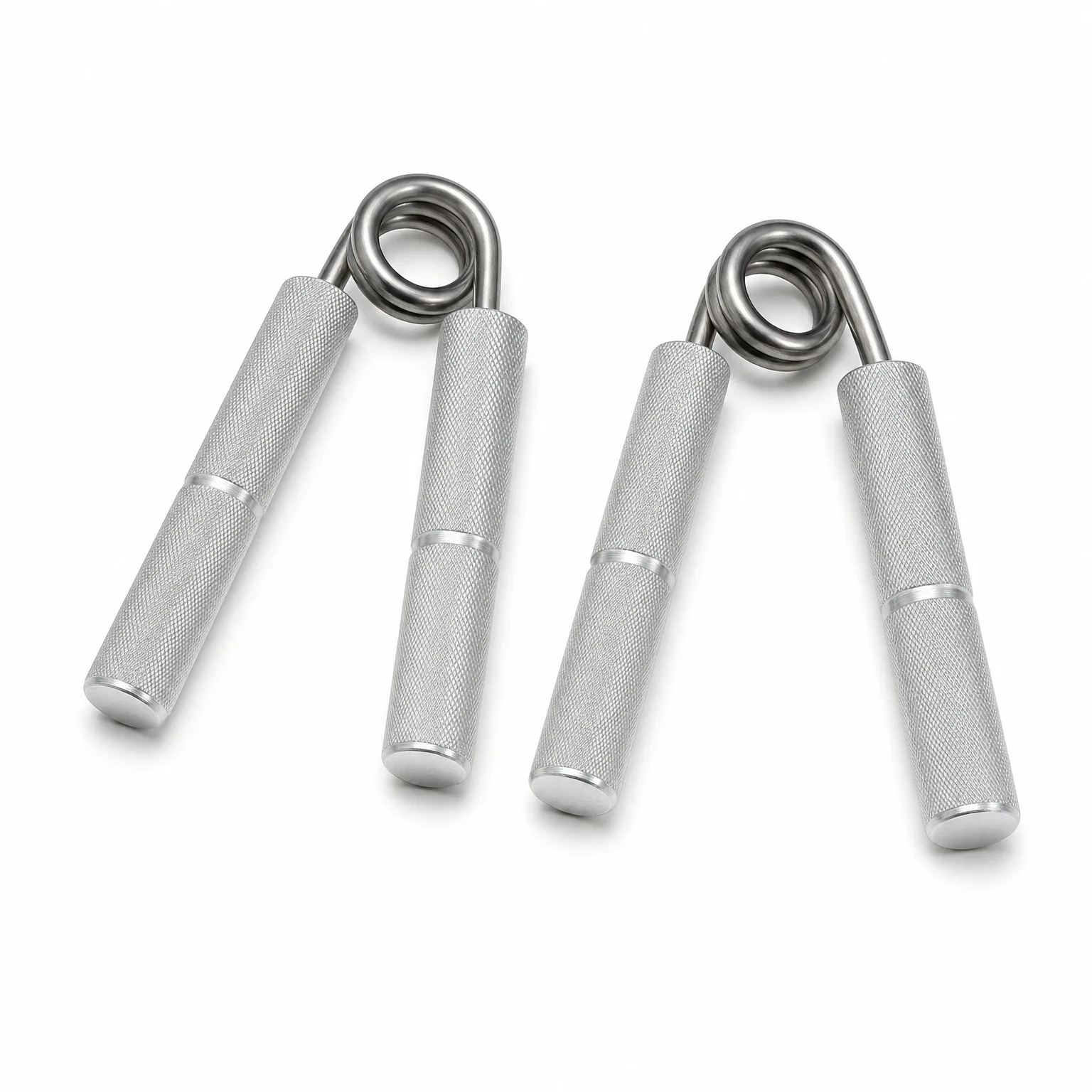
Hand grippers
A spring-loaded pair of handles you squeeze with one hand. Trains the crushing grip and the forearm muscles that close the fingers.
Related muscles
-
Biceps
The two-headed muscle on the front of the upper arm. It bends the elbow and turns the palm up, with the brachialis working underneath. -
Lats
The widest muscle of the back, from the lower spine and pelvis to the upper arm. It pulls the arm down and back in pull-ups, pulldowns and rows. -
Traps
A large, flat muscle from the neck down the middle of the upper back. It lifts, pulls back and rotates the shoulder blades in shrugs, rows and carries.
Questions about training the forearms
What are the best forearm exercises?
For size: wrist curls, reverse wrist curls, reverse curls and hammer curls. For grip: farmer's carries, dead hangs and grippers. Heavy deadlifts and rows done without straps add a lot of grip work without extra sessions.
Can I train forearms at home?
Yes. Hang from a pull-up bar, carry heavy bags or dumbbells, do wrist curls with a dumbbell or a filled water bottle and squeeze a gripper. Hanging from a towel looped over the bar makes the grip work much harder with no extra equipment.
How often can I train forearms?
Two or three times a week is common. They also work in every pull, so keep heavy grip work far enough from heavy pulling that a tired grip does not cut your main lifts short.
Why are my forearms hard to grow?
Their shape depends a lot on genetics, such as how far the muscle bellies reach toward the wrist. They also get little direct work in most programs. Hard sets close to failure through a full range, two or three times a week, still make them grow.
Does grip strength matter for other lifts?
Yes. A weak grip can end a set of deadlifts, rows or pull-ups before the back is tired. Building grip with carries and hangs, and using straps on the heaviest sets, keeps grip from being the limit.
Write programs your clients can follow
This guide comes from OnlineFitness.app, the app online coaches run their clients in.
Free for life for the first 100 coachesNo card