Triceps
The three-headed muscle on the back of the upper arm. It straightens the elbow in presses, push-ups and dips.
In short
The triceps brachii covers the back of the upper arm. Its three heads, the long, lateral and medial, join into one tendon at the point of the elbow. Its main job is to straighten the elbow, as when you push a door open or lock out a press. The long head also starts on the shoulder blade, so it helps pull the arm down and back.
Presses, push-ups and dips train it hard, and pushdowns and extensions train it directly. The long head is stretched most when the arm is overhead, so overhead extensions are the usual way to load it. The triceps is larger than the biceps and is the biggest muscle of the upper arm.
- Anatomical name
- Triceps brachii
- Group
- Arms
- Also called
- tricep, back of the arm, tris, horseshoe
- Works with
- Biceps, Chest, Front delts
What it does
- Straightens the elbow: locking out a bench press, a push-up or a dip, pushing a heavy door open
- Pulls the arm down and back at the shoulder (long head): the finish of a straight-arm pulldown
- Holds the elbow straight while you support weight: the top of a dip, a handstand, a plank on the hands
Parts of the muscle
Long head. Starts on the shoulder blade and is the only head that crosses the shoulder. It is stretched most with the arm overhead, so overhead and lying extensions load it in a long position.
Lateral head. On the outer side of the back of the arm. It works hard in heavy presses, dips and pushdowns and is the most visible head from the side.
Medial head. Lies deep, under the other two and closer to the elbow. It works in almost every elbow extension, light or heavy.
Exercises for the triceps
Ordered from the most useful. Equipment links open its page in the equipment guide.
-
Close-grip bench press
Hands about shoulder width, elbows tucked about 30 to 45 degrees from the body. Lower the bar to the lower chest and press until the elbows lock.
-
Overhead triceps extension
Hold one dumbbell with both hands overhead, elbows pointing forward. Lower it behind the head as far as is comfortable, then straighten the arms without flaring the elbows.
-
Triceps pushdown
Elbows at the sides, slightly in front of the torso. Push the rope or bar down until the arms are straight, then let the forearms rise to just above parallel.
-
Dip
Keep the torso fairly upright to put more of the load on the triceps. Lower until the upper arms are about parallel to the floor, or as low as the shoulders allow, and press to lockout.
-
Lying triceps extension
Lie on a bench with the bar over the forehead and the upper arms tilted slightly back. Bend only at the elbows to lower the bar behind the head, then straighten.
-
Close-grip push-up
Hands under the shoulders or slightly closer, elbows brushing the ribs. Lower the chest to the hands and press until the arms lock. Raise the feet once 20 reps are easy.
Bodyweight
-
Triceps kickback
Torso near parallel, one hand on a bench, upper arm along the body. Straighten the elbow fully and hold for a second; the top is the hardest point, so keep the weight light.
How to train it
Add an overhead extension to your pressing
Presses and pushdowns load mainly the lateral and medial heads with the arm at the side. An overhead or lying extension puts the long head in a stretch. One heavy press, one overhead movement and one pushdown cover all three heads.
Count presses toward the total
Bench presses, overhead presses, push-ups and dips work the triceps a lot, so direct work can be modest. Around 6 to 12 hard sets a week, split over two or three sessions on top of regular pressing, suits most people.
Mix heavy and lighter work
Close-grip presses and dips suit 6 to 10 reps. Extensions and pushdowns suit 10 to 20. Take sets close to failure while the elbows stay comfortable.
Lock out and lower all the way
Finish each rep with the elbow straight, and on extensions lower until the forearm comes close to the upper arm. Short, fast reps miss both the stretch and the lockout.
Let the elbows set the pace
The elbows often limit triceps work before the muscle does. Add reps before weight on extensions, and switch the exercise or grip if a movement keeps bothering the elbows.
Common mistakes
Flaring the elbows on extensions
When the elbows drift wide, the chest and shoulders take over. Keep them pointing forward on overhead and lying extensions and close to the sides on pushdowns.
Leaning over the pushdown
Bending forward and pushing with body weight moves the load with the shoulders. Stand tall, fix the elbows and let only the forearms move.
Only doing pushdowns
Pushdowns barely stretch the long head, the only one that crosses the shoulder. Include an overhead or lying extension in the week.
Going too heavy on lying extensions
Heavy weight with sloppy form shortens the range and is hard on the elbows. Use a load you can lower slowly behind the head while the upper arms stay still.
Equipment for these exercises
-
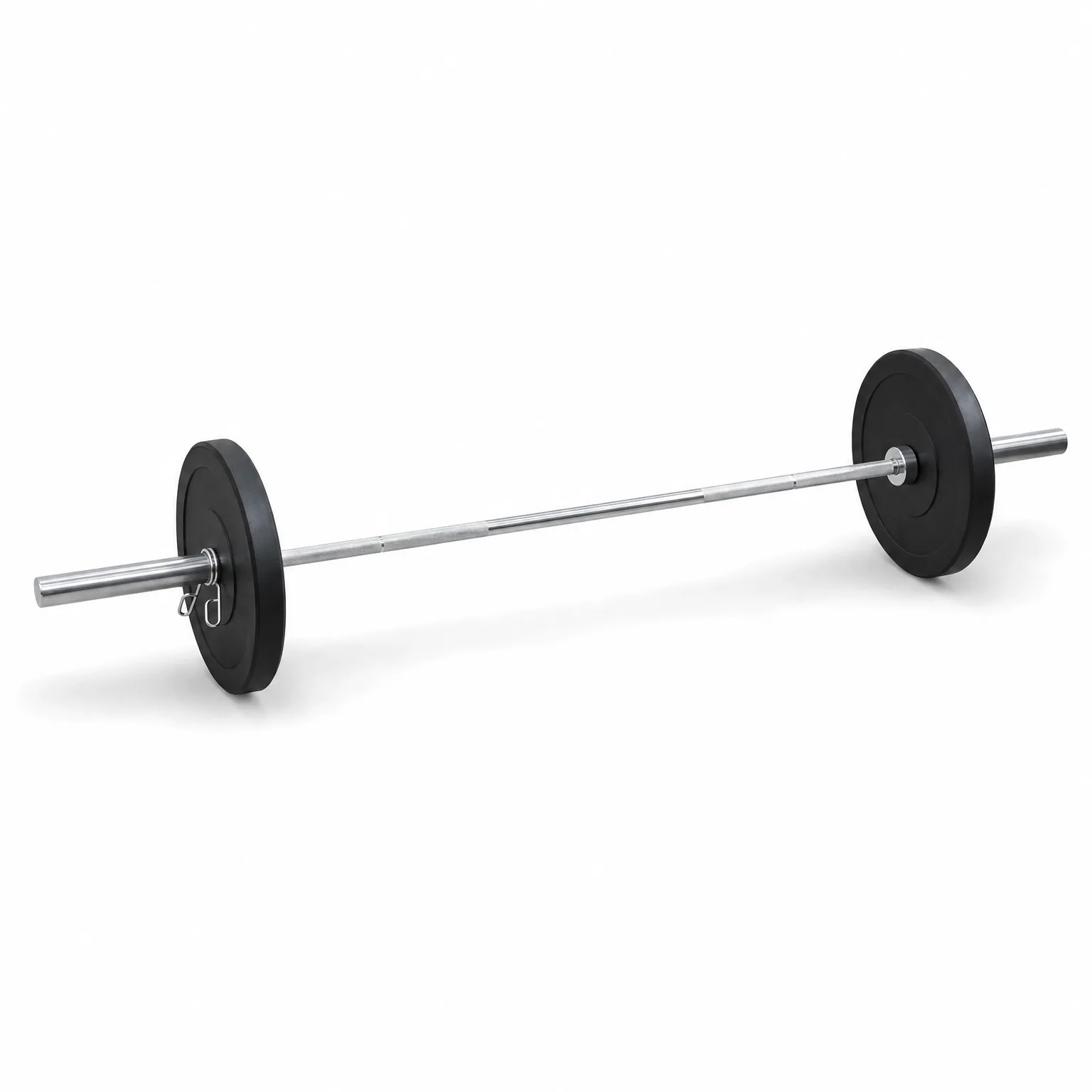
Barbell
A long steel bar loaded with plates at both ends. The standard tool for squats, deadlifts, presses and rows with heavy weight. -

Weight bench
A padded bench you lie, sit or lean on while lifting. It supports the body for presses, rows, hip thrusts and seated work. -
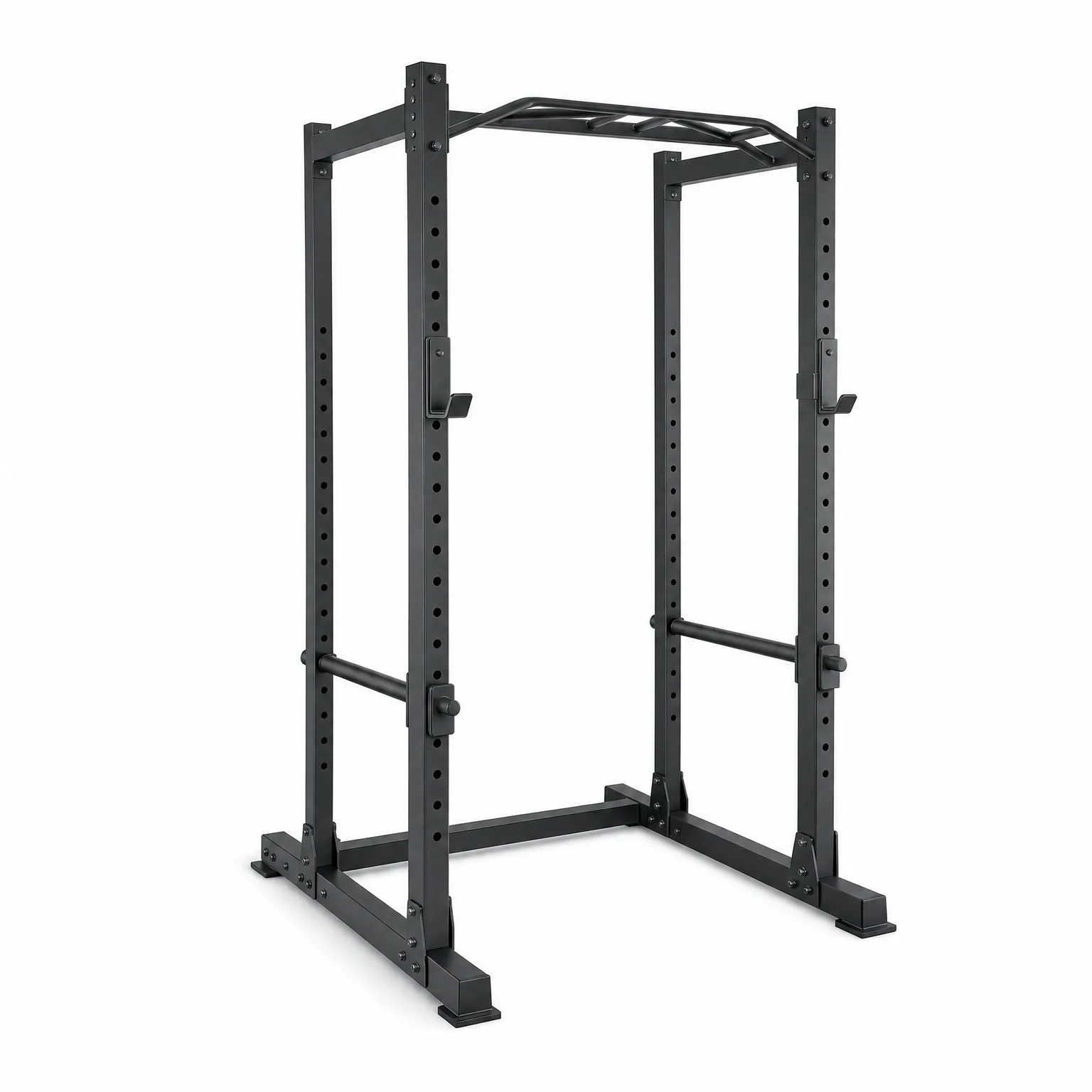
Squat rack
A steel frame that holds a barbell at the height you need and catches it if a rep fails. The base for squats and presses. -

Dumbbells
A pair of short handles with a weight at each end. One pair trains every major muscle group, at home or in a gym. -
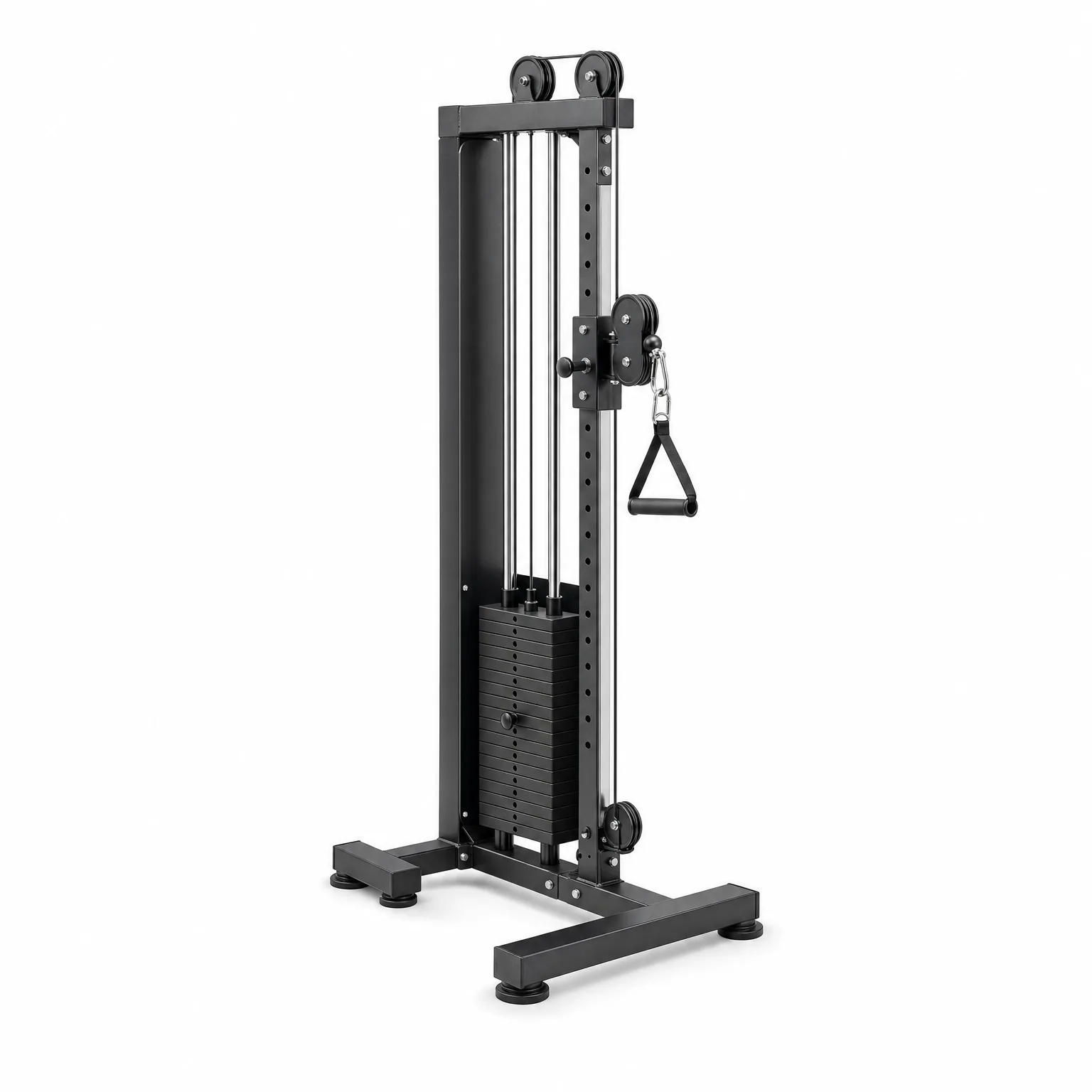
Cable machine
A weight stack on a pulley with a handle you can set at any height. It keeps tension on the muscle through the whole movement. -
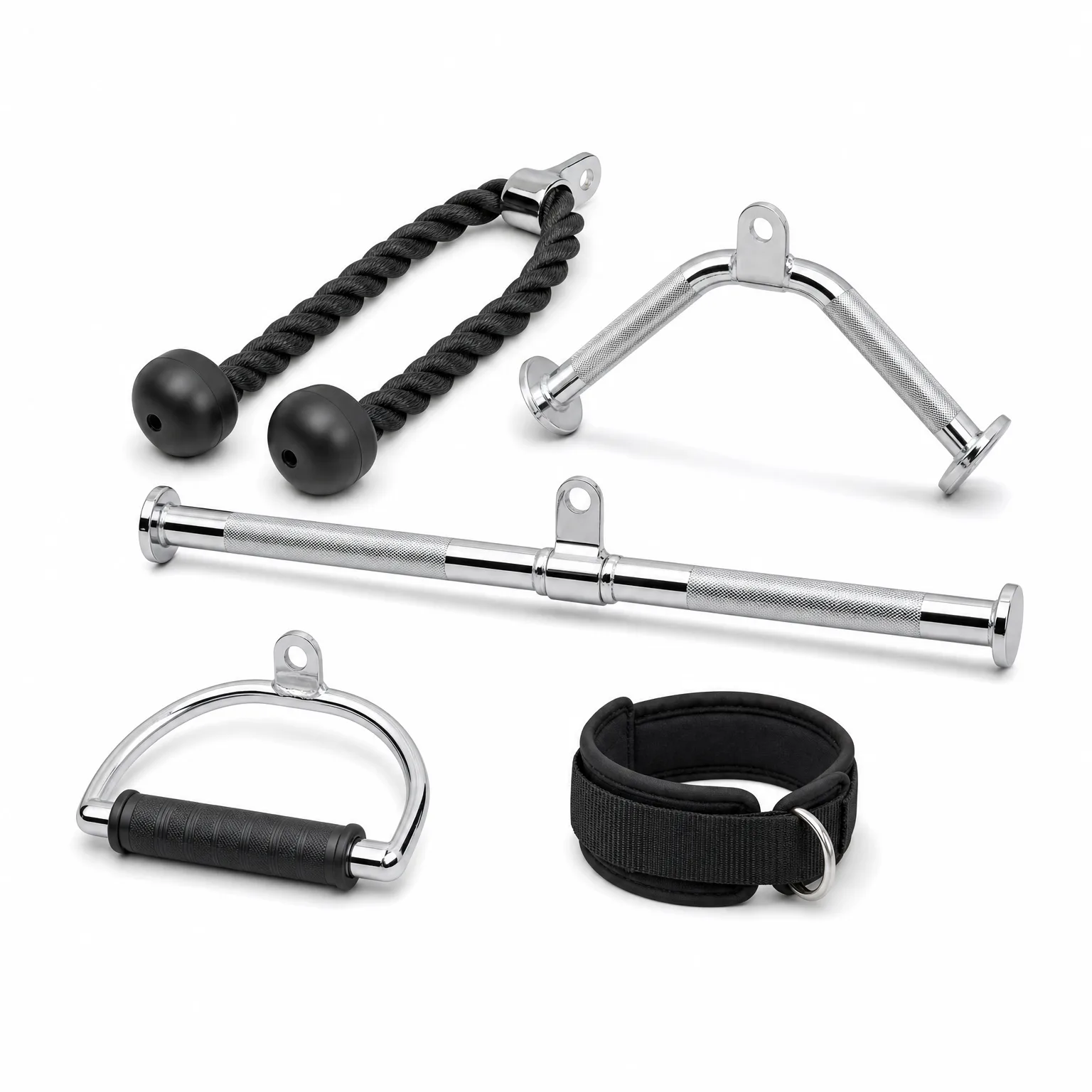
Cable attachments
The handles, bars, ropes and cuffs that clip onto a cable machine. Each one sets your grip and changes which exercises the cable can do. -
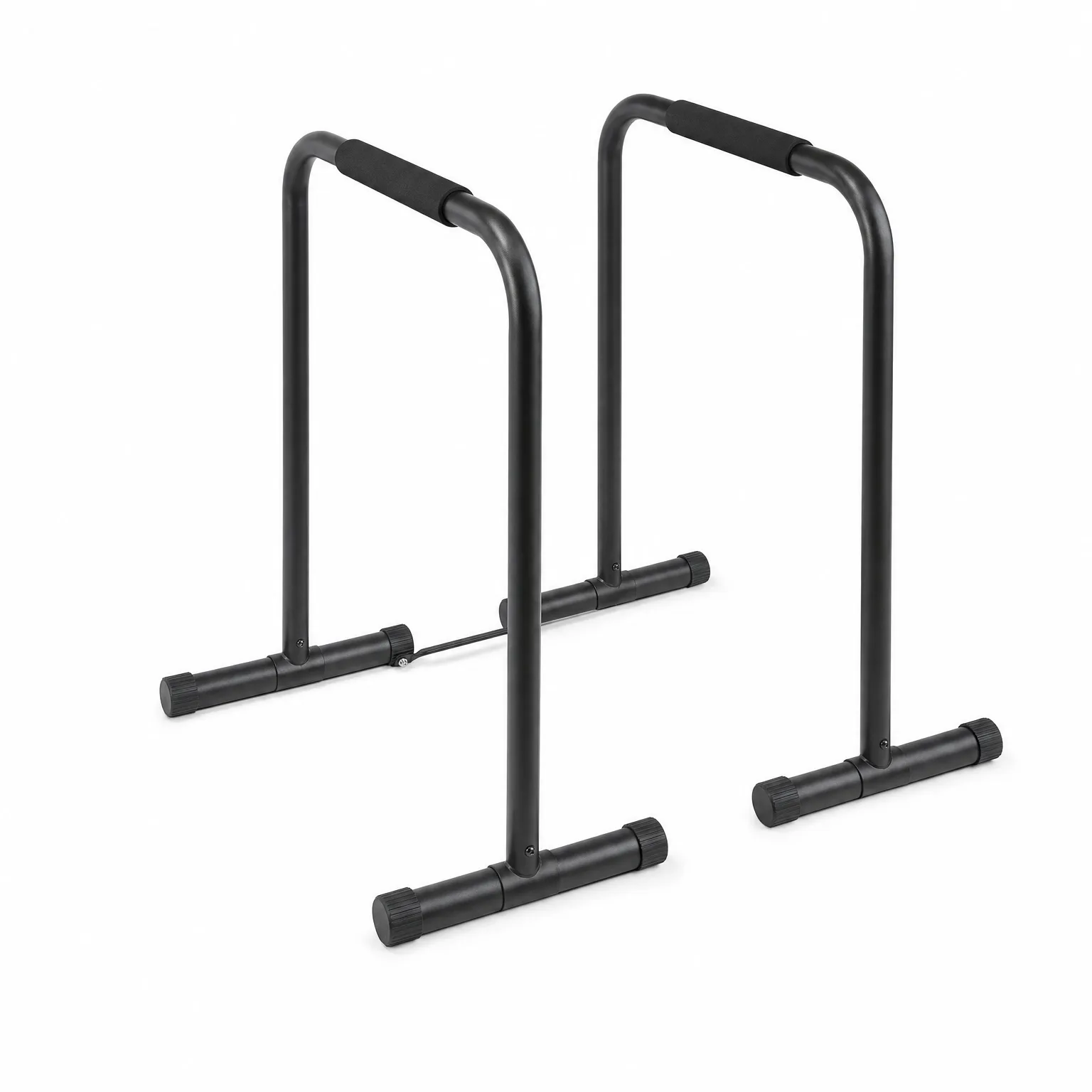
Dip bars
Two parallel bars at about waist height that you support yourself on. Used for dips, leg raises and bodyweight rows. -
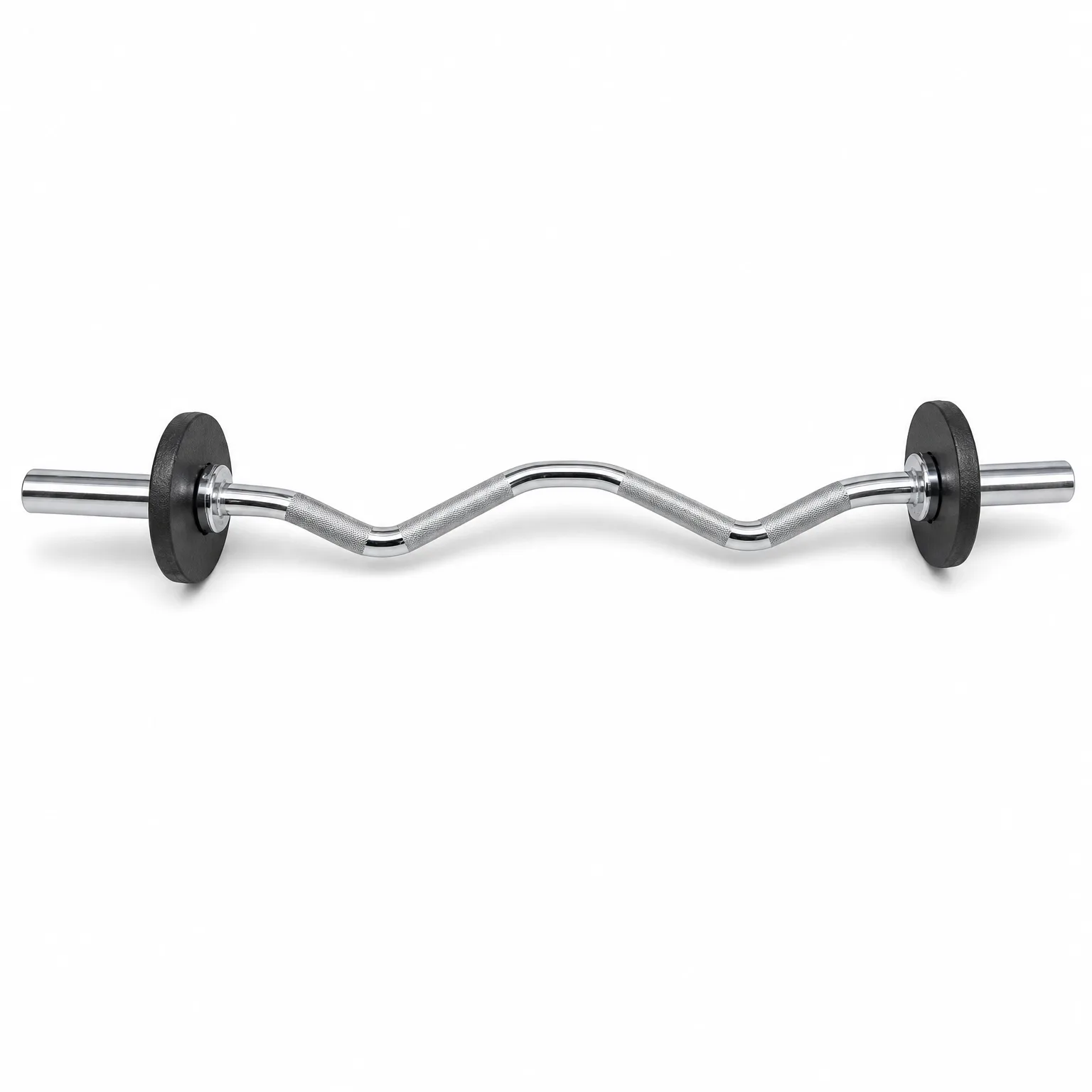
EZ curl bar
A short barbell with a zigzag grip section. The angled handles turn the wrists slightly inward for curls and triceps extensions.
Related muscles
-
Biceps
The two-headed muscle on the front of the upper arm. It bends the elbow and turns the palm up, with the brachialis working underneath. -
Chest
The fan-shaped muscle across the front of the ribcage. It brings the arm forward and across the body in presses, push-ups and flyes. -
Front delts
The front head of the shoulder muscle. It lifts the arm forward and overhead and helps in every press, from the bench press to the overhead press.
Questions about training the triceps
What is the best triceps exercise?
For overall growth, pair a close-grip press or dip with an overhead extension. The press lets you use heavy load on all three heads. The overhead extension stretches the long head, which presses and pushdowns load less.
How do I train triceps at home?
Close-grip and diamond push-ups, dips between two sturdy chairs and overhead dumbbell extensions cover it. Raise the feet on push-ups or slow down the lowering to keep the sets hard as you get stronger.
How often should I train triceps?
Two or three times a week suits most people. If the program already has a lot of pressing, one or two direct exercises per session is enough.
Triceps vs biceps: which makes the arm bigger?
The triceps is the larger of the two, so it makes up more of the upper arm's size. Both need training for full arms, and both get indirect work: the triceps from presses, the biceps from pulls.
Are dips good for triceps?
Yes. Dips move a lot of load through a long range. An upright torso keeps more of the work on the triceps, while a forward lean shifts it to the chest. If dips bother your shoulders, close-grip presses are a good substitute.
Write programs your clients can follow
This guide comes from OnlineFitness.app, the app online coaches run their clients in.
Free for life for the first 100 coachesNo card