Equipment Benches, racks and bars
Dip bars
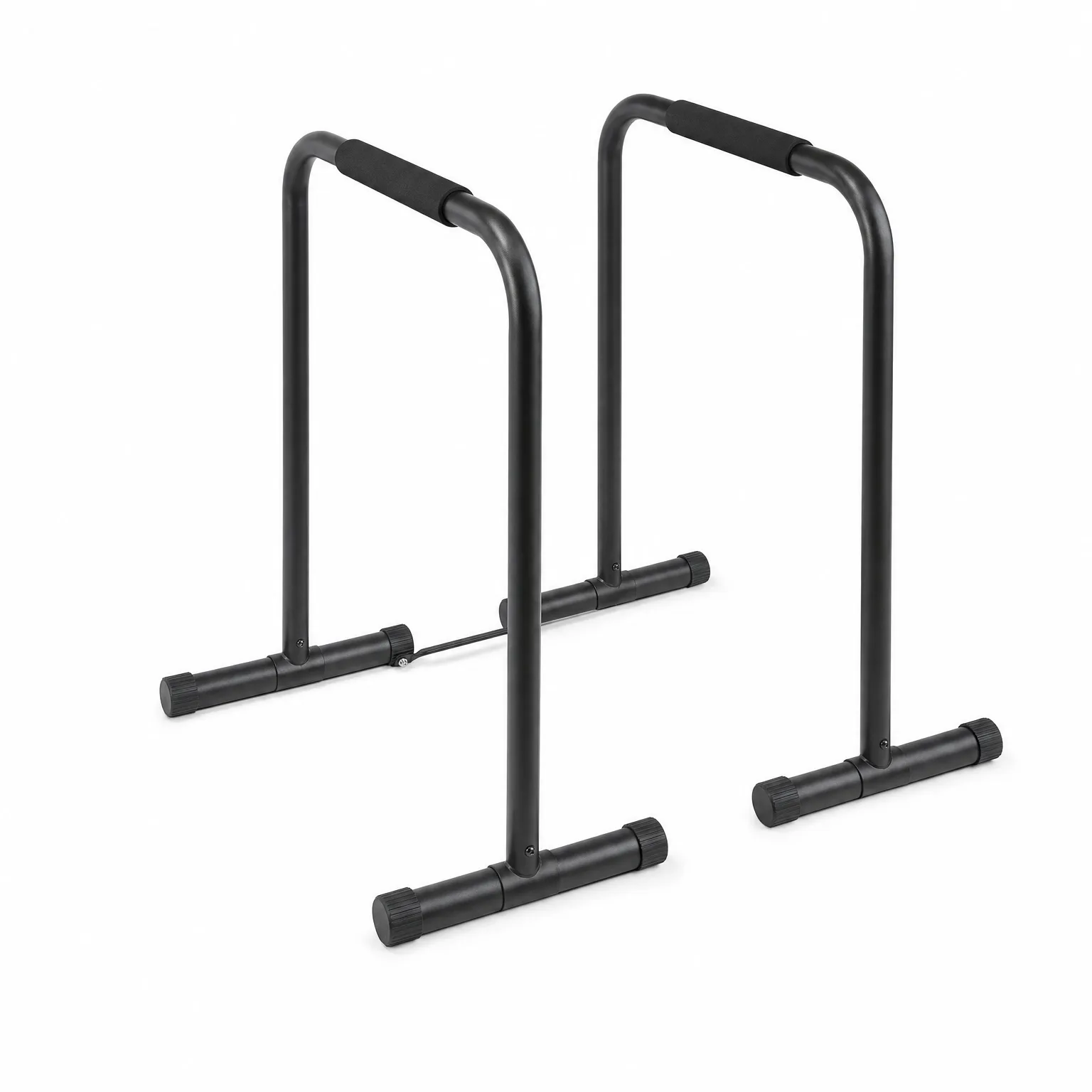
Two parallel bars at about waist height that you support yourself on. Used for dips, leg raises and bodyweight rows.
In short
Dip bars are two parallel bars set at about hip to chest height, roughly shoulder width apart. You hold yourself up on straight arms between them and bend the elbows to lower and raise your body. The dip loads the chest, triceps and front of the shoulders with your full body weight.
The same bars are used for support holds, knee and leg raises, L-sits and, on low stations, rows from underneath. Full dips ask for a fair amount of strength, so they suit people who can already do several solid push-ups. Bands and foot support make the first steps easier.
- Category
- Benches, racks and bars
- Where
- Home, Gym, Outdoors
- Level
- Intermediate and up
- Space
- Needs a corner of a room
- Typical sizes
- Bars about 45–60 cm (18–24 in) apart and 30–50 mm (1.2–2 in) thick; home stations roughly 80–120 cm (31–47 in) high
- Also called
- dip station, parallel bars, dip stand, dipping bars, dip handles
What it is used for
- Dips for the chest and triceps
- Support holds and L-sits for the shoulders and abs
- Knee raises and leg raises while supported on straight arms
- Bodyweight rows hanging under low bars
- Raised or deep push-ups with hands on low bars
Types
Free-standing dip station. A single frame with two bars. Stable and compact. Some models let you change the width between the bars.
Two separate bars. A pair of independent stands you place at any width. Easy to store and good for rows and push-ups. Lighter ones can tip if you swing.
Rack or wall-mounted handles. Dip handles that hook onto a squat rack upright or bolt to a wall. Takes no floor space. Height on a rack is adjustable.
Power tower. A tall frame combining dip handles, a pull-up bar and a knee raise station. Covers most bodyweight upper-body work in one footprint.
Outdoor parallel bars. Fixed steel bars in parks and calisthenics areas, often longer, so you can also walk along them on your hands.
How to choose
Width between the bars
A gap a little wider than your shoulders suits most people. Too wide puts the shoulders in a strained position at the bottom. Angled bars or an adjustable frame let different users find their own width.
Height for your legs
On tall bars you can hang with nearly straight legs. On low home stations you bend the knees behind you, which is fine for dips but limits leg raises. Low bars are better for rows and push-ups.
Stability under movement
Push sideways on the frame before you buy or use it. A wide base and heavier steel stop it from rocking. Separate stands need a level, non-slip floor.
Check the rating
The load rating varies by manufacturer and must cover your body weight plus any vest or belt weight you plan to add.
How to start using it
- Own the top position first. Hold yourself on straight arms with the shoulders pressed down away from the ears for 15–30 seconds. If that is shaky, practice the hold before you add the bending part.
- Lower under control. Bend the elbows and lean the chest slightly forward. Go down until the upper arms are about parallel to the floor, or as far as your shoulders move comfortably, then press back up to straight arms.
- Make it easier when needed. Loop a resistance band across the two bars and kneel on it, or keep your feet on a box behind you and let the legs help. Slow lowering from the top is another way to build strength.
- Shift the emphasis. A forward lean with elbows slightly out works the chest more. An upright torso with elbows close to the body works the triceps more. Both are valid; choose by your goal.
Common mistakes
Dropping too deep too soon
Sinking far below parallel without the strength and shoulder mobility for it overloads the front of the shoulder. Build depth gradually and stop where you can still press up smoothly.
Shoulders shrugged to the ears
Letting the shoulders rise at the top or bottom takes away control. Keep them pressed down and the chest open for the whole rep.
Half reps at the top
Bending the elbows only a little lets you count more reps but trains a small part of the range. Use assistance and move through the full range you can control.
Swinging the legs
Kicking to get out of the bottom makes light stations rock and takes work off the arms. Keep the legs still, crossed at the ankles if they are bent.
What to use instead
Gymnastic rings allow dips anywhere you can hang them, though the unstable handles make the exercise harder. Push-up bars or parallettes give deep push-ups, which train the same muscles with less load. Bench dips, with hands on a bench or a sturdy chair behind you and feet on the floor, are the common home version; keep the range moderate because this position is harder on the shoulders. Two sturdy chairs back to back can stand in for bars if they do not slide or tip.
-
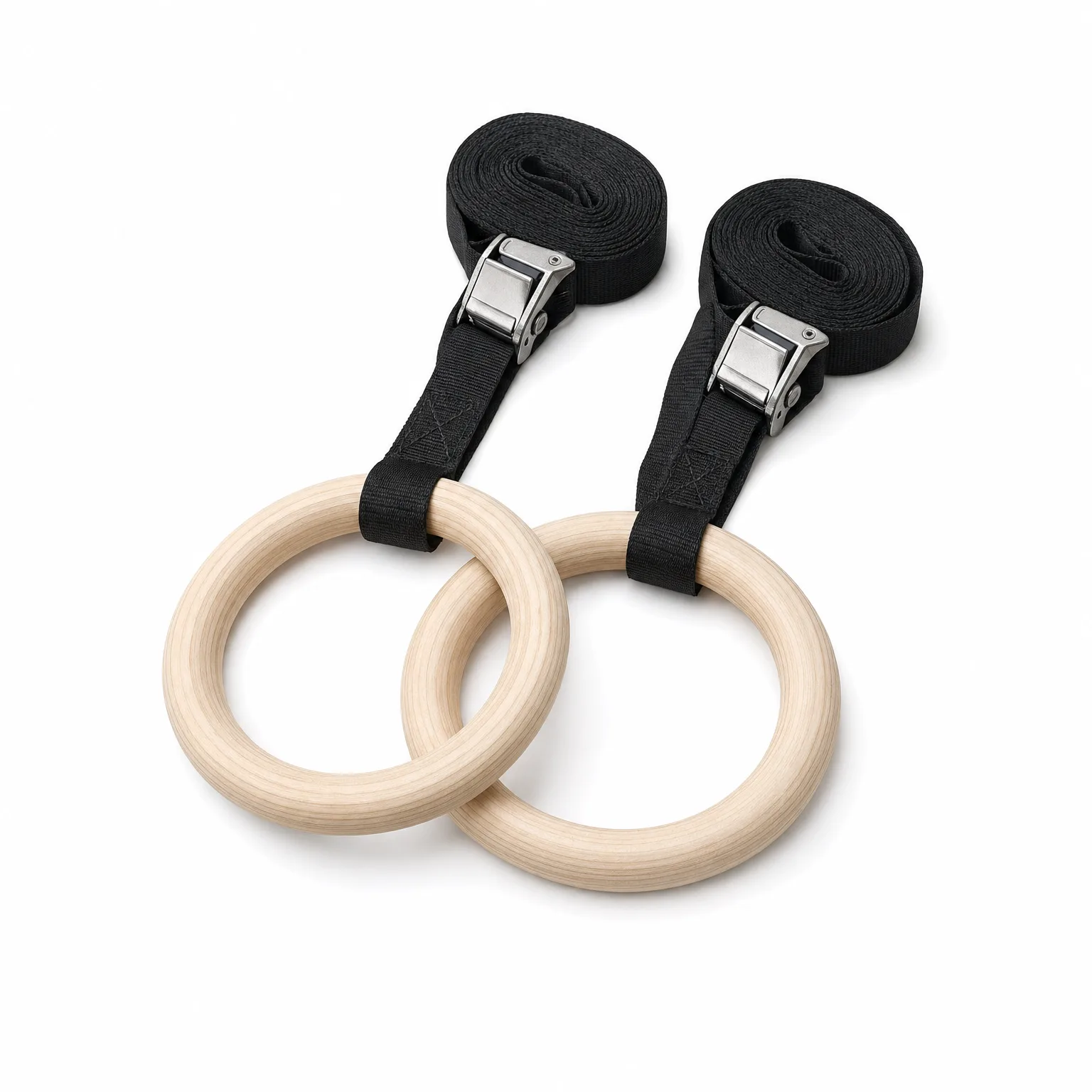
Gymnastic rings
Two rings on adjustable straps, hung from a bar or beam. Used for rows, pull-ups, dips, push-ups and support holds with body weight. -
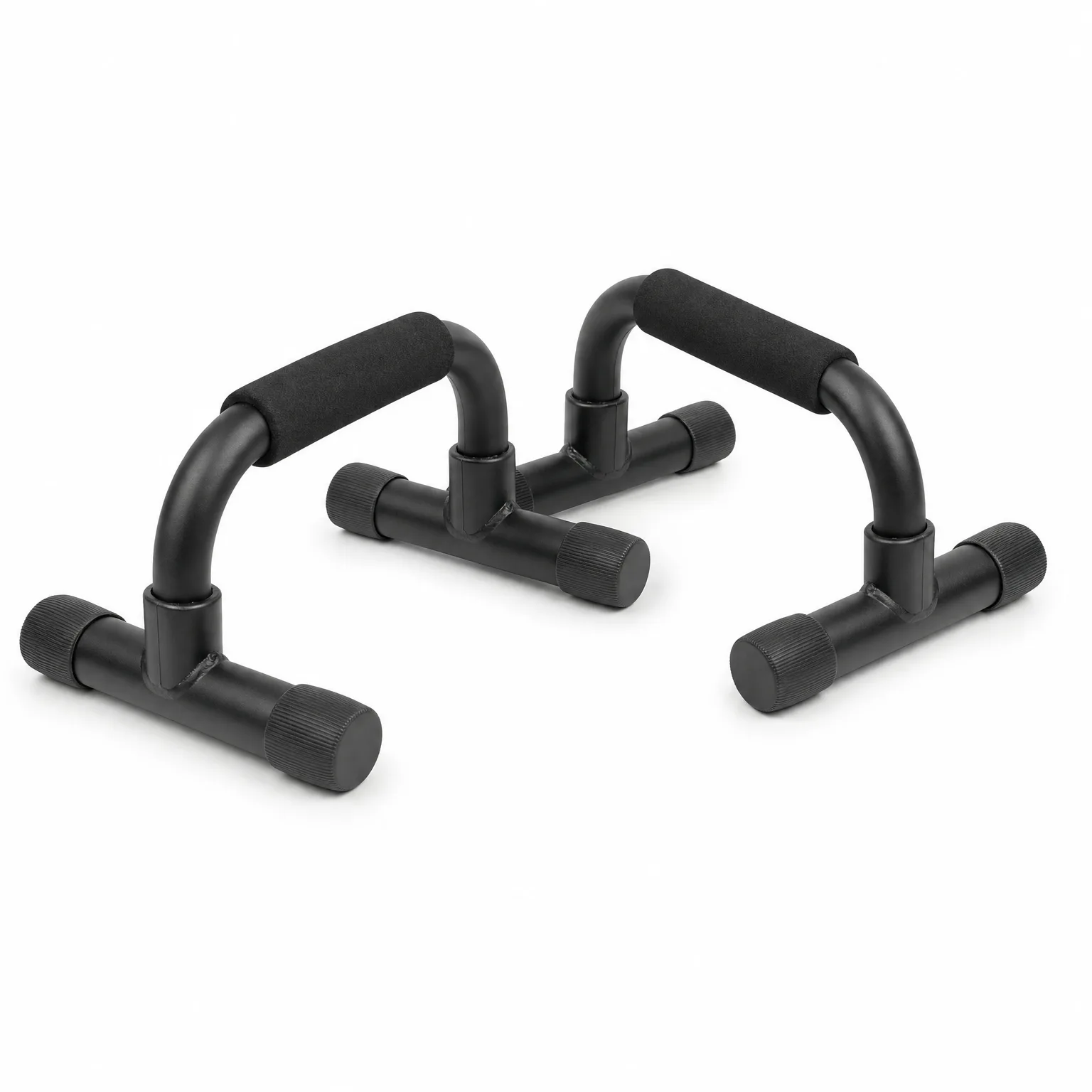
Push-up bars
A pair of low handles for the floor. They keep the wrists straight in push-ups and let the chest go lower than the hands. -

Weight bench
A padded bench you lie, sit or lean on while lifting. It supports the body for presses, rows, hip thrusts and seated work. -
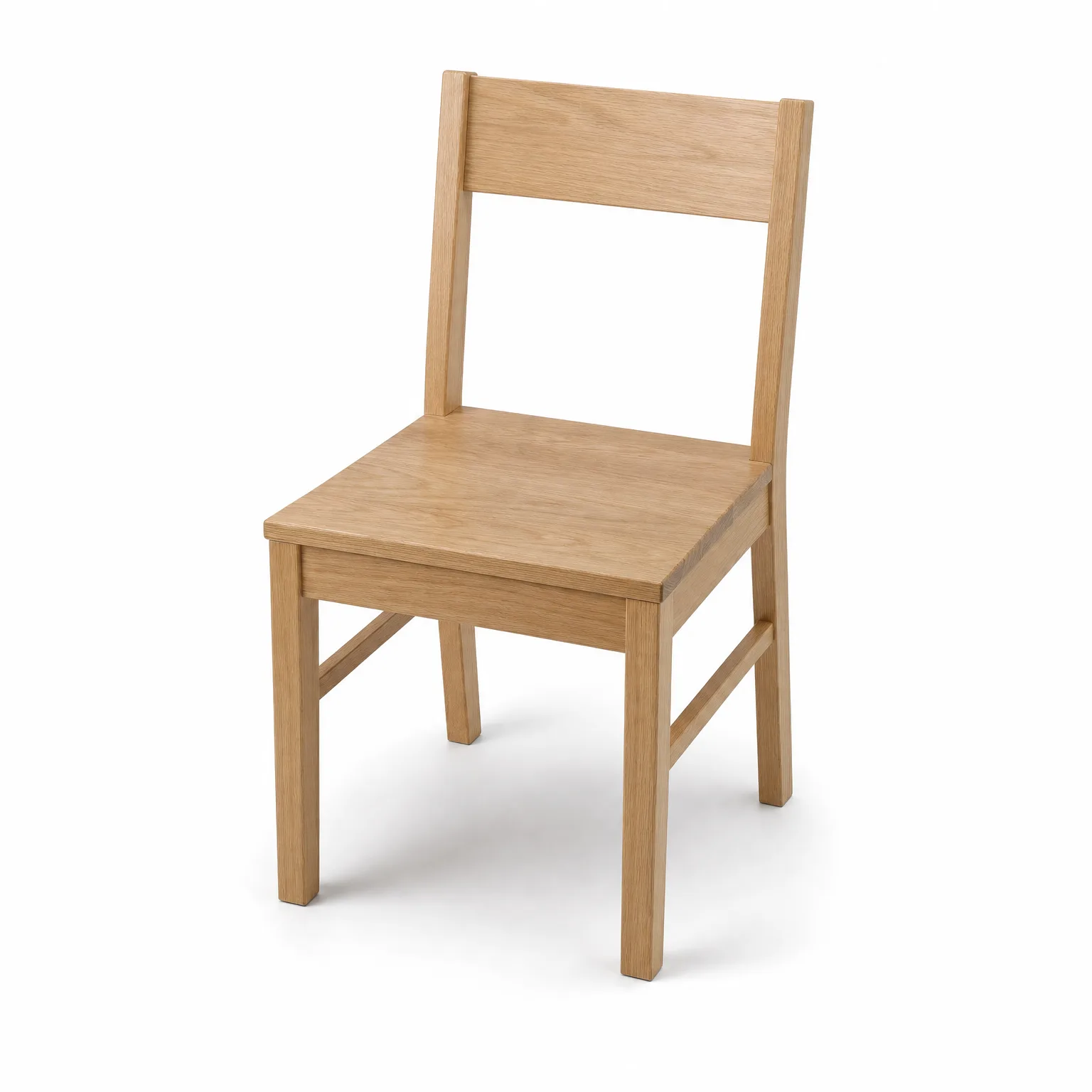
Chair
A sturdy household chair stands in for a bench, a low box or dip bars: sit-to-stands, step-ups, dips, split squats and incline push-ups.
Often used with
-
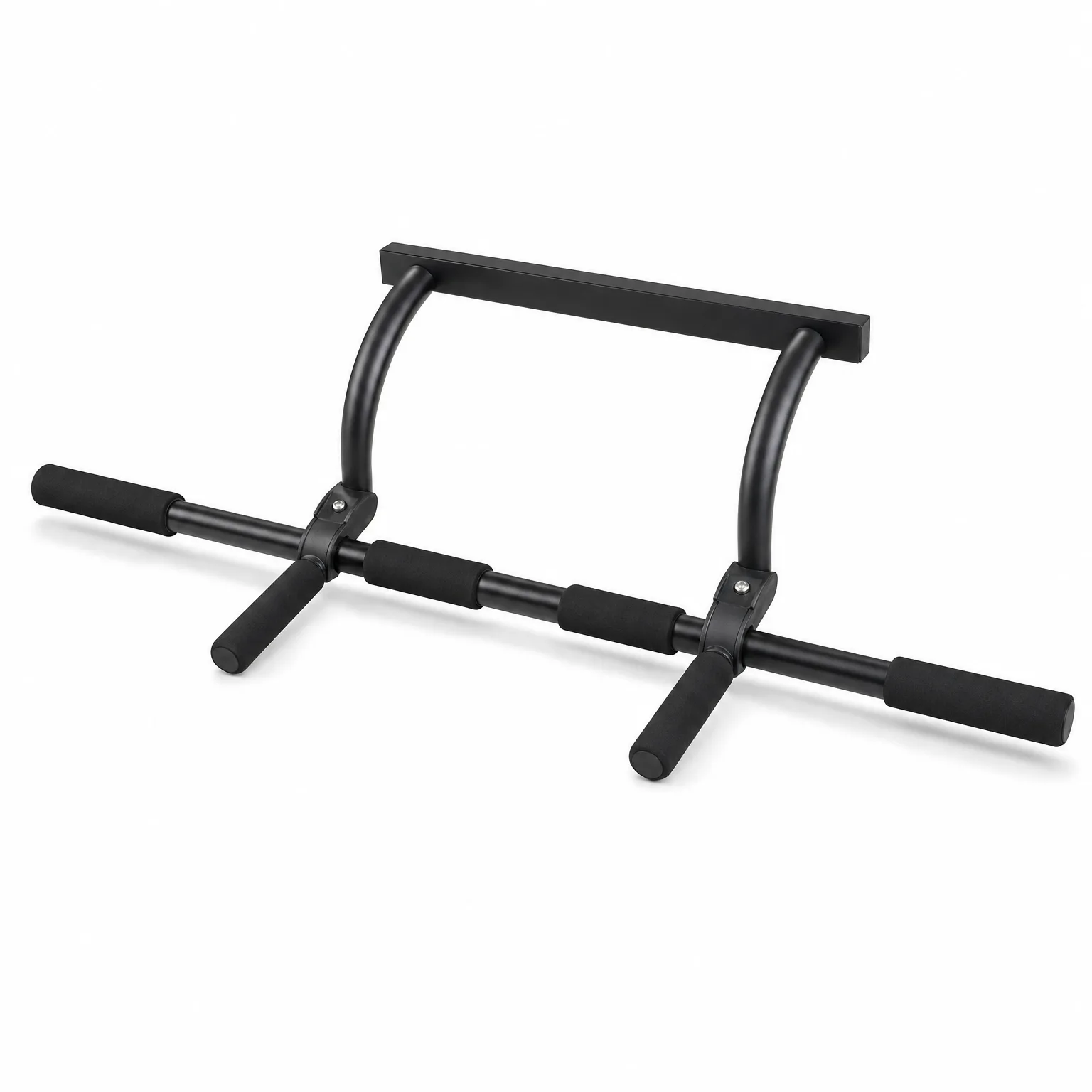
Pull-up bar
A fixed horizontal bar you hang from. Used for pull-ups, chin-ups, hangs and hanging leg raises, at home or outdoors. -
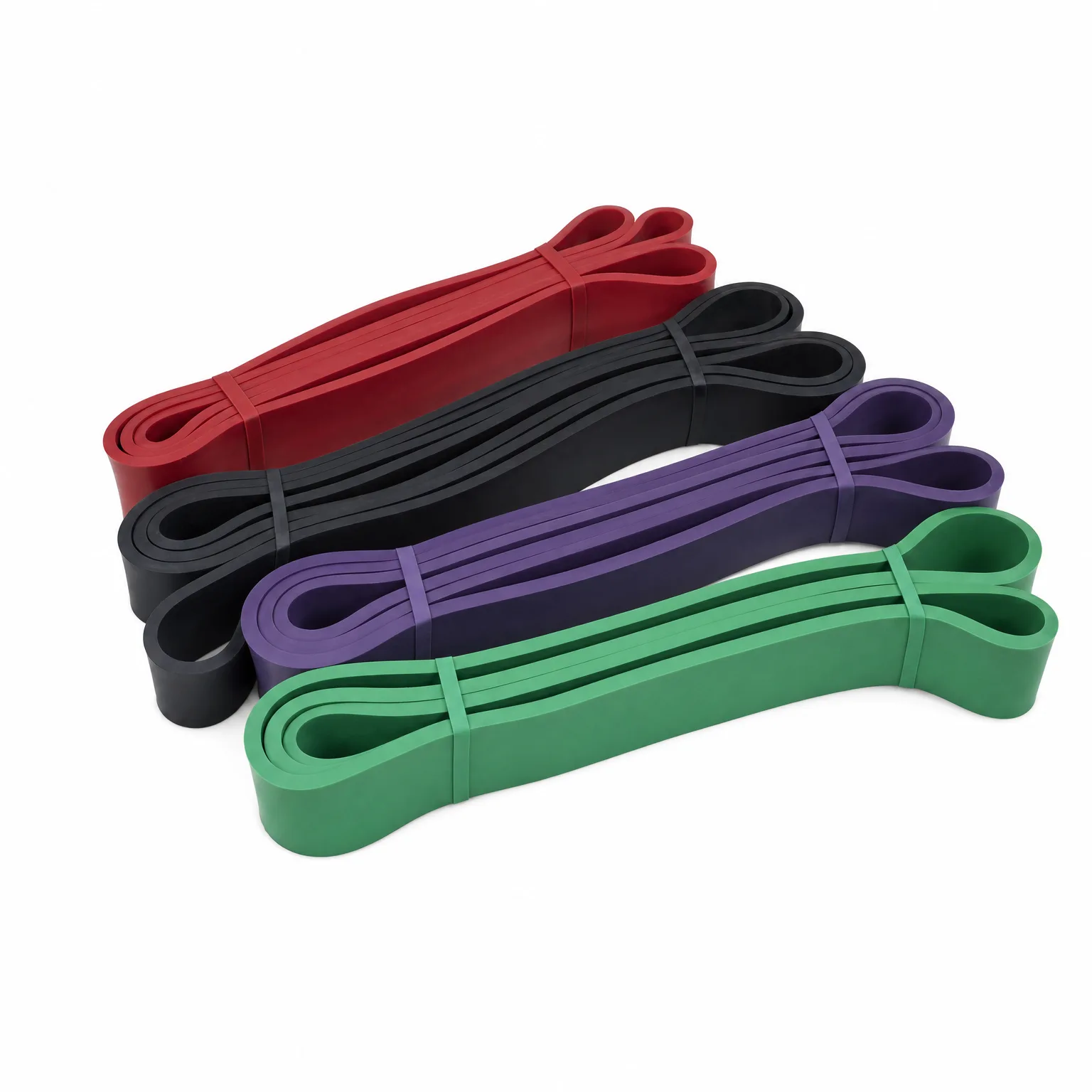
Resistance bands
Long closed loops of thick rubber. They add resistance to rows, presses and squats, or take weight off in pull-ups and dips. -
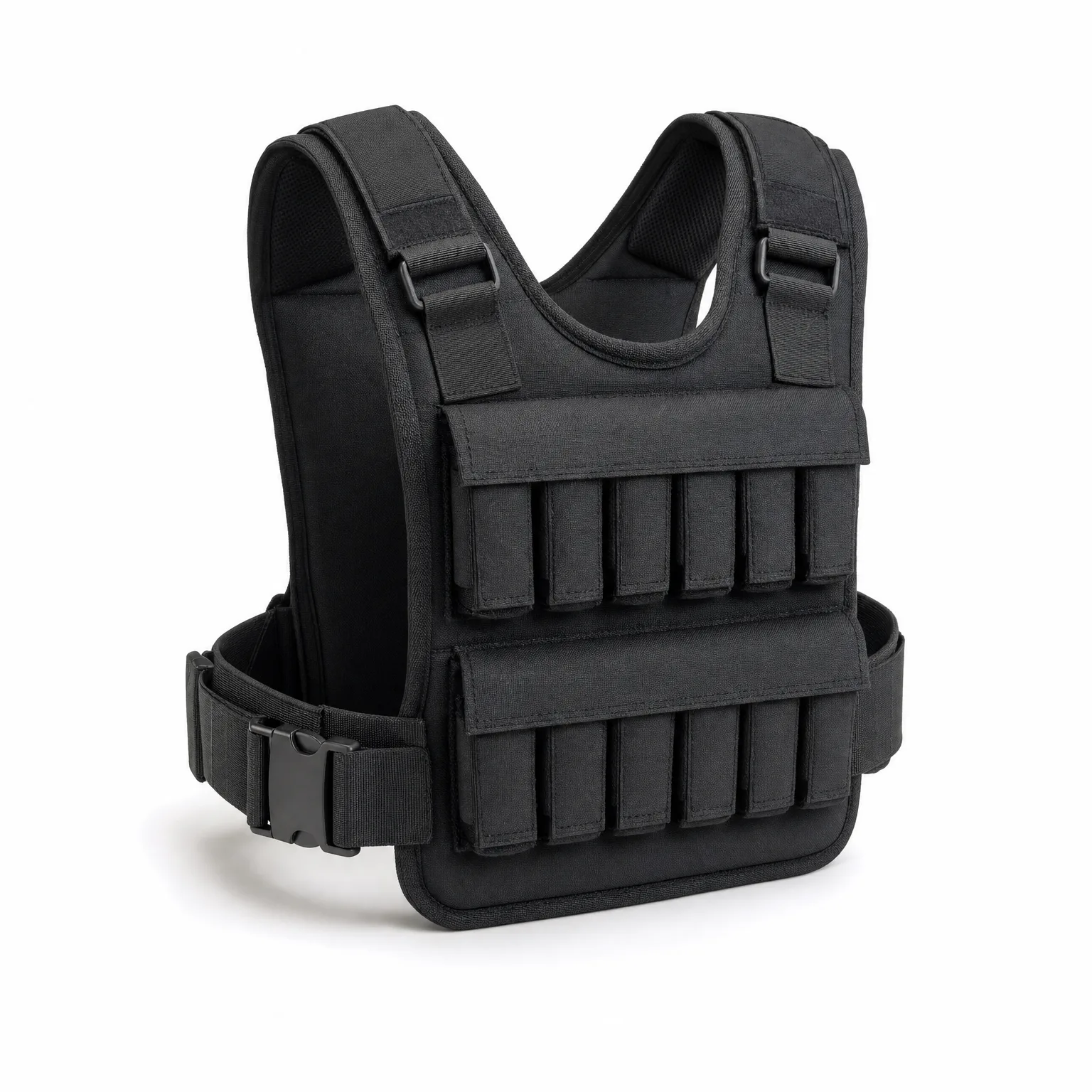
Weighted vest
A vest that carries extra weight on the torso. It makes push-ups, pull-ups, squats, walking and stair climbing harder with free hands. -
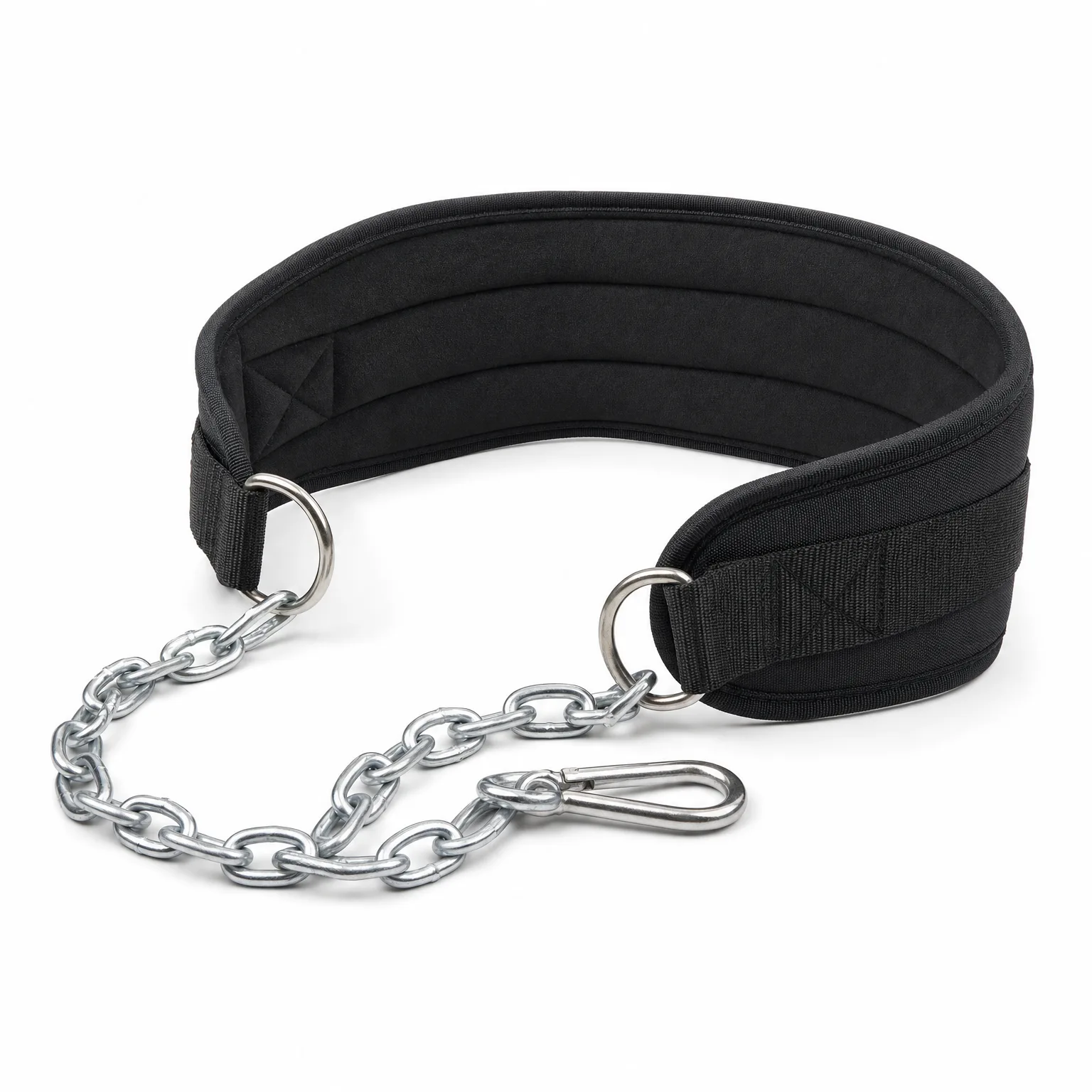
Dip belt
A belt with a chain or strap that hangs weight plates from your hips, used to add load to dips, pull-ups and chin-ups.
Questions about dip bars
Are dips better for chest or triceps?
They train both. Leaning the torso forward and letting the elbows flare slightly puts more work on the chest. Staying upright with the elbows close to the sides puts more on the triceps. The front of the shoulders works in both versions.
How deep should you go on dips?
A good general target is the upper arm about parallel to the floor, with the shoulder slightly below the elbow at most. Go only as deep as you can control and press out of without pain or the shoulders rolling forward.
I cannot do a single dip. Where do I start?
Start with support holds on straight arms, then slow lowering for three to five seconds, stepping back up each time. Add band-assisted dips and keep doing push-ups. When you can lower slowly for five reps, full dips are usually close.
Dips or push-ups?
Push-ups are easier to learn and to scale, and they suit beginners. Dips load the same muscles with your whole body weight through a longer range, so they are a natural next step once push-ups feel easy.
Build programs around what your client has
This guide comes from OnlineFitness.app, the app online coaches run their clients in.
Free for life for the first 100 coachesNo card