Equipment Bands and bodyweight tools
Gymnastic rings
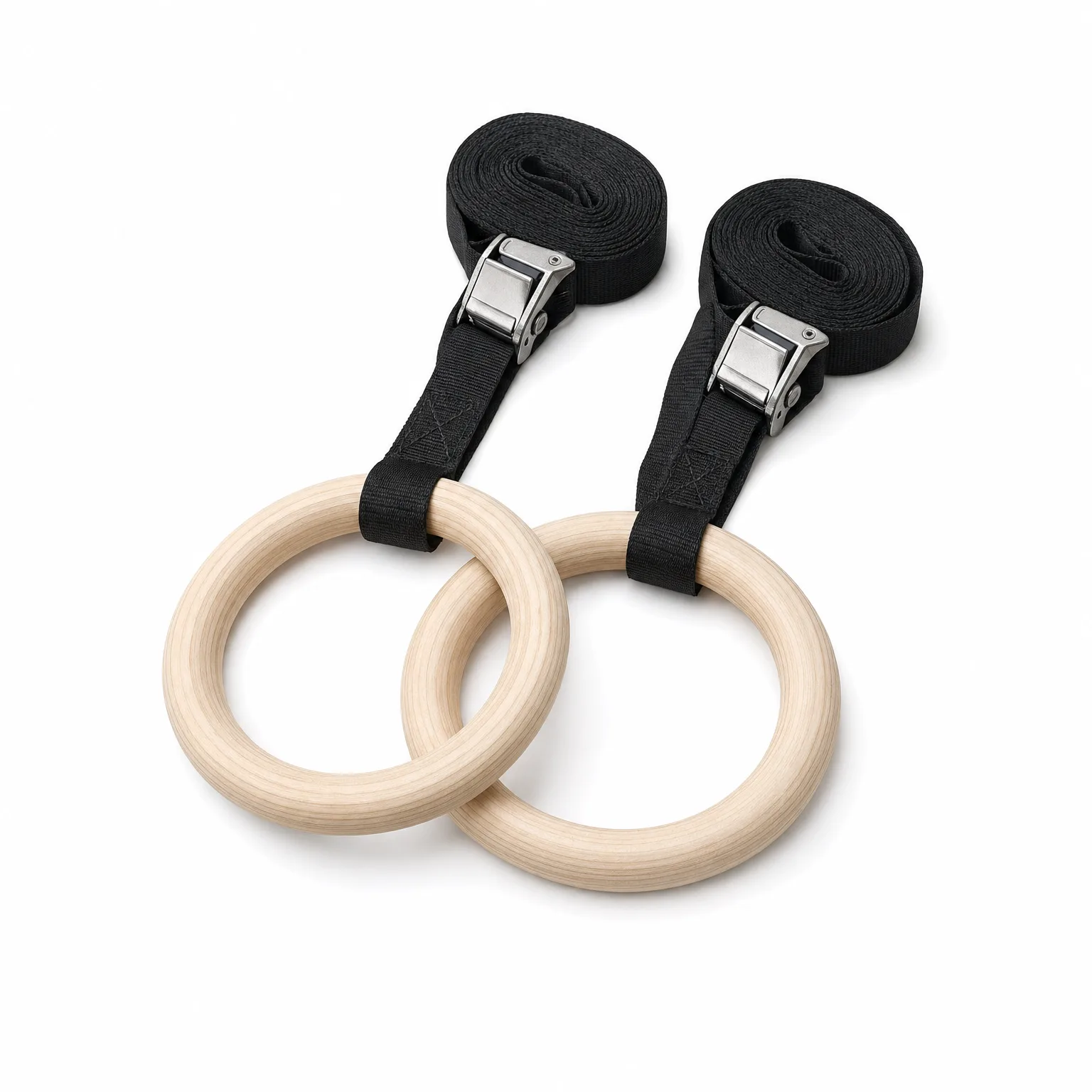
Two rings on adjustable straps, hung from a bar or beam. Used for rows, pull-ups, dips, push-ups and support holds with body weight.
In short
Gymnastic rings are two wooden or plastic rings hung on long adjustable straps from a bar, a beam or a tree branch. Each ring moves freely, so every pull-up, dip, row or push-up also asks the shoulders, arms and trunk to hold the rings steady. They are one of the main tools for upper-body strength in calisthenics.
The height is set in seconds: low for rows and push-ups, high for pull-ups and hangs, waist height for dips. Rows and push-ups with the feet on the floor suit people who are new to rings. Dips, support holds and muscle-ups need a base of strength first, which is why rings are usually treated as an intermediate tool.
- Category
- Bands and bodyweight tools
- Where
- Home, Gym, Outdoors
- Level
- Intermediate and up
- Space
- Fits in a drawer or a bag
- Typical sizes
- Ring thickness 28 mm (1.1 in) or 32 mm (1.25 in), inner diameter about 18 cm (7 in); straps 3–5 m (10–16 ft)
- Also called
- gym rings, olympic rings, wooden rings, calisthenics rings, ring trainer, still rings
Muscles it works
- Also works
- Front delts, Rear delts, Forearms, Traps
What it is used for
- Ring rows and pull-ups for the back and biceps
- Dips and ring push-ups for the chest, triceps and front of the shoulders
- Support holds and hangs that build shoulder and grip strength
- Core work: tuck and L-sit holds, hanging knee raises, body saws
- Skill training such as the muscle-up, skin the cat and levers
Types
Wooden. Usually birch plywood. The best grip, especially with chalk, and comfortable in the hand. Should be kept dry, so not for leaving outdoors.
Plastic. ABS or polycarbonate. Tolerates rain and rough handling and costs less, but gets slippery with sweat.
28 mm. The competition thickness in gymnastics. Suits smaller hands and a false grip for muscle-ups.
32 mm. A thicker ring close to the feel of a pull-up bar. Many people with larger hands find it more comfortable for pull-ups and dips.
How to choose
Wood unless they live outside
Wooden rings grip better and are worth the small extra cost for indoor or carry-with-you use. Choose plastic only if the rings will hang outdoors in all weather.
Pick the thickness for your hands
28 mm is easier to wrap for small and medium hands and for false-grip work. 32 mm suits large hands and feels closer to a pull-up bar. Both are widely sold. If unsure, 28 mm works for almost everyone.
Straps with numbered marks
Length marks printed on the straps let you set both rings to the same height in seconds. Without them you will measure by eye every time. Check that the straps are long enough for your anchor height.
Solid cam buckles
The buckle carries your full weight. Look for a metal cam buckle with strong teeth and straps about 2.5–4 cm (1–1.5 in) wide, and follow the manufacturer's load rating.
How to start using it
- Hang them from a solid point. Loop the straps over a pull-up bar, a rack, a beam or a thick branch, about shoulder width apart or slightly wider. Thread the buckle as the instructions show and pull hard on each ring before putting your weight on it.
- Match the heights. Set both rings to the same mark. About hip height for rows and dips with the feet on the floor, 10–30 cm (4–12 in) above the floor for push-ups, and above reach height for pull-ups and hangs.
- Begin with rows and push-ups. Ring rows with the feet on the floor and ring push-ups teach control with part of your weight. Walk the feet forward or lower the rings to make them harder.
- Learn the support hold before dips. Jump to straight arms above the rings, press the shoulders down and keep the rings close to the hips. When you can hold 20–30 seconds without shaking, start dips with a small range.
- Turn the rings out at the top. At the top of a support or a dip, rotate the palms slightly forward. This is the standard ring lockout position and is much harder than it looks, so build it gradually.
Common mistakes
Going straight to dips
Ring dips are far less stable than bar dips. Attempting them without a steady support hold usually ends in shaky, shallow reps with the shoulders rolled forward. Earn the hold first.
Rings drifting away from the body
In supports and dips the rings should stay close to the body. Letting them swing wide puts the load on the shoulders in a weak position. Squeeze them in toward the hips.
Uneven strap lengths
A few centimeters of difference twists the body on every rep. Use the strap marks, or hang from both rings and check that they are level before a set.
Wrongly threaded buckle
A strap fed through the buckle the wrong way can slip under load. Follow the threading diagram and test each ring with a hard pull every time you change the height.
Shrugged shoulders in pulls
Rowing or pulling up with the shoulders up by the ears takes work away from the back muscles. Pull the shoulders down and back before you bend the elbows.
What to use instead
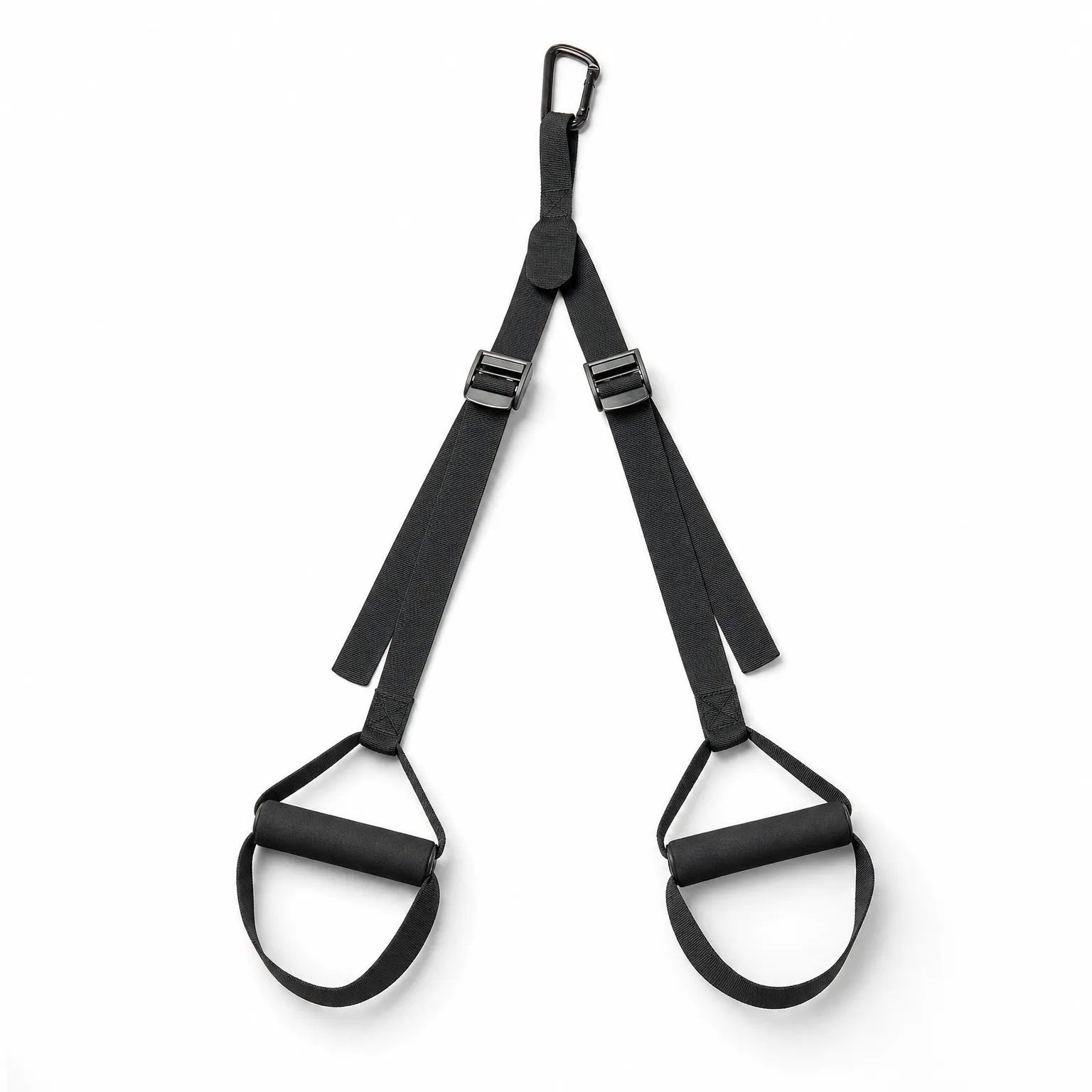
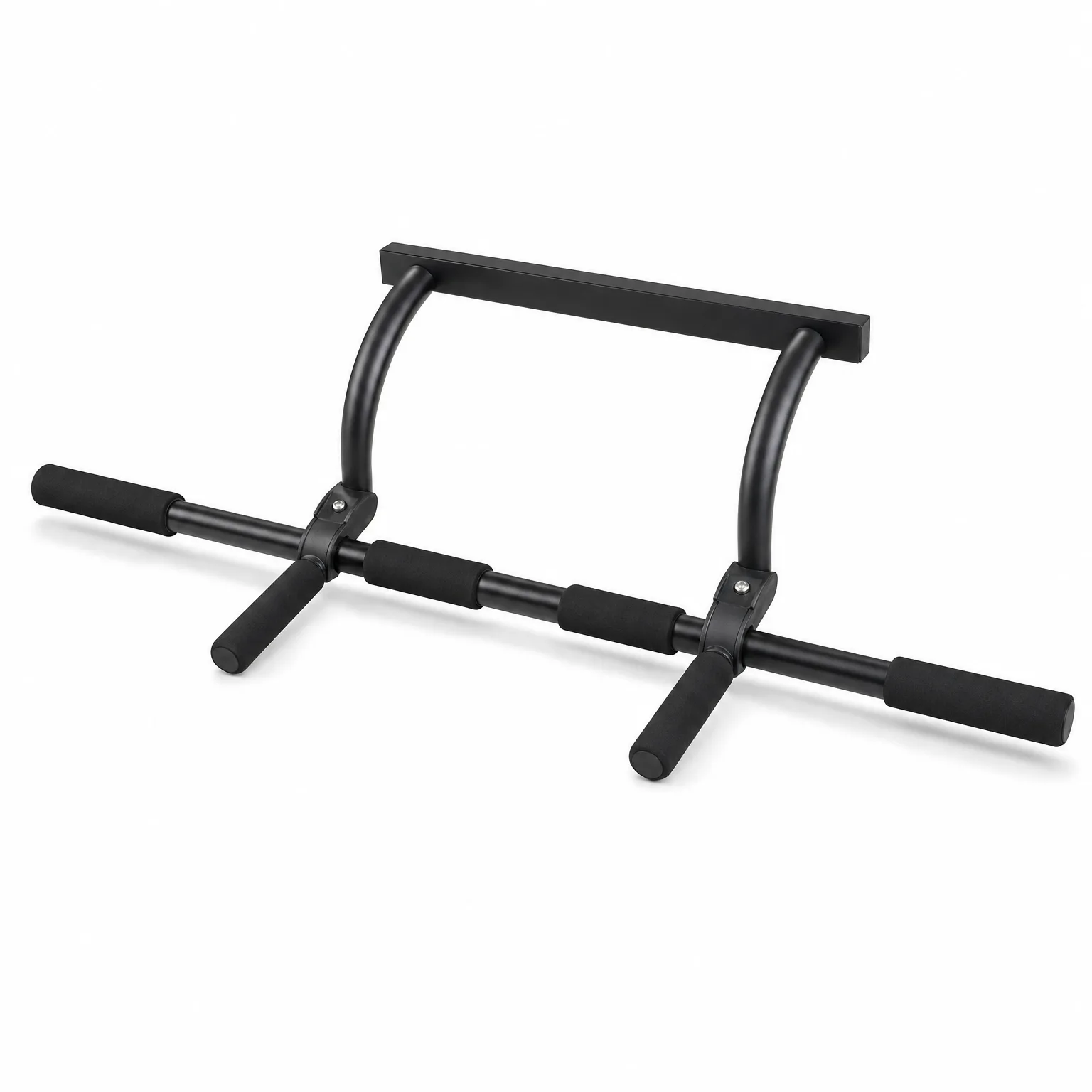
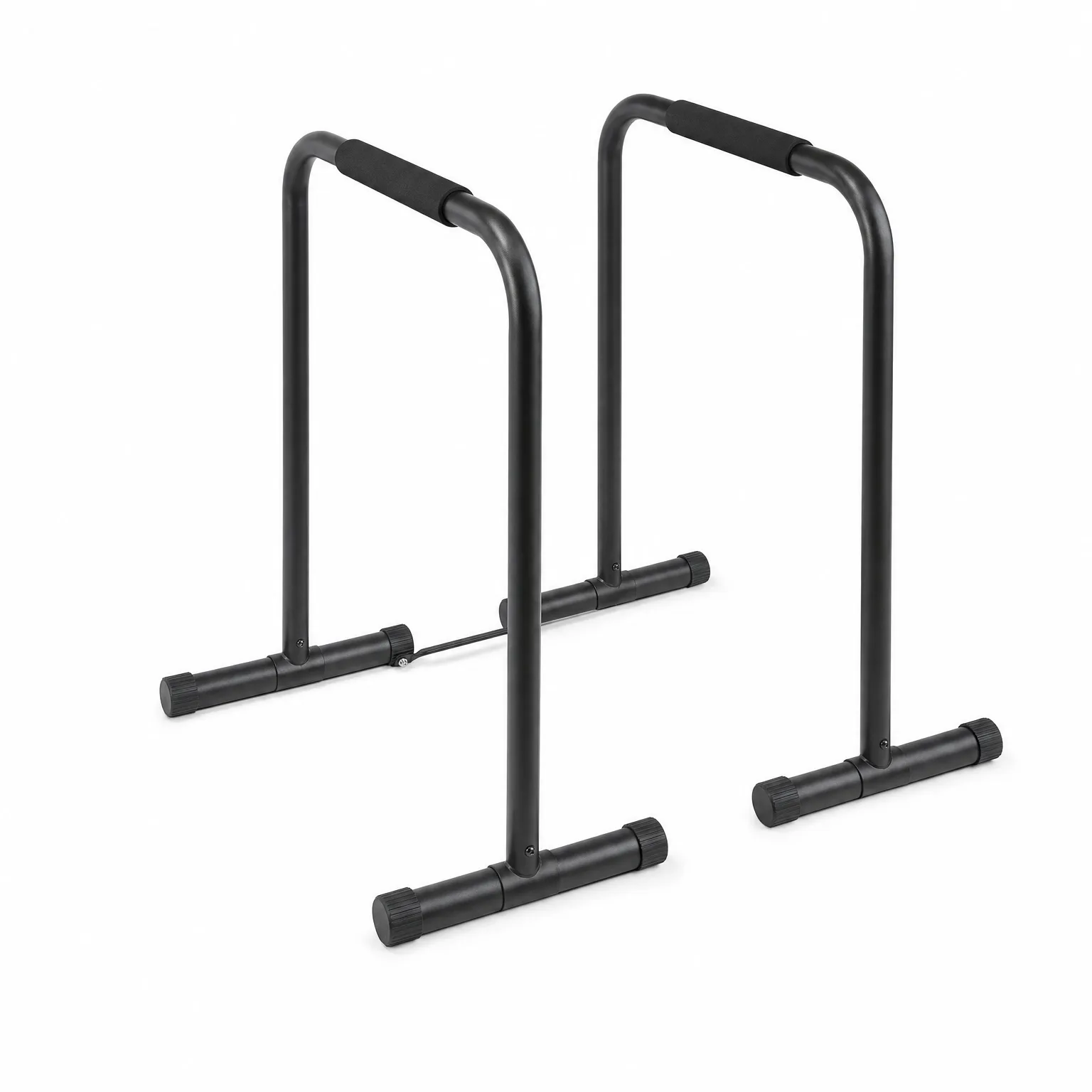
A suspension trainer covers rows, push-ups and core work in the same way, with softer handles and a single anchor, but is less suited to dips and pull-ups. A pull-up bar replaces hangs, pull-ups and leg raises with a fixed grip. Dip bars or two sturdy parallel surfaces replace dips and support holds on a stable base, which is also the easier place to learn them.
-
Suspension trainer
Two adjustable straps with handles, hung from one anchor point. You lean or hang on them and use your own body weight as the load. -
Pull-up bar
A fixed horizontal bar you hang from. Used for pull-ups, chin-ups, hangs and hanging leg raises, at home or outdoors. -
Dip bars
Two parallel bars at about waist height that you support yourself on. Used for dips, leg raises and bodyweight rows.
Often used with
-
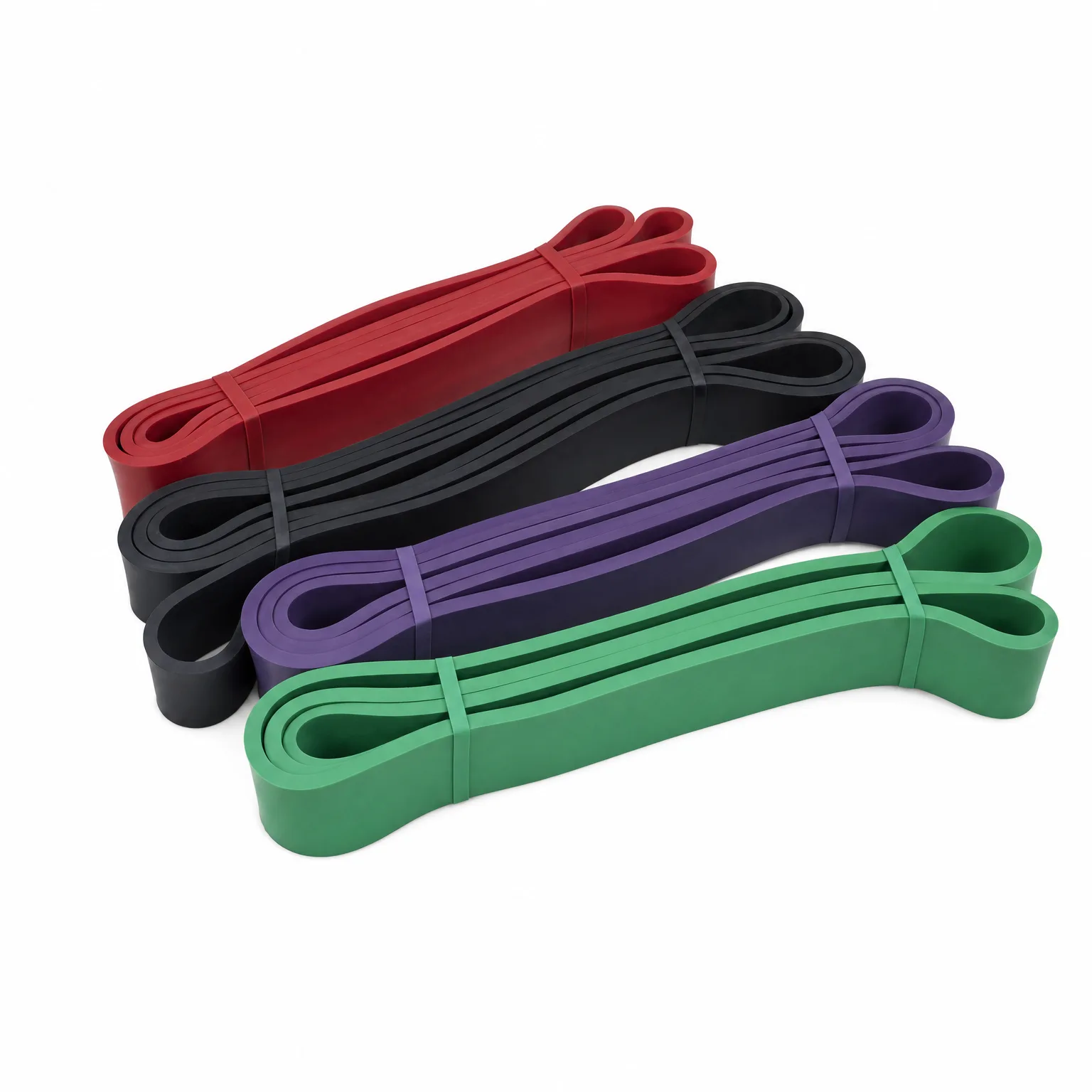
Resistance bands
Long closed loops of thick rubber. They add resistance to rows, presses and squats, or take weight off in pull-ups and dips. -
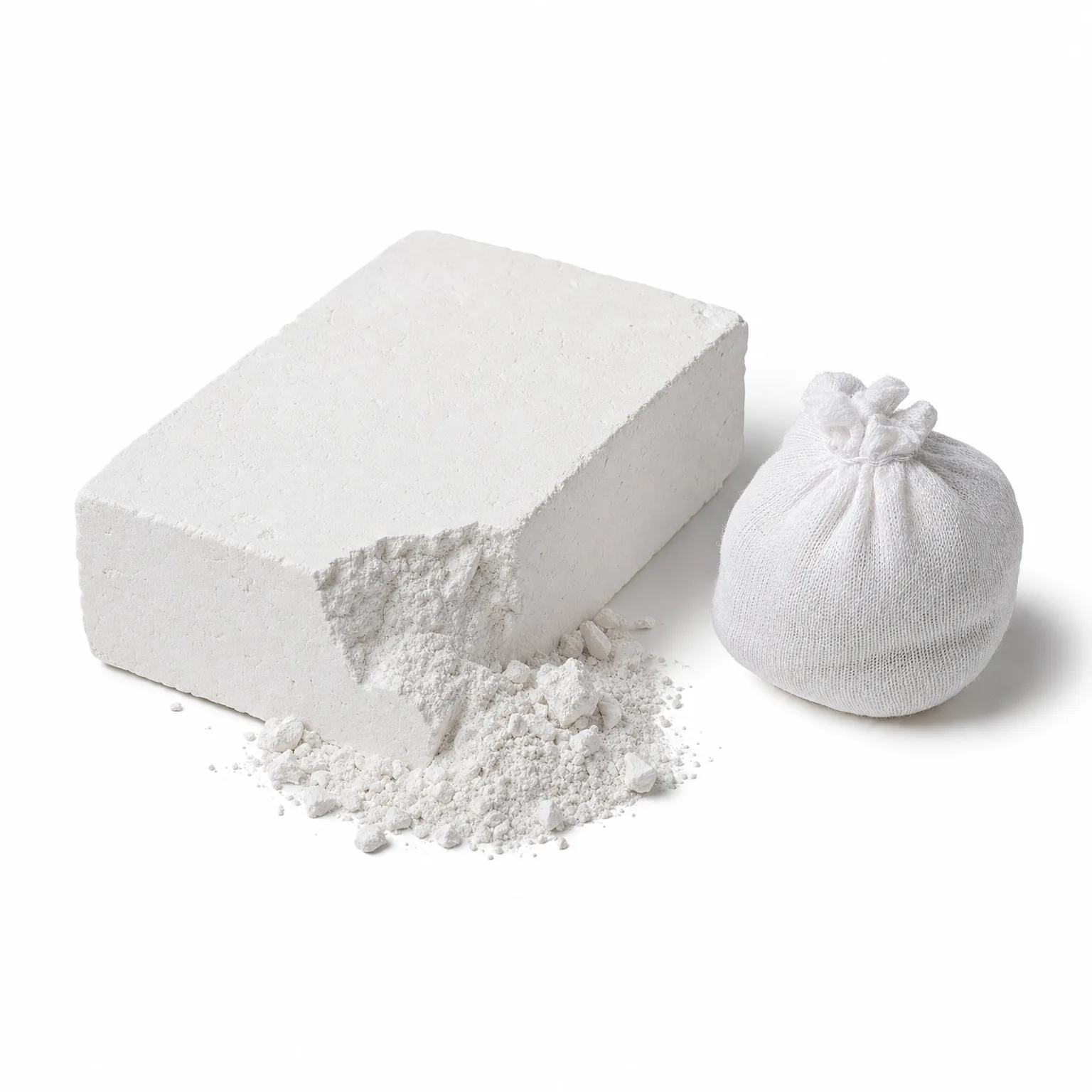
Gym chalk
Magnesium carbonate powder that dries sweaty hands so a bar, kettlebell or rings do not slip. Sold as a block, a ball or a liquid. -
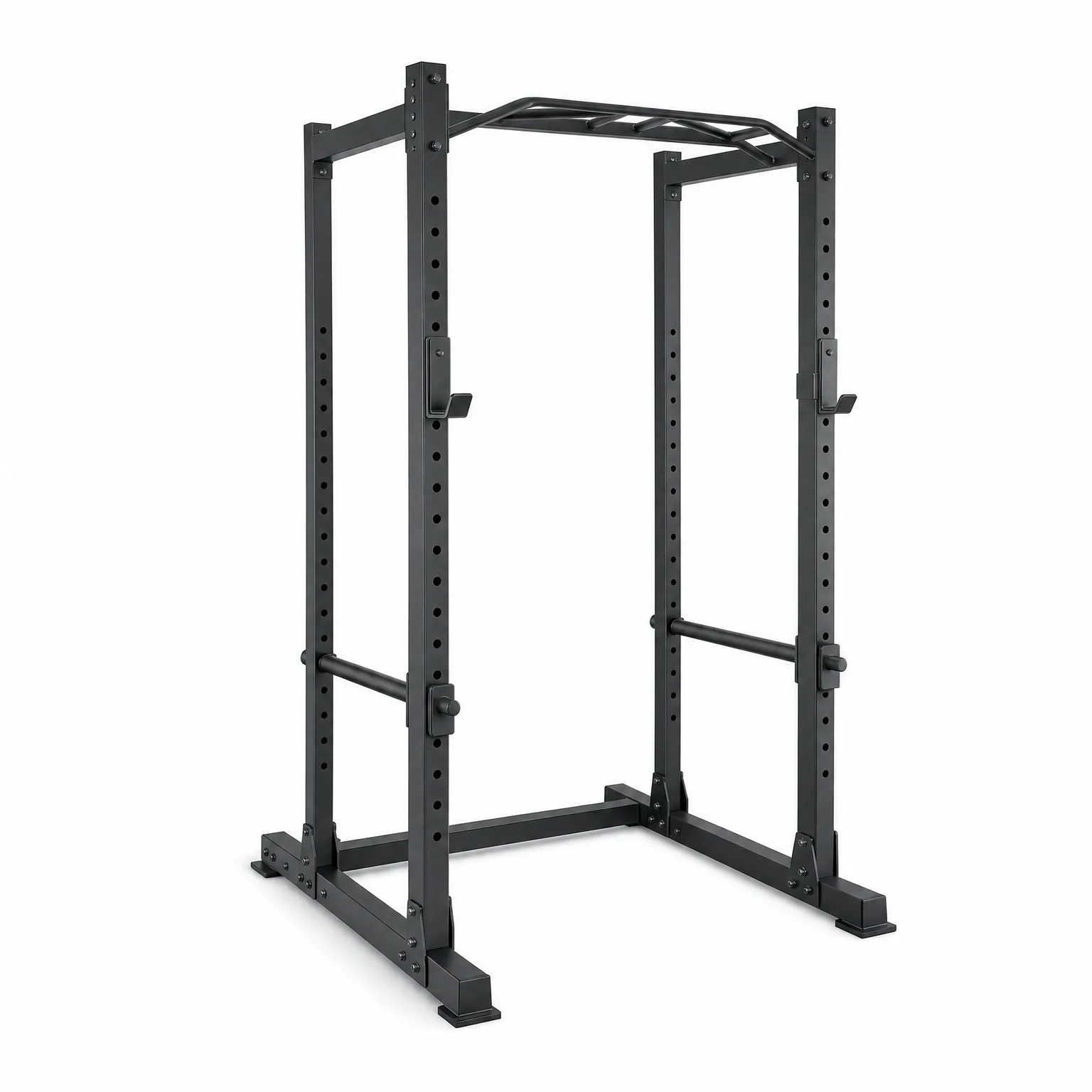
Squat rack
A steel frame that holds a barbell at the height you need and catches it if a rep fails. The base for squats and presses. -
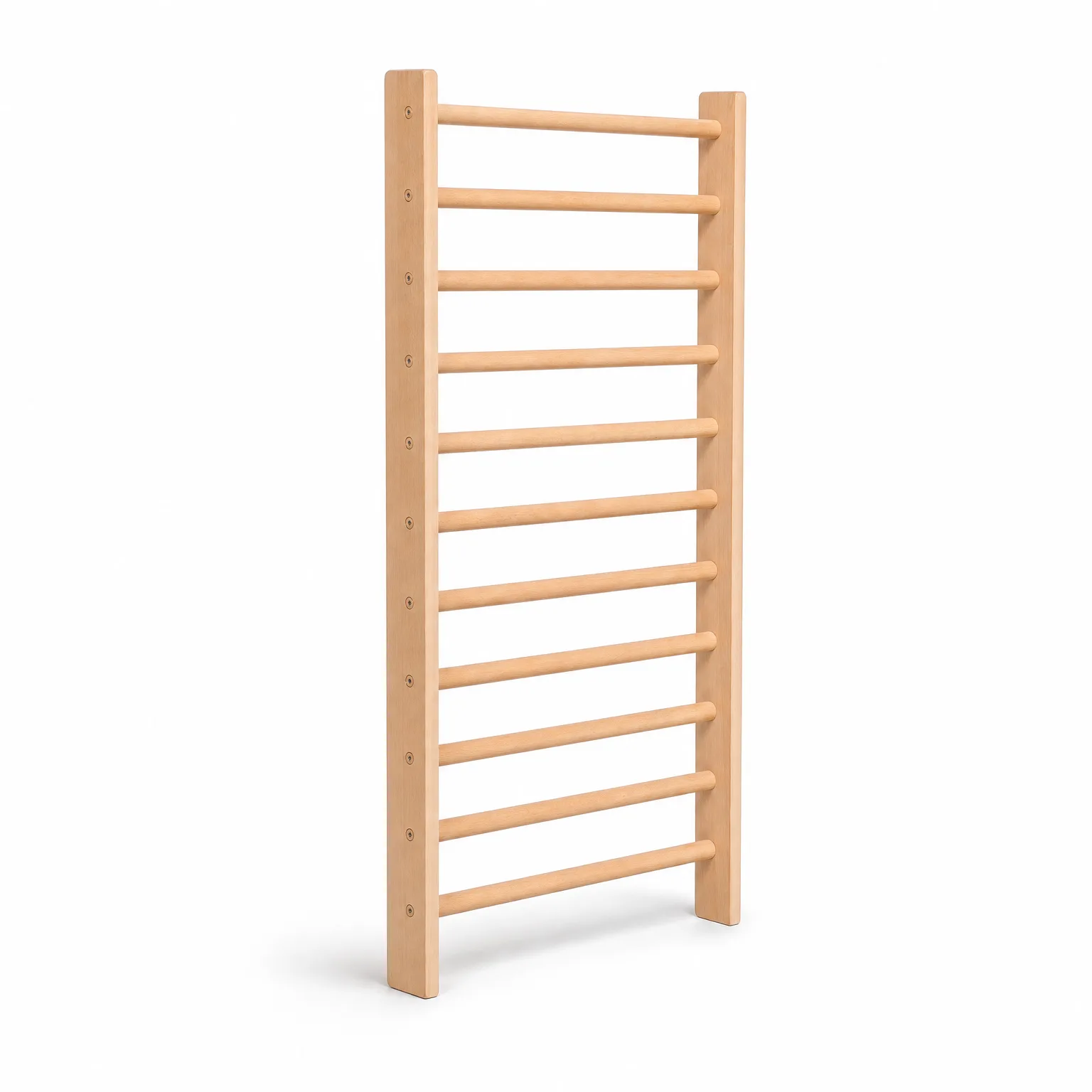
Wall bars
A ladder of horizontal wooden rungs fixed to a wall. Used for hanging leg raises, assisted stretching, pull-ups and band work.
Questions about gymnastic rings
Are gymnastic rings good for beginners?
For rows, push-ups, hangs and assisted exercises with the feet on the floor, yes. Dips, support holds and pull-ups on rings need more strength and control than on fixed bars, so a beginner should start with the feet-supported versions and add the harder moves over months.
Wooden or plastic gymnastic rings?
Wooden rings give a better grip and feel warmer and more comfortable, and they hold chalk well. Plastic rings handle rain and rough use but slip when the hands sweat. Choose wood for indoor use and plastic only for a permanent outdoor setup.
What size gymnastic rings should I get: 28 mm or 32 mm?
28 mm is the gymnastics competition thickness and suits most hands, especially for false-grip and muscle-up work. 32 mm feels closer to a pull-up bar and suits larger hands. The inner diameter is about the same on both.
Rings or a pull-up bar?
A bar is simpler for pull-ups, chin-ups and leg raises. Rings add rows, dips, push-ups and support work, let the wrists rotate freely during pulls, and adjust to any height. Many people hang rings from a pull-up bar and use both.
How high should rings be hung?
The anchor should be high enough to hang with straight arms without touching the floor, about 2.3–2.7 m (7.5–9 ft) for most people, though lower anchors work if you bend the knees. The rings themselves are then moved up or down on the straps for each exercise.
Build programs around what your client has
This guide comes from OnlineFitness.app, the app online coaches run their clients in.
Free for life for the first 100 coachesNo card