Equipment Benches, racks and bars
Wall bars
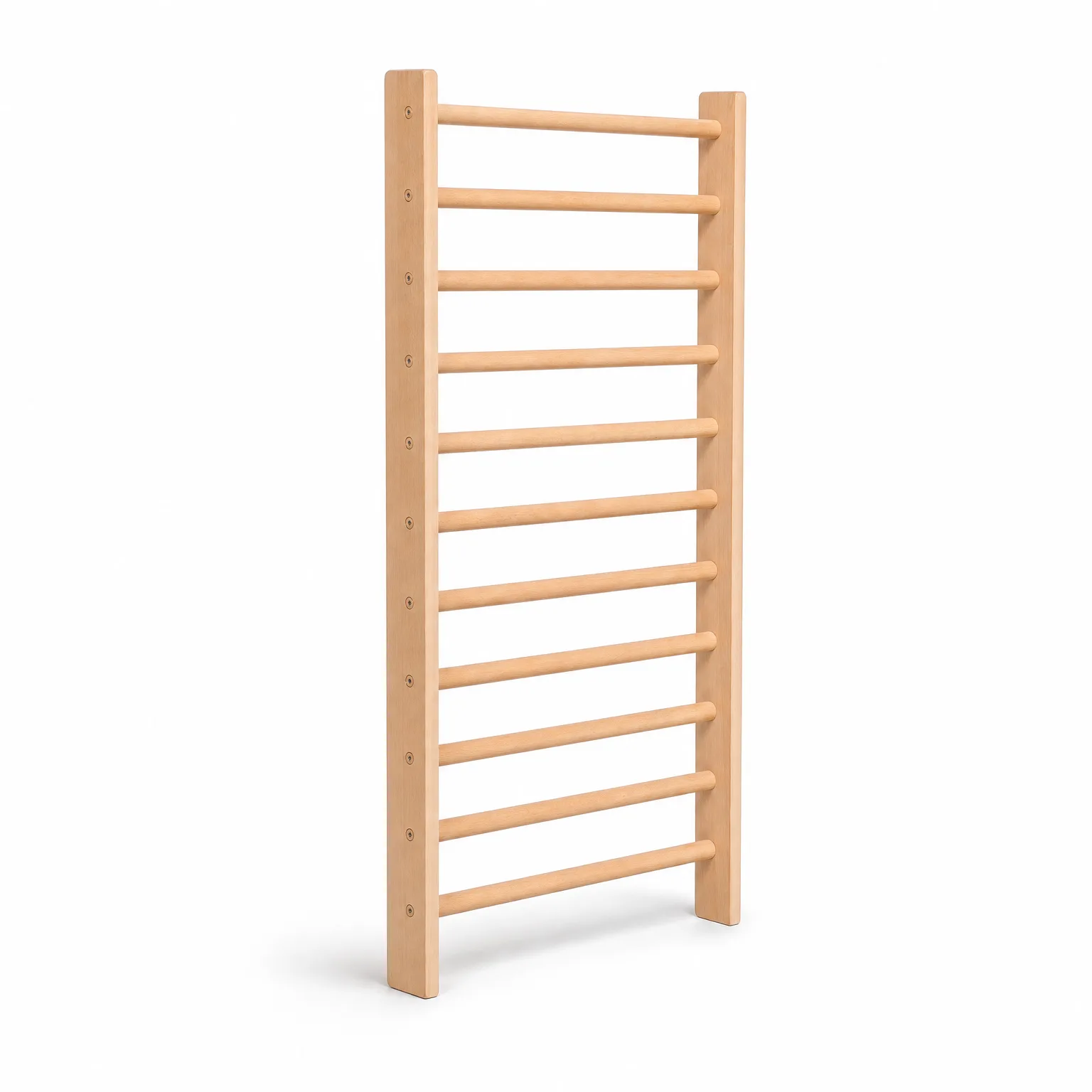
A ladder of horizontal wooden rungs fixed to a wall. Used for hanging leg raises, assisted stretching, pull-ups and band work.
In short
Wall bars, also called stall bars or a Swedish ladder, are a tall frame of horizontal rungs fixed flat against a wall. You hang from the upper rungs, hold the middle ones for support and hook your feet under the lower ones. They are used for hanging leg raises, stretching with a firm handhold, pull-ups and as an anchor for bands.
Because there is a rung at every height, each exercise can be made easier or harder by moving one rung. This makes wall bars common in gymnastics halls, physiotherapy rooms and school gyms, and a compact option at home for adults and children.
- Category
- Benches, racks and bars
- Where
- Home, Gym
- Level
- Beginner and up
- Space
- Needs a corner of a room
- Typical sizes
- About 200–260 cm (79–102 in) high and 80–100 cm (31–39 in) wide, with rungs roughly 30–40 mm (1.2–1.6 in) thick
- Also called
- swedish ladder, stall bars, swedish wall, gymnastics wall bars, swedish bars, wall ladder
What it is used for
- Hanging knee raises and leg raises with the back against the rungs
- Stretching the hamstrings, hips, shoulders and chest with a rung to hold
- Pull-ups and hangs from the top rung
- Anchoring resistance bands at any height for rows, presses and rotations
- Supported squats, lunges and balance drills holding a rung
Types
Classic wooden. Wooden uprights, often pine, with round or oval hardwood rungs, usually beech or ash. Warm to hold and the traditional choice for stretching.
Steel frame. Metal uprights and rungs, often powder coated. Slimmer and usually sold with add-ons. Rungs are thinner and harder under the feet and back.
With offset top bar. The top rung or a separate pull-up bar sits forward of the frame, so you can hang and pull up without the lower rungs getting in the way.
With attachments. Hook-on dip handles, an incline board for sit-ups or a small bench. Turns the ladder into a compact home station.
How to choose
Check the wall before the ladder
Wall bars pull outward on their fixings when you hang. They need solid masonry, concrete or structural timber. Plasterboard alone will not hold them. If you are unsure what is behind the wall, ask a builder.
Measure the ceiling
The frame should fit with room above the top rung for your hands and head. For pull-ups, an offset top bar and extra clearance are needed. A shorter ladder still works for stretching and leg raises.
Rung shape and material
Oval or round hardwood rungs are comfortable to grip and to press your back or feet against. Check that rungs are fixed and do not rotate, and that the wood is smooth without splinters.
Rating and fixings
The load rating depends on the manufacturer and on correct installation. Use the fixings specified for your wall type, and check the rating again if adults will add dip handles or a pull-up bar.
How to start using it
- Pick the rung, not the weight. Difficulty on wall bars changes with height. For a supported squat or a chest stretch, start with a rung at hip to chest height. Move the hands or feet one rung at a time as you get more comfortable.
- Start hanging work with bent knees. Hang from a high rung with your back to the ladder and lift the knees toward the chest without swinging. The rungs behind you stop the body from rocking. Move to straight legs once ten clean knee raises are easy.
- Stretch with support. Hold a rung and ease into the position, for example a forward fold holding a rung at hip height, or a foot placed on a rung for the hamstrings. Hold for 20–40 seconds and keep breathing normally.
- Anchor bands low, middle or high. Loop a band around a rung close to an upright. Chest height suits rows and presses, a high rung suits pulldowns, a low rung suits curls and leg work. Check the knot or loop before you pull.
Common mistakes
Fixing to a weak wall
Screws into plasterboard or crumbling brick can pull out under a hanging body. This is the one mistake that makes wall bars dangerous. Fix into solid structure with the correct anchors.
Swinging in leg raises
Using momentum to throw the legs up takes the work off the abs. Keep the lower back near the rungs, lift slowly and lower for two to three seconds.
Forcing a stretch
The rungs give enough leverage to pull yourself deeper than your body is ready for. Move into a stretch gradually and stop at a strong but comfortable pull, not at sharp pain.
Climbing in socks
Smooth wooden rungs are slippery under socks. Use bare feet or shoes with grip when you stand or climb on the ladder.
What to use instead
A pull-up bar covers hanging leg raises, hangs and pull-ups, though the body swings more without rungs behind it. Rings or a suspension trainer hung from a door anchor or beam give adjustable handles for supported squats, rows and stretches. For stretching alone, a wall, a door frame or a sturdy table edge gives something to push or hold against.
-
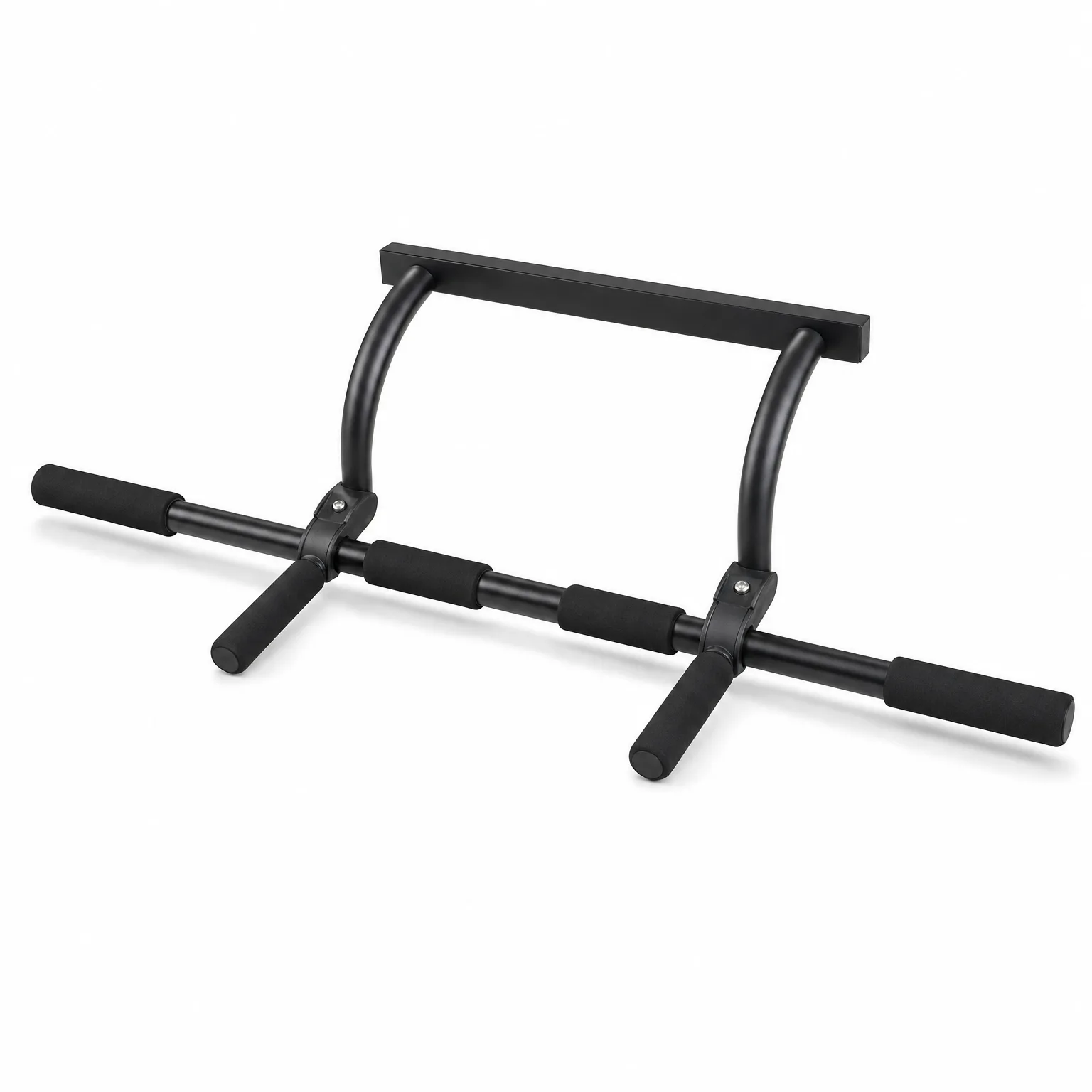
Pull-up bar
A fixed horizontal bar you hang from. Used for pull-ups, chin-ups, hangs and hanging leg raises, at home or outdoors. -
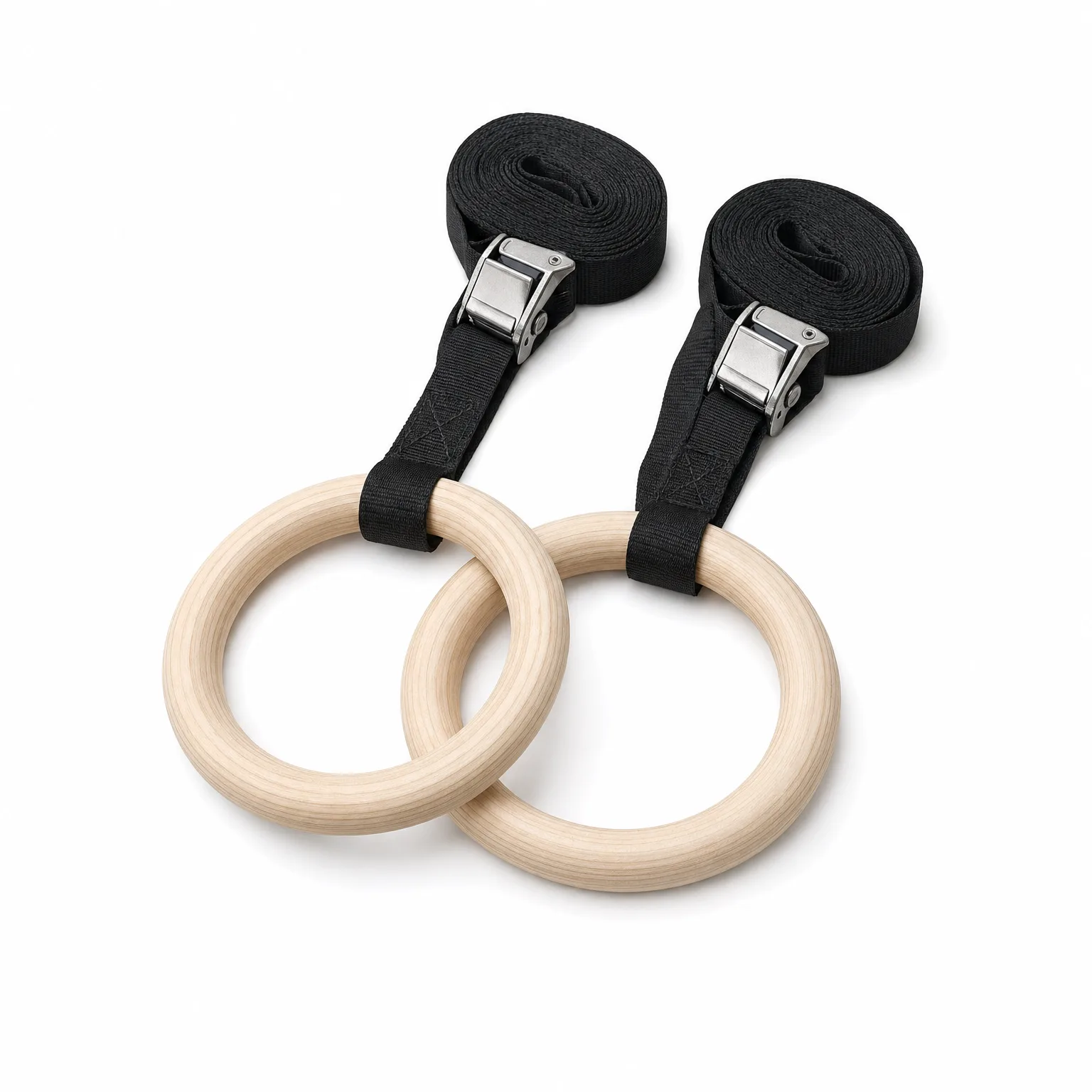
Gymnastic rings
Two rings on adjustable straps, hung from a bar or beam. Used for rows, pull-ups, dips, push-ups and support holds with body weight. -
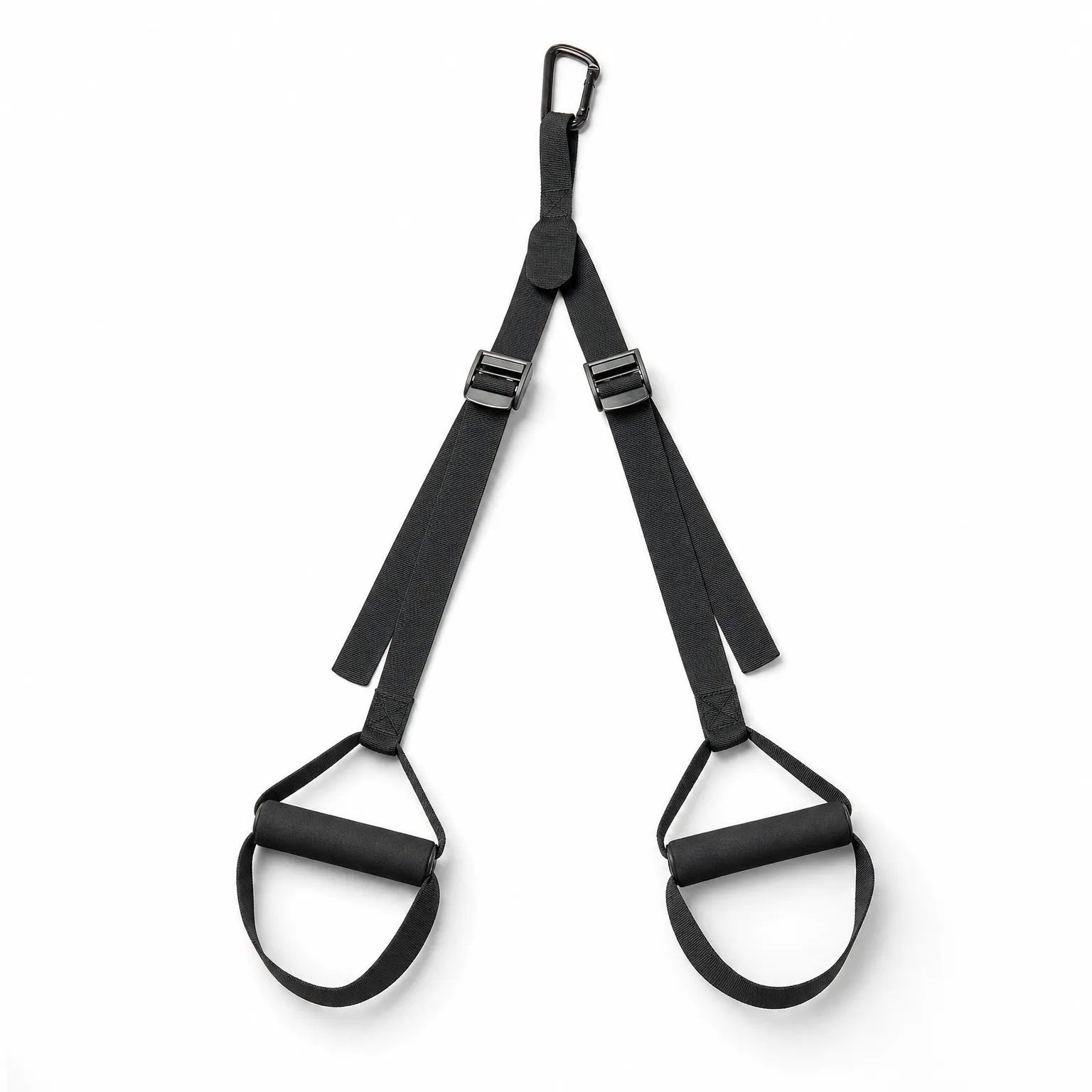
Suspension trainer
Two adjustable straps with handles, hung from one anchor point. You lean or hang on them and use your own body weight as the load. -
Wall
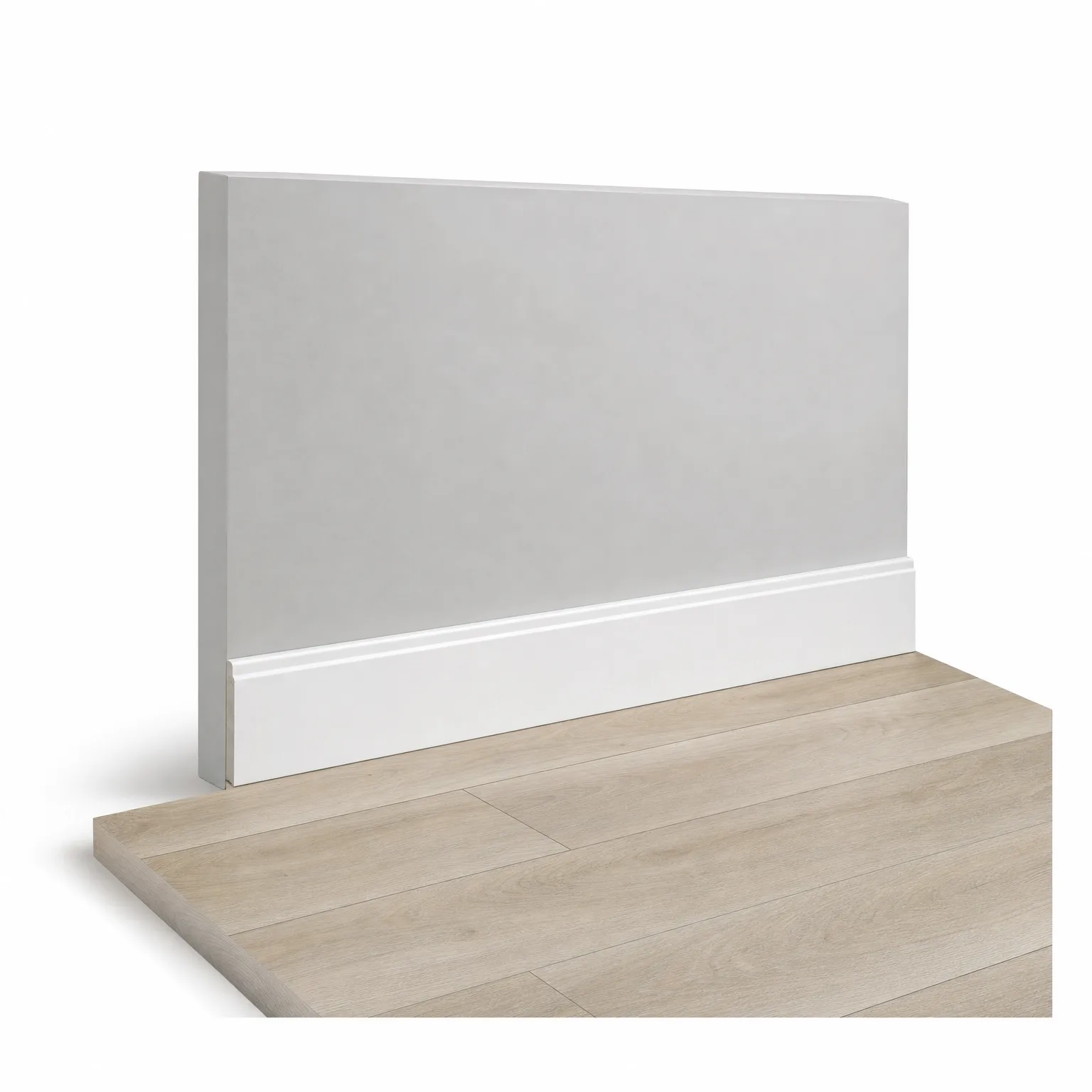
A clear stretch of solid wall works as support, a balance aid and a fixed surface to push against: wall sits, wall push-ups, stretches.
Often used with
-
Resistance bands
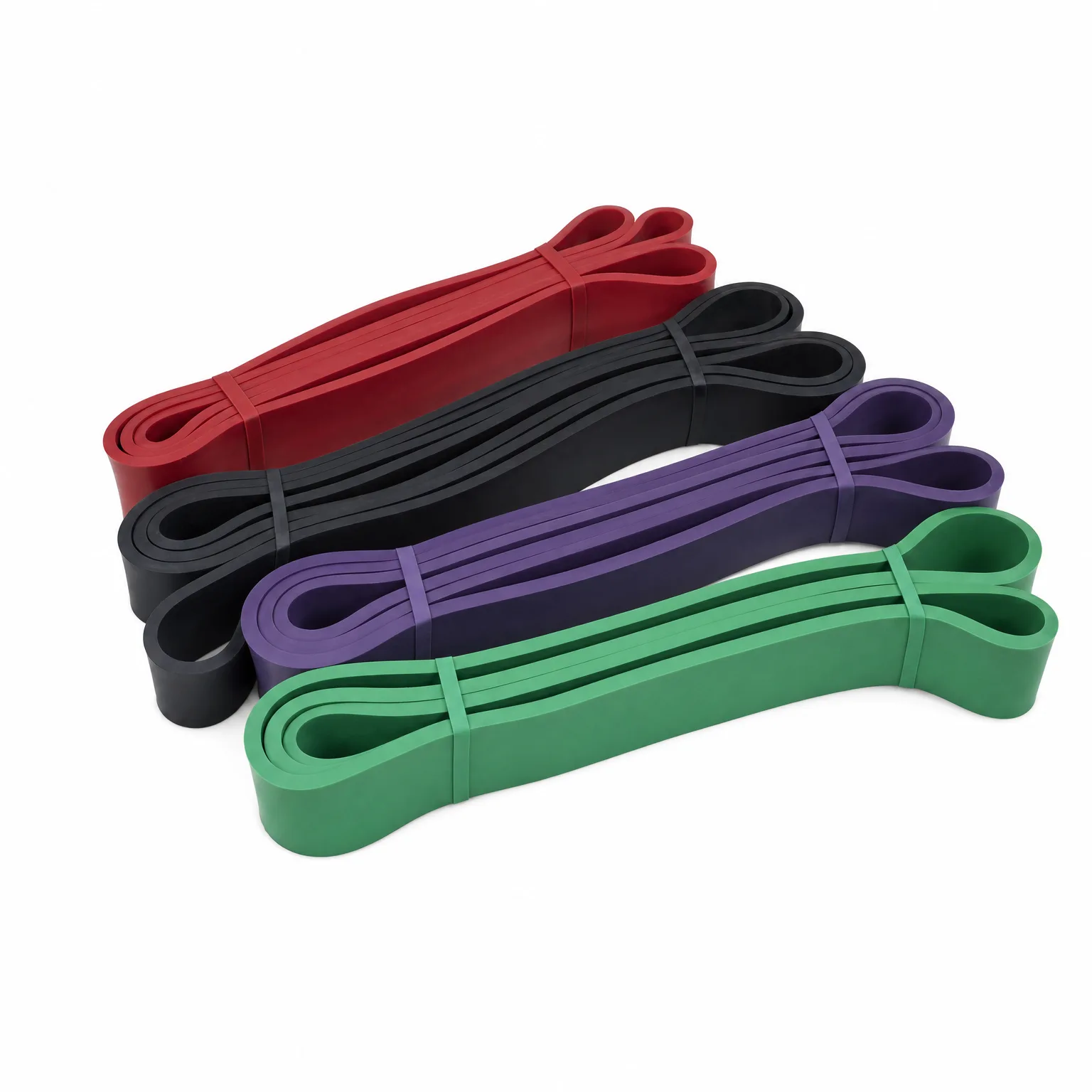
Long closed loops of thick rubber. They add resistance to rows, presses and squats, or take weight off in pull-ups and dips. -

Exercise mat
A cushioned, non-slip surface for floor exercises, stretching and yoga. The first thing most people need to train at home. -
Dip bars
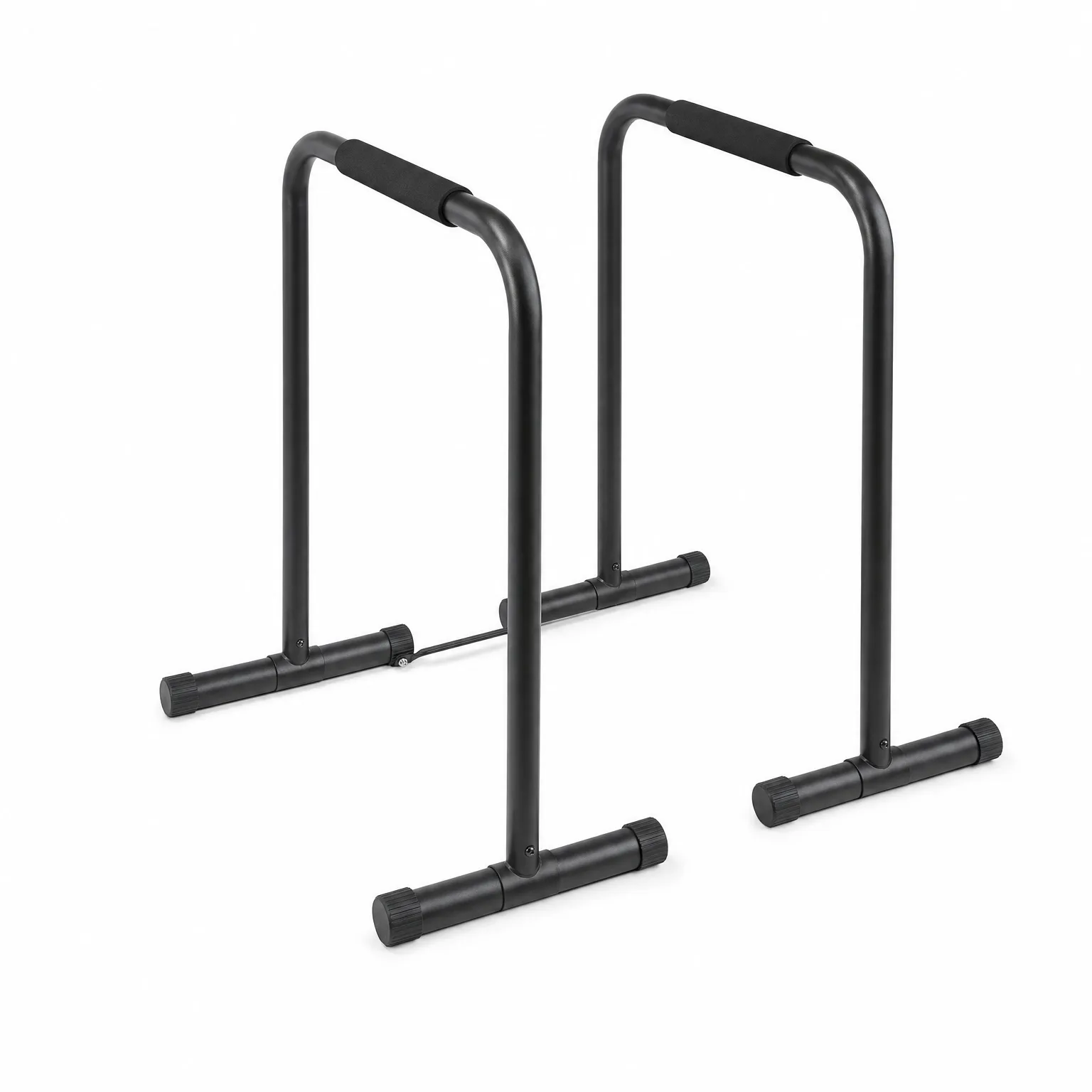
Two parallel bars at about waist height that you support yourself on. Used for dips, leg raises and bodyweight rows.
Questions about wall bars
What are wall bars used for?
Mainly four things: hanging abdominal work such as knee and leg raises, stretching with a firm handhold at any height, pull-ups and hangs from the top rung, and anchoring resistance bands. They are also used for supported squats and balance practice.
Wall bars vs a pull-up bar?
A pull-up bar is cheaper, smaller and better for pull-ups alone. Wall bars add supported stretching, leg raises without swinging, band anchor points at every height and room for attachments. Choose wall bars if mobility and core work matter as much as pull-ups.
Can you do pull-ups on wall bars?
Yes, if the top bar stands forward of the frame. On a flat ladder the lower rungs get in the way of your knees and chest, so you can only hang and do short pulls. Many models have an offset or add-on pull-up bar for this reason.
Can wall bars be installed at home?
Yes, on a solid wall with the right fixings and enough ceiling height. They take little floor space because they sit flat against the wall. Leave about 1.5 m of clear floor in front for leg raises and stretching.
Build programs around what your client has
This guide comes from OnlineFitness.app, the app online coaches run their clients in.
Free for life for the first 100 coachesNo card