Equipment Mobility and recovery
Exercise mat
A cushioned, non-slip surface for floor exercises, stretching and yoga. The first thing most people need to train at home.
In short
An exercise mat is a rolled or folding sheet of foam or rubber that you lay on the floor to train on. It cushions the knees, hips, spine and hands during floor work, gives the hands and feet a surface that does not slide, and keeps you off a cold or dirty floor.
It does not train any muscle by itself, but it makes planks, crunches, glute bridges, push-ups, stretching, yoga and Pilates comfortable enough to do properly. It suits every level and is often the only equipment a home program needs.

- Category
- Mobility and recovery
- Where
- Home, Gym, Outdoors, Travel
- Level
- Beginner and up
- Space
- Needs a corner of a room
- Typical sizes
- About 173–183 cm long and 61 cm wide (68–72 x 24 in); 3–6 mm (1/8–1/4 in) thick for yoga, 8–15 mm (0.3–0.6 in) for fitness
- Also called
- yoga mat, fitness mat, workout mat, gym mat, pilates mat, floor mat
What it is used for
- Floor exercises on the back, front or knees: crunches, bridges, planks, push-ups
- Yoga and Pilates, where grip under the hands and feet matters
- Stretching and mobility work before or after training
- Foam rolling and other floor-based recovery work
- Marking out a clean training spot at home, in a gym or outdoors
Types
Yoga mat. Thin, usually 3–6 mm, with a grippy surface. Firm enough to balance on in standing poses, but offers little padding for knees and the spine.
Thick fitness mat. Soft foam, usually 8–15 mm. Comfortable for kneeling and lying exercises. Less stable for standing balance work because the foam compresses.
Pilates mat. Dense and fairly thick, made for rolling along the spine. Firmer than a soft fitness mat of the same thickness.
Folding mat. Stiff padded panels that fold into a block. Common in gyms and for gymnastics-style work. Bulky, but well padded.
Travel mat. Very thin, 1–2 mm, and light enough to fold into a bag. Gives grip and a clean surface, but almost no cushioning.
How to choose
Match the thickness to what you do
For yoga and standing balance work, 4–6 mm keeps you stable. For floor exercises, kneeling and core work, 8–12 mm is more comfortable. Very thick, soft mats feel good under the knees but make planks and standing exercises wobbly.
Check the grip on both sides
The underside should not slide on your floor and the top should not slide under your hands. Rubber and textured surfaces grip best. Smooth soft foam can get slippery when your hands sweat.
Make sure it is long enough
Lying down, your head and heels should both be on the mat. A standard mat is about 173–183 cm (68–72 in). If you are taller than about 180 cm (5 ft 11 in), look for an extra-long one.
Think about weight and storage
Dense rubber mats grip well but can weigh 2–3 kg (4–7 lb). If you carry the mat to classes or travel with it, a lighter foam or thin travel mat is easier to live with.
How to start using it
- Lay it on a flat, hard floor. A mat works best on wood, tile or other hard flooring. On thick carpet it can creep and bunch up. Unroll it fully and flatten curled ends, rolling them the opposite way for a minute if needed.
- Train barefoot or in clean shoes. Yoga, Pilates and most floor work are done barefoot for grip. If you wear shoes, use clean ones: grit and hard soles wear soft foam quickly.
- Add padding where you need it. If your knees or wrists are uncomfortable on a thin mat, fold the edge of the mat over or put a folded towel under them rather than switching to a soft mat for everything.
- Wipe it and let it dry. Wipe the mat with a damp cloth after sweaty sessions and let it dry flat or hanging before you roll it up. Follow the maker's cleaning instructions, since some materials do not tolerate strong cleaners.
Common mistakes
Jumping in shoes on a soft mat
Soft foam mats are made for floor work. Jumping and fast side-to-side moves in shoes tear the surface and make the mat slide. Do those exercises on the bare floor or on a dense rubber mat made for them.
Choosing the thickest mat for yoga
A thick, squashy mat makes balance poses harder and lets the wrists sink in planks and downward dog. For yoga, a thinner, firmer mat usually works better.
Using it on a slippery or uneven surface
A mat on polished floor, loose rugs or deep carpet can shift under you mid-exercise. Test it with a firm push of the hands and feet before you start.
Storing it damp
Rolling a mat up while it is still wet from sweat or cleaning leaves it smelling and can break down the surface. Let it dry first.
What to use instead
A folded towel or a thick blanket on the floor gives enough padding for lying and kneeling exercises, although it slides on smooth floors, so avoid it for planks and anything where your hands or feet push against the surface. A carpet or rug is fine for most core and stretching work. A folding gym mat pads floor exercises well but is too soft and smooth for yoga. For yoga poses that need grip, there is no good household replacement for a proper mat.
-
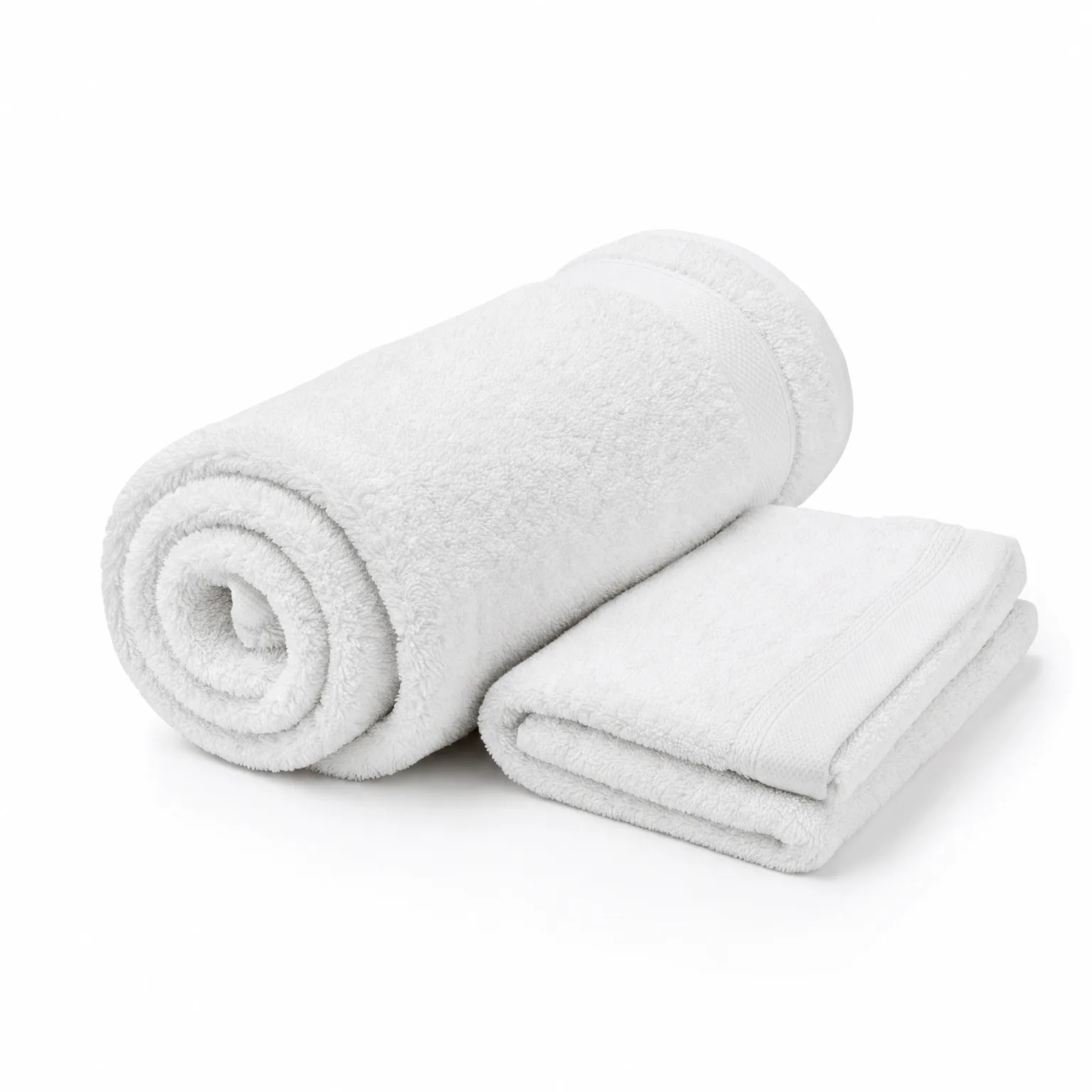
Towel
A towel doubles as sliders on a smooth floor, a stretching strap, a pulling tool for isometric exercises and padding for the knees. -
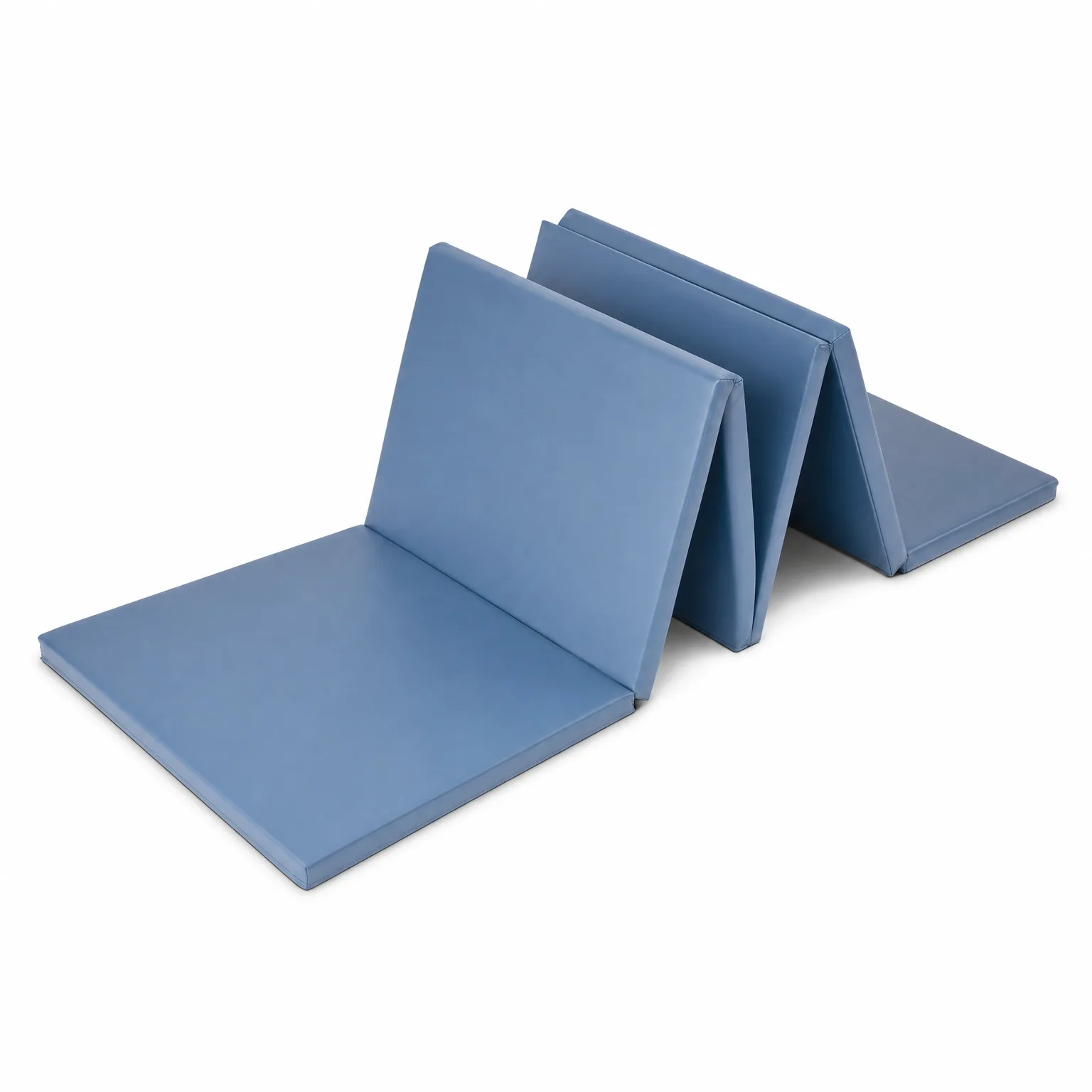
Folding gym mat
A thick foam mat made of hinged panels that folds into a block. It cushions rolls, floor exercises and kneeling work.
Often used with
-
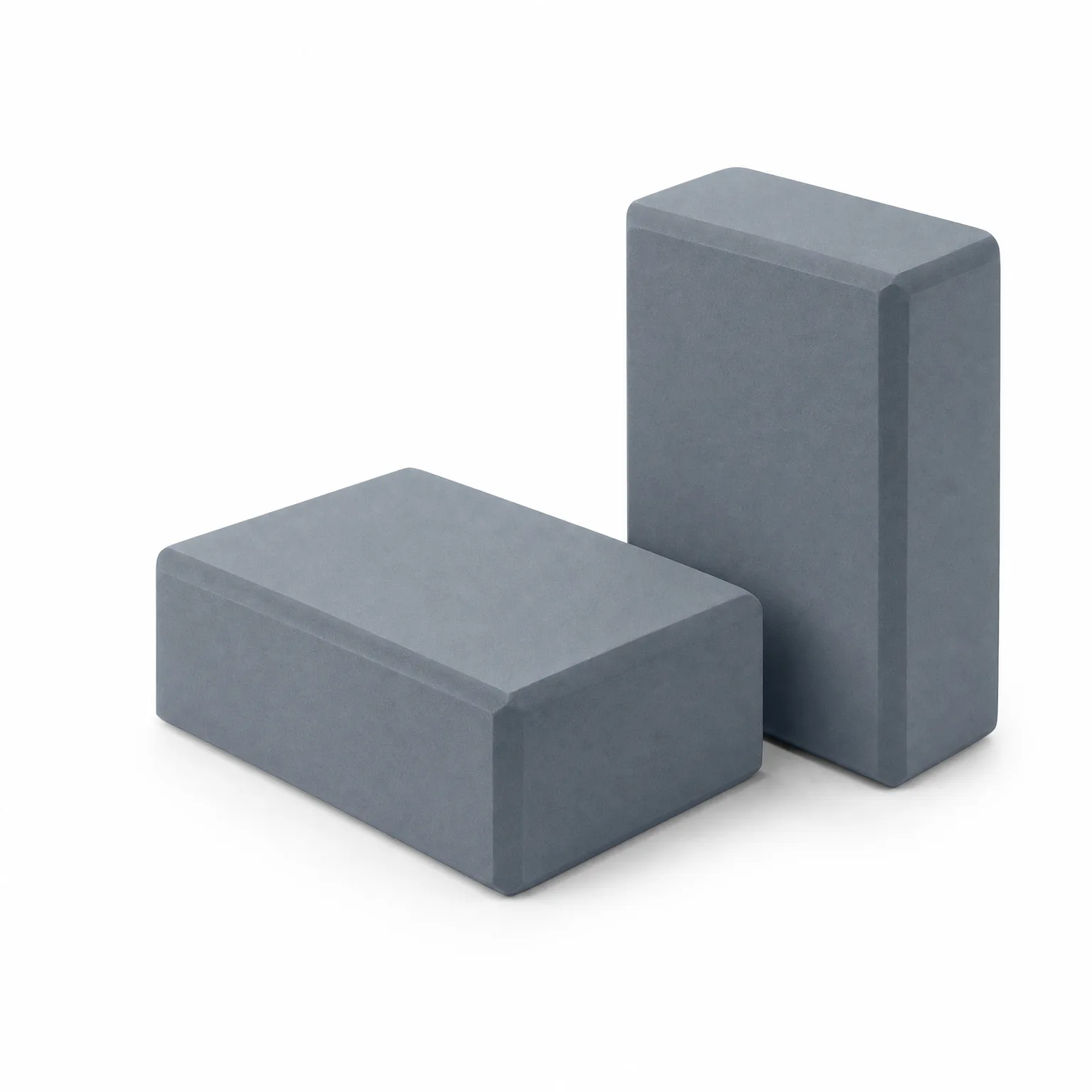
Yoga blocks
Firm rectangular blocks of foam, cork or wood that raise the floor to your hands or support the body in stretches and yoga poses. -
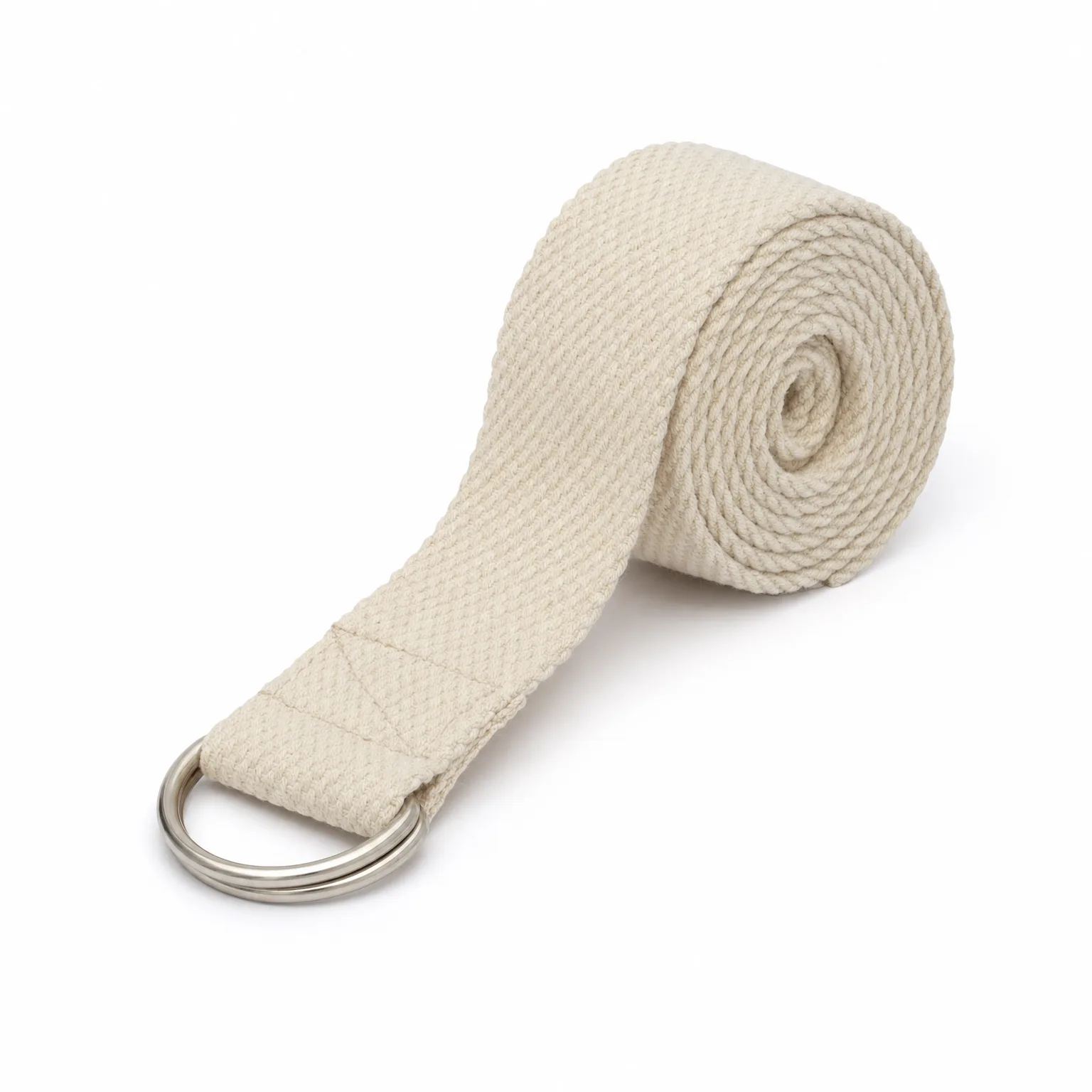
Yoga strap
A long, non-stretch cotton or nylon strap with a buckle that extends your reach in stretches, most often for the hamstrings. -
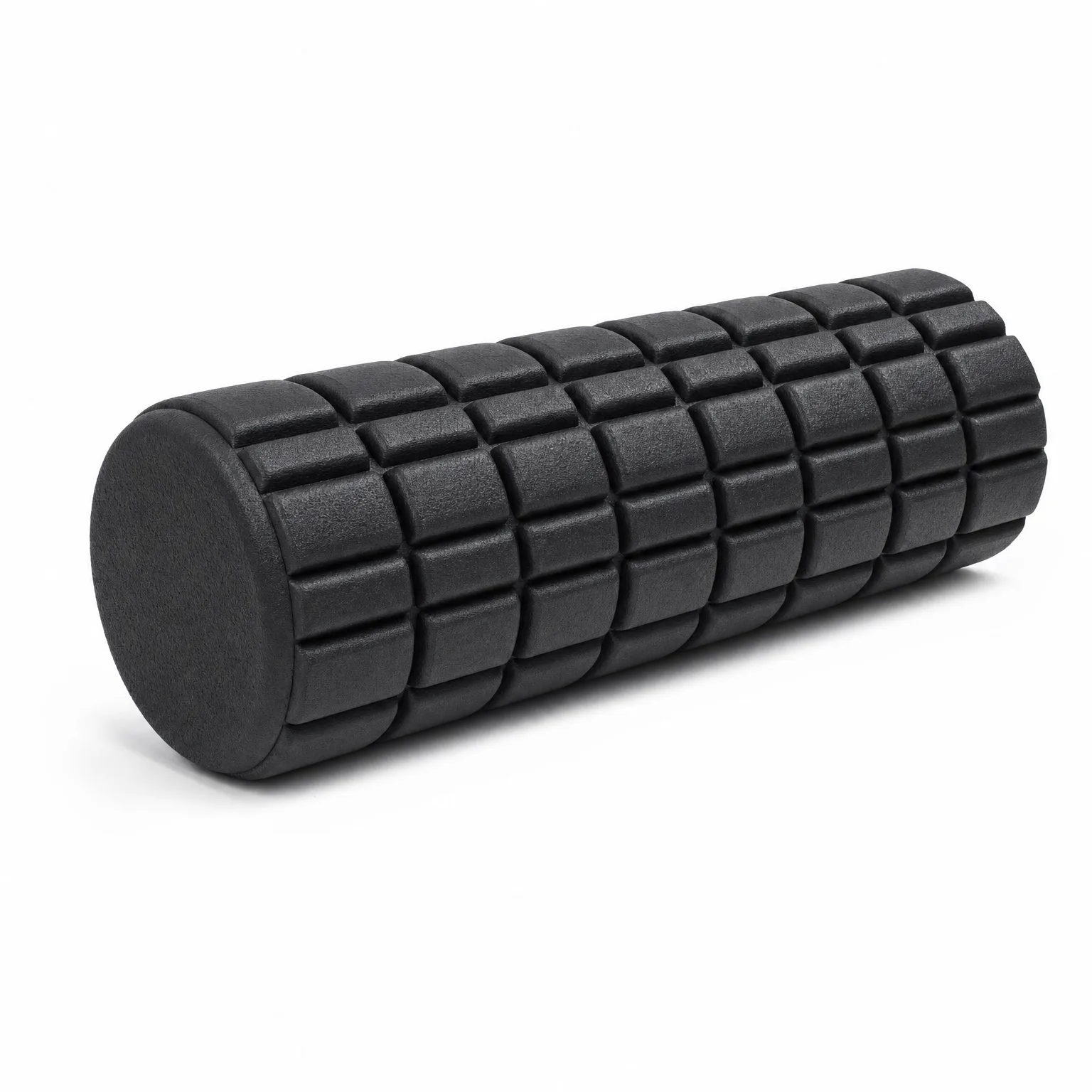
Foam roller
A firm foam cylinder you lie on and roll along a muscle for self-massage, usually during a warm-up or after training. -

Dumbbells
A pair of short handles with a weight at each end. One pair trains every major muscle group, at home or in a gym.
Questions about exercise mat
What is the difference between a yoga mat and an exercise mat?
A yoga mat is thin, usually 3–6 mm, and grippy, so you can balance and hold poses without your hands and feet sliding. A general exercise or fitness mat is thicker and softer, usually 8–15 mm, to pad the knees, hips and spine during floor exercises. You can do floor exercises on a yoga mat and gentle yoga on a fitness mat, but each is better at its own job.
How thick should an exercise mat be?
For yoga and standing work, 4–6 mm. For general home workouts with a lot of kneeling and lying exercises, 8–12 mm. Go thicker only if comfort on the floor is your main concern and you do not need to balance on the mat.
Can I do a home workout without a mat?
Yes. Standing exercises need no mat at all, and a carpet or folded towel covers most floor work. A mat becomes worth having when you train regularly, do planks and push-ups on a hard floor, or practice yoga.
How do I stop my mat from slipping?
Use it on a hard, clean, dry floor rather than carpet. Wipe dust off the underside. If your hands slide on the top, dry them or lay a thin towel over the mat. New mats are sometimes slippery until the factory film wears off after a few sessions and a wipe-down.
Build programs around what your client has
This guide comes from OnlineFitness.app, the app online coaches run their clients in.
Free for life for the first 100 coachesNo card