Equipment Mobility and recovery
Folding gym mat
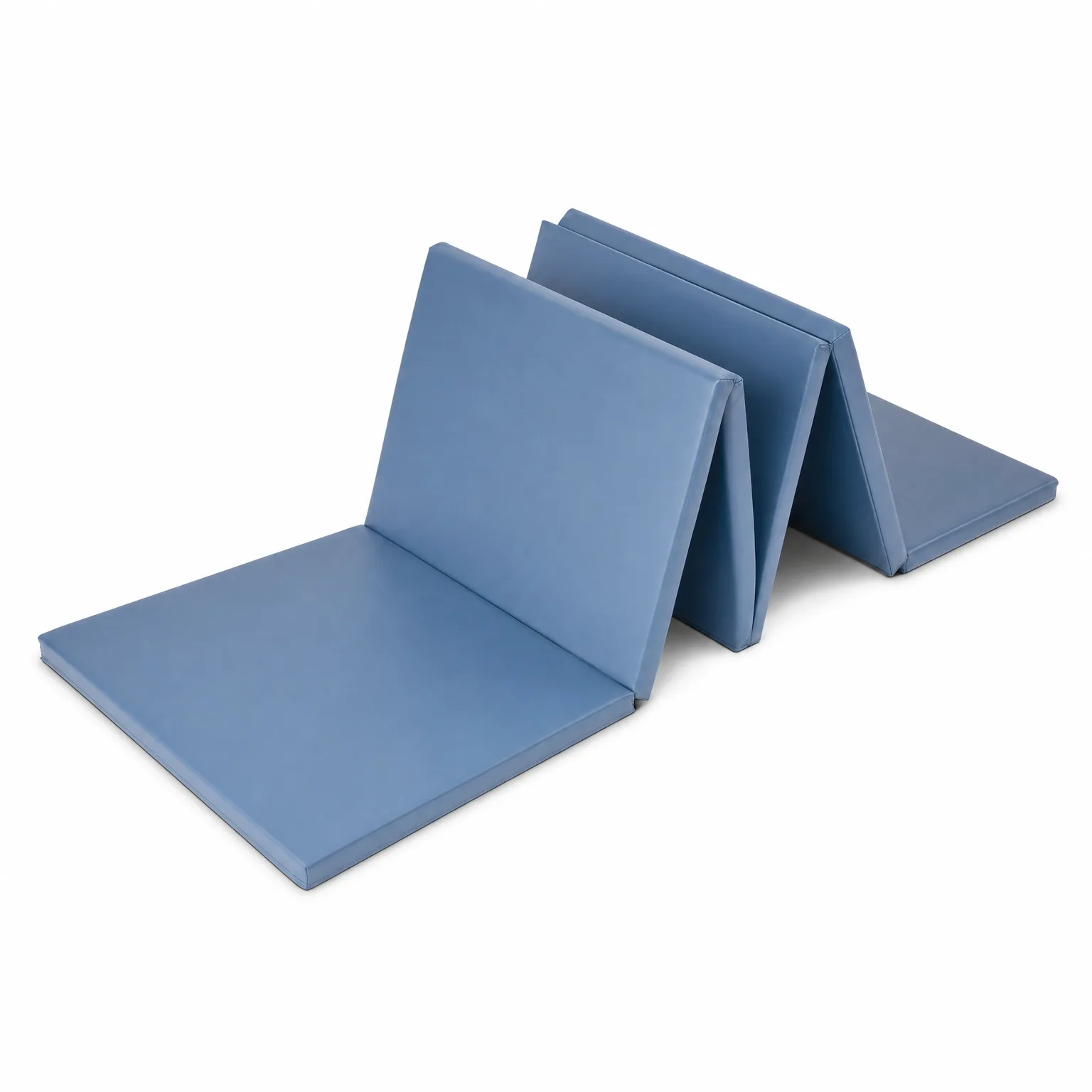
A thick foam mat made of hinged panels that folds into a block. It cushions rolls, floor exercises and kneeling work.
In short
A folding gym mat is a firm foam pad, usually 4–5 cm (1.5–2 in) thick, covered in wipe-clean vinyl and divided into panels that fold over each other like a concertina. Unfolded, it gives a large cushioned surface for rolls, handstand practice, stretching, ab work and anything done on the knees, back or hands. Folded, it stores as a block and doubles as a low platform.
It differs from a regular exercise or yoga mat in thickness and purpose. A thin mat gives grip and a little padding. A panel mat absorbs more impact and protects the spine and knees on a hard floor, but its surface is too soft and slippery for standing balance work or yoga poses.
- Category
- Mobility and recovery
- Where
- Home, Gym
- Level
- Beginner and up
- Space
- Needs a corner of a room
- Typical sizes
- Commonly 120 x 240 cm (4 x 8 ft) in four panels, 4–5 cm (1.5–2 in) thick; smaller 60 x 180 cm (2 x 6 ft) tri-folds exist
- Also called
- folding mat, gymnastics mat, tumbling mat, panel mat, folding exercise mat, tri-fold mat, thick exercise mat
What it is used for
- Forward and backward rolls, cartwheels and other basic tumbling
- Handstand and headstand practice with a softer surface under the hands and head
- Floor exercises on the back, knees or elbows, such as sit-ups and ab wheel rollouts
- Stretching and mobility work on a hard or cold floor
- Folded: a raised block for seated stretches or elevated drills, if it is firm enough
Types
Four-panel mat. The standard gymnastics format: four 60 cm (2 ft) panels that unfold to about 120 x 240 cm (4 x 8 ft). Large enough for rolls and partner drills.
Tri-fold mat. A narrower three-panel mat, about 60 cm (2 ft) wide. Sized for one person's floor exercises and easier to carry and store.
Mat with hook-and-loop edges. Fastening strips along the ends or all four sides let several mats join into one larger surface without gaps opening between them.
Firm or soft foam. Firm cross-linked foam suits tumbling and standing work. Softer, thicker foam gives more cushioning for kneeling and lying but is less steady under the hands and feet.
How to choose
Match the thickness to the use
About 4–5 cm (1.5–2 in) of firm foam is the usual choice for rolls and general floor work. Thinner mats bottom out on a hard floor. Much thicker, softer ones make the hands and feet sink, which is tiring for handstands and standing drills.
Choose firm foam over soft
Press the mat with a fist. It should give a little and spring back at once. Firm cross-linked polyethylene foam keeps its shape for years. Soft sponge foam feels comfortable in a shop and compresses flat under a knee or elbow.
Size it to the movement
For rolls and cartwheels you need the full 240 cm (8 ft) length, and two joined mats are better. For ab work and stretching, a 60 x 180 cm (2 x 6 ft) tri-fold is enough and stores in a wardrobe.
Check the cover and the base
A thick vinyl cover with stitched seams wipes clean and resists tearing. On a smooth floor, look for a non-slip underside or plan to put a thin rubber mat beneath.
How to start using it
- Lay it flat on a clear, level floor. Unfold the mat fully, press the hinges flat and check that it does not slide when you push it with a foot. Keep furniture and walls well away from the direction you will roll or step off in.
- Start with the basics. Use it for the floor work you already do: bridges, dead bugs, kneeling push-ups, stretches. For rolls, begin with a rocking motion on a rounded back with the chin tucked, before adding the full roll.
- Join mats for traveling movements. If you move along the mat, fasten two together end to end so no gap opens under a hand or foot. Without fastening strips, the mats drift apart on a smooth floor.
- Wipe it and store it folded. Clean the vinyl with a damp cloth and mild soap and let it dry before folding. Store it flat or folded on its edge, away from heaters and direct sun, with nothing heavy stacked on top.
Common mistakes
Treating it as a crash mat
A 4–5 cm panel mat softens rolls and low falls. It is not designed for drops from height, flips or falls from a bar or rings. Those need much thicker landing mats and coaching.
Using it for standing balance or lifting
Foam gives under the feet, which makes heavy squats, deadlifts and one-leg balance work unsteady. Lift on the bare floor or a firm rubber surface.
Working across the folds on a sliding mat
On a slick floor the panels can shift and open at the hinges under the hands. Stop the mat from sliding first, and place hands and head on a panel, not on a seam.
Wearing shoes on it
Outdoor shoes cut and stain the vinyl and carry grit into the seams. Use the mat barefoot or in socks with grip.
What to use instead
A regular exercise mat, folded double under the knees or spine, covers most floor exercises on a hard floor. A balance pad gives thick cushioning for one knee or the elbows. For basic rolls, a carpeted floor with an exercise mat on top is workable, as is firm, level grass outdoors. Beds and sofa cushions are too soft and uneven for tumbling or handstand practice.
-

Exercise mat
A cushioned, non-slip surface for floor exercises, stretching and yoga. The first thing most people need to train at home. -
Balance pad
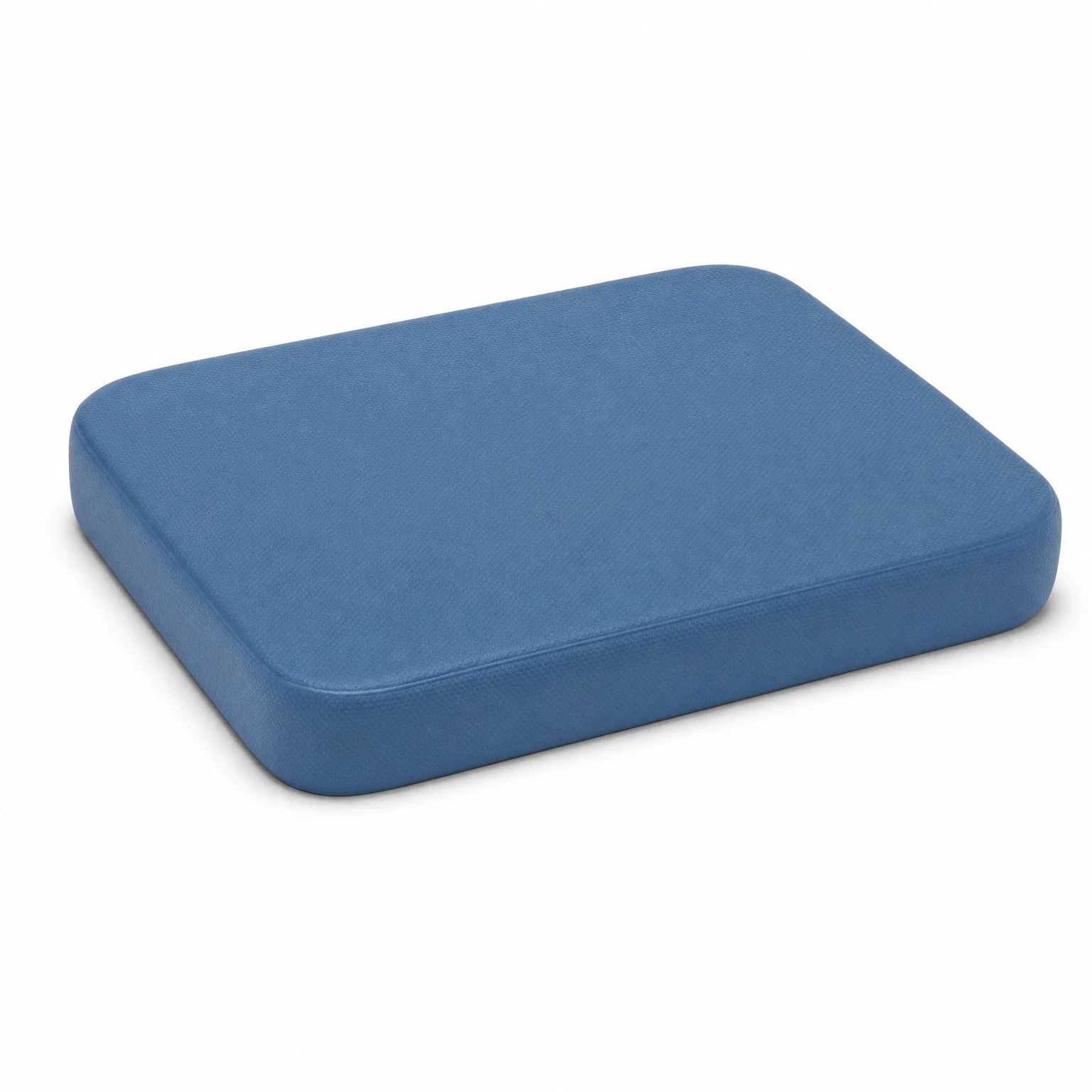
A thick rectangle of soft foam you stand, kneel or lunge on. It gives under the foot, so the ankles and hips work to keep you steady.
Often used with
-
Parallettes
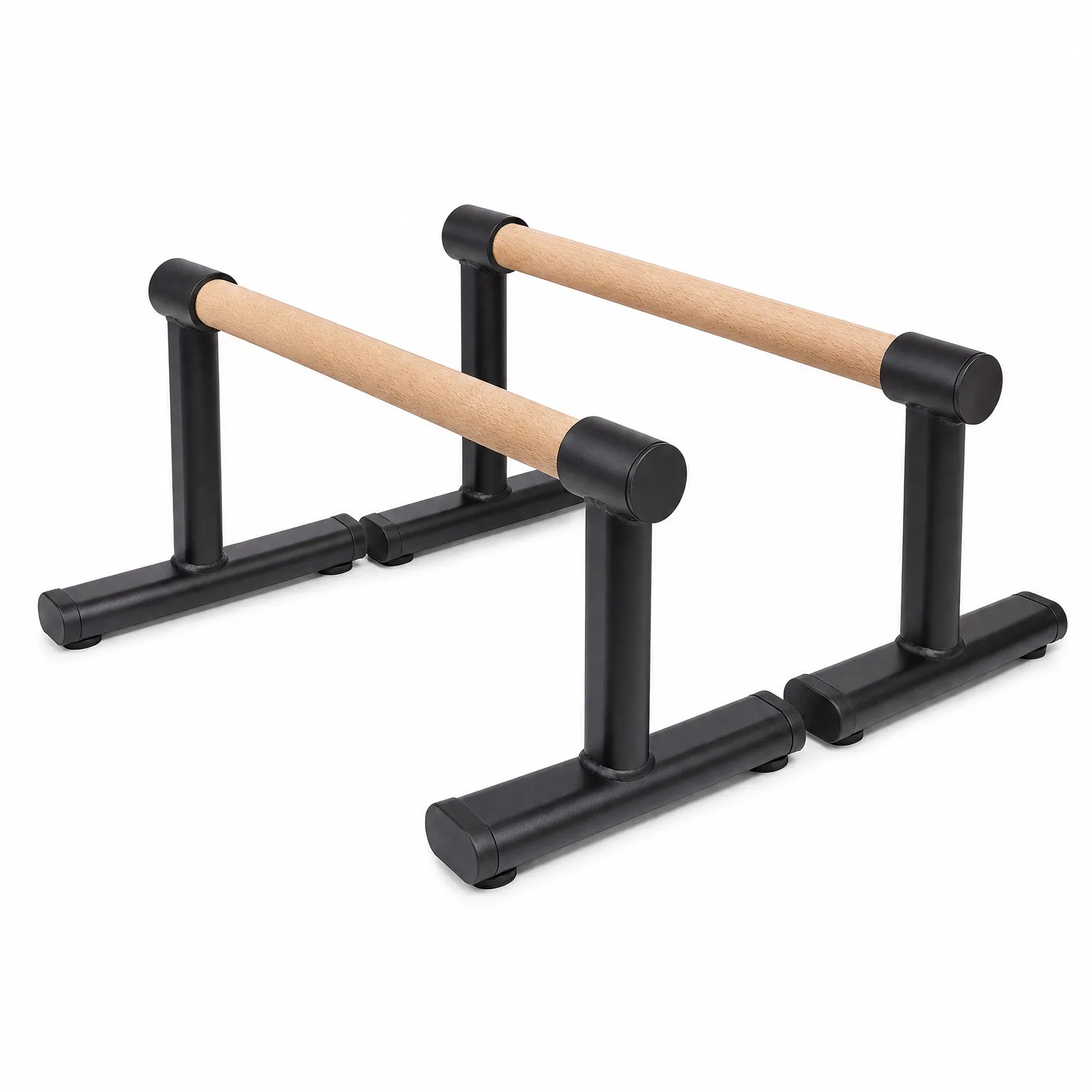
A pair of low parallel bars on stable feet. Used for L-sits, deep push-ups, handstands and other gymnastic strength work. -
Wall bars
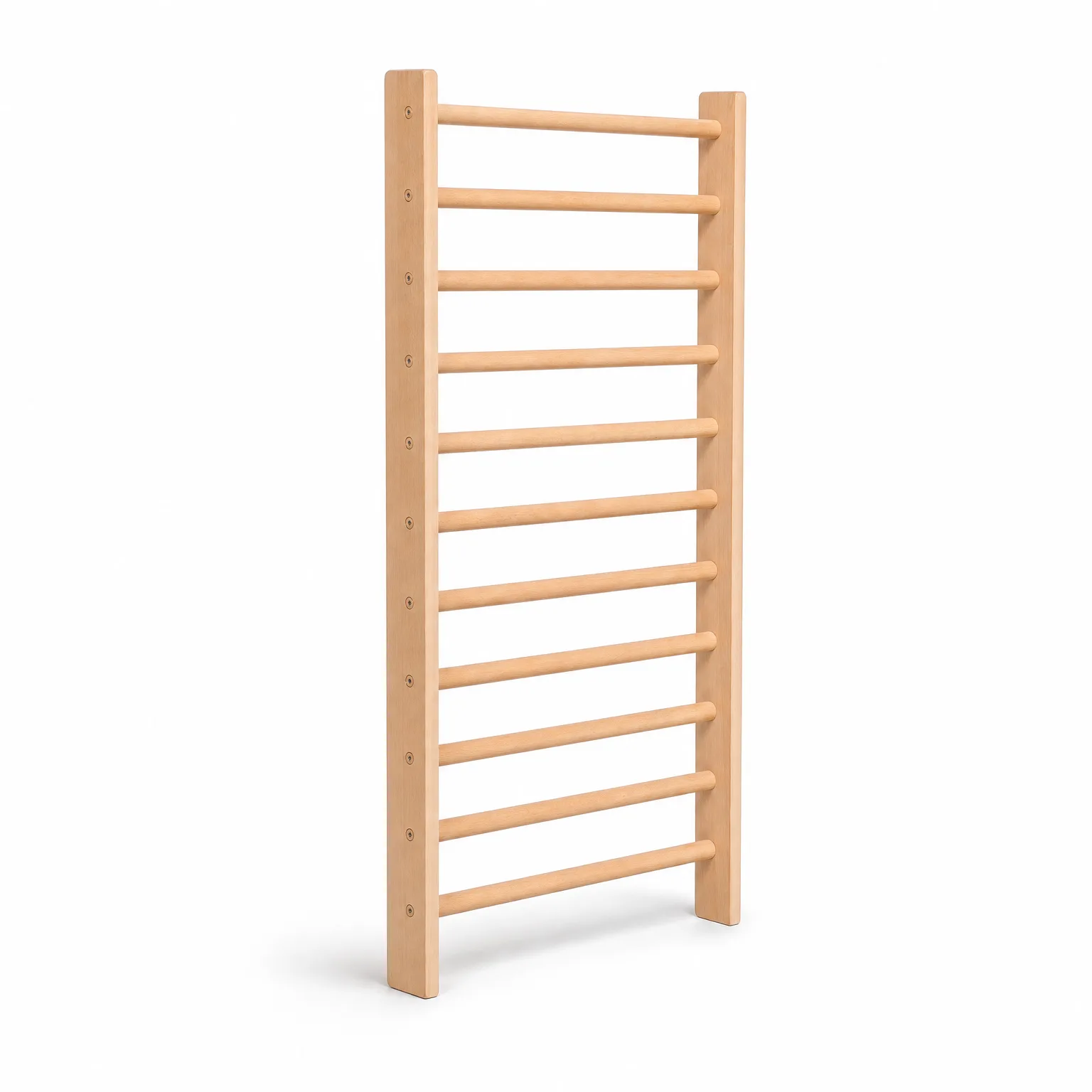
A ladder of horizontal wooden rungs fixed to a wall. Used for hanging leg raises, assisted stretching, pull-ups and band work. -
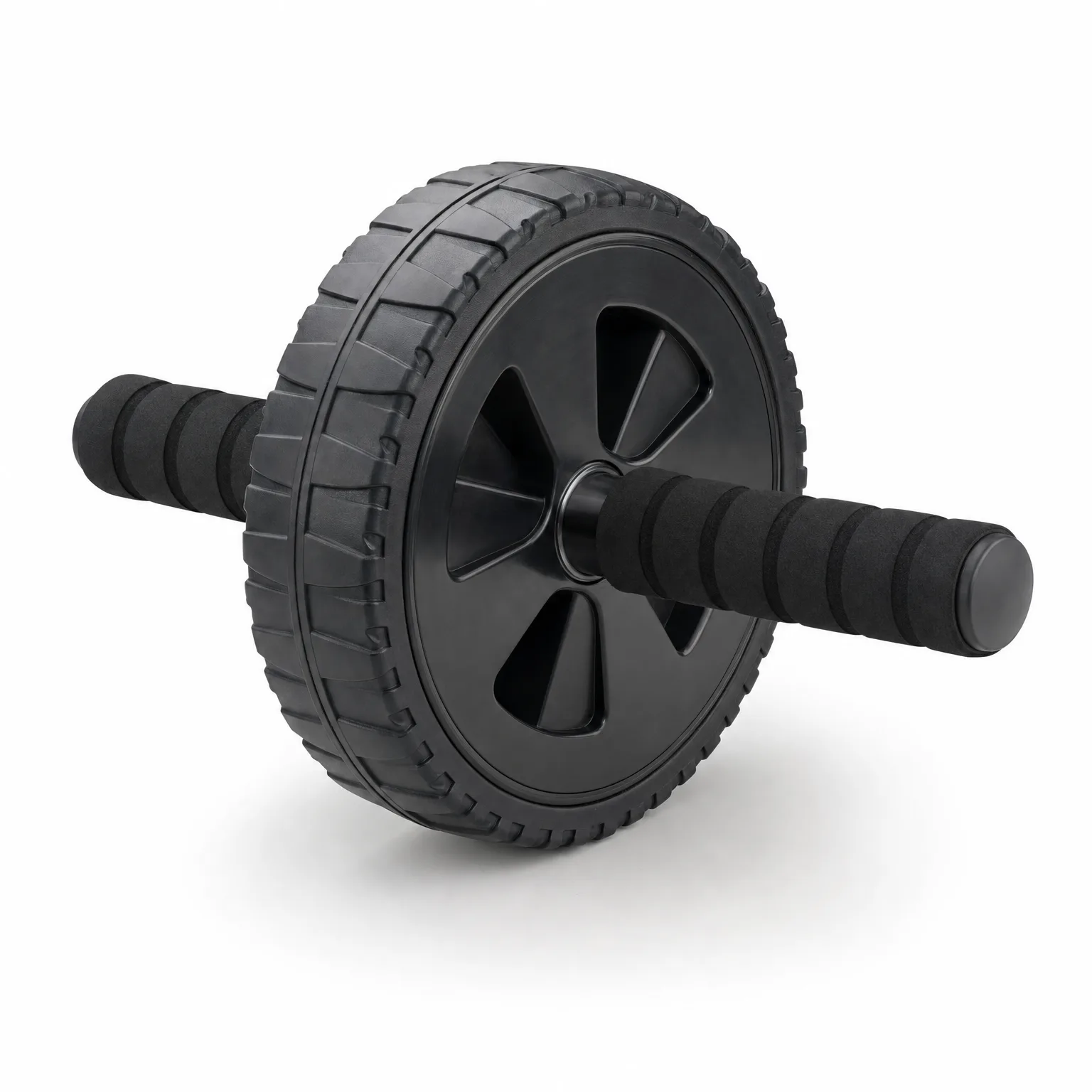
Ab wheel
A small wheel with a handle on each side. You roll it out along the floor and pull it back, which loads the abs harder than most floor exercises. -
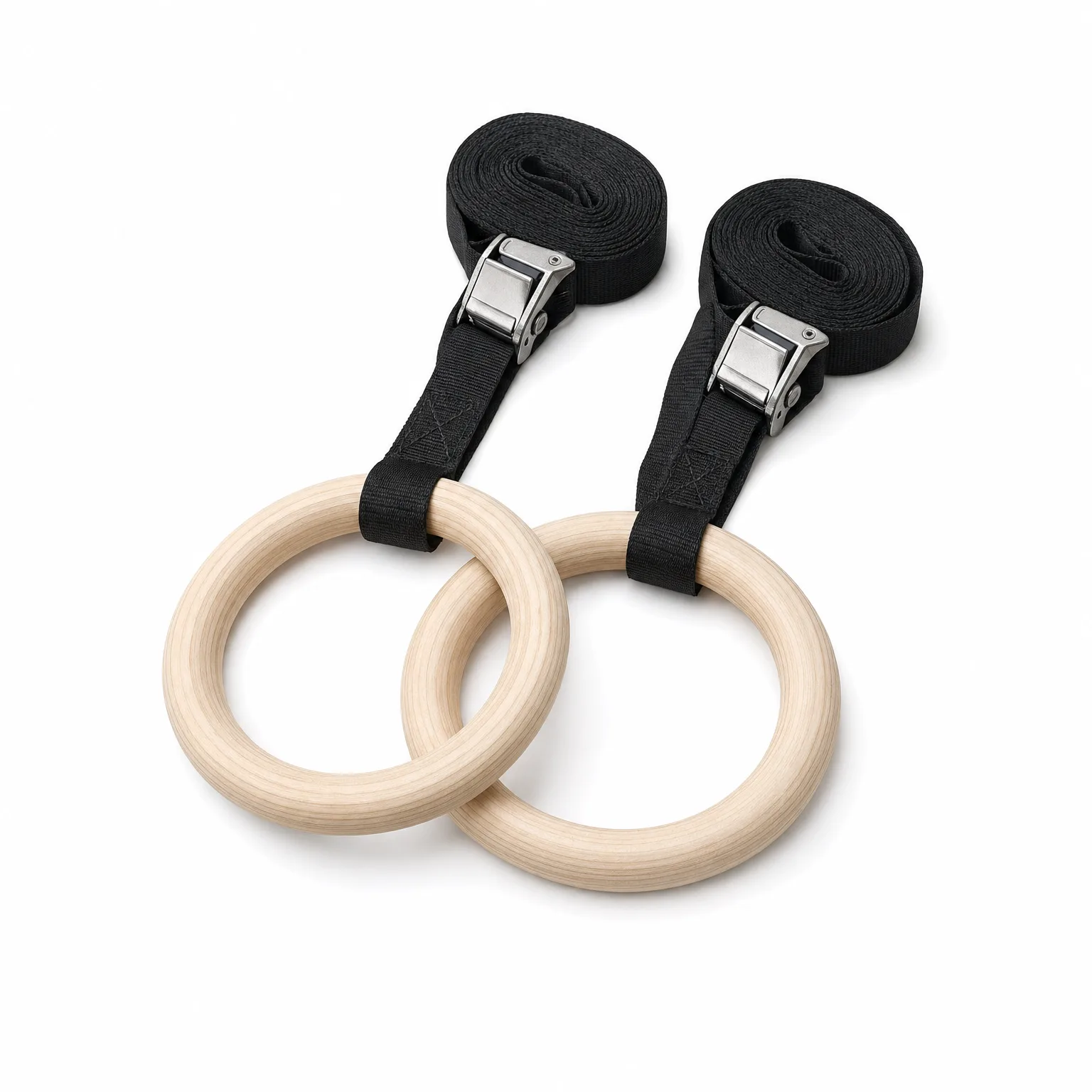
Gymnastic rings
Two rings on adjustable straps, hung from a bar or beam. Used for rows, pull-ups, dips, push-ups and support holds with body weight.
Questions about folding gym mat
What is the difference between a folding gym mat and a yoga mat?
Thickness and surface. A yoga mat is 3–6 mm thick and grippy, made for standing poses where the feet must not slip or sink. A folding gym mat is about ten times thicker with a smooth vinyl cover, made to cushion the body in rolls, kneeling and lying work. Each is poor at the other's job.
How thick should a gymnastics mat be for home use?
About 4–5 cm (1.5–2 in) of firm foam suits rolls, cartwheels, handstand practice and general floor exercise. Thinner mats offer little protection on a hard floor. Thicker landing mats are for dismounts and falls from height and are a different product.
Can I use a folding mat for regular workouts?
Yes, for anything on the floor: ab work, stretching, kneeling and lying exercises. It is less suitable for jumping, heavy lifting and standing balance, because the foam shifts underfoot. Many people keep a thin mat for those and unfold the thick one for floor work.
What size folding mat do I need?
For one adult doing floor exercises, a mat about 60 cm wide and 180 cm long (2 x 6 ft) is enough. For rolls, cartwheels or children's gymnastics practice, choose the standard 120 x 240 cm (4 x 8 ft) and consider joining two.
Build programs around what your client has
This guide comes from OnlineFitness.app, the app online coaches run their clients in.
Free for life for the first 100 coachesNo card