Equipment Functional and conditioning
Balance pad
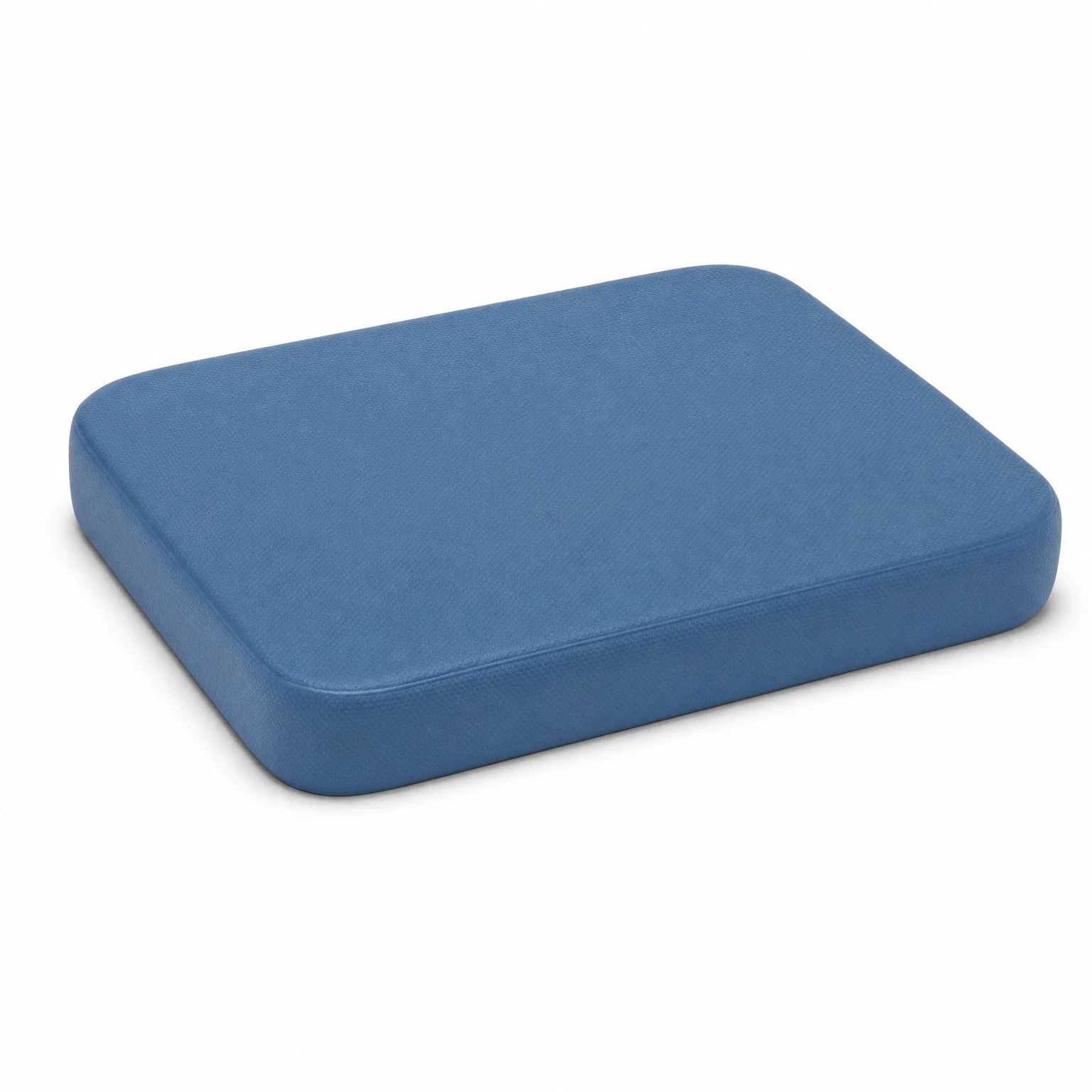
A thick rectangle of soft foam you stand, kneel or lunge on. It gives under the foot, so the ankles and hips work to keep you steady.
In short
A balance pad is a thick rectangle of soft closed-cell foam, about the size of a doormat. When you stand on it the foam compresses unevenly under the foot, so the ankle, lower leg and hip muscles make constant small corrections to keep you upright.
It is the gentlest of the balance tools. It lies flat, does not roll or tip, and needs no inflating, which makes it the usual starting point before an air-filled balance disc, a dome balance trainer or a rigid balance board. It also serves as a knee cushion for kneeling exercises.
- Category
- Functional and conditioning
- Where
- Home, Gym
- Level
- Beginner and up
- Space
- Fits in a drawer or a bag
- Typical sizes
- About 40 × 50 cm (16 × 20 in) and 5–6 cm (2–2.5 in) thick; longer beam-shaped pads also exist
- Also called
- foam balance pad, stability pad, balance foam, foam pad, balance mat
Muscles it works
- Main
- Calves, Tibialis anterior, Glutes
- Also works
- Quads, Hamstrings, Abs
What it is used for
- Two-leg and one-leg standing balance drills
- Squats, lunges and split squats with one or both feet on the pad
- A soft surface under the knee in half-kneeling presses, lunges and stretches
- Standing dumbbell or band exercises made harder by an unstable base
- Soft landings for small hops and step-downs
Types
Standard pad. A rectangle about 5–6 cm thick. Big enough for both feet side by side.
Large or extra-thick pad. More foam under the foot means more give and a harder balance task. Large pads fit a wide stance or a lunge.
Balance beam. A long, narrow strip of the same foam for heel-to-toe walking and side steps.
How to choose
Pick the thickness by your level
A pad of about 5–6 cm (2–2.5 in) suits most people. Thinner pads of 3–4 cm barely move and feel close to the floor. Thicker ones sink more and are noticeably harder.
Check the foam
Good closed-cell foam springs back within a second or two after you press a thumb into it and does not soak up sweat. Cheap open foam flattens for good after a few months.
Look for a textured, non-slip surface
A lightly ribbed top and bottom keeps the foot on the pad and the pad on the floor. Smooth pads slide on tile and laminate.
Pad or disc
Choose a pad for a stable soft surface, kneeling comfort and first balance work. Choose an air-filled disc if you want movement in every direction or something to sit on.
How to start using it
- Set up next to a support. Put the pad on a flat, dry floor within arm's reach of a wall, a counter or a sturdy chair. Use it barefoot or in flat shoes. Step onto the middle of the pad, not the edge.
- Start on two feet. Stand with feet hip-width apart, knees soft, eyes on a fixed point ahead. Hold for 30 seconds. When that is easy, bring the feet together, then stand heel to toe.
- Move to one leg. Lift one foot a little off the pad and hold for 10–30 seconds, fingertips near the support. Aim for the same time on both sides. Small wobbles at the ankle are the point of the exercise.
- Add movement, then load. Once you are steady, try slow squats, reaching the free leg forward, side and back, or turning the head. Only then hold weights. Use lighter weights than you would on the floor.
Common mistakes
Lifting heavy on it
A soft surface reduces the force you can produce, so heavy squats or presses on a pad train neither strength nor balance well. Keep heavy lifting on the floor and use the pad for light, controlled work.
Locking the knees
Standing with rigid, straight knees moves all the correction to the hips and lower back and makes you tip. Keep a slight bend so the ankles and knees can absorb the wobble.
Looking down at the feet
Watching the pad pulls the head and chest forward and makes balance worse. Fix your eyes on a point at eye level.
Staying at the easy level
If you can stand on two feet for a minute without effort, the drill has stopped training anything. Narrow the stance, go to one leg or add a slow movement.
What to use instead
A balance disc gives a similar soft surface with more wobble. A dome balance trainer is larger and harder. At home, an exercise mat folded into four layers or a thick bath towel folded several times gives a softer, slightly unstable surface for standing drills and a cushion for the knees. A firm sofa cushion on a non-slip floor also works. Standing on one leg on the bare floor is the simplest starting point.
-
Balance disc
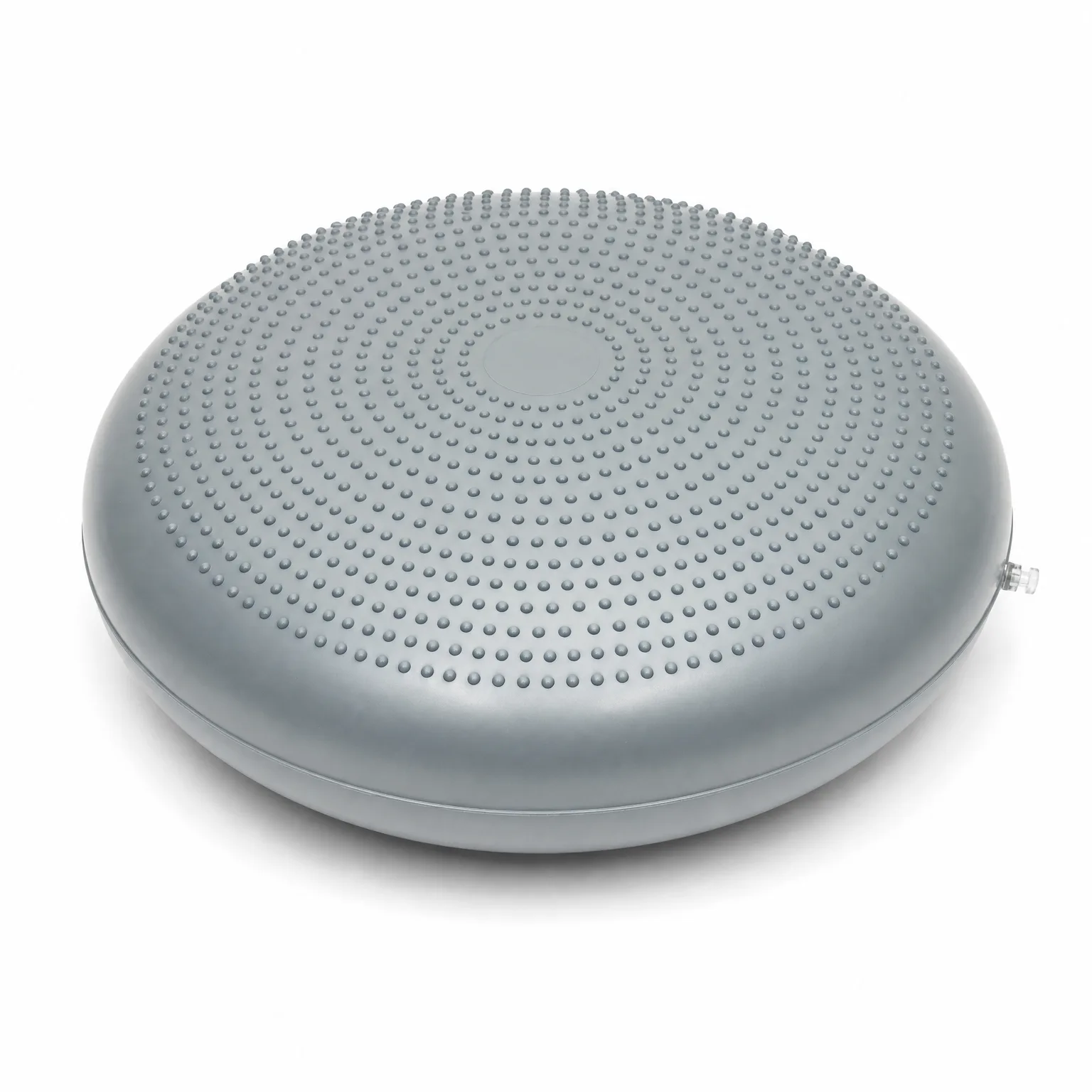
A small air-filled cushion that tilts in every direction. You stand, sit, kneel or put your hands on it to add wobble to an exercise. -
Balance trainer
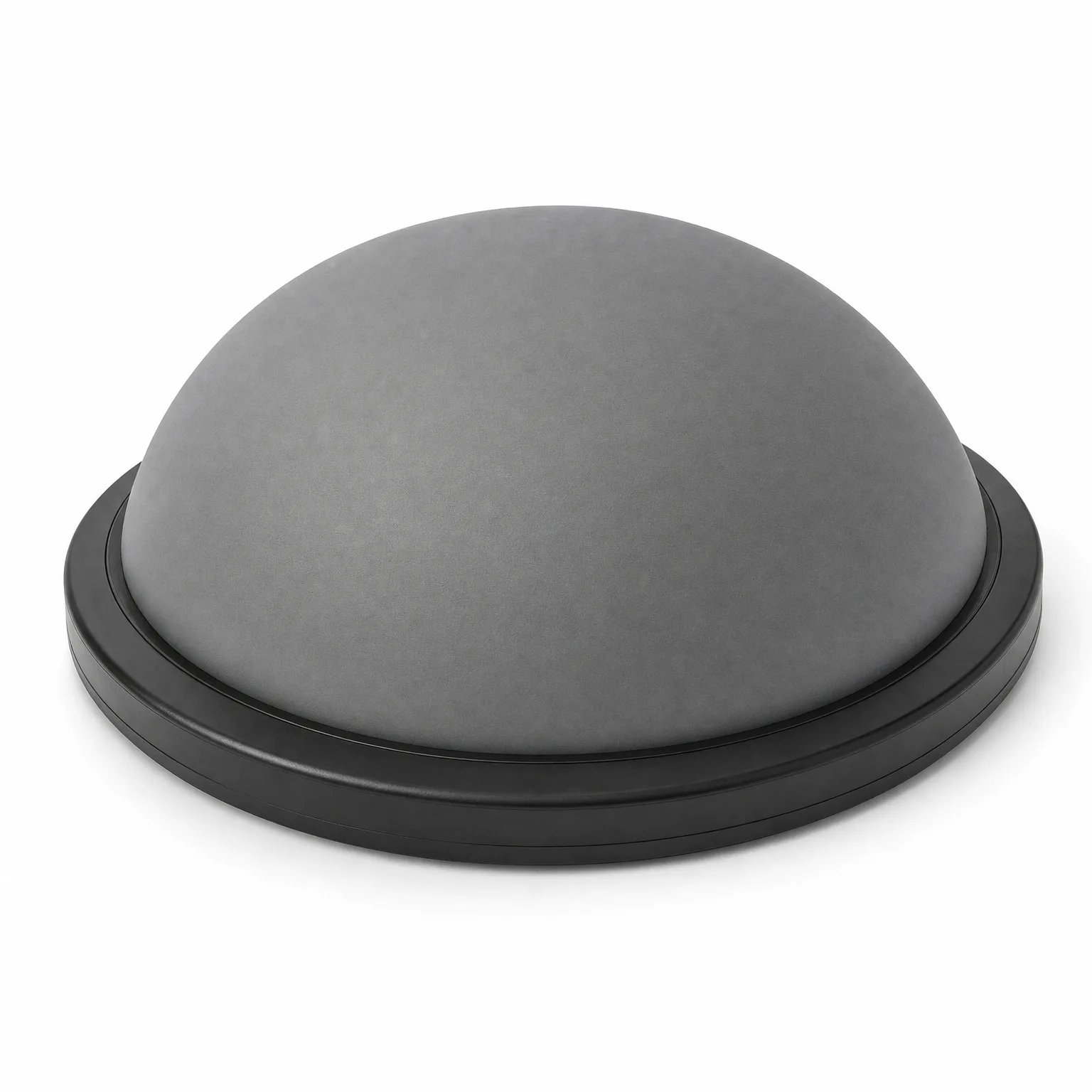
An inflated rubber dome on a flat rigid base. You stand, kneel or lie on it to make balance, core and leg exercises less stable. -

Exercise mat
A cushioned, non-slip surface for floor exercises, stretching and yoga. The first thing most people need to train at home. -
Towel
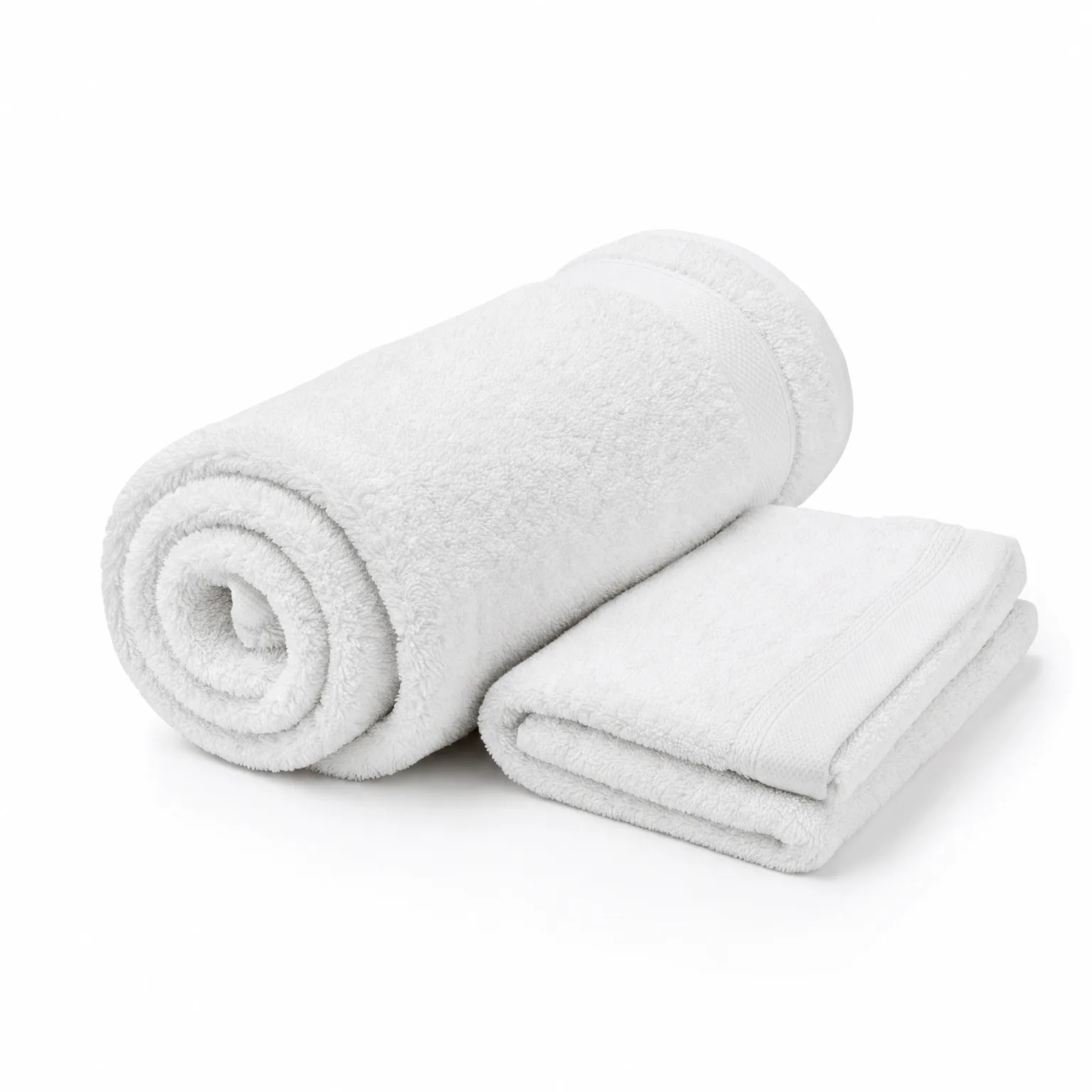
A towel doubles as sliders on a smooth floor, a stretching strap, a pulling tool for isometric exercises and padding for the knees.
Often used with
-
Chair
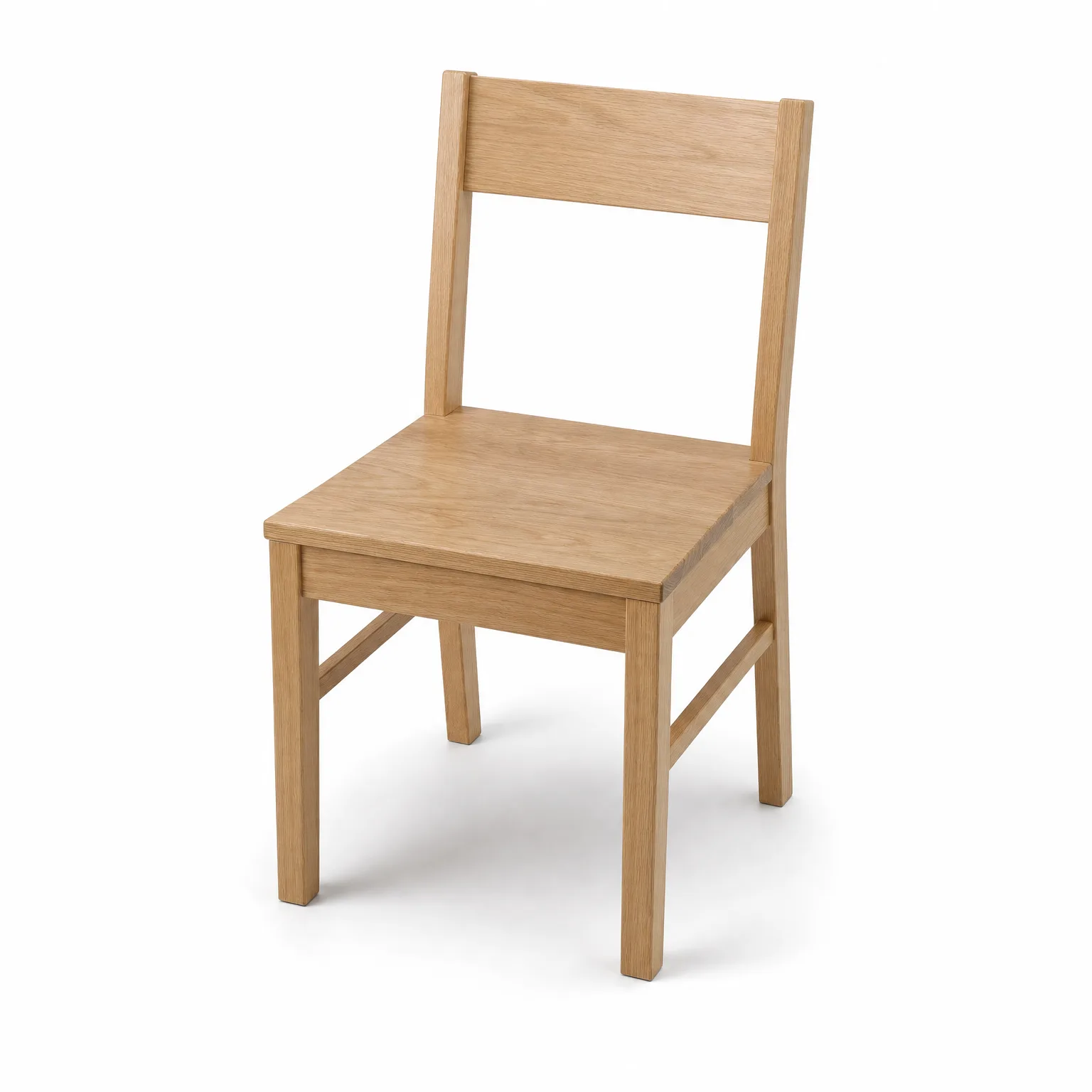
A sturdy household chair stands in for a bench, a low box or dip bars: sit-to-stands, step-ups, dips, split squats and incline push-ups. -
Wall
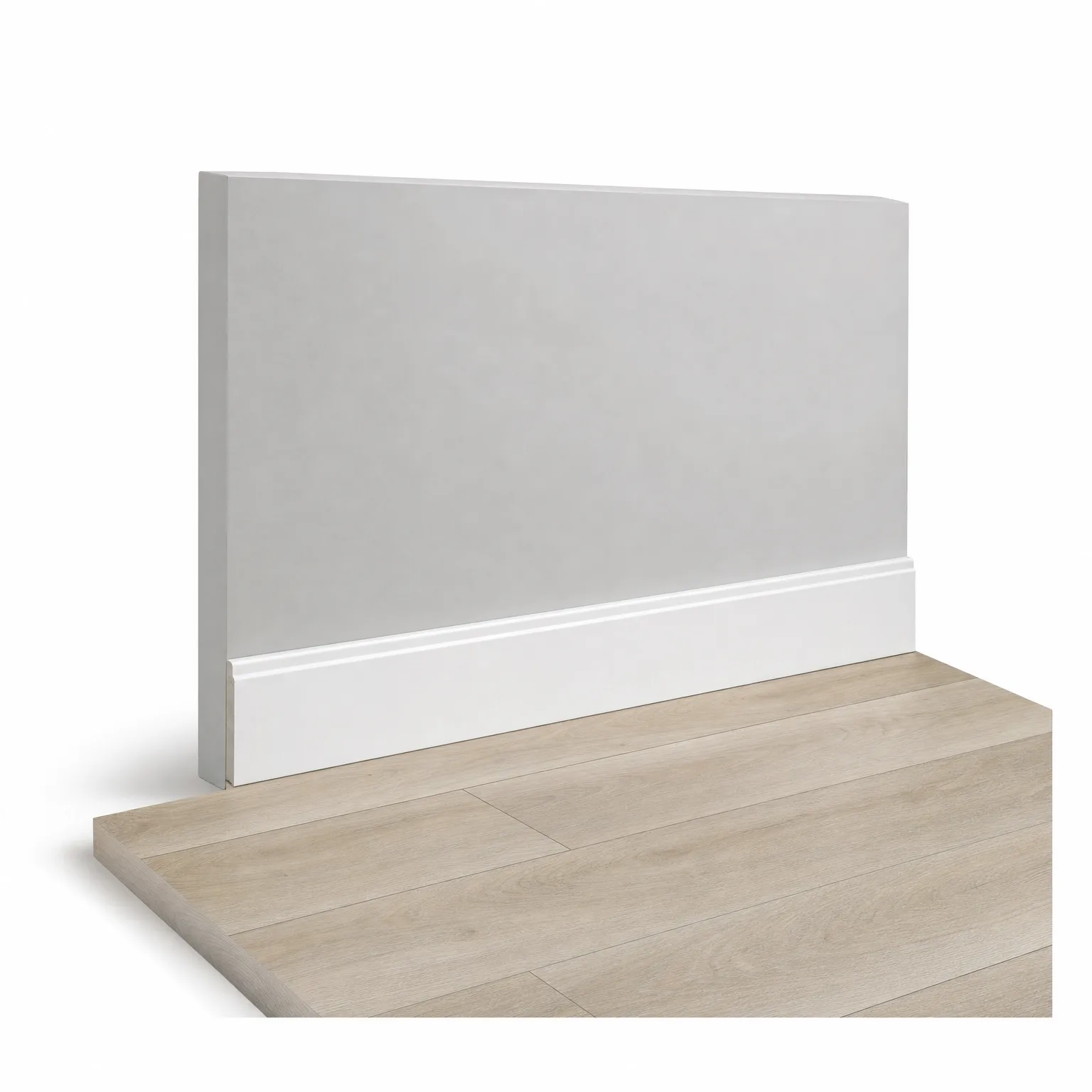
A clear stretch of solid wall works as support, a balance aid and a fixed surface to push against: wall sits, wall push-ups, stretches. -

Dumbbells
A pair of short handles with a weight at each end. One pair trains every major muscle group, at home or in a gym. -
Mini bands
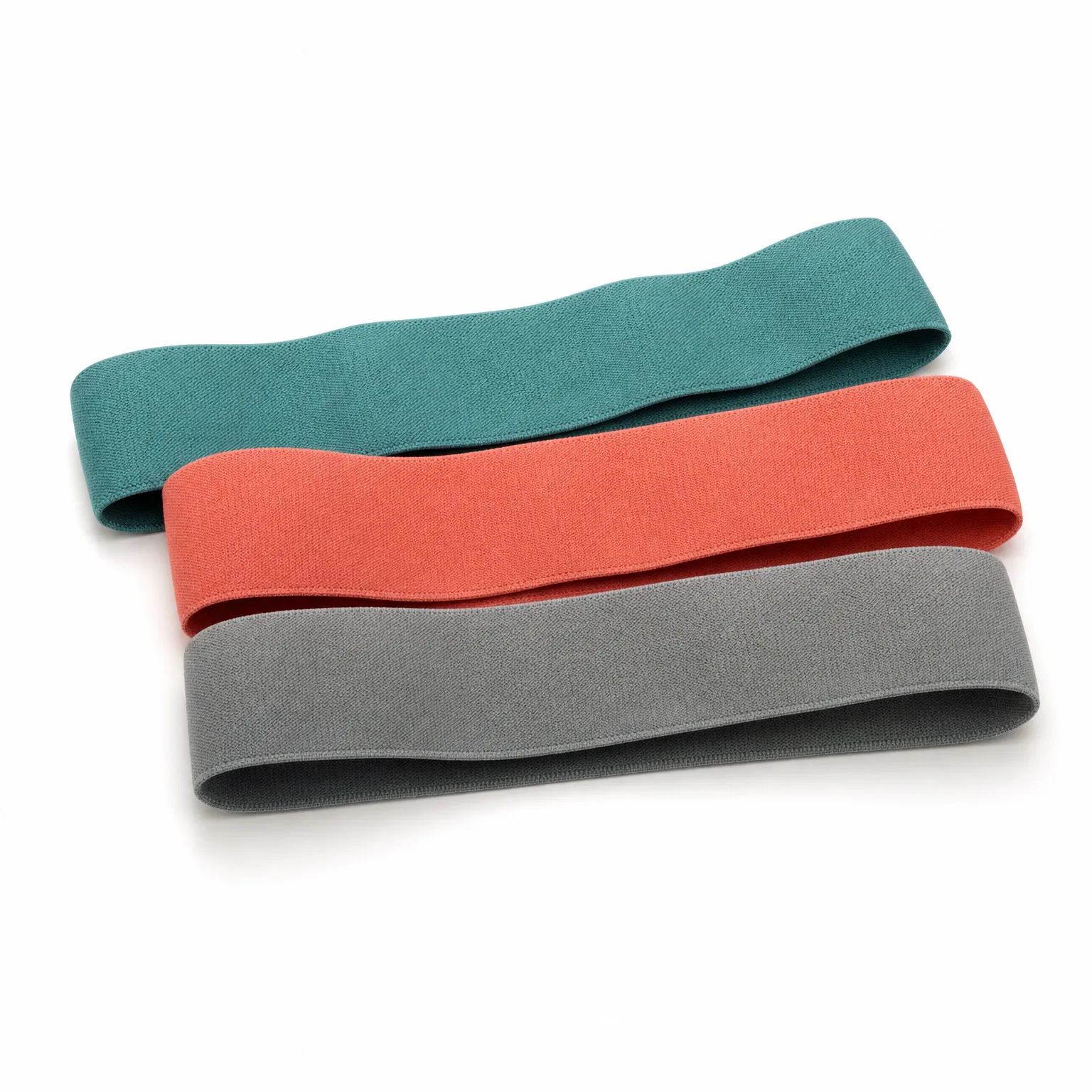
Short elastic loops worn around the thighs, knees or ankles. Used for glute and hip exercises and for warm-ups.
Questions about balance pad
What is a balance pad used for?
Mainly for balance drills: standing on two feet or one, squats and lunges on a surface that gives under the foot. It is also used as a knee cushion and to make light standing exercises less stable. It is common in gyms, physical therapy clinics and home workouts.
Balance pad vs balance disc: what is the difference?
A pad is flat foam. It compresses but does not tilt, so it is steadier and easier. A disc is filled with air and tilts in every direction, and you can change the difficulty by adding or releasing air. Start with a pad if your balance is poor, and move to a disc for more challenge.
Balance pad vs balance trainer?
A dome balance trainer is a large inflated half ball on a rigid base. It is taller, bouncier and usable on either side, and it takes up more room. A pad is lower, quieter and simpler, and it fits in a drawer.
How often should I do balance exercises?
Short and frequent works well: 5–10 minutes, three or more days a week, often as part of a warm-up. Balance improves through regular practice at a level that makes you wobble a little without needing to grab the support every few seconds.
Build programs around what your client has
This guide comes from OnlineFitness.app, the app online coaches run their clients in.
Free for life for the first 100 coachesNo card