Equipment Functional and conditioning
Balance trainer
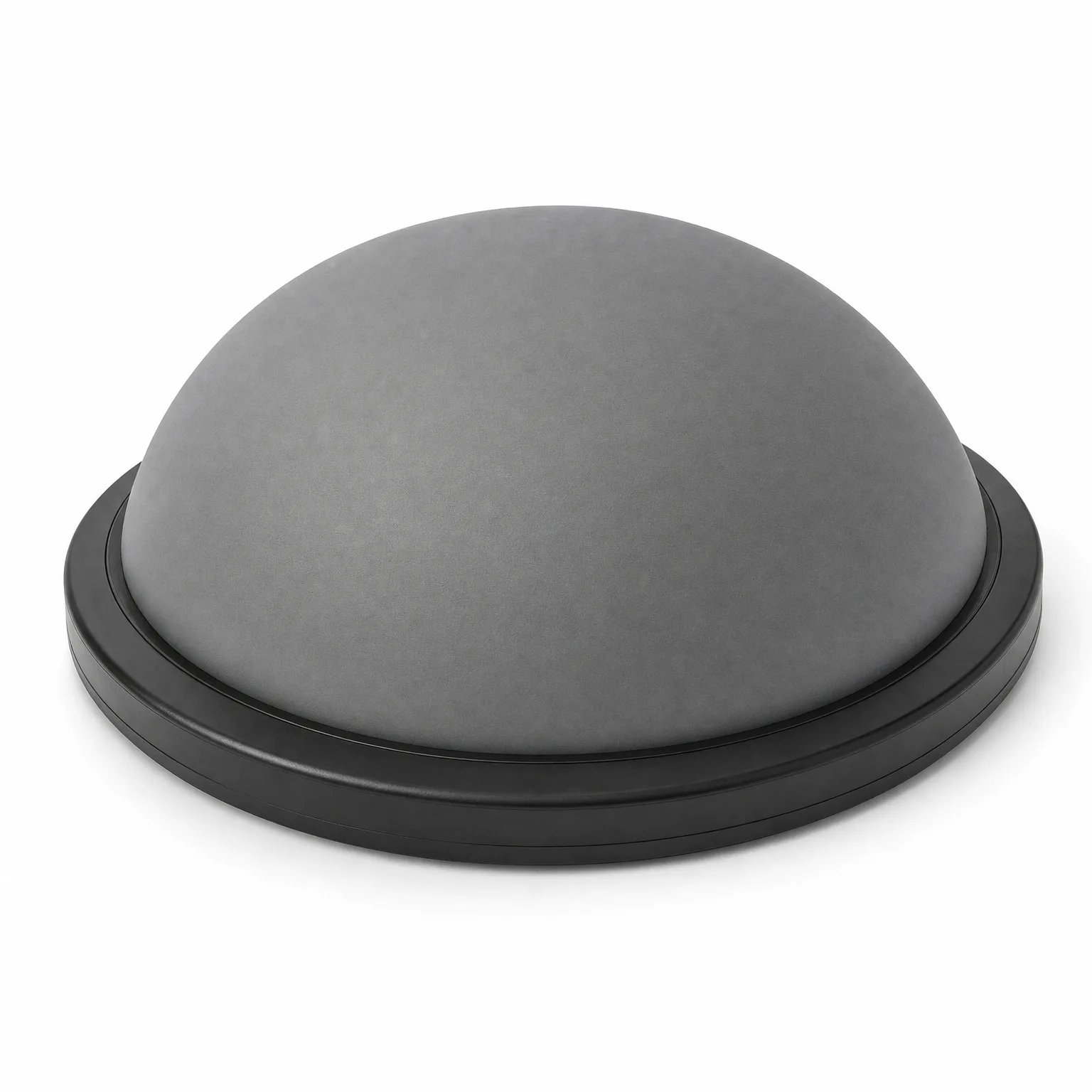
An inflated rubber dome on a flat rigid base. You stand, kneel or lie on it to make balance, core and leg exercises less stable.
In short
A balance trainer is half of an inflated rubber ball fixed to a flat, rigid platform. With the dome up, you stand, kneel, sit or lie on a soft surface that gives under you. With the dome down, you stand or put your hands on a platform that tilts. Either way, the ankles, hips and trunk work to keep you steady.
It is used for balance practice, core exercises and as a soft step for squats, lunges and step-ups. Unlike a full stability ball it stays where you put it, which makes it easier to start with. It suits beginners with the dome side up and a wall or chair within reach.
- Category
- Functional and conditioning
- Where
- Home, Gym
- Level
- Beginner and up
- Space
- Needs a corner of a room
- Typical sizes
- About 55–65 cm (22–26 in) across; the dome stands about 20–25 cm (8–10 in) high when inflated
- Also called
- bosu ball, half ball, half-dome balance trainer, half balance ball, balance dome, half stability ball
Muscles it works
- Also works
- Hamstrings, Tibialis anterior, Lower back, Chest
What it is used for
- Standing balance practice on two legs and on one leg
- Squats, lunges and step-ups onto the dome
- Core work: crunches and V-sits on the dome, planks with forearms or feet on it
- Push-ups with the hands on the dome or on the edges of the platform
- Cardio drills such as quick steps onto the dome and controlled hops over it
Types
Full size. The usual 55–65 cm dome with a platform that has recessed handles. Works on both sides and suits adults of most heights.
Compact. A dome of about 45–50 cm. Lighter and easier to store, with less room for the feet and for lying exercises.
With resistance tubes. Elastic tubes with handles clip to the base, adding curls, presses and rows while standing on the dome. The tubes are usually light.
Balance pods. Small half domes, one per foot or hand. Portable and used for stepping and single-leg drills, but not for lying or kneeling work.
How to choose
Full size for general use
A dome of about 60–65 cm gives room for a shoulder-width stance and for lying across it. Choose a compact model only if storage is very tight or the user is small.
A non-slip, non-marking base
The platform should have rubber feet or a grippy rim so it does not slide on hard floors with the dome up. Check that it does not leave marks on your flooring.
Read the load and use rating
The weight it can take, and whether standing on the platform side is allowed, depend on the manufacturer. Some makers advise against standing on the flat side. Follow the printed guidance.
Check what comes with it
A pump is essential, since the dome needs topping up now and then. Side handles on the platform make it easier to carry and to hold for push-ups and planks.
How to start using it
- Inflate until the dome is firm. Pump it up until the dome stands about 20–25 cm (8–10 in) high and gives slightly under your foot. A softer dome is less stable and harder, so begin on the firm side of the range.
- Start dome side up, near a support. Place it on a non-slip floor next to a wall or a sturdy chair. Step onto the center one foot at a time, with the feet hip width apart and the knees soft. Fix your eyes on a point ahead.
- Build the basics. Hold a quiet two-leg stance for 30 seconds, then add slow squats, then a single-leg stand. Step off backward and down, one foot at a time. Bare feet or flat shoes give a better feel than thick soles.
- Add floor exercises. Sit just in front of the top of the dome and lean back for crunches. Put your forearms on the dome for planks, or your hands on it for push-ups. These add instability with little risk of a fall.
Common mistakes
Heavy lifting on the dome
On an unstable surface you can lift far less, so heavy squats or presses on a balance trainer train the legs and upper body worse than the same lift on the floor. Use it for balance and core work and keep heavy loads on solid ground.
Jumping onto it before you can stand on it
Jumps onto a soft dome ask a lot of the ankles. Learn to stand, squat and step up with control before any hopping or jumping drills.
Standing off center
Feet placed toward the edge slide down the slope and roll the ankle. Stand over the center mark with the feet level with each other.
Looking down at the feet
Watching your feet tips the head forward and makes balance harder. Look at a fixed point at eye level.
Never topping up the air
A dome that has gone soft sags under the feet and changes every exercise. Check the height every few weeks.
What to use instead
A wobble or rocker board trains standing balance on a harder, faster-moving surface. A stability ball covers the lying core exercises: crunches, bridges and planks. A step platform replaces the dome for step-ups and cardio steps with no instability. For simple single-leg balance practice at home, a thickly folded towel or a firm cushion under the standing foot is enough.
-
Balance board
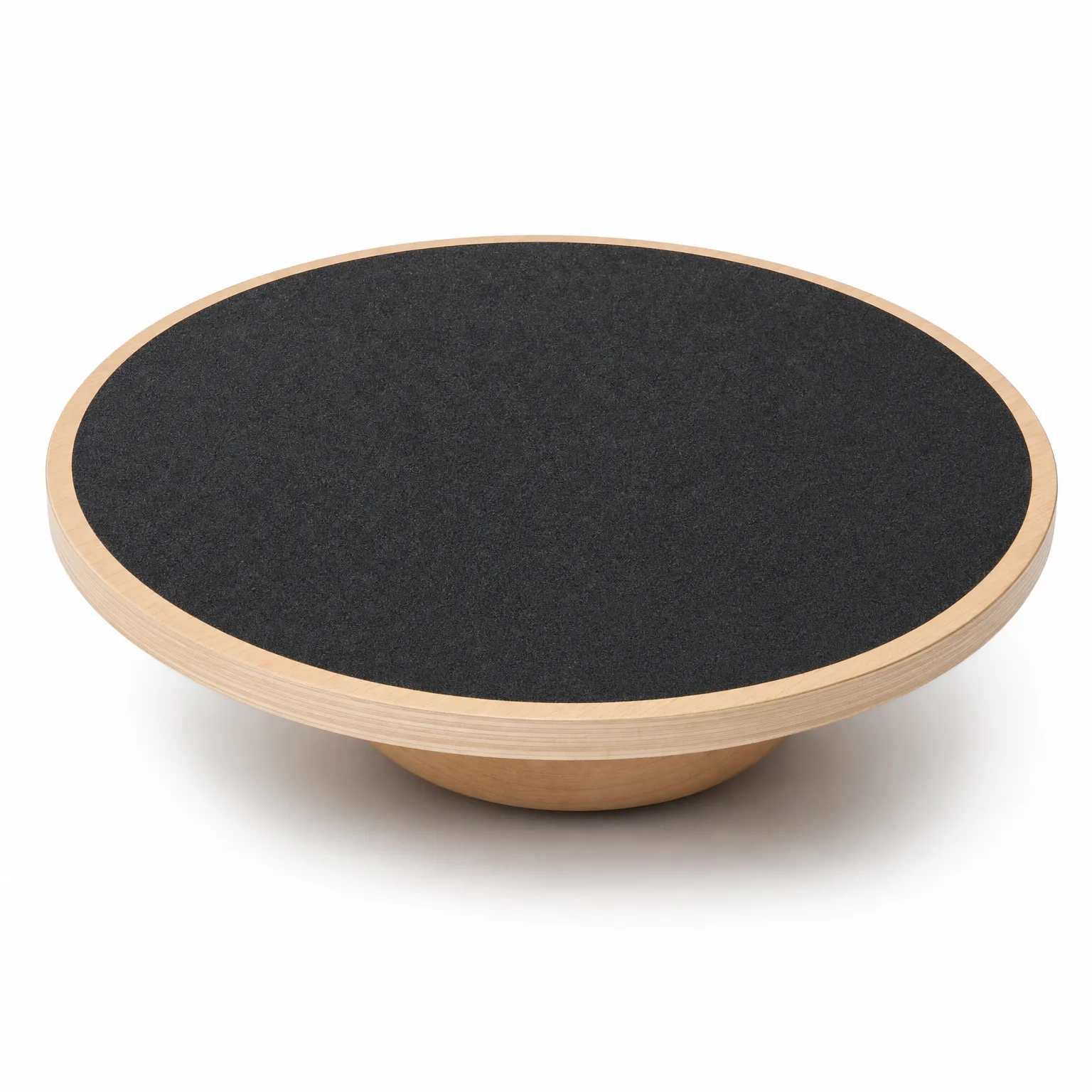
A flat board on a rounded base that tilts under your feet. Standing on it trains balance and the muscles around the ankles, knees and hips. -
Stability ball
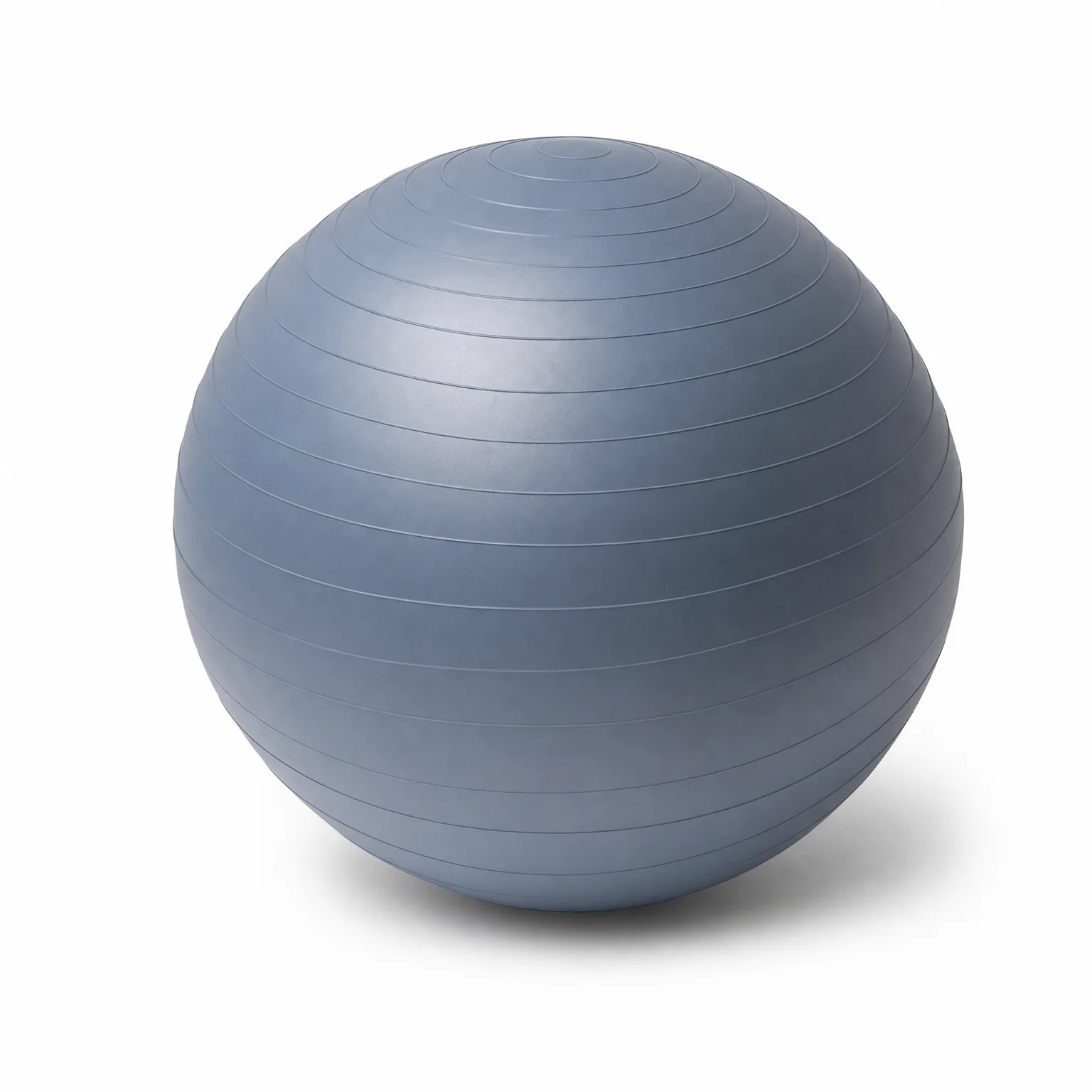
A large inflatable ball you sit, lie or lean on. The unstable surface is used for core exercises, hamstring curls and supported stretches. -
Step platform
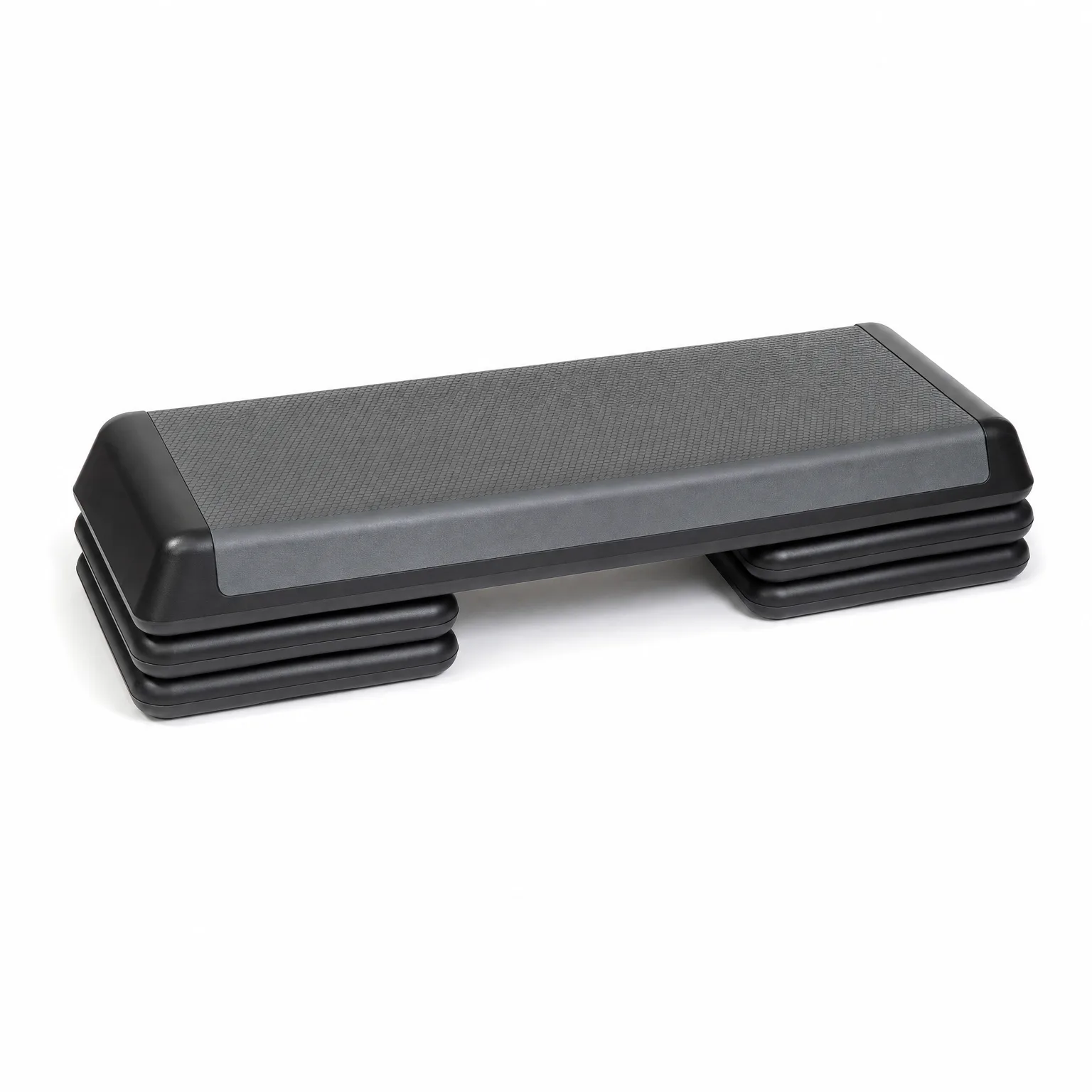
A low, wide platform with removable risers. Used for step aerobics, step-ups, calf raises and as a low bench. -
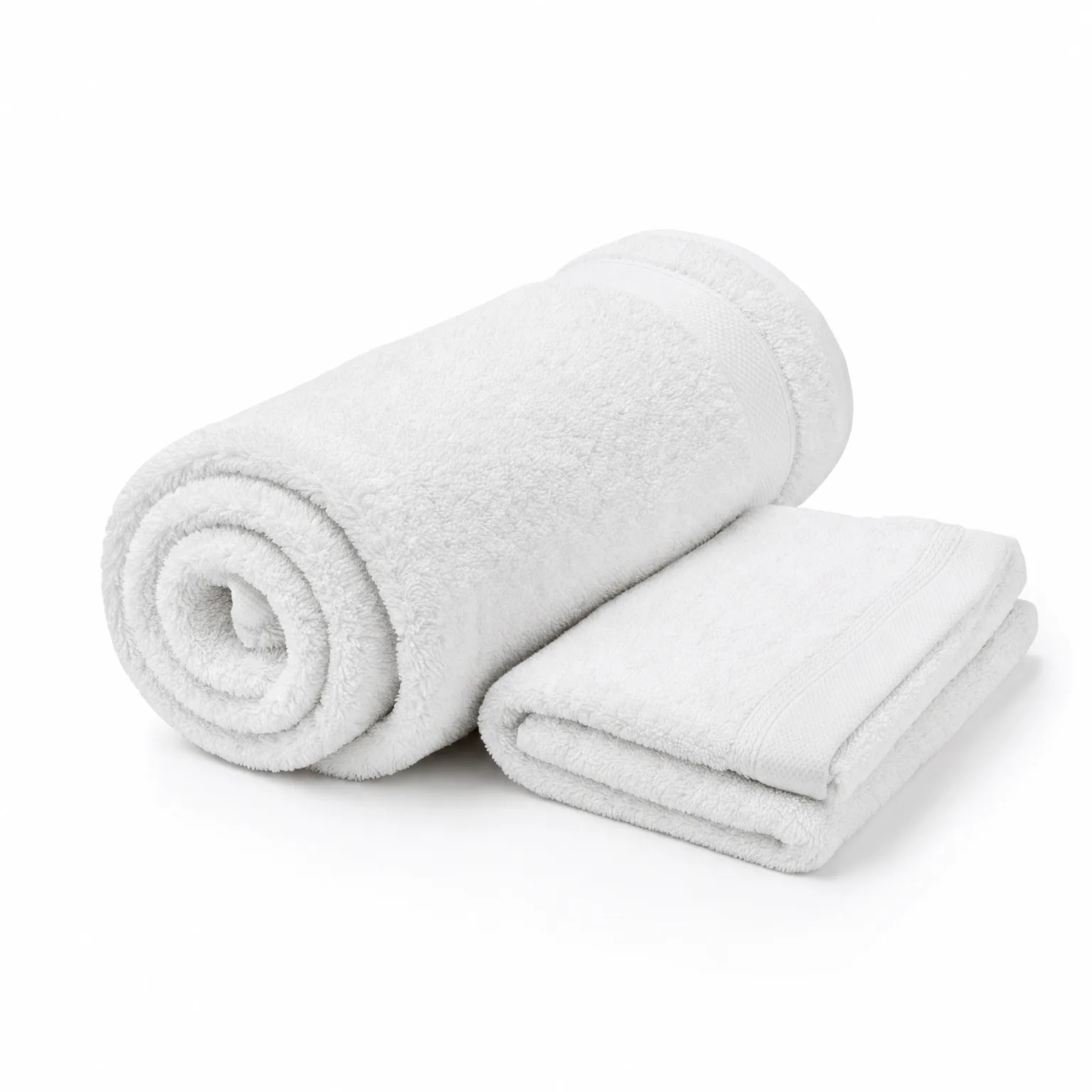
Towel
A towel doubles as sliders on a smooth floor, a stretching strap, a pulling tool for isometric exercises and padding for the knees.
Often used with
-

Exercise mat
A cushioned, non-slip surface for floor exercises, stretching and yoga. The first thing most people need to train at home. -

Dumbbells
A pair of short handles with a weight at each end. One pair trains every major muscle group, at home or in a gym. -
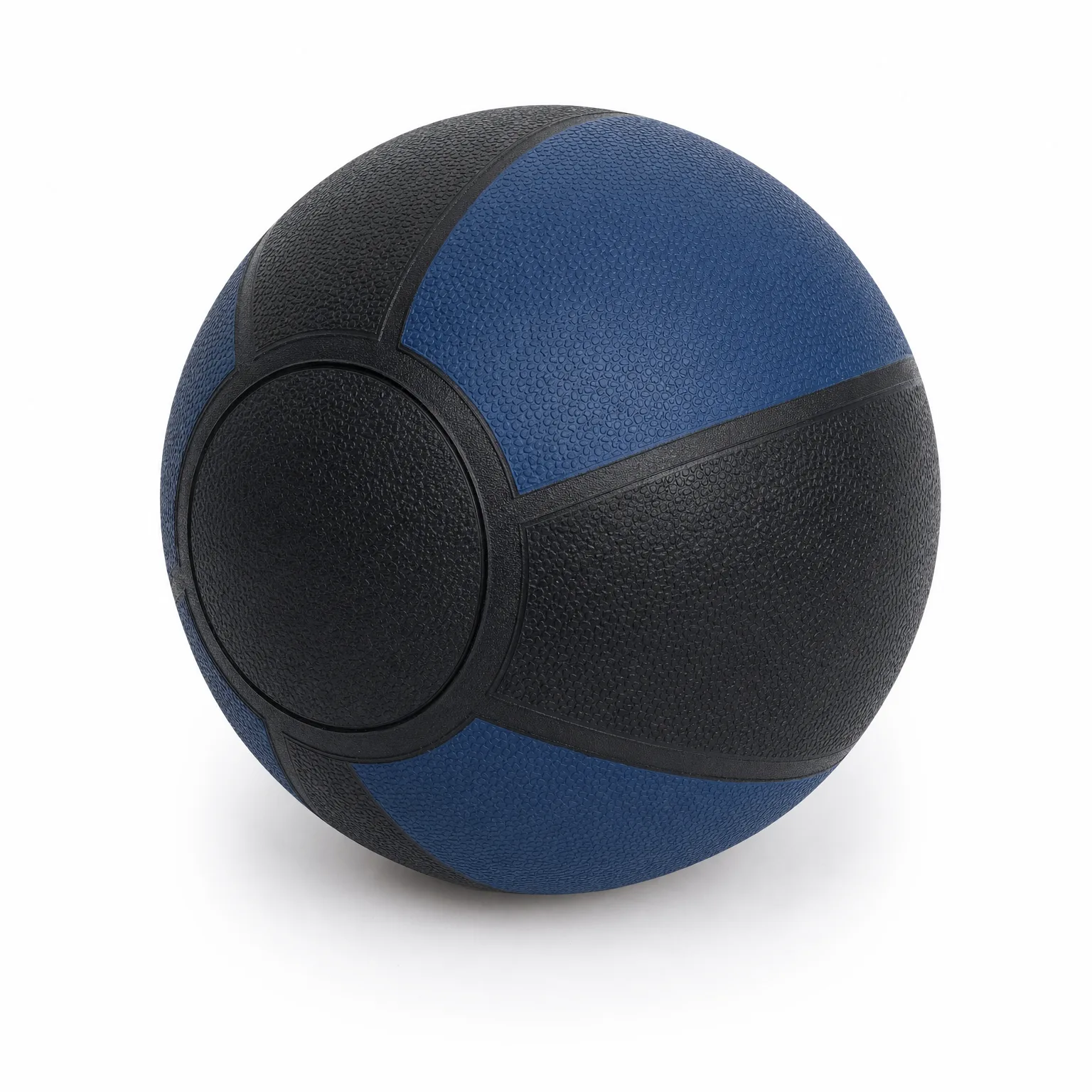
Medicine ball
A weighted ball you throw, catch and carry. Used for power throws, wall balls, partner drills and core exercises.
Questions about balance trainer
What is a balance trainer used for?
For balance practice, core training and less stable versions of squats, lunges, push-ups and planks. With the dome up it is a soft surface to stand, kneel or lie on. With the dome down, the flat platform tilts and is used mostly for push-ups and planks.
Which side of a balance trainer should I use?
Start with the dome side up: it is the more forgiving surface and suits standing, kneeling and lying exercises. The platform side up is commonly used for push-ups and planks with the hands on the edges. Standing on the platform is much less stable, and some manufacturers advise against it.
Is a balance trainer good for beginners?
Yes, dome side up and next to a wall or chair. Begin with standing on two feet, slow squats and crunches over the dome. Leave single-leg work, jumps and the platform side for later.
Does training on a balance trainer build more strength?
Not more. Instability reduces the load you can use, so the main muscles get less work than in the same exercise on the floor. What it does train is balance and control, and the trunk in exercises such as planks. Use it alongside regular strength work, not in place of it.
How firm should a balance trainer be?
Firm enough that the dome stands about 20–25 cm (8–10 in) high and compresses only a little under your weight. Follow the height stated by the maker. Slightly less air makes it wobblier, which is a way to add difficulty later.
Build programs around what your client has
This guide comes from OnlineFitness.app, the app online coaches run their clients in.
Free for life for the first 100 coachesNo card