Equipment Functional and conditioning
Balance board
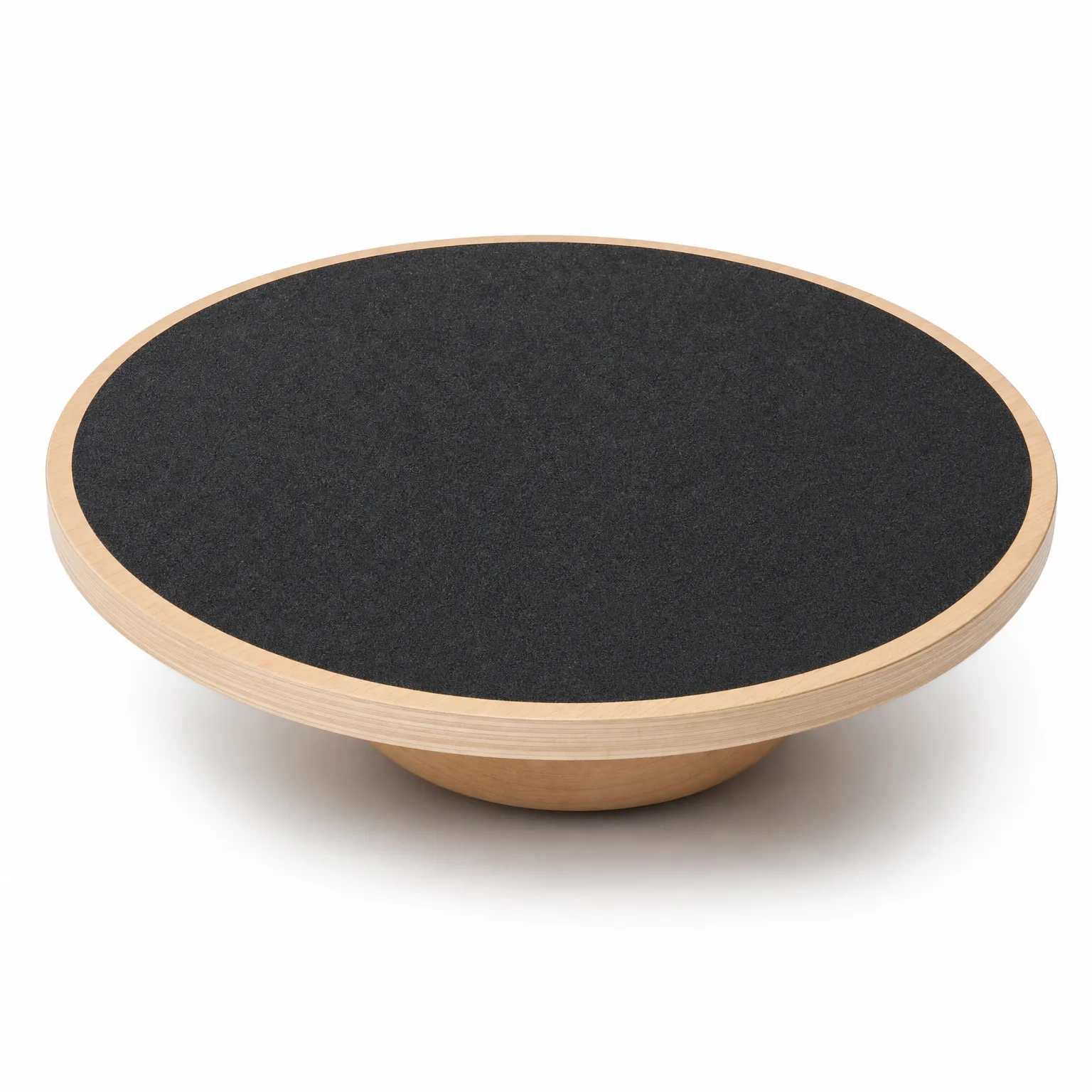
A flat board on a rounded base that tilts under your feet. Standing on it trains balance and the muscles around the ankles, knees and hips.
In short
A balance board is a rigid board mounted on a rounded or rolling base, so it tilts as soon as you stand on it. Keeping the edges off the floor takes constant small corrections from the feet, ankles, legs and trunk. It is used for balance practice, for ankle and lower-leg training, and by surfers, skiers and skaters to rehearse board feel.
The type of base decides the difficulty. A rocker board tilts in one direction only and is the easiest. A wobble board tilts in every direction. A board on a loose roller is the hardest and belongs to people with good balance already. Beginners can start on a rocker or a low wobble board next to a wall.
- Category
- Functional and conditioning
- Where
- Home, Gym
- Level
- Beginner and up
- Space
- Needs a corner of a room
- Typical sizes
- Round wobble boards about 35–40 cm (14–16 in) across; roller boards about 70–100 cm (28–40 in) long
- Also called
- wobble board, rocker board, wobble balance board, roller board, stability board
Muscles it works
- Main
- Calves, Tibialis anterior, Abs
- Also works
- Quads, Glutes, Obliques, Hamstrings
What it is used for
- Two-leg and single-leg balance practice
- Controlled tilts and circles that work the muscles of the ankle and shin
- Squats and hip hinges on an unstable base
- Planks and push-ups with the hands on the board
- Board-sport practice on a roller board
Types
Rocker board. A board on a curved rail or bar that tilts in one plane: side to side, or front to back if you turn it. The easiest type.
Wobble board. A round board on a half-sphere. Tilts in all directions. A higher dome means a steeper tilt and a harder board.
Roller board. A long deck resting on a separate cylinder. It both tilts and travels sideways. The hardest type, used for board sports.
Standing-desk board. A low, gently curved board made for slow rocking while working at a standing desk. Small tilt, not meant for exercise drills.
How to choose
Pick the type by your level
For a first board, choose a rocker or a wobble board with a low dome. Choose a roller board only if you already balance well or want it specifically for surf, snowboard or skate practice.
Check the tilt angle
Wobble boards tilt roughly 10–20 degrees depending on the dome height. A smaller angle is easier and still useful. Some boards have an adjustable base that screws in or out to change the angle.
A grippy top surface
The deck needs a textured or grip-tape surface so the feet do not slide, with or without shoes. A bare varnished board is slippery.
Stoppers on roller boards
A roller board should have blocks under each end of the deck that stop the roller escaping. The weight it supports depends on the manufacturer's rating.
How to start using it
- Set up next to a support. Place the board on a carpet, mat or other surface with some grip, within arm's reach of a wall, a counter or a sturdy chair. Keep the area around you clear in case you step off quickly.
- Step on with one edge down. Rest one edge of the board on the floor, put that foot on first, then the other foot, and shift your weight to the middle until both edges lift. Keep the feet level and as wide as the board comfortably allows, up to shoulder width, knees slightly bent, eyes forward.
- Hold still first. The first goal is to keep the edges off the floor for 30 seconds with a light touch on the support, then without it. Sessions of 5–10 minutes a few times a week are enough to improve.
- Then add movement. Tilt the board slowly forward and back, then side to side, then roll the edge around in a circle without letting it bang down. After that try shallow squats and, on a wobble board, a single-leg stand.
Common mistakes
Starting on a board that is too hard
A roller board or a tall wobble board in the first week mostly teaches you to fall off. Begin with a small tilt and a support nearby.
Locked knees
Stiff, straight legs cannot absorb the board's movement, so the upper body starts to flail. Keep the knees and hips slightly bent and let the ankles do the fine work.
Looking down
Watching the board pulls the head and shoulders forward. Fix your gaze on a point at eye level.
Using it on a slick floor
On polished wood or tile the base can shoot out from under you, especially with a roller. Use a mat or carpet until you are confident.
What to use instead
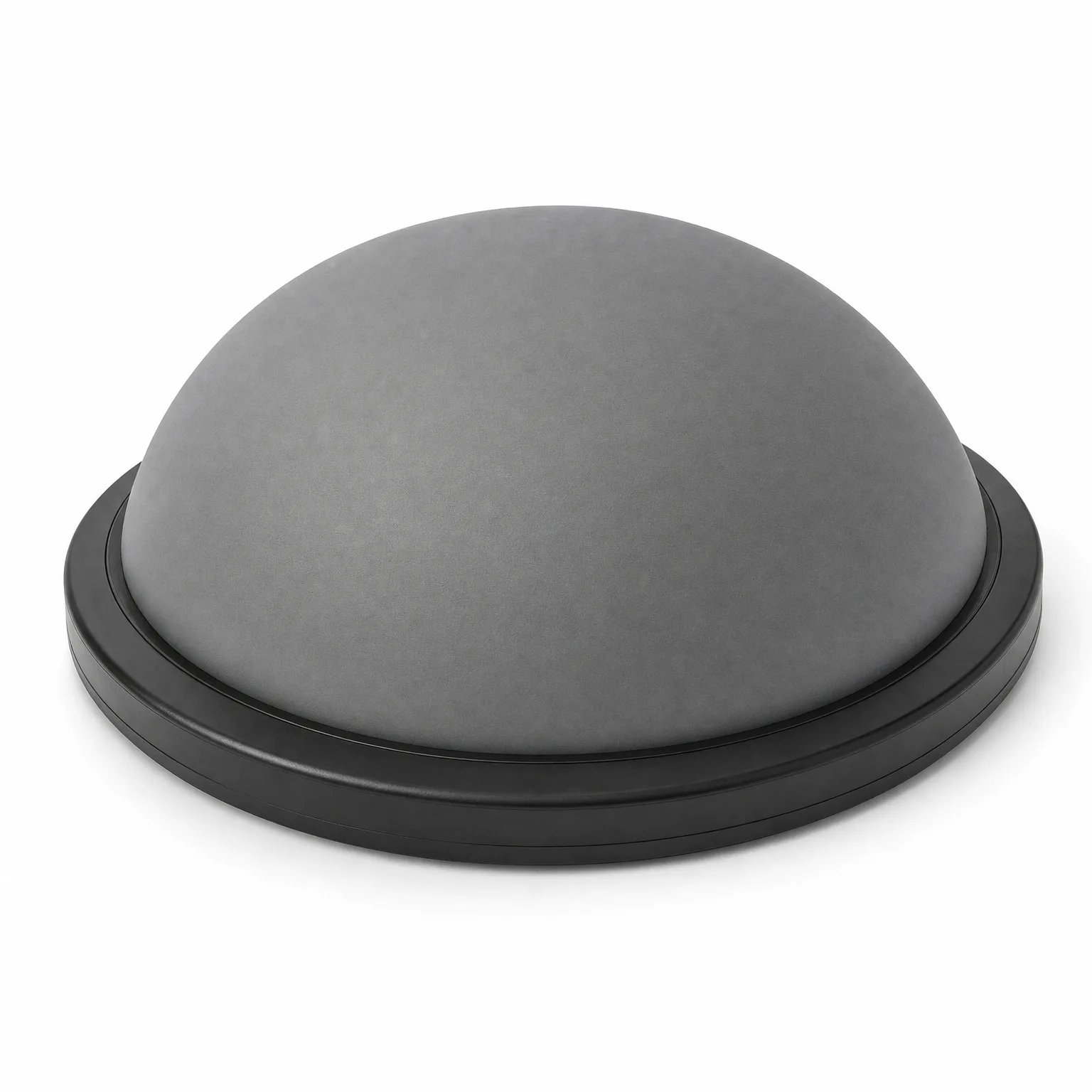
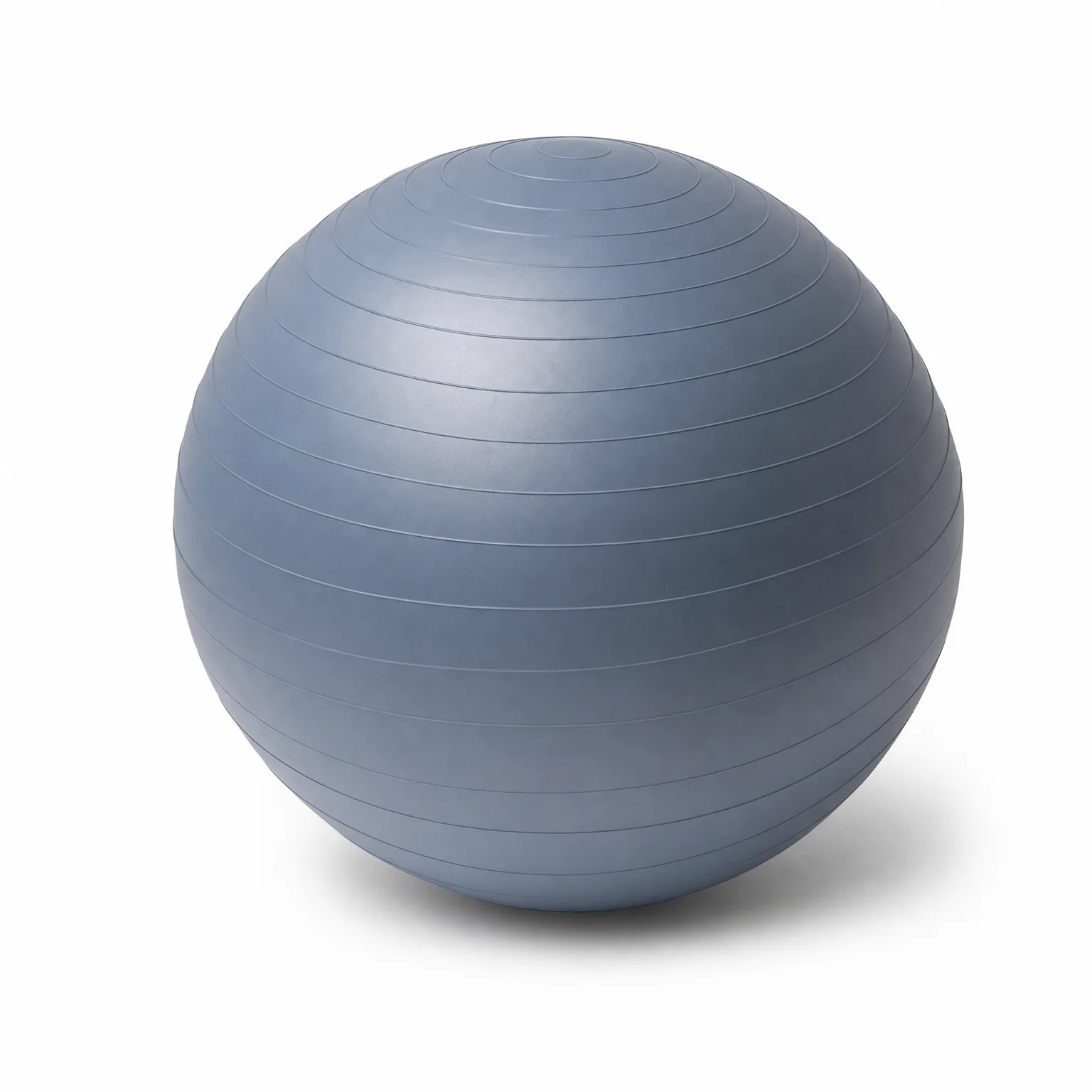
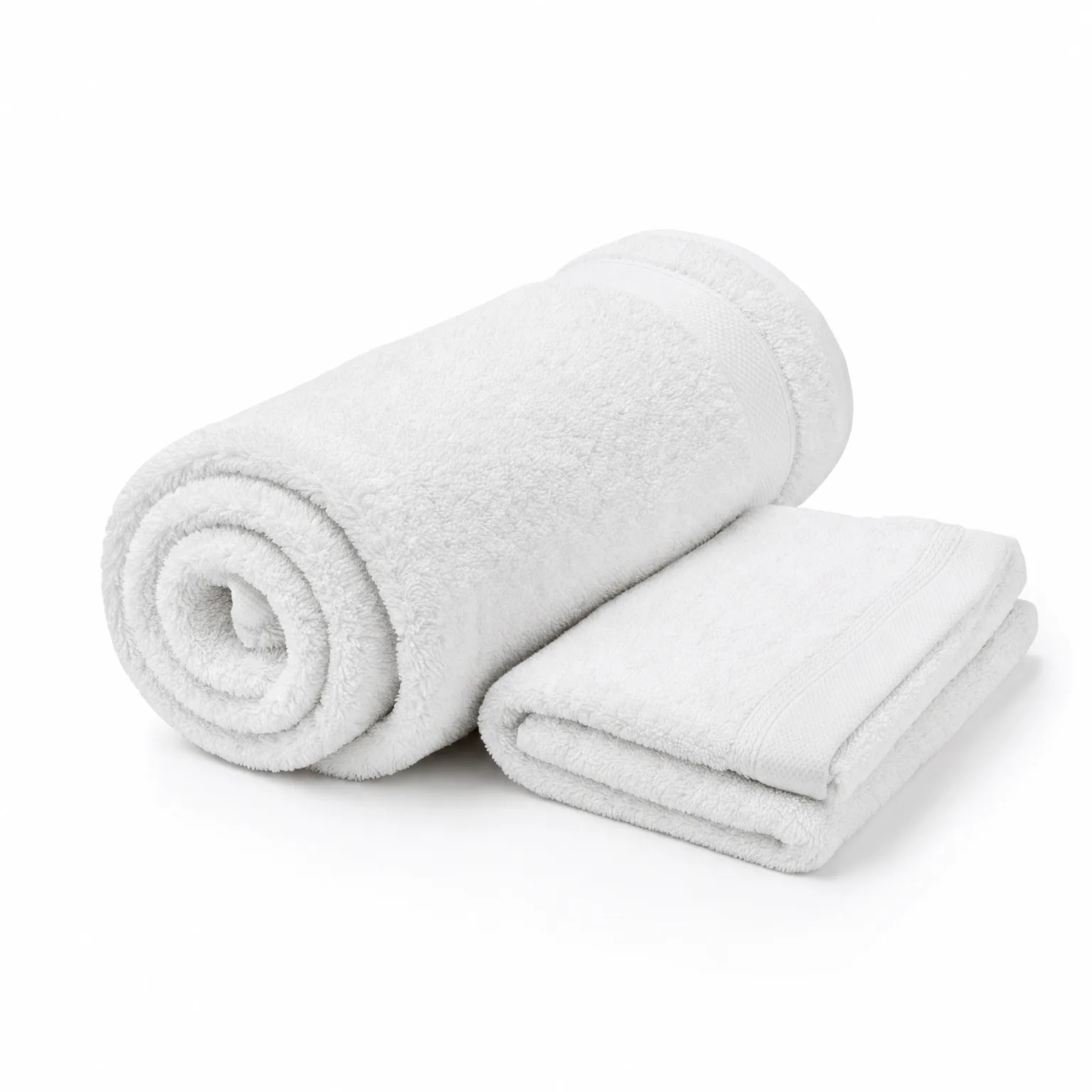
A half-dome balance trainer gives a softer, slower-moving unstable surface and is easier to start on. A stability ball trains balance through the trunk in seated and lying exercises. With no equipment, standing on one leg works well: first on the floor, then on a thickly folded towel, then with the eyes closed or while reaching with the free leg.
-
Balance trainer
An inflated rubber dome on a flat rigid base. You stand, kneel or lie on it to make balance, core and leg exercises less stable. -
Stability ball
A large inflatable ball you sit, lie or lean on. The unstable surface is used for core exercises, hamstring curls and supported stretches. -
Towel
A towel doubles as sliders on a smooth floor, a stretching strap, a pulling tool for isometric exercises and padding for the knees.
Often used with
-
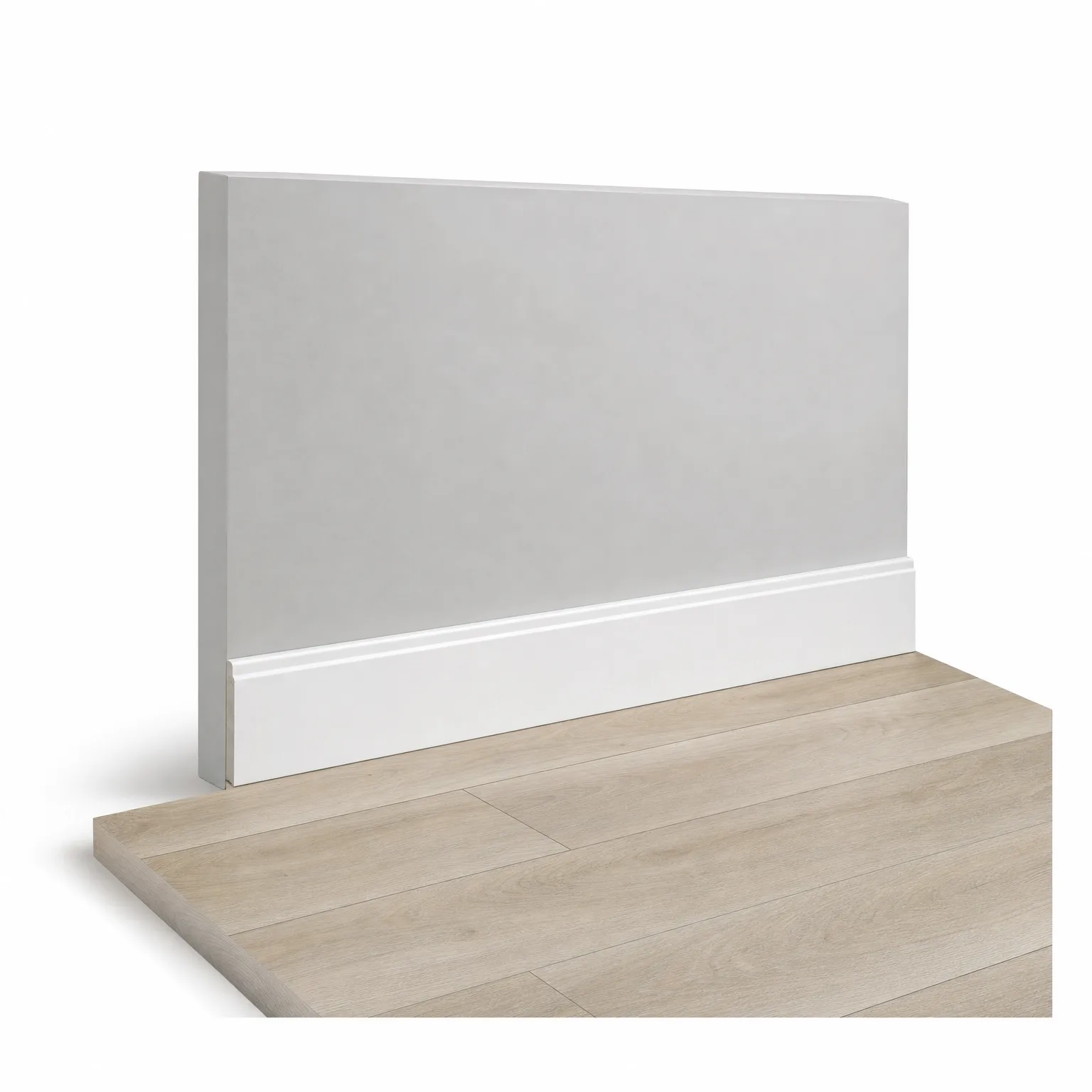
Wall
A clear stretch of solid wall works as support, a balance aid and a fixed surface to push against: wall sits, wall push-ups, stretches. -
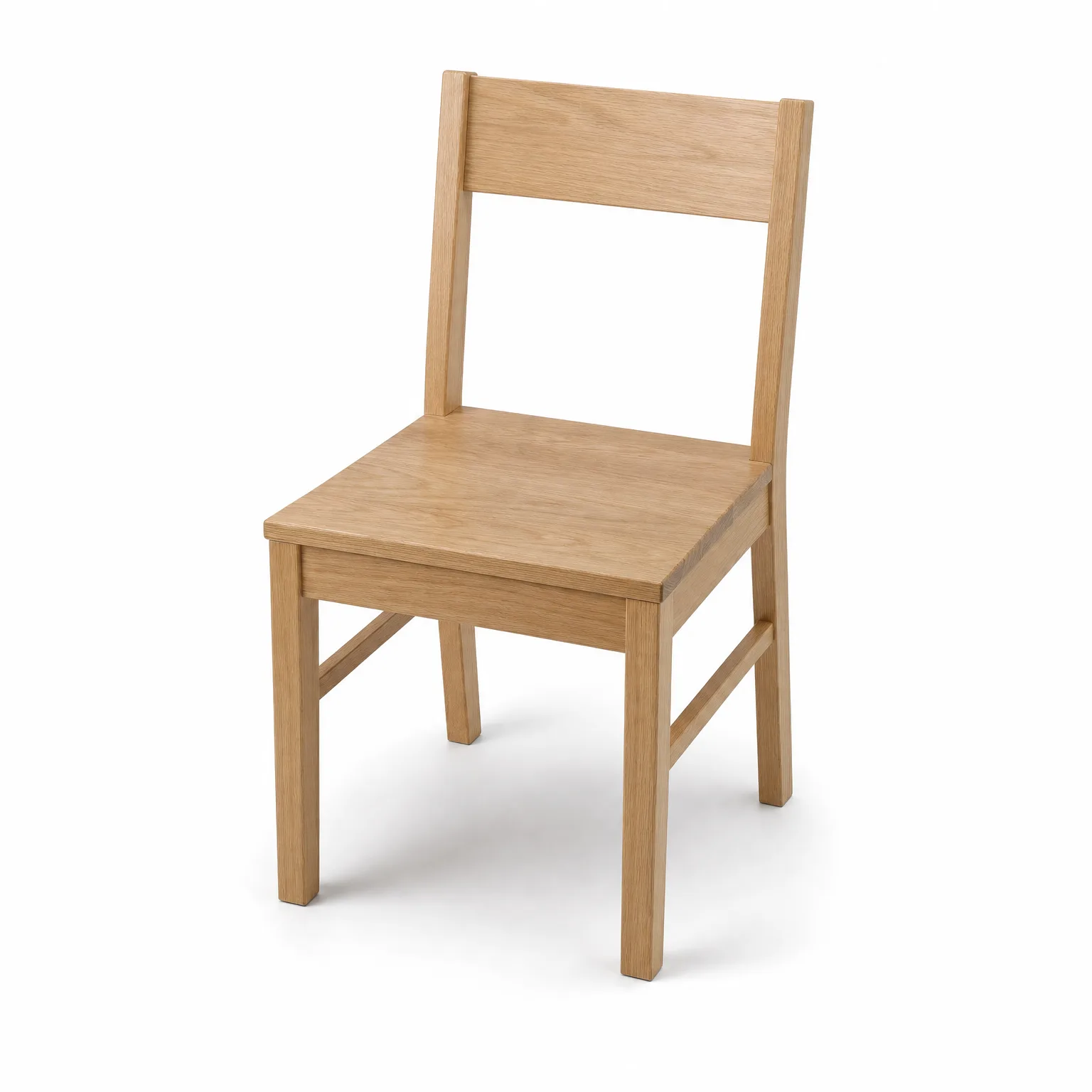
Chair
A sturdy household chair stands in for a bench, a low box or dip bars: sit-to-stands, step-ups, dips, split squats and incline push-ups. -

Exercise mat
A cushioned, non-slip surface for floor exercises, stretching and yoga. The first thing most people need to train at home.
Questions about balance board
What does a balance board do?
It makes you balance on a surface that tilts. That trains the small corrections made by the feet, ankles, knees, hips and trunk, and works the calf and shin muscles in particular. People use it for general balance practice, for lower-leg training and to rehearse board sports.
Wobble board, rocker board or roller board: which is best for beginners?
A rocker board is the easiest because it tilts in one direction only. A wobble board with a low dome is the next step and the most common general choice. A roller board is much harder, because the deck also travels sideways, and is better as a second board.
How long should you stand on a balance board?
Short, frequent practice works best. Five to ten minutes, three to five times a week, is enough to see progress. Stop a set when your control goes and the edges start hitting the floor on every correction.
Can I use a balance board at a standing desk?
Yes, if it is a low board made for that purpose with a gentle rocking motion. It adds some movement to standing. Exercise wobble boards and roller boards need too much attention to work on while you type.
Should I use a balance board barefoot or in shoes?
Either works if the deck has grip. Bare feet or thin flat shoes give more feel and make the foot muscles work more. Thick, cushioned running shoes make balancing harder and less precise.
Build programs around what your client has
This guide comes from OnlineFitness.app, the app online coaches run their clients in.
Free for life for the first 100 coachesNo card