Obliques
Two layers of muscle on the sides of the waist. They rotate and bend the torso and keep it from twisting or tipping under load.
In short
The obliques are the muscles on the sides of the abdomen, between the lower ribs and the top of the pelvis. There are two layers: the external oblique on the outside and the internal oblique beneath it, with fibers that cross at roughly right angles. Together they rotate the torso, bend it to the side and help the abs curl it forward.
Woodchops, side planks, side bends and hanging oblique raises train them directly, and they work hard to hold the torso still in carries and one-arm lifts. Training them does not burn the fat over the waist, often called love handles: that goes only with overall fat loss. The serratus anterior, the jagged muscle over the upper ribs, is a neighbor, not part of the obliques.
- Anatomical name
- External oblique and internal oblique
- Group
- Core
- Also called
- side abs, oblique muscles, external obliques, internal obliques, waist muscles
- Works with
- Abs, Lower back
What it does
- Rotate the torso: swinging a bat, throwing a ball, a cable woodchop
- Bend the torso to the side: reaching down for a bag beside you, a dumbbell side bend
- Help the abs curl the spine forward, as in a sit-up or a hanging leg raise
- Resist twisting and side bending: carrying a suitcase in one hand, a Pallof press, a side plank
- Squeeze the abdomen in a forceful exhale, a cough or when bracing for a heavy lift
Parts of the muscle
External oblique. The outer, larger layer. Its fibers run down and forward from the lower ribs, like hands slid into front pockets. It turns the torso toward the opposite side.
Internal oblique. The deeper layer. Its fibers run up and forward. It turns the torso toward the same side, so a twist to the right uses the left external and the right internal oblique together.
Exercises for the obliques
Ordered from the most useful. Equipment links open its page in the equipment guide.
-
Cable woodchop
Pulley high, stand side-on with a wide stance. Pull the handle down and across with long arms, turning from the ribcage and letting the hips pivot only a little.
-
Side plank
Elbow under the shoulder, body straight from head to heels. Lift the hips and hold. When 60 seconds is easy, raise the top leg or add slow hip dips.
Bodyweight
-
Hanging oblique knee raise
Hang from a bar without swinging. Lift the knees toward one shoulder by curling the pelvis up, lower slowly and alternate sides.
-
Dumbbell side bend
One dumbbell in one hand, the other hand free. Bend toward the weight as far as is comfortable, then pull back up to upright with the opposite side of the waist.
-
Pallof press
Stand side-on to a cable at chest height. Press the handle straight out and hold for two seconds without letting the torso turn toward the machine.
-
Bicycle crunch
Shoulders off the floor, one elbow toward the opposite knee while the other leg extends. Turn the ribcage, not just the elbow, and move slowly.
Bodyweight
-
Russian twist
Sit leaning back with the feet down or raised. Turn the shoulders from side to side so the ball moves with the ribcage, not only with the arms.
How to train it
Train rotation, side bending and holding still
Woodchops and landmine rotations train rotation. Side bends and hanging oblique knee raises train side bending. Side planks, Pallof presses and one-arm carries train resisting movement. Picking one or two from each covers everything the obliques do.
Count the indirect work
Squats, deadlifts, overhead presses and one-arm rows already make the obliques brace hard. For most people about 6 to 12 direct sets a week, over two or three sessions, is enough on top of that.
Load them like any other muscle
The obliques respond to load and effort the same way other muscles do. Woodchops, side bends and hanging raises suit 8 to 15 reps. Side planks suit holds of 20 to 60 seconds. Take sets close to failure.
Turn through the ribcage
In a sloppy twist much of the movement comes from the arms and hips. Keep the arms fixed in front of the chest and let the ribcage move relative to the pelvis.
Progress by load or lever
Add weight to cable and dumbbell work. For bodyweight moves make the lever longer: straighter legs in hanging raises, the top leg lifted in side planks, the feet off the floor in twists.
Common mistakes
Twisting with the arms only
In Russian twists and woodchops the hands often travel while the chest stays still. Point the breastbone where the hands go and slow the rep down.
Holding a weight in each hand for side bends
Two dumbbells balance each other, so the obliques have almost nothing to lift. Use one weight and switch sides.
Doing endless reps to slim the waist
Hundreds of twists do not burn the fat on the sides of the waist. Train the obliques for strength with moderate reps and real load, and handle fat loss through diet and overall activity.
Using momentum
Swinging through bicycle crunches or twists turns them into a hip and arm exercise. Pause at each end and control the return.
Equipment for these exercises
-
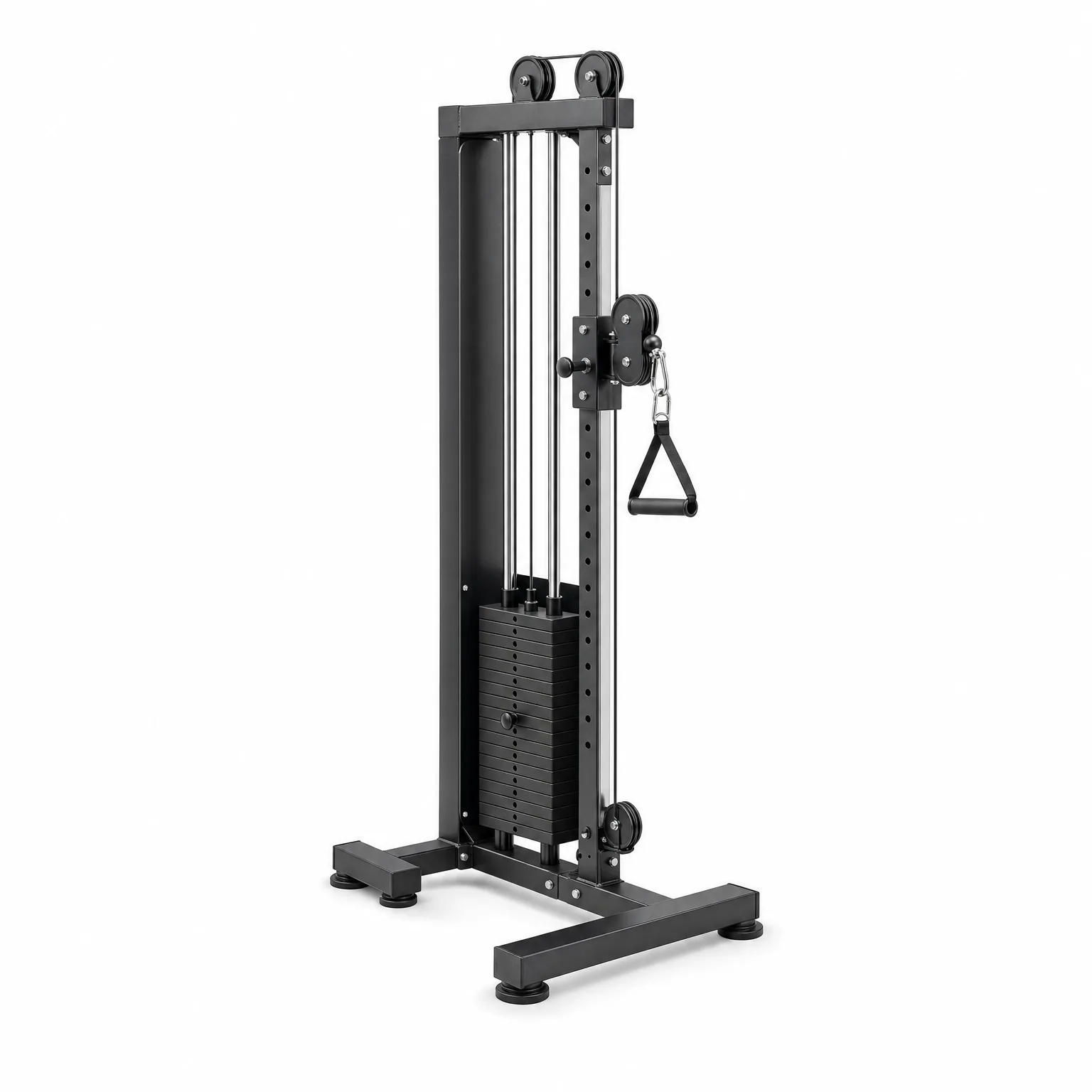
Cable machine
A weight stack on a pulley with a handle you can set at any height. It keeps tension on the muscle through the whole movement. -
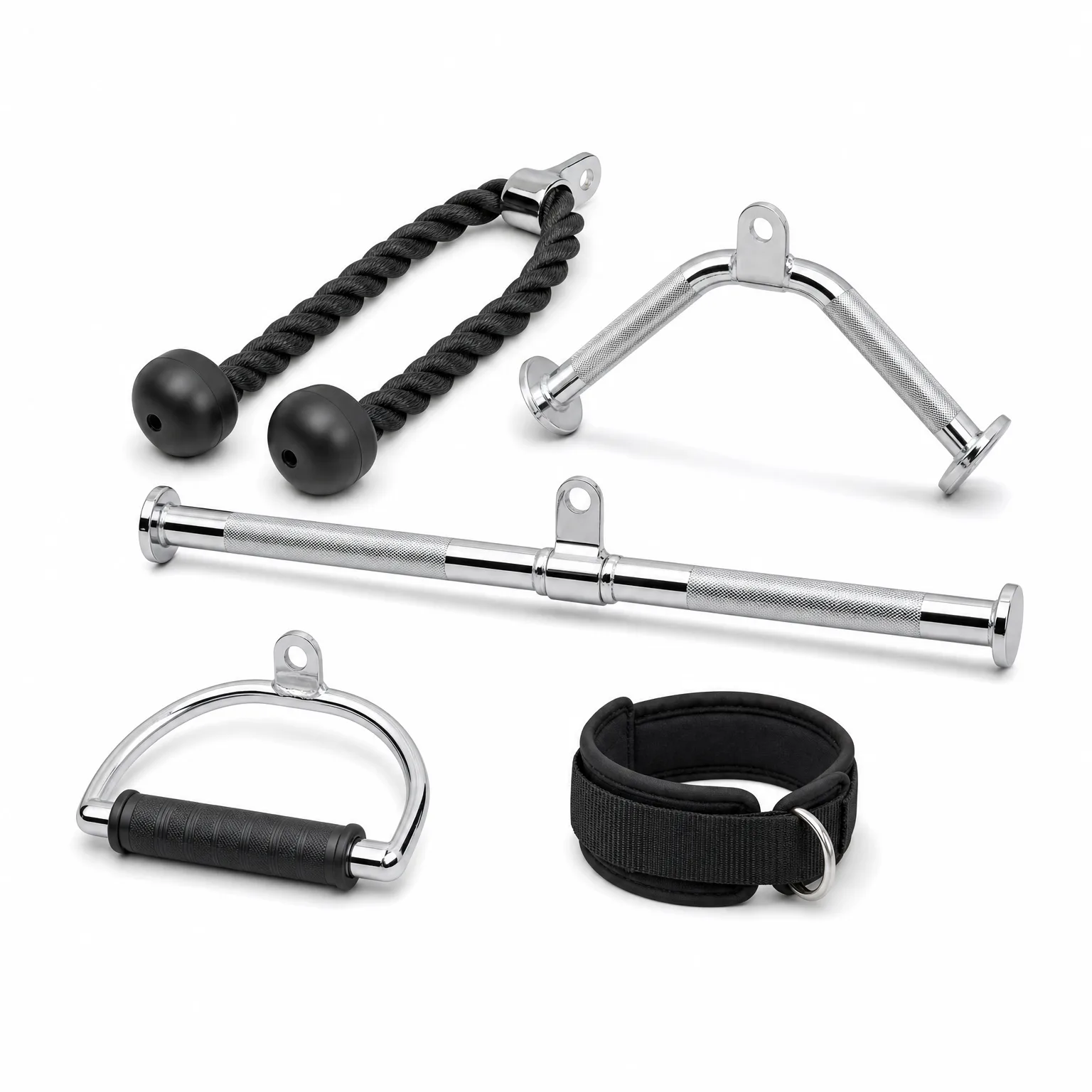
Cable attachments
The handles, bars, ropes and cuffs that clip onto a cable machine. Each one sets your grip and changes which exercises the cable can do. -
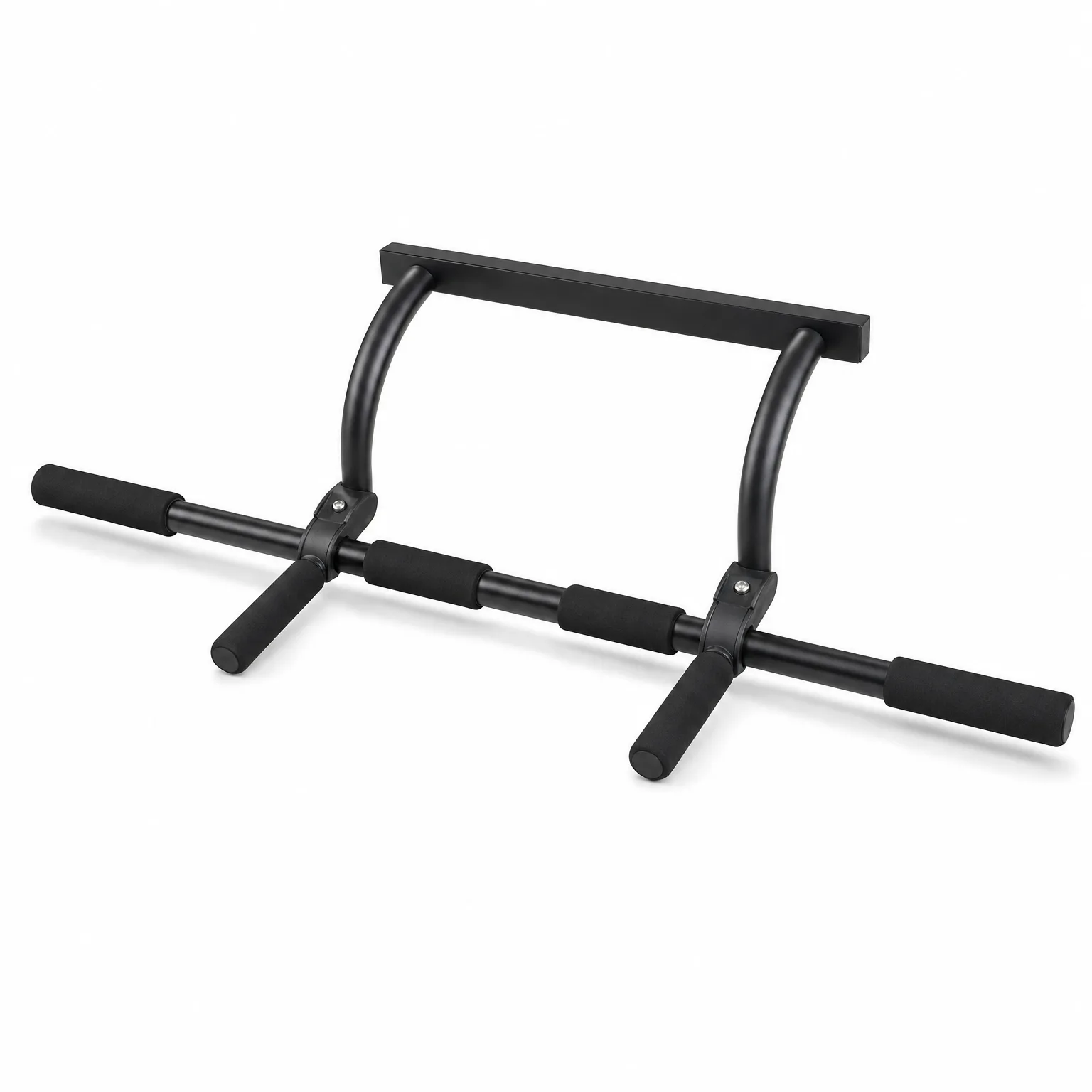
Pull-up bar
A fixed horizontal bar you hang from. Used for pull-ups, chin-ups, hangs and hanging leg raises, at home or outdoors. -

Dumbbells
A pair of short handles with a weight at each end. One pair trains every major muscle group, at home or in a gym. -
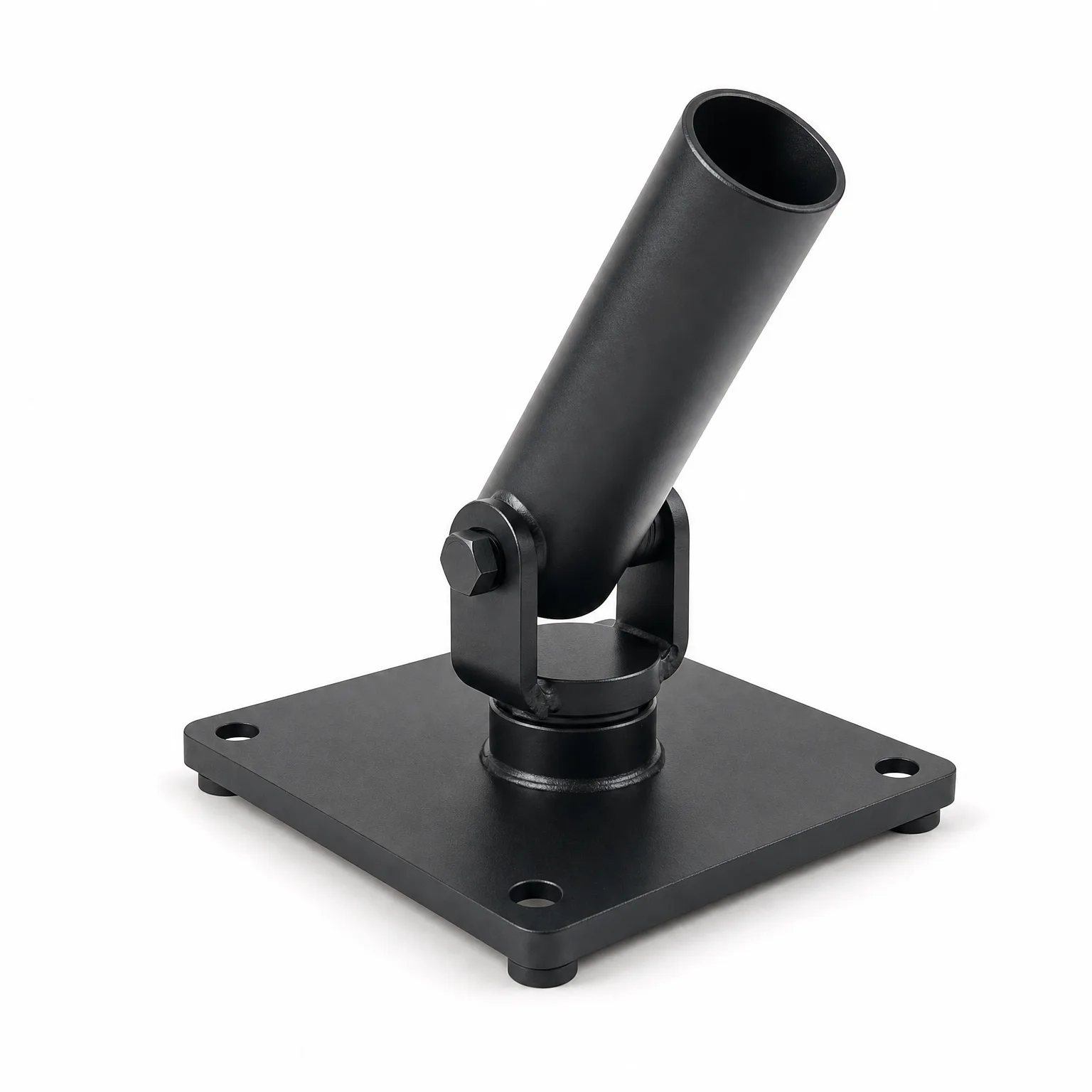
Landmine
A floor pivot that holds one end of a barbell so the other end moves in an arc. Used for presses, rows, squats and rotations. -

Barbell
A long steel bar loaded with plates at both ends. The standard tool for squats, deadlifts, presses and rows with heavy weight. -
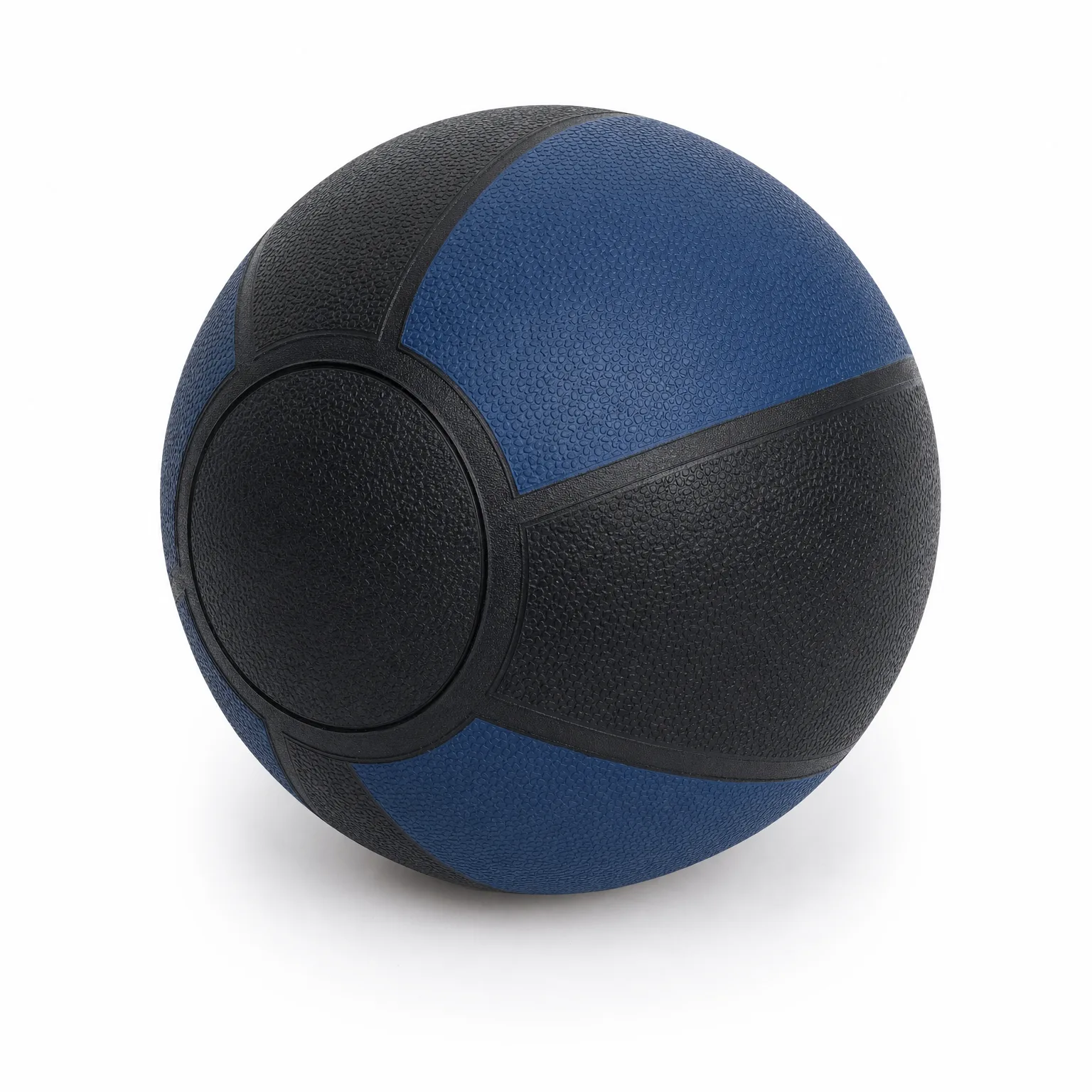
Medicine ball
A weighted ball you throw, catch and carry. Used for power throws, wall balls, partner drills and core exercises.
Related muscles
Questions about training the obliques
What are the best oblique exercises?
Cable woodchops, hanging oblique knee raises and side planks give the most for the time, because between them they load rotation, side bending and bracing. At home, side planks, bicycle crunches and one-dumbbell side bends cover the same ground. Pick two or three and add load over time.
Do oblique exercises get rid of love handles?
No. Training a muscle does not remove the fat over it. Love handles are fat stored on the sides of the waist, and they shrink only with overall fat loss through diet and activity. Oblique training builds the muscle underneath, which shows more as body fat comes down.
Will training obliques make my waist wider?
For most people, no. The obliques are thin sheets of muscle, and even well-trained ones add little width. Waist size depends mostly on body fat and bone structure. If it worries you, favor rotation and bracing work over very heavy side bends.
How often should I train obliques?
Two or three times a week works well, usually at the end of a session. They also brace during most standing lifts, so a few direct sets each time is enough for most people.
Can I train obliques at home?
Yes. Side planks, side plank hip dips, bicycle crunches and Russian twists need only floor space. A single dumbbell adds side bends, and a resistance band anchored in a door adds woodchops and Pallof presses.
Write programs your clients can follow
This guide comes from OnlineFitness.app, the app online coaches run their clients in.
Free for life for the first 100 coachesNo card