Front delts
The front head of the shoulder muscle. It lifts the arm forward and overhead and helps in every press, from the bench press to the overhead press.
In short
The front delt is one of the three heads of the deltoid, the cap of muscle over the shoulder. It starts on the outer third of the collarbone and joins the side and rear heads in a shared tendon on the outside of the upper arm. It lifts the arm forward and up, as when you reach to a high shelf or press a weight overhead.
It differs from the other two heads by its position and job: the side delt lifts the arm out to the side and the rear delt pulls it back, while the front delt works in pushing. Overhead presses build it most directly, and bench presses, incline presses and push-ups train it heavily too. That is why many people need little direct work for it.
- Anatomical name
- Anterior deltoid
- Group
- Chest and shoulders
- Also called
- front deltoid, anterior delts, front shoulder, front delt
- Works with
- Chest, Triceps, Side delts, Rear delts
What it does
- Lifts the arm forward and up (shoulder flexion): overhead press, front raise, reaching up
- Helps push the arm forward from the chest: bench press, push-up, dip
- Brings the raised arm across the body together with the chest: cable fly, pec deck
- Rotates the upper arm inward
Parts of the muscle
Front head (this page). From the collarbone. Works in presses, incline presses and front raises, and gets a lot of indirect work from chest training.
Side head. From the tip of the shoulder (acromion). Lifts the arm out to the side and gives the shoulder its width. Trained mainly with lateral raises.
Rear head. From the ridge on the back of the shoulder blade. Pulls the arm back and out. Trained with rows, face pulls and reverse flyes.
Exercises for the front delts
Ordered from the most useful. Equipment links open its page in the equipment guide.
-
Overhead press
Bar on the front of the shoulders, glutes and abs tight. Press straight up, move the head back out of the path and finish with the bar over the middle of the foot.
-
Dumbbell shoulder press
Sit on a bench set upright or nearly so. Start with the dumbbells at about shoulder height, elbows a little in front of the body, and press up without banging them together.
-
Incline bench press
Bench at about 30 to 45 degrees, shoulder blades pulled back. The steeper the bench, the more the front delts take over from the chest.
-
Machine shoulder press
Set the seat so the handles start at about shoulder height. Press to just short of lockout and lower slowly, keeping the back against the pad.
-
Pike push-up
Hips high so the body forms an upside-down V. Lower the top of the head toward the floor in front of the hands, then press back. Raise the feet on a box to make it harder.
Bodyweight
-
Front raise
Light dumbbells, slight bend in the elbows. Lift the arms in front to shoulder height without leaning back or swinging, and lower slowly.
How to train it
Count the work they already get
Every bench press, incline press, dip and push-up trains the front delts. If your program has several hard sets of these each week, one overhead press or none may be enough. Isolation work such as front raises is optional for most people.
Make an overhead press the main lift
If you add direct work, pick one press: barbell, dumbbell, machine or landmine. Two to six hard sets a week on top of chest training covers most needs. People who do no chest pressing need more, closer to the usual 10 or more sets.
Press in the 6 to 12 rep range
Overhead presses suit moderate reps with a clean range of motion. Front raises and pike push-ups work for 10 to 20. Stop most sets one to three reps short of failure.
Keep the press strict
A strong lean back turns the overhead press into an incline press and loads the lower back. Squeeze the glutes and abs and keep the ribs down so the shoulders do the work.
Common mistakes
Adding lots of front raises to a heavy pressing program
The front delts already get many sets from pressing. Extra raises add fatigue with little benefit. Spend those sets on the side and rear delts, which get less indirect work.
Leaning back during overhead presses
Arching the lower back lets you move more weight but shifts the work away from the shoulders. Lower the load and press with the torso upright.
Cutting the press short at the bottom
Stopping with the bar at forehead height skips the hardest part of the rep. Bring the bar or dumbbells down to about chin or shoulder level each rep.
Equipment for these exercises
-
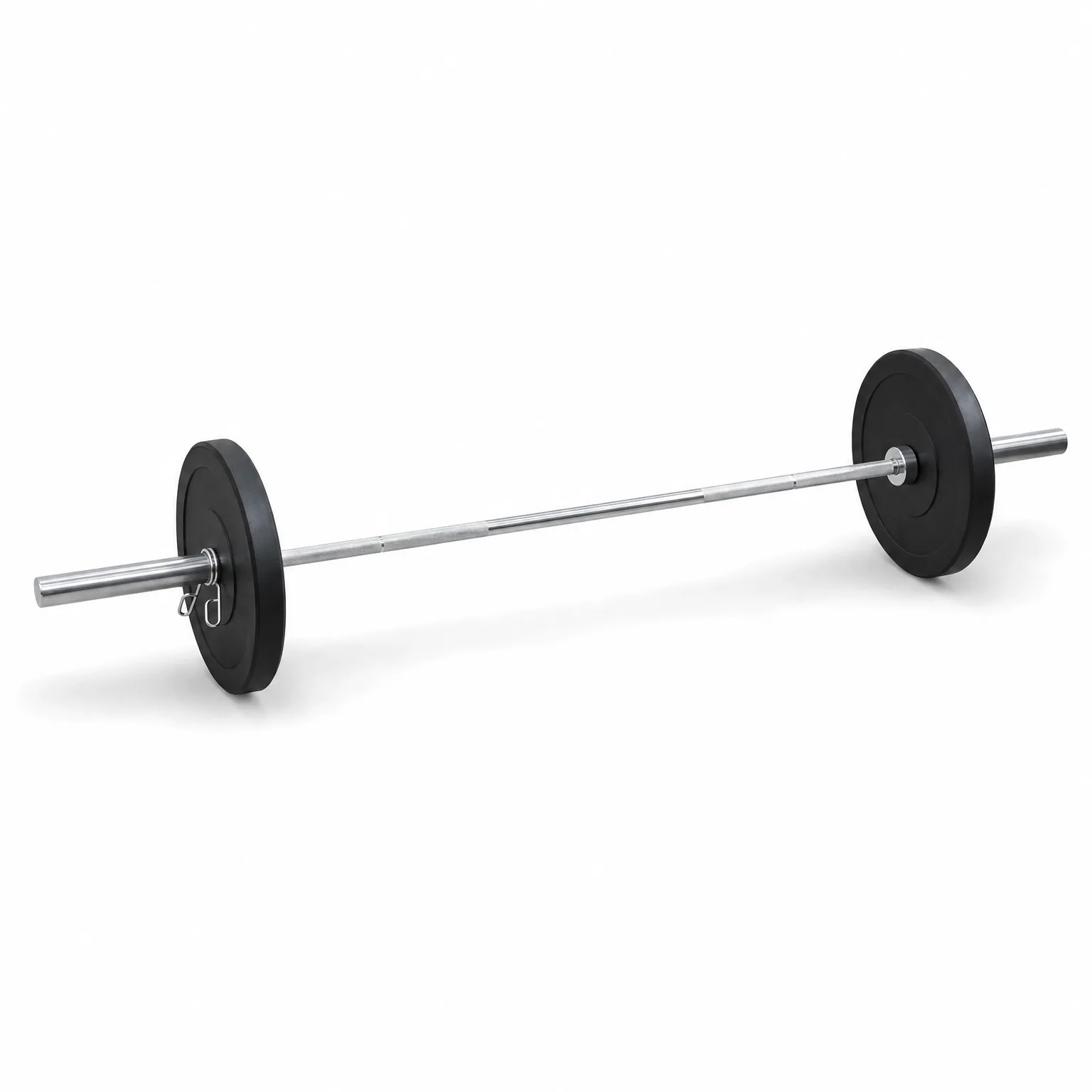
Barbell
A long steel bar loaded with plates at both ends. The standard tool for squats, deadlifts, presses and rows with heavy weight. -
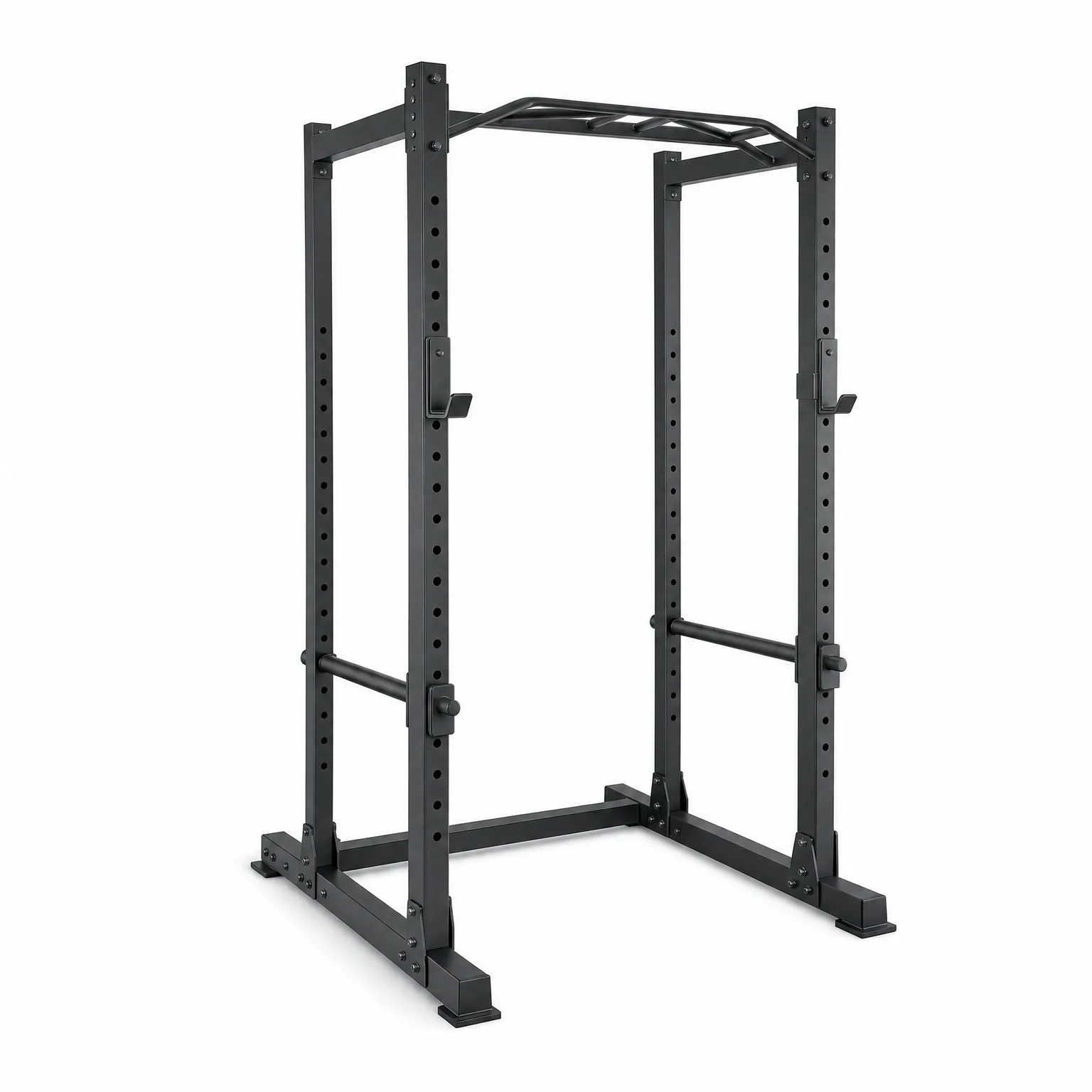
Squat rack
A steel frame that holds a barbell at the height you need and catches it if a rep fails. The base for squats and presses. -

Dumbbells
A pair of short handles with a weight at each end. One pair trains every major muscle group, at home or in a gym. -

Weight bench
A padded bench you lie, sit or lean on while lifting. It supports the body for presses, rows, hip thrusts and seated work. -
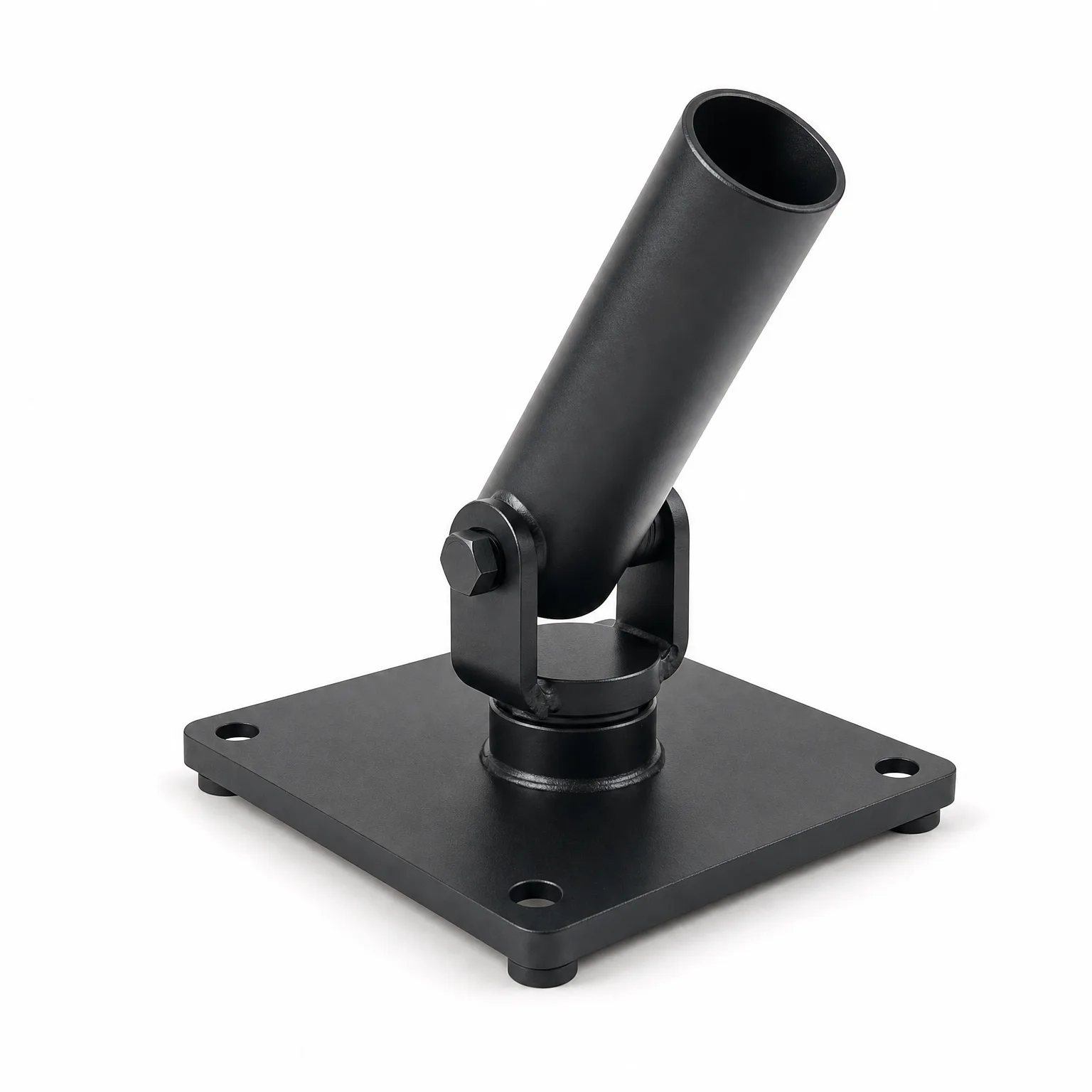
Landmine
A floor pivot that holds one end of a barbell so the other end moves in an arc. Used for presses, rows, squats and rotations. -
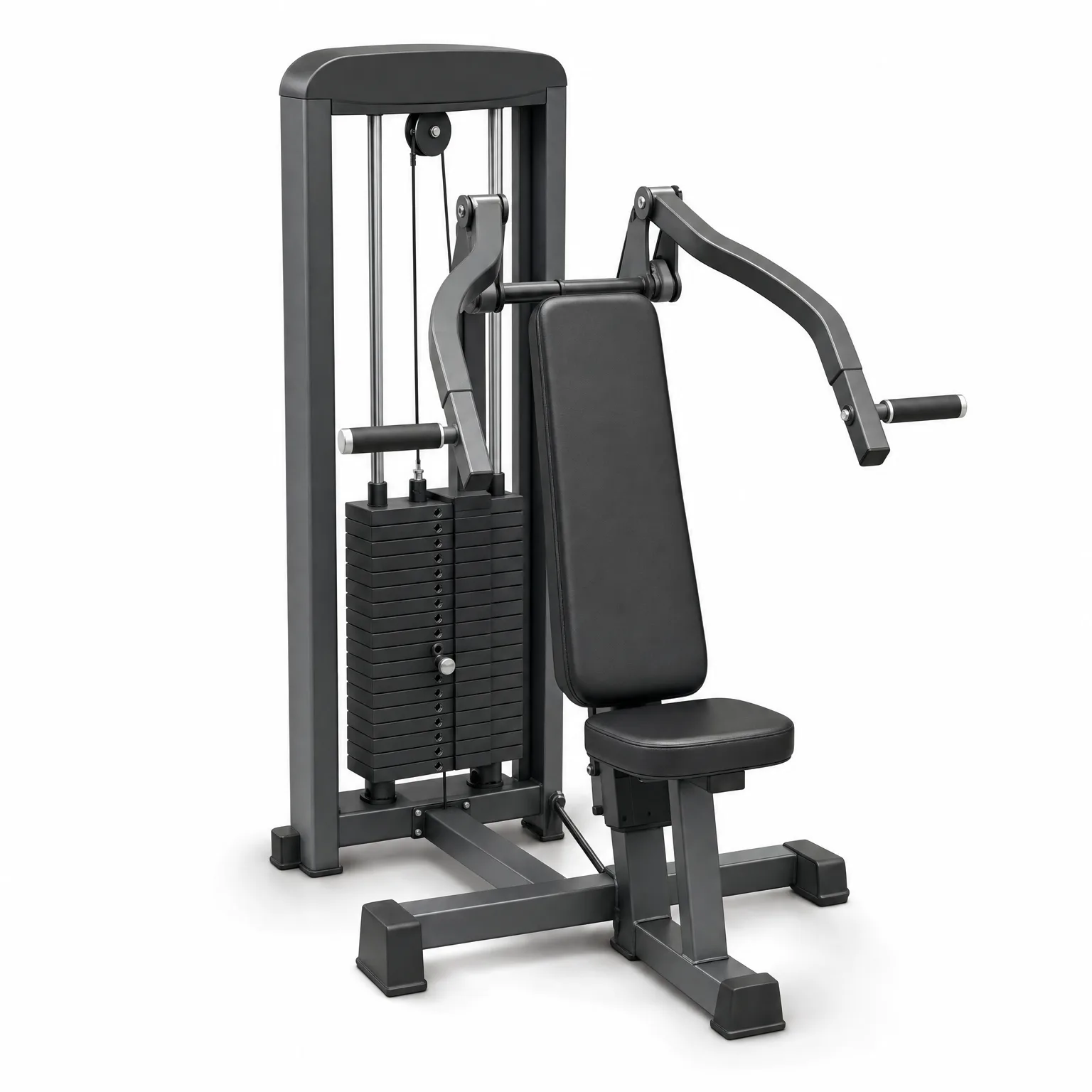
Shoulder press machine
A seat with handles you press overhead along a fixed path. It trains the front and side of the shoulders and the triceps.
Related muscles
-
Chest
The fan-shaped muscle across the front of the ribcage. It brings the arm forward and across the body in presses, push-ups and flyes. -
Triceps
The three-headed muscle on the back of the upper arm. It straightens the elbow in presses, push-ups and dips. -
Side delts
The middle head of the shoulder muscle, on the outside of the shoulder. It lifts the arm out to the side and gives the shoulders their width. -
Rear delts
The back head of the shoulder muscle. It pulls the arm back and out to the side in rows, face pulls and reverse flyes.
Questions about training the front delts
What are the best front delt exercises?
Overhead presses: barbell, dumbbell, machine or landmine. Incline presses and push-ups also train the front delts hard. Front raises isolate them but are rarely needed when you press regularly.
Do I need to train front delts directly?
Most people who bench press, incline press or do push-ups each week do not. Those lifts already give the front delts a lot of work. Add an overhead press if you want stronger overhead pressing or if your program has little chest work.
Can I train front delts at home?
Yes. Pike push-ups, regular push-ups and dumbbell presses cover them well. Raising the feet in pike push-ups moves the load closer to a full overhead press. A pair of adjustable dumbbells is enough for presses and raises.
Front delts vs side delts: what is the difference?
Both are heads of the same muscle. The front delt sits on the front of the shoulder and lifts the arm forward, so it works in all pressing. The side delt sits on the outside and lifts the arm out to the side. Pressing trains the side delt less, so it usually needs lateral raises.
Write programs your clients can follow
This guide comes from OnlineFitness.app, the app online coaches run their clients in.
Free for life for the first 100 coachesNo card