Shoulder press machine
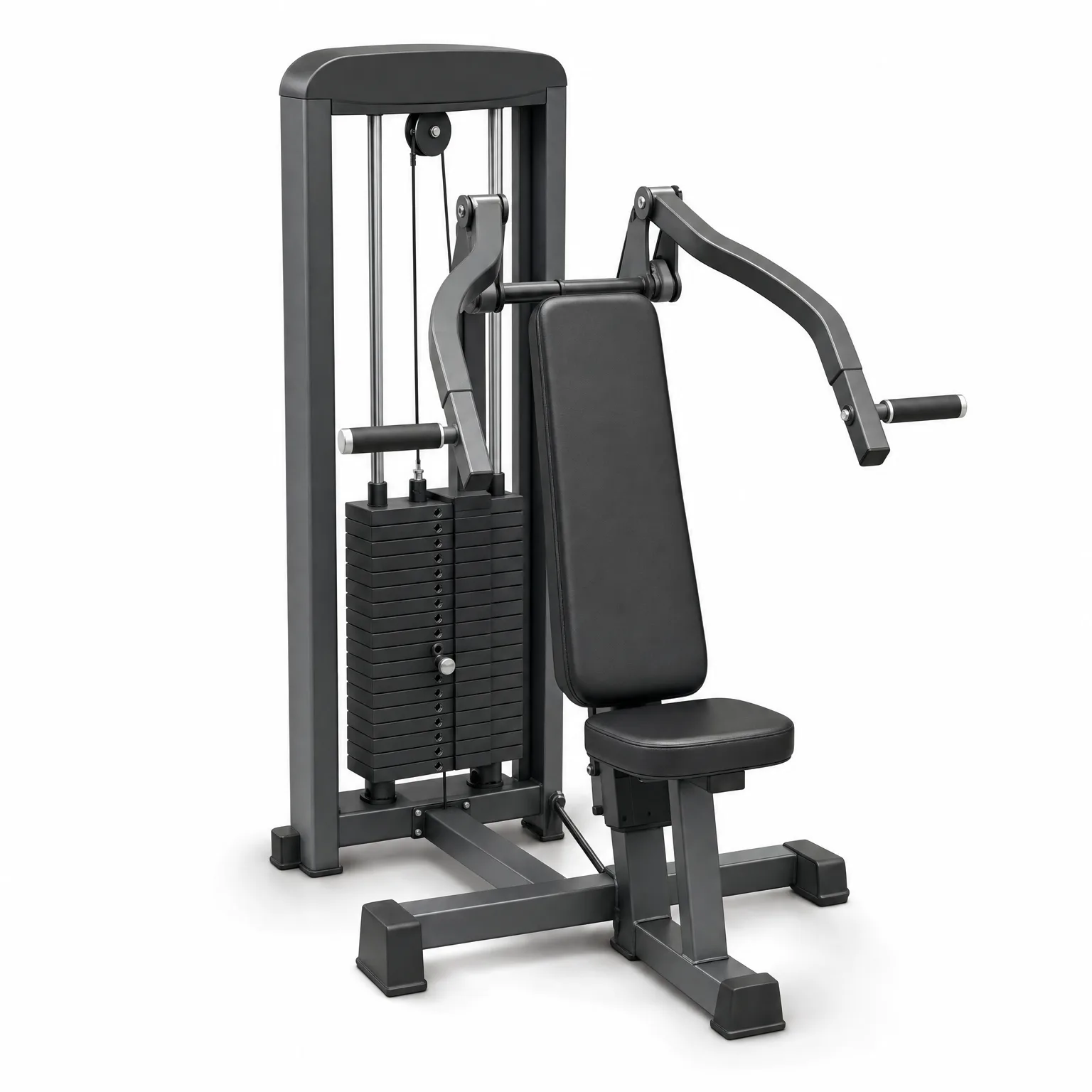
A seat with handles you press overhead along a fixed path. It trains the front and side of the shoulders and the triceps.
In short
A shoulder press machine is a seat with a back pad and two handles that start beside the shoulders and travel overhead on a fixed path. It trains the front and side parts of the deltoids, with the triceps and upper traps helping.
The back is supported and the handles cannot drift, so it is easier to learn than pressing a barbell or dumbbells overhead. It suits beginners and anyone who wants to push the shoulders hard without balancing a weight above the head.
- Category
- Gym machines
- Where
- Gym
- Level
- Beginner and up
- Space
- Needs a dedicated area
- Typical sizes
- Stacks are commonly 60–110 kg (130–240 lb); footprint about 1.3 x 1.5 m (4.5 x 5 ft)
- Also called
- machine shoulder press, overhead press machine, seated shoulder press, military press machine, deltoid press machine
Muscles it works
- Main
- Front delts, Side delts
What it is used for
- Overhead pressing with the back supported
- Shoulder sets taken close to failure without a spotter
- One-arm presses on machines with independent arms
- Extra shoulder volume after barbell or dumbbell presses
Types
Seated selectorized. Upright back pad, weight stack and pin. The two handles are linked or move separately, depending on the model.
Plate-loaded lever. Independent arms loaded with plates. The handles usually move slightly inward at the top, closer to a dumbbell press.
Front-facing press. You sit facing the pad with the chest supported. The arms press up and slightly forward, which some shoulders find more comfortable. Less common.
How to choose
Set the seat height
Adjust the seat so the handles start level with your shoulders or just above them, about ear-lobe height at most. If the handles start below the shoulders, the bottom of the rep is too deep. If they start at the top of the head, the range is too short.
Choose the grip
Most machines have a wide overhand handle and a neutral handle with palms facing each other. The neutral grip keeps the elbows a little in front of the body and is the more comfortable choice for many shoulders. Use the one that lets you press without pinching.
Check the back angle
A pad that leans back slightly is normal and lets the handles pass the face. Sit with the hips all the way back so the whole back touches the pad.
Choose a starting load
Shoulders are a small muscle group, so start lower than on the chest press. Pick a weight you can press for 10–12 clean reps and add one plate at a time.
How to start using it
- Sit tall against the pad. Put the hips, upper back and head on the pad and the feet flat on the floor. Tighten the stomach lightly so the lower back does not arch away from the pad.
- Line up wrists and elbows. Grip the handles with straight wrists. The elbows should be directly under the hands and slightly in front of the shoulders, not pulled far back behind the body.
- Press up. Push the handles overhead until the arms are almost straight. Keep the ribs down and the head back on the pad. Do not shrug hard at the top.
- Lower to shoulder level. Bring the handles down in about two seconds until the hands are around ear or chin height. Stop before the plates touch and go into the next rep.
Common mistakes
Arching the lower back
Sliding the hips forward and arching turns the press into an incline chest press and loads the lower back. Keep the hips back and lower the weight if you cannot.
Seat too high
Starting with the handles well below the shoulders forces the upper arms far down under load. Lower the seat until the start position is at shoulder level.
Elbows flared straight out to the sides
Pressing with the elbows pulled back in line with the shoulders is a position many shoulders dislike. Let them sit slightly forward, as the neutral handles encourage.
Half reps at the top
Moving the handles only through the top few centimeters lets you load the stack but skips most of the range the deltoids work through.
What to use instead
Seated or standing dumbbell presses train the same muscles and let each arm move freely. A barbell overhead press is the heavy free-weight option. A Smith machine with a bench set upright gives a guided path close to the machine. One or two kettlebells pressed from the rack position also work.
-

Dumbbells
A pair of short handles with a weight at each end. One pair trains every major muscle group, at home or in a gym. -
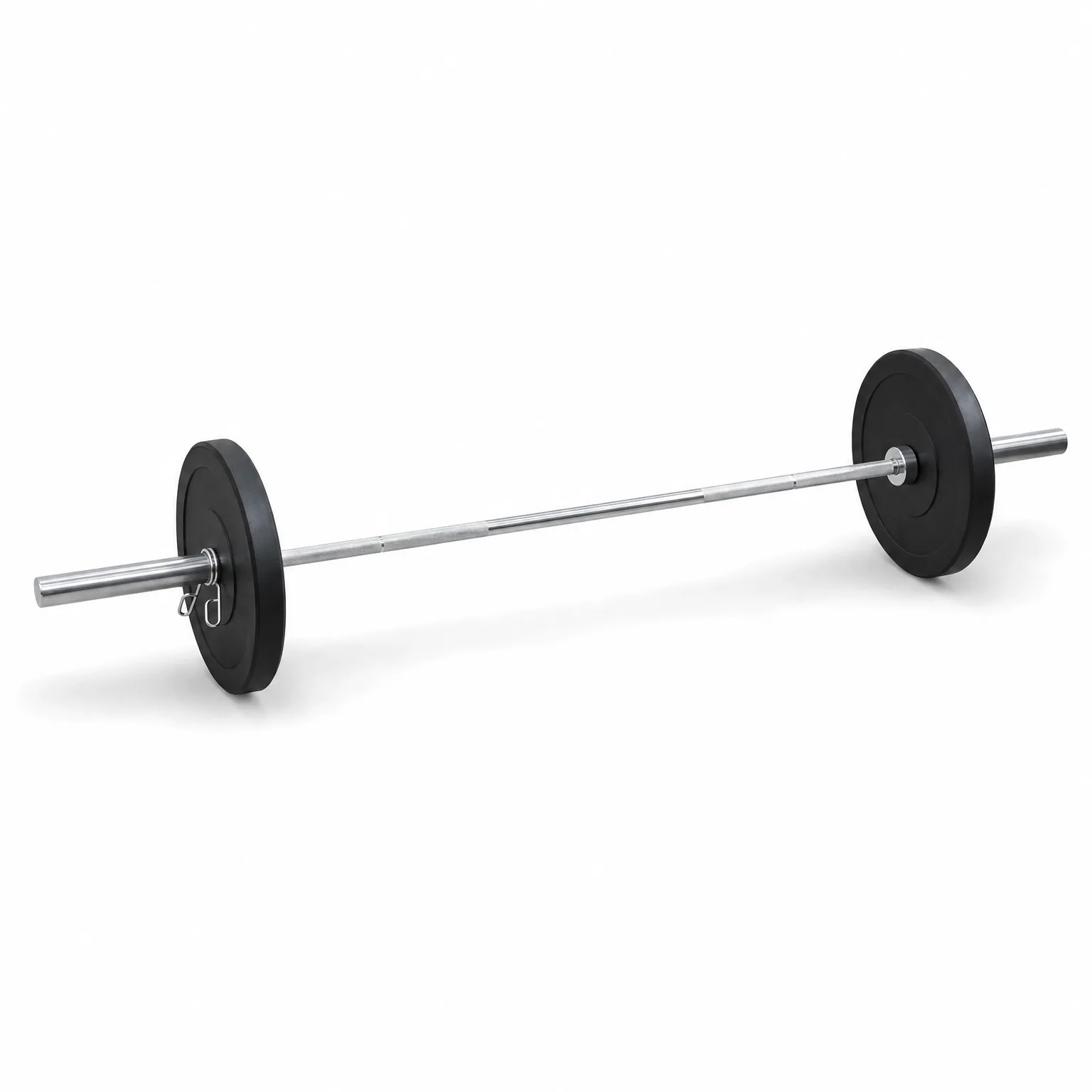
Barbell
A long steel bar loaded with plates at both ends. The standard tool for squats, deadlifts, presses and rows with heavy weight. -
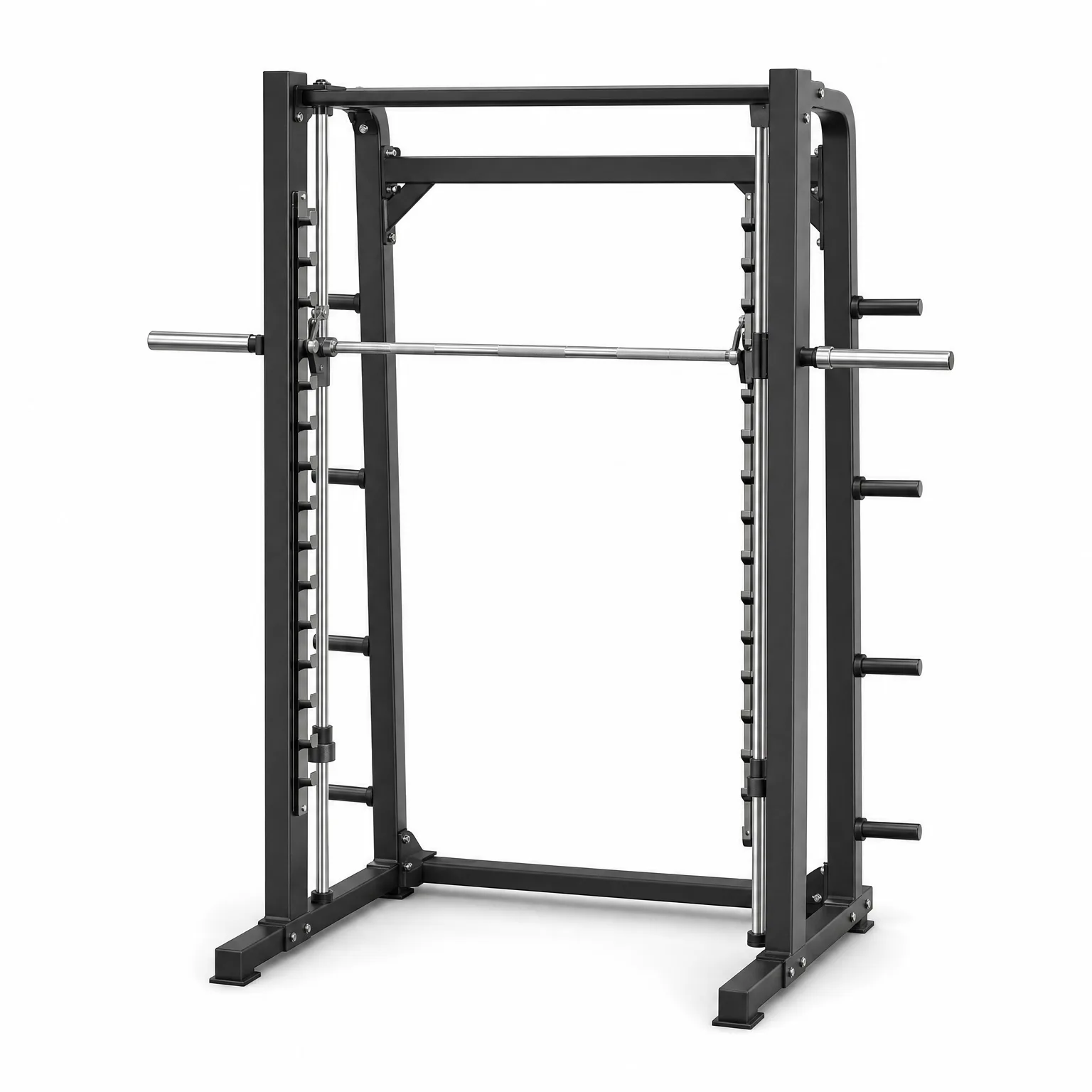
Smith machine
A barbell that slides on fixed guide rails, with hooks that lock at many heights. Used for squats, presses and rows without a spotter. -
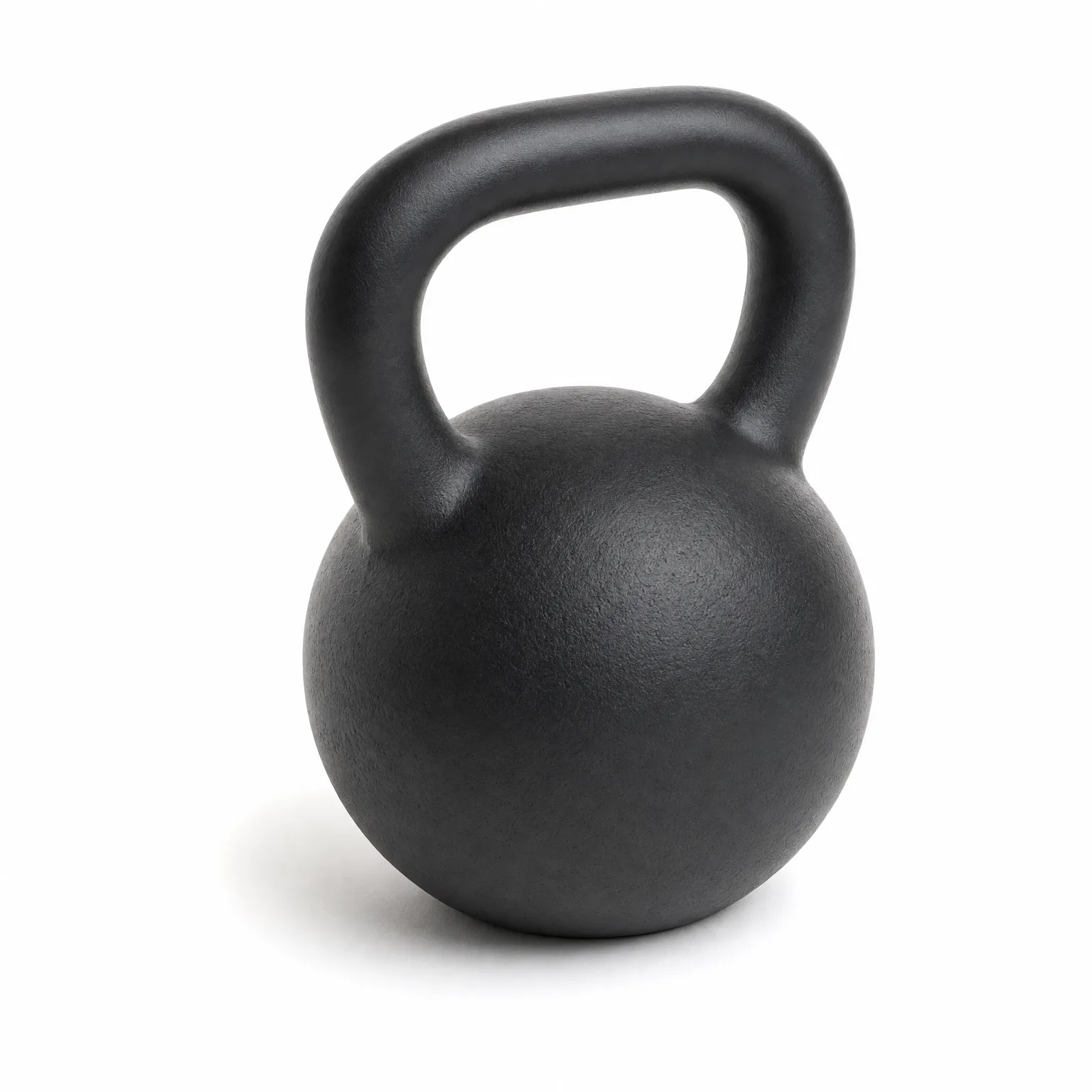
Kettlebell
A cast-iron or steel ball with a flat base and a handle on top. Built for swings, carries, squats and presses with one weight.
Often used with
-
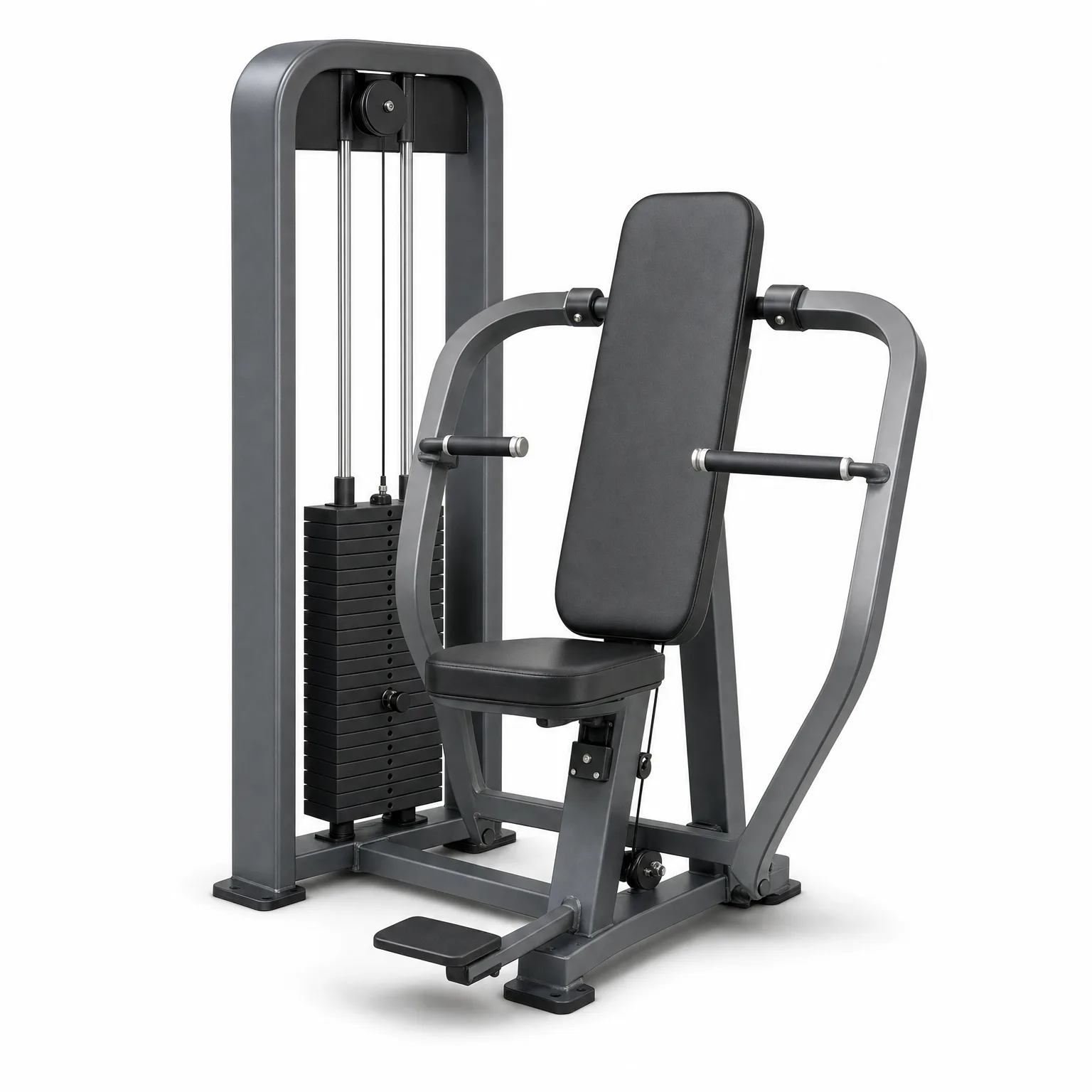
Chest press machine
A seat with handles you push forward against a weight stack or plates. It trains the chest, front shoulders and triceps. -
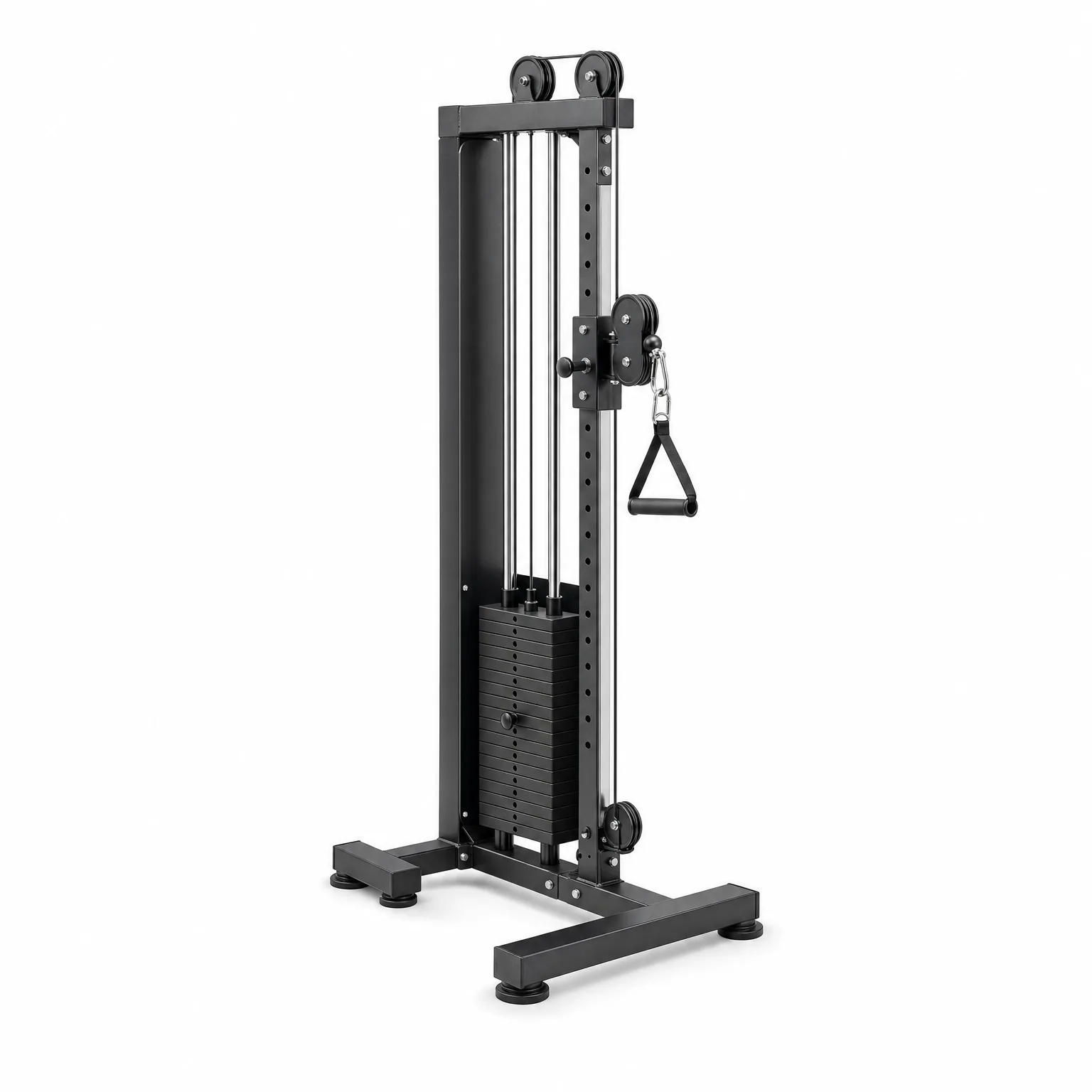
Cable machine
A weight stack on a pulley with a handle you can set at any height. It keeps tension on the muscle through the whole movement. -
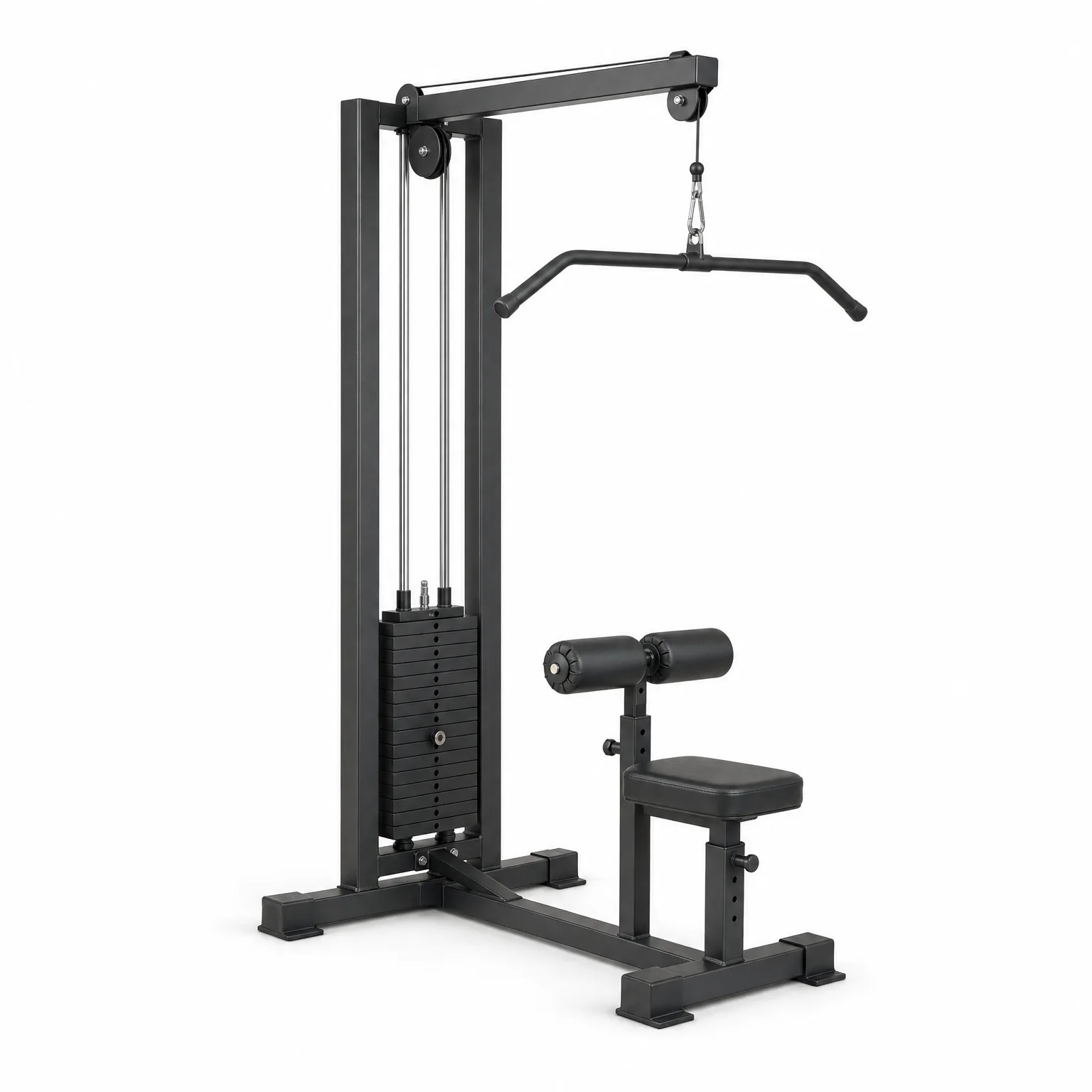
Lat pulldown machine
A seat with thigh pads under a high pulley and a wide bar. You pull the bar to your chest to train the lats and upper back.
Questions about shoulder press machine
What muscles does the shoulder press machine work?
The front and side parts of the deltoids do most of the work. The triceps straighten the elbows, and the upper traps help rotate the shoulder blades as the arms go up. The rear part of the deltoid does little here and needs rows or reverse flyes.
Shoulder press machine vs dumbbells: which is better?
Dumbbells make each arm stabilize its own weight and allow a free path. The machine supports the back and guides the path, so it is easier to learn and to push close to failure. For shoulder size, both work. Many programs alternate them.
How high should the seat be on a shoulder press machine?
Set it so the handles begin level with your shoulders or slightly above. At the bottom of each rep your hands should be around ear to chin height with the forearms vertical.
How often should you train shoulders on the machine?
One to two sessions a week with 2–4 hard sets each is enough for most people, since the shoulders also work in every chest press and row. Leave at least a day between pressing sessions.
Build programs around what your client has
This guide comes from OnlineFitness.app, the app online coaches run their clients in.
Free for life for the first 100 coachesNo card