Dumbbells
A pair of short handles with a weight at each end. One pair trains every major muscle group, at home or in a gym.
In short
A dumbbell is a short bar with a weight fixed or loaded at each end, made to be held in one hand. Because each hand works on its own, dumbbells load every major muscle group through a full range of motion and show up a weaker side quickly.
They are one of the most useful single purchases for strength training at home: a couple of pairs and a bench or a mat cover presses, rows, squats, lunges, curls and carries.

- Category
- Free weights
- Where
- Home, Gym
- Level
- Beginner and up
- Space
- Needs a corner of a room
- Typical sizes
- 1–50 kg (2–110 lb) each; most home sets cover 2–20 kg
- Also called
- dumbbell, hand weights, dumbbell set, hex dumbbells, adjustable dumbbells
Muscles it works
- Also works
- Forearms, Glutes, Hamstrings, Abs
What it is used for
- Presses, rows and raises for the chest, back and shoulders
- Squats, lunges and Romanian deadlifts with a weight in each hand
- Curls and extensions for the arms
- One-sided work that evens out a stronger and a weaker side
- Carries and loaded core work
Types
Fixed hex. One weight per dumbbell with a rubber or iron head. The flat sides stop it rolling. Fast to grab, but each weight is a separate pair.
Adjustable plate-loaded. A handle with small plates and collars. Cheap and compact; changing the weight takes about a minute.
Selectorized. A dial or pin picks the weight from a cradle. One pair replaces a whole rack, at a higher price and with a bulkier head.
Neoprene or vinyl. Light, coated dumbbells, mostly up to about 5 kg, for high-rep work, rehab-style exercises and classes.
How to choose
Pick the weight by the exercise
You need a lighter pair for raises and curls and a heavier one for rows, presses and legs. A weight is right when the last two reps of a set of 10–12 are hard but still clean.
Fixed or adjustable
If you train at home and space is tight, one adjustable pair covers years of progress. If several people train or you change weight between sets a lot, fixed pairs are faster.
Check the handle
A handle about 28–34 mm thick with moderate knurling fits most hands. Very thick or smooth handles make your grip give out before the target muscle does.
Leave room to progress
Small jumps matter more than a heavy top weight. Look for steps of 1–2.5 kg, especially at the light end where a jump is a large share of the load.
How to start using it
- Start with the big patterns. Build each session around a squat or lunge, a hip hinge, a press and a row. Add curls, raises and core work after those.
- Lift from a safe position. For presses on a bench, rest the dumbbells on your thighs while seated and kick them up one at a time as you lie back. Lower them to your thighs or the floor the same way.
- Control the way down. Lower each rep in about two seconds. If the weight drops or swings, it is too heavy for that exercise.
- Progress one step at a time. When you hit the top of your rep range in every set with clean form, move up one weight step and build the reps again.
Common mistakes
One weight for everything
A pair that suits lateral raises is far too light for rows and squats. Using the same weight everywhere leaves the large muscles undertrained.
Swinging the weight
Leaning back or using momentum to finish a curl or a raise moves the work away from the target muscle. Drop the weight and keep the torso still.
Cutting the range short
Half presses and half curls let you lift more but train less. Use a weight you can move through the full range.
Loose collars
On plate-loaded handles, an untightened collar lets plates slide off mid-rep. Check both ends before every set.
What to use instead
A kettlebell covers most single-weight exercises such as goblet squats, rows and presses. Resistance bands replace curls, presses and rows when you have no weights at all, with the load rising as the band stretches. For leg work at home, a loaded backpack held against the chest or worn on the back stands in for a heavier dumbbell.
-
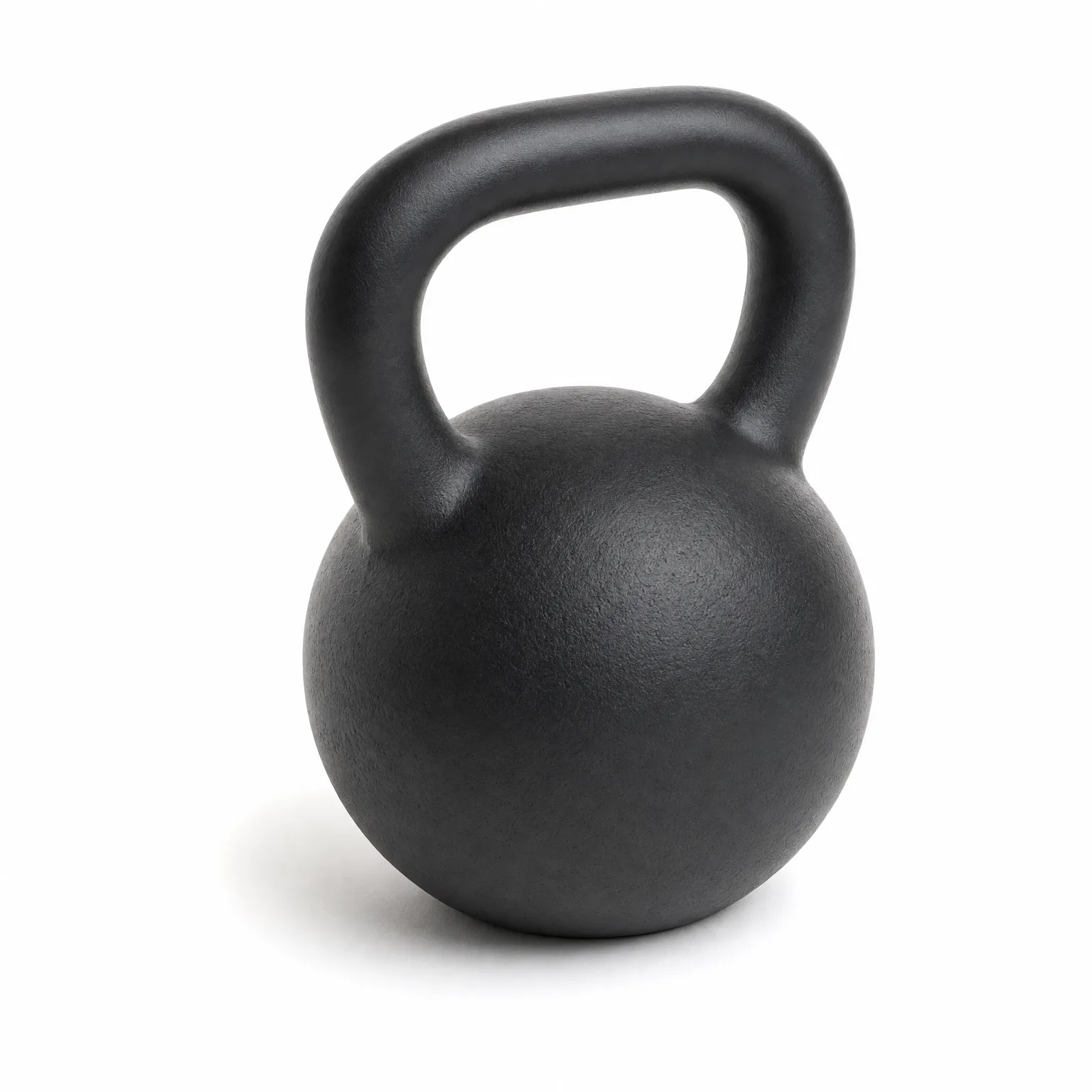
Kettlebell
A cast-iron or steel ball with a flat base and a handle on top. Built for swings, carries, squats and presses with one weight. -
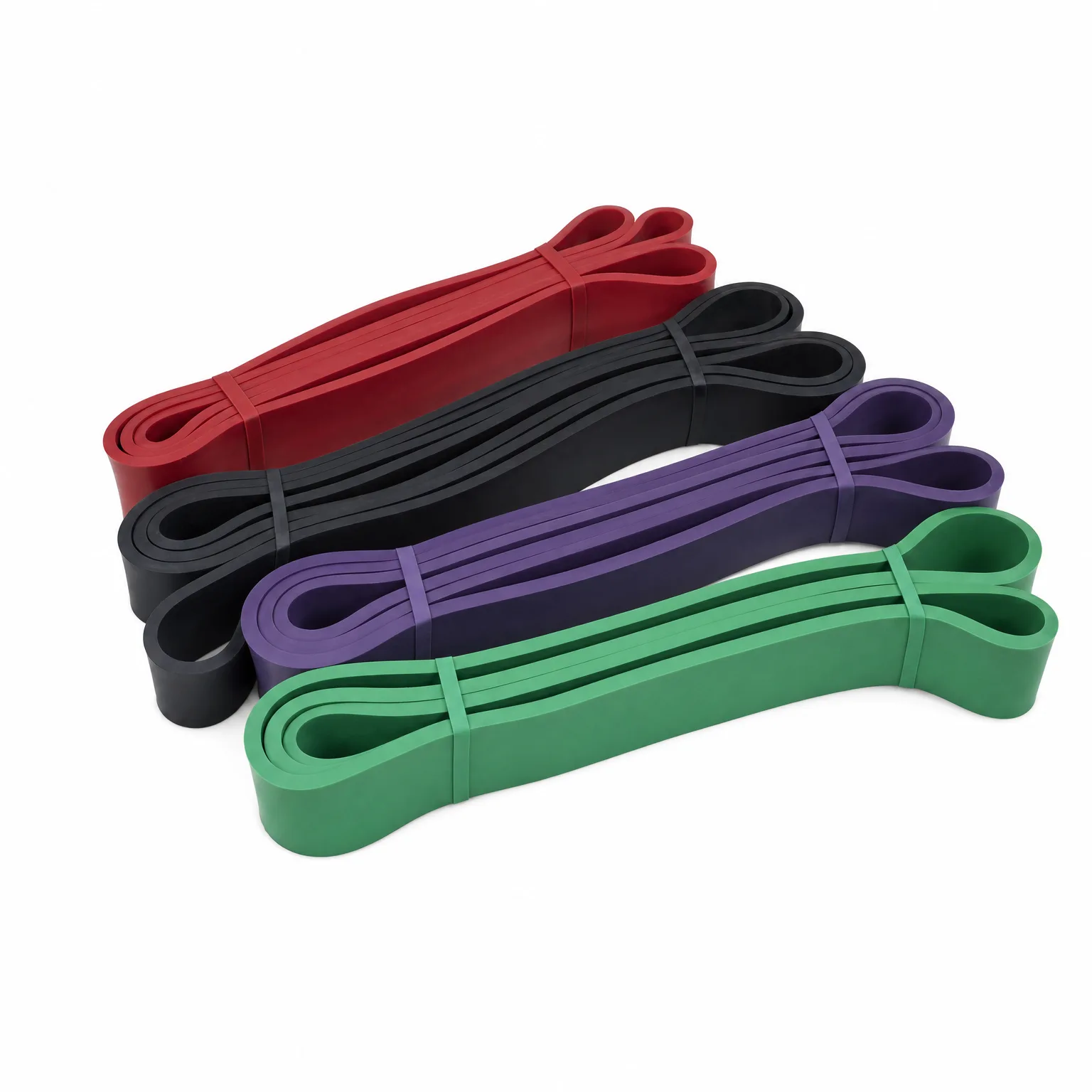
Resistance bands
Long closed loops of thick rubber. They add resistance to rows, presses and squats, or take weight off in pull-ups and dips. -
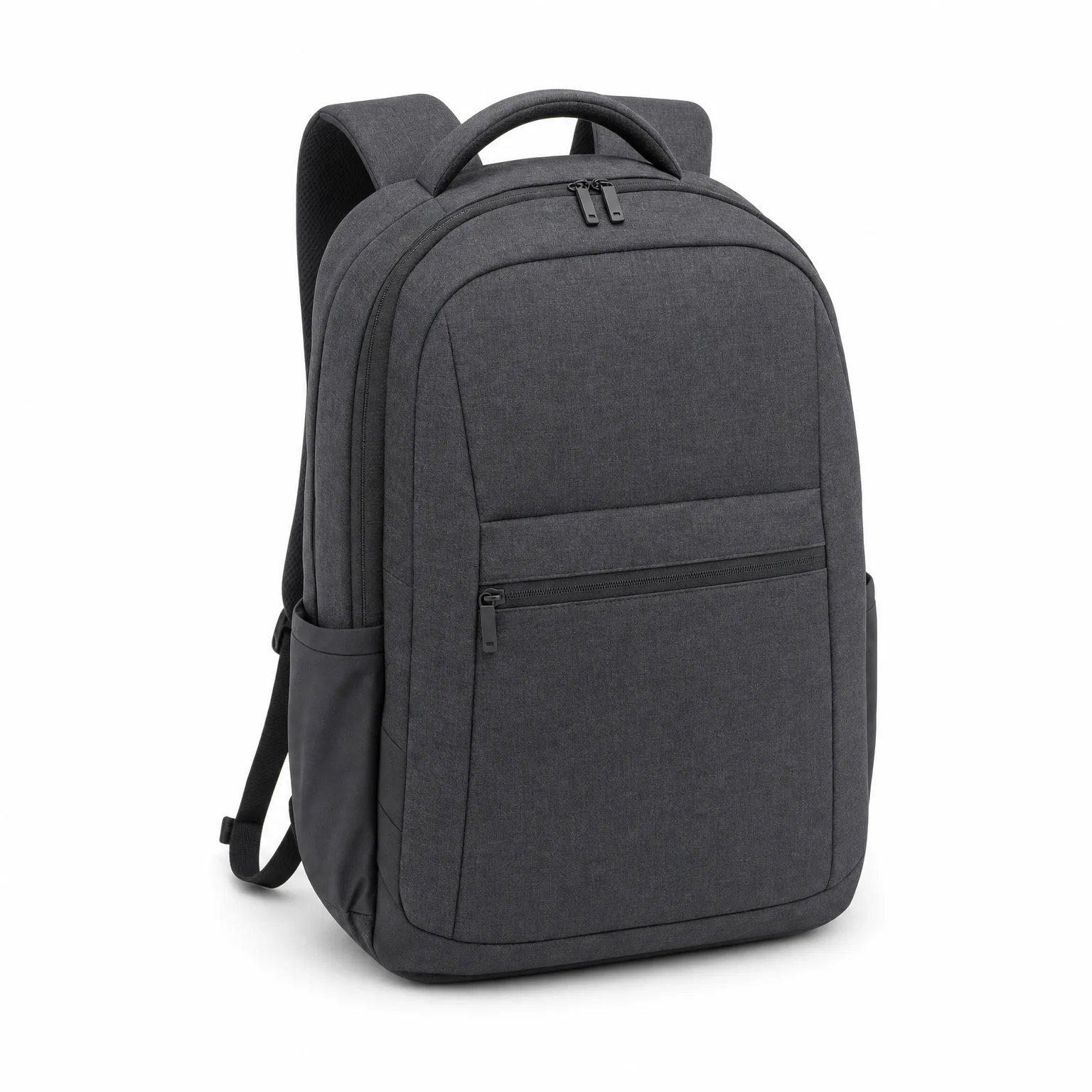
Loaded backpack
An ordinary backpack filled with books or water bottles works as an adjustable weight for squats, rows, push-ups and loaded walks.
Often used with
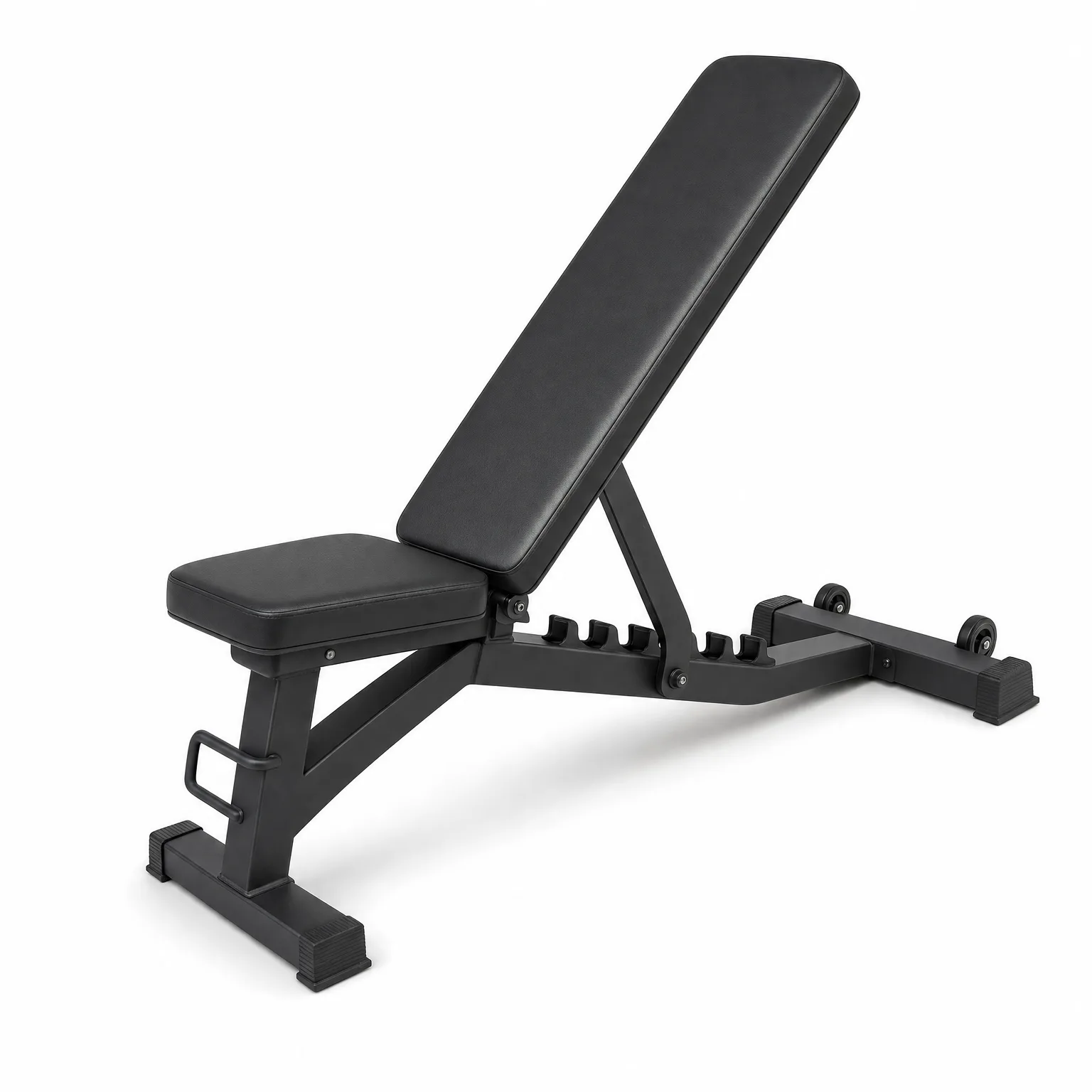

Questions about dumbbells
What weight dumbbells should a beginner start with?
It depends on the exercise and on you, so test rather than guess. Pick a weight you can lift for 10–12 clean reps with the last two feeling hard. Many beginners end up with something around 2–5 kg for raises and curls and 6–12 kg for rows, presses and leg work.
Are adjustable dumbbells worth it?
For a home with limited space, usually yes: one pair replaces many. The trade-offs are a higher price up front, a bulkier shape on some exercises and slower weight changes than grabbing a fixed pair.
Can you build muscle with only dumbbells?
Yes, as long as the weights are heavy enough to make sets hard and you keep adding load or reps over time. Legs tend to outgrow a light set first, which is where heavier pairs or one-leg exercises help.
Dumbbells or kettlebells?
Dumbbells are easier to learn and better suited to presses, rows and curls with small weight jumps. Kettlebells suit swings and other fast hip-driven moves. Many people start with dumbbells and add one kettlebell later.
Build programs around what your client has
This guide comes from OnlineFitness.app, the app online coaches run their clients in.
Free for life for the first 100 coachesNo card