Loaded backpack
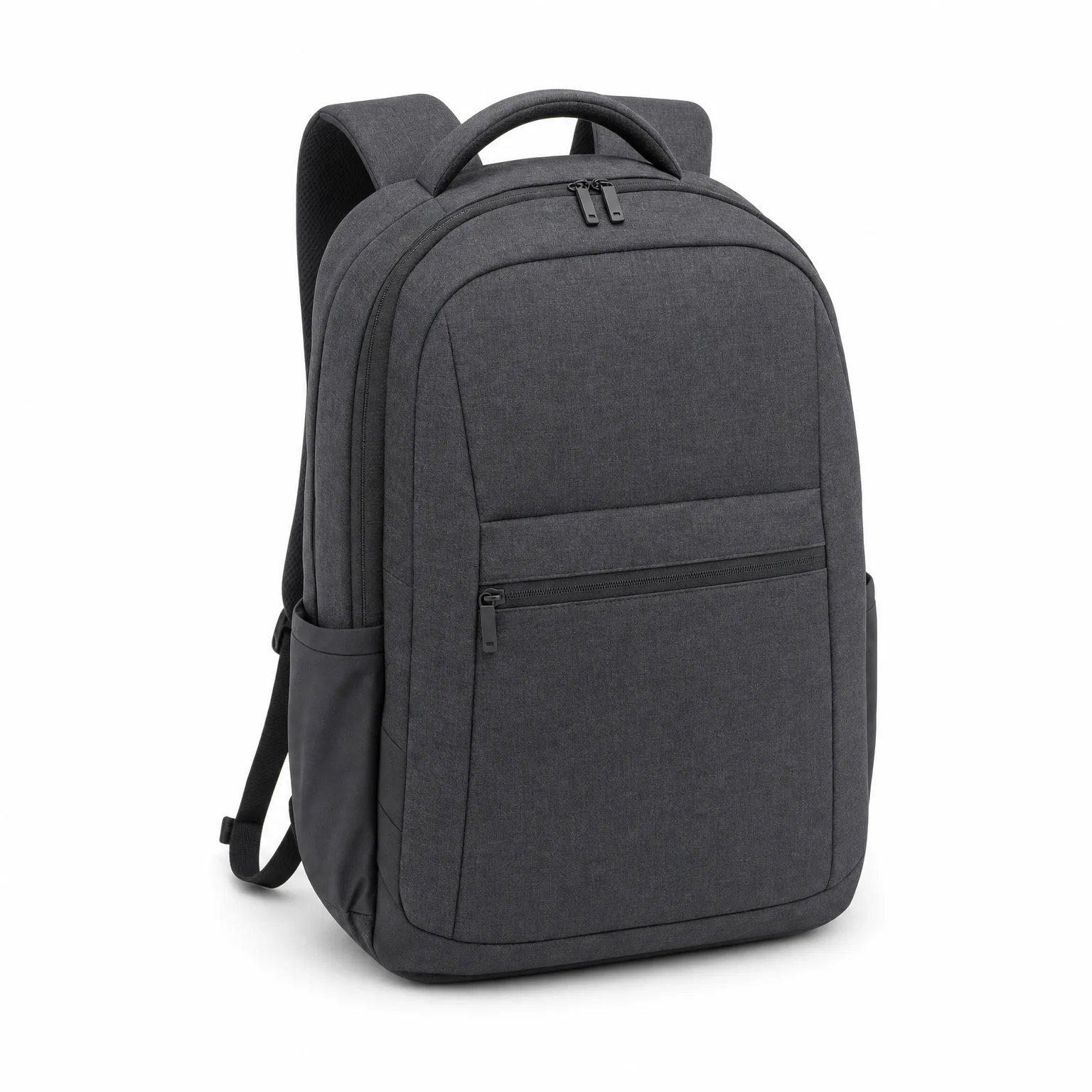
An ordinary backpack filled with books or water bottles works as an adjustable weight for squats, rows, push-ups and loaded walks.
In short
A backpack filled with books, water bottles or bags of rice is the simplest adjustable weight in the house. Worn on the back or the front, it adds load to squats, lunges, step-ups, push-ups and pull-ups. Held by its top handle or straps, it works like a kettlebell or dumbbell for rows, deadlifts, curls and presses.
It stands in for a weighted vest, a sandbag and, up to a point, dumbbells. It suits beginners who have outgrown bodyweight exercises and anyone training at home or on a trip without equipment. Its limit is the load: once you need more than the bag can comfortably carry, real weights take over.
- Category
- Everyday items
- Where
- Home, Outdoors, Travel
- Level
- Beginner and up
- Space
- Fits in a drawer or a bag
- Typical sizes
- A 20–30 liter daypack; typical training loads 5–20 kg (10–45 lb). One liter of water weighs 1 kg (2.2 lb)
- Also called
- backpack, weighted backpack, rucksack, backpack weights, diy weight, rucking backpack, backpack workout
What it is used for
- Worn on the back or chest for squats, lunges, step-ups and calf raises
- Worn on the back for harder push-ups, planks and pull-ups
- Held by the handle for bent-over rows, deadlifts and curls
- Hugged to the chest for goblet-style squats and carries
- Loaded walking, also known as rucking
How to choose
Pick a sturdy bag
Use a backpack with wide padded shoulder straps, strong stitching where the straps and top handle meet the body, and working zips. School and hiking daypacks are usually fine. Thin drawstring bags and fashion backpacks are not built for it. How much a bag holds depends on the maker's rating and its condition.
Chest and waist straps help
A chest strap and a hip belt stop the bag from bouncing and sliding when you bend forward, do push-ups or walk fast. If the bag has neither, keep the load lighter and the shoulder straps short.
Choose dense, soft-edged filling
Books, magazines, bags of rice or sand, and filled water bottles are good loads. Water makes the weight easy to count: each liter is one kilogram. Avoid loose hard objects with corners, glass, and anything that can leak or shift.
Weigh it
Step on a bathroom scale with and without the bag, or weigh the items on a kitchen scale. Knowing the number lets you add load in small steps of 1–2 kg (2–4 lb) instead of guessing.
How to start using it
- Pack it tight and high. Put the heaviest items close to the back panel and in the upper half of the bag. Fill the empty space with towels or clothes so nothing moves. Wrap hard items in a towel so the corners do not dig in. Close every zip fully.
- Tighten the straps. Shorten the shoulder straps until the bag sits high and snug against the upper back, then fasten the chest and waist straps. A bag that hangs low swings with every rep and pulls you backward.
- Start light. Begin with about 5 kg (10 lb), or roughly a tenth of your body weight, for squats, lunges and step-ups. The weight is right when the last two reps of a set of 10–12 are hard but clean. Use less for push-ups and much less for pull-ups.
- Wear it on the front for squats. For squats and lunges, try the bag on your chest with the straps over the shoulders, or hug it with both arms. A front load makes it easier to stay upright, and a bag you are hugging can be dropped at once if you lose balance.
- Lift it by the handle for pulls. For rows and deadlifts, stand over the bag, hinge at the hips with a flat back and grip the top handle or both straps gathered together. Pull the bag to the lower ribs for a row, or stand up with it for a deadlift.
Common mistakes
A loose, shifting load
Bottles and books sliding around inside the bag throw you off balance mid-rep. Pack out the empty space so the contents cannot move.
Straps too long
A bag hanging near the lower back bounces, swings and pulls the shoulders backward. Tighten the straps so the weight sits high between the shoulder blades.
Overloading an old bag
Seams, zips and handles fail without warning, usually over your feet or head. Check the stitching before each session, add weight gradually, and do not lift a heavy bag overhead by its handle.
Adding weight before the movement is clean
A backpack does not fix a shaky squat or a sagging push-up. Add load only when you can do the bodyweight version through the full range with control.
Jumping with a loaded bag
Jump squats and burpees with a bouncing backpack are hard on the bag and awkward for the body. For jumping, use a fitted weighted vest or go without the load.
What to use instead
The equipment a loaded backpack stands in for: a weighted vest, which spreads the load evenly and does not shift, a sandbag for carries, squats and rows with an awkward load, and dumbbells or a kettlebell for anything held in the hands. All of these are easier to grip and to load precisely. For hand-held work at home, large water bottles or a sturdy tote bag with books can also serve.
-
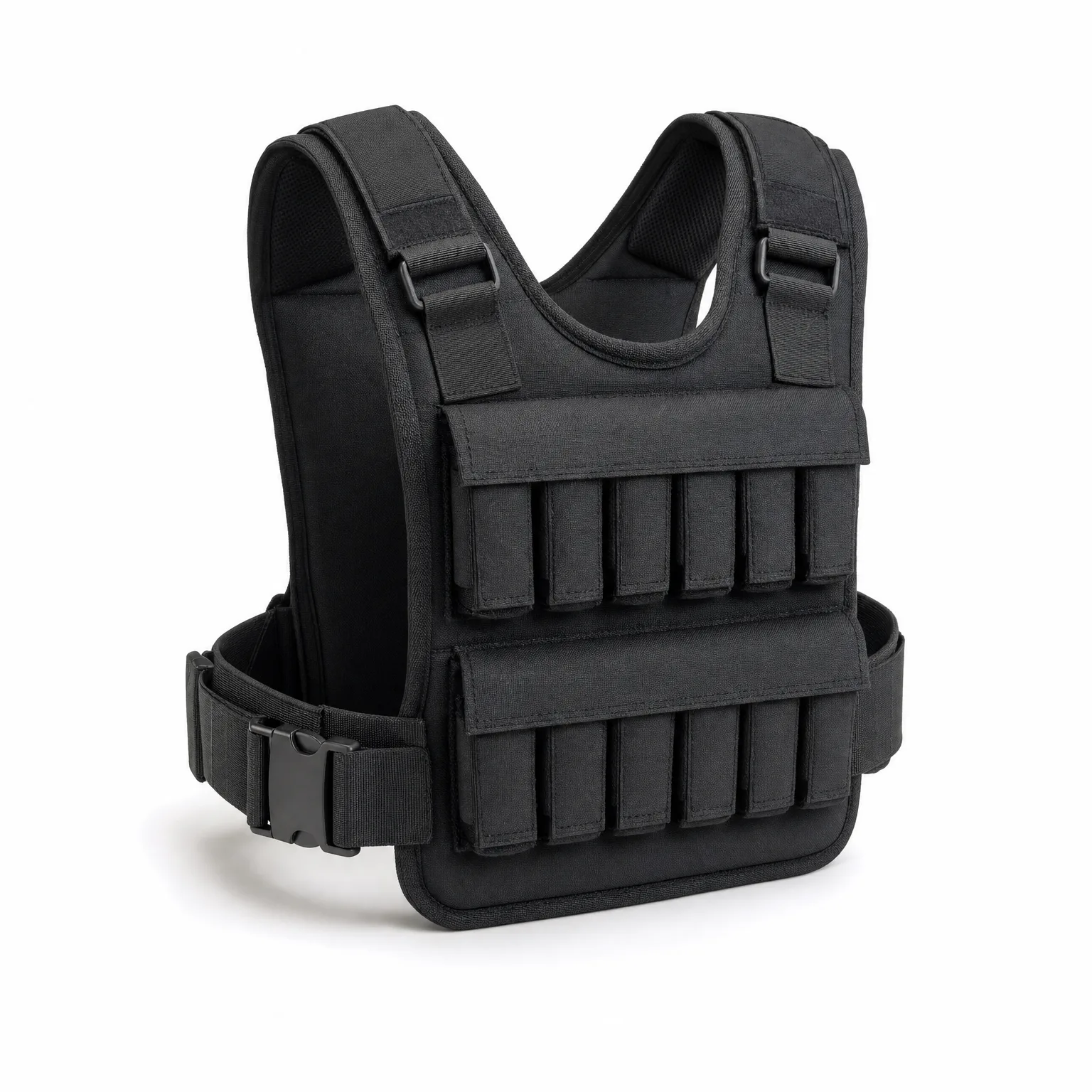
Weighted vest
A vest that carries extra weight on the torso. It makes push-ups, pull-ups, squats, walking and stair climbing harder with free hands. -
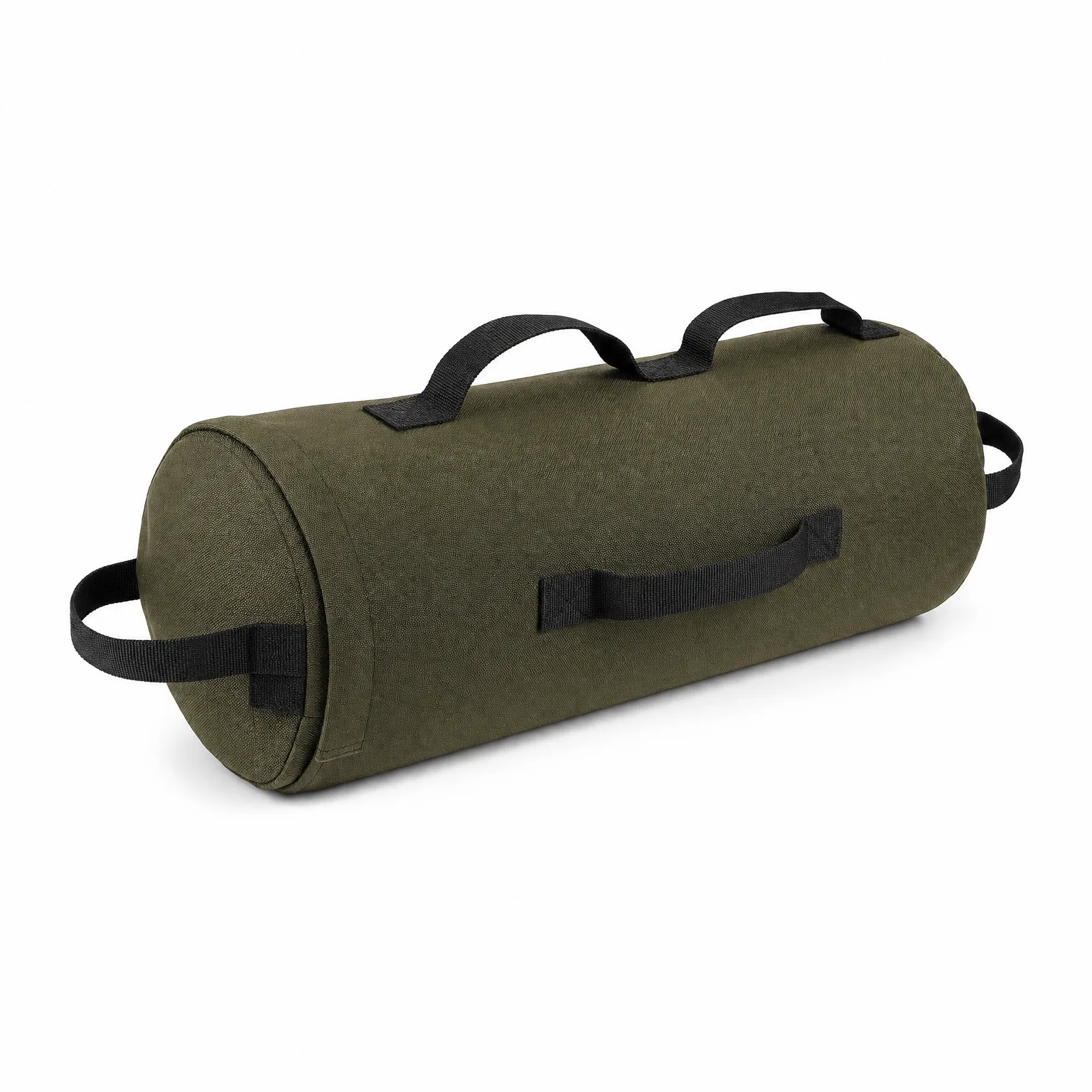
Sandbag
A tough fabric bag filled with sand, with or without handles. The load shifts as you lift, carry, squat and throw it. -

Dumbbells
A pair of short handles with a weight at each end. One pair trains every major muscle group, at home or in a gym. -
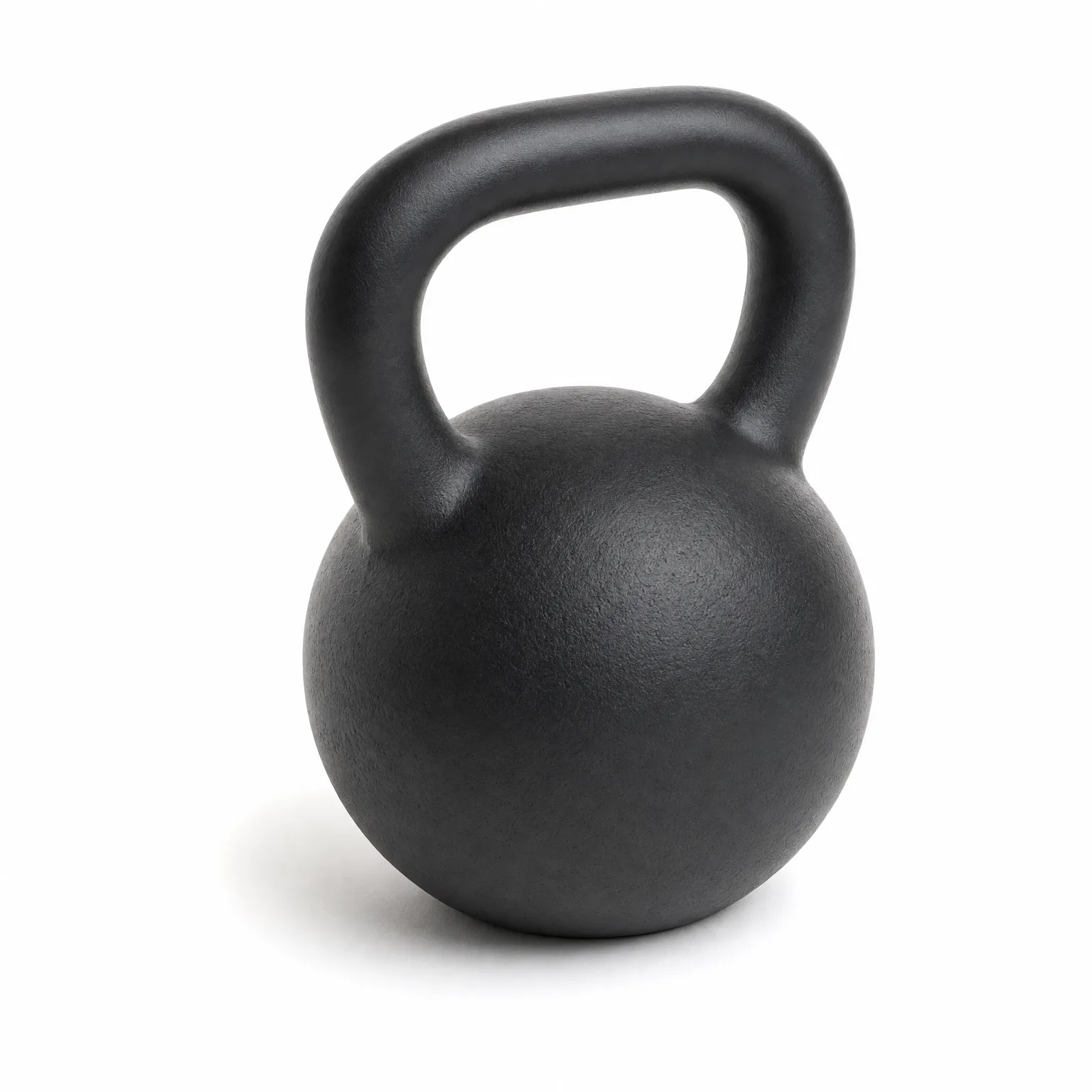
Kettlebell
A cast-iron or steel ball with a flat base and a handle on top. Built for swings, carries, squats and presses with one weight.
Often used with
-
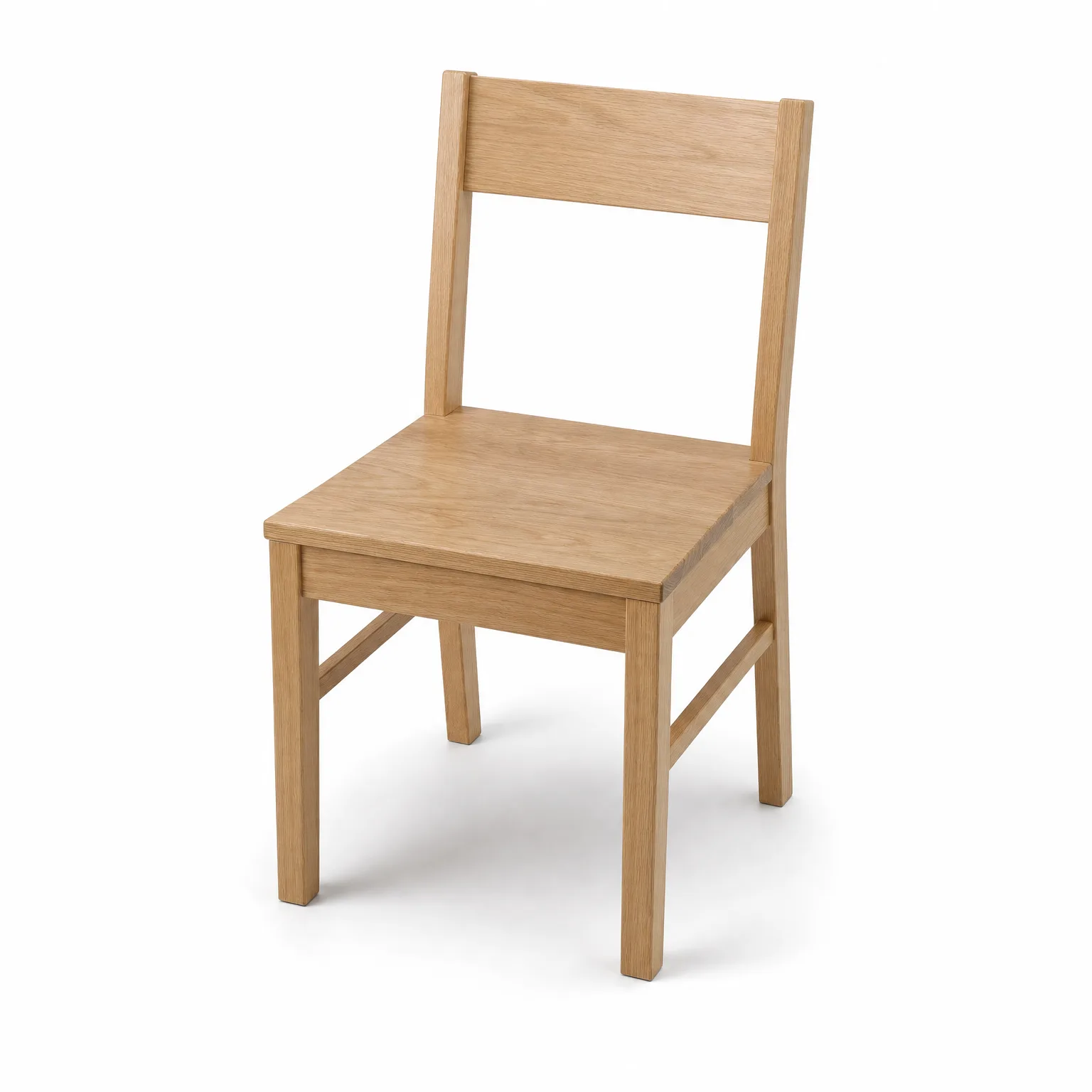
Chair
A sturdy household chair stands in for a bench, a low box or dip bars: sit-to-stands, step-ups, dips, split squats and incline push-ups. -
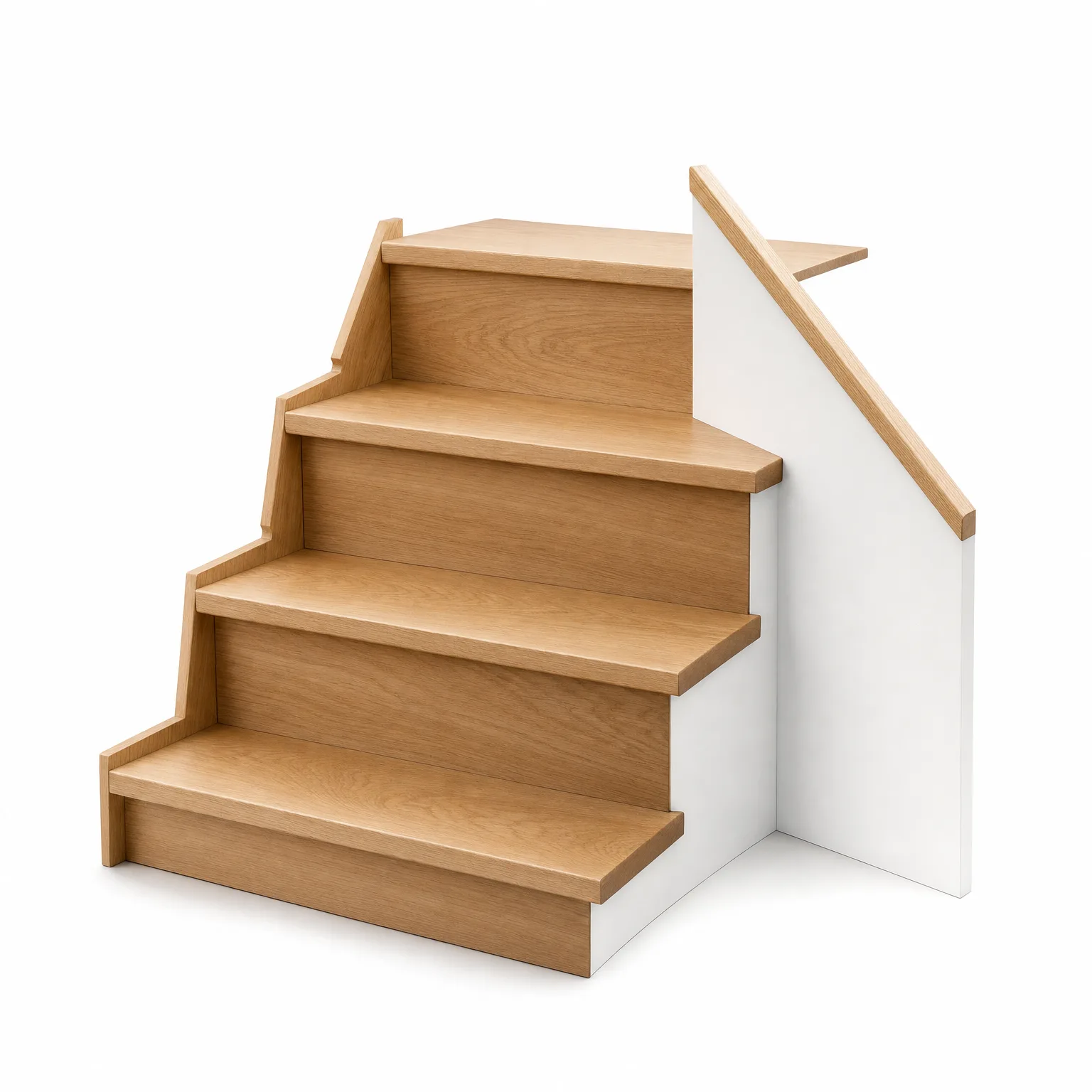
Stairs
A staircase or a single step replaces a step platform, a low plyo box and a stair climber: step-ups, calf raises and stair climbing. -
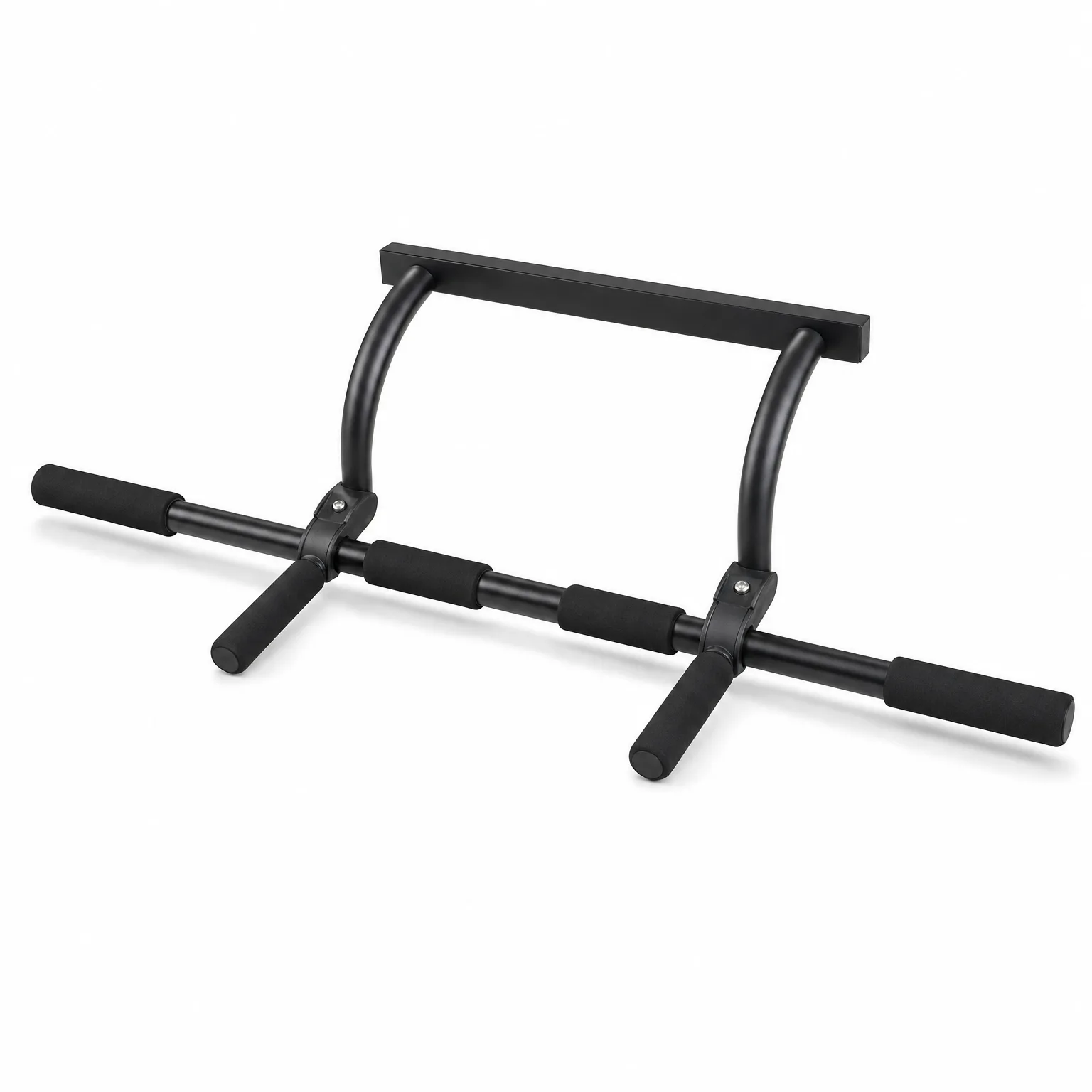
Pull-up bar
A fixed horizontal bar you hang from. Used for pull-ups, chin-ups, hangs and hanging leg raises, at home or outdoors. -
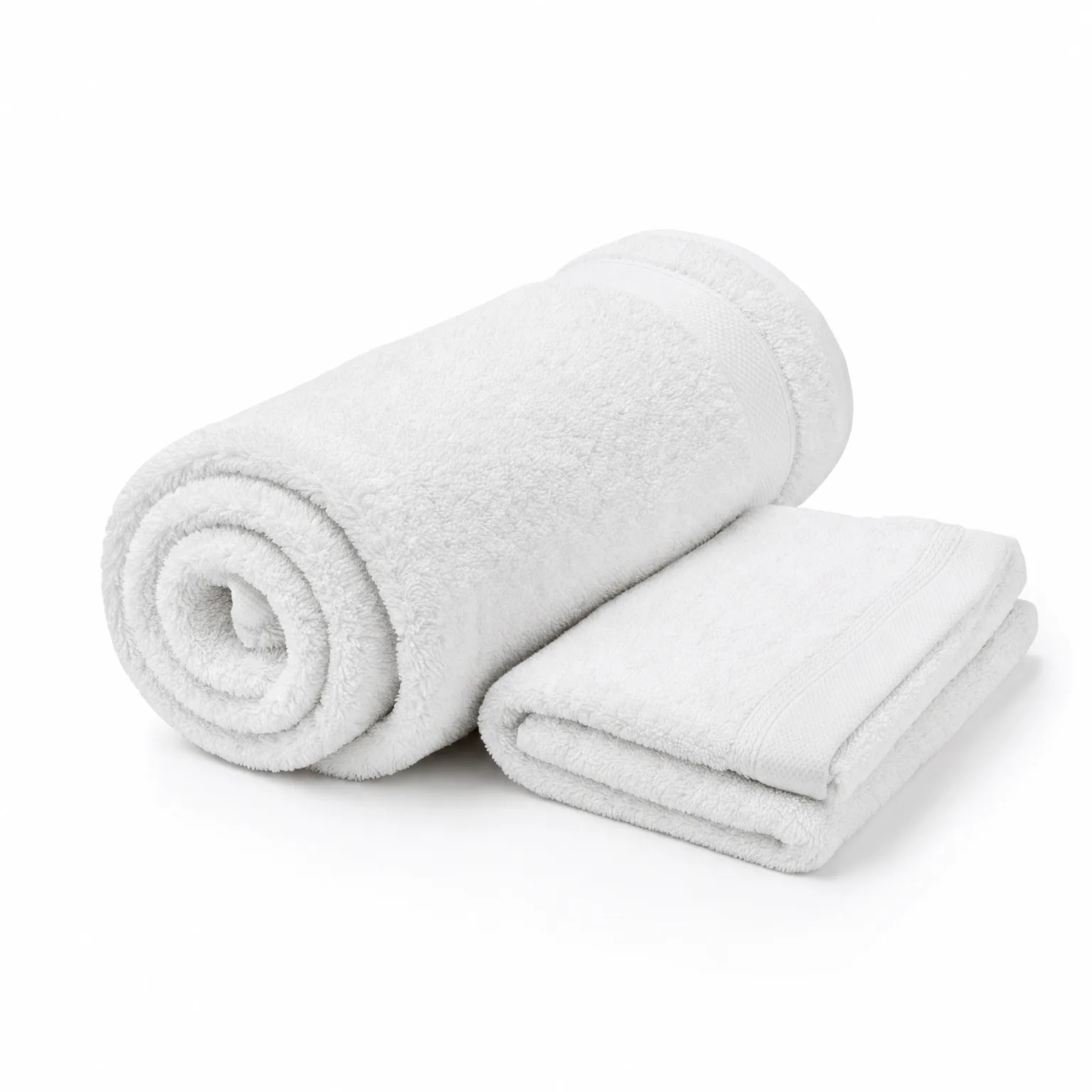
Towel
A towel doubles as sliders on a smooth floor, a stretching strap, a pulling tool for isometric exercises and padding for the knees.
Questions about loaded backpack
How much weight should I put in a backpack for exercise?
Start with about 5 kg (10 lb) or a tenth of your body weight and test it. For leg exercises, aim for a load that makes the last two reps of 10–12 hard. For walking, 5–10 kg (10–20 lb) is a common starting point, building up slowly. Stop adding weight when the bag no longer sits securely or the straps dig in.
What can I put in a backpack to make it heavy?
Books and magazines, filled water bottles, bags of rice, flour or sand sealed in a second bag, or weight plates wrapped in a towel if you have them. Water is the easiest to measure, since each liter weighs one kilogram. Pad hard items and fill the gaps so nothing shifts.
Is a backpack as good as a weighted vest?
For slow strength exercises and walking, it does the same job. A weighted vest sits closer to the body, spreads the weight front and back and does not bounce, so it is better for running, jumping and pull-ups. A backpack is free and can also be held in the hands, which a vest cannot.
What exercises can I do with a loaded backpack?
Worn: squats, lunges, split squats, step-ups, calf raises, push-ups, planks and pull-ups. Held: bent-over rows, deadlifts, goblet squats, curls, overhead presses with a light load, and carries. Together these cover every major muscle group.
What is rucking?
Walking with a loaded backpack. It turns a walk into harder work for the legs, trunk and upper back without the impact of running. Start with a light load and your usual walking distance, wear the bag high and tight, and increase either weight or distance, not both at once.
Build programs around what your client has
This guide comes from OnlineFitness.app, the app online coaches run their clients in.
Free for life for the first 100 coachesNo card