Sandbag
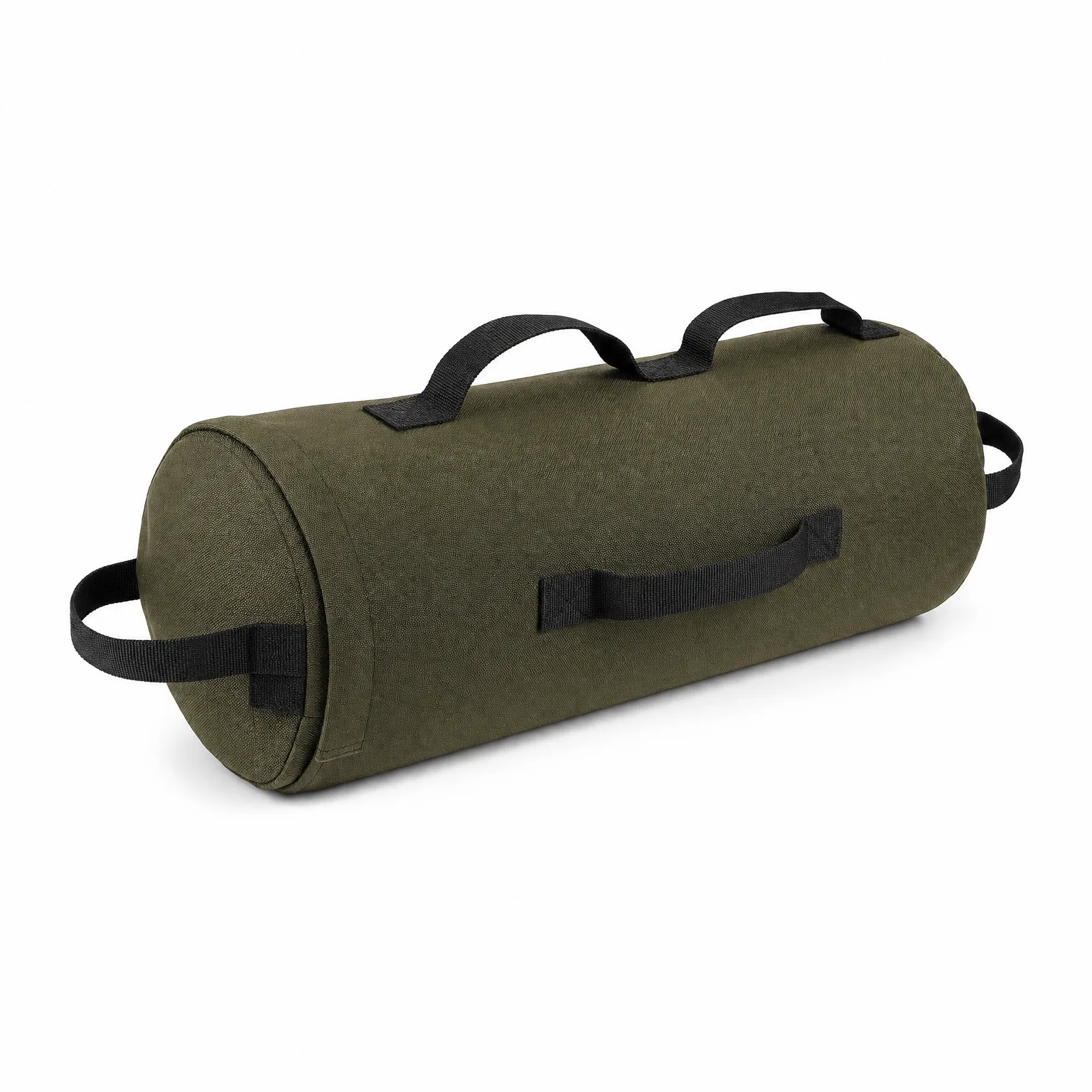
A tough fabric bag filled with sand, with or without handles. The load shifts as you lift, carry, squat and throw it.
In short
A training sandbag is a heavy-duty fabric bag filled with sand, usually in sealed inner bags, and often fitted with handles. Unlike a barbell or dumbbell, the weight shifts inside as you move, so the bag is harder to hold and balance than its number suggests. It is used for squats, deadlifts, cleans, presses, rows, carries and lifts to the shoulder.
It suits home and outdoor training, because it is cheap, quiet and can usually be dropped without harming the floor. Beginners can start with a light bag. Heavy bags are a serious strength tool.
- Category
- Free weights
- Where
- Home, Gym, Outdoors
- Level
- Beginner and up
- Space
- Needs a corner of a room
- Typical sizes
- Typically 5–60 kg (10–130 lb); most bags are adjustable by adding or removing filler bags
- Also called
- training sandbag, workout sandbag, fitness sandbag, power bag, strongman sandbag, sand bag
Muscles it works
- Main
- Glutes, Quads, Hamstrings, Lower back, Abs, Mid back
What it is used for
- Bear-hug, shoulder and front carries
- Squats and lunges with the bag held at the chest, on the back or on one shoulder
- Cleans, ground-to-shoulder lifts and presses
- Deadlifts, rows and good mornings
- Drags and pulls along the floor for conditioning
Types
Handled training bag. A long bag with several handles and removable filler bags. The most versatile type: you can grip it like a bar or by the fabric itself.
Strongman bag. A round or pillow-shaped bag with no handles, filled close to full. Made for heavy lifts to the shoulder, carries and throws.
Homemade bag. Sand in sealed heavy-duty bags, taped and packed inside a strong duffel. Works for carries and squats if every layer is sealed well.
How to choose
Start lighter than your barbell numbers
A shifting load feels much heavier than a rigid one. Many adults start with 10–20 kg (20–45 lb) for cleans and presses and use 20–40 kg (45–90 lb) for squats and carries.
Prefer an adjustable bag
A shell with several filler bags lets you change the weight in steps of a few kilograms. One bag then covers pressing, squatting and carrying.
Check the seams and closures
Look for reinforced stitching at the handles, a double closure on the shell, and filler bags that seal fully. A leaking bag puts sand all over the floor.
Decide how full it should be
A bag filled to about three quarters shifts more and is harder to control. A tightly packed bag behaves more like a solid weight. Looser is better for stability work. Tighter is better for heavy lifting.
Choose the filler
Dry play sand is the standard. Rubber mulch makes a lighter, bulkier bag, and pea gravel is less dusty at a similar weight. Damp sand clumps and wears on the liners, so keep the fill dry.
How to start using it
- Pick it up with a flat back. Stand over the bag with feet either side, hinge at the hips, bend the knees and grip the handles or scoop the hands under it. Stand up by pushing through the legs.
- Learn the carry first. Hug the bag high against the chest and walk 20–40 m (65–130 ft) with a tall posture. Carries teach you to brace against a moving load and need almost no technique.
- Squat with a front hold. Hold the bag in the crook of the elbows or hugged to the chest. Keep the chest up and squat between the heels. The front position works the upper back and trunk hard.
- Clean it in two steps. Lift the bag to the lap in a squat position, re-grip around it, then stand and roll it up to the chest or shoulder. Lower it the same way, or drop it on a floor that can take it.
- Progress by weight, distance or position. Add a filler bag, walk further, or move the bag to a harder position: from the chest to one shoulder, then overhead.
Common mistakes
Starting too heavy
A bag that matches your barbell weight is usually too much. If the back rounds on every pick-up, take a filler bag out.
Yanking it up with the arms
Curling the bag off the floor tires the biceps and lower back first. Use the legs and hips, and keep the bag close to the body.
Overfilling a handled bag
A handled bag packed completely tight puts all the force on the seams when dropped. Leave some room for the sand to move.
Poorly sealed filler
Sand finds every gap. Close each filler bag fully and check the shell zipper or straps before training.
Always using the same shoulder
Shouldering and carrying on one favorite side trains one side more. Alternate sides each rep or each set.
What to use instead
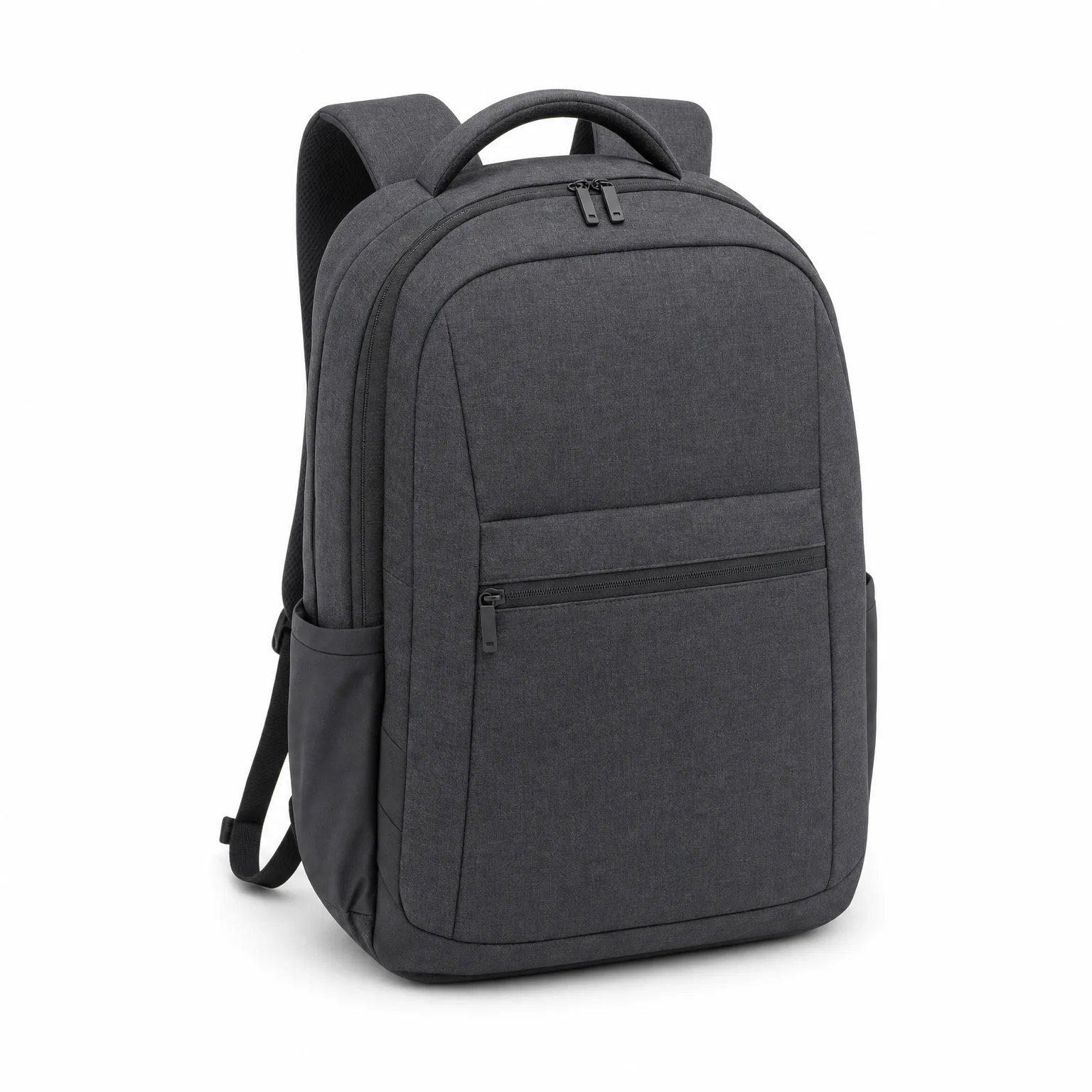
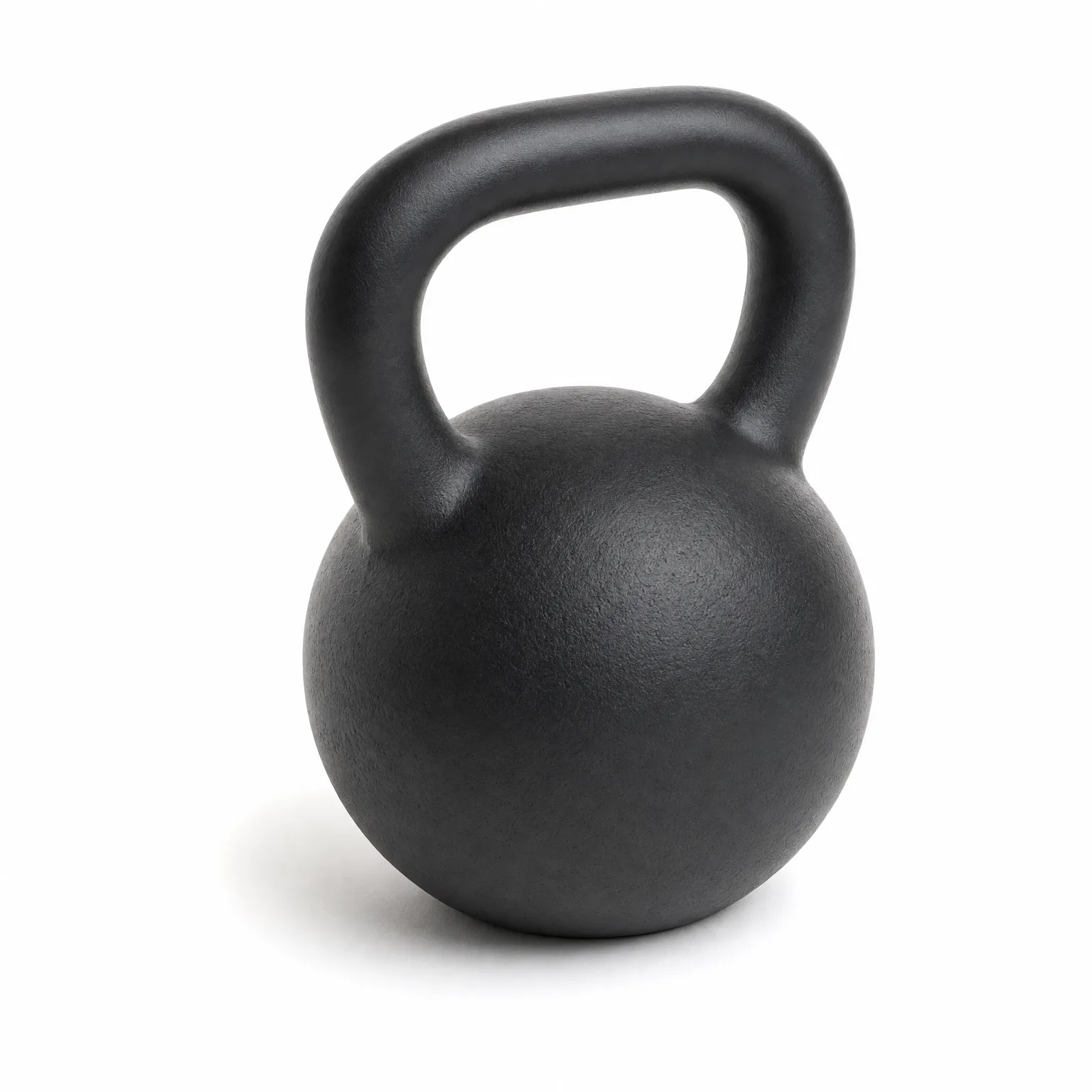
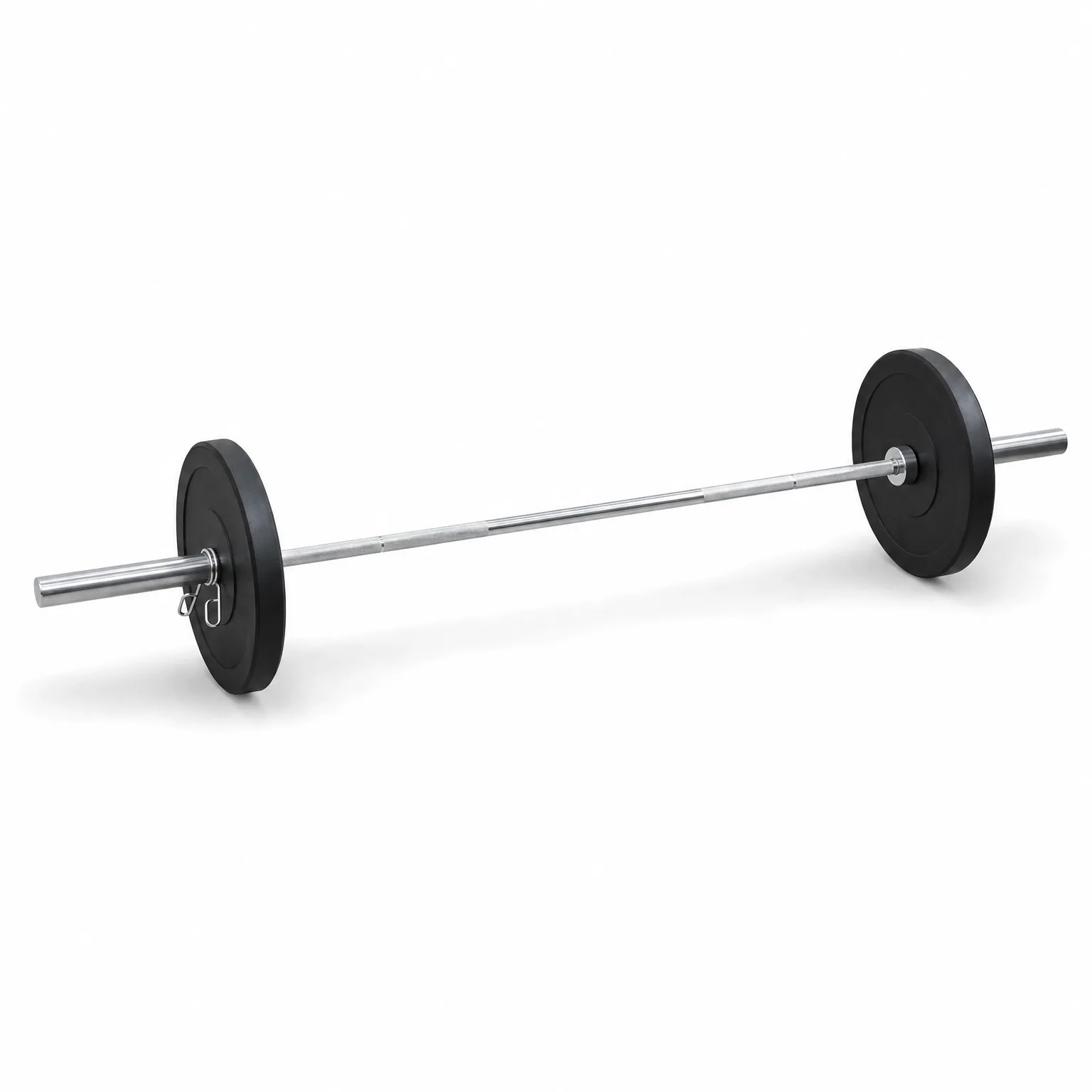
A backpack loaded with books, water bottles or bags of rice is the closest household stand-in: hug it for squats and carries or wear it for lunges and step-ups. A kettlebell or a pair of dumbbells covers squats, cleans, presses and carries with a rigid load. A barbell replaces the heavy squats and deadlifts. None of these shift like sand, so the grip and trunk work is a little different.
-
Loaded backpack
An ordinary backpack filled with books or water bottles works as an adjustable weight for squats, rows, push-ups and loaded walks. -
Kettlebell
A cast-iron or steel ball with a flat base and a handle on top. Built for swings, carries, squats and presses with one weight. -

Dumbbells
A pair of short handles with a weight at each end. One pair trains every major muscle group, at home or in a gym. -
Barbell
A long steel bar loaded with plates at both ends. The standard tool for squats, deadlifts, presses and rows with heavy weight.
Often used with

Questions about sandbag
What weight sandbag should I start with?
Lighter than you think. Many adults start with 10–20 kg (20–45 lb) for cleans, presses and rows, and go to 20–40 kg (45–90 lb) for squats and carries. An adjustable bag lets you find the weight by adding one filler bag at a time.
Are sandbag workouts effective?
Yes, for strength, grip and conditioning. The shifting load makes the trunk and upper back work hard to hold position. For maximum strength in squats and deadlifts, a barbell is easier to load precisely. A sandbag is a good main tool at home and a good addition in a gym.
Can I make my own training sandbag?
Yes. Fill heavy-duty bags with dry play sand, squeeze out the air, seal and tape them, double-bag each one, and pack them into a strong duffel or army-surplus bag. It works for carries, squats and deadlifts. Avoid slamming a homemade bag, because the seams are rarely made for it.
Sandbag or kettlebell?
A kettlebell is compact, exact in weight and best for swings and overhead work. A sandbag is cheaper per kilogram, adjustable, quiet to drop and best for carries and awkward lifts. If you train at home on a hard floor or outdoors, a sandbag is the easier one to live with.
Build programs around what your client has
This guide comes from OnlineFitness.app, the app online coaches run their clients in.
Free for life for the first 100 coachesNo card