Equipment Functional and conditioning
Weight sled
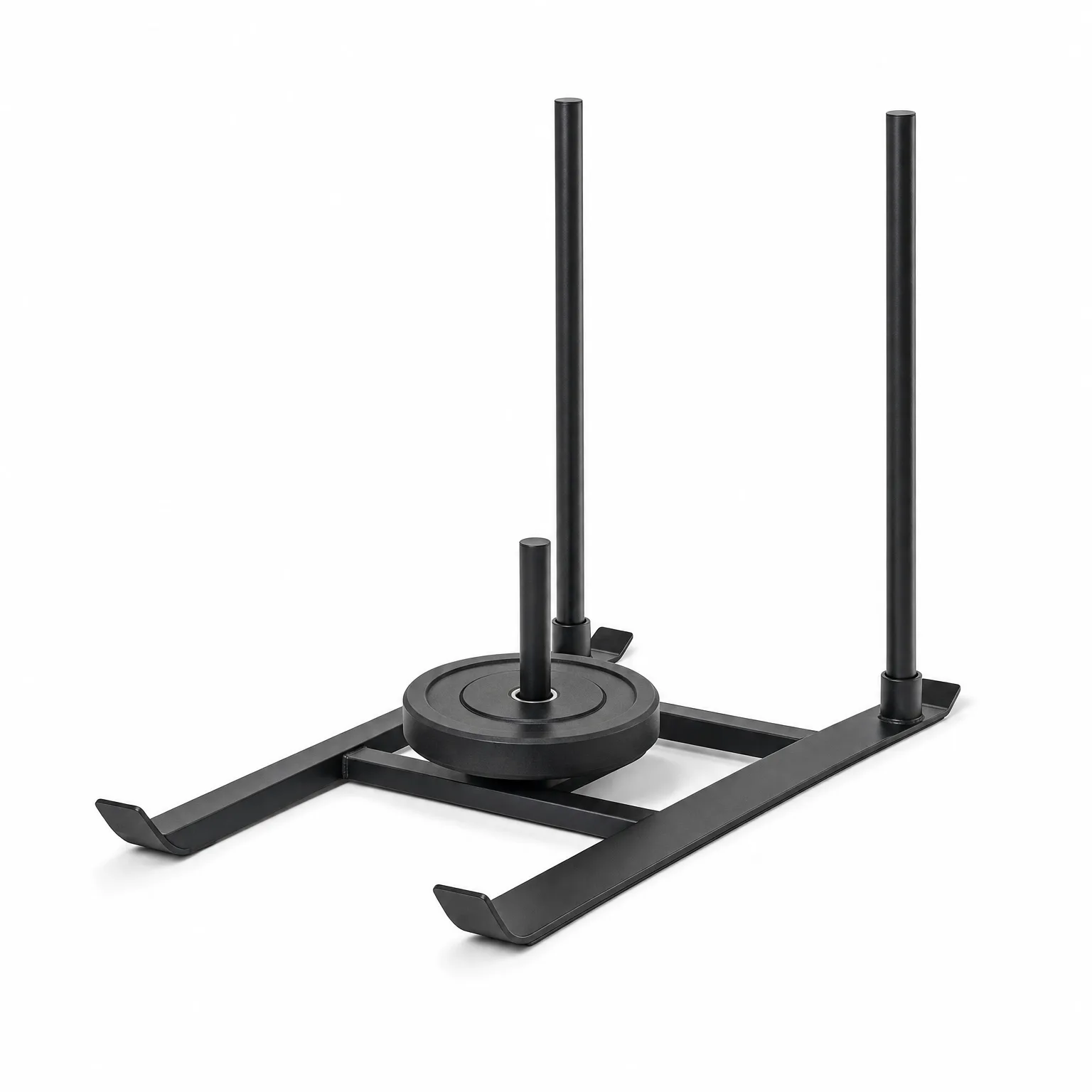
A low frame loaded with weight plates that you push or drag across turf or pavement. Trains the legs and conditioning with no lowering phase.
In short
A weight sled is a low metal frame on skis that you load with plates and push by its upright posts, or drag with a strap or harness. Moving it takes a hard, continuous drive from the legs and hips while the trunk and arms hold the body rigid. It is used for leg strength, acceleration work and conditioning.
Sled work has almost no lowering phase: you only push or pull, and the sled stops when you stop. Because of that it tends to cause little muscle soreness for the amount of work done, and the technique is simple enough for a beginner. The main limits are space and a suitable surface, which is why sleds live in gyms with a turf lane or outdoors.
- Category
- Functional and conditioning
- Where
- Gym, Outdoors
- Level
- Beginner and up
- Space
- Needs a dedicated area
- Typical sizes
- Push sleds weigh roughly 25–45 kg (55–100 lb) empty, drag sleds 5–15 kg (10–35 lb); a typical lane is 10–20 m (30–65 ft)
- Also called
- push sled, prowler, sled push, pull sled, drag sled, power sled, prowler sled
Muscles it works
- Main
- Quads, Glutes, Calves, Hamstrings
What it is used for
- Heavy pushes for leg and hip strength
- Light, fast pushes and sprints for acceleration
- Backward drags that load the quads
- Forward drags with a harness, plus rope pulls and rows for the back and arms
- Repeated pushes with short rests as conditioning
Types
Push sled. The prowler style: a frame with two upright posts, often with low handles as well. Built for pushing and also takes a strap for pulling.
Drag sled. A flat plate or small frame with a single post for plates, pulled by a strap, belt or harness. Compact, cheap and easy to store.
Wheeled resistance sled. Runs on wheels with a built-in brake, usually magnetic, so resistance rises with speed. Works on any surface and is quiet, at a much higher cost.
Speed sled. A very light drag sled for sprint training with small loads over longer distances.
How to choose
Match the load to the goal
For strength, load the sled so that 10–15 m takes a hard, grinding effort with steady steps. For speed, go light enough that you can still run. For conditioning, pick a load you can keep moving for 20–40 m without stopping.
The surface changes everything
The same plates feel very different on turf, rubber, grass and asphalt, and on dry versus wet ground. Do not copy numbers from another gym. Do one test push and adjust.
High or low handles
Pushing on the high posts keeps the body more upright and is easier to learn. Low handles force a deeper lean and put more load on the legs. Start high.
If you are buying one
Check that it takes the plates you own, that the skis are replaceable or have plastic covers for the surface you have, and how loud it is on pavement. A drag sled is the practical choice for home use.
How to start using it
- Set up for a push. Hold the posts with the arms straight or slightly bent, lean in so the body forms a line from head to back heel at roughly 45 degrees, and brace the trunk. Start with the empty sled or one small plate per side.
- Drive with the legs. Push the ground away behind you with each step. Take short, strong steps for a heavy sled and longer, faster ones for a light sled. Keep the hips low and the back flat, and look at the floor a few meters ahead.
- Set up for a drag. Clip a strap to the sled. For a backward drag, hold the handles, sit back into a quarter squat and walk backward with short steps. For a forward drag, attach the strap to a harness or belt, lean forward and walk or run.
- Plan distance and rest. A simple start is 4–6 pushes of 15–20 m with 60–90 seconds of rest. Add load when all trips are steady from start to finish. Heavy strength pushes need 2–3 minutes of rest.
Common mistakes
Hips too high
Folding at the waist with the hips up and the back rounded puts the push on the arms and lower back. Drop the hips so the trunk and back leg form one line.
Too much weight to keep moving
A sled that stalls every two steps turns the set into a series of jerky restarts. Take plates off until the sled moves continuously.
Bent arms collapsing
Letting the elbows fold until the chest hits the posts wastes leg drive. Lock the arms in one position, straight or bent, and hold it.
Skipping the warm-up for sprints
A sled feels harmless because it is slow, but hard pushes are a near-maximal effort for the calves and hamstrings. Do a few easy trips first.
Ignoring the surface
Steel skis scratch wooden and rubber floors and grind on concrete. Use the sled only where the gym allows, or fit plastic ski covers.
What to use instead
On a smooth floor, a weight plate placed on a towel and pushed with straight arms is a simple copy of a sled push. Walking up stairs or a steep hill, with a weighted vest or a loaded backpack to make it harder, trains the same leg drive. For hard, low-impact intervals, an air bike is the closest machine. A treadmill set to a steep incline at walking pace is another option.
-
Towel
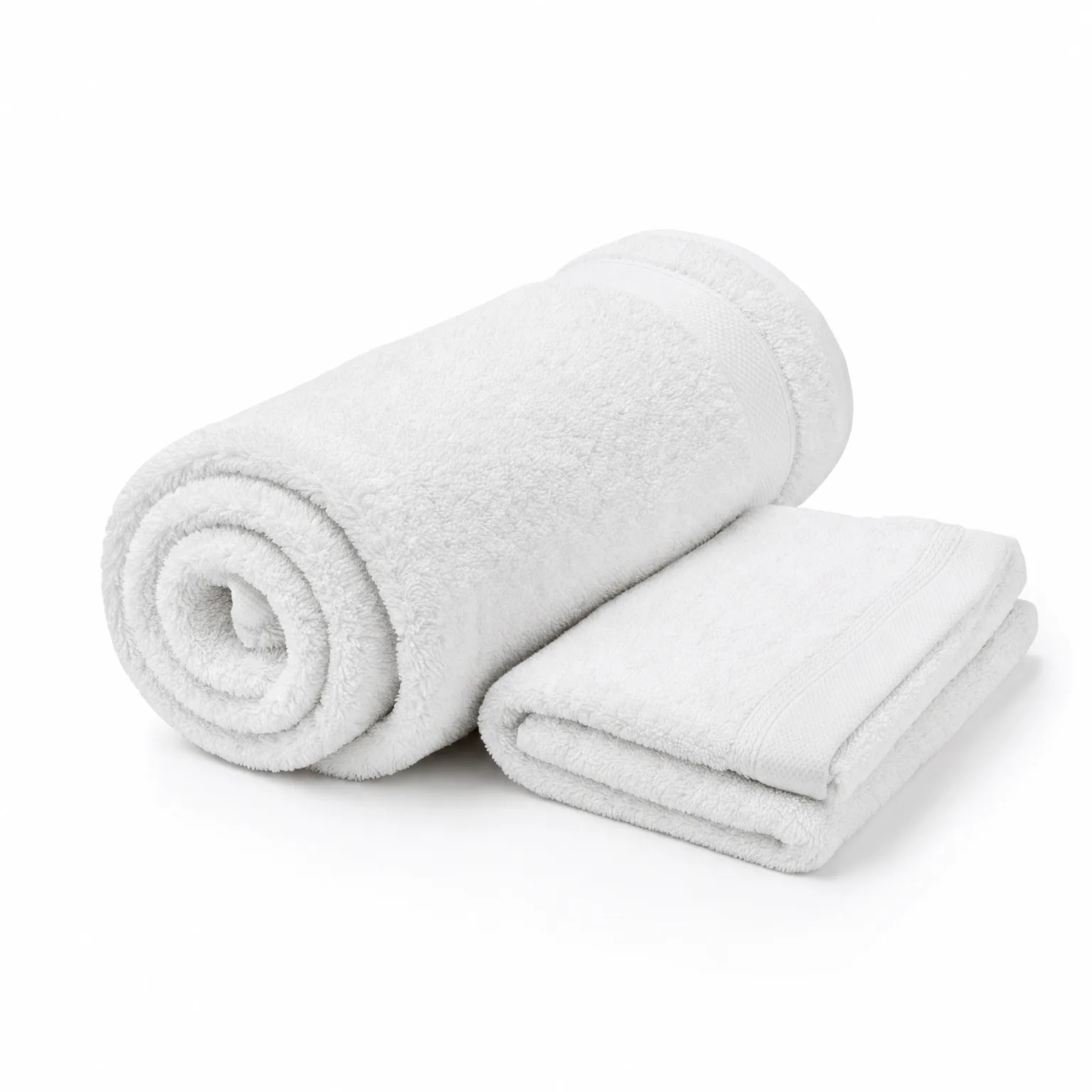
A towel doubles as sliders on a smooth floor, a stretching strap, a pulling tool for isometric exercises and padding for the knees. -
Stairs
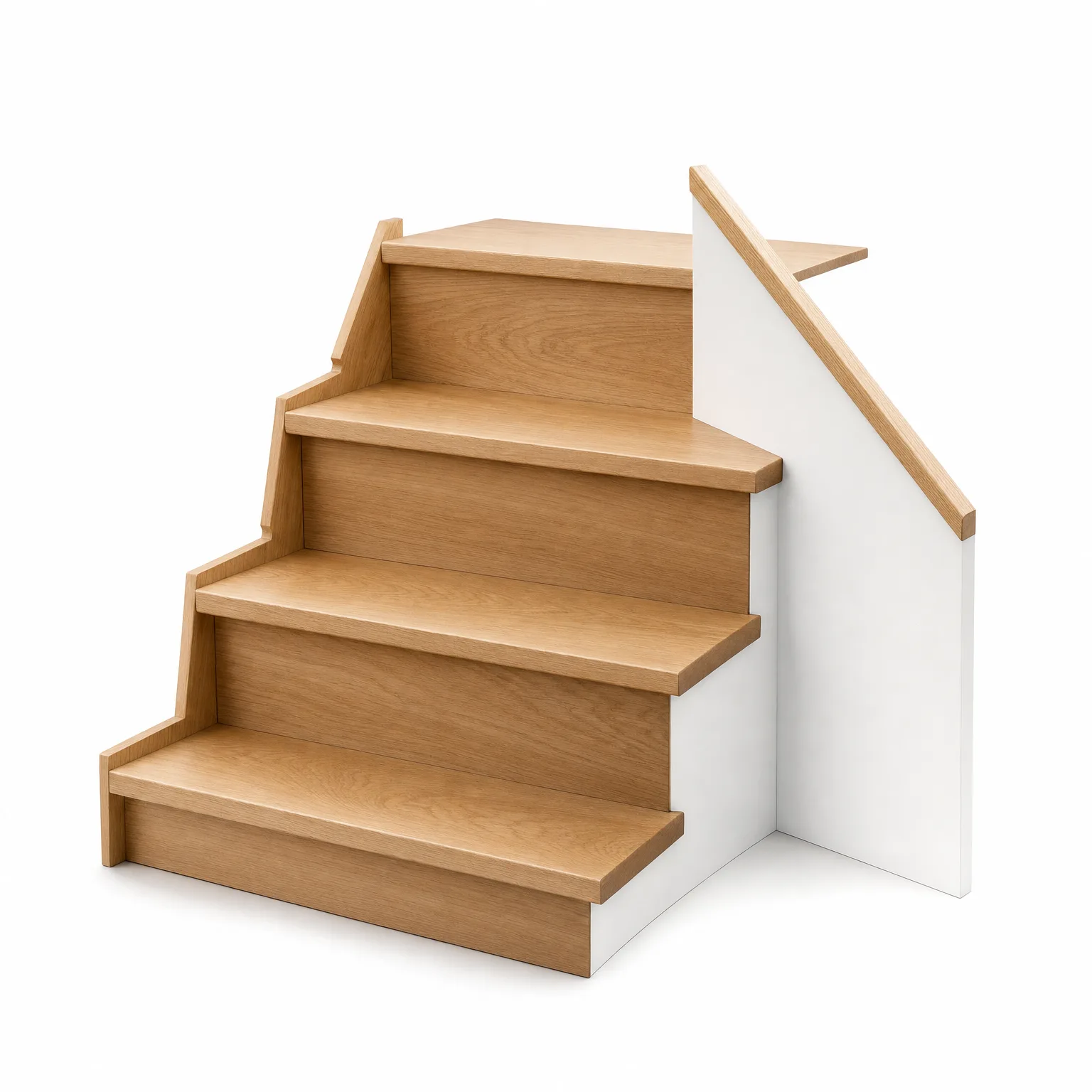
A staircase or a single step replaces a step platform, a low plyo box and a stair climber: step-ups, calf raises and stair climbing. -
Weighted vest
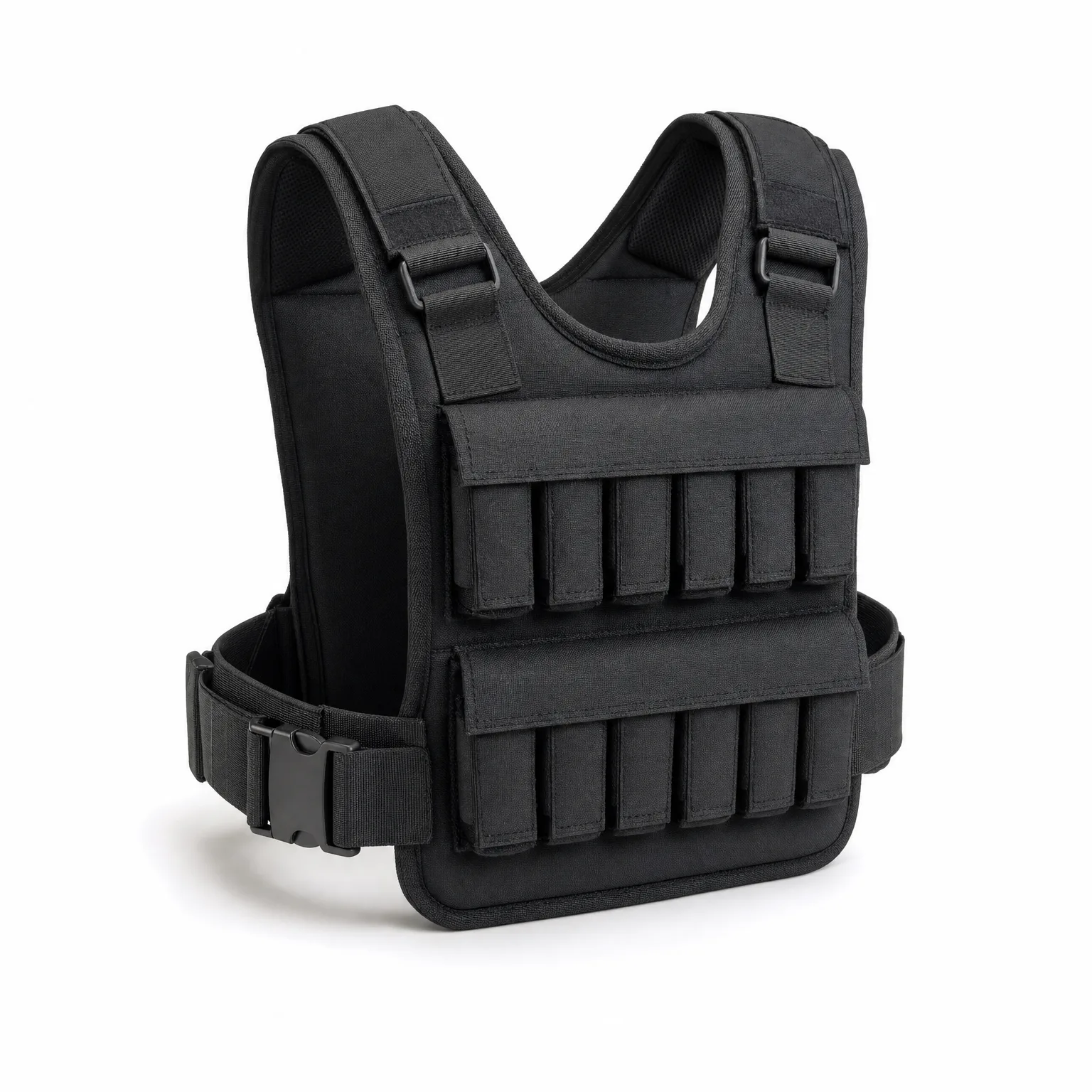
A vest that carries extra weight on the torso. It makes push-ups, pull-ups, squats, walking and stair climbing harder with free hands. -
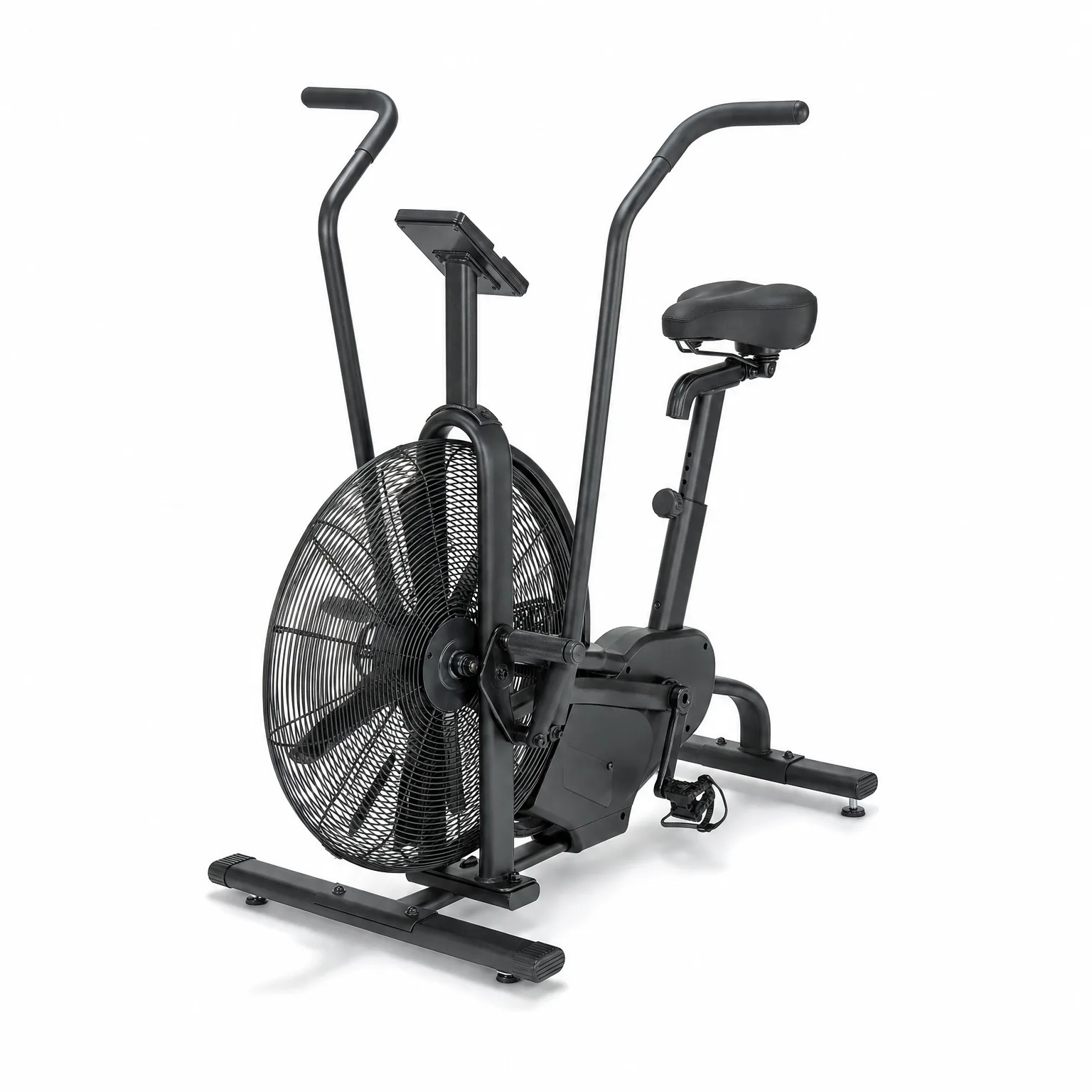
Air bike
A stationary bike with a large fan and moving handles. Arms and legs work together, and the harder you push, the harder it gets.
Often used with
-
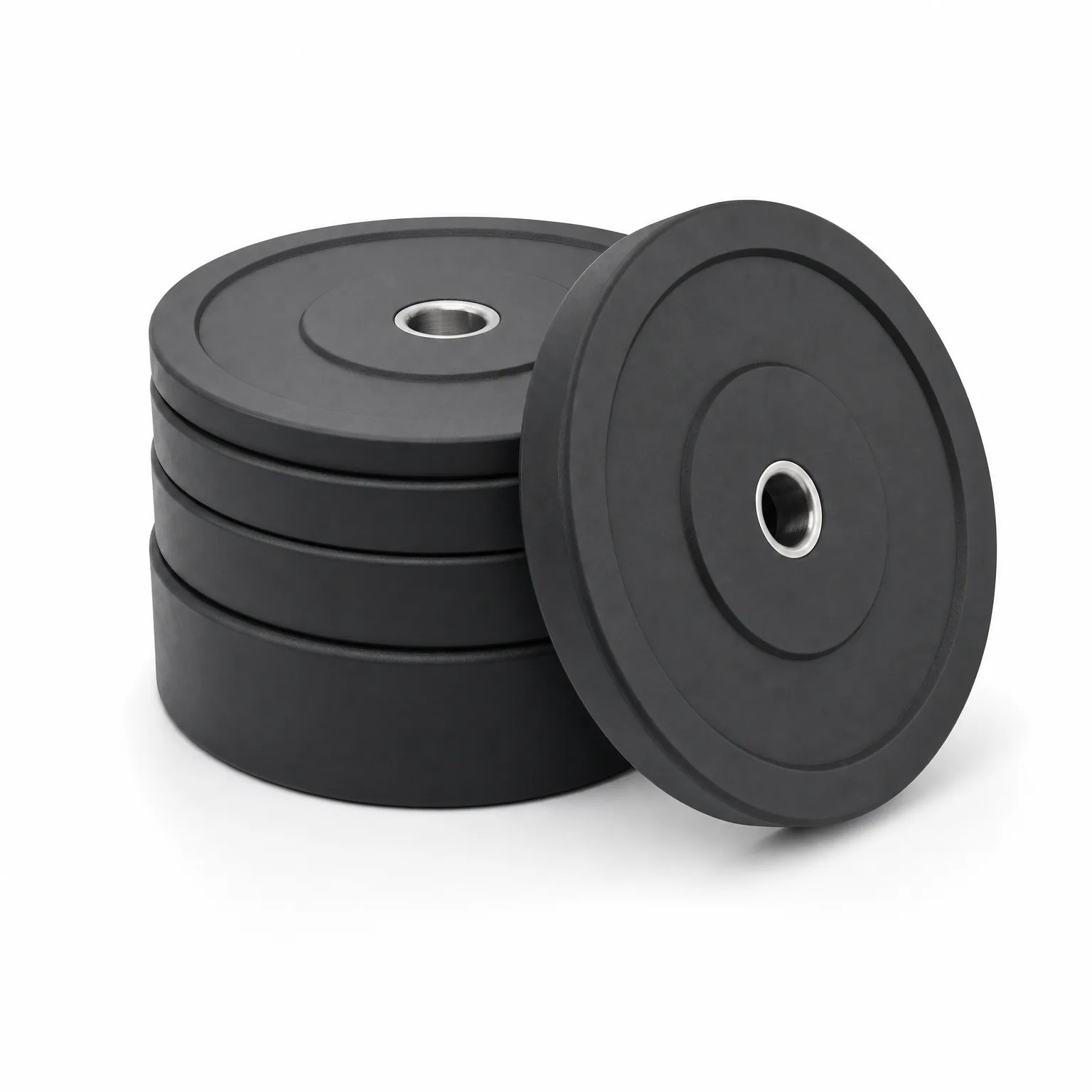
Weight plates
Flat discs that slide onto a barbell or machine to set the load. A single plate also works as a hand-held weight. -
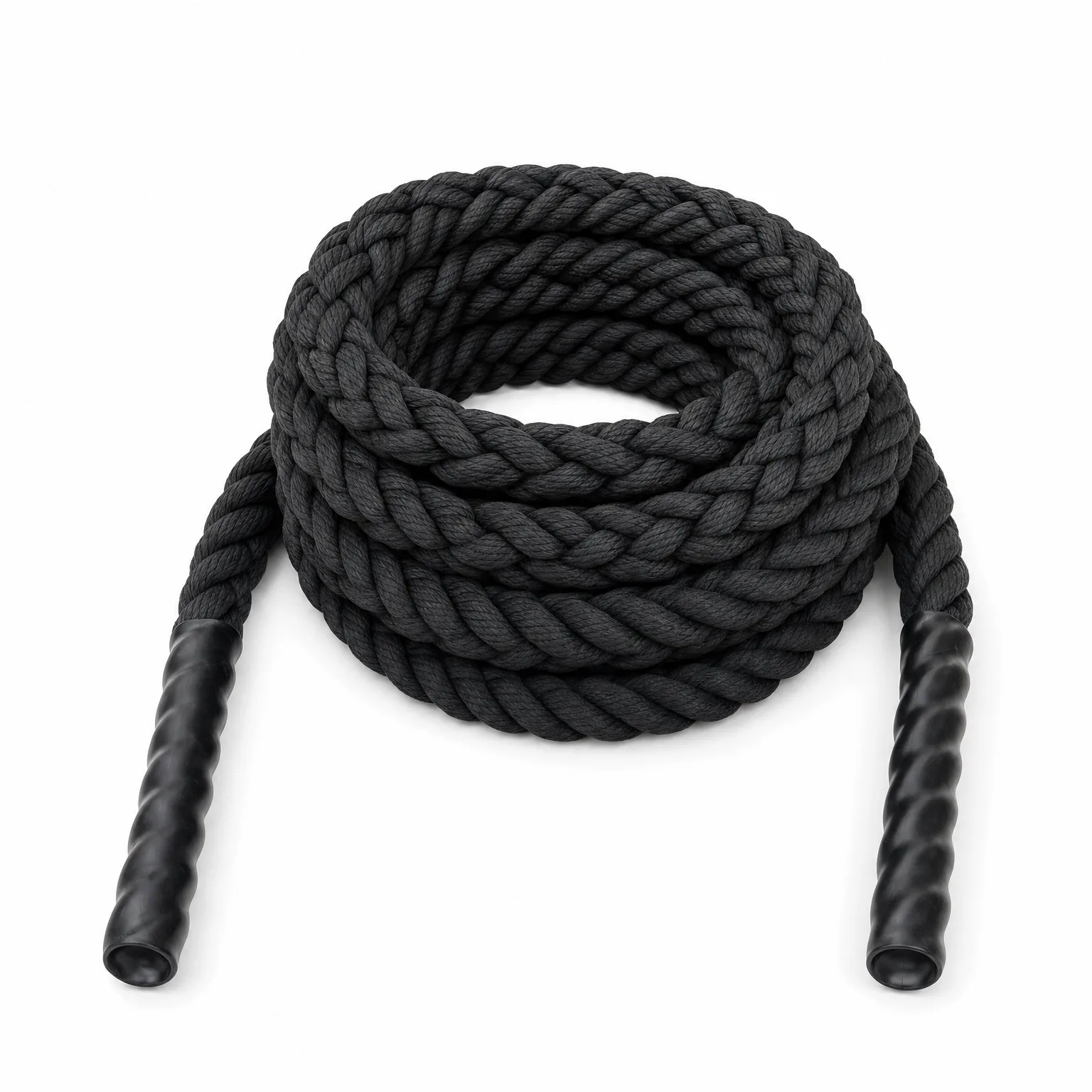
Battle ropes
A long, thick rope anchored in the middle. You hold both ends and make waves or slams for hard conditioning work with low impact on the legs. -
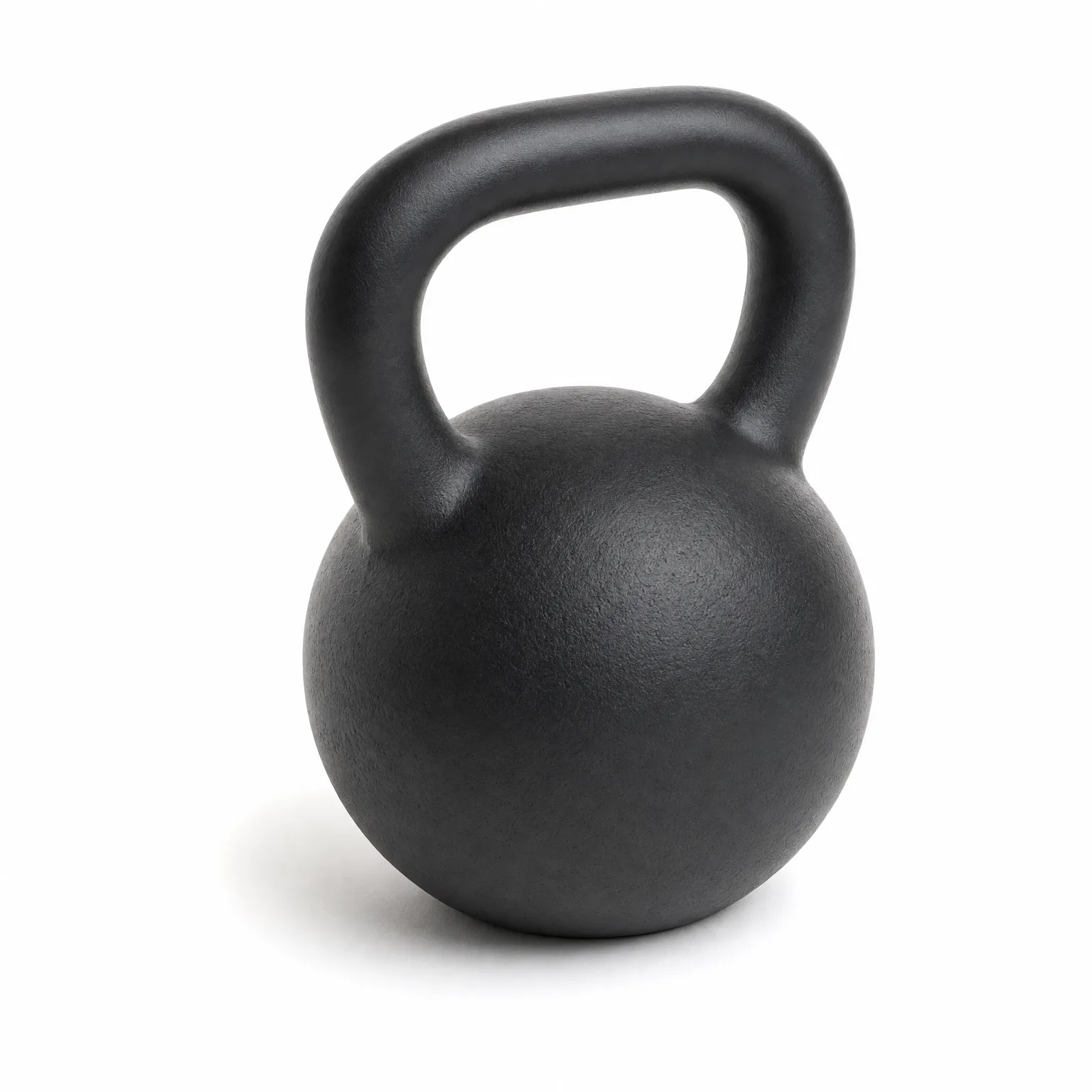
Kettlebell
A cast-iron or steel ball with a flat base and a handle on top. Built for swings, carries, squats and presses with one weight.
Questions about weight sled
What muscles does the sled push work?
Mainly the quads, glutes, calves and hamstrings, which drive each step. The abs and back hold the trunk rigid, and the shoulders, triceps and chest transfer the force through the arms. Backward drags shift more of the work to the quads.
How much weight should I put on a sled?
It depends on the surface and the goal, so test it. Start with the empty sled, then add plates until a 15–20 m push is hard but the sled never stops. Heavier for short strength pushes, lighter if you want to move fast.
Is a sled good for beginners?
Yes. The movement is simple, the load is easy to adjust and you can stop at any point without being stuck under a weight. Begin with a light sled, the high handles and a few short trips.
Sled push or sled pull: what is the difference?
Pushing loads the legs with the trunk and arms braced against the posts. Dragging backward emphasizes the quads. Dragging forward with a harness is closer to walking or sprinting against resistance and leaves the arms free. Many programs use both.
Why does sled work cause so little soreness?
Most soreness comes from the lowering phase of an exercise, when muscles lengthen under load. A sled push or drag is almost all pushing with very little lowering, so many people recover from it faster than from squats or lunges of similar effort.
Build programs around what your client has
This guide comes from OnlineFitness.app, the app online coaches run their clients in.
Free for life for the first 100 coachesNo card