Air bike
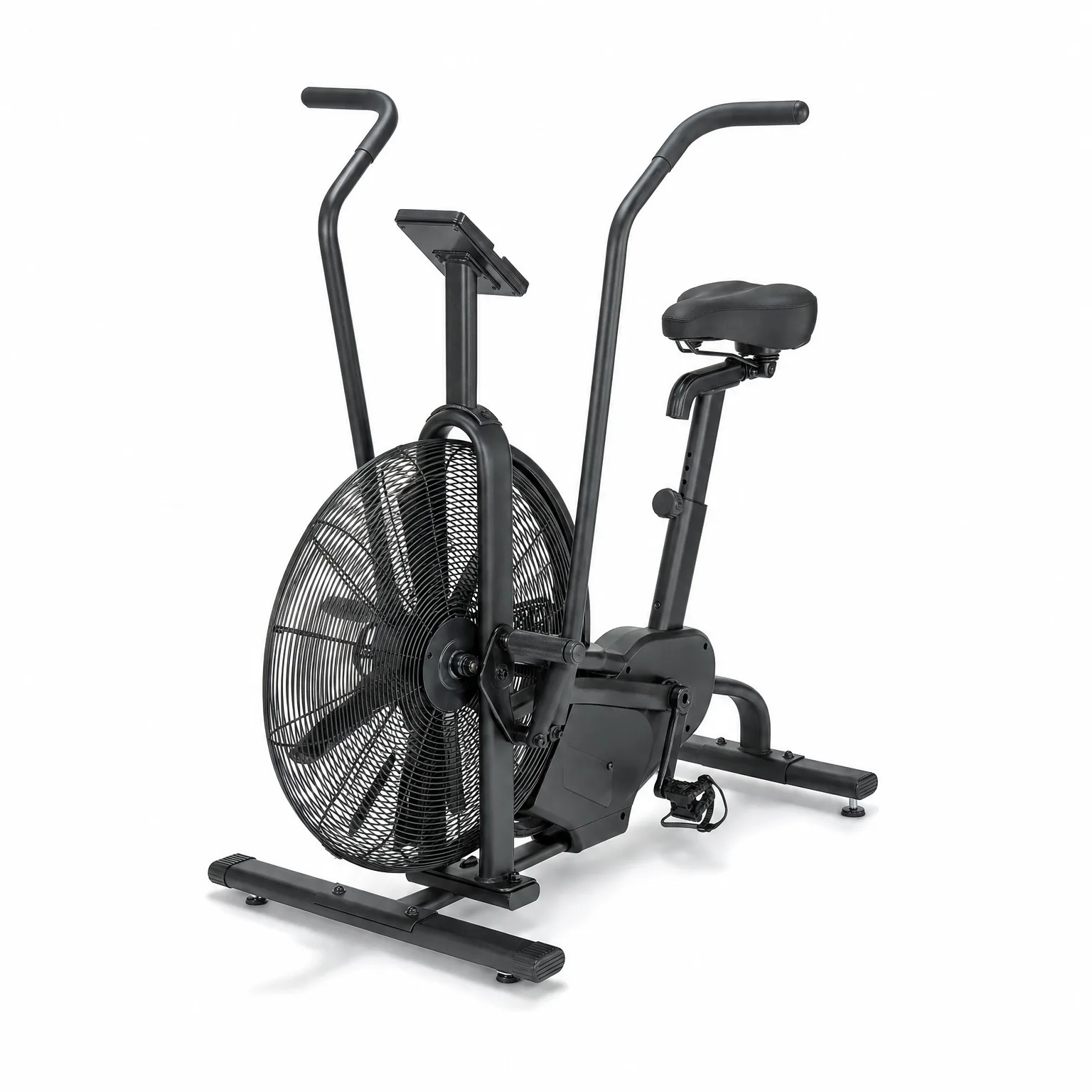
A stationary bike with a large fan and moving handles. Arms and legs work together, and the harder you push, the harder it gets.
In short
An air bike is a stationary bike with a large fan in place of a flywheel and handles that move back and forth as you pedal. Arms and legs drive the same fan, so the whole body works. There are no resistance levels: the air pushes back harder the faster you go, which makes the bike suit both easy spinning and all-out sprints.
It is used mostly for interval and conditioning work in gyms and garage setups. Beginners can use it too, since a slow pace is light, but hard efforts on it are very demanding.
- Category
- Cardio
- Where
- Home, Gym
- Level
- Beginner and up
- Space
- Needs a corner of a room
- Typical sizes
- Footprint about 110–150 x 55–75 cm (43–59 x 22–30 in); fan diameter about 63–69 cm (25–27 in)
- Also called
- fan bike, assault bike, air resistance bike, dual-action bike, airbike
What it is used for
- Short all-out sprints with long rests
- Intervals of 30–60 seconds inside conditioning circuits
- Steady low-effort sessions and warm-ups
- Legs-only or arms-only work when one half needs a rest
- Simple fitness tests repeated on the same machine
Types
Chain drive. The classic design. Durable and direct, but louder and in need of occasional chain care.
Belt drive. A belt in place of the chain. Quieter, smoother and almost maintenance-free. The fan itself is still loud at speed.
Bike with extra magnetic resistance. Adds a magnetic brake to the fan so you can make slow pedaling harder. Useful for steady sessions.
How to choose
Check the seat adjustment
The seat should move up and down and forward and back. Without fore-and-aft adjustment, shorter and taller riders end up with arms too stretched or too cramped.
Think about noise
The fan is loud during hard efforts and blows air at you and around the room. A belt drive removes the chain noise but not the fan noise. In an apartment, a magnetic upright or indoor cycling bike is the quieter choice.
Look for foot pegs and a clear monitor
Pegs near the fan let you rest your feet for arms-only work. The monitor should show time, distance and power or pace, and have simple interval timers.
Choose a heavy, stable frame
Sprints rock a light bike. A heavier frame with leveling feet stays put. The rated user weight is set by the manufacturer, so check it for your model.
How to start using it
- Set the seat height. Raise the seat so your knee is slightly bent when the pedal is at the bottom. Your hips should stay still on the saddle while you pedal.
- Set the reach. Slide the seat so that at the far point of the handle's travel your elbow is still a little bent, and at the near point the handle does not crowd your chest.
- Push and pull with the arms. Hold the handles with a relaxed grip. Push one handle away as you pull the other, in time with the legs. Keep your chest up and let the legs do most of the work.
- Begin with easy intervals. After 5 minutes of light pedaling, try 8 rounds of 20 seconds at a strong but controlled effort with 100 seconds easy. Shorten the rests over the following weeks.
- Let the fan slow down. The pedals and handles keep moving while the fan spins. Ease off and wait for it to stop before you take your feet off the pedals.
Common mistakes
Sprinting flat out from the first second
Resistance rises sharply with speed, so an all-out start empties you within seconds and the rest of the interval collapses. Build to your target pace over the first few seconds and hold it.
Driving it with the arms only
Yanking the handles while the legs coast tires the shoulders and produces little power. The legs are the engine and the arms add to it.
Seat too low
A low seat keeps the knees sharply bent and cuts power. Raise it until the knee is only slightly bent at the bottom of the stroke.
Stopping dead after a hard effort
Climbing off right after a sprint can leave you lightheaded. Keep the pedals turning slowly for a few minutes until your breathing settles.
What to use instead
An indoor cycling bike or an upright bike replaces the leg work and is far quieter, though you lose the arms and the self-adjusting resistance. A rowing machine or a ski machine gives the same kind of full-body, air-resisted intervals. An elliptical with moving handles is the closest steady-pace alternative. With no machines at all, sled pushes or hill sprints fill the same slot in a conditioning session.
-
Indoor cycling bike
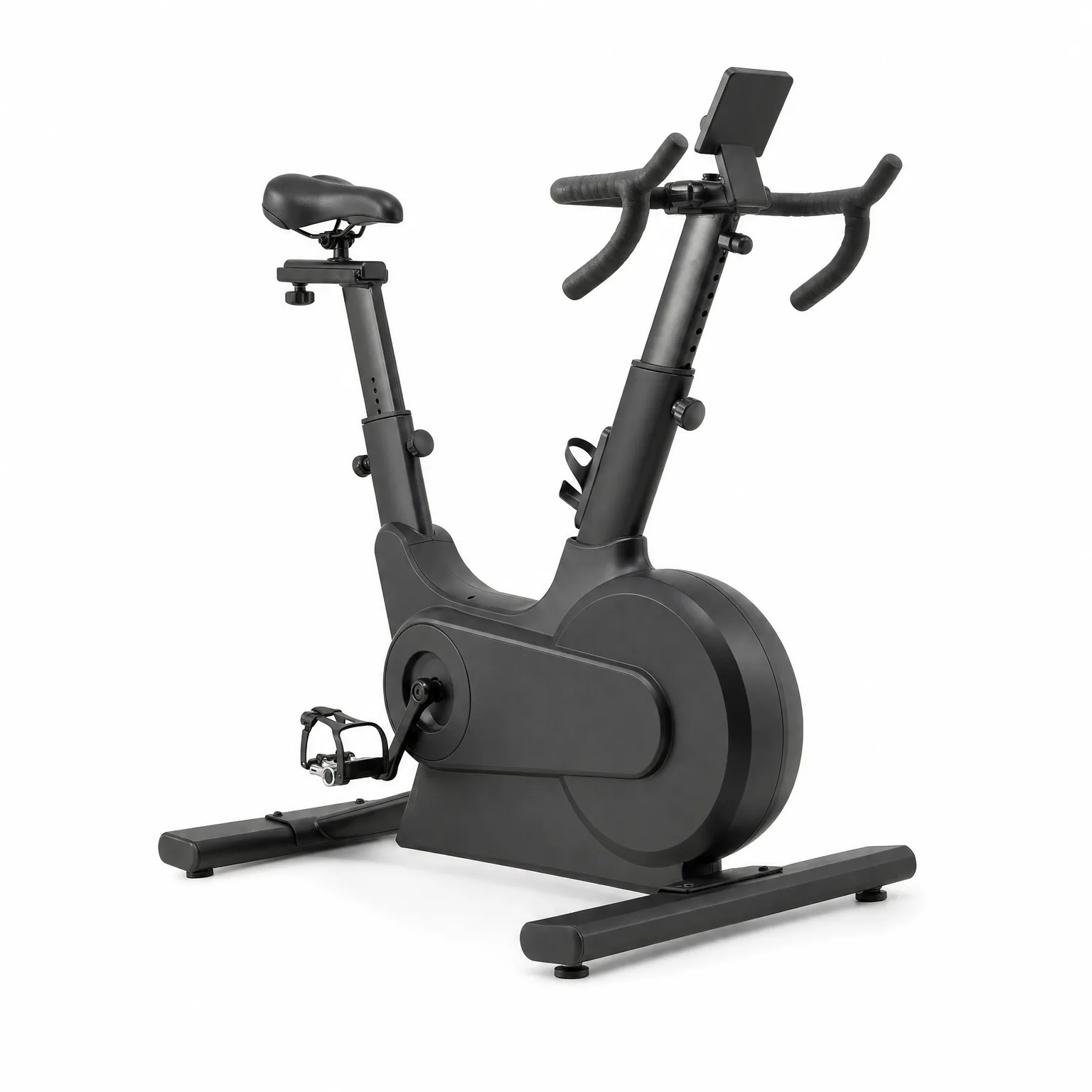
A stationary bike with a weighted flywheel, a narrow saddle and a road-bike position. Built for hard intervals and riding out of the saddle. -
Rowing machine
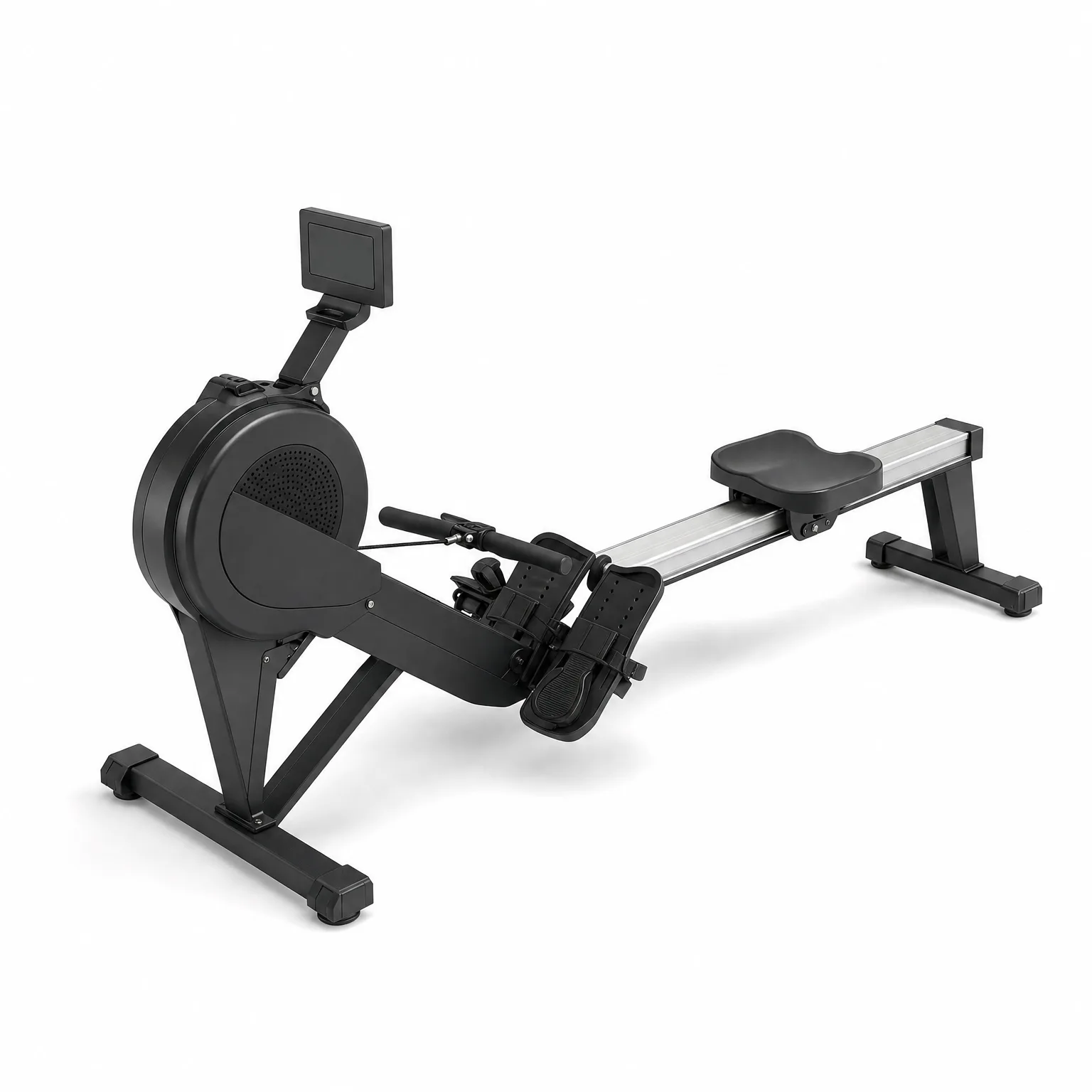
A sliding seat, a handle and a resistance unit that imitate rowing a boat. Each stroke works the legs, back and arms in one movement. -
Ski machine
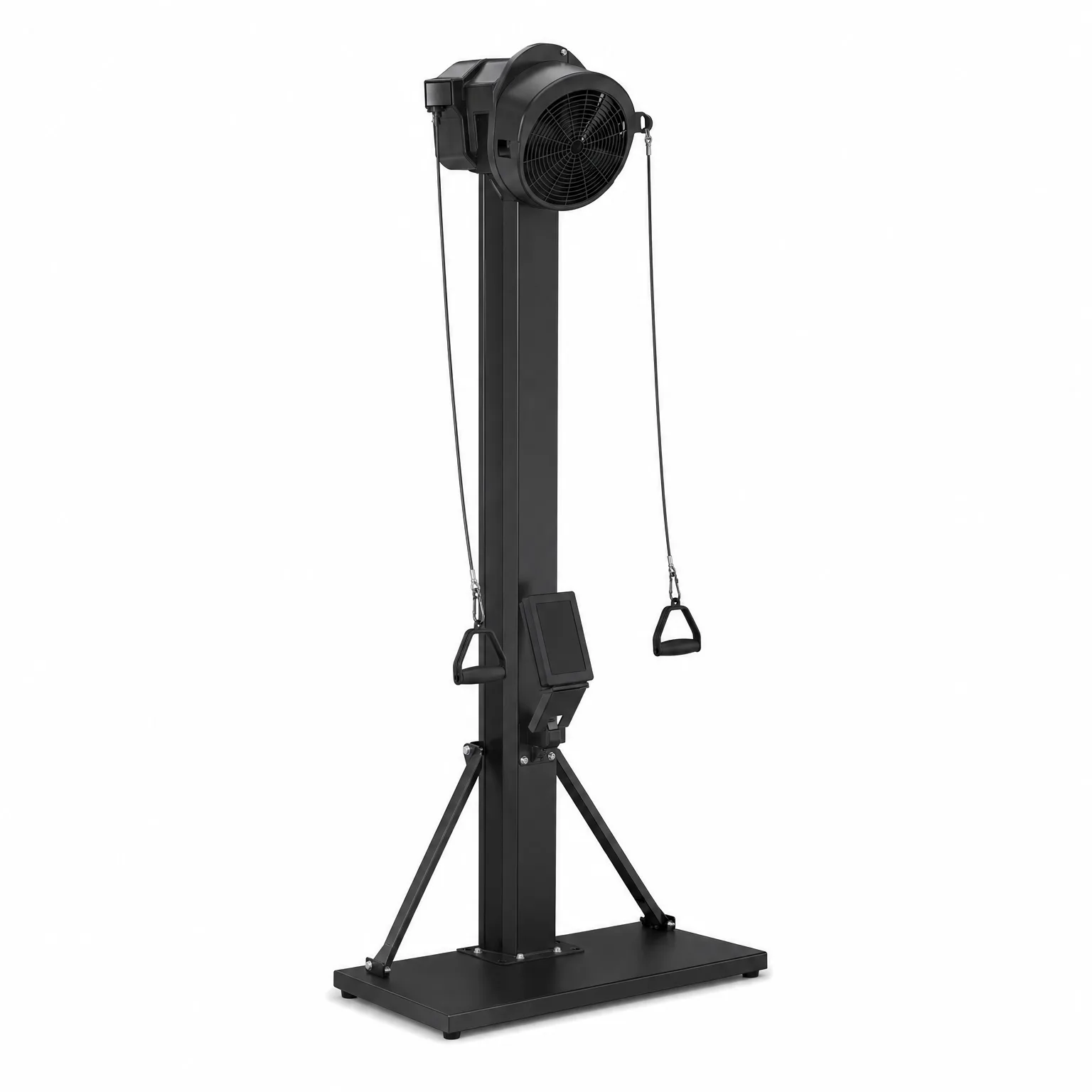
An upright air-resistance machine with two handles on cords. You pull them down in a double-pole motion, as in cross-country skiing. -
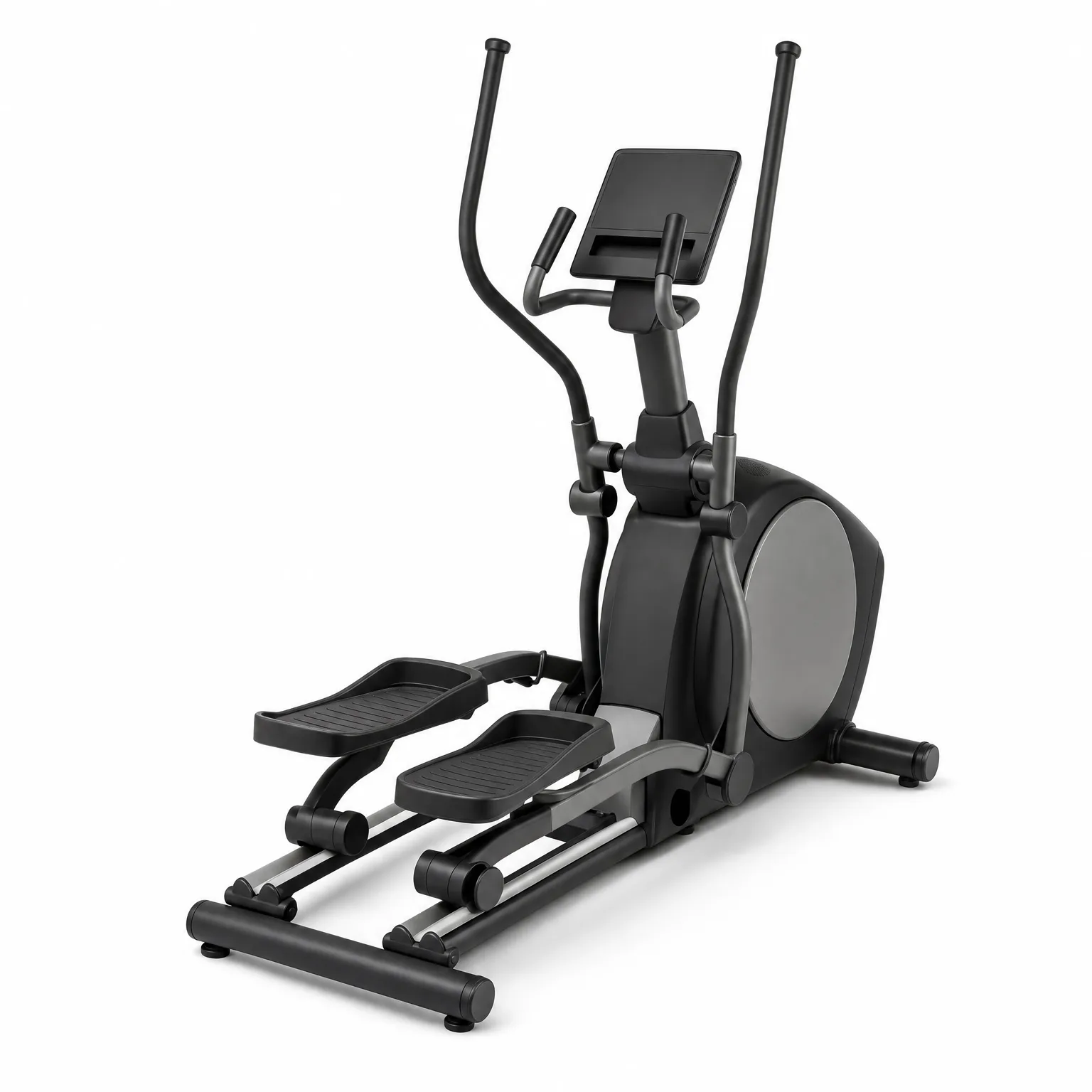
Elliptical
A standing cardio machine with two pedals that travel in an oval path and handles that move with them. Your feet never leave the pedals.
Often used with
-
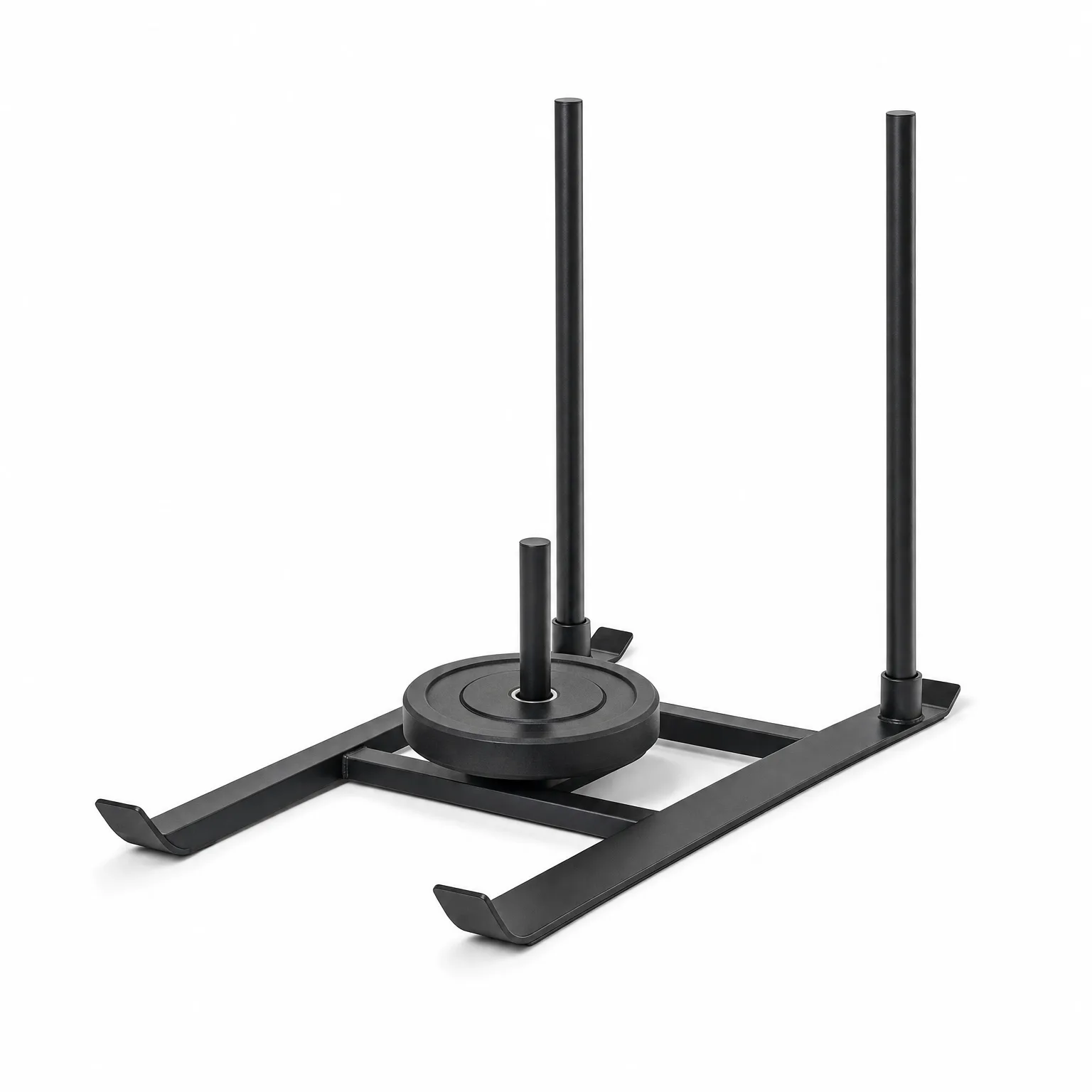
Weight sled
A low frame loaded with weight plates that you push or drag across turf or pavement. Trains the legs and conditioning with no lowering phase. -
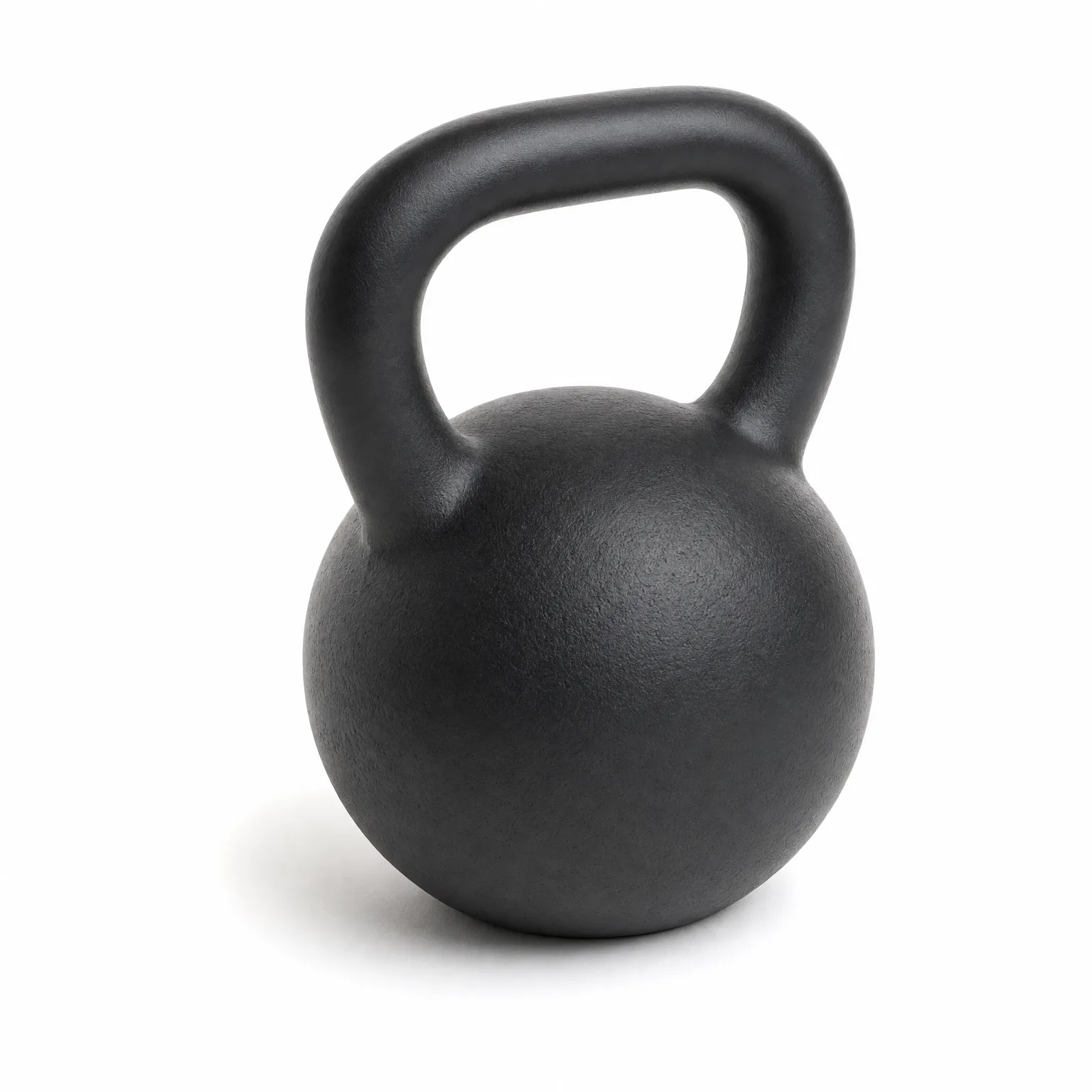
Kettlebell
A cast-iron or steel ball with a flat base and a handle on top. Built for swings, carries, squats and presses with one weight. -
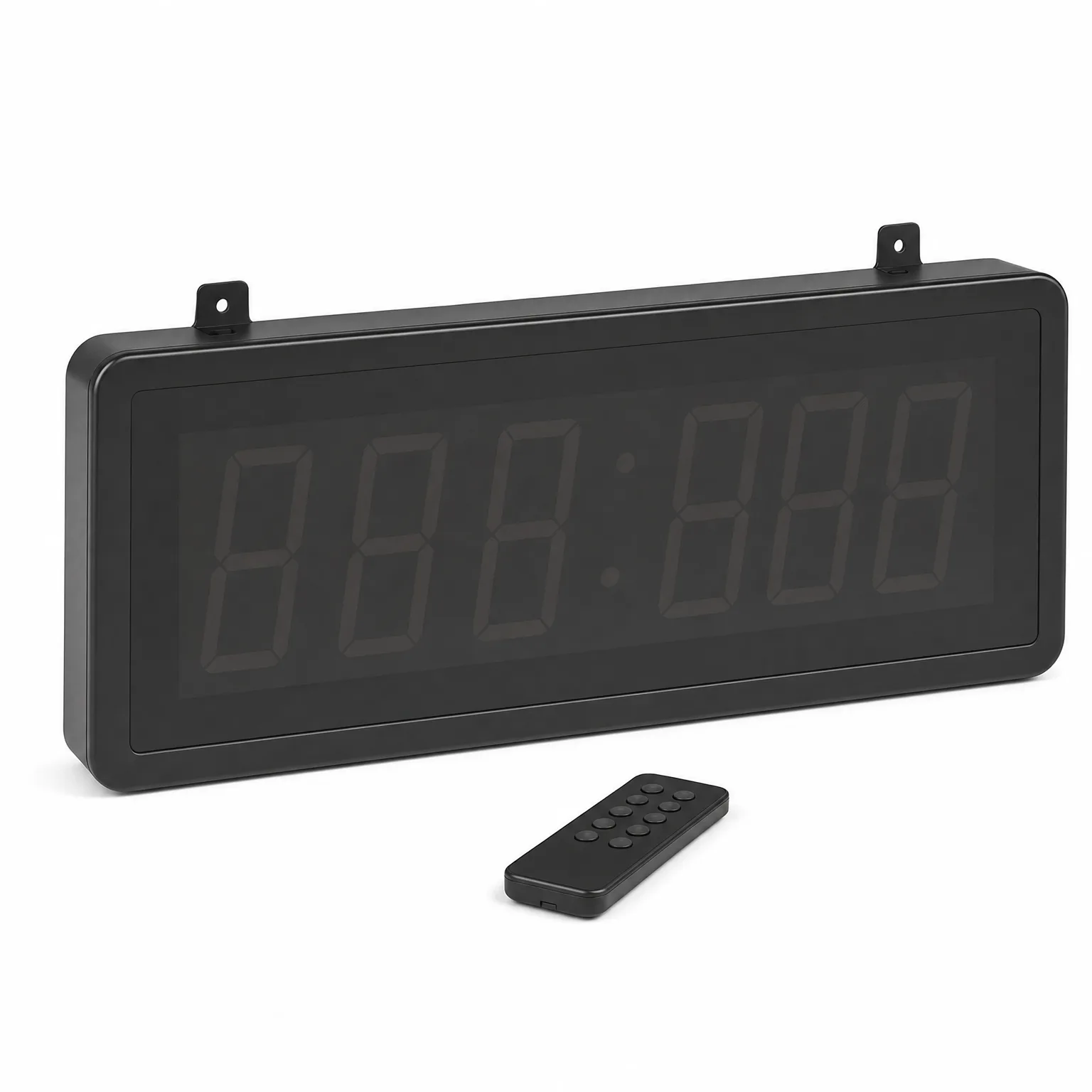
Interval timer
A wall clock or phone app that counts work and rest periods and signals each change, for tabata, EMOM, AMRAP, rounds and timed rests. -
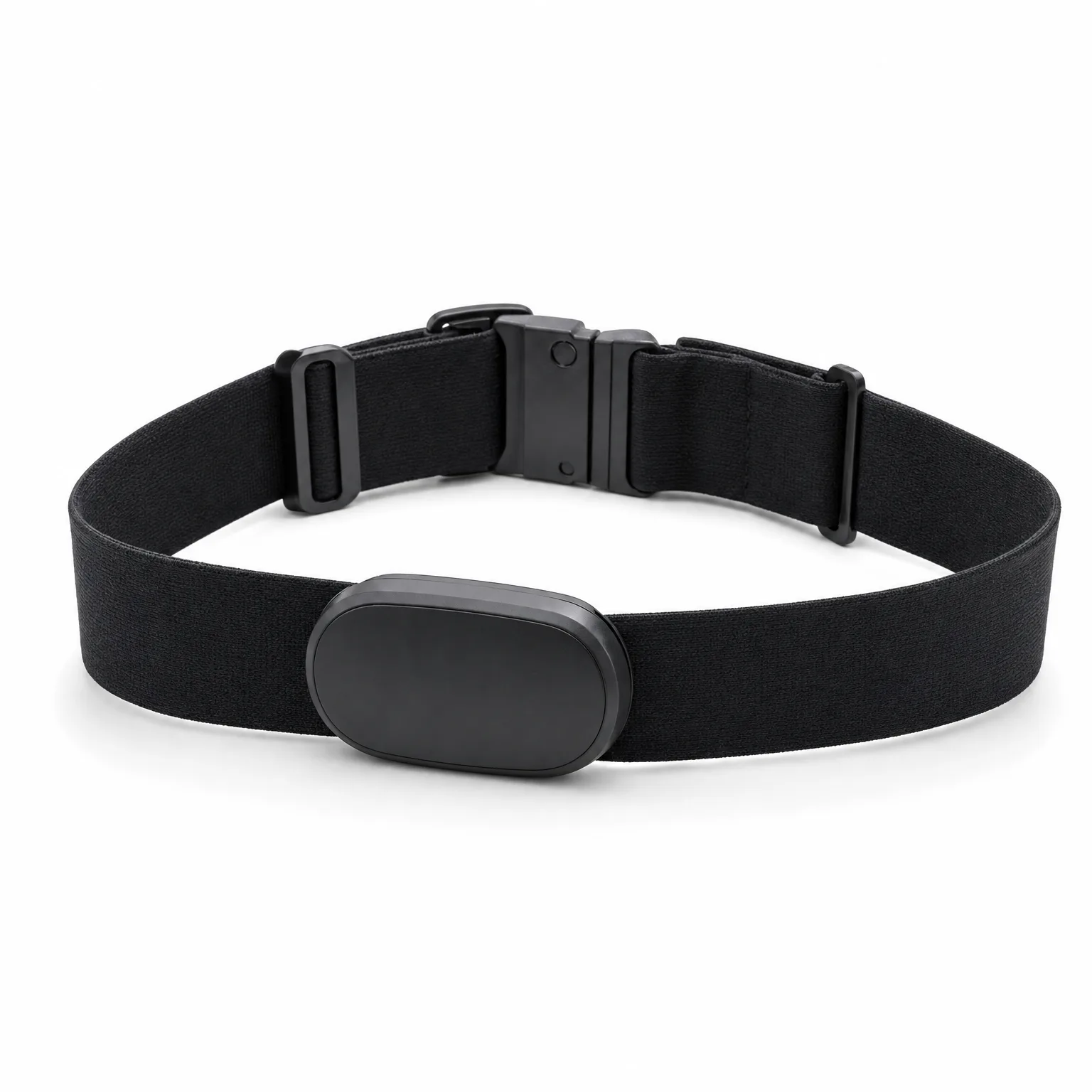
Heart rate monitor
A chest strap or armband that measures heart rate during exercise and sends it to a watch, phone or cardio machine in real time.
Questions about air bike
Air bike vs exercise bike: what is the difference?
An air bike uses a fan, so resistance comes from how fast you go, and its moving handles bring the arms in. A regular exercise bike has a set resistance level, fixed handlebars and a quiet magnetic or friction brake. The air bike suits hard intervals. The exercise bike suits long, steady, quiet sessions.
Is an air bike good for beginners?
Yes, if you control the pace. At low speed the resistance is light and the movement is simple. The bike only becomes brutal when you sprint, so start with moderate efforts and long rests.
How do you change the resistance on an air bike?
You do not set it. The fan pushes against the air, and the resistance rises steeply as you pedal faster. To work harder, go faster. Some models add a magnetic brake with levels on top of the fan.
What muscles does an air bike work?
The quads, glutes and hamstrings produce most of the power. Pushing the handles uses the chest and triceps, and pulling them uses the lats, mid back and biceps. Because all of them feed one fan, hard efforts tire the whole body at once.
Build programs around what your client has
This guide comes from OnlineFitness.app, the app online coaches run their clients in.
Free for life for the first 100 coachesNo card