Equipment Measuring and tracking
Heart rate monitor
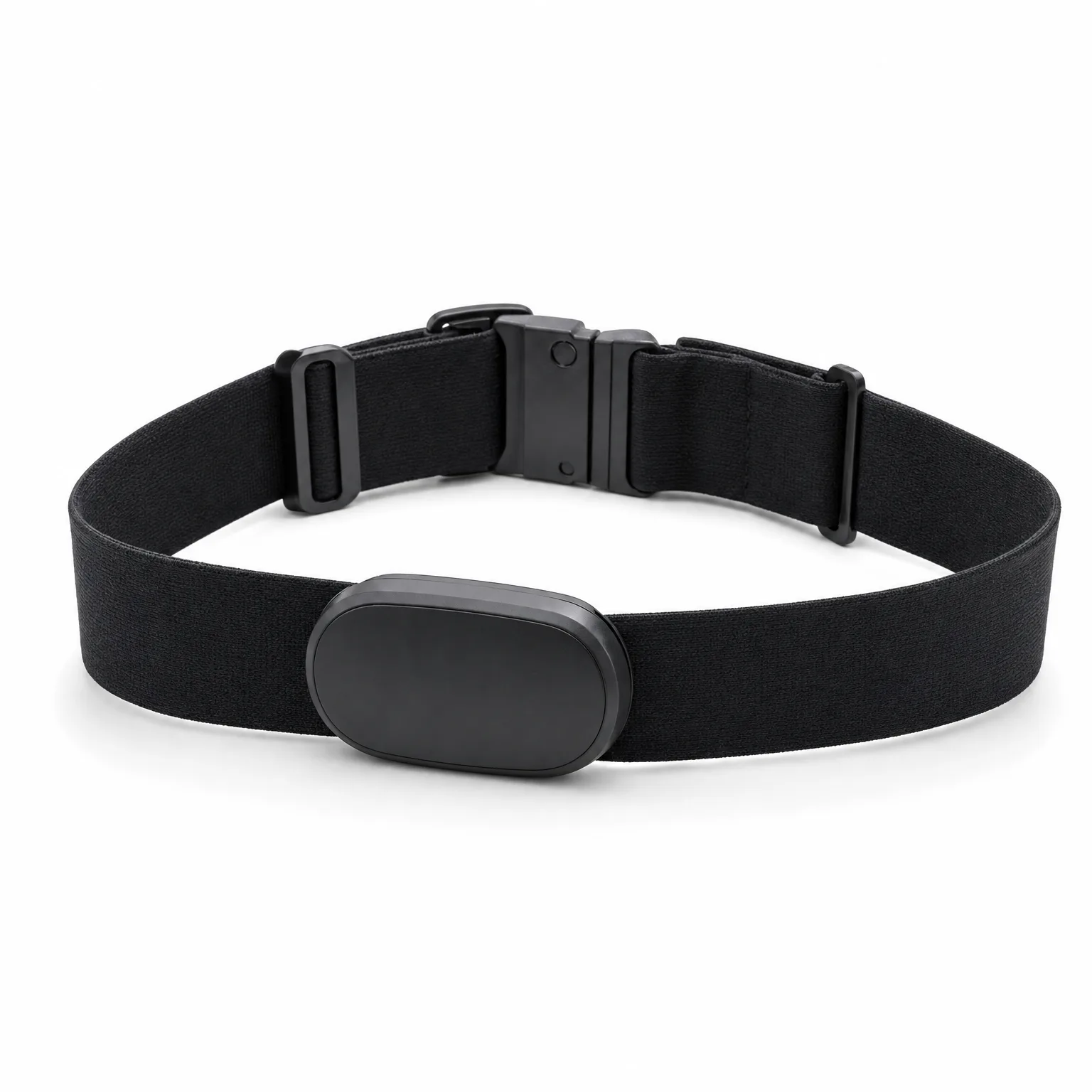
A chest strap or armband that measures heart rate during exercise and sends it to a watch, phone or cardio machine in real time.
In short
A heart rate monitor is a sensor worn during exercise that measures how fast the heart is beating and sends the number to a watch, a phone app, a bike computer or a gym machine. The classic form is an elastic chest strap with electrodes that pick up the heart's electrical signal. An optical armband worn on the forearm or upper arm is the main alternative.
People use it to keep an effort in a chosen intensity zone, to pace long sessions and intervals, and to compare sessions over time. A chest strap reads more reliably than a wrist tracker during hard, fast-changing or arm-heavy exercise, which is why it is the usual choice for interval training, rowing, cycling and group classes that show heart rate on a screen.
- Category
- Measuring and tracking
- Where
- Home, Gym, Outdoors, Travel
- Level
- Beginner and up
- Space
- Fits in a drawer or a bag
- Typical sizes
- Chest straps adjust to roughly 65–95 cm (26–37 in), with longer straps available; the sensor pod is about 6 cm (2.4 in) wide
- Also called
- chest strap, heart rate strap, hr monitor, chest strap heart rate monitor, heart rate chest strap, hrm, heart rate armband, pulse monitor
What it is used for
- Holding an effort in a target heart rate zone during steady cardio
- Checking how hard intervals are and how fast heart rate drops between them
- Pacing long runs, rides and rows so the start is not too fast
- Comparing heart rate at the same pace or power over weeks
- Sending heart rate to a treadmill, bike, rower, training app or class display
Types
Chest strap. An elastic strap with electrodes and a small sensor pod on the breastbone. Measures the heart's electrical signal, the reference method among consumer devices.
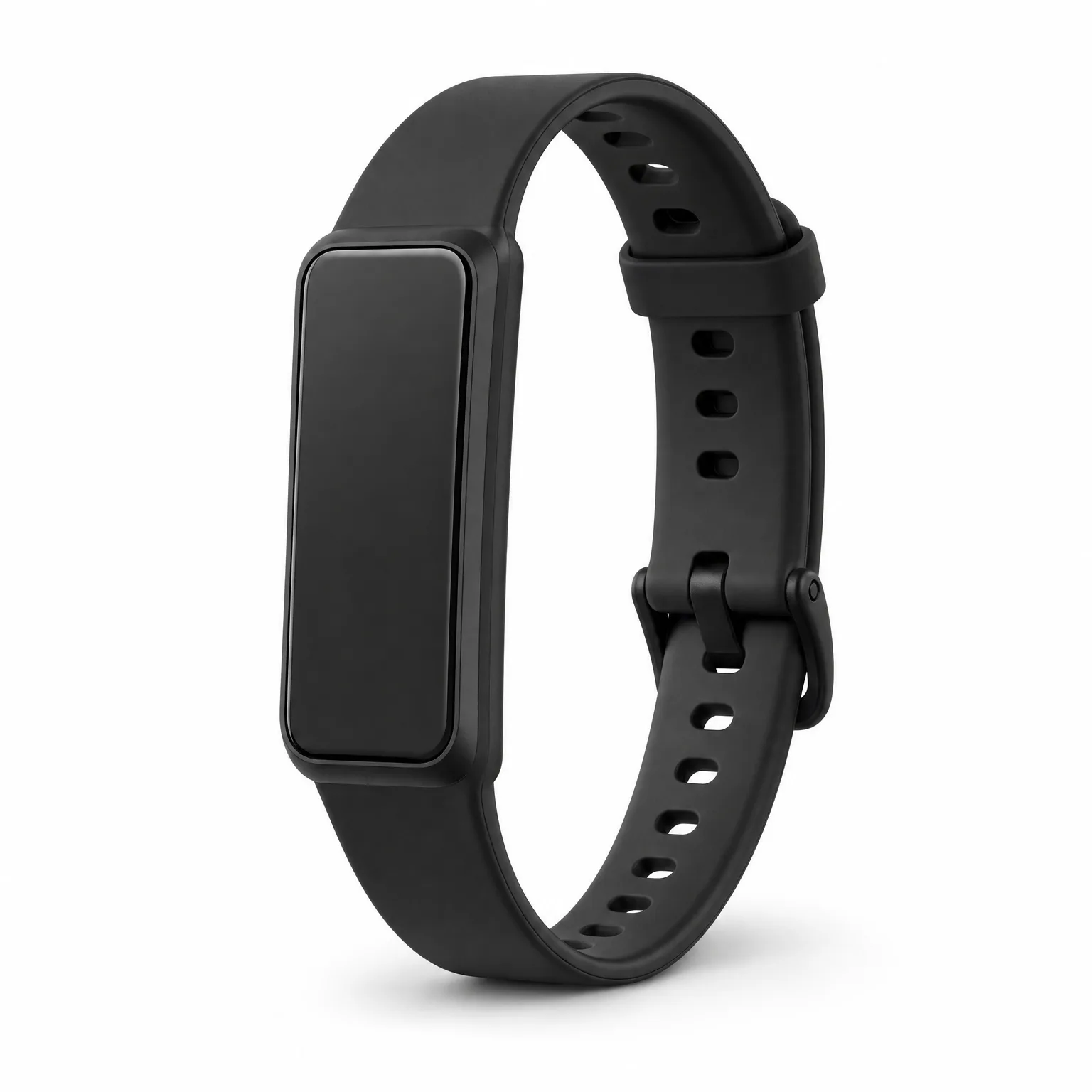
Optical armband. A sensor on a soft band worn on the forearm or upper arm. Reads blood flow with light, like a watch, but from a spot that moves less than the wrist.
Swim-capable strap. A strap built to stay put in the water that stores heart rate and syncs after the swim, since radio signals do not travel far under water.
Dual-band sensor. Sends over both Bluetooth and ANT+, so it can connect to a phone, a watch and a gym machine or bike computer at once.
How to choose
Chest strap or armband
A chest strap is the most reliable for intervals, rowing, cycling and strength circuits. An armband is nearly as good for most sessions and more comfortable for people who dislike a strap around the chest. Either reads better than the wrist when the arms are working hard.
Check what it connects to
Bluetooth pairs with phones and most watches. ANT+ is common on bike computers and gym machines. A dual-band sensor covers both. Before buying, confirm that your watch, app or machine accepts an external heart rate sensor.
Strap comfort and size
The strap must stay in place without digging in. Soft fabric straps with a detachable pod are easier to wash and more comfortable than stiff plastic bands. Check the size range if your chest is small or large.
Battery
Most chest straps run for many months on a coin cell that you replace yourself. Armbands are rechargeable and need charging every few sessions to every few weeks, depending on the model.
How to start using it
- Wet the electrodes. Moisten the ribbed electrode patches on the inside of a chest strap with water before putting it on. Dry electrodes give erratic readings in the first minutes, until sweat takes over.
- Wear it snug, just below the chest muscles. Fasten the strap around the ribs directly under the chest muscles or the bra band, with the pod centered and the right way up. It should be tight enough not to slide when you move, but not so tight that it limits breathing. An armband goes on the forearm or upper arm, firm against the skin.
- Pair before you start. Open the app, watch or machine menu and connect the sensor while standing still. Check that a plausible resting number shows before you begin.
- Set zones that fit you. Zones based on the formula 220 minus age are a rough starting point and can be well off for an individual. Zones set from a measured maximum or from a guided test in your app are more useful. Use how hard the effort feels as a second check.
- Rinse after use. Unclip the pod and rinse the strap in water after each session, then hang it to dry. Salt left on the strap is the usual cause of erratic readings and of skin irritation.
Common mistakes
Dry strap in a cold start
Putting the strap on dry, especially in cool dry air or under a synthetic shirt, produces spikes and dropouts early in the session. Wet the electrodes first.
A loose strap
A strap that slips down the ribs loses contact and shows gaps or absurd numbers. Tighten it a little and re-center the pod. Elastic that has gone slack needs replacing.
Chasing a number on every rep
Heart rate lags behind effort by many seconds. In short sprints it is still climbing when the interval ends. Pace short intervals by speed, power or feel, and use heart rate to judge the session as a whole.
Using heart rate to judge strength training
A heavy set of five can leave heart rate fairly low and still be very hard for the muscles. Heart rate describes the load on the cardiovascular system. It does not measure the quality of a lifting session.
Trusting generic zones blindly
Age-based maximums can differ from your real maximum by 10 or more beats per minute. If the zones feel wrong, they probably are. Adjust them from a test, or with a coach.
What to use instead
A wrist fitness tracker or sports watch measures heart rate with no extra device and is accurate enough for steady efforts. Without any sensor, pace by feel: an easy effort lets you speak in full sentences, a hard one only in a few words. You can also count your pulse at the wrist or neck for 15 seconds and multiply by four, though that only works when you stop.
Often used with
-
Treadmill
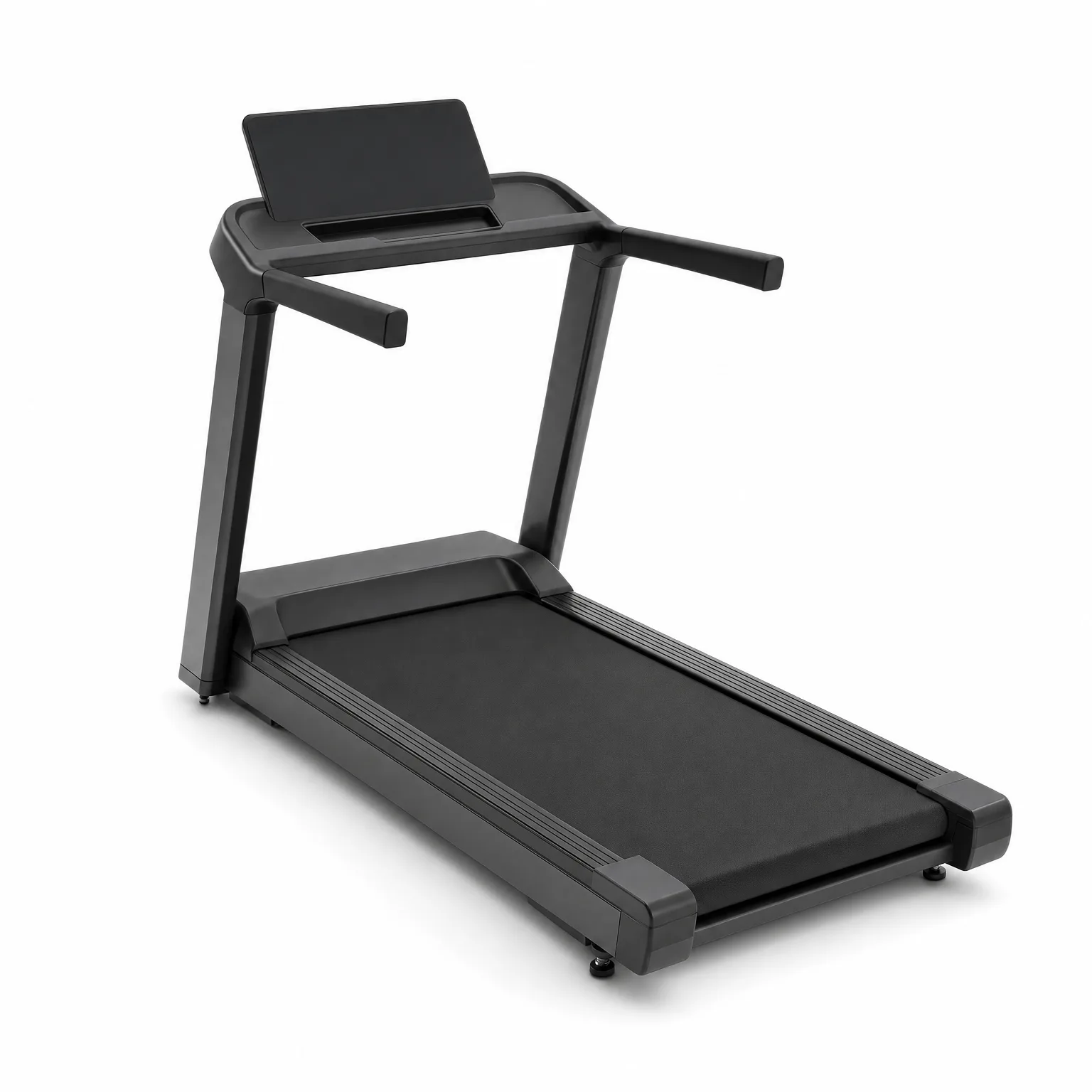
A moving belt for walking and running indoors. You set the speed and incline, so the pace stays exactly where you put it. -
Indoor cycling bike
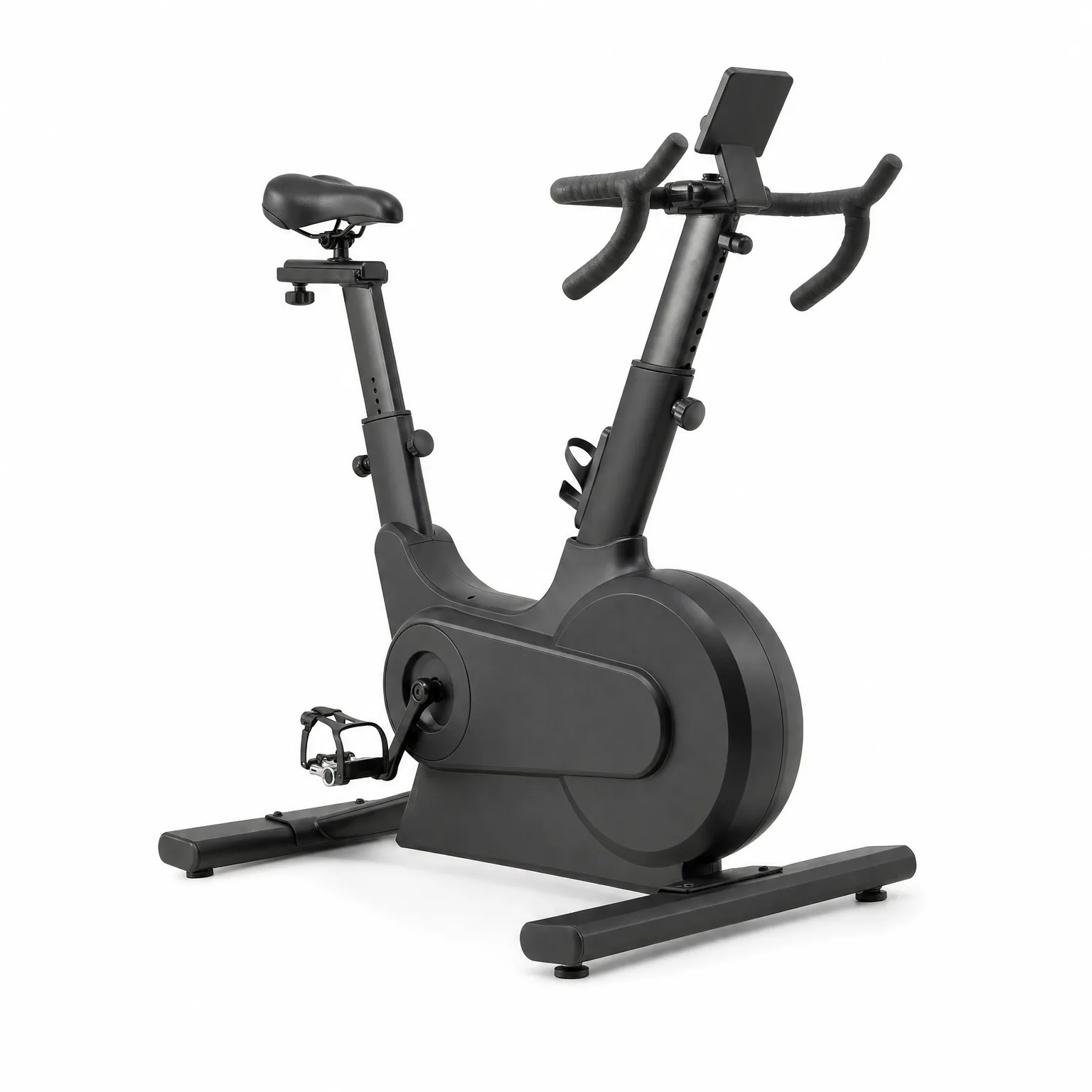
A stationary bike with a weighted flywheel, a narrow saddle and a road-bike position. Built for hard intervals and riding out of the saddle. -
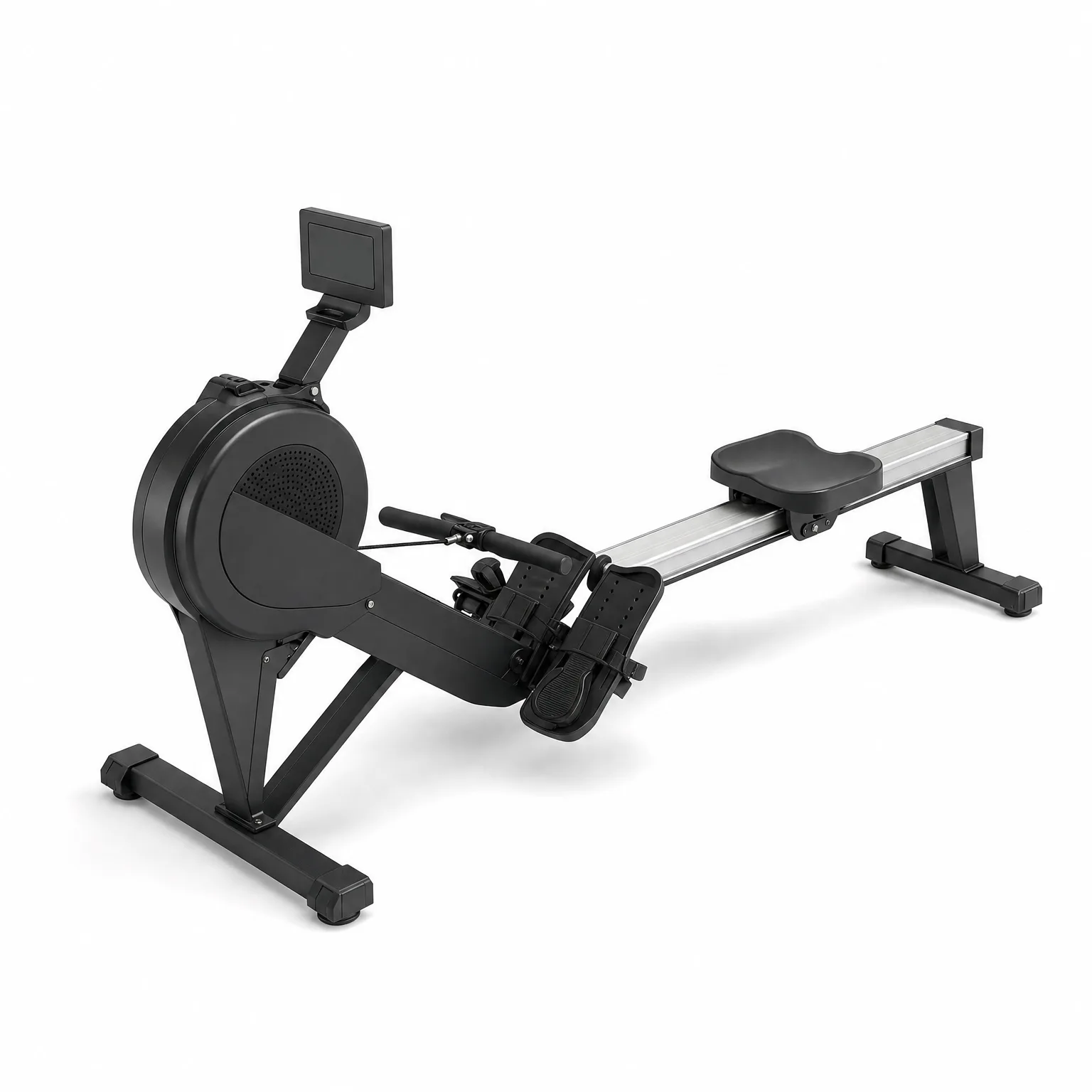
Rowing machine
A sliding seat, a handle and a resistance unit that imitate rowing a boat. Each stroke works the legs, back and arms in one movement. -
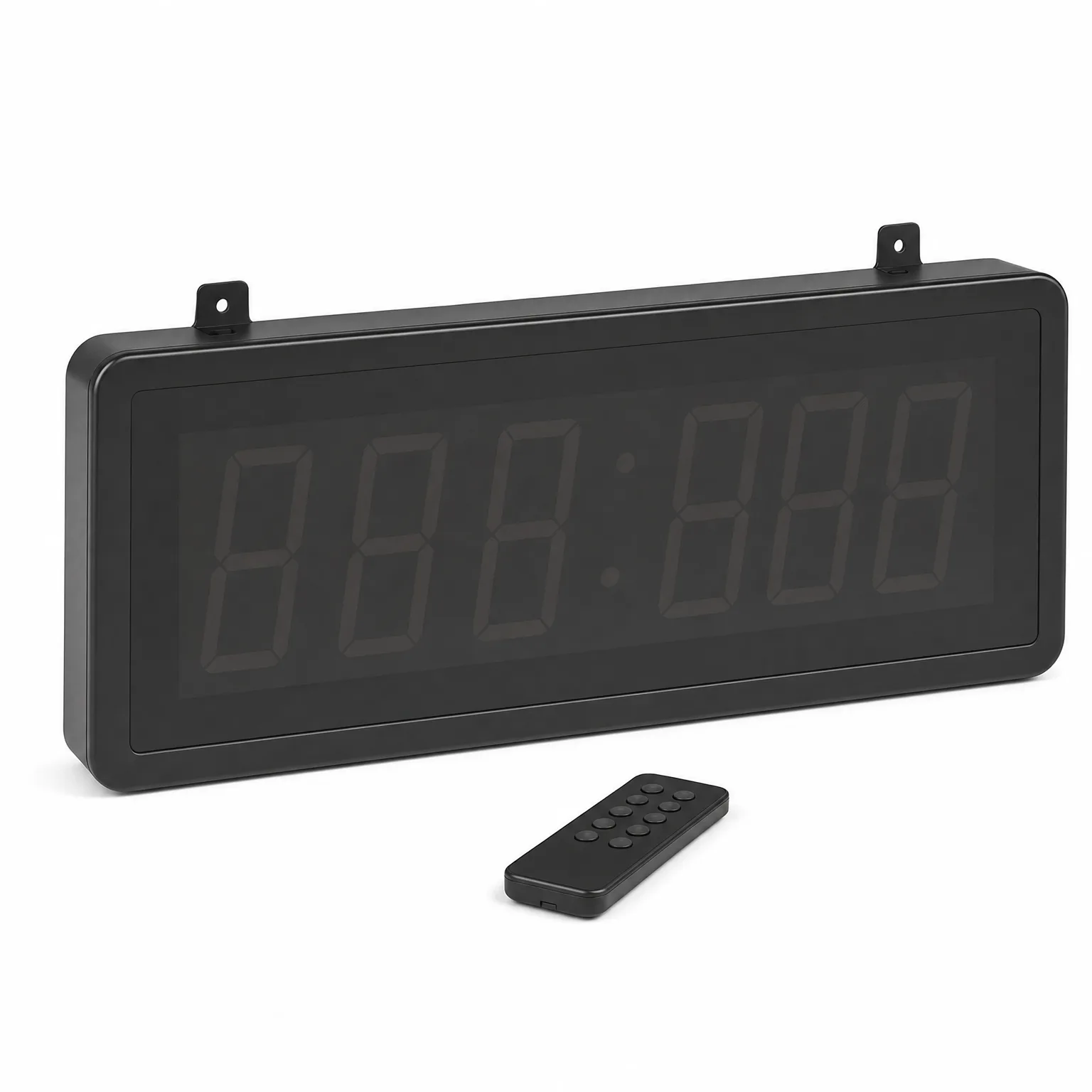
Interval timer
A wall clock or phone app that counts work and rest periods and signals each change, for tabata, EMOM, AMRAP, rounds and timed rests.
Questions about heart rate monitor
Is a chest strap more accurate than a watch?
Generally yes during exercise. A chest strap picks up the electrical signal of the heart directly. A watch reads blood flow at the wrist with light, which is disturbed by arm movement, a loose fit, cold skin and gripping. At rest and in steady efforts the two usually agree closely. In intervals and gripping exercises the strap is more dependable.
Where should a heart rate chest strap sit?
Around the ribs just below the chest muscles, with the sensor pod in the center over the breastbone and the electrodes flat against the skin. Under a sports bra, the strap sits right under the band or tucked beneath its lower edge.
Do I need a heart rate monitor to get fit?
No. Pace, time and how hard an effort feels are enough to train well. A monitor adds an objective check, which helps people who tend to go too hard on easy days or too easy on hard ones.
Chest strap or armband?
Choose a chest strap for the most reliable readings in intervals and for the longest battery life. Choose an optical armband if a chest strap is uncomfortable for you. It is easier to put on and still reads better than a wrist device in most sessions.
Why does my heart rate monitor show wrong numbers?
The common causes are dry electrodes, a loose strap, salt build-up on an unwashed strap, a nearly flat battery and static from a dry synthetic shirt. Wet the strap, tighten it, rinse it after sessions and change the battery when dropouts become frequent.
Build programs around what your client has
This guide comes from OnlineFitness.app, the app online coaches run their clients in.
Free for life for the first 100 coachesNo card