Indoor cycling bike
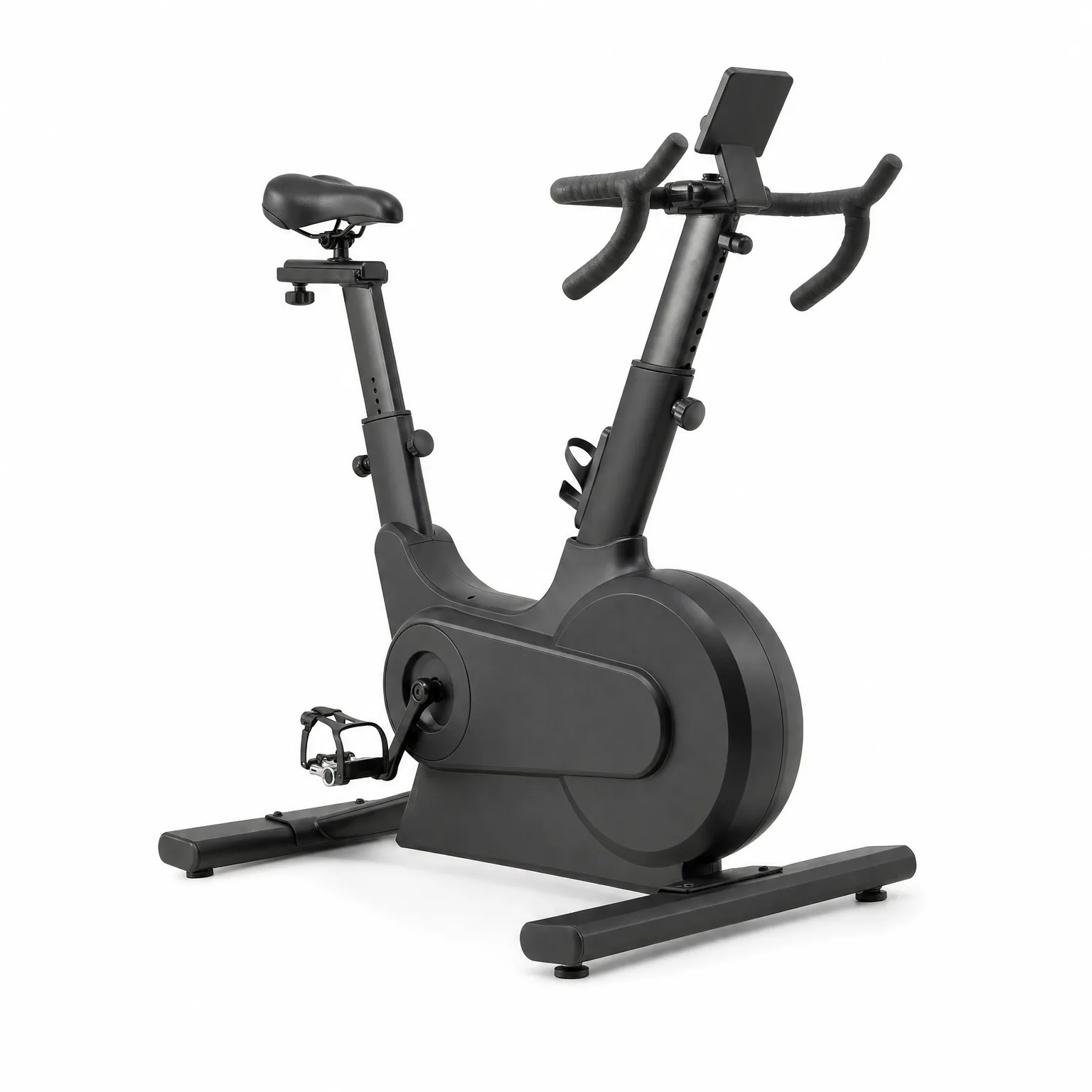
A stationary bike with a weighted flywheel, a narrow saddle and a road-bike position. Built for hard intervals and riding out of the saddle.
In short
An indoor cycling bike, often called a spin bike, is a stationary bike built to feel like a road bike: a weighted flywheel, a narrow saddle, low handlebars and a forward lean. You set the resistance with a knob or lever and can ride seated or standing on the pedals. It is used for interval sessions, class-style workouts, steady cardio and indoor training for cyclists.
Your feet stay on the pedals, so there is no landing impact. The quads, glutes and hamstrings do most of the work, with the calves helping. A beginner can ride it at light resistance, but the saddle and position are sportier than on other exercise bikes. For relaxed seated cardio, an upright bike or a recumbent bike is the more comfortable choice.
- Category
- Cardio
- Where
- Home, Gym
- Level
- Beginner and up
- Space
- Needs a corner of a room
- Typical sizes
- Footprint about 100–140 x 50–60 cm (40–55 x 20–24 in); flywheel weight varies widely between models
- Also called
- spin bike, exercise bike, indoor bike, indoor cycle, spinning bike, studio bike
Muscles it works
- Main
- Quads, Glutes, Hamstrings
- Also works
- Calves, Tibialis anterior
What it is used for
- Intervals: short hard efforts with easy pedaling between them
- Class-style rides with seated and standing sections
- Steady cardio at an easy, conversational effort
- Indoor training for outdoor cyclists
- Warm-ups before leg training
Types
Friction resistance. A pad presses on the flywheel. Simple, with a very wide range, but the pad wears, needs occasional replacement and makes some noise.
Magnetic resistance. Magnets near the flywheel slow it without contact. Quiet and almost free of upkeep. The usual choice for homes.
Fixed-gear drive. The classic layout: the pedals are tied to the flywheel and keep turning for as long as it spins. You slow down gradually or with the brake.
Freewheel drive. The pedals can stop while the flywheel keeps spinning, as on an outdoor bike. Less common.
Smart bike. Resistance is set electronically and can be controlled by a training app, with power and cadence shown on a screen.
How to choose
Decide whether this is the right bike type
Choose an indoor cycling bike for hard intervals, standing climbs and class-style workouts. For relaxed seated cardio with a wide saddle and a console, an upright bike fits better. If you want a chair-like seat with back support, look at a recumbent bike.
Check the adjustment range
The saddle and the handlebars should both move up and down, and ideally forward and back as well. That range is what lets riders of different heights get the reach right. Compare the stated rider height range with your own.
Look at the resistance and the drive
Magnetic resistance is quiet and needs almost no upkeep. A friction pad is simple and gives a very wide range, but it wears and makes some noise. A belt drive is quieter than a chain. A heavier flywheel generally feels smoother, though the design matters as much as the weight.
Check the pedals and the saddle
Pedals come with toe cages, clip-in fittings for cycling shoes, or both. The narrow saddle usually feels better after a few weeks or with padded shorts, and on many bikes it can be swapped for another bicycle saddle.
Read the manufacturer's ratings
The rated user weight and rider height range are set by the manufacturer and differ between models. A heavier, wider frame rocks less when you stand and sprint.
How to start using it
- Set the saddle height. Stand next to the bike and raise the saddle to about hip-bone level. Then sit and pedal: at the bottom of the stroke your knee should be slightly bent, not locked and not sharply angled. If your hips rock from side to side, the saddle is too high.
- Set the saddle fore and aft. With the pedals level, the front kneecap should sit roughly above the pedal axle. Slide the saddle forward or back until it does.
- Set the handlebars. Start with the bars level with the saddle or higher. Lower them only if you want a more forward road-bike position and it stays comfortable for your back and neck.
- Fix your feet. Put the ball of the foot over the pedal axle and tighten the strap or cage so the foot does not slide. On bikes with clip-in pedals, cycling shoes hold the foot in the right place.
- Start seated, add standing later. Pedal for 5 minutes at light resistance, then add resistance until you breathe harder but can still talk. A cadence of about 80–100 turns per minute suits most seated riding. Begin with 15–20 minutes. Before you stand on the pedals, add resistance so the legs have something to push against.
Common mistakes
Saddle too low
The most common setup error. A low saddle keeps the knees sharply bent through the whole stroke, which tires the thighs early and feels cramped. Raise it until the knee is only slightly bent at the bottom.
Spinning with no resistance
Pedaling very fast against almost nothing makes you bounce on the saddle, and on a fixed-gear bike the flywheel ends up pulling your legs around. Add resistance until the pedal stroke feels smooth and controlled.
Grinding at very low cadence
The opposite error: so much resistance that each stroke is a slow push. Unless you are deliberately doing a climbing effort, keep the cadence above about 60 turns per minute.
Leaning on the handlebars
Locked elbows and body weight dumped on the hands lead to numb hands and tense shoulders. Keep a soft bend in the elbows and hold the bars lightly.
Stopping a fixed flywheel with your legs
On most indoor cycling bikes the pedals keep turning with the flywheel. Slow down gradually or use the brake, which on many bikes means pressing down on the resistance knob. Never try to stop the pedals abruptly, and keep your feet on them until they are still.
What to use instead
An upright bike or a recumbent bike gives the same leg work in a more comfortable seat, though neither is built for standing efforts or sprints. An air bike adds the arms and resistance that rises as you push harder. An elliptical replaces it for steady low-impact cardio and intervals. An ordinary bicycle outside, or on an indoor trainer stand, does the same job.
-
Upright bike
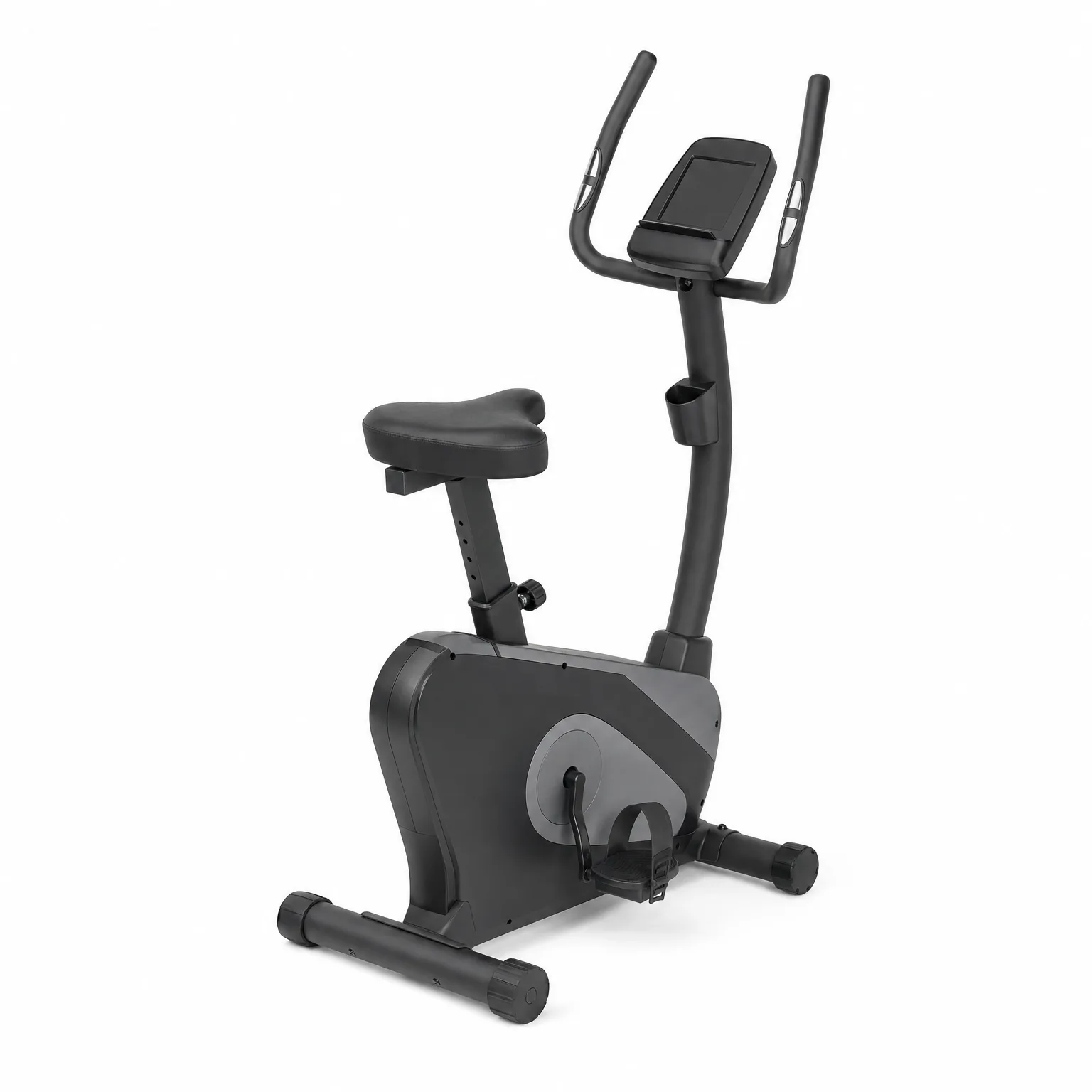
The classic stationary bike: wide saddle, high handlebars, a console and resistance levels. Made for comfortable seated cardio. -
Recumbent bike
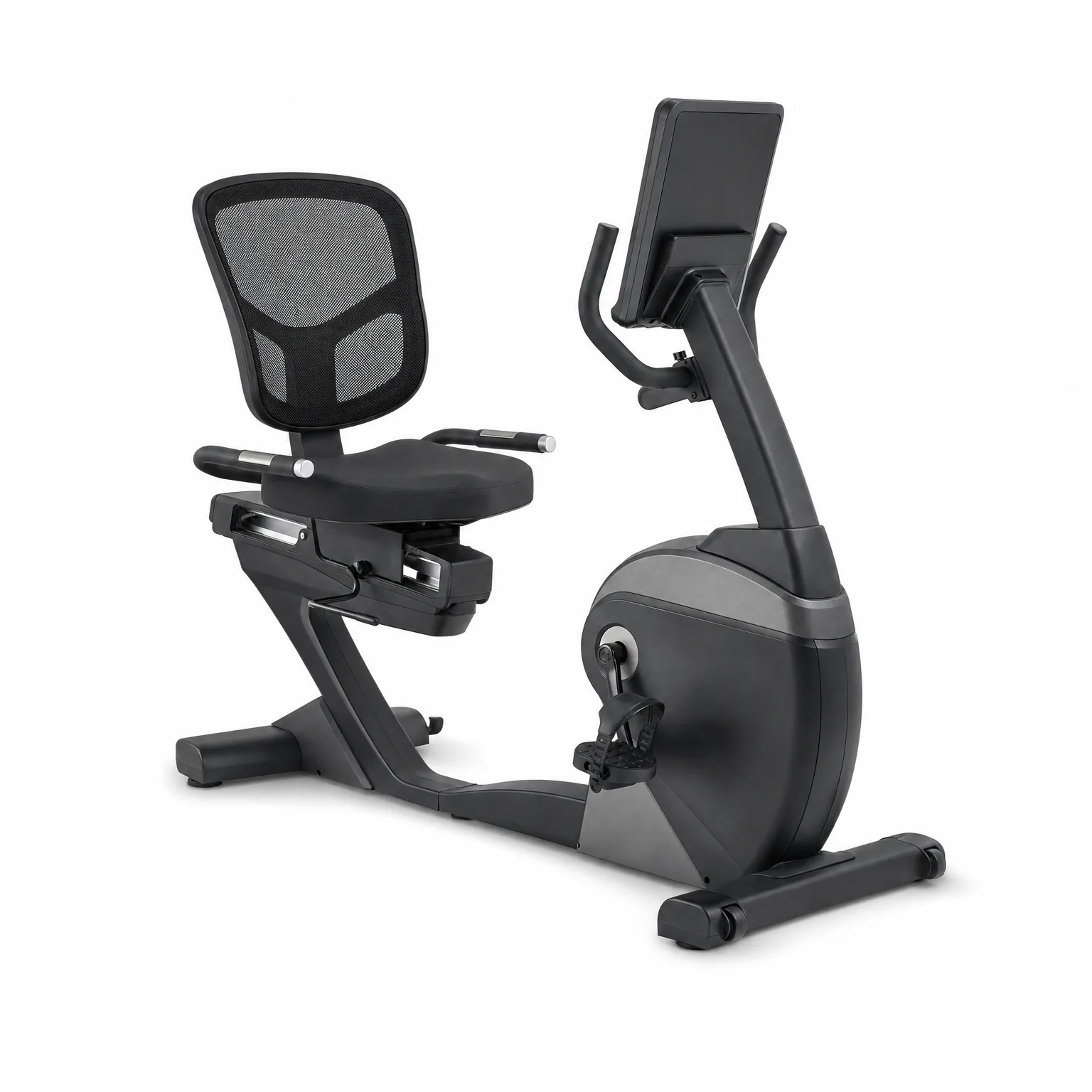
A stationary bike with a wide seat, a backrest and pedals out in front. The most supported way to do seated cardio. -
Air bike
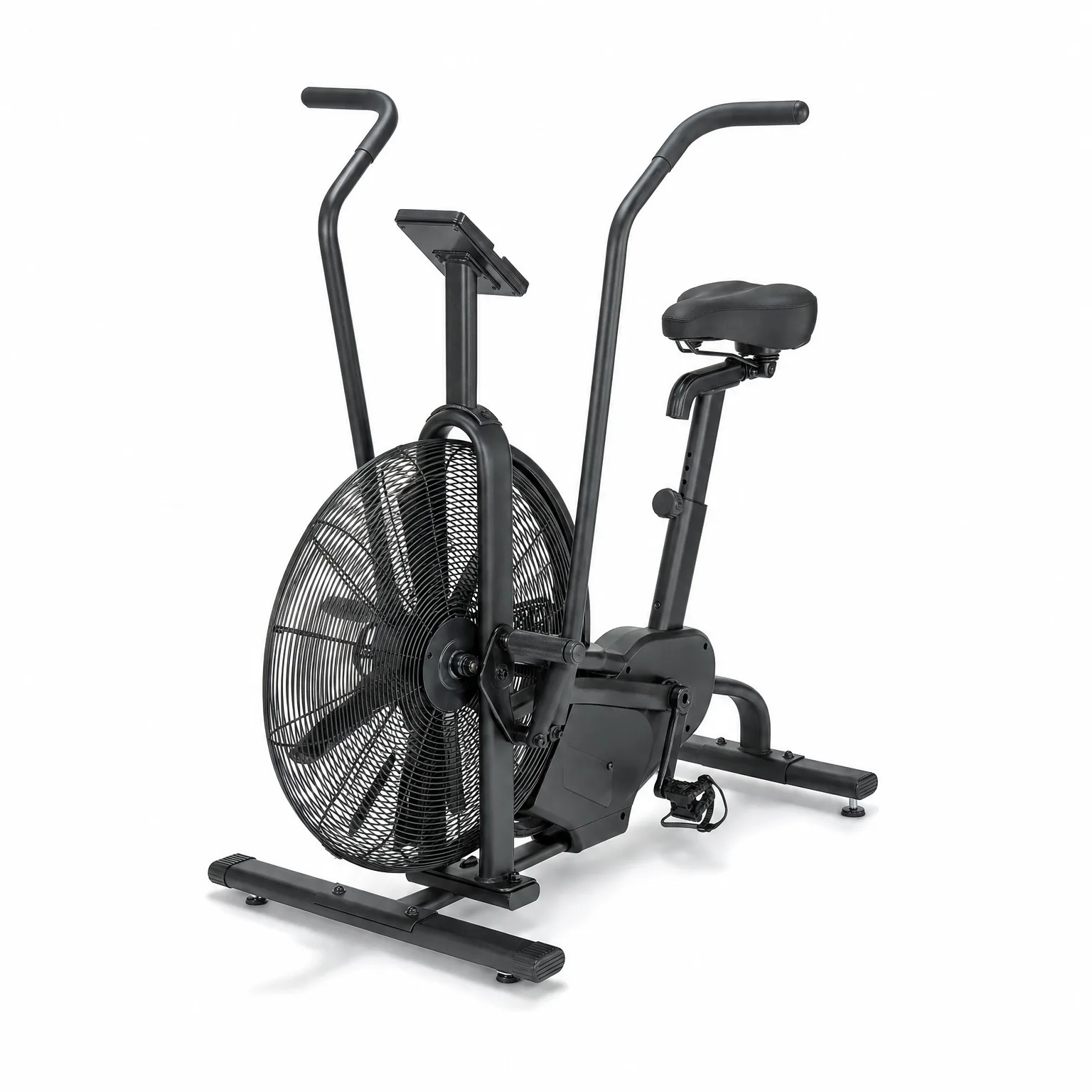
A stationary bike with a large fan and moving handles. Arms and legs work together, and the harder you push, the harder it gets. -
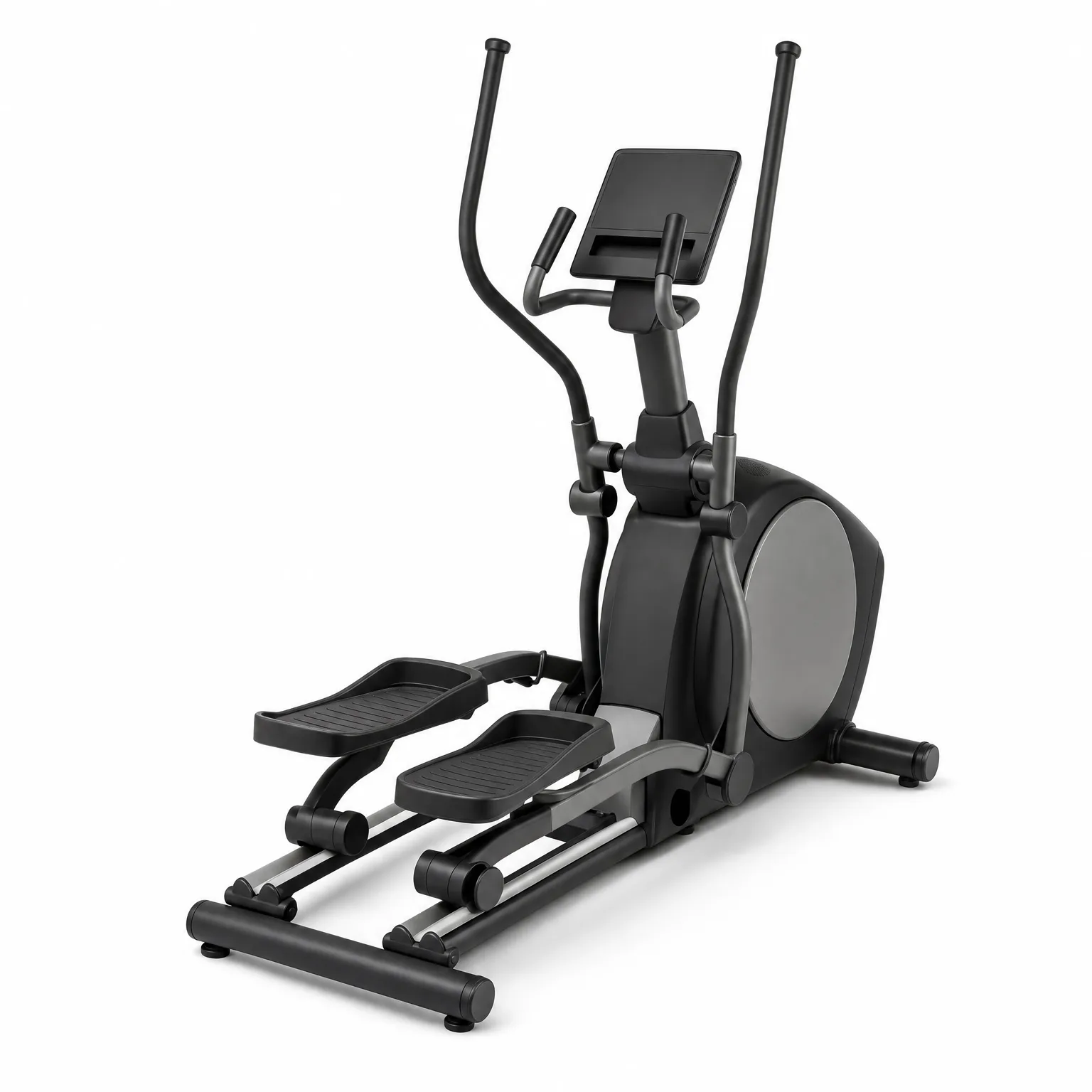
Elliptical
A standing cardio machine with two pedals that travel in an oval path and handles that move with them. Your feet never leave the pedals.
Often used with
-
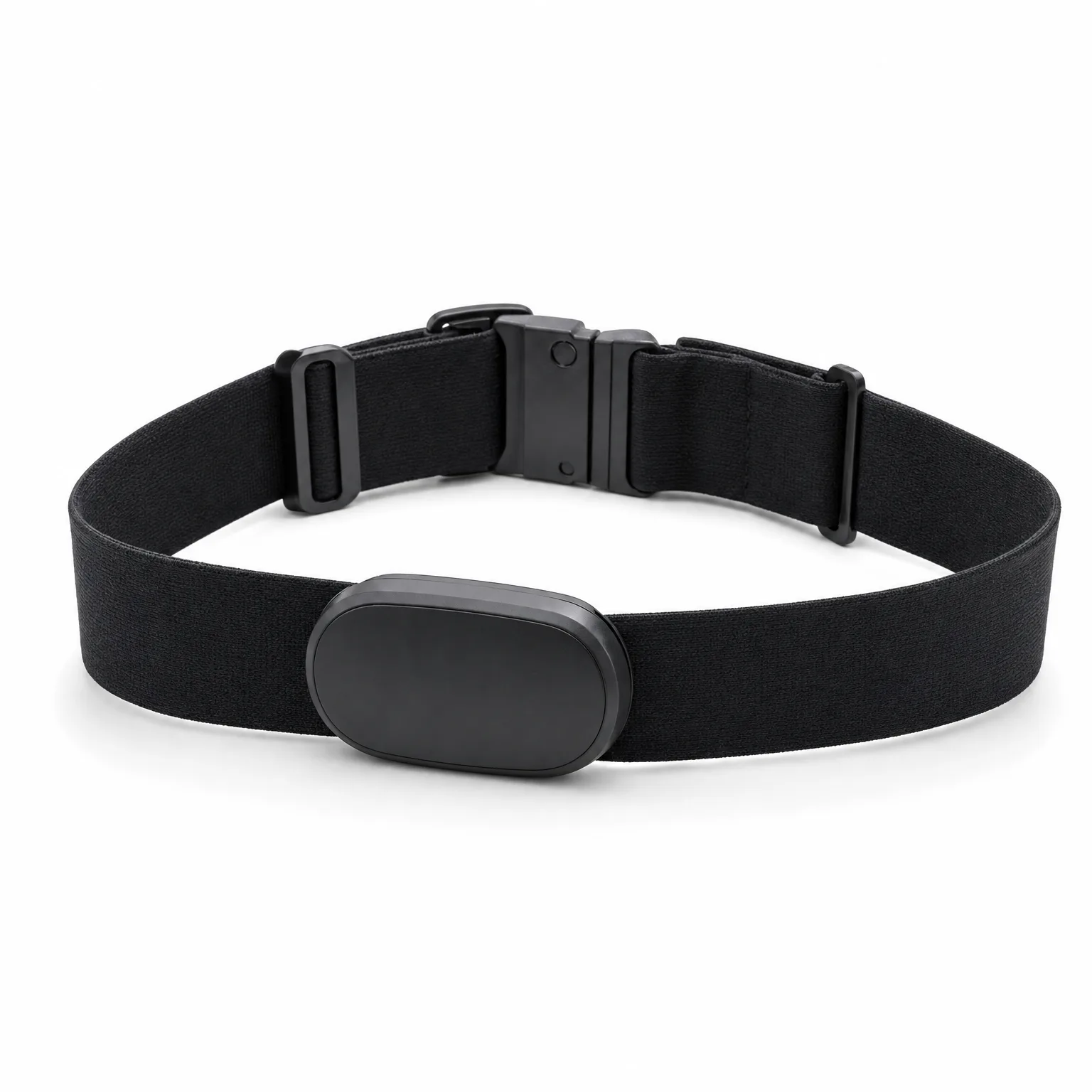
Heart rate monitor
A chest strap or armband that measures heart rate during exercise and sends it to a watch, phone or cardio machine in real time. -

Exercise mat
A cushioned, non-slip surface for floor exercises, stretching and yoga. The first thing most people need to train at home. -
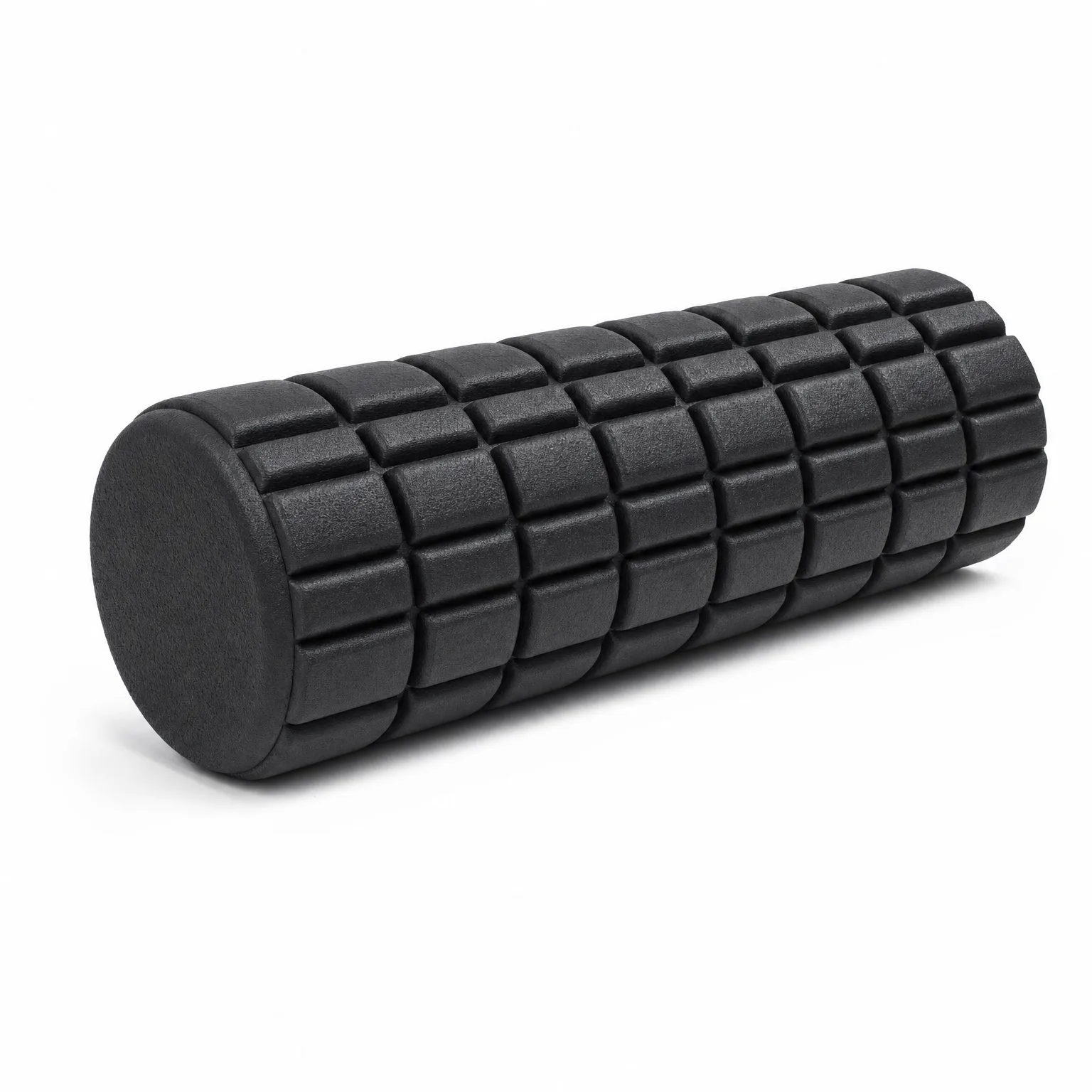
Foam roller
A firm foam cylinder you lie on and roll along a muscle for self-massage, usually during a warm-up or after training.
Questions about indoor cycling bike
Indoor cycling bike vs upright exercise bike: what is the difference?
An indoor cycling bike has a weighted flywheel, a narrow saddle, a forward riding position and a resistance knob, and you can stand on the pedals. An upright bike has a wide saddle, high handlebars and resistance levels set from a console, and you ride it seated. The first suits hard efforts, the second relaxed steady cardio.
Is a spin bike the same as an exercise bike?
A spin bike is one type of exercise bike. Exercise bike is the general term and also covers upright and recumbent bikes. Spin bike is the everyday name for an indoor cycling bike, taken from a branded class format.
How should I set the seat height on an indoor cycling bike?
Set it so the knee is slightly bent when the pedal is at its lowest point. A quick starting point is hip-bone height when you stand beside the bike. If your hips rock, lower it a little. If your knees feel cramped at the top of the stroke, raise it.
How long should I ride an indoor cycling bike?
For general fitness, 20–40 minutes at a steady effort three to five times a week is a solid routine. Beginners can start with 10–15 minutes and add a few minutes each week. Interval sessions are often shorter: 15–30 minutes including warm-up.
Does an indoor cycling bike build leg muscle?
It builds endurance in the quads, glutes and hamstrings, and beginners often see some muscle growth from hard, high-resistance riding. For noticeably bigger or stronger legs, add strength training such as squats, lunges and leg presses.
Build programs around what your client has
This guide comes from OnlineFitness.app, the app online coaches run their clients in.
Free for life for the first 100 coachesNo card