Upright bike
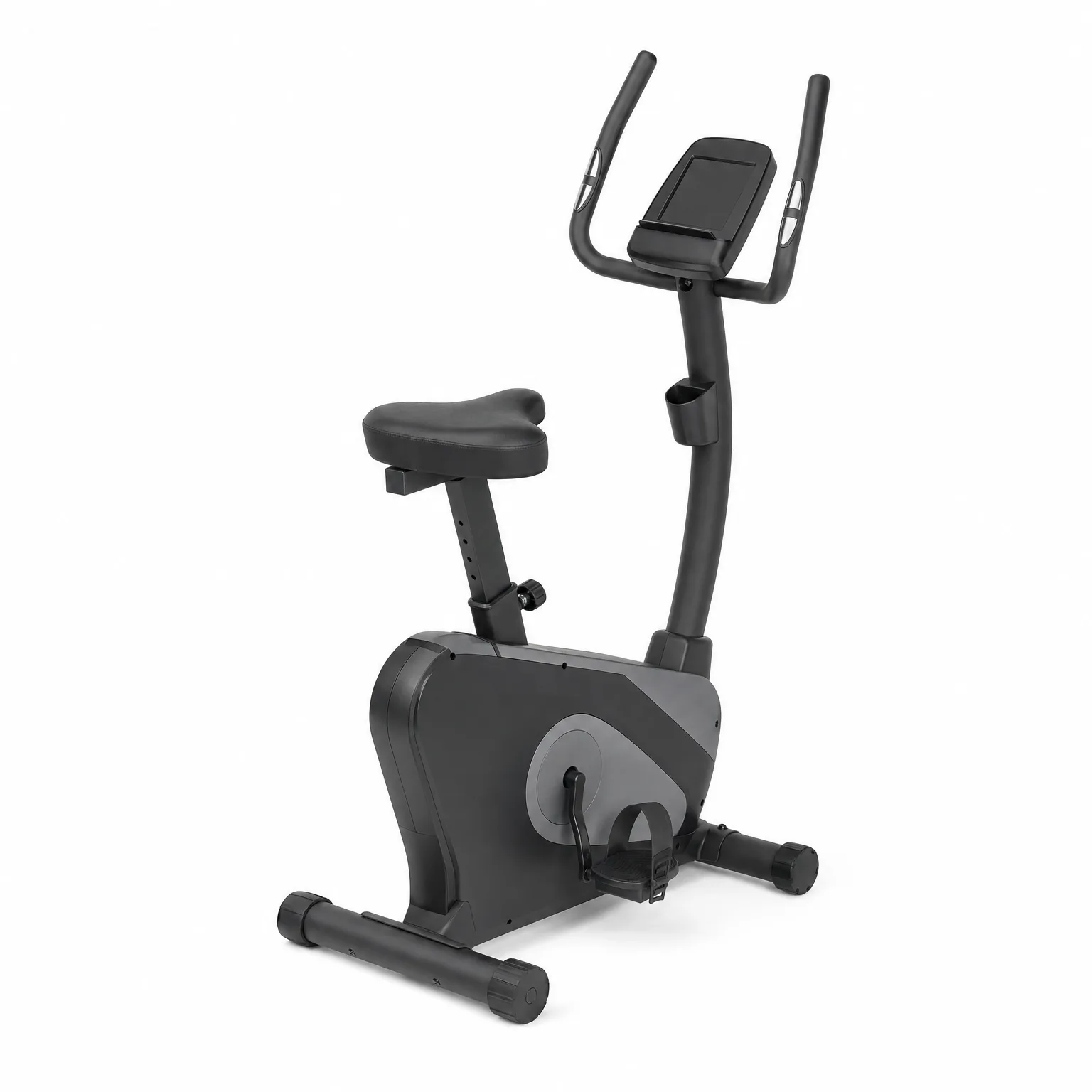
The classic stationary bike: wide saddle, high handlebars, a console and resistance levels. Made for comfortable seated cardio.
In short
An upright bike is a stationary bike you sit on with the torso close to vertical, hands on high handlebars and pedals directly below the hips. Resistance is set with buttons or a dial, usually by a magnet and a small enclosed flywheel, and a console shows time, speed and often heart rate. It is used for steady cardio, warm-ups and moderate intervals.
It differs from an indoor cycling bike, which has a heavy flywheel, a narrow saddle, low handlebars and a forward lean, and is built for standing climbs and sprints. The upright bike is quieter, simpler and more relaxed, and you stay seated. It suits beginners and people who want easy-to-control cardio at home.
- Category
- Cardio
- Where
- Home, Gym
- Level
- Beginner and up
- Space
- Needs a corner of a room
- Typical sizes
- Footprint about 90–120 x 50–60 cm (35–47 x 20–24 in), about 130–150 cm (51–59 in) tall; folding models are smaller
- Also called
- upright exercise bike, upright stationary bike, stationary bike, upright cycle, gym bike, cardio bike, folding exercise bike
Muscles it works
- Main
- Quads, Glutes, Hamstrings
- Also works
- Calves, Tibialis anterior
What it is used for
- Steady low-to-moderate cardio for 20–60 minutes
- A 5–10 minute warm-up before strength training
- Seated intervals: harder minutes followed by easy ones
- Preset programs with changing resistance or heart rate targets
- Easy pedaling on recovery days
Types
Magnetic with console. The standard type. Resistance levels are set electronically, with built-in programs. Quiet and smooth.
Self-powered. Common in gyms. Pedaling generates the power for the console, so no wall socket is needed.
Folding X-frame. A light home bike that folds flat for storage. Shorter adjustment range and a lighter flywheel, fine for easy and moderate rides.
Manual dial. A basic bike with a tension knob and a simple display. Cheap, with no programs.
Upright with moving arms. Handles that move back and forth with the pedals. A step toward an air bike, with magnetic resistance.
How to choose
Check the seat adjustment range
The saddle must go high enough for your leg to be almost straight at the bottom of the stroke and low enough for the shortest rider in the house. On better bikes the seat also slides forward and back. Compare the stated rider height range with your own.
Look at the resistance, not the programs
A wide range of evenly spaced levels matters more than a long list of workouts. The lowest level should feel almost free and the highest should be hard to turn while seated.
Upright or another bike type
Choose an upright for relaxed seated cardio in a small space. Choose an indoor cycling bike for hard intervals and riding out of the saddle. Choose a recumbent if you want a chair-like seat with back support.
Mind the saddle and the frame
A wide padded saddle is comfortable for 20–30 minutes. For longer rides a firmer, slightly narrower one often feels better. A heavier frame rocks less. The weight limit depends on the manufacturer's rating.
How to start using it
- Set the saddle height. Stand next to the bike and set the saddle level with your hip bone. Then sit and put a heel on the pedal at its lowest point: the leg should be straight. With the ball of the foot on the pedal, the knee will then have a slight bend, about 25–35 degrees.
- Set the handlebars and straps. Raise the handlebars so you can hold them with a tall back and relaxed shoulders. Put the ball of each foot over the pedal axle and tighten the straps so the feet do not slide.
- Start easy. Pedal for 5 minutes at a low level and a pace of about 60–80 revolutions per minute. You should be able to talk in full sentences. Then raise the level until breathing is deeper but still controlled.
- Build time before intensity. Begin with 15–20 minutes three times a week. Add a few minutes each week up to 30–45, then add intervals, for example 1 minute harder and 2 minutes easy, repeated 6–8 times.
Common mistakes
Saddle too low
A low saddle keeps the knees sharply bent all the way round, tires the thighs early and can feel uncomfortable at the front of the knees. It is the most common setup error. Raise it until the leg is almost straight at the bottom.
Saddle too high
If the hips rock from side to side or the toes reach for the pedals, the saddle is too high. Lower it one notch at a time.
Spinning with no resistance
Pedaling fast at the lowest level feels busy and does little. Add enough resistance that you feel the legs push on every stroke.
Leaning on the handlebars
Slumping forward with the weight on the hands rounds the back and loads the wrists. Sit tall and hold the bars lightly.
Trusting the console numbers
Calorie and distance figures are estimates and differ from bike to bike. Use time, resistance level and how hard it feels to track progress.
What to use instead
An indoor cycling bike does everything an upright does and adds standing efforts, with a less comfortable saddle. A recumbent bike gives the same leg work in a reclined seat with back support. An air bike adds the arms and is much harder at speed. An elliptical is the closest standing option with no impact. A regular bicycle outdoors or on an indoor trainer works the same muscles.
-
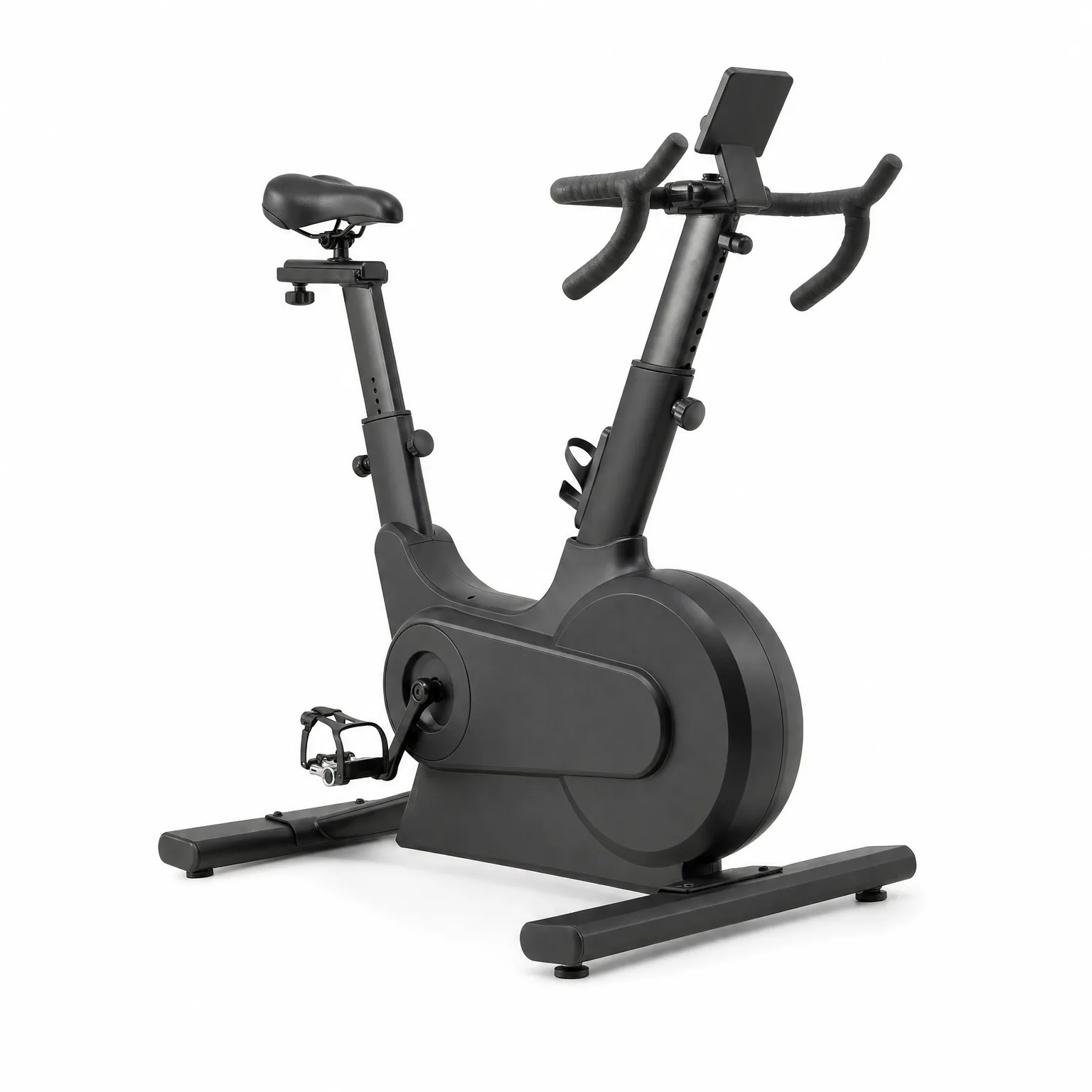
Indoor cycling bike
A stationary bike with a weighted flywheel, a narrow saddle and a road-bike position. Built for hard intervals and riding out of the saddle. -
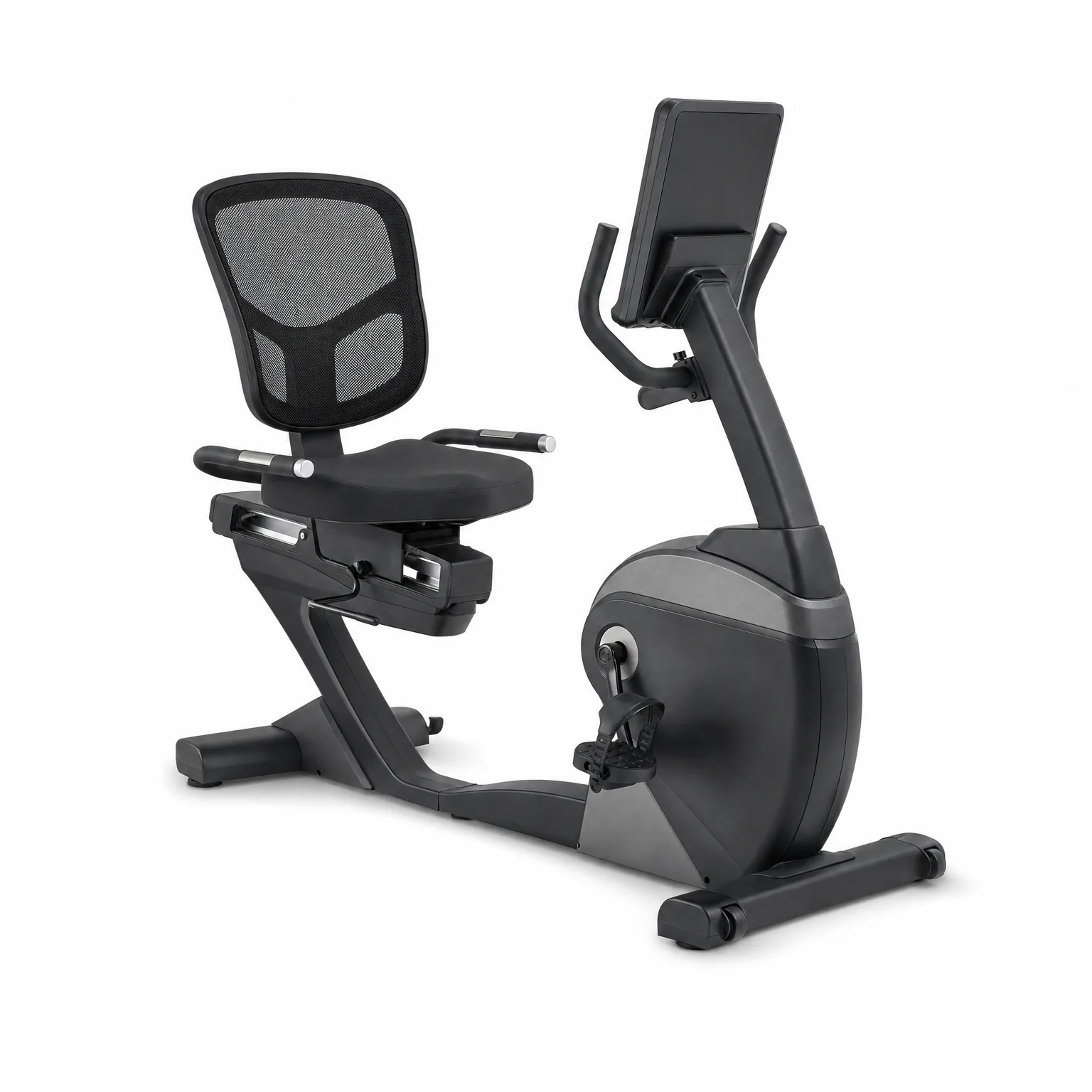
Recumbent bike
A stationary bike with a wide seat, a backrest and pedals out in front. The most supported way to do seated cardio. -
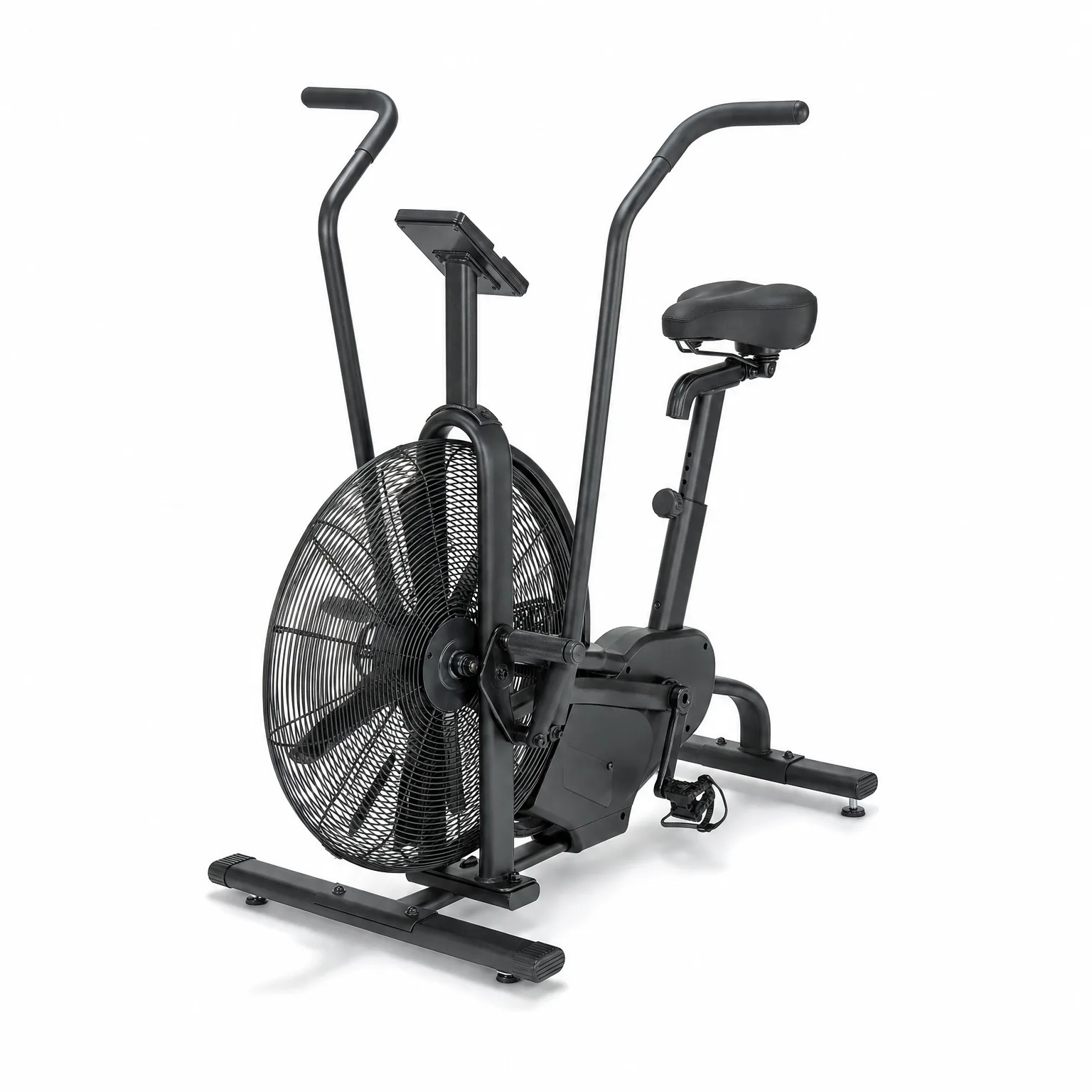
Air bike
A stationary bike with a large fan and moving handles. Arms and legs work together, and the harder you push, the harder it gets. -
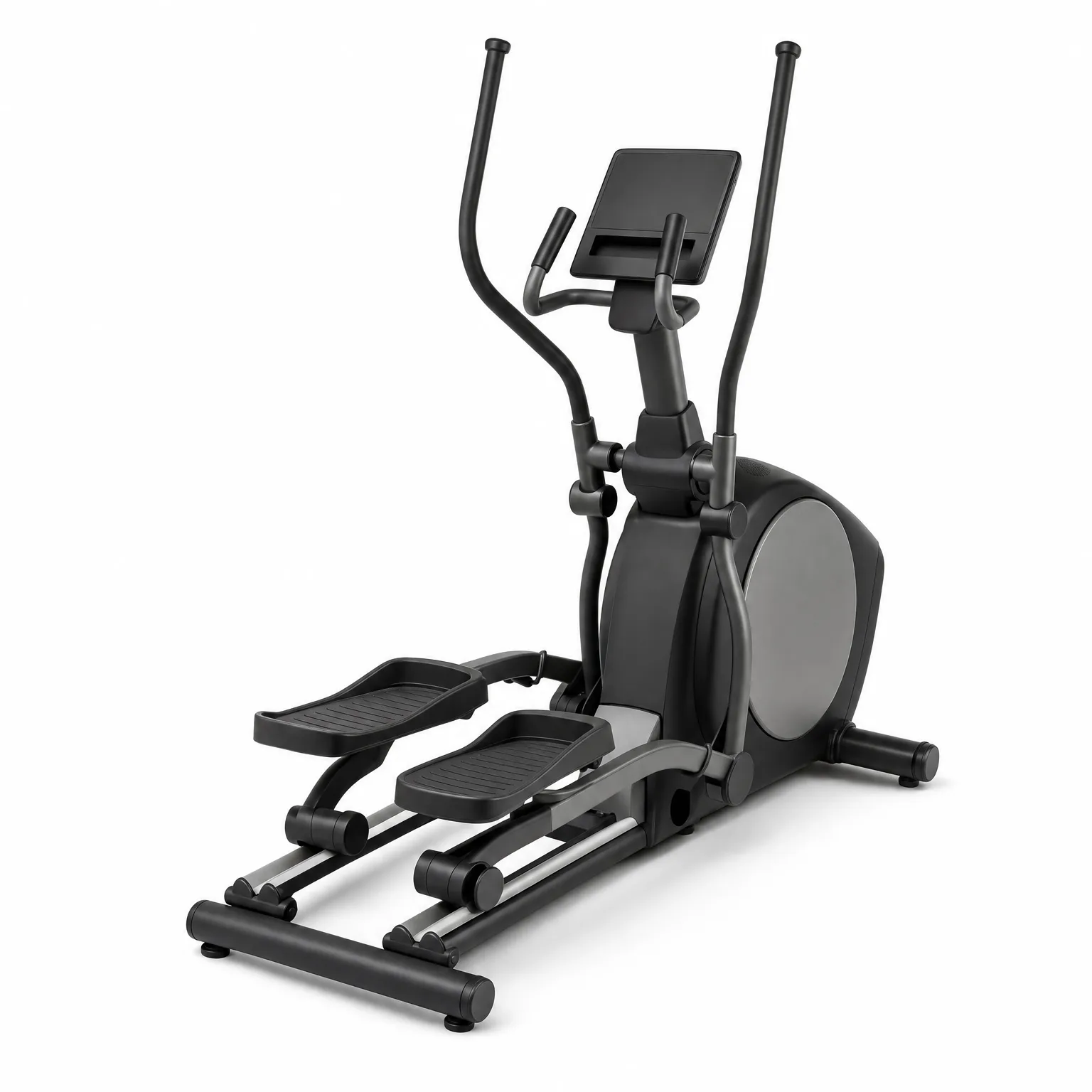
Elliptical
A standing cardio machine with two pedals that travel in an oval path and handles that move with them. Your feet never leave the pedals.
Often used with
-
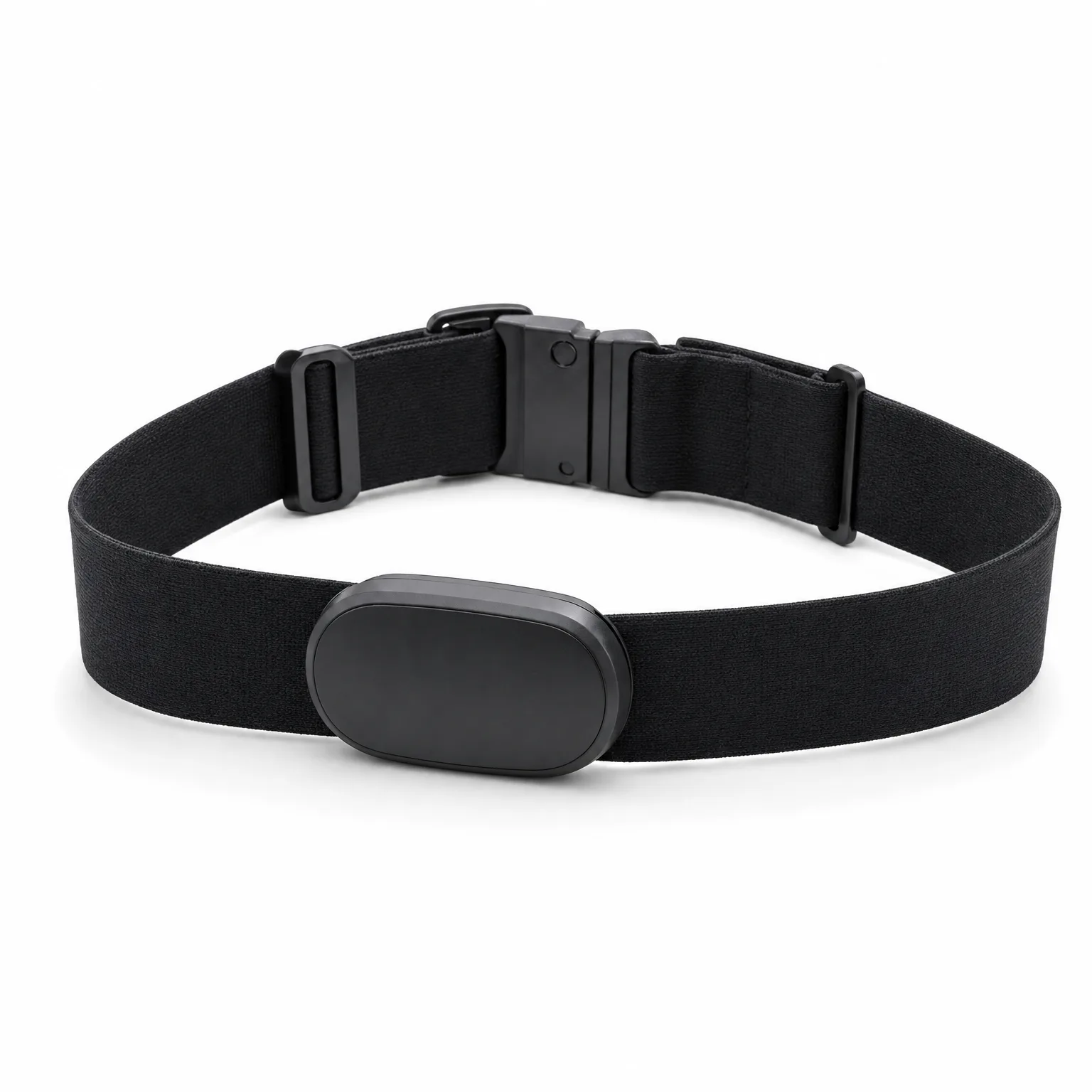
Heart rate monitor
A chest strap or armband that measures heart rate during exercise and sends it to a watch, phone or cardio machine in real time. -
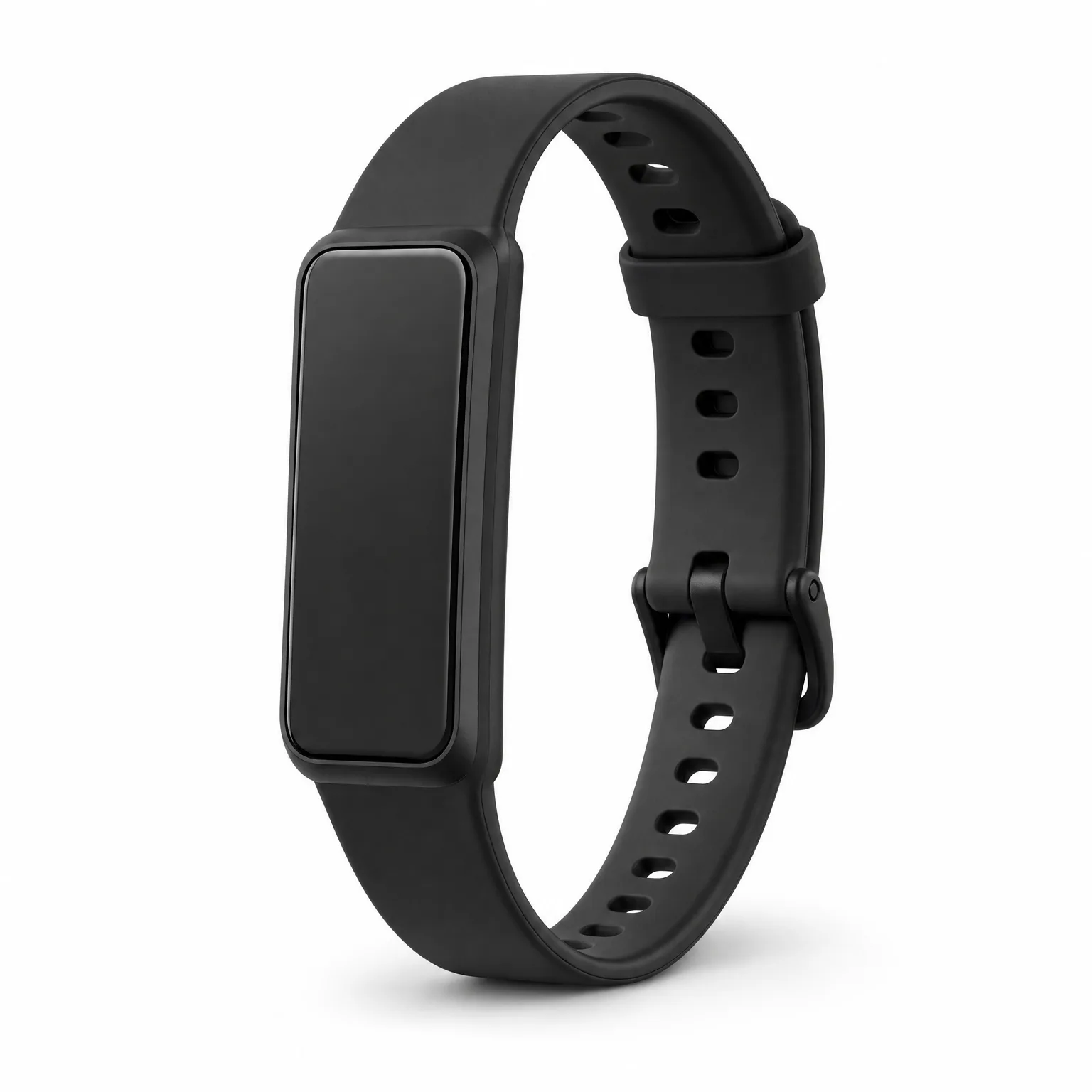
Fitness tracker
A wrist-worn band or watch that counts steps, logs workouts and estimates heart rate and sleep all day. Good for trends, approximate for detail. -

Exercise mat
A cushioned, non-slip surface for floor exercises, stretching and yoga. The first thing most people need to train at home.
Questions about upright bike
What is the difference between an upright bike and a spin bike?
An upright bike has a wide saddle, high handlebars, electronic resistance levels and a console, and you ride it seated. A spin or indoor cycling bike has a heavy flywheel, a narrow saddle, low handlebars and a resistance knob, and is built for sprints and standing climbs. The upright is more comfortable, the spin bike allows harder efforts.
Upright bike vs recumbent bike: which should I choose?
On an upright you sit above the pedals and hold your own torso up, and the bike takes less floor space. On a recumbent you sit in a wide seat with a backrest and the pedals in front, which is easier to get onto and more comfortable for long sessions. Leg work is similar. Choose by comfort and space.
Is an upright bike good for beginners?
Yes. It is easy to get on, the movement needs no skill, there is no landing impact, and you control the effort with one button. Start with 15–20 minutes at a pace where you can still talk.
How long should I ride an upright bike?
For general fitness, 20–45 minutes at a moderate effort three to five times a week is a common target. Beginners can start with 10–15 minutes and add a few minutes each week.
What muscles does an upright bike work?
Mostly the quads, glutes and hamstrings, with the calves and shin muscles working at the ankle. The trunk holds you upright. The arms and upper body do very little.
Build programs around what your client has
This guide comes from OnlineFitness.app, the app online coaches run their clients in.
Free for life for the first 100 coachesNo card