Elliptical
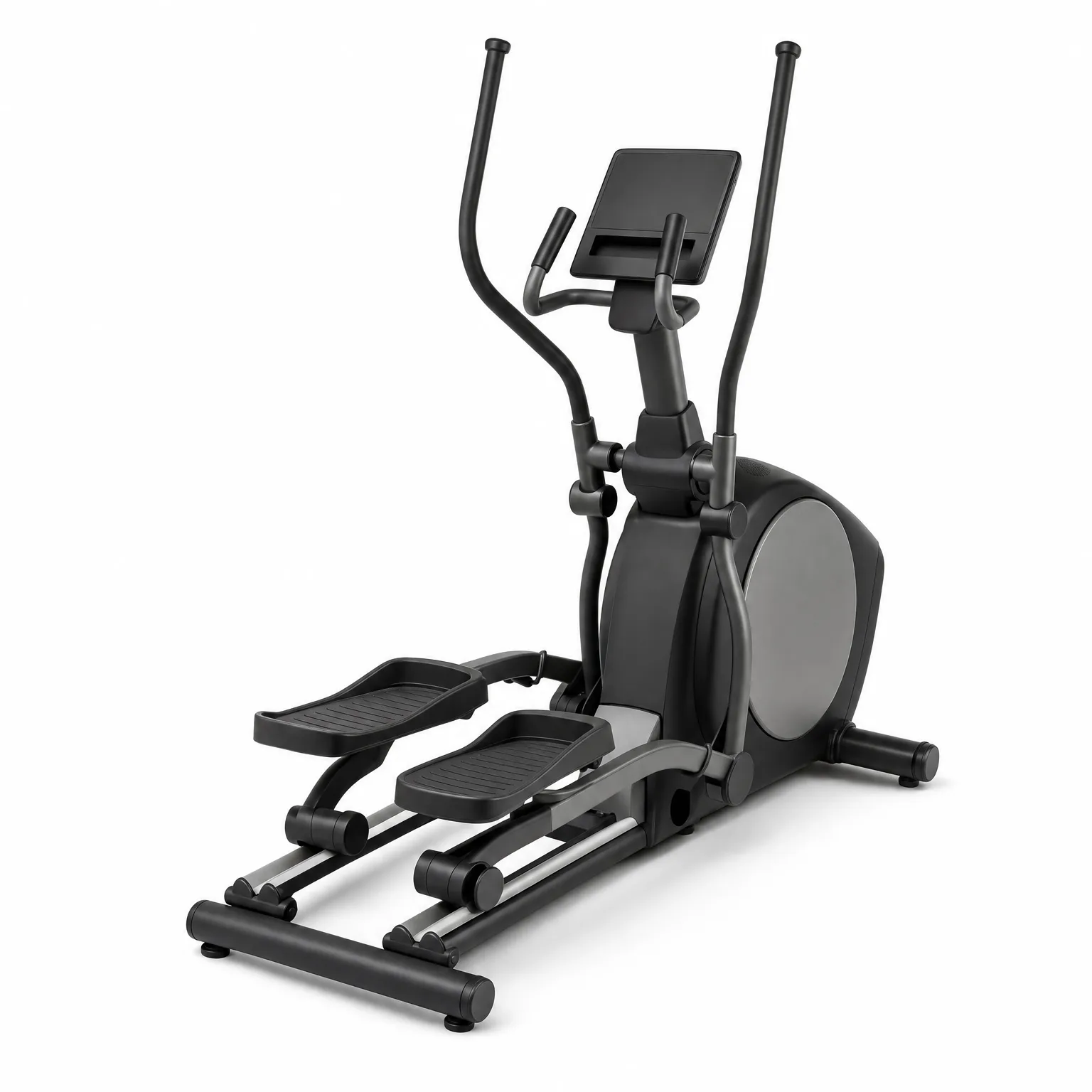
A standing cardio machine with two pedals that travel in an oval path and handles that move with them. Your feet never leave the pedals.
In short
An elliptical, also called a cross trainer, is a cardio machine you stand on. Two pedals move in a long oval path, somewhere between walking, cycling and stair climbing, and two handles swing back and forth with them. Because your feet stay on the pedals the whole time, there is no landing impact as there is in running.
It is used for steady cardio and intervals. The legs do most of the work, and pushing and pulling the handles adds the chest, back and arms. The movement is guided and easy to learn, so it suits beginners well.
- Category
- Cardio
- Where
- Home, Gym
- Level
- Beginner and up
- Space
- Needs a dedicated area
- Typical sizes
- Stride length 40–56 cm (16–22 in), shorter on compact models; footprint about 150–210 cm x 60–80 cm (59–83 x 24–31 in)
- Also called
- elliptical trainer, elliptical machine, cross trainer, cross-trainer, elliptical cross trainer
What it is used for
- Steady cardio of 20–45 minutes
- Intervals made by raising the resistance or the ramp
- Warm-ups that bring in arms and legs together
- Cardio days between runs for people who run
- Pedaling backward for variety, which tends to shift work toward the quads
Types
Rear-drive. The flywheel sits behind the pedals. A long, flat stride that feels close to walking or jogging. Usually the longest machines.
Front-drive. The flywheel is in front. Common at home. The stride tends to feel a little more like climbing.
Center-drive. The drive sits beside the pedals, not in front or behind. A short footprint and an upright posture.
Adjustable stride or incline. A ramp or motor changes the stride length or the slope of the path, which moves the emphasis between quads, glutes and calves.
How to choose
Stride length comes first
A stride that is too short feels like marching on the spot. Most adults are comfortable at 46–51 cm (18–20 in). People under about 160 cm (5 ft 3 in) can use 40–46 cm, and tall users do better with 51 cm or more.
Check the pedal spacing
Pedals set close together keep the hips and knees in a natural line. Wide-set pedals make you stand with your feet apart, which gets uncomfortable in long sessions.
Measure ceiling height
At the top of the stroke you stand 30–50 cm (12–20 in) above the floor. Add that to your height, plus some clearance, before putting the machine in a low room.
Prefer a smooth, quiet drive
Magnetic resistance and a heavier flywheel give an even motion with no jerk at the ends of the stride. If you can, try the machine at low and high resistance before choosing.
Read the rated user weight
It is set by the manufacturer and varies widely, especially among compact home models. Light machines can rock at higher speeds.
How to start using it
- Get on with the pedals low. Hold the fixed handles, step onto the lower pedal first, then the other. Start pedaling forward to wake the console.
- Stand tall. Keep your chest up, shoulders relaxed and your weight spread over the whole foot. Look ahead. The moving handles should be held lightly, not leaned on.
- Set a resistance you can feel. The pedals should push back enough that you drive them, not chase them. If your legs spin freely or you bounce, raise the level.
- Use the arms on purpose. Push one handle as you pull the other, in time with the legs. Or hold the fixed handles, or let go entirely for a while, to put all the work in the legs and challenge your balance.
- Start with 15–20 minutes. Use a steady effort at which you can still talk. Add a few minutes each week, then introduce intervals: one or two minutes at a higher resistance, followed by the same time easy.
Common mistakes
Resistance too low
With almost no resistance the flywheel's momentum carries your legs, and you do very little work for the time spent. Add resistance until each stride takes effort.
Leaning on the handles
Hanging your weight on the console or the handles takes load off the legs and rounds the upper back. Stand upright and keep the grip light.
Staying on the toes
Riding on the balls of the feet for a whole session is a common cause of numb toes and tight calves. Let the heels stay down for most of the stride and loosen tight shoes.
Doing the same session every time
The same level for the same 30 minutes stops being a challenge after a few weeks. Change the resistance, the ramp, the direction or the interval pattern.
What to use instead
A treadmill is the closest replacement for the leg pattern, with the impact of walking or running added. An exercise bike gives the same no-landing cardio in a seated position. A stair climber covers the climbing feel at a higher intensity. At home with little room, a mini stepper offers a small standing, leg-driven alternative.
-
Treadmill
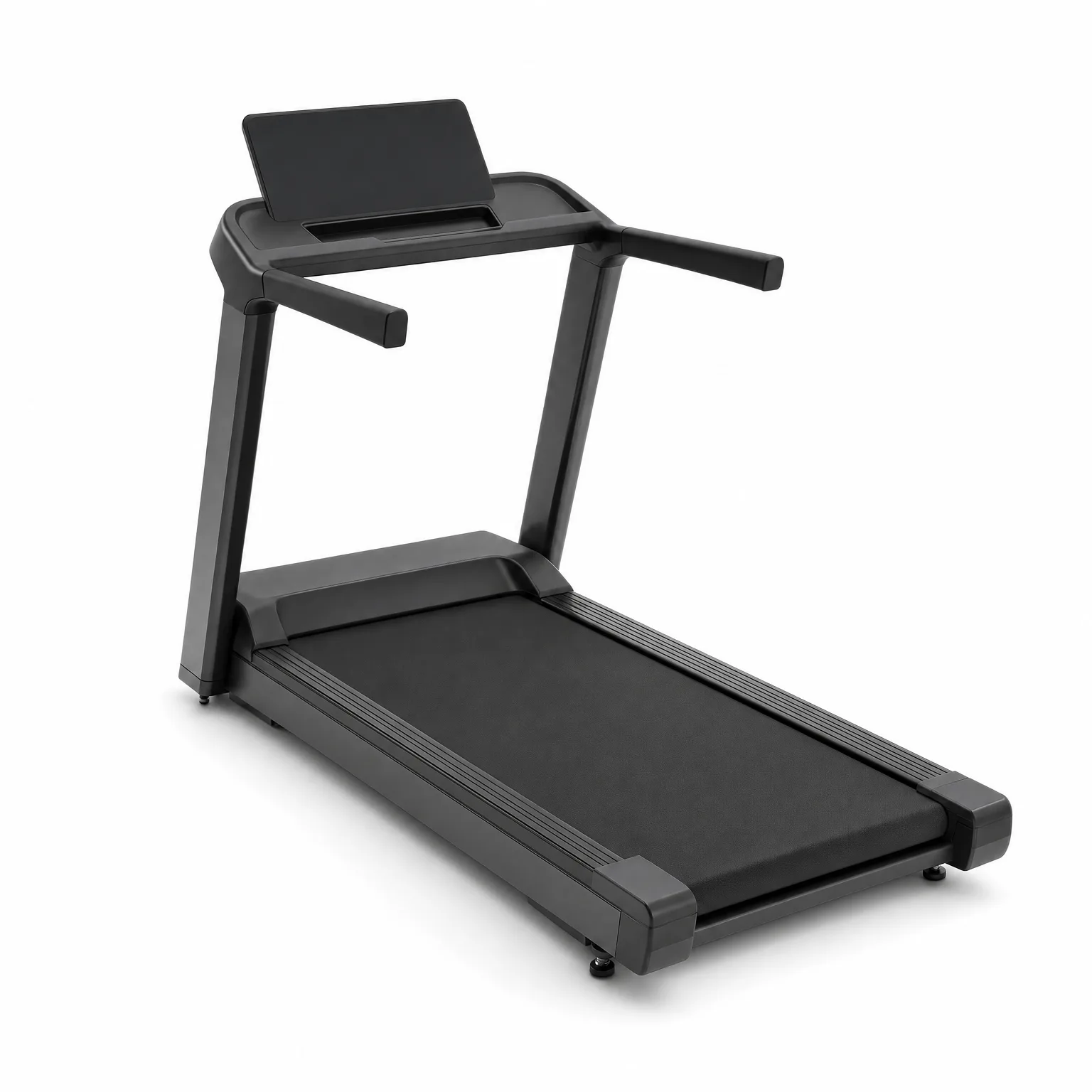
A moving belt for walking and running indoors. You set the speed and incline, so the pace stays exactly where you put it. -
Indoor cycling bike
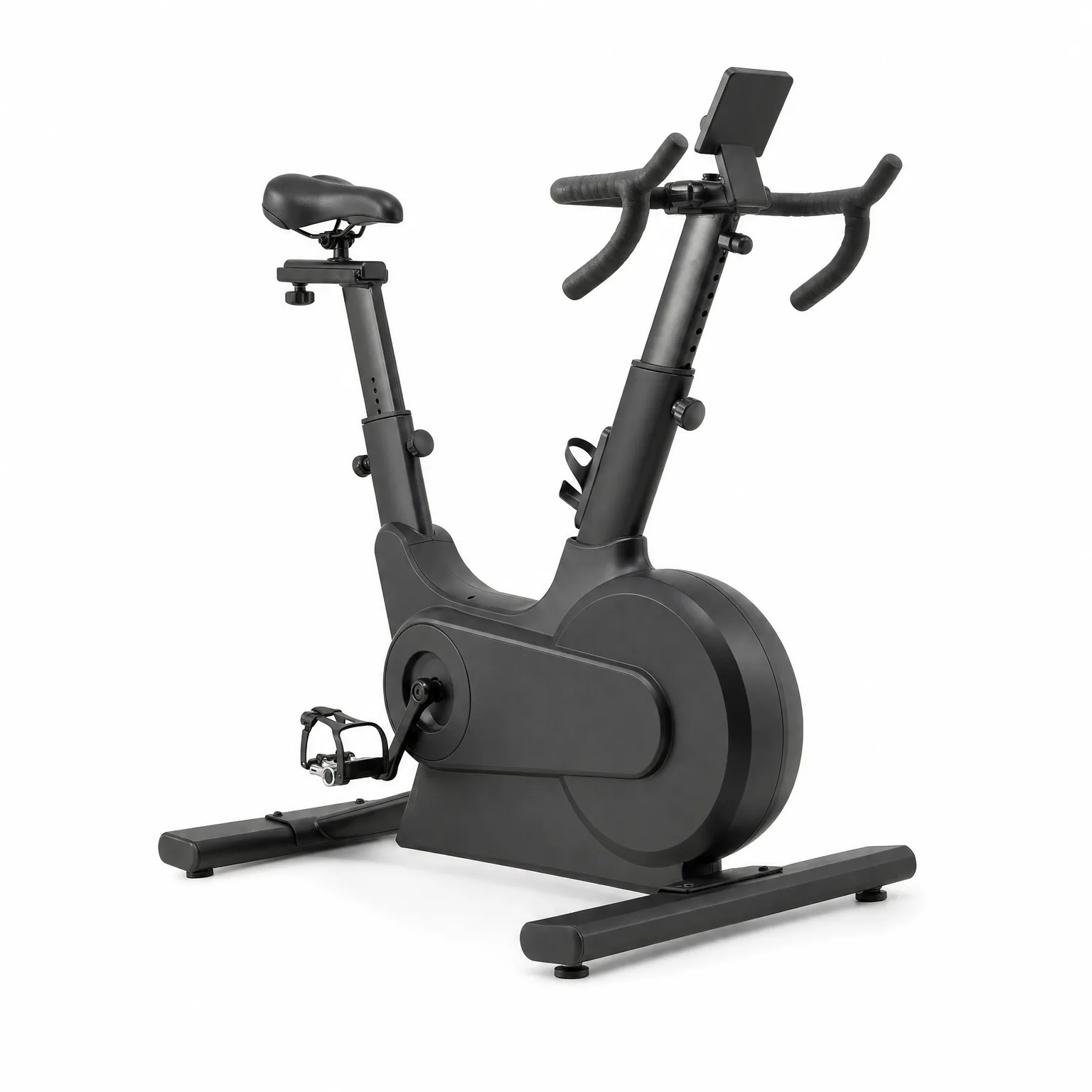
A stationary bike with a weighted flywheel, a narrow saddle and a road-bike position. Built for hard intervals and riding out of the saddle. -
Stair climber
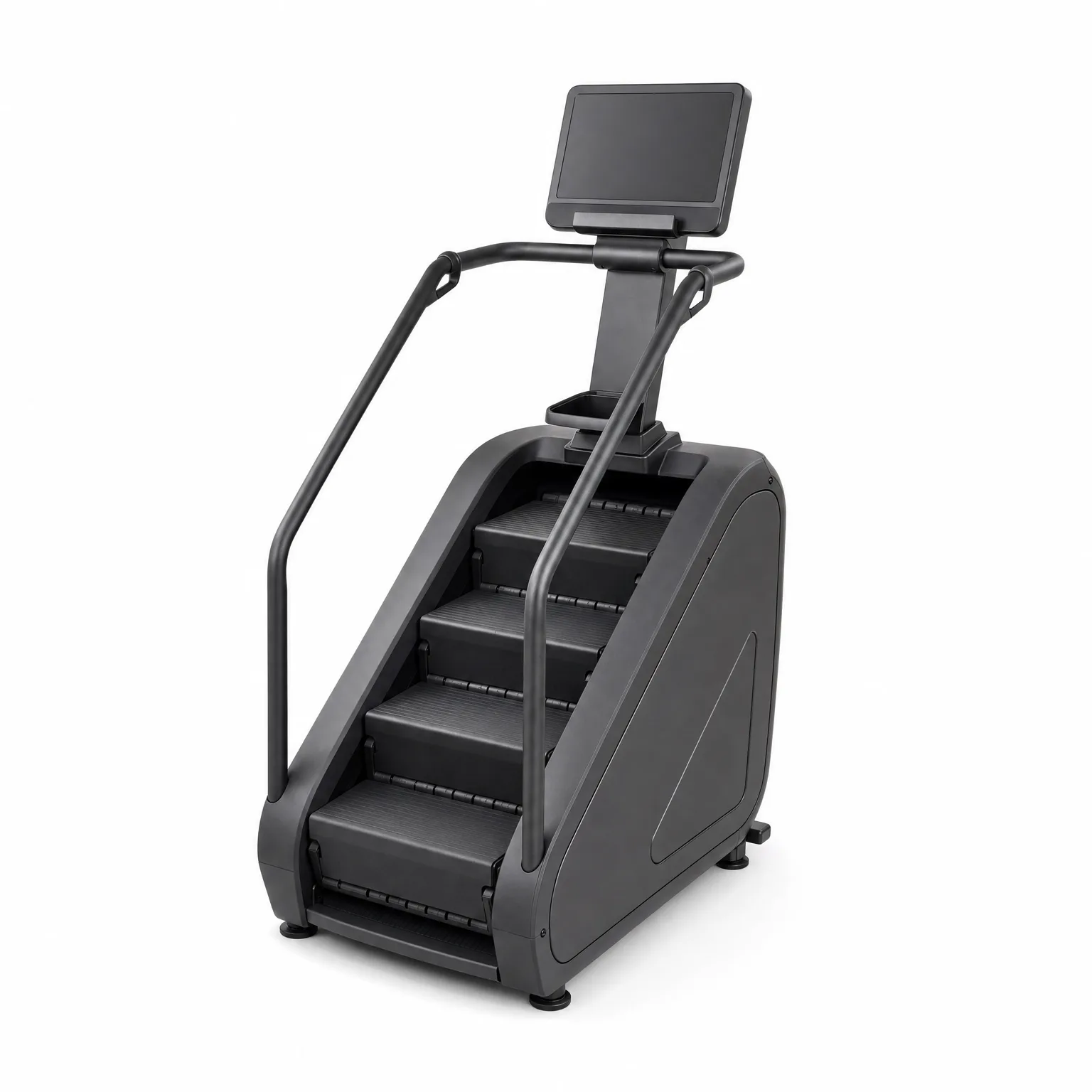
A gym machine that imitates climbing stairs, either with a revolving staircase or with two pedals. It works the glutes, quads and calves. -
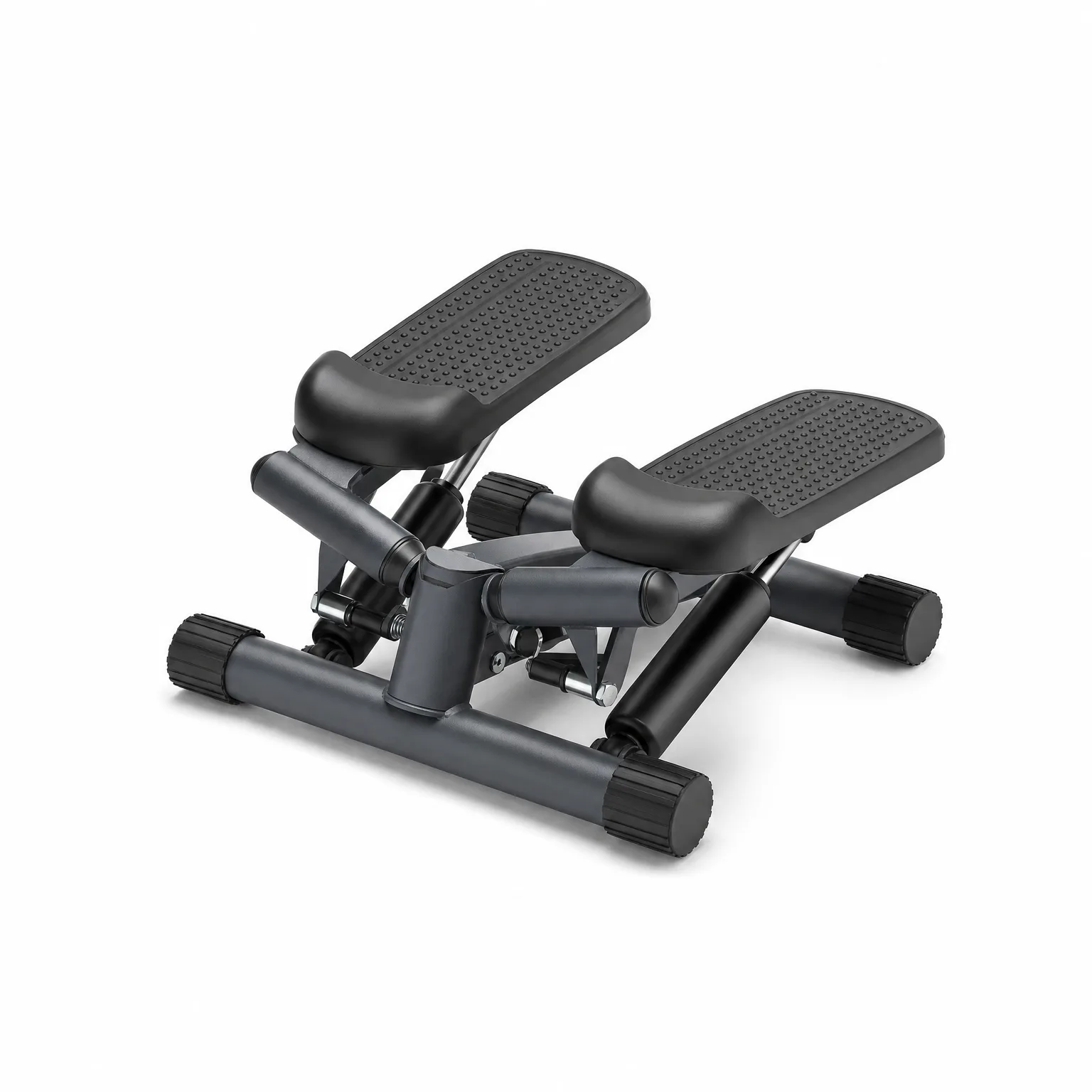
Mini stepper
A small home machine with two pedals on hydraulic cylinders. You step in place to train the legs and raise the heart rate.
Often used with

Questions about elliptical
Elliptical vs treadmill: which is better?
They suit different aims. A treadmill trains actual walking and running and prepares you for doing them outside. An elliptical has no landing impact and brings in the arms, and many people find a given effort feels easier on it. For general fitness either works, so use the one you will keep using.
What muscles does an elliptical work?
Mainly the quads, glutes, hamstrings and calves. Pushing the handles adds the chest and triceps, and pulling them adds the lats and biceps. Pedaling backward or raising the ramp shifts the emphasis between the front and back of the legs.
What stride length do I need on an elliptical?
Most adults fit 46–51 cm (18–20 in). Shorter people are comfortable at 40–46 cm (16–18 in), and people over about 185 cm (6 ft 1 in) usually prefer 51–56 cm (20–22 in). If several people will use the machine, an adjustable stride helps.
Is it worth pedaling backward on an elliptical?
It is a simple way to add variety. Going backward tends to put more of the work on the quads and makes you pay attention to balance and posture. Use it for a few minutes at a time inside a normal session.
Build programs around what your client has
This guide comes from OnlineFitness.app, the app online coaches run their clients in.
Free for life for the first 100 coachesNo card