Equipment Mobility and recovery
Foam roller
A firm foam cylinder you lie on and roll along a muscle for self-massage, usually during a warm-up or after training.
In short
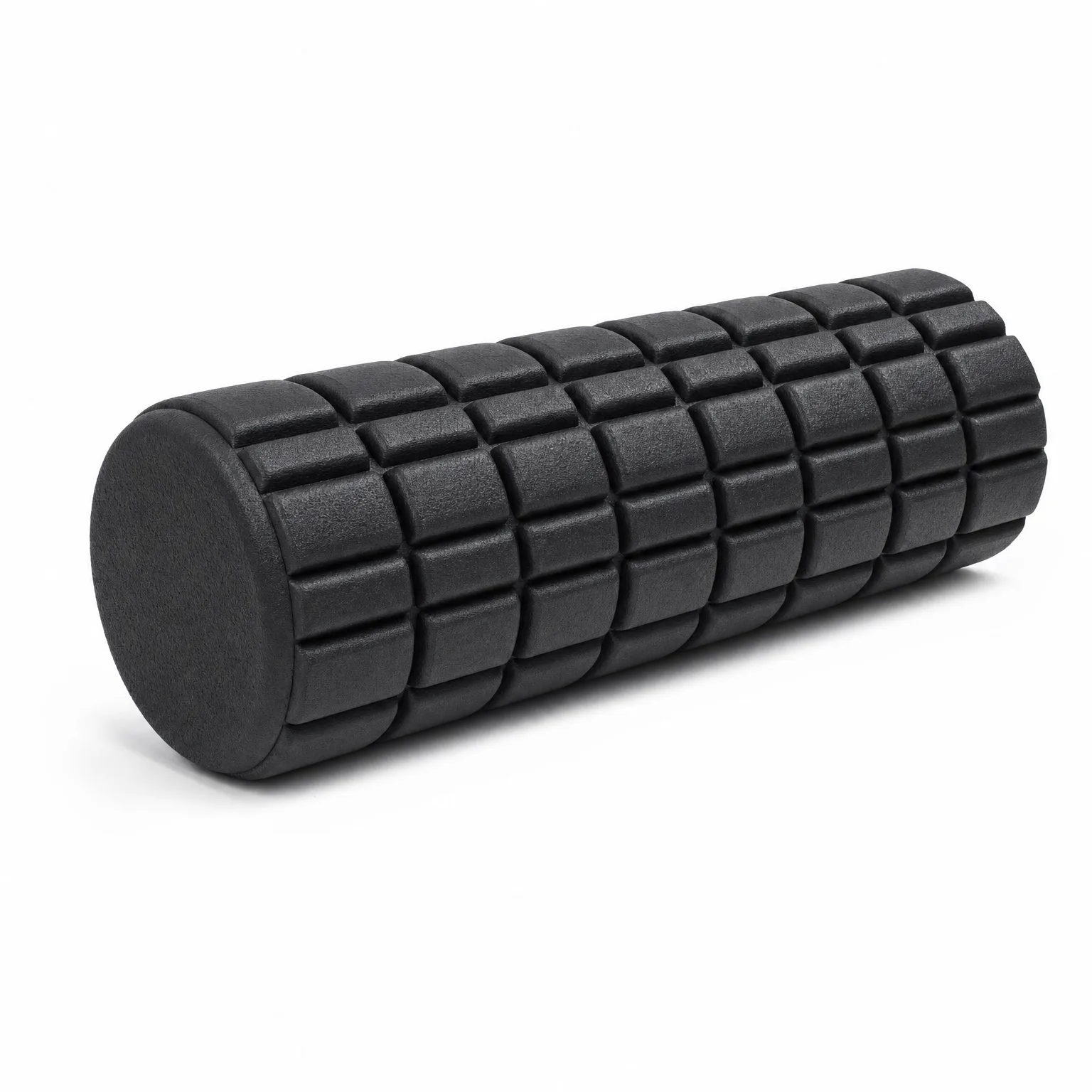
A foam roller is a firm cylinder of foam, about 15 cm (6 in) across, that you place between your body and the floor. You rest a muscle on it and move slowly back and forth, using your body weight as the pressure. People use it for self-massage of the thighs, calves, glutes and upper back.
Most people roll for a few minutes as part of a warm-up or after a session. It feels like a firm massage: strong pressure, sometimes uncomfortable on tight spots, often followed by a looser feeling in the muscle and easier movement for a short while. It is simple enough for beginners.
- Category
- Mobility and recovery
- Where
- Home, Gym, Travel
- Level
- Beginner and up
- Space
- Needs a corner of a room
- Typical sizes
- 30–90 cm long (12–36 in), about 13–15 cm (5–6 in) in diameter
- Also called
- foam roll, muscle roller, massage roller, self-massage roller, grid roller, textured foam roller
What it is used for
- Self-massage of large muscles: quads, hamstrings, calves, glutes, lats
- Part of a warm-up before strength or running sessions
- Winding down after training
- Rolling the upper back and lying along the roller to open the chest
- A prop for balance and core exercises, lying along its length
Types
Soft, low-density. Usually white or light foam that gives under your weight. The gentlest option for a first roller. Loses its shape sooner with regular use.
Firm, high-density. Dense EPP or molded foam, often black. Stronger pressure and keeps its shape for years. The most common all-round choice.
Textured or grid. A hollow plastic core wrapped in foam with ridges or bumps. Firm, compact and durable, with more pointed pressure than a smooth roller.
Vibrating. A firm roller with a built-in motor. Adds vibration to the pressure. Heavier, needs charging and costs more.
Half roller. A cylinder cut lengthwise with one flat side. Stays put on the floor. Used more for balance drills and calf stretches than for rolling.
How to choose
Start with medium firmness
If you have never rolled before, a very hard or deeply ridged roller can be too intense to relax on. A smooth roller of medium or firm density lets you control pressure by how much weight you put on it.
Pick the length for how you will use it
A 90 cm (36 in) roller is the most stable and lets you lie along it or roll the whole back. A 30–45 cm (12–18 in) roller is enough for legs and glutes and fits in a bag or suitcase.
Smooth or textured
Smooth rollers spread the pressure evenly and suit most people. Ridges and knobs concentrate it on a smaller area. Choose texture only if a smooth roller no longer feels like enough.
Check that it holds its shape
Press a thumb into the foam. It should give slightly and spring straight back. Very soft foam flattens into an oval after a few months of regular use.
How to start using it
- Put the muscle on the roller, not the joint. Sit or lie so the roller is under the belly of the muscle, for example mid-thigh or mid-calf. Support yourself on your hands, forearms or the other leg so you can take weight off when you need to.
- Roll slowly. Move a few centimeters per second along the length of the muscle. About 30–60 seconds per area is typical. Breathe normally and try to let the muscle relax onto the roller.
- Adjust the pressure with your limbs. More weight on your supporting hands or feet means less pressure. Stacking one leg on the other means more. Aim for firm and tolerable, around 5–7 out of 10 for discomfort, never sharp.
- Pause on tender spots. When you find a tight spot, stop on it for 20–30 seconds and keep breathing instead of rolling quickly over it. If the feeling does not ease or turns sharp, move off it.
- Keep the upper back to the upper back. For the back, place the roller across the shoulder blade area, support your head with your hands and lift the hips slightly. Roll between the mid-back and the top of the shoulders, not down to the waist.
Common mistakes
Rolling too fast
Racing back and forth over the muscle makes it tense up against the pressure. Slow down enough that you could stop on any point.
Rolling joints and bones
The roller is meant for muscle. Rolling directly over the knee, the bony side of the hip, the neck or the spine itself is uncomfortable and serves no purpose.
Rolling the lower back
Lying with the lower back across a roller leaves the spine unsupported, and most people tense up instead of relaxing. Roll the glutes, hips and upper back instead.
Pushing through sharp pain
Strong pressure is expected. Sharp, burning or tingling pain is a sign to stop or change position. Do not roll over a recent injury, bruise or swollen area.
Treating it as the whole warm-up
A few minutes of rolling does not raise your heart rate or prepare you for load. Follow it with movement: light sets, dynamic stretches or easy cardio.
What to use instead
Massage balls reach smaller areas that a roller cannot, such as the glutes, the feet and around the shoulder blades, and they pack into a pocket. A massage stick rolls the legs by hand while you sit. A massage gun does a similar job with less effort and no need to get on the floor. With no equipment at all, a filled water bottle or a rolled-up towel gives light pressure under the calves and thighs, although neither is as firm.
-
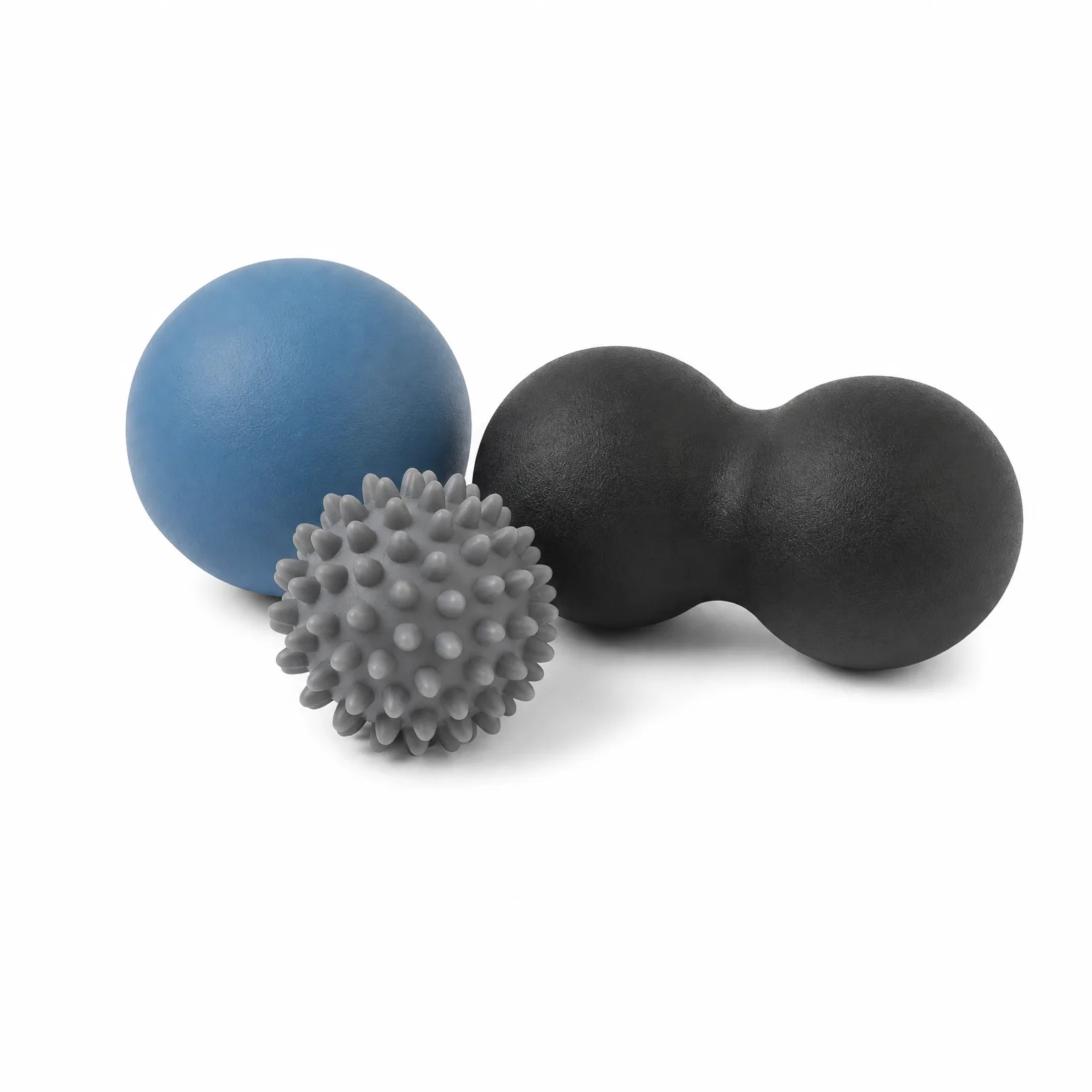
Massage balls
Small firm balls for pinpoint self-massage of the glutes, upper back, feet and other spots a foam roller cannot reach. -
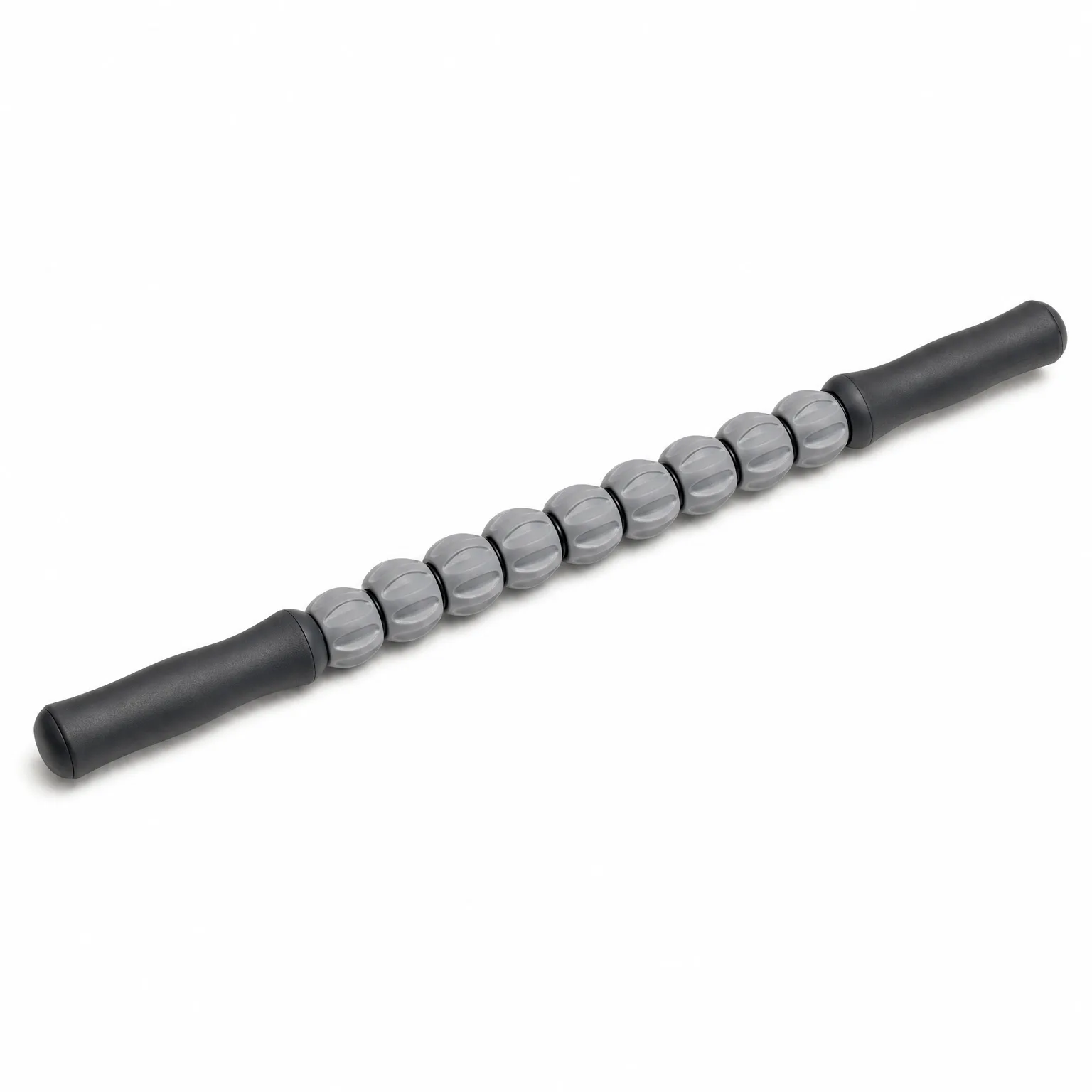
Massage stick
A handheld rod with rolling segments and a grip at each end. You press it into a muscle and roll it with your hands for self-massage. -
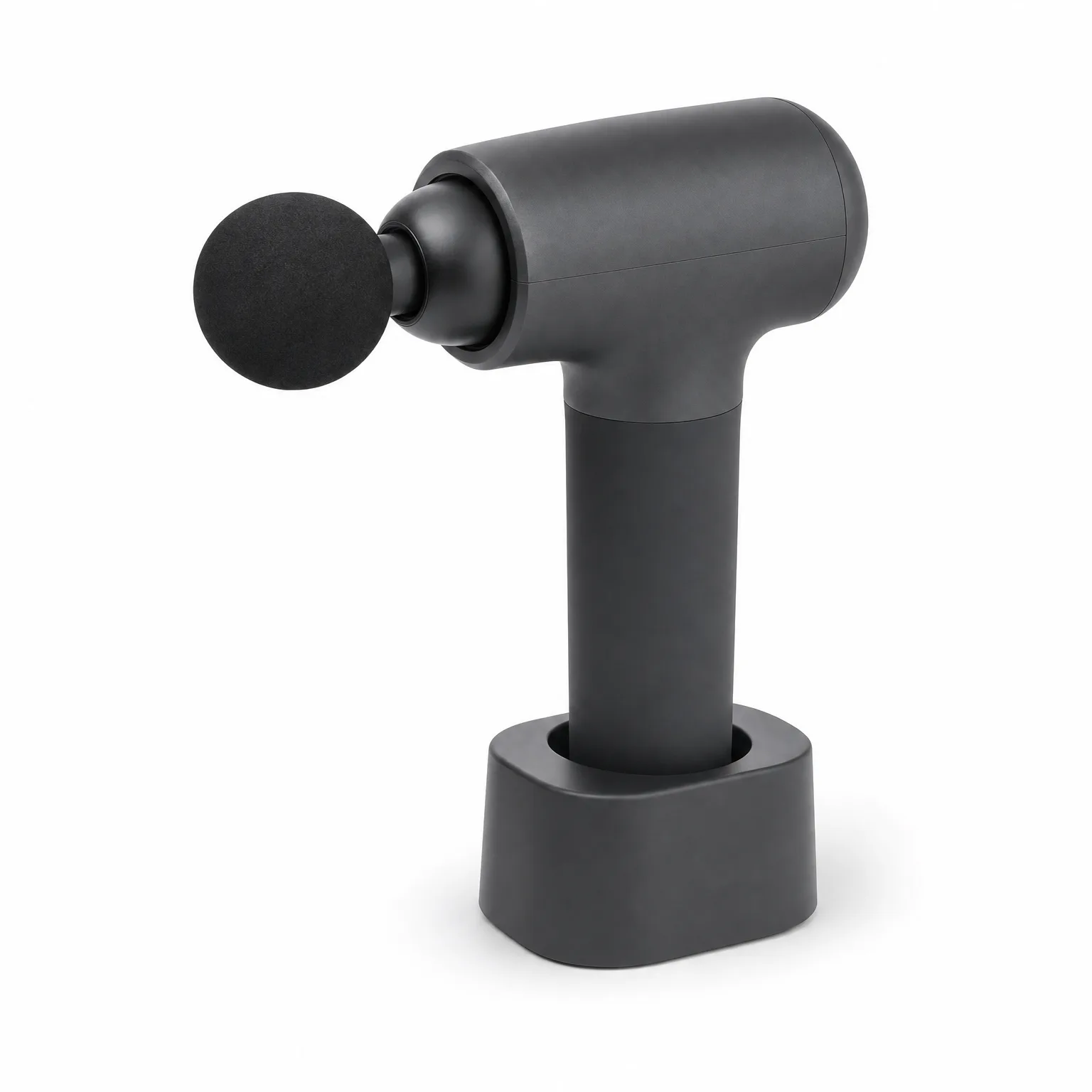
Massage gun
A handheld, battery-powered device that taps a muscle rapidly with a soft head. Used for self-massage before or after training.
Often used with
-

Exercise mat
A cushioned, non-slip surface for floor exercises, stretching and yoga. The first thing most people need to train at home. -
Massage balls
Small firm balls for pinpoint self-massage of the glutes, upper back, feet and other spots a foam roller cannot reach. -
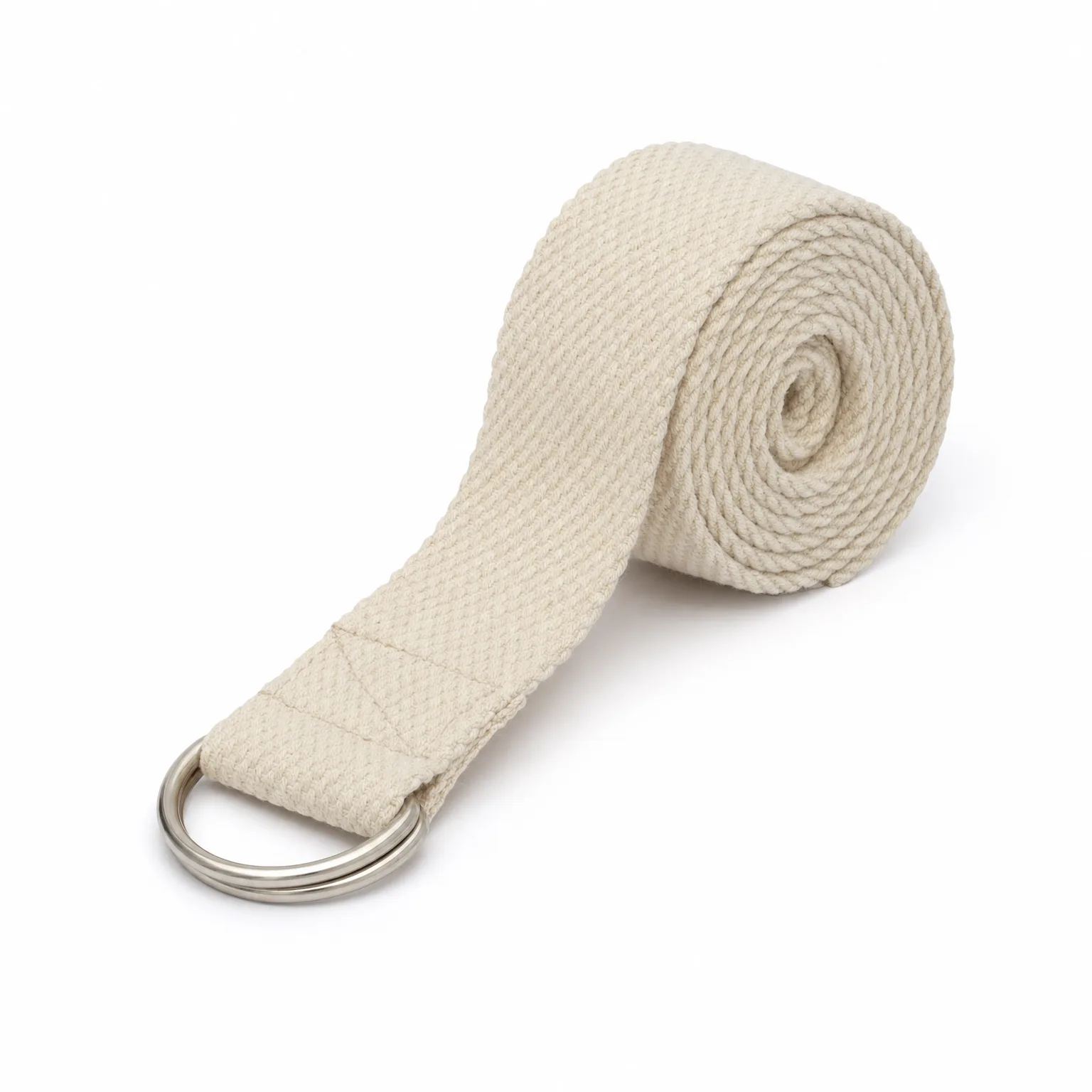
Yoga strap
A long, non-stretch cotton or nylon strap with a buckle that extends your reach in stretches, most often for the hamstrings.
Questions about foam roller
What does a foam roller do?
It applies pressure to a muscle as you roll over it, much like a firm massage you give yourself. Studies report a small, short-term increase in range of motion after rolling and a reduced feeling of soreness for some people. The effects are modest and fade quickly, so rolling works best alongside training, sleep and regular movement, not instead of them.
Should I foam roll before or after a workout?
Either works. Before training, 30–60 seconds per muscle followed by an active warm-up helps many people feel looser going into the session. After training or on rest days, people roll for the relaxing, massage-like feeling. Pick the time you will actually do it.
How long should I foam roll?
About 30–60 seconds per muscle group, or one to two minutes on an area that feels especially tight. A full-body session takes 5–10 minutes. Longer is not clearly better.
Is foam rolling supposed to hurt?
It often feels uncomfortable in the way a deep massage does, particularly on the outer thigh and calves. It should stay tolerable and ease as you hold the position. Sharp or radiating pain, numbness or tingling is not normal: reduce the pressure or stop.
Foam roller or massage gun?
A roller is cheap, has no battery and covers large muscles well, but you need floor space and have to support your own weight. A massage gun is easier to use while standing or sitting and reaches spots precisely, at a higher price. Both are used for the same purpose, so the better one is the one you find easier to use regularly.
Build programs around what your client has
This guide comes from OnlineFitness.app, the app online coaches run their clients in.
Free for life for the first 100 coachesNo card